
&imwidth=800&imheight=600&format=webp&quality=medium "Australia bans under-16s from social media, but YouTube warns it could make them less safe. Here's how")
Australia is about to roll out one of the toughest social media age rules in the world, and YouTube is hitting back hard. On Wednesday (Dec 3), the social media giant lashed out at the land down under, saying that the new ban on under-16s will do the opposite of what the government claims and could actually make kids less safe online. So what's going on here? WION Explains.
What the new law does
In a first-of-its-kind legislation, from December 10, anyone under 16 in Australia will be blocked from creating or using accounts on major social platforms. That includes Facebook, Instagram, TikTok, Snapchat, and YouTube. Kids will still be able to visit some sites without signing in, but many core features will disappear. On YouTube, they will lose access to features like "wellbeing settings" and "safety filters".

The government argues this is needed because social media algorithms push harmful content at young users, and parents simply can't monitor everything. Communications Minister Anika Wells went as far as calling the online environment a kind of "purgatory" for teens, shaped by algorithms that target their insecurities.
According to the Australian government, the ban will be far from perfect from day one. Some kids will slip through, but the law gives regulators more leverage to force platforms to change. Companies that don't take what authorities consider "reasonable steps" to comply could face fines of $49.5 million (US$32 million).
Why YouTube is furious
Trending Stories
)
Did India risk its US trade deal despite softer stance at BRICS?
)
Pakistan puts Pak Rs 70 lakh bounty on UN terrorist Masood Azhar; move draws skepticism in Delhi
)
‘US ensuring global energy supplies’: Trump demands reimbursement for securing Strait of Hormuz
)
'Huge destructive power': North Korea calls its latest missile launches 'live-fire drill' even as US dismisses 'immediate threat'
)
Historic first: ‘Ganga aarti’ performed on River Thames in London
)
‘Let’s go’: Newly declassified videos show dramatic rescue of US Air Force officers downed in Iran
&im=FitAndFill=(700,400))
Why European Meteor missiles use ramjet engines compared to standard US solid rockets
)
Iran, India agree to deepen humanitarian and political ties, President Pezeshkian says
)
‘Want to reset ties with India, have engagement based on mutual interests,’ says Bangladesh minister
)
Turkish Airlines plane flies through a storm three times, triggering severe turbulence
&im=FitAndFill=(700,400))
Why Chinese PL-15 air-to-air missiles use dual-pulse motors compared to European interceptors
)
BRICS set of guidelines for disaster management
)
800 million years old - Scientists discover 'fingerprints' of supercontinent Gondwana in ancient rocks
)
Russia proposes to build 360 kmph Ivolga FG trains in India: What happened on sidelines of BRICS
)
China discovers vast gold and silver 'mine' in the Pacific with unheard-of deposits
)
Who really benefits from the BRICS bank? Inside the New Development Bank's $43 billion portfolio
)
Plane carrying prominent figure crashes at Libya’s Misrata airport: Report
)
Woman removes all her clothes on American Airlines flight, performs 'indecent acts'; arrested
&im=FitAndFill=(700,400))
New OTT releases this week (September 14-20, 2026): Lust Stories 3, Waiting Hai, Irumudi- 5 new titles coming on Netflix, Prime Video and more
)
Liam Neeson sparks romance rumours after holding hands with Stella Stocker at TIFF 2026
)
Sent home midway from UK tour, Pakistan's Salman Agha hits 300* in domestic return
)
Nigerian Navy seizes 10,000 litres of suspected illegal fuel in Rivers State crackdown
)
Saudi Arabia discovers 110 million tonnes of Uranium-rich ore in Madinah region
)
Ecstasy tablets are rage in 'drug haven' Libya | Gravitas
)
'Now Trump is copying us': Shivakumar links US $5,000 plan to Congress guarantees
)
Video of Pakistani lawmaker struggling to read English tribute to Jinnah goes viral - WATCH
)
Trump downplays China's alleged 'help' to Iran in strike on Jordan base | Gravitas
)
Meghan Markle shares first glimpse of family life with Prince Harry and children in UK
)
Baba Vanga's first prophecy for 2027 is out, and straight out of science fiction
)
Photographs, LeT labels vanish from two 2008 Mumbai attack entries in Pakistan’s most wanted list
)
US court blocks Trump administration move ending automatic H-4 EAD extensions for seven spouses
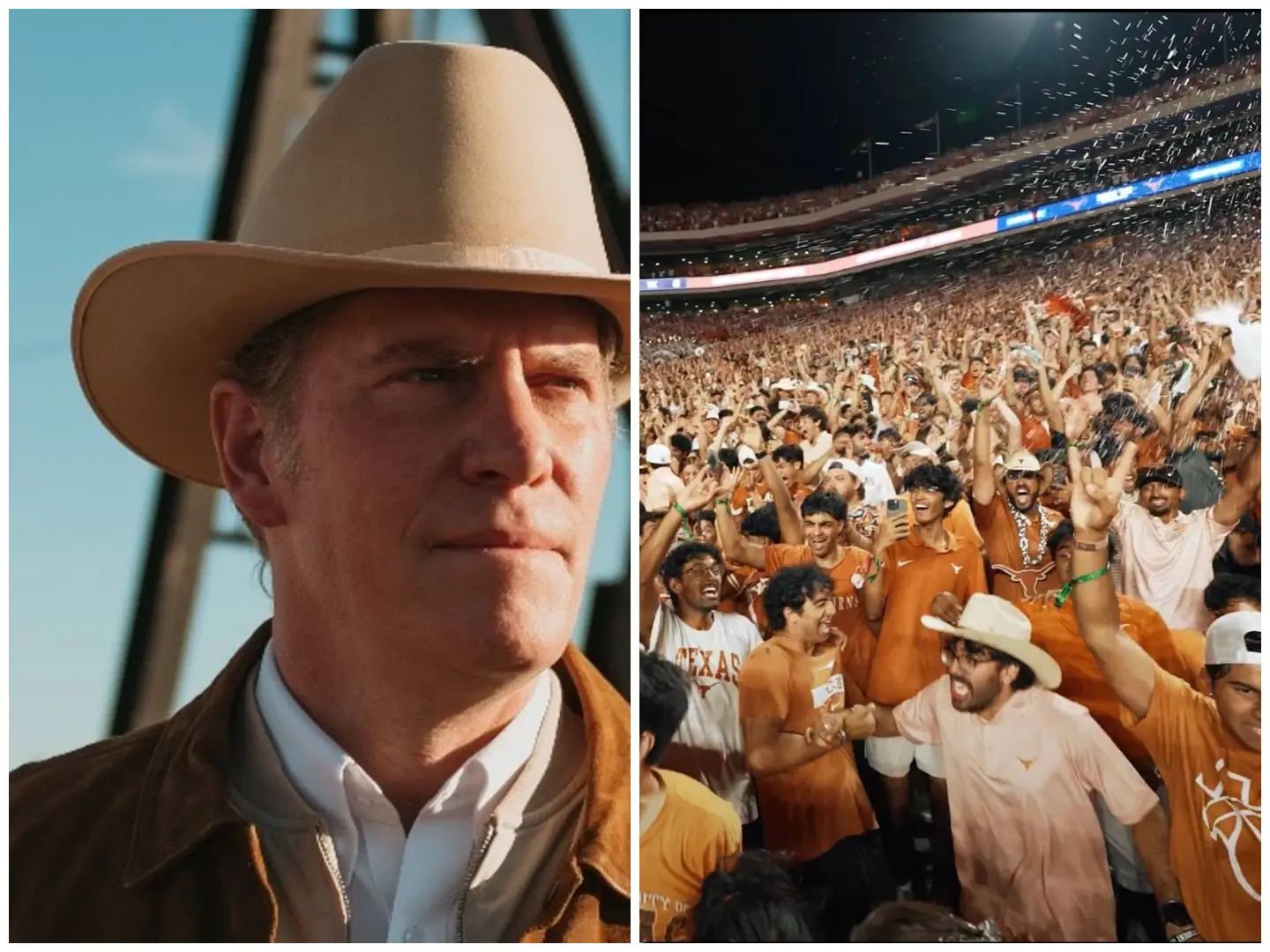)
Indian Americans, fellow Republicans react sharply to Bo French’s post targeting 'foreigner' students in Texas
)
UK man admits drugging, raping wife for 20 years in shocking abuse case
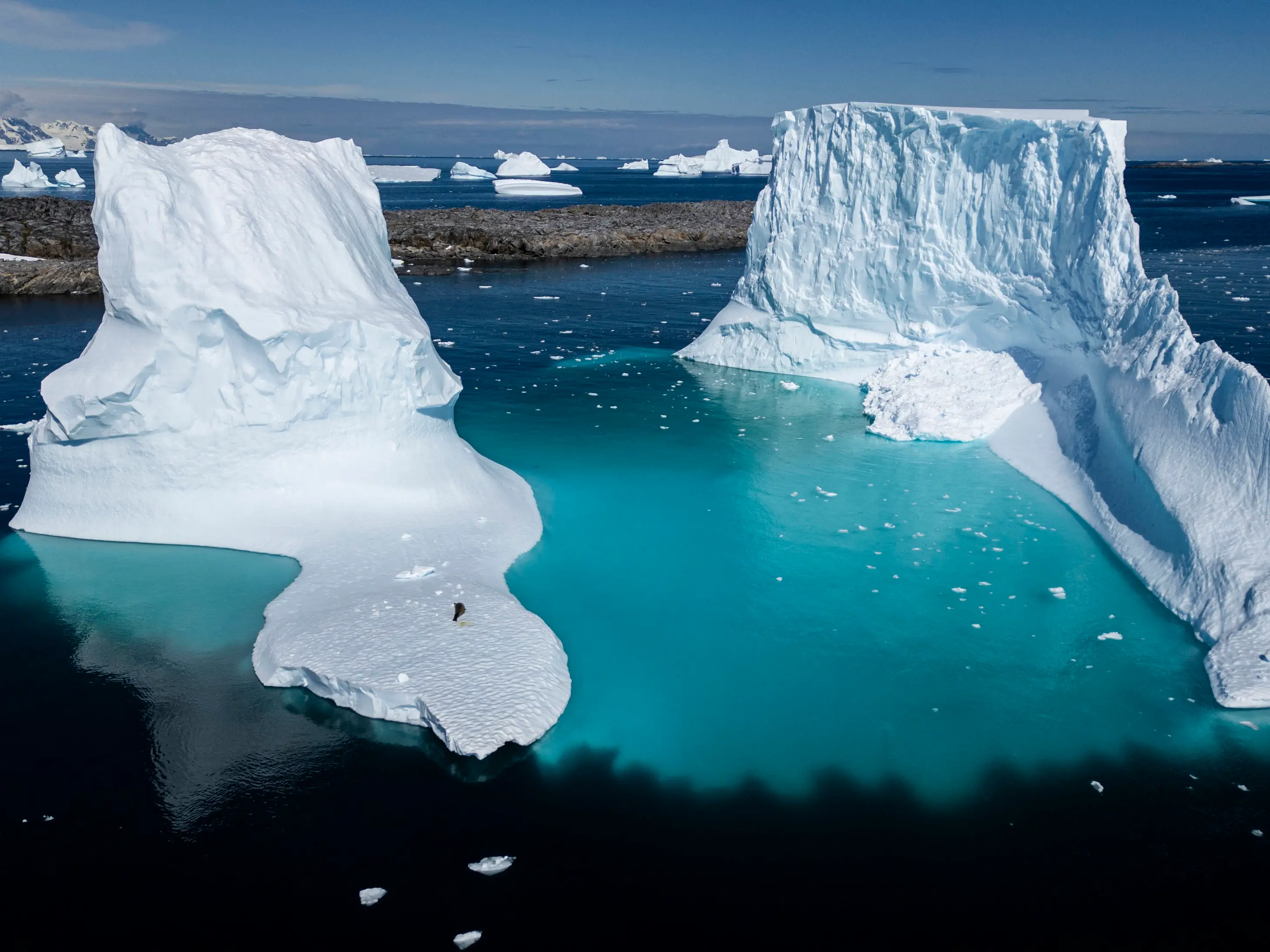)
Extreme warming in Indian Ocean added 695 billion tons of ice to Antarctica ice sheet
)
Scotland, Wales & Northern Ireland push for exit from UK | Race To Power
YouTube says the law is "rushed," misguided, and based on a misunderstanding of how young people use the platform. The company's public policy manager, Rachel Lord, says under the new rules, YouTube will have to automatically sign out all Australian users under 16, based on the age listed in their Google accounts. "This law will not fulfil its promise to make kids safer online, and will, in fact, make Australian kids less safe on YouTube," he said.
Kids could still watch videos without logging in, but they would lose tools meant to make the platform safer, including content filters and digital well-being settings. YouTube argues that stripping these features away will leave teens more exposed, not less. "We've heard from parents and educators who share these concerns," said Lord.
YouTube had expected to avoid the ban altogether. The platform was originally seen as an exception because many students rely on it for educational videos. But the government hardened its stance in July, saying young users needed to be shielded from "predatory algorithms".
What happens to kids’ accounts
YouTube says it won't delete anything. Instead, it will archive underage accounts until the user turns 16. When they come back, all their content and settings will be waiting for them. "At YouTube, we believe in protecting kidsinthe digital world, not fromthe digital world."
Australia hits back at YouTube
Wells dismissed the company's complaints as "outright weird," arguing that if YouTube is suggesting its logged-out experience is unsafe, that’s YouTube’s problem to fix. "If YouTube isreminding us all that it is not safeand there's content not appropriatefor age-restricted users on theirwebsite, that's a problem thatYouTube needs to fix," she said.
Will the ban actually work?
Currently, "the algorithm will attack them so deftly, so subtly, it resembles an embrace. Their interactions will be unsupervised and weaponised because their parents can't watch them 24/7," Communications Minister Wells told reporters.
"With one law, we can protect Generation Alpha from being sucked into purgatory by the predatory algorithms," she said. She noted that some teenagers had killed themselves as algorithms "latched on" targeting them with content that drained their self-esteem.
Australia concedes the rollout will be messy. Younger teens might find workarounds. Wells said that the nation is open to banning more platforms if it finds that children are migrating to alternative platforms.
The landmark law could trigger similar legislation elsewhere. Malaysia is already planning a similar rule, and New Zealand is moving in the same direction.

