Astrophotographer clicks stunning image of ISS transiting a crescent moon

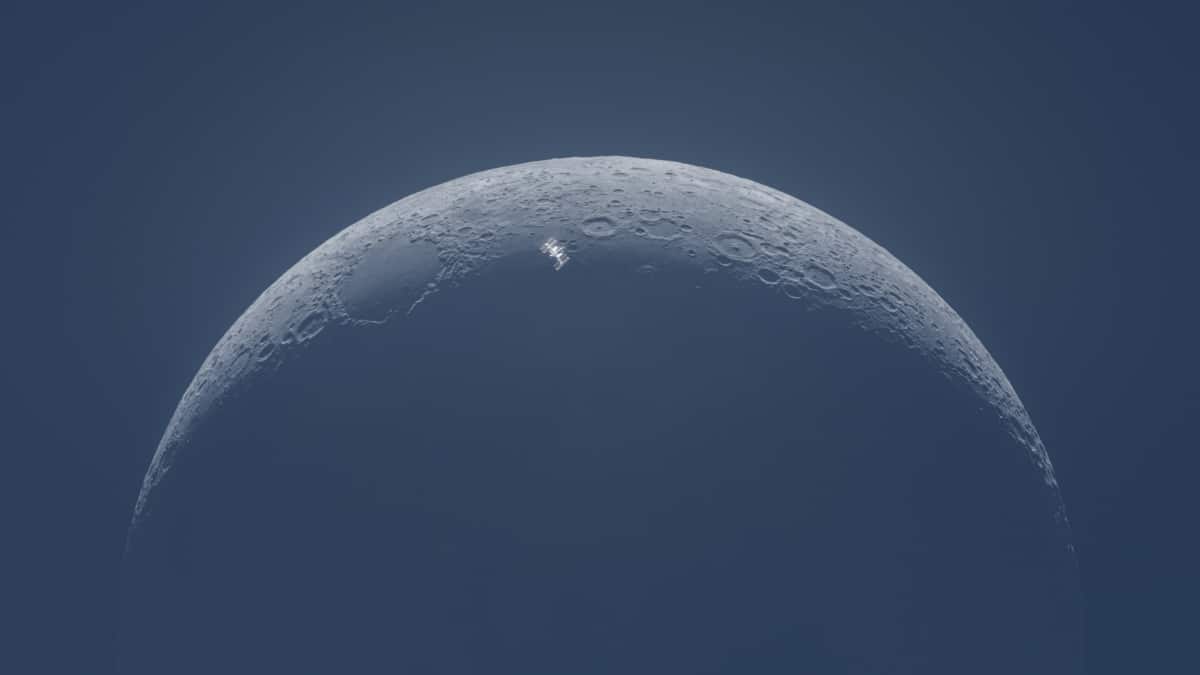
Image of ISS transiting a crescent moon
A backyard astrophotographer captured a stunning image of the International Space Station (ISS) laboratory transiting a crescent moon at a speed of more than 17,000 miles per hour.
Andrew McCarthy, who is known for clicking breathtaking photos of the cosmos, recently published a photo which showed the massive 356-foot-long orbiting laboratory transiting a massive crescent moon. The laboratory appeared like a shiny speck and the moon's crated surface was clearly visible.
McCarthy stated that he went to a remote location in the Sonoran Desert and placed his equipment among cacti in 105°F (40.5degree Celsius) heat with hopes ofcapturingdetails of the station which is rarely visible.

ALSO READ |'Strawberry Moon' illuminates night sky. Here's how this full moon got its name
"This transit happened at 4:50 pm, so the sun was still out. That made the moon much lower contrast and difficult to focus on using my equipment. Thankfully, the ISS still shines brightly enough to capture in conditions like this," he said.
The ISS is stationed 254 miles above the surface of Earth and 238,900 miles from the moon. The massive craft travels five miles per second and completes a full moon transit in around half a second.
&imwidth=180&imheight=135&format=webp&quality=medium)
China's counter-surveillance industry booms amid heightened espionage fears | Gravitas
&im=FitAndFill=(700,400)&imwidth=180&imheight=135&format=webp&quality=medium)
Navratri 2026: 9 days, 9 forms of Goddess Durga and 9 colours- Check the complete list
&imwidth=180&imheight=135&format=webp&quality=medium)
Trump accuses Houthis of driving up oil prices before US midterms, warns of consequences
&imwidth=180&imheight=135&format=webp&quality=medium)
Russian woman and Bihar boy's love story goes viral after she reaches India to marry him
&imwidth=180&imheight=135&format=webp&quality=medium)
US Midterms 2026: In Alaska, cost-of-living anxiety meets strangest ballot in high-stakes Senate race
&imwidth=180&imheight=135&format=webp&quality=medium)
Arijit Singh 9-city India stadium tour to start from January: Check venue and ticket prices
&imwidth=180&imheight=135&format=webp&quality=medium)
F1 set to return to Africa for first time since 1993
&imwidth=180&imheight=135&format=webp&quality=medium)
'Don't ever mess with nature!': Trump’s tiger attack post triggers social media backlash as victim's family issues heartbreaking tribute
&imwidth=180&imheight=135&format=webp&quality=medium)
CMs Vijay-Naidu meet in Vijayawada, discuss water sharing, river-linking
&imwidth=180&imheight=135&format=webp&quality=medium)
Air India Flight from Frankfurt diverted to Jaipur after hijack alert, probe on
&imwidth=180&imheight=135&format=webp&quality=medium)
1,500 drones illuminate Mumbai sky as Cordelia Cruises unveils second ship, Cordelia Sky
&imwidth=180&imheight=135&format=webp&quality=medium)
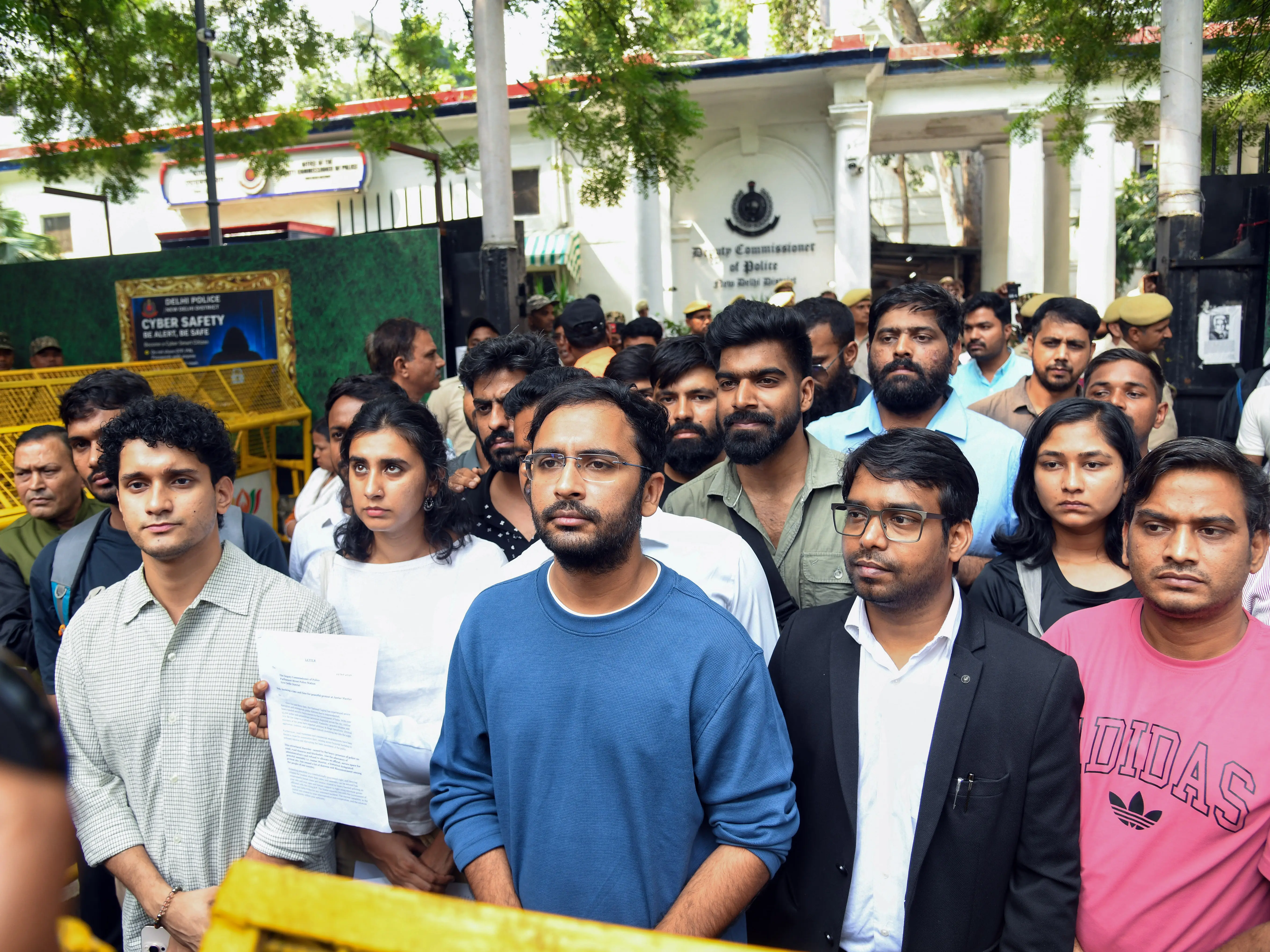
Delhi Police arrest Cockroach Janta Party's Saurav Das, Ashutosh Ranka, Ajinkya Shinde in Jantar Mantar case, to be produced before court
&imwidth=180&imheight=135&format=webp&quality=medium)
Pakistan to chair UN-backed global Borrowers’ Platform as its own debt burden mounts, triggers sarcastic reactions on social media
&imwidth=180&imheight=135&format=webp&quality=medium)
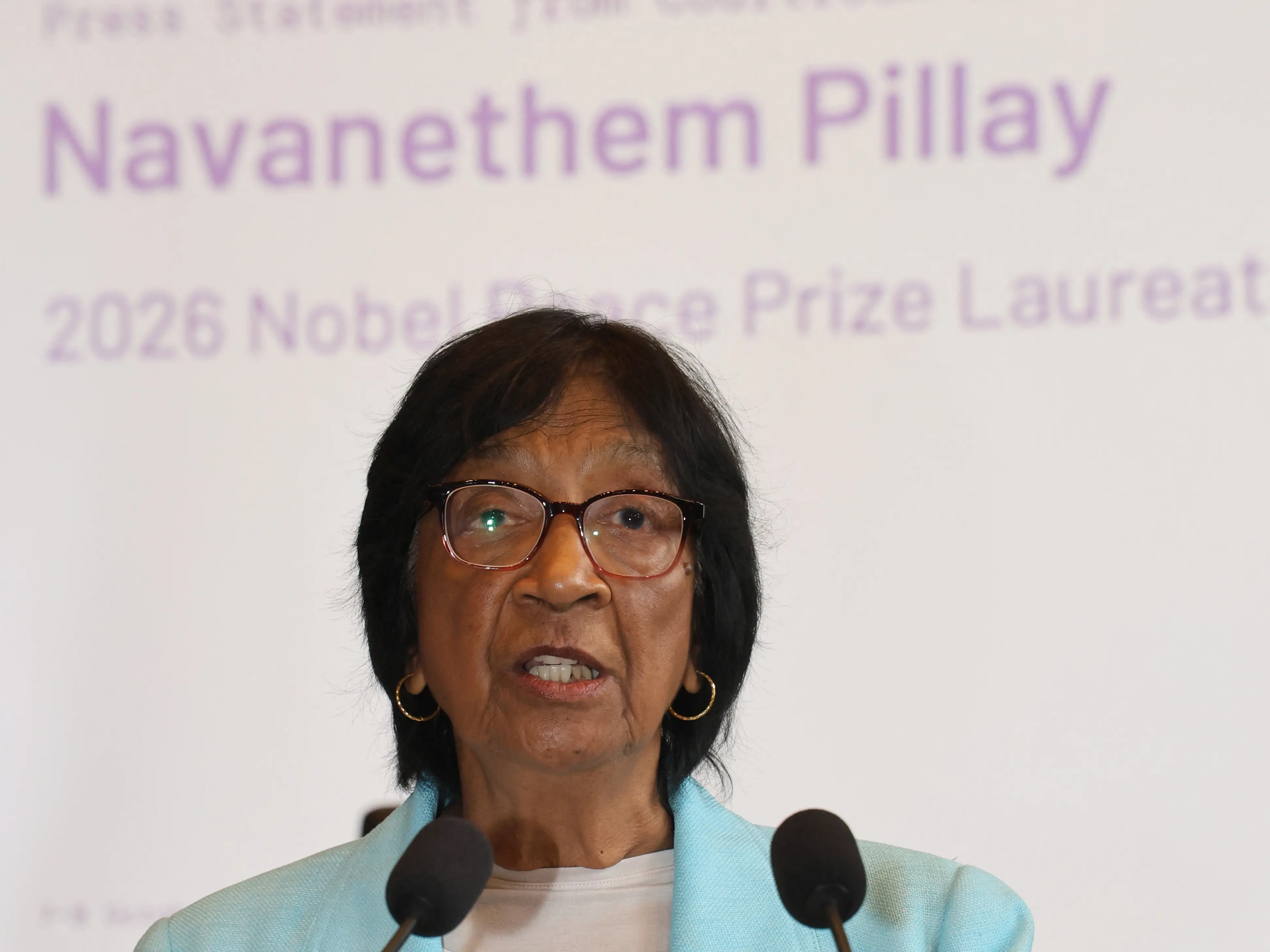
Nobel Peace Prize winner Navi Pillay calls on US to 'get back to' being defender of human rights
&imwidth=180&imheight=135&format=webp&quality=medium)
France accuses Musk of ‘online harassment’ of European leaders, warns of poll interference
&imwidth=180&imheight=135&format=webp&quality=medium)
'Turn approver, resign, we'll forgive you': Rahul Gandhi claims receiving messages from CEC Gyanesh Kumar
&imwidth=180&imheight=135&format=webp&quality=medium)
MI5 chief warns Russia is UK’s ‘aggressor number one’ as Iran and AI threats grow
&imwidth=180&imheight=135&format=webp&quality=medium)
At least 80 newborns die at Madhya Pradesh Hospital over six months, BJP MLA demands probe
&imwidth=180&imheight=135&format=webp&quality=medium)
Trump reconsidering calling off Nidal Hasan's execution livestream. Here's why
&imwidth=180&imheight=135&format=webp&quality=medium)
‘My president, I mean my husband’: Trump's new press secretary Katie Zacharia's first briefing goes off the rails in 14 minutes
&imwidth=180&imheight=135&format=webp&quality=medium)
‘How many people did she illegally bring from Somalia?’ Trump targets Ilhan Omar, questions her net worth
&imwidth=180&imheight=135&format=webp&quality=medium)
Marco Rubio to visit India next week, focus on energy cooperation and strategic ties
&imwidth=180&imheight=135&format=webp&quality=medium)
US politicians mistakenly use Indian, Russian warship images for Navy's birthday posts
&imwidth=180&imheight=135&format=webp&quality=medium)
'Ouch!!! That must hurt': Kangana Ranaut hails Kamal Haasan's sharp reply to Elon Musk over Starlink row
&imwidth=180&imheight=135&format=webp&quality=medium)
Girl 'dead' for 8 hours wakes up at her own funeral, dad insists she wasn't breathing
&imwidth=180&imheight=135&format=webp&quality=medium)
Sidhu Moose Wala’s younger brother wins hearts by recreating late singer’s signature move at Toronto Hologram Show
&imwidth=180&imheight=135&format=webp&quality=medium)
UK school ditches technology, shifts from screen to pen and paper for learning
&imwidth=180&imheight=135&format=webp&quality=medium)
Durga Puja 2026: Kolkata roads get a splash of colours
&im=FitAndFill=(700,400)&imwidth=180&imheight=135&format=webp&quality=medium)
New OTT releases this week (October 12-18, 2026): Sacrifice, Koffee with Karan S9, Roadies Rebirth- 6 titles coming on Netflix, JioHotstar and more
&imwidth=180&imheight=135&format=webp&quality=medium)
Inside Aneet Padda's 24th birthday bash with rumoured boyfriend Ahaan Panday and Alia Bhatt
&imwidth=180&imheight=135&format=webp&quality=medium)
New Cold War: Why is China buying more gold? Explained
&imwidth=180&imheight=135&format=webp&quality=medium)
Netanyahu wants to join Saudi's war on Houthis, but Crown Prince denies: Report
&imwidth=180&imheight=135&format=webp&quality=medium)
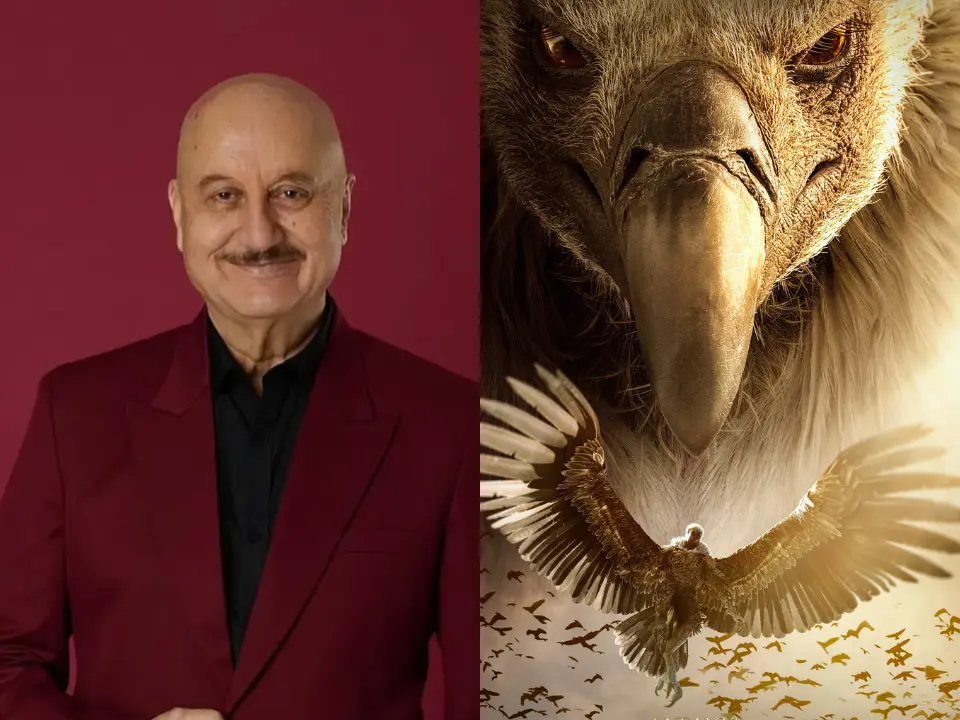
Anupam Kher joins Ranbir Kapoor's Ramayana as Jatayu, new poster unveiled
&imwidth=180&imheight=135&format=webp&quality=medium)
Measles kills again: 6 dead in Pennsylvania as America faces its worst outbreak in decades | Gravitas
&imwidth=180&imheight=135&format=webp&quality=medium)
Cornell University suspends fraternity parties over 2024 gang rape allegations
Shooting in desert
Two telescopes were set up by McCarthy in the desert in case one does not work during the mission, something which had happened to him in the past.
"I use two telescopes for multiple reasons," stated McCarthy in a press release.
"Right now, I miss about two-thirds of the shots I attempt due to either equipment failure or weather. The second telescope helps eliminate variables. It also allows me to use colour and monochrome cameras with different strengths. This image was captured using both, so I was able to combine the final images," he added.
However, the astrophotographer got only one moment to capture the transit of the ISS across the moon, specifically a quarter of a second.
"Precision during the capture was paramount. Due to the focal lengths used, the camera would have missed the transit entirely if my position on Earth was off even slightly," he said.
The ISS travels at a whopping 17,500 miles per hour, so the exposure of the camera had to be very short to avoid motion blur.
WATCH |Will the moon get its own time zone?
He said, "I was shooting with .2ms (1/5000s) exposures, but even with such short exposures, the station moved about 2 metres within each shot!"
McCarthy stated that he wishes to inspire the new generation of space explorers.
"Images like this really excite me. It's a juxtaposition of space exploration's past, present, and future. I call this one 'New Frontiers' as it makes me think about the Lunar Gateway and the future of the Artemis mission," said McCarthy.
He said, "Perhaps the first person to set foot on Mars will see it and feel inspired!"
You cannow write forwionews.comand be a part of the community. Share your stories and opinions with ushere.
WATCH WION LIVE HERE