Scientist claims 35 million interstellar objects reside between Sun and Earth - '100 trillion metric tons...'

&imwidth=600&imheight=450&format=webp&quality=medium "Scientist claims 35 million interstellar objects reside between Sun and Earth - '100 trillion metric tons...'")
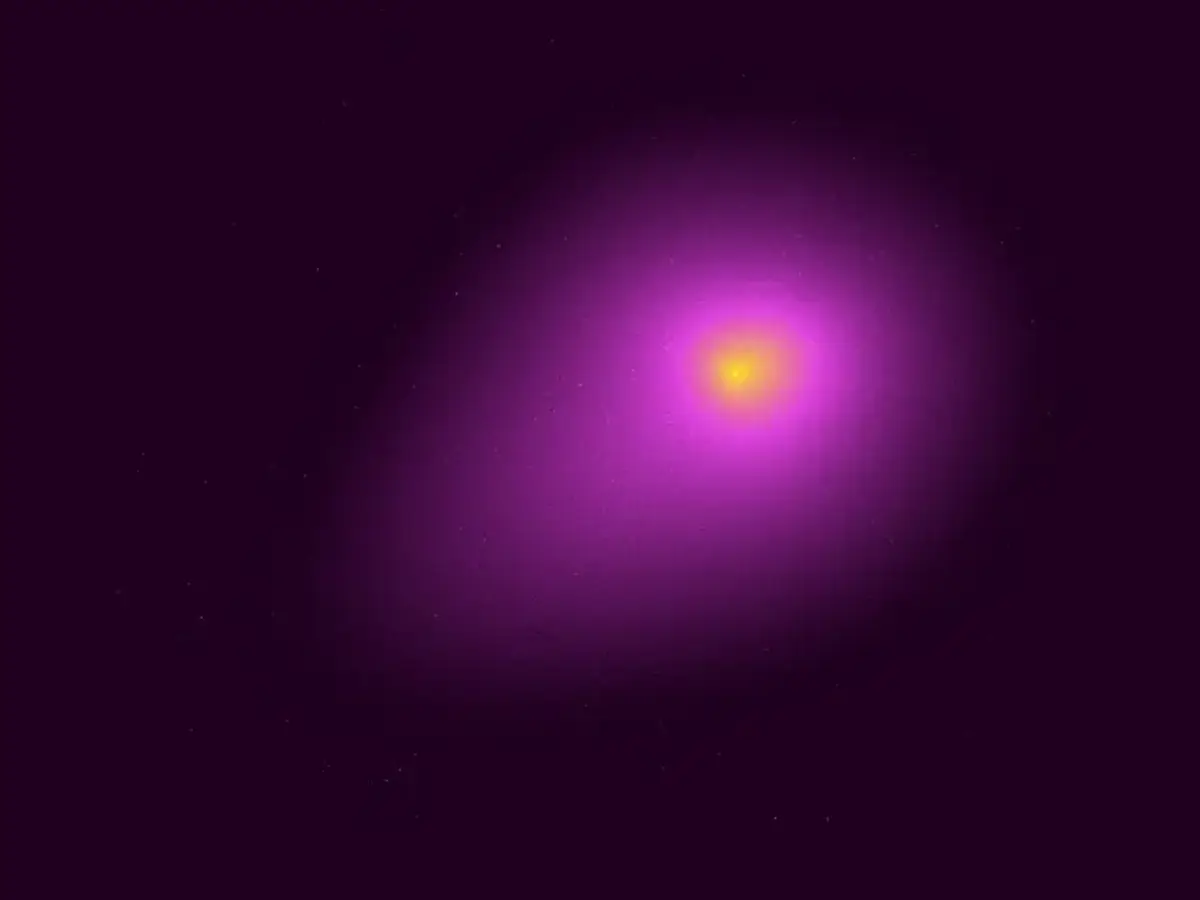
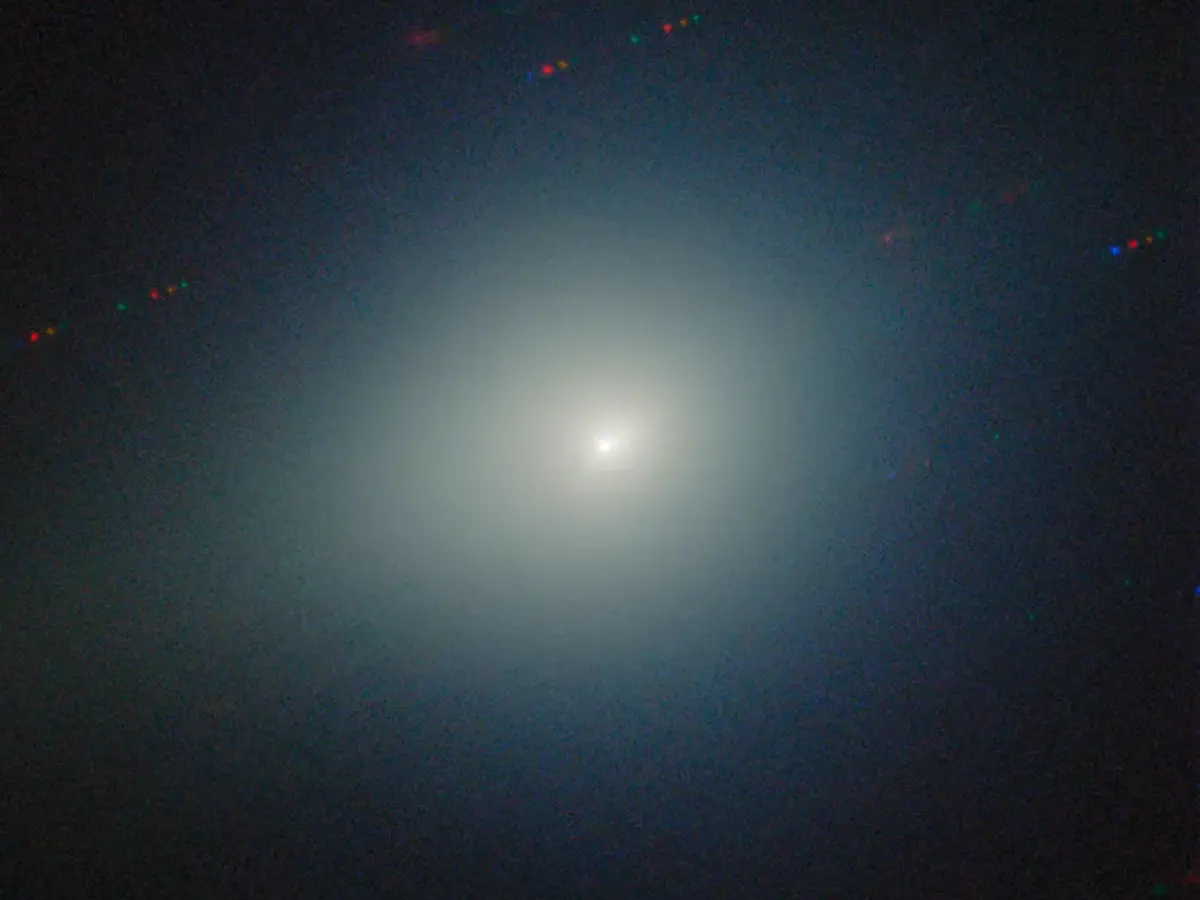
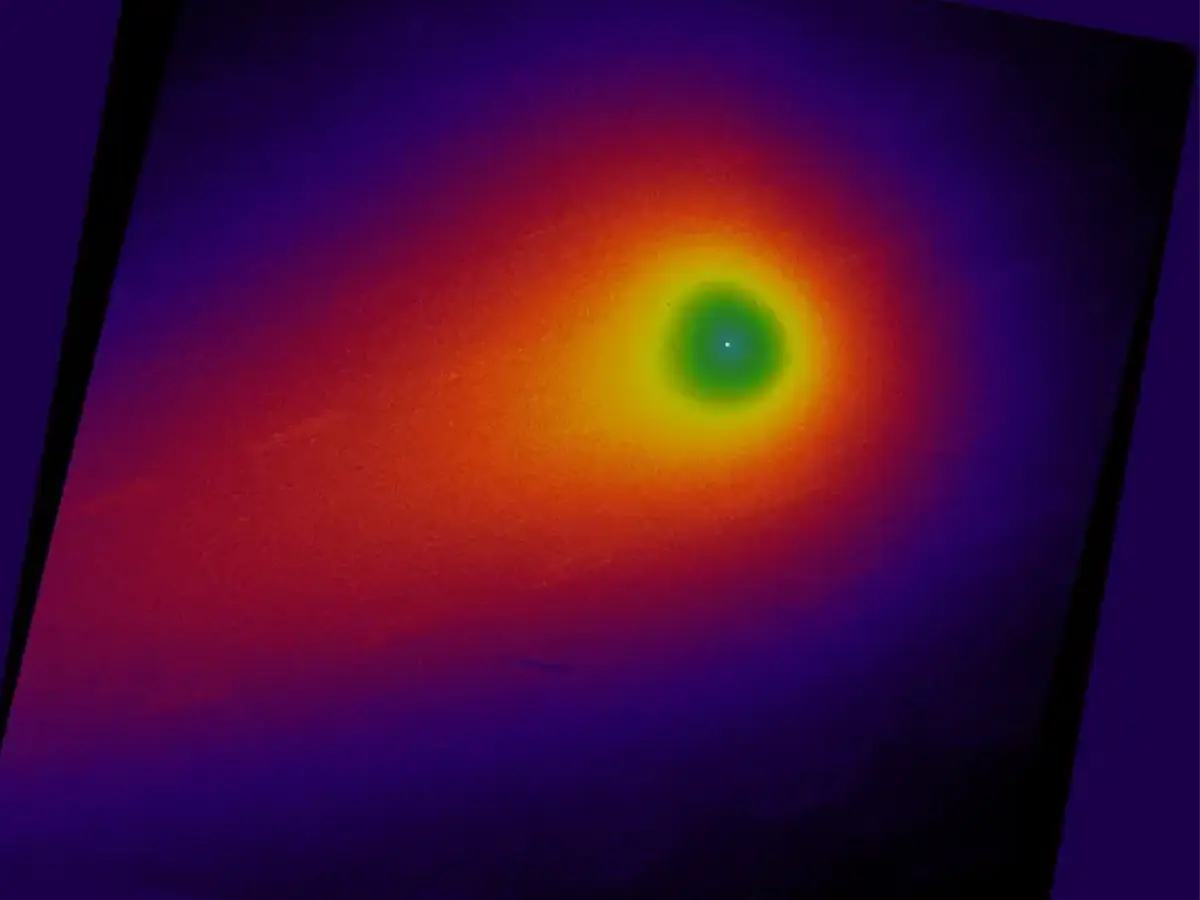
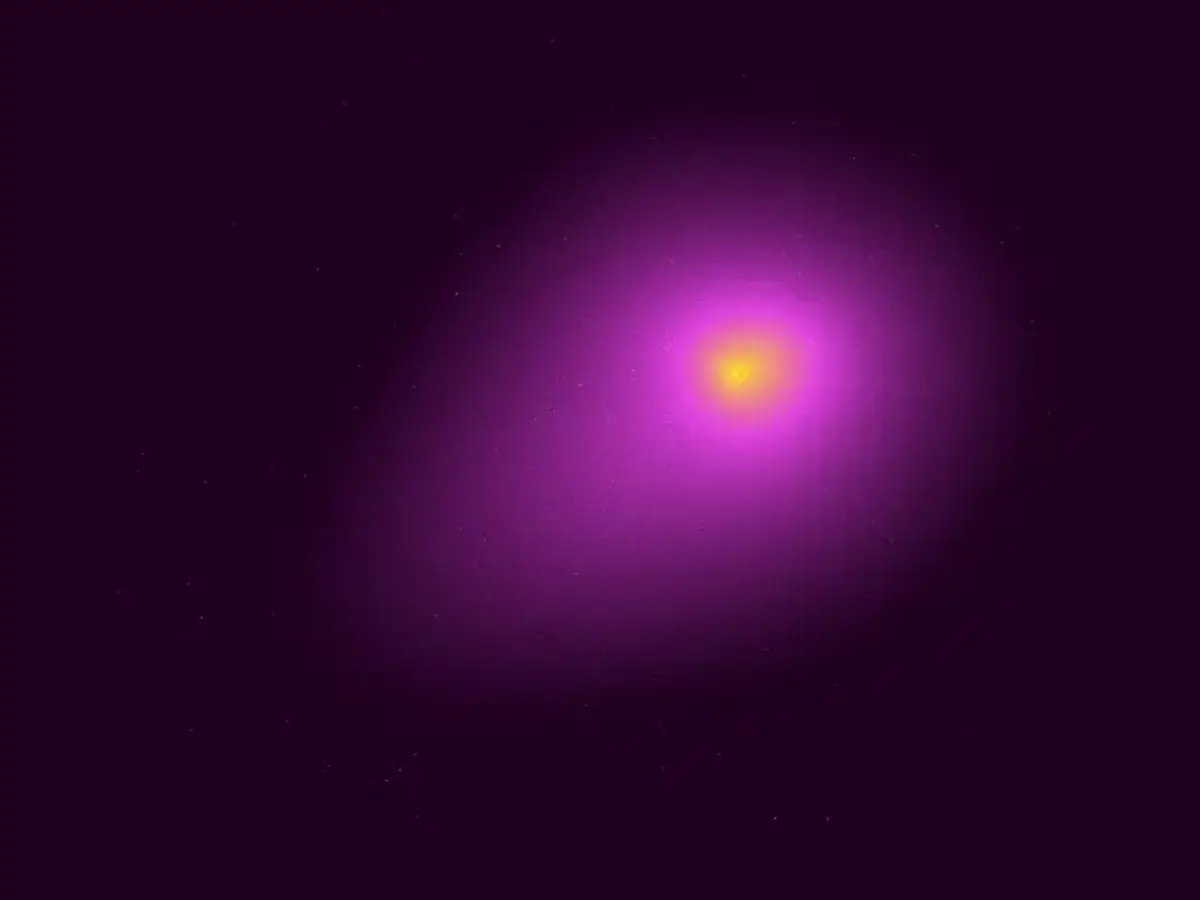
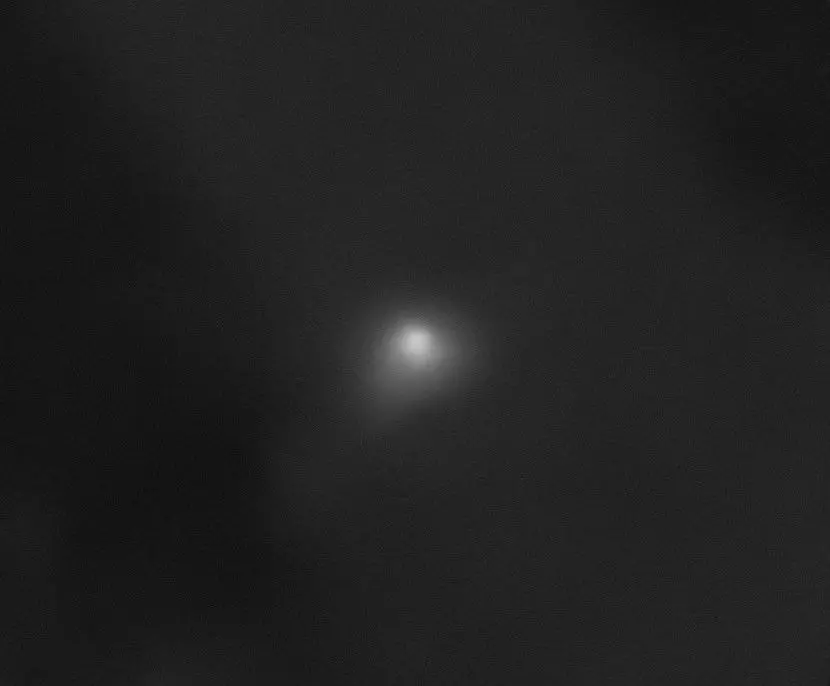
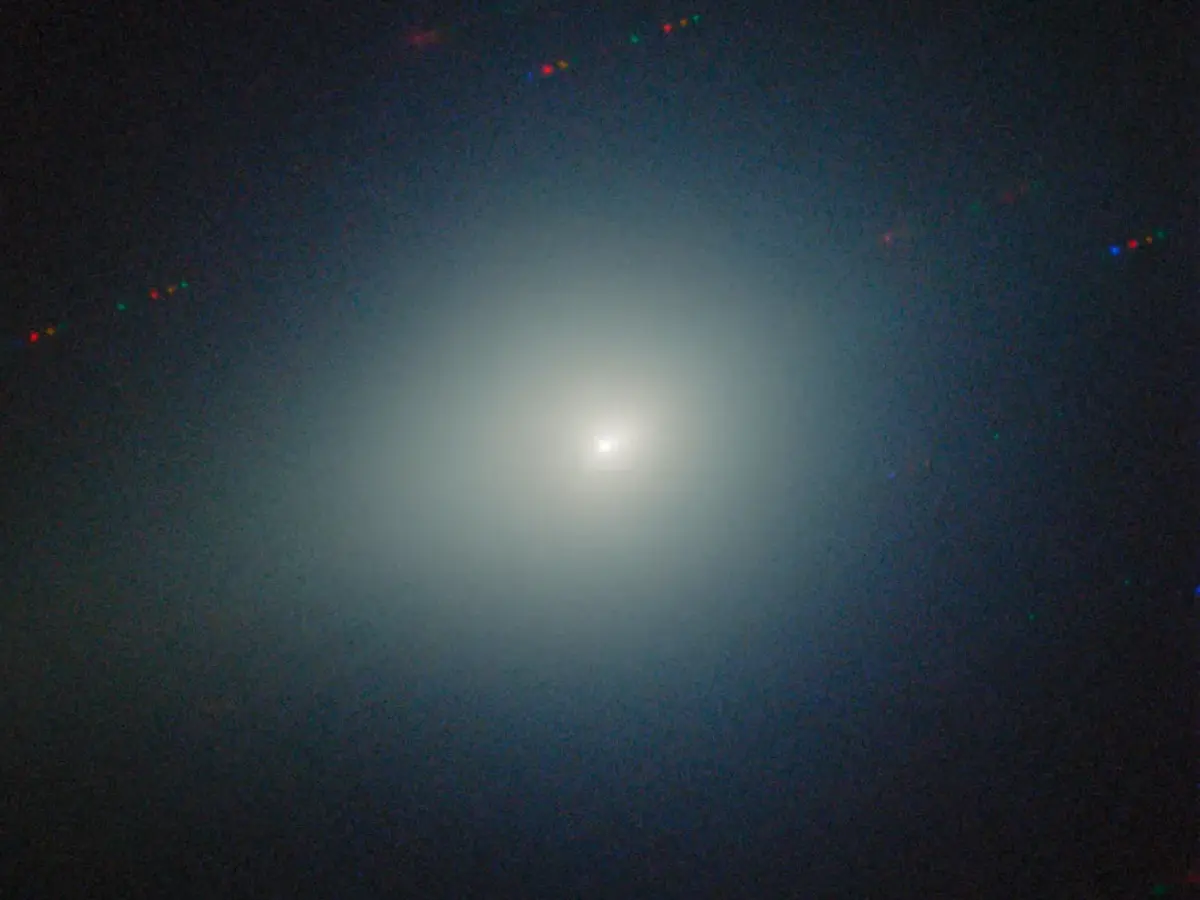
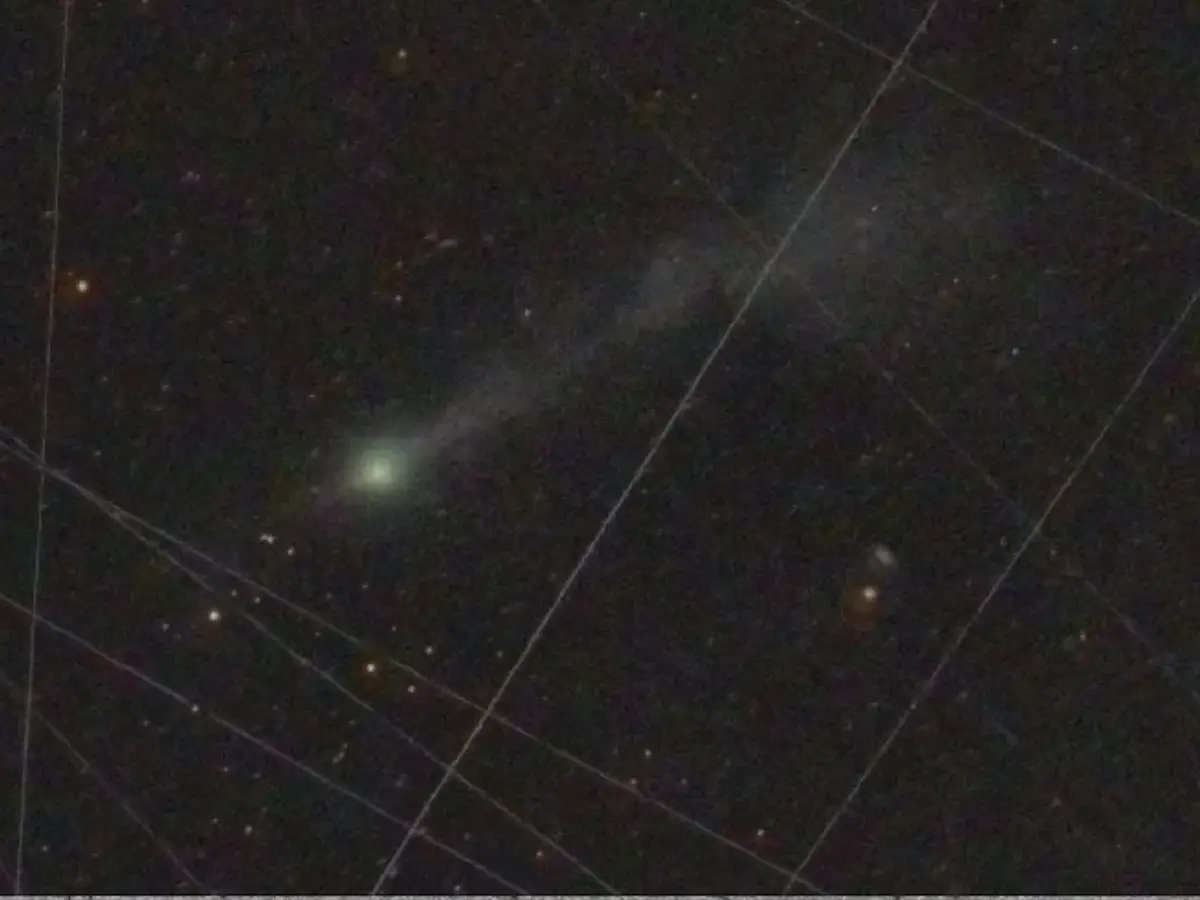
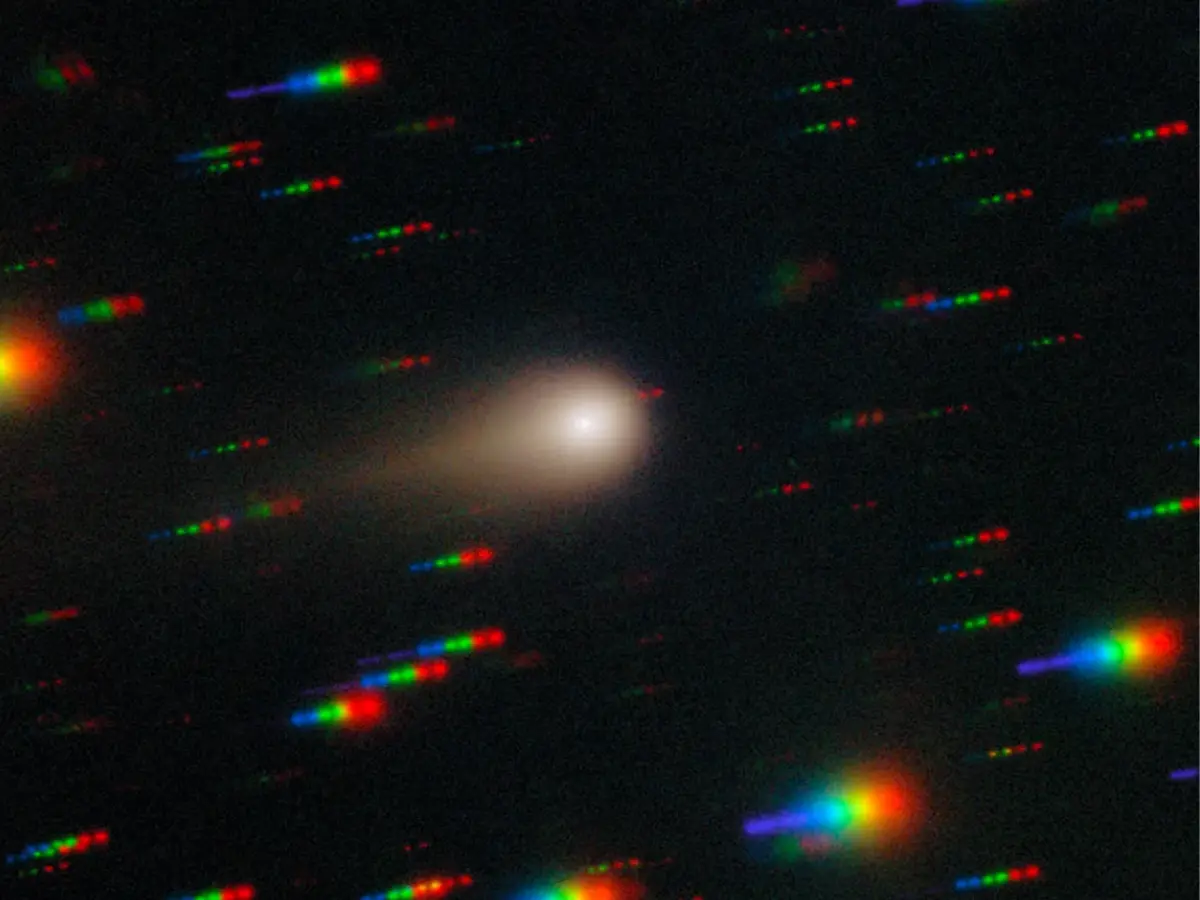
Interstellar comet 3I/ATLAS was large, but there could be millions of smaller pieces that came from outside the solar system. Photograph: (Gemini Telescope Chile)
3I/ATLAS might have been only the third interstellar object we noticed, but a scientist claims that there could be millions of such objects within Earth's orbit around the sun, travelling from interstellar space. He estimates that they would weigh 100 trillion metric tons when combined.
Harvard scientist Avi Loeb has claimed that there could be 35 million interstellar objects inside Earth's orbit. In 2025, 3I/ATLAS, the third known interstellar object, was discovered in the solar system and became the star of the astronomy world overnight. But Loeb has presented calculations, according to which objects from the outer world are extremely common. He studied two meteors that probably came from another star system to estimate the number of interstellar objects in our solar system. CNEOS-22 was detected in 2022 over the Pacific, and CNEOS-25 was spotted over the Barents Sea in the Arctic in 2025. They were both around six feet and four feet across, but large enough to exceed the Solar System's escape velocity. Loeb stated that such meteors collide with Earth on average once every three years. Using this premise, he concluded that these objects exist in large numbers in Earth's orbit.
"Given the detection of two interstellar meteors in the CNEOS fireballs database over a period of 7 years, the inferred collision rate of meter-scale interstellar objects with Earth is about 0.3 per year," Loeb wrote. He added, "This implies that there are about 35 million meter-scale interstellar objects embedded at any time within the orbit of the Earth around the Sun." The scientists calculated that each object carries about 3 million metric tons of material, which means that "hundred trillion (10^{14}) metric tons of interstellar material is present" in the interior of Earth’s orbit around the Sun.
Also Read: NASA's TESS captures 3I/ATLAS once again. But some data is missing. Here's what happened
Also Read: Scientist says a trillion 3I/ATLAS-like objects are in the solar system right now
35 million interstellar objects
3I/ATLAS was larger than these meteors, as it likely didn't disintegrate much. But the 35 million interstellar objects that Loeb claims are present inside Earth's orbit are probably fragments of objects like 3I/ATLAS. Loeb is planning to carry out ocean expeditions to recover material from CNEOS-22 and CNEOS-25. Performing radioactive dating could reveal how long the meteor travelled through interstellar space and its origin.
Trending Stories
)
)
)
)
)
)
)
)
)
)
)
)
)
)
)
)
)
)
)
)
)
)
)
)
)
)
)
)
)
)
)
)
)
)
&im=FitAndFill=(700,400))
)
)
)
)
3I/ATLAS and other interstellar objects
Before 3I/ATLAS, scientists discovered 'Oumuamua, a dry, rocky body floating through space that had come from outside our solar system. Its elongated shape stumped astronomers who struggled to explain its origins. Next came 2I/Borisov, an interstellar comet that became only the second object to be spotted coming from an outer world. 3I/ATLAS was discovered on July 1 by the ATLAS telescope in Chile. It became a sensation instantly, especially after scientists learned that it was born billions of years before our solar system. 3I/ATLAS is estimated to be 7-13 billion years old. Its trajectory proved that it was not bound to our Sun's gravitation, which showed that it was an interstellar object. For months, astronomers across the world tracked 3I/ATLAS and saw it changing speed, brightness and its path.