3I/ATLAS anti-tail quivered every 7.75 hours before perihelion, spans 500,000km

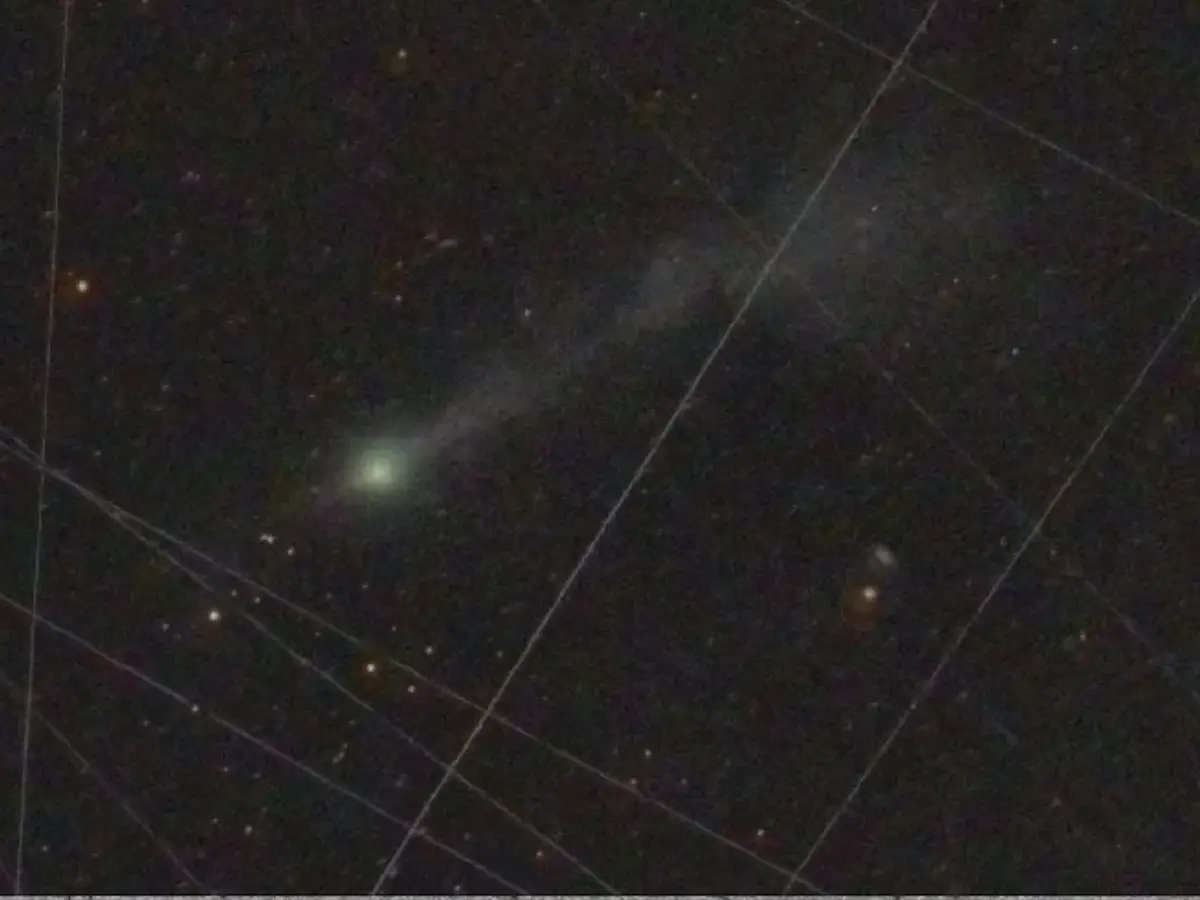
3I/ATLAS latest update: The anti-tail of the interstellar comet shifted before reaching perihelion, according to a new analysis. It oscillates once every 7.75 hours, likely because of an offset from the poles. This jet is covering a larger area than the distance between Earth and the Moon.
3I/ATLAS tail wobbles
The anti-tail of 3I/ATLAS went a bit wobbly before reaching the closest point near the Sun. A pre-print paper published on arxiv flagged this occurrence in the interstellar comet, stating that a periodic wobble of 7.75 hours was recorded between July and August, 2025.
3I/ATLAS observed for 37 nights
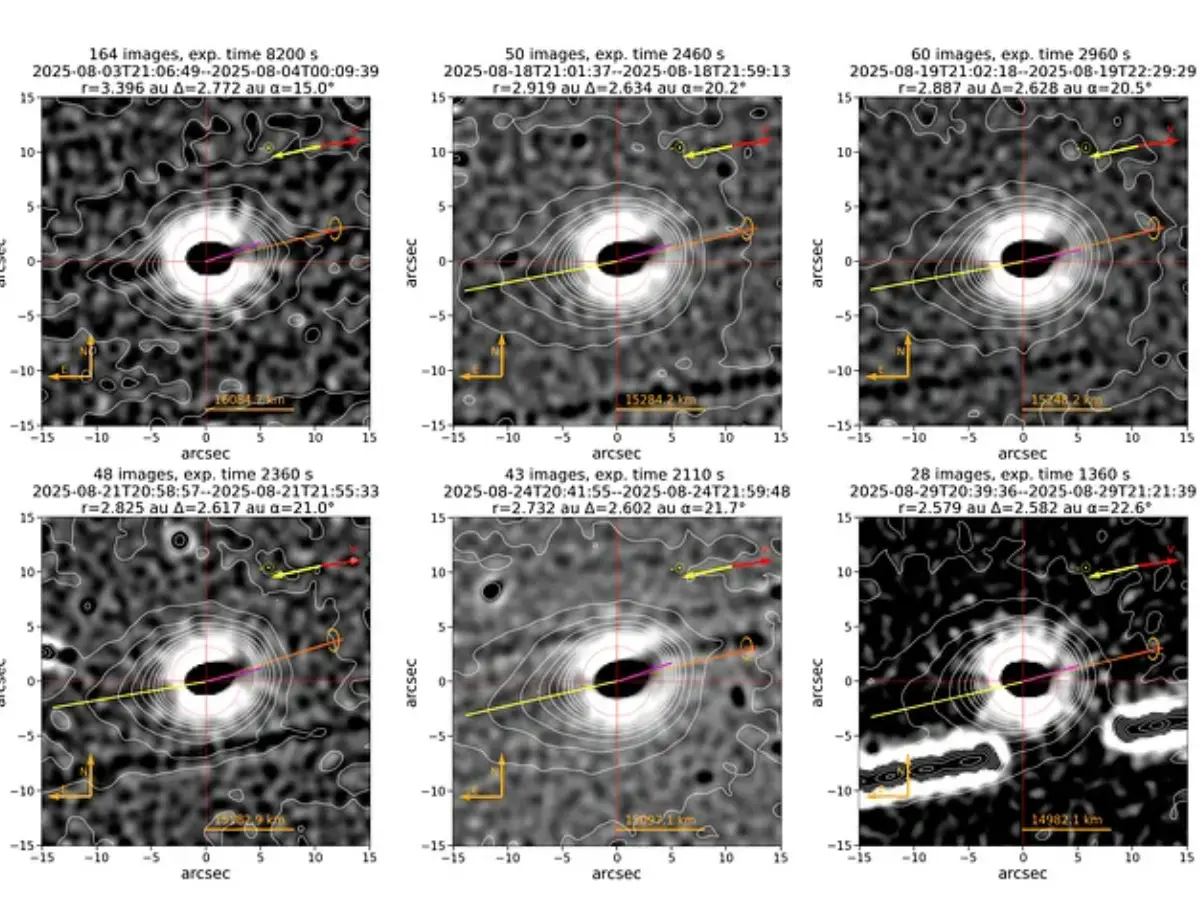
The researchers wrote, "The comet was extensively monitored on 37 nights between 2025, July 2 and September 5," for which the Two-meter Twin Telescope (TTT) at the Teide Observatory (Tenerife, Canary Islands, Spain) was used. The wobble in the "faint high-latitude jet" supposedly happened because of the "anti-tail base being offset from the poles associated with the rotation axis of the nucleus."
Nucleus of 3I/ATLAS rotating approximately every 16 hours
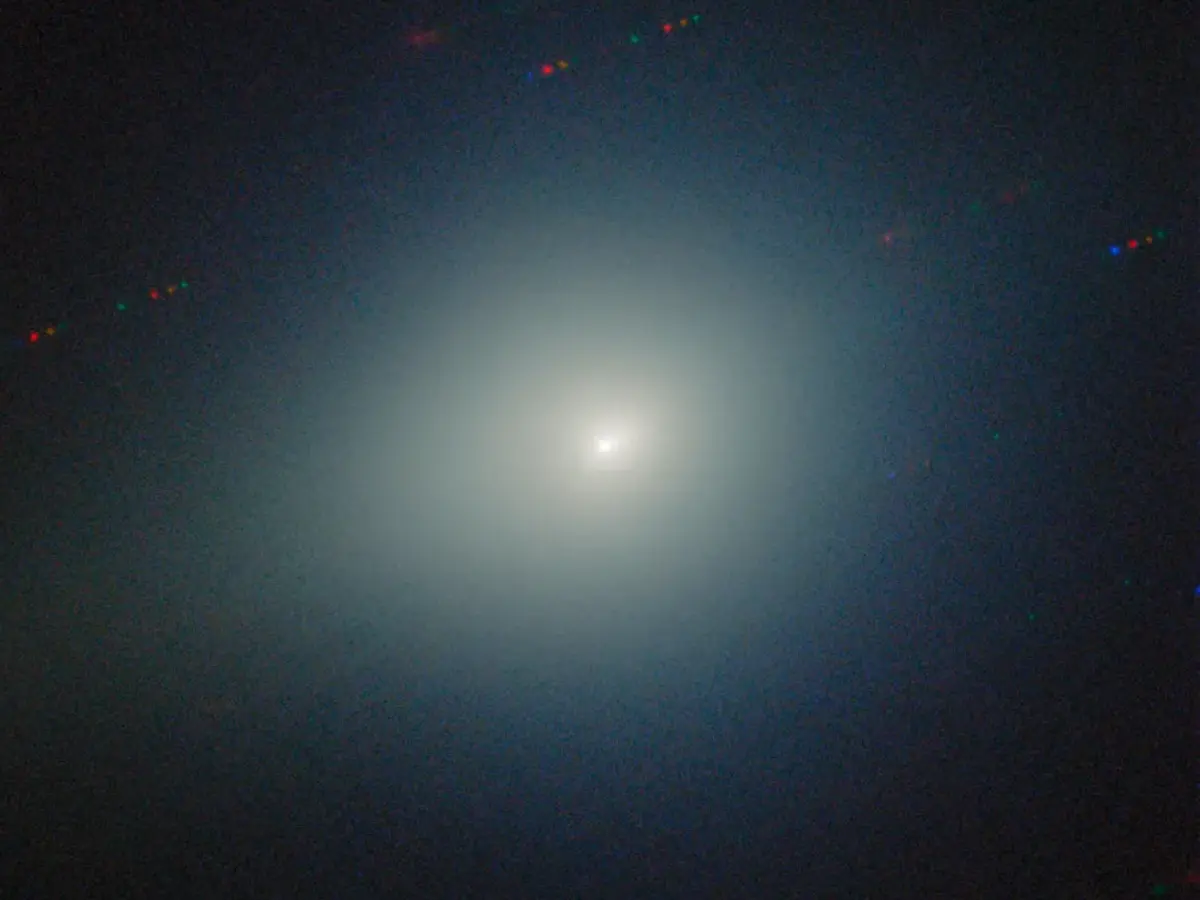
According to the researchers, this implies that the nucleus is rotating every 15.48 ± 0.70 hours, "if the jet originates from a single active source near one of the poles." The researchers noted that this is the "first periodic jet-angle modulation detected in an interstellar object."
3I/ATLAS shows a clear dust tail
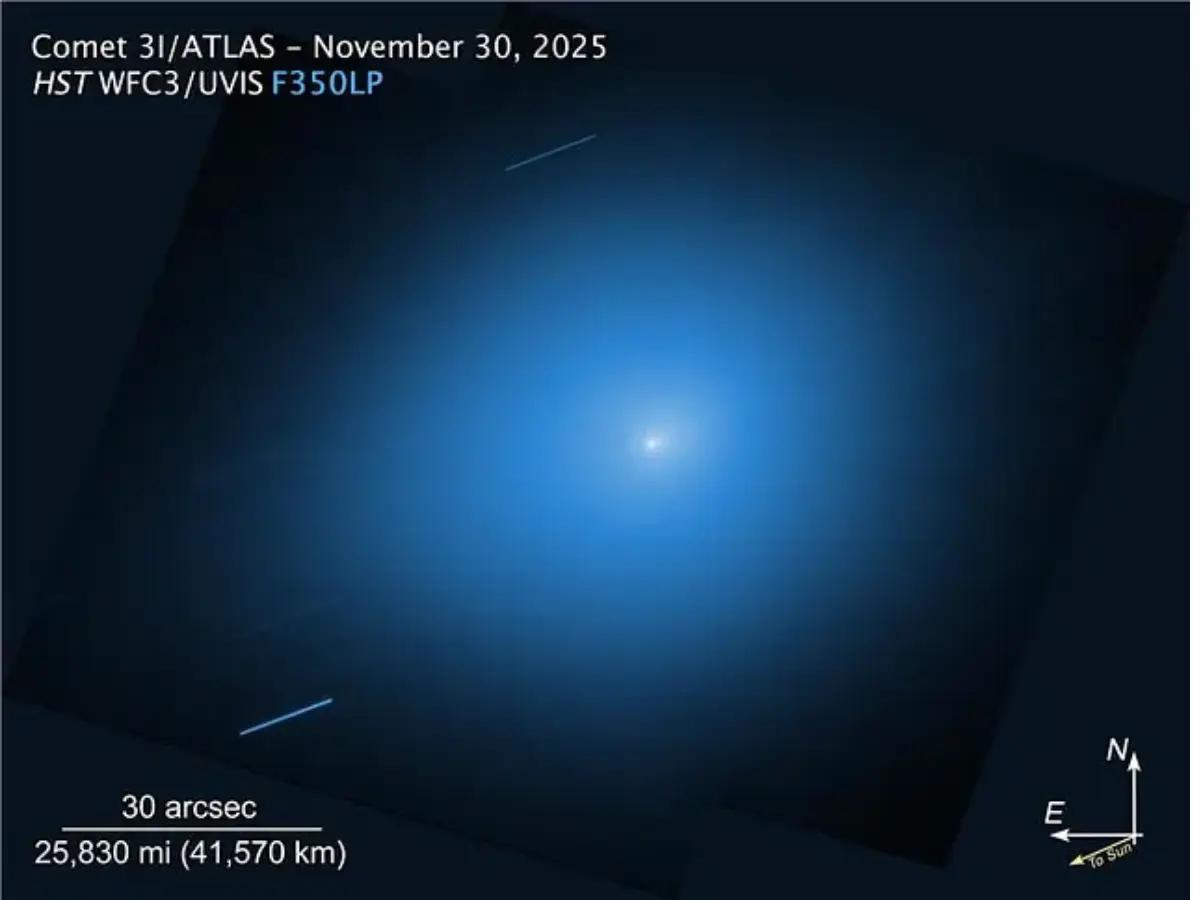
The paper further states that besides a "nearly symmetric inner coma and prominent sunward fan," 3I/ATLAS also shows "a dust tail" that developed gradually as the comet approached the Sun. This jet going towards the Sun has been a point of debate for a long time now.
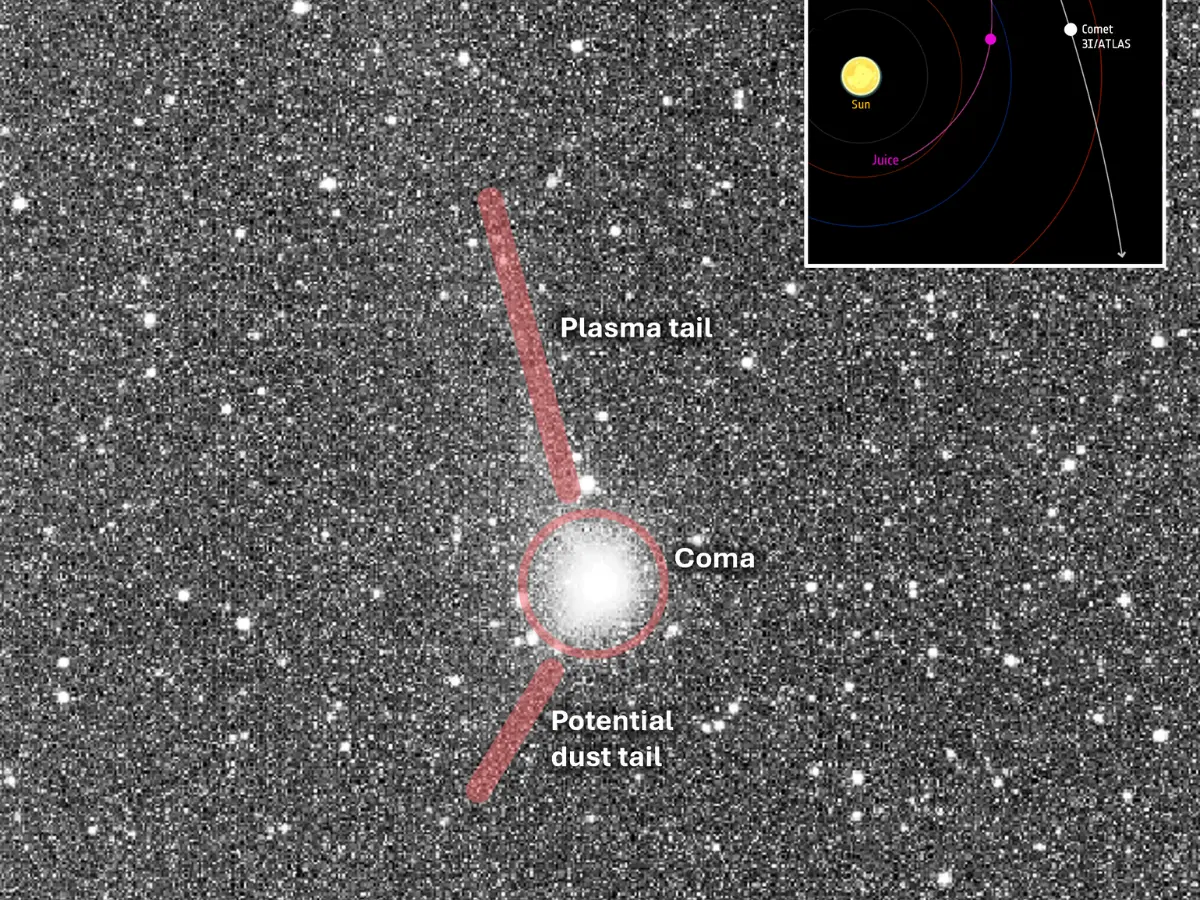
Not all comets have an anti-tail
Harvard scientist Avi Loeb has flagged it several times, as comets don't normally have an anti-tail. He has attributed it to the sublimation of lighter particles that are likely dissipating before making their way backwards.
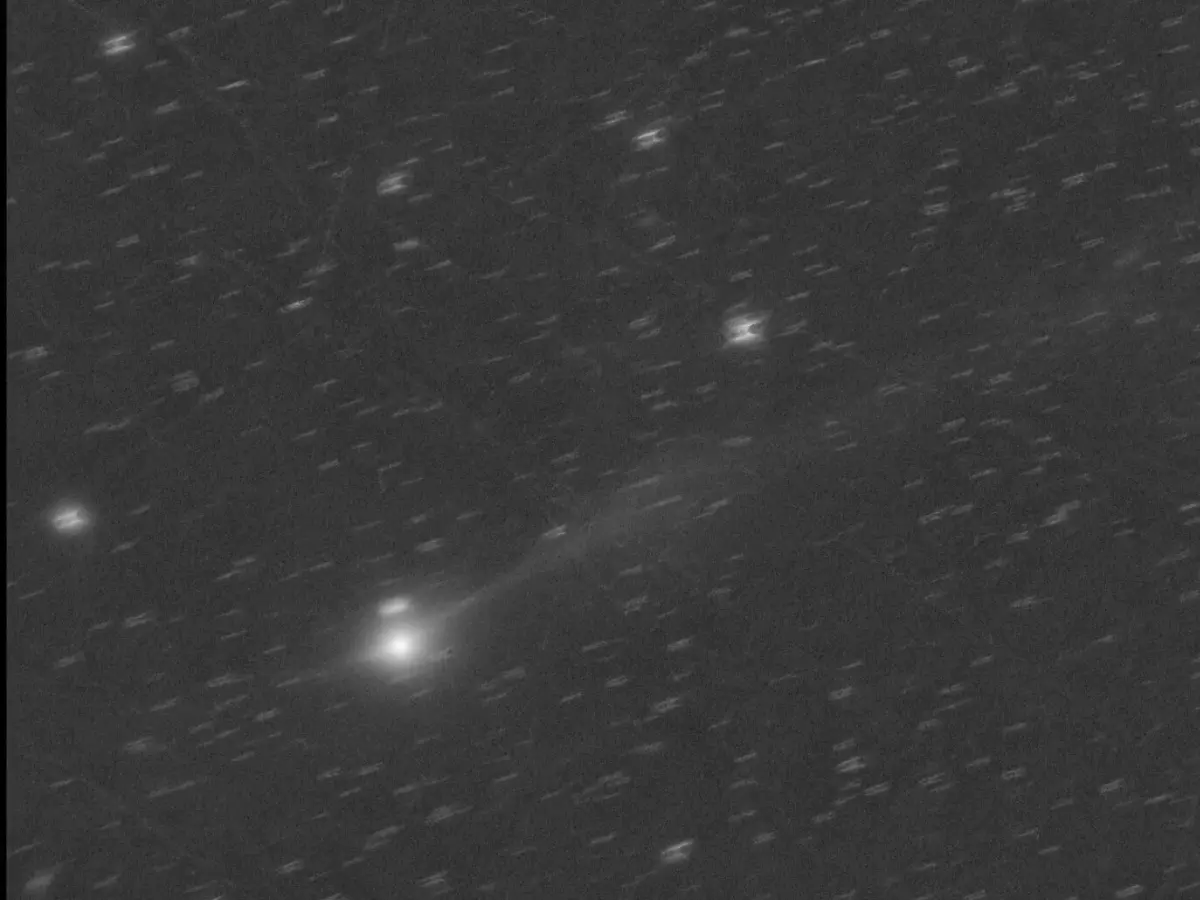
3I/ATLAS anti-tail extends to 500,000 kilometres
Loeb also calculated that the anti-tail extends out to half a million kilometres away from the nucleus of 3I/ATLAS. This is more than the distance between the Earth and the Moon, as the latter resides 384,400 kilometres away from our planet.
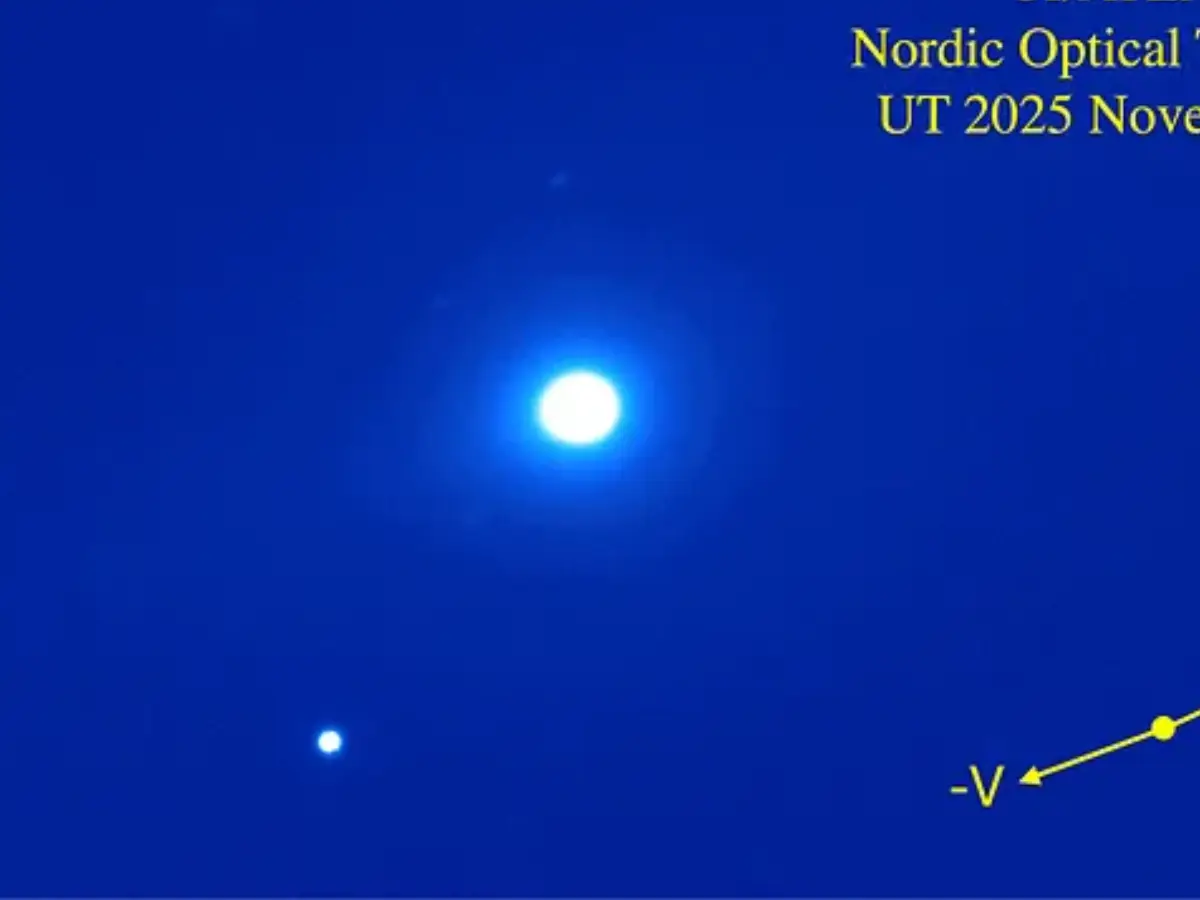
Anti-tail material is spreading at a rate of 426 feet per second
He says that such a huge anti-tail has never been observed on a comet before. To be able to spread out to such a large distance means that the sunward speed of the material in the anti-tail must be pushing through at a speed of at least 426 feet per second relative to the nucleus of 3I/ATLAS.
)
)
)
)
)