Inside Asia’s only exorcism centre where priests are trained to battle ‘demons’ – All about Philippines’ unusual school

The Philippines is home to Asia’s only dedicated exorcism centre, where priests from across the region train to perform rituals, while experts stress the need to distinguish possession claims from mental illness.
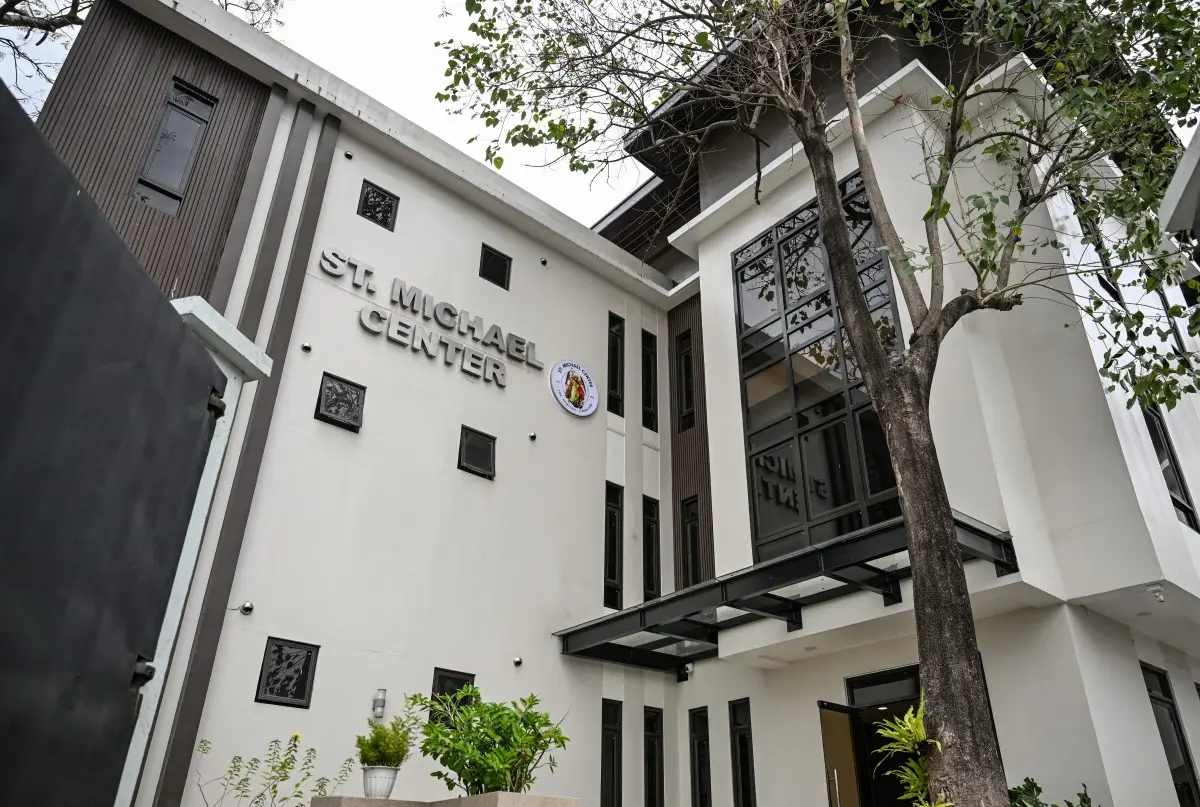
Asia’s only dedicated exorcism centre in Manila
A unique Catholic centre in Metro Manila is training priests from across Asia to perform exorcisms. The Michael Centre for Spiritual Liberation and Exorcism, which was inaugurated in February this year, was established as requests for spiritual interventions continued to rise.
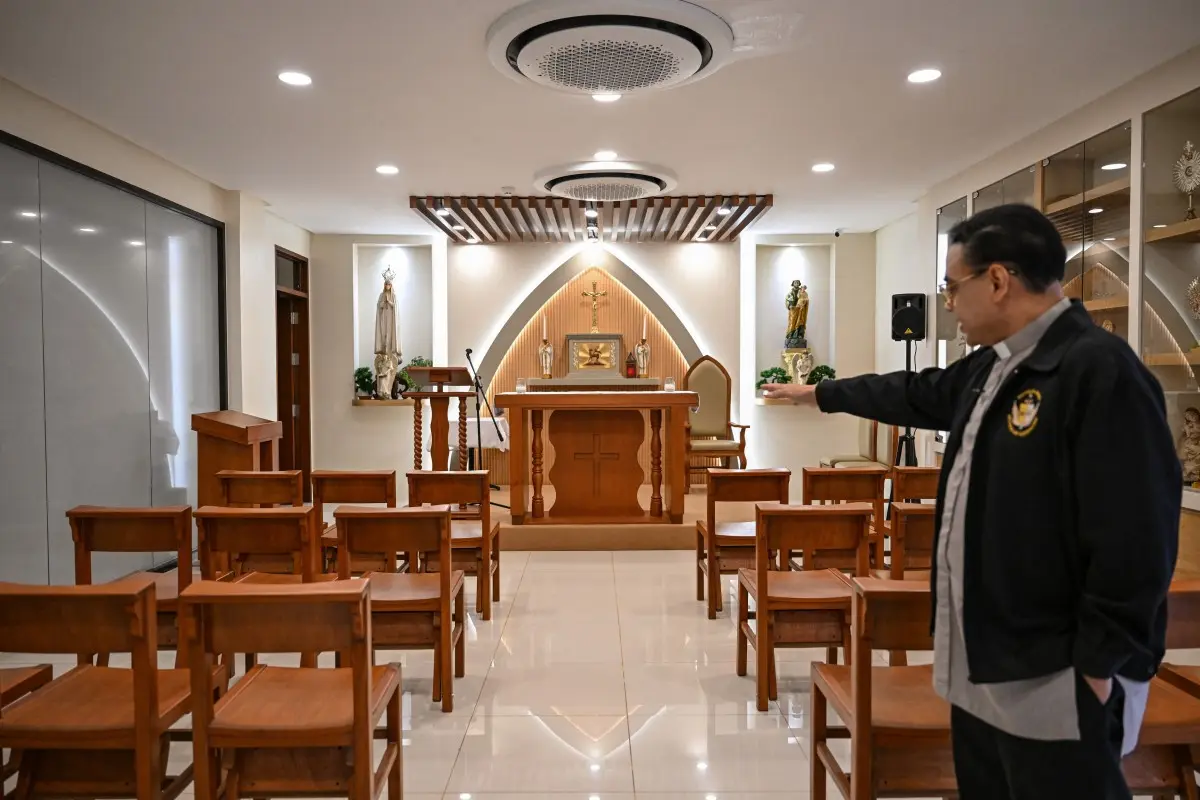
A private space for exorcism
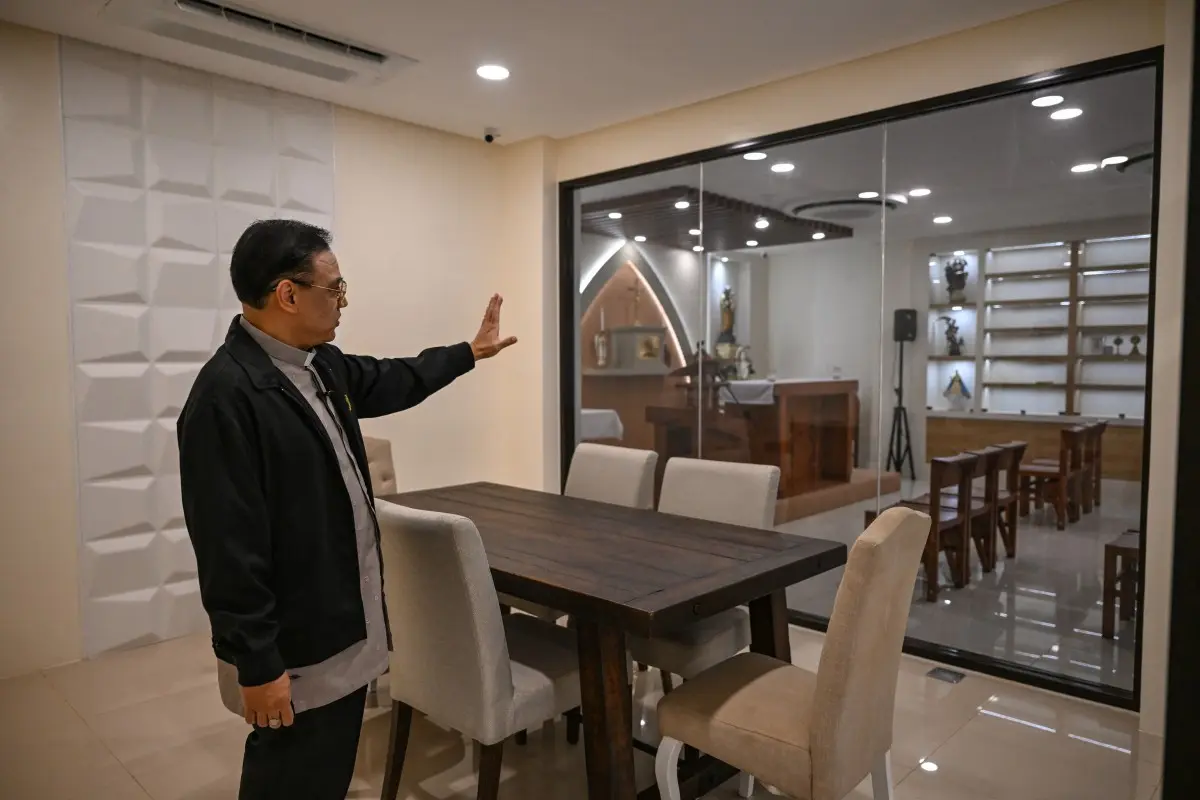
The two-storey centre has rooms for visiting priests, a chapel where exorcism rituals are performed and a wall lined with holy relics. A one-way mirror allows relatives and trainee exorcists to observe sessions. The facility was funded largely through donations from families who had sought help.
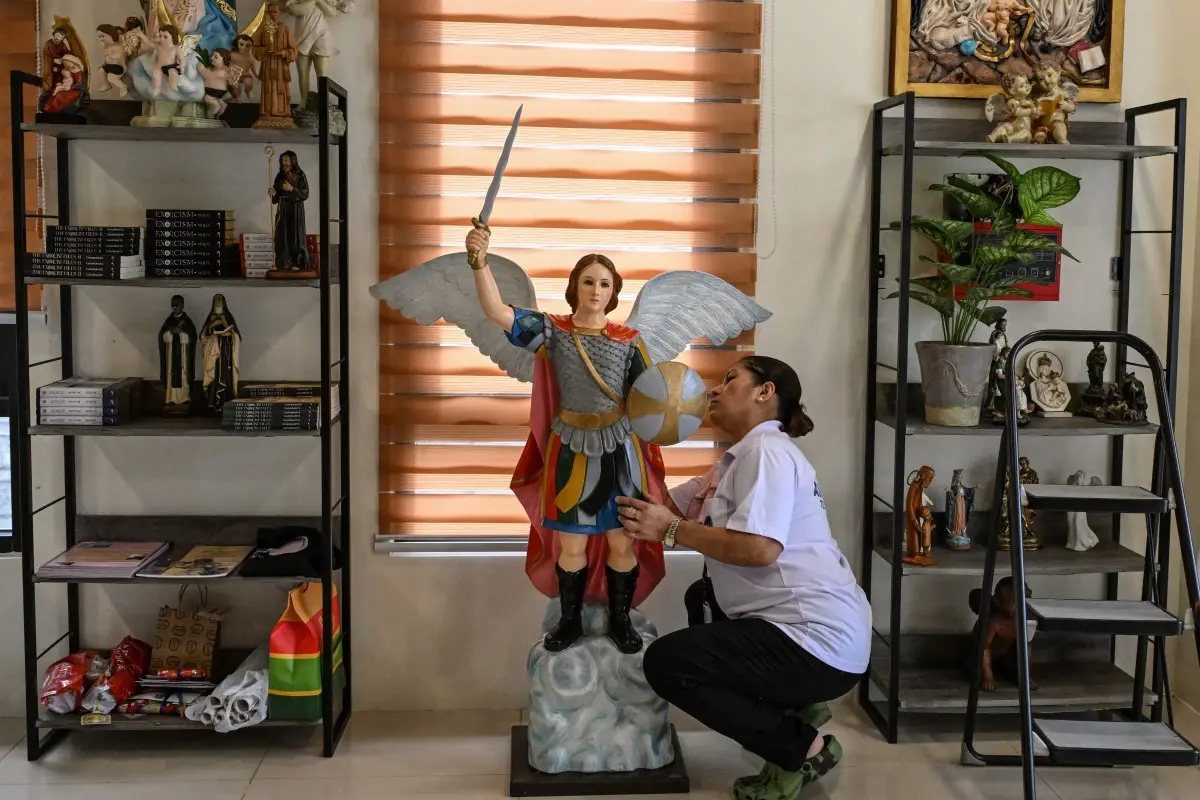
‘Cases were piling up’
Father Jose Francisco Syquia said the centre was created because “cases were piling up”. He linked alleged spiritual attacks to trauma caused by bullying, sexual abuse and family separation, particularly when Filipinos leave the country for work. The centre offers priests a more permanent and private place to pray.
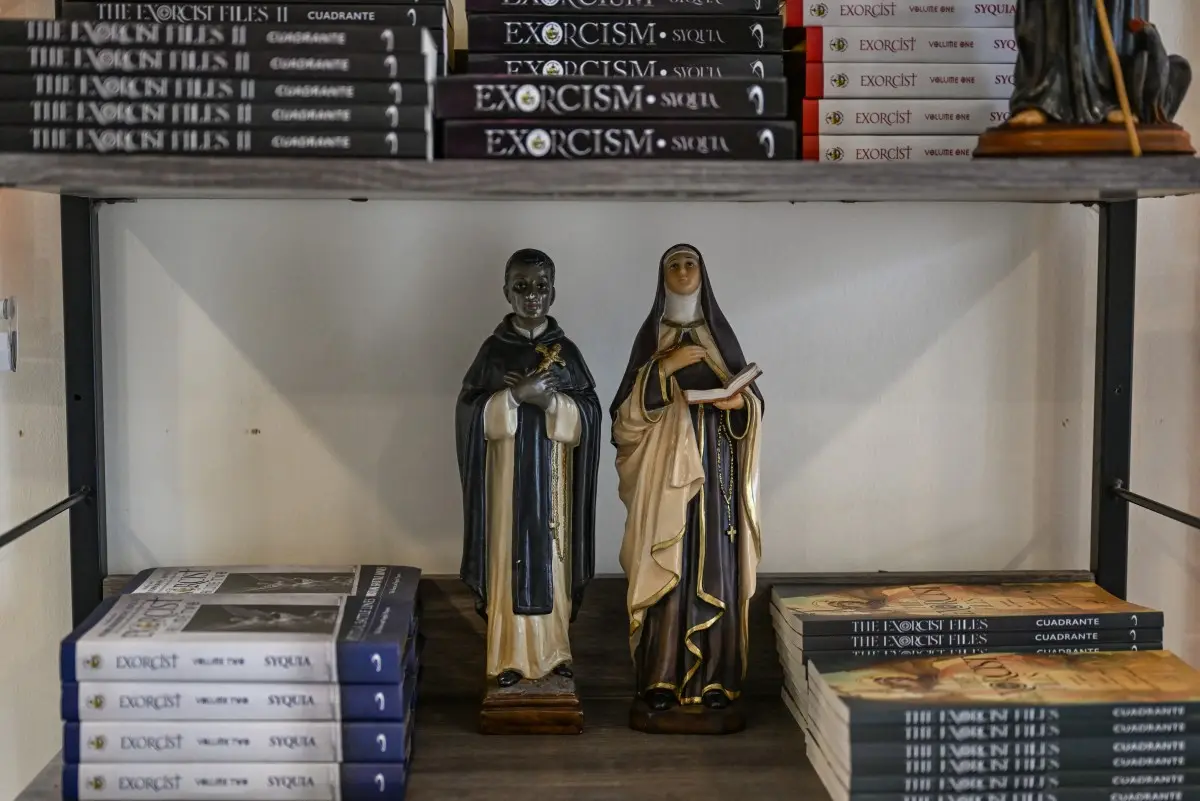
Priests from India, Singapore seek training
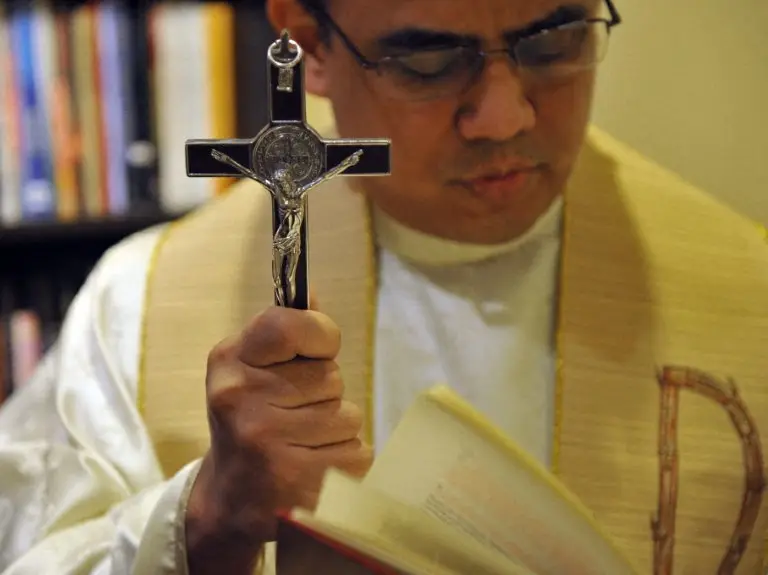
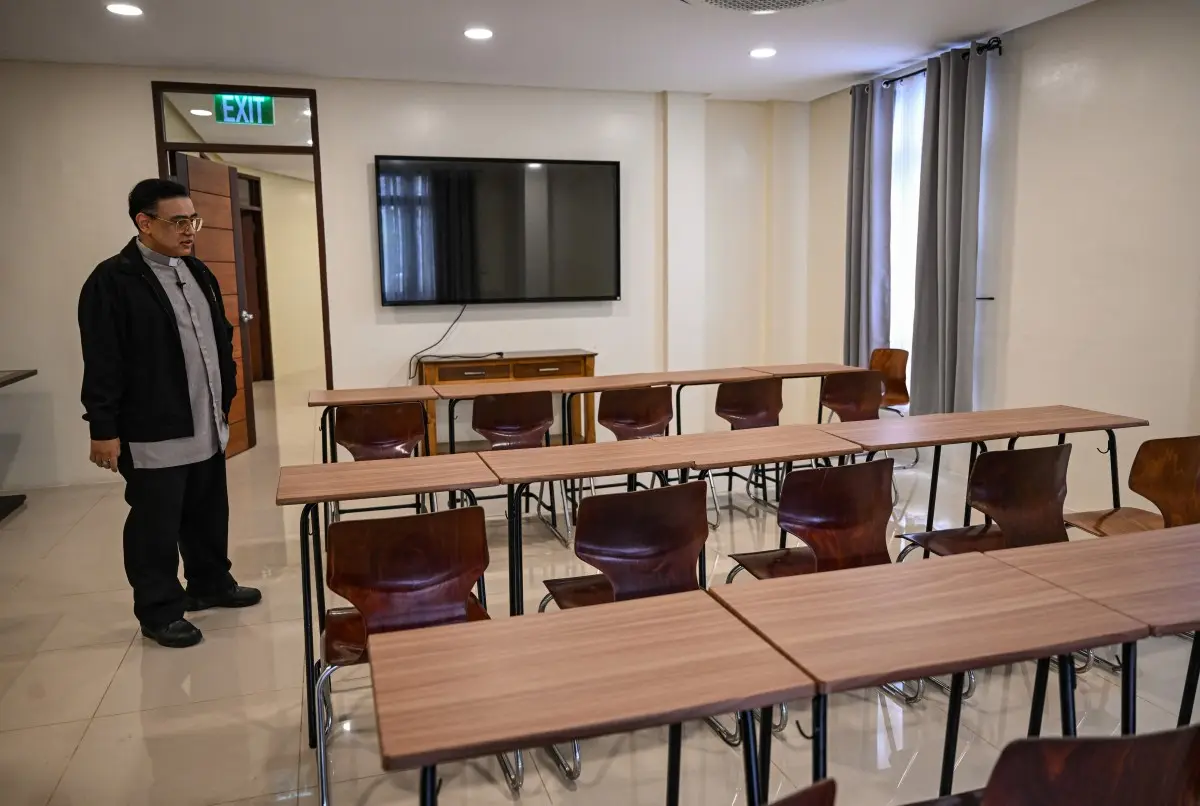
The centre’s training programme is what sets it apart, according to Syquia. Priests from countries including Singapore, Malaysia, Cambodia and India were already seeking instruction. “I don't know of any other center in the world that trains exorcists,” he told AFP.
Mental health checks before exorcism
The centre works with mental health professionals to distinguish psychological conditions from alleged possession. Psychologists, psychiatrists and neurologists are involved. Syquia said exorcists can recognise possession through changes in behaviour and consciousness, but stressed that “When it comes to the spiritual world, we need something beyond science.”
Experts warn against supernatural explanations
Psychologist Christopher French cautioned that interpreting mental health conditions as possession could delay treatment. He noted that illnesses such as schizophrenia and Tourette’s syndrome were once attributed to spirits. Manila psychiatrist Kathryn Tan said many Filipinos first turn to indigenous healers, with psychiatry often treated as a last resort.
Can faith and science coexist?
Tan said treatment should respect patients’ cultural beliefs without reinforcing potentially harmful explanations. Syquia believes faith and science can coexist and acknowledged that better mental healthcare could reduce exorcism cases. “Science is a gift from God,” he said, highlighting the centre’s attempt to balance spiritual and medical approaches.
)
)
)
)
)