Can rain slow down an S-400 missile?

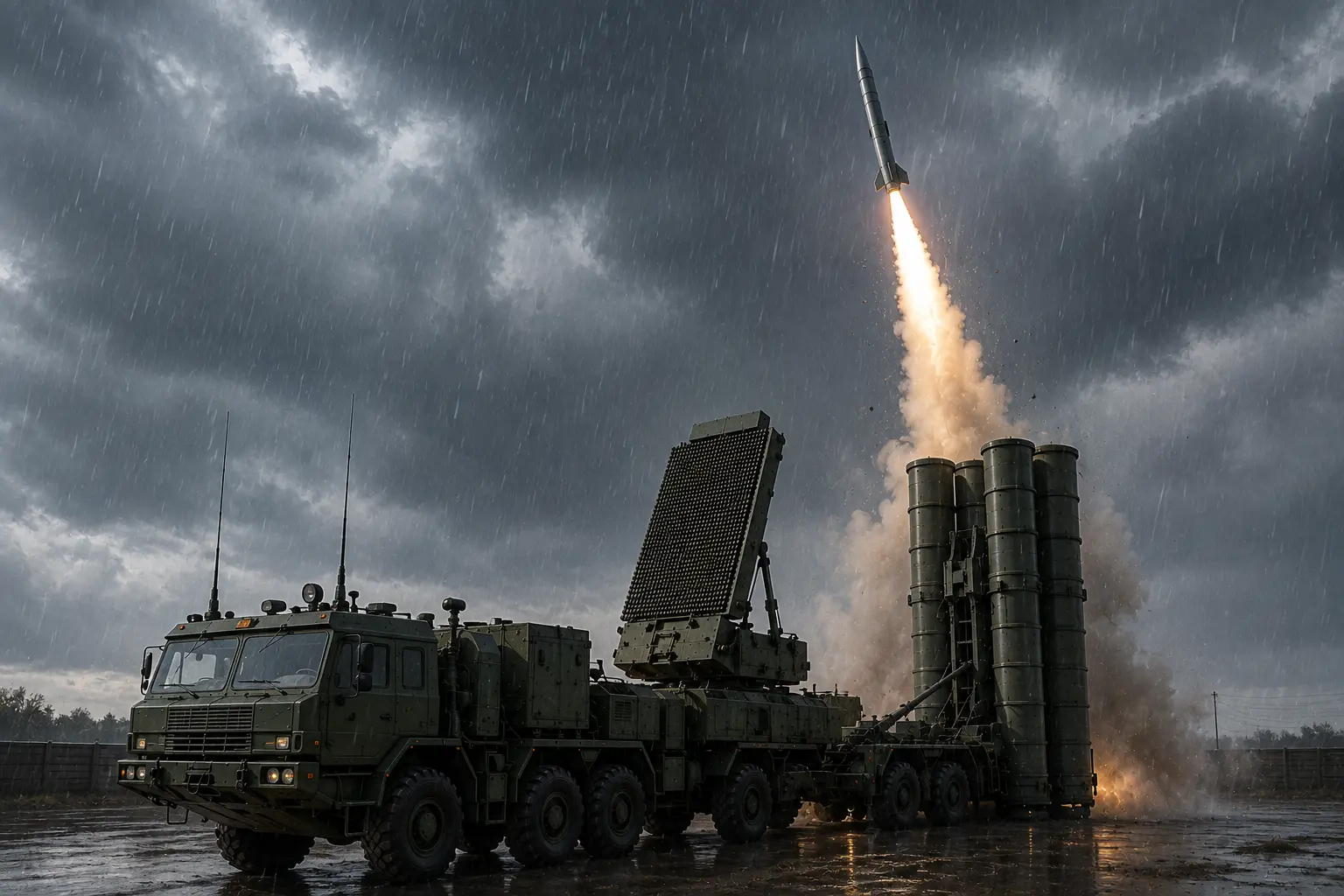
Heavy rain cannot slow down an S-400 missile. The immense thrust of its solid rocket motors easily overcomes aerodynamic drag from water droplets. Shielded by advanced composites, the interceptor maintains its Mach 14 speed through severe storms.
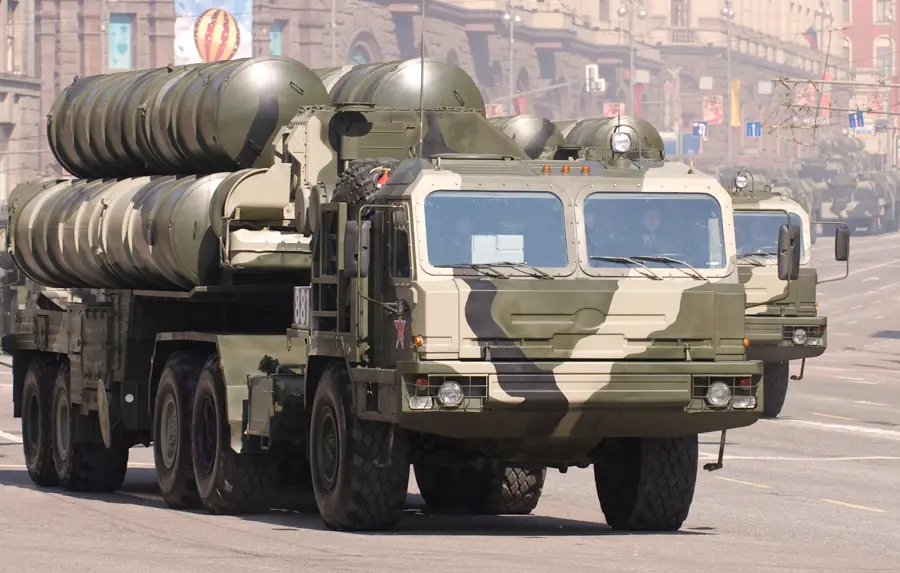
The Weather Myth
Many assume that severe storms and heavy rain can physically impede or slow down advanced surface-to-air missiles. However, the aerodynamic reality of how the S-400 Triumf punches through extreme weather is entirely different.
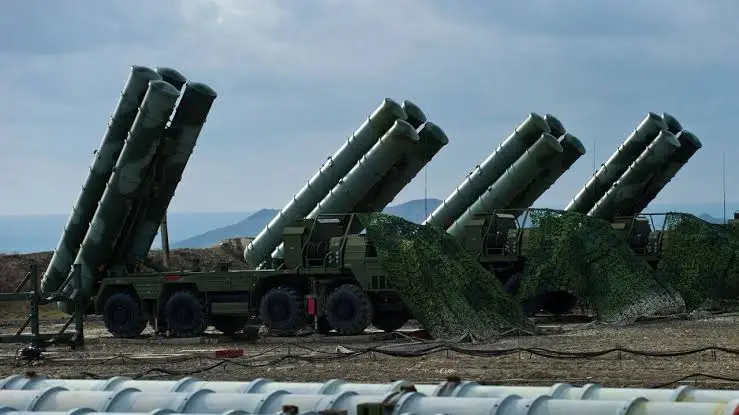
Overpowering Drag
S-400 interceptor missiles, such as the heavy 40N6E, are powered by high-energy solid rocket motors. The immense thrust generated by these engines completely overwhelms any microscopic aerodynamic drag caused by falling water droplets.
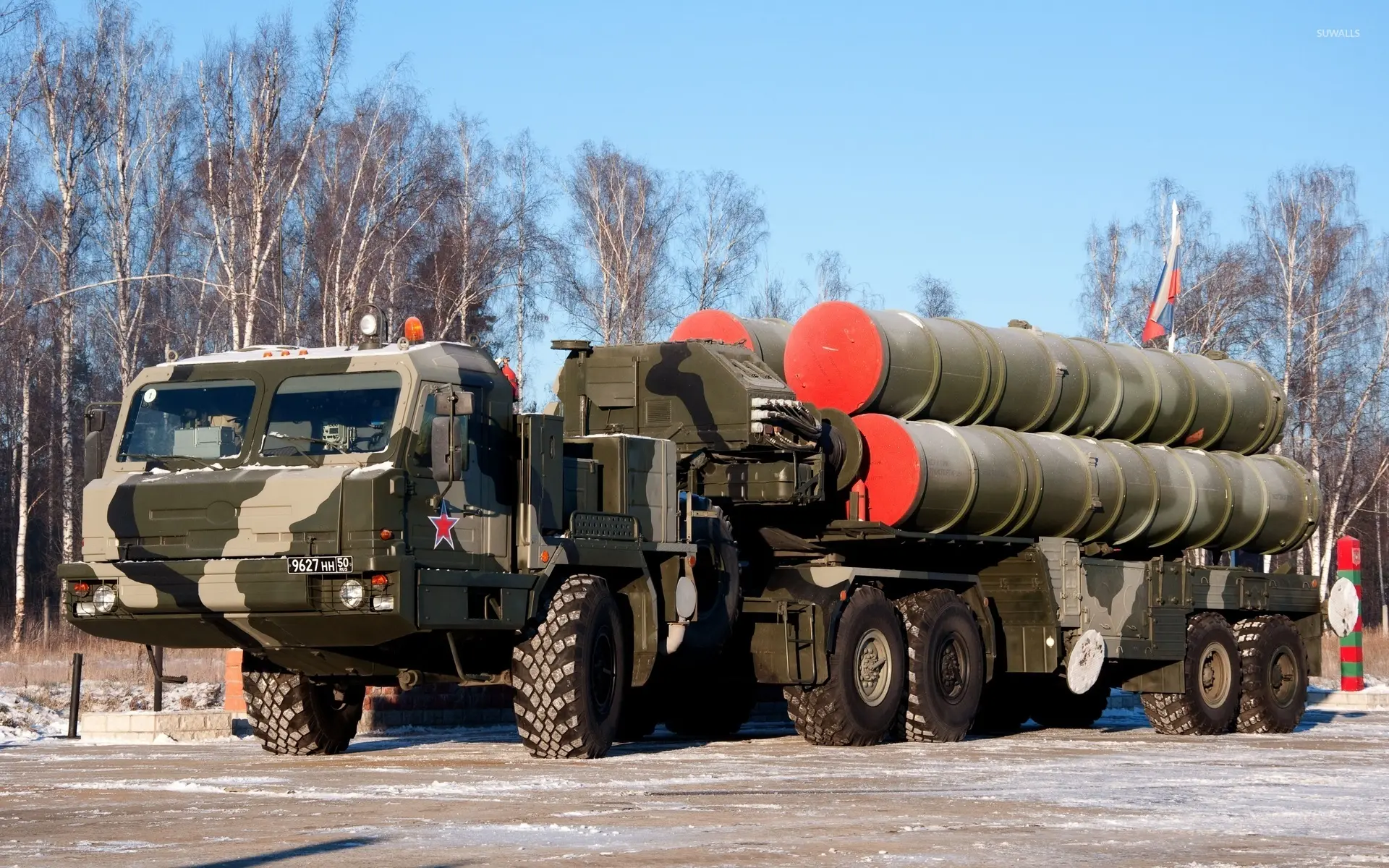
High-Altitude Engagements
Furthermore, the system routinely destroys ballistic threats and high-value bombers at altitudes exceeding 30 kilometres. Because the Earth's rain-producing clouds are strictly confined to the lower troposphere, the missile spends most of its pursuit in clear skies.
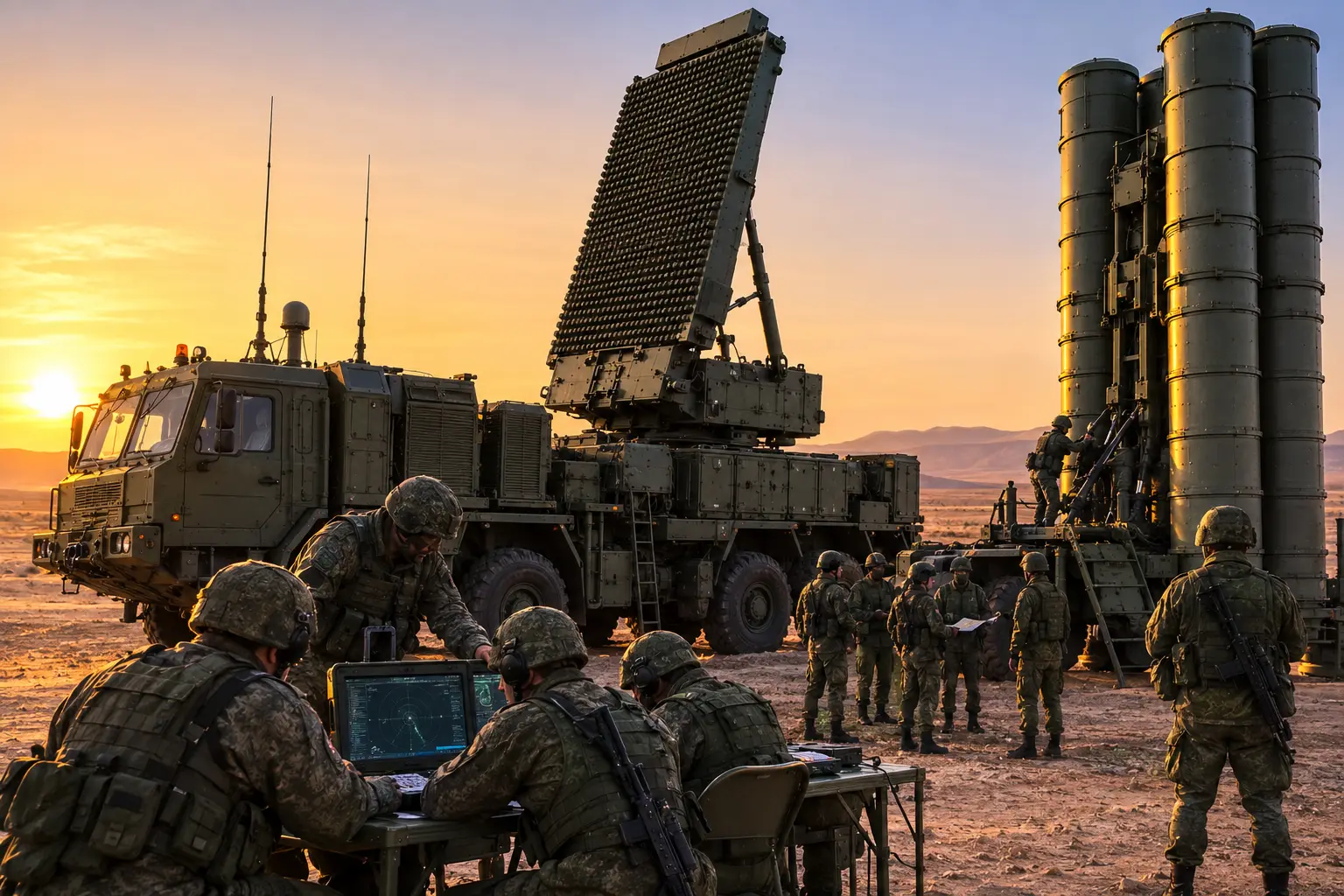
The Real Threat: Erosion
When an interceptor does accelerate through low-altitude monsoons to strike cruise missiles, the primary danger is not drag, but rain erosion. Striking suspended water droplets at hypersonic velocities acts like an abrasive sandblaster on the weapon's outer skin.
Advanced Radome Armour
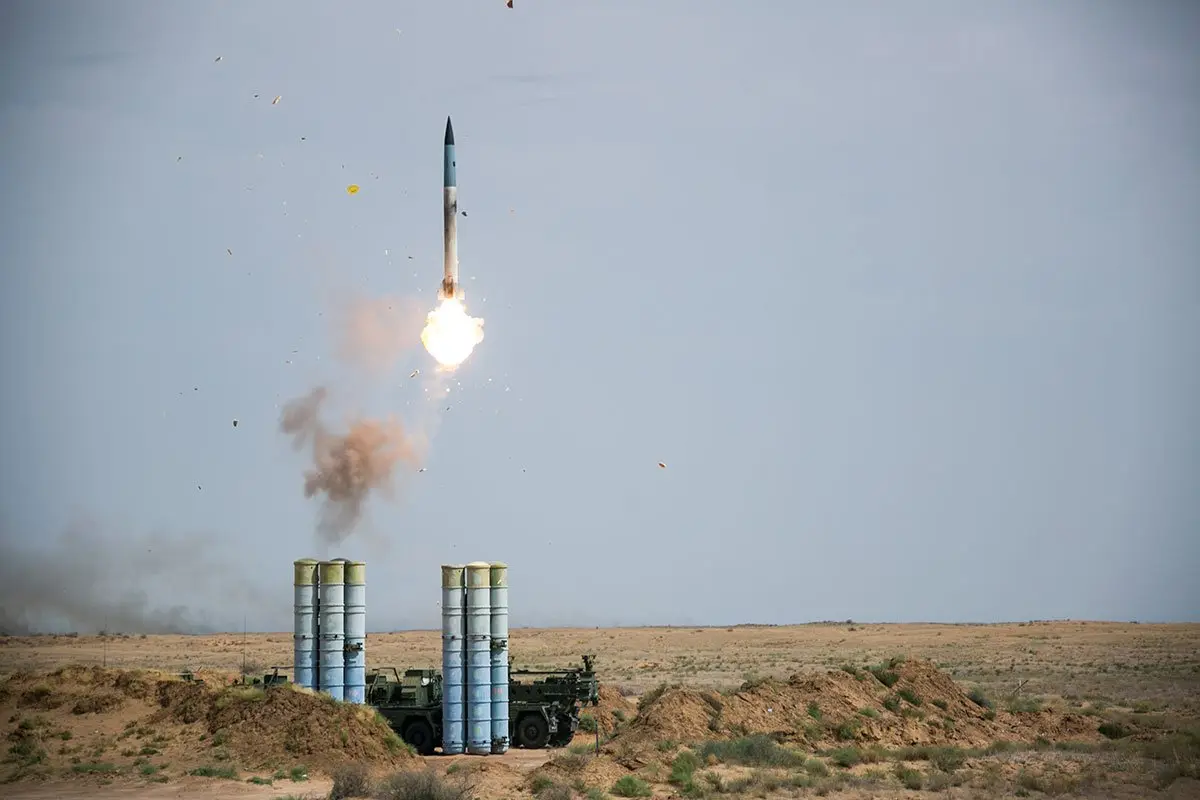
To survive this violent friction without disintegrating, the missile's nose cone is shielded by specialised aerospace composites. These advanced materials easily withstand both the catastrophic heat of Mach 14 friction and explosive droplet impacts.
Punching Through the Storm
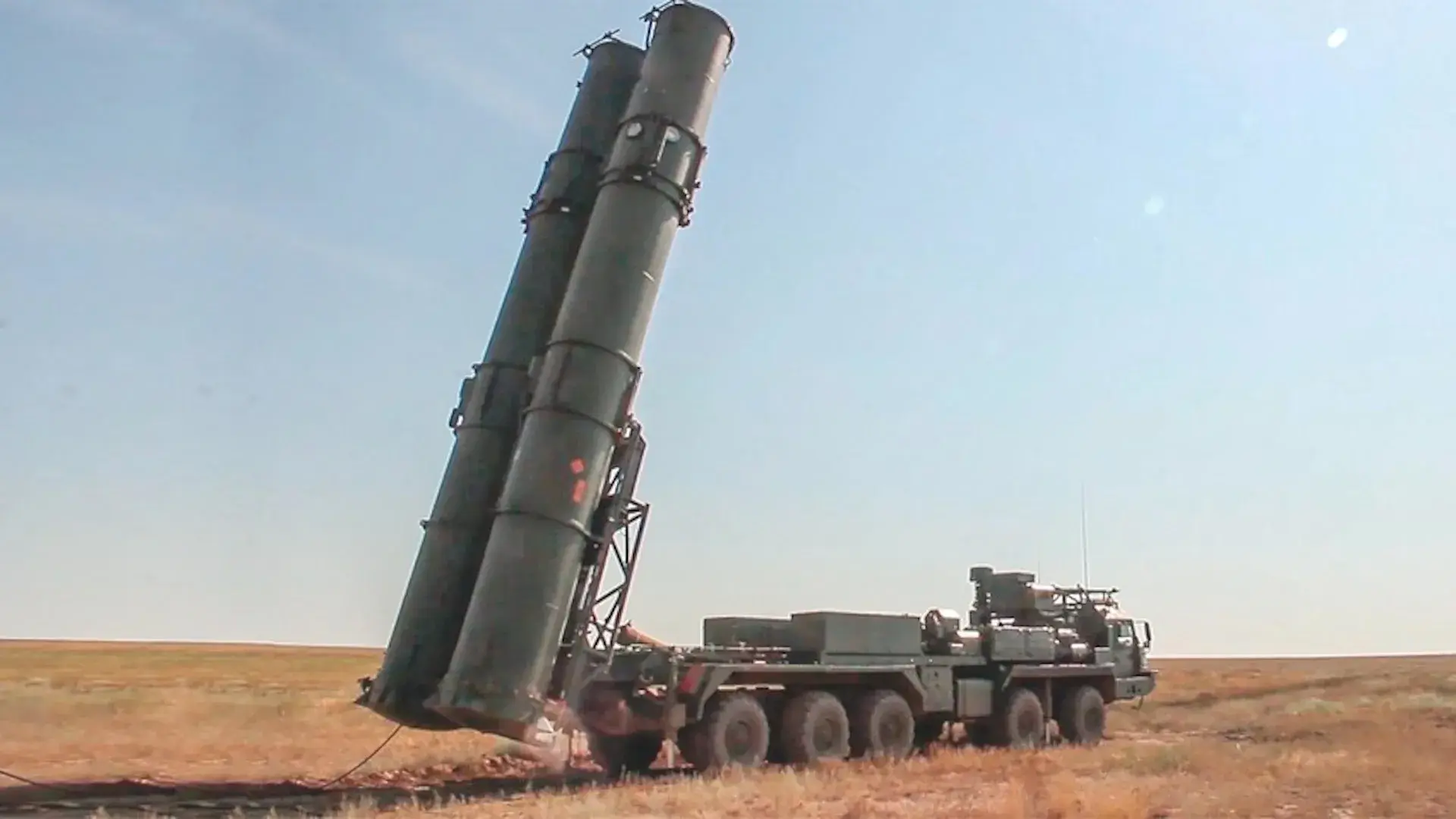
While physical rain cannot slow the missile, heavy storms can absorb high-frequency X-band tracking signals. The S-400 overcomes this radar attenuation by broadcasting massive amounts of electromagnetic energy, ensuring a continuous lock on the target.
Unstoppable Momentum
Ultimately, severe weather cannot rob an S-400 interceptor of its kinetic speed. A massive missile accelerating to 17,000 kilometres per hour possesses far too much momentum for atmospheric rain to alter its lethal flight path.
)
)
)
)
)