'Seconds to respond': What happens when the S-400 goes into combat mode?

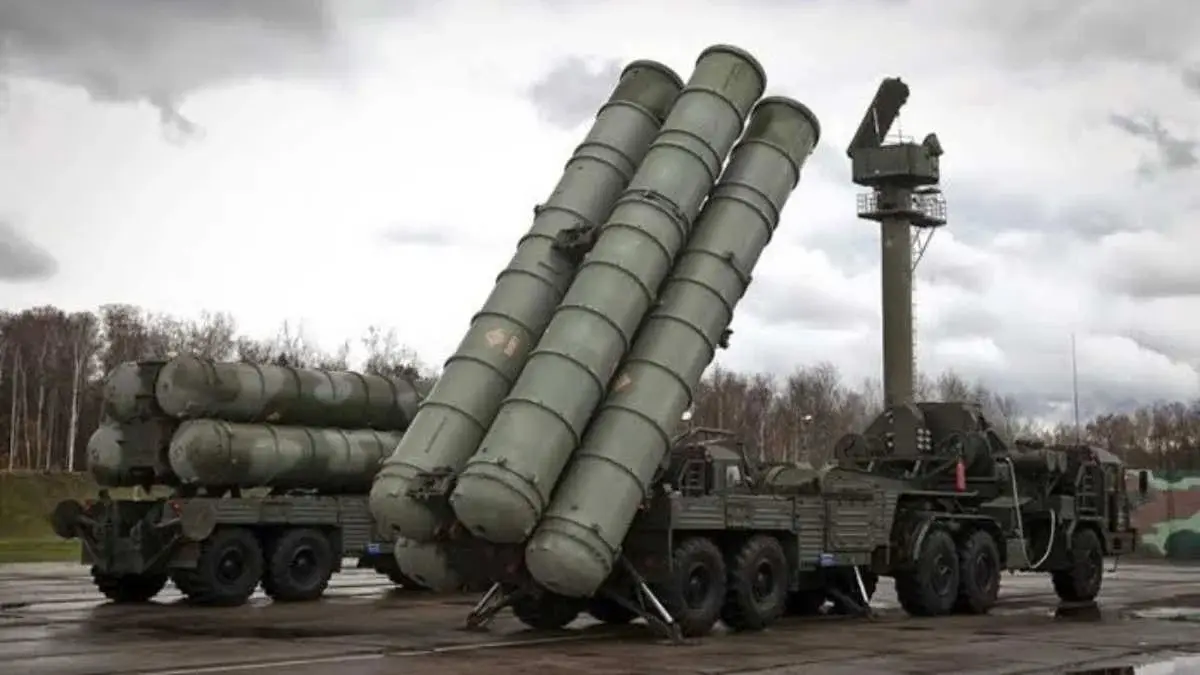
When the S-400 enters combat mode, its 91N6E radar detects threats up to 600 km away. The 55K6E command post processes data and fires missiles within 10 seconds. Accelerating to Mach 14, the system can engage 36 targets simultaneously.
The 10-Second Window
When a hostile target enters restricted airspace, the Russian S-400 Triumf executes a lethal automated kill chain. According to official Russian Ministry of Defence specifications, the entire engagement sequence takes a maximum of just 9 to 10 seconds.
The 600-Kilometre Sweep
The sequence begins with the 91N6E panoramic acquisition radar, which constantly creates a 600-kilometre surveillance bubble. This powerful sensor instantly detects the incoming threat, filtering through intense electronic jamming to maintain a solid track.
The Digital Brain
Within milliseconds, the raw radar telemetry reaches the 55K6E mobile command post. This digital nerve centre automatically identifies the hostile aircraft, prioritises it among 300 tracked targets, and selects the most appropriate interceptor for the mission.
The Target Lock
Once the command post assigns the target, the 92N6E ‘Grave Stone’ engagement radar takes over. Operating in the high-resolution X-band, it locks onto the specific threat to provide the ultra-precise mid-course guidance required for interception.
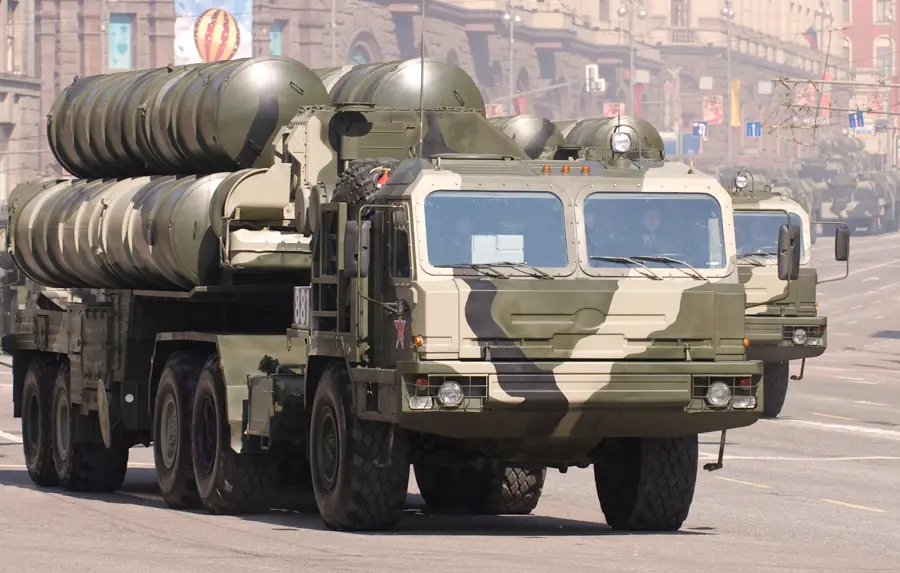
Firing the Interceptor
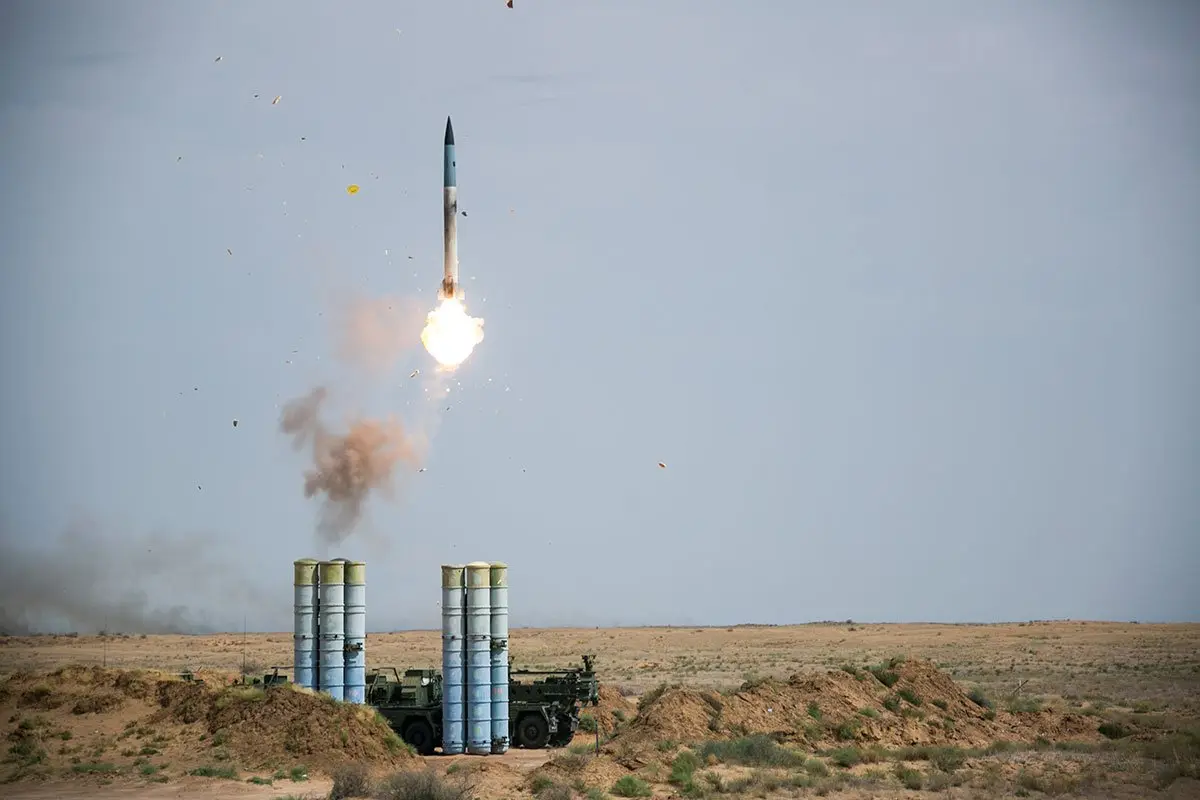
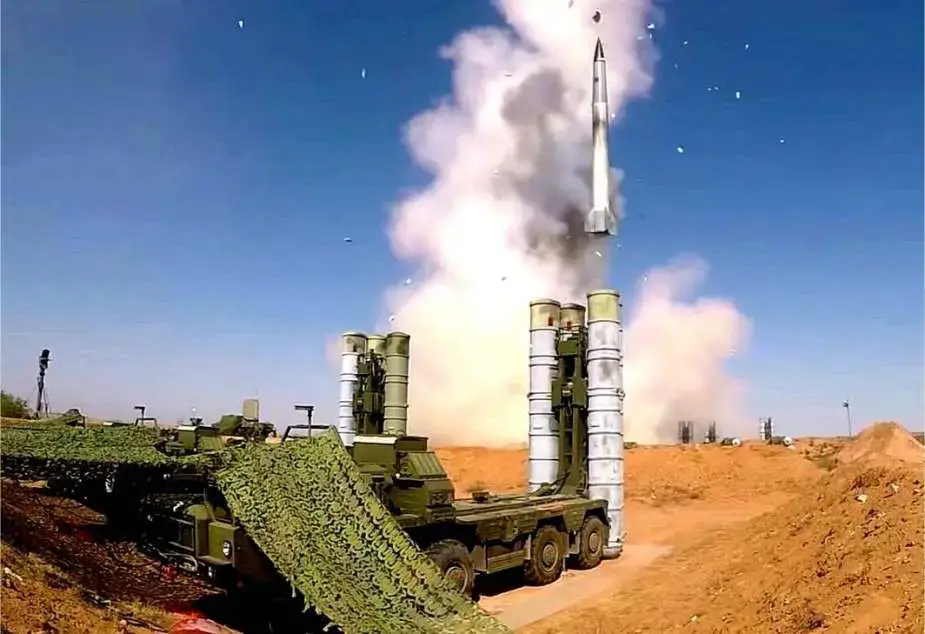
If the launcher vehicle is in standby mode, it can transition to full combat readiness and fire in just 35 seconds. The system immediately launches the assigned interceptor, which violently accelerates out of its vertical launch tube to begin the chase.
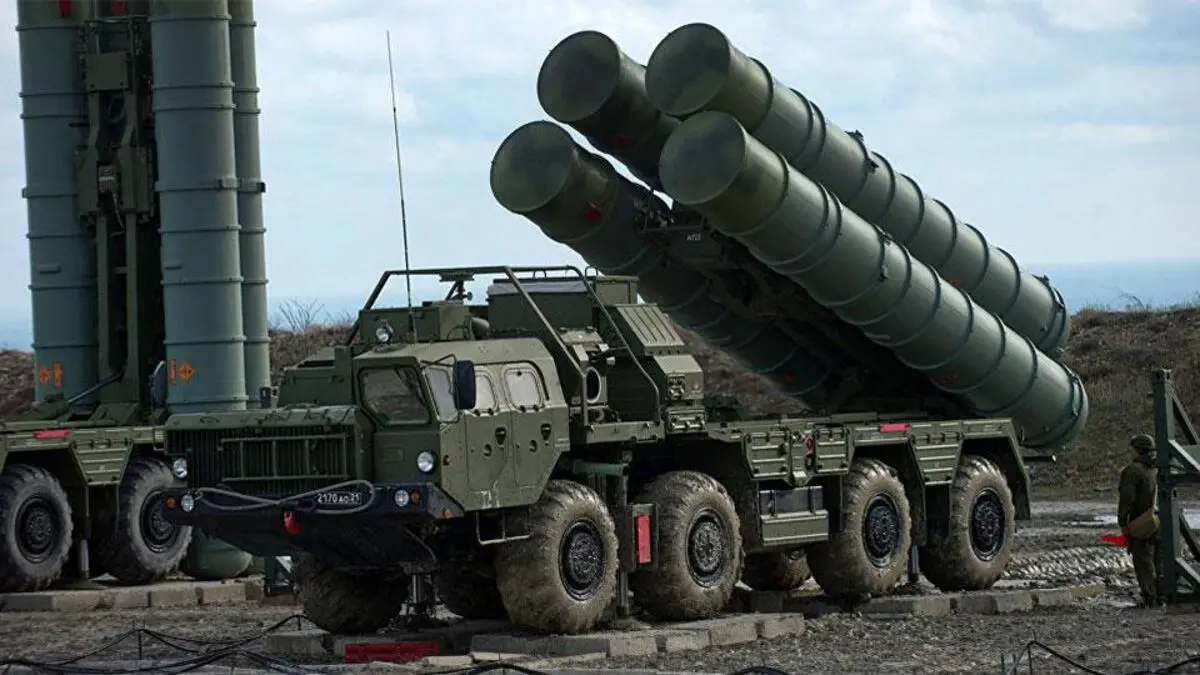
Active Radar Homing
Accelerating to blistering speeds of up to Mach 14, the missile initially relies on ground-based radar updates to navigate. As it approaches the target, the weapon's internal active radar seeker activates to independently hunt down the evading aircraft.
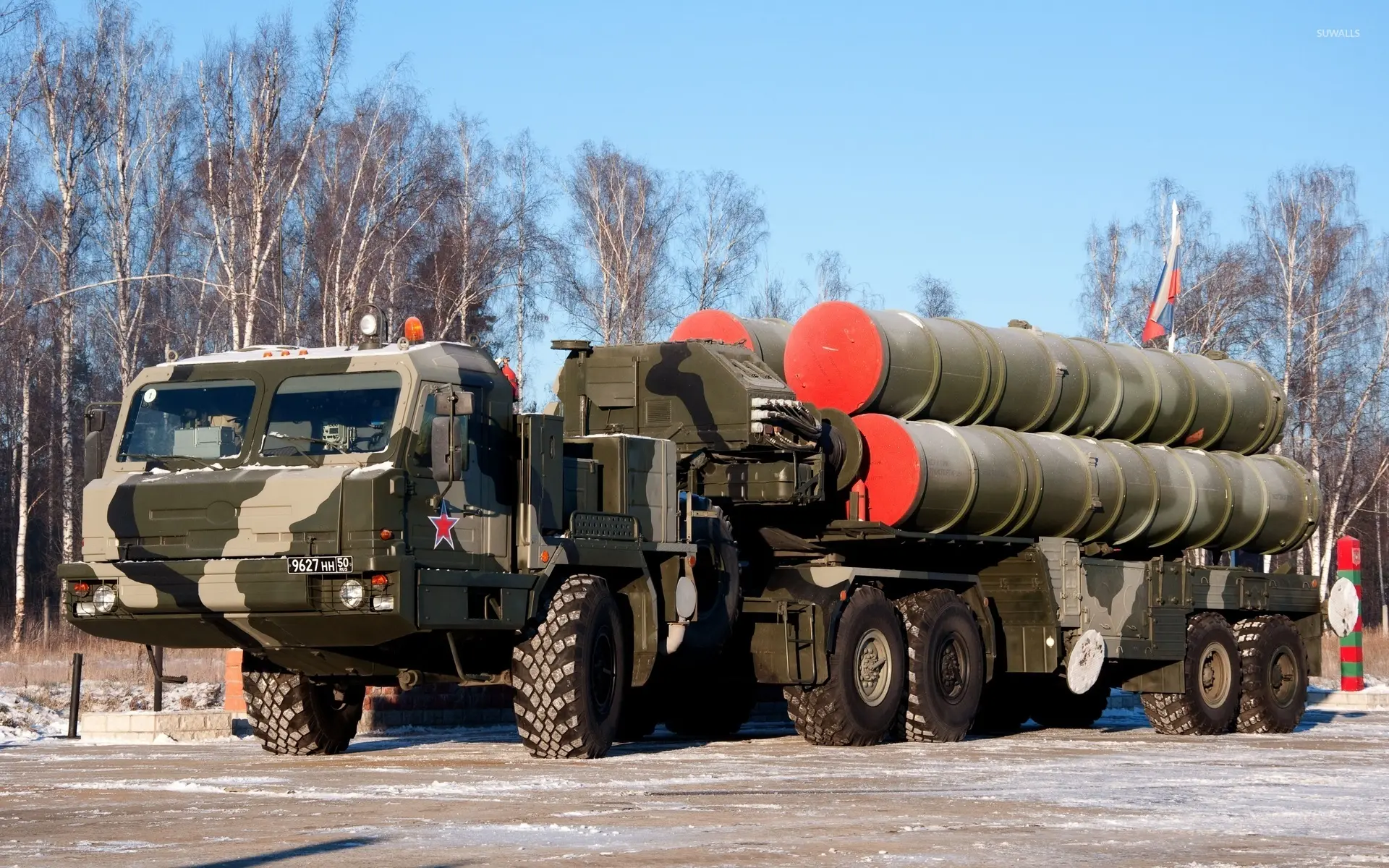
Lethal Interception
Depending on the specific missile variant used, the engagement ends with a devastating proximity blast or a direct kinetic impact. The S-400 can simultaneously repeat this exact kill chain for up to 36 distinct targets by guiding 72 missiles.
)
)
)
)
)