Can an S-400 launcher fit inside a cargo aircraft?

While the S-400's massive 40-tonne MZKT-7930 launcher technically fits inside an Il-76 with mere centimetres of clearance, it is primarily transported by the An-124 Ruslan. The An-124's 150-tonne capacity easily swallows multiple launchers at once.
The Strategic Airlift Challenge
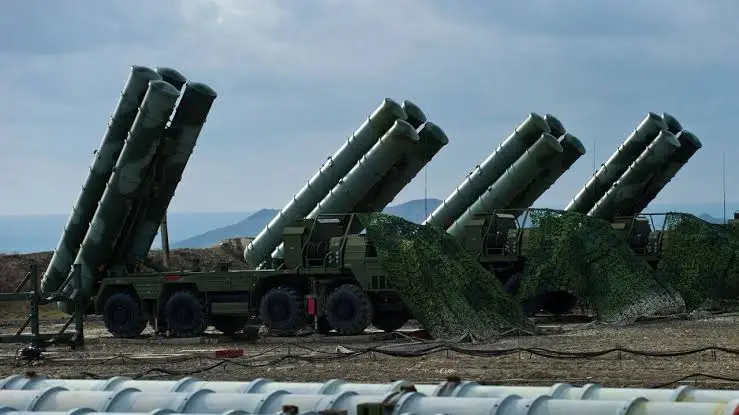
Moving a complete S-400 Triumf battery across the globe requires massive strategic airlift capabilities. While the heavy launcher can indeed fit inside cargo aircraft, only a select few planes possess the extreme internal dimensions required to accommodate it.
The Launcher's Massive Size
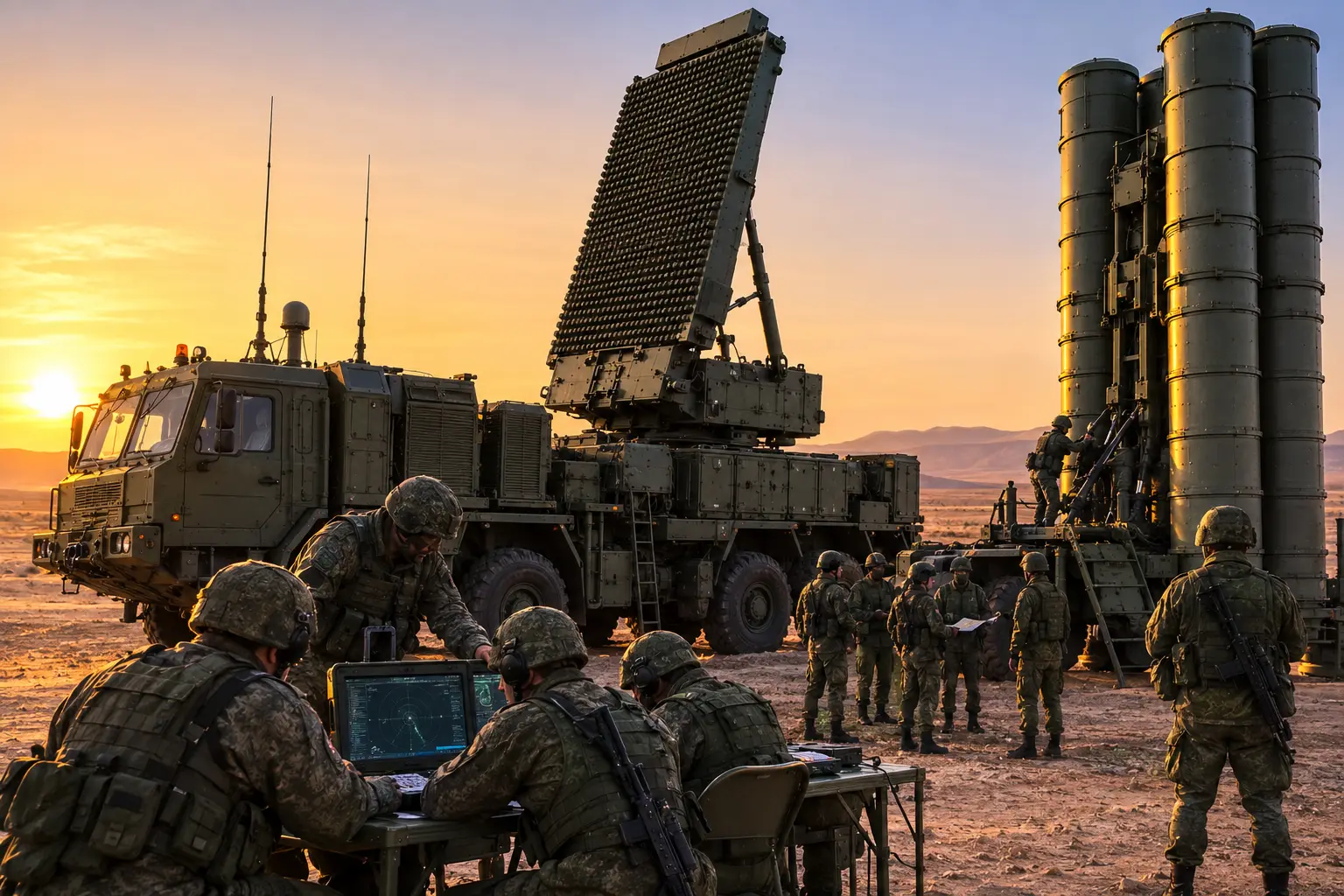
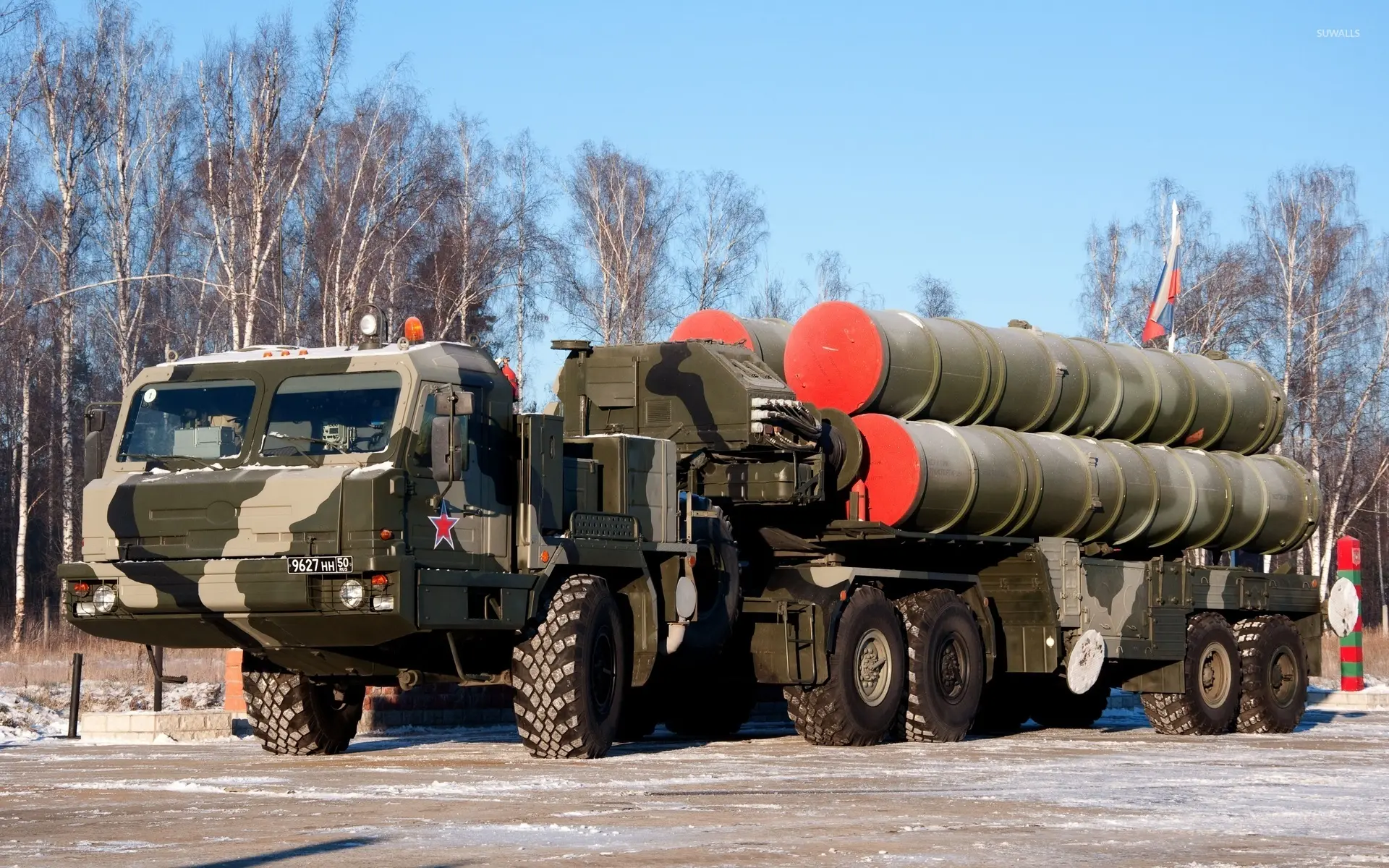
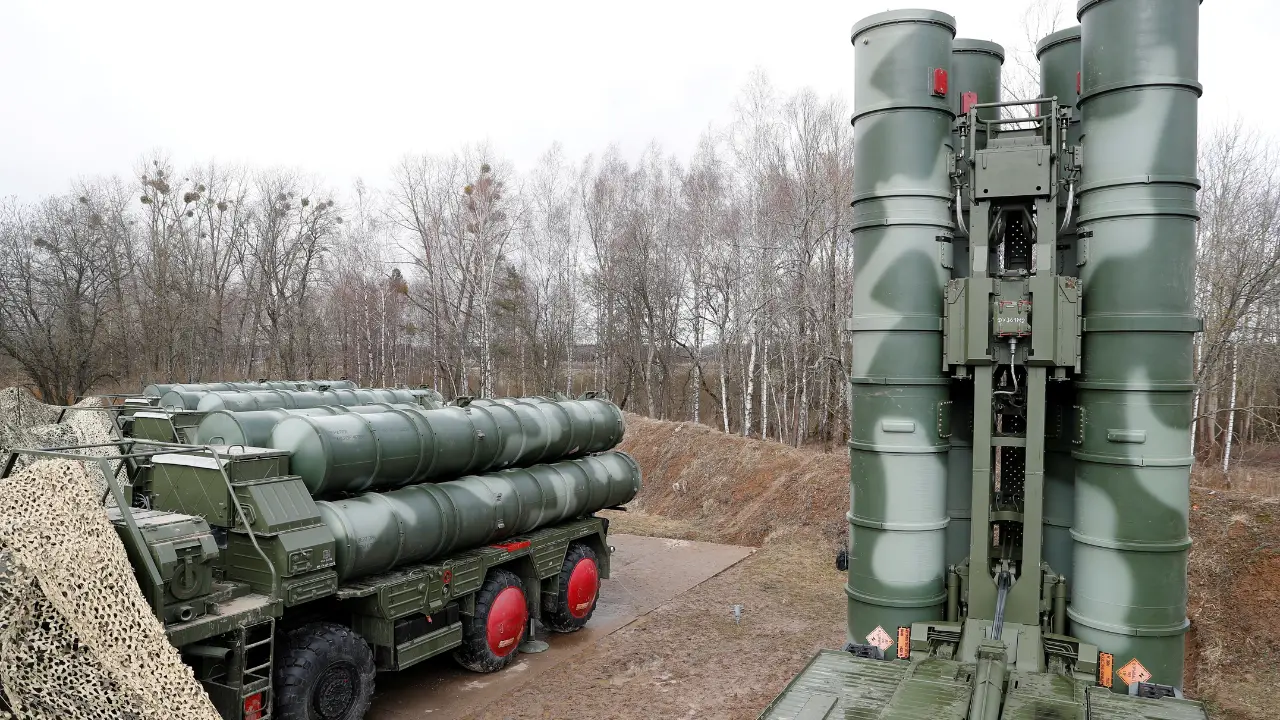
The system's primary Transporter Erector Launcher uses the heavy-duty MZKT-7930 military truck chassis. This massive 8x8 vehicle measures 12.7 metres long, 3 metres wide, and nearly 3.3 metres high.
The Weight Problem
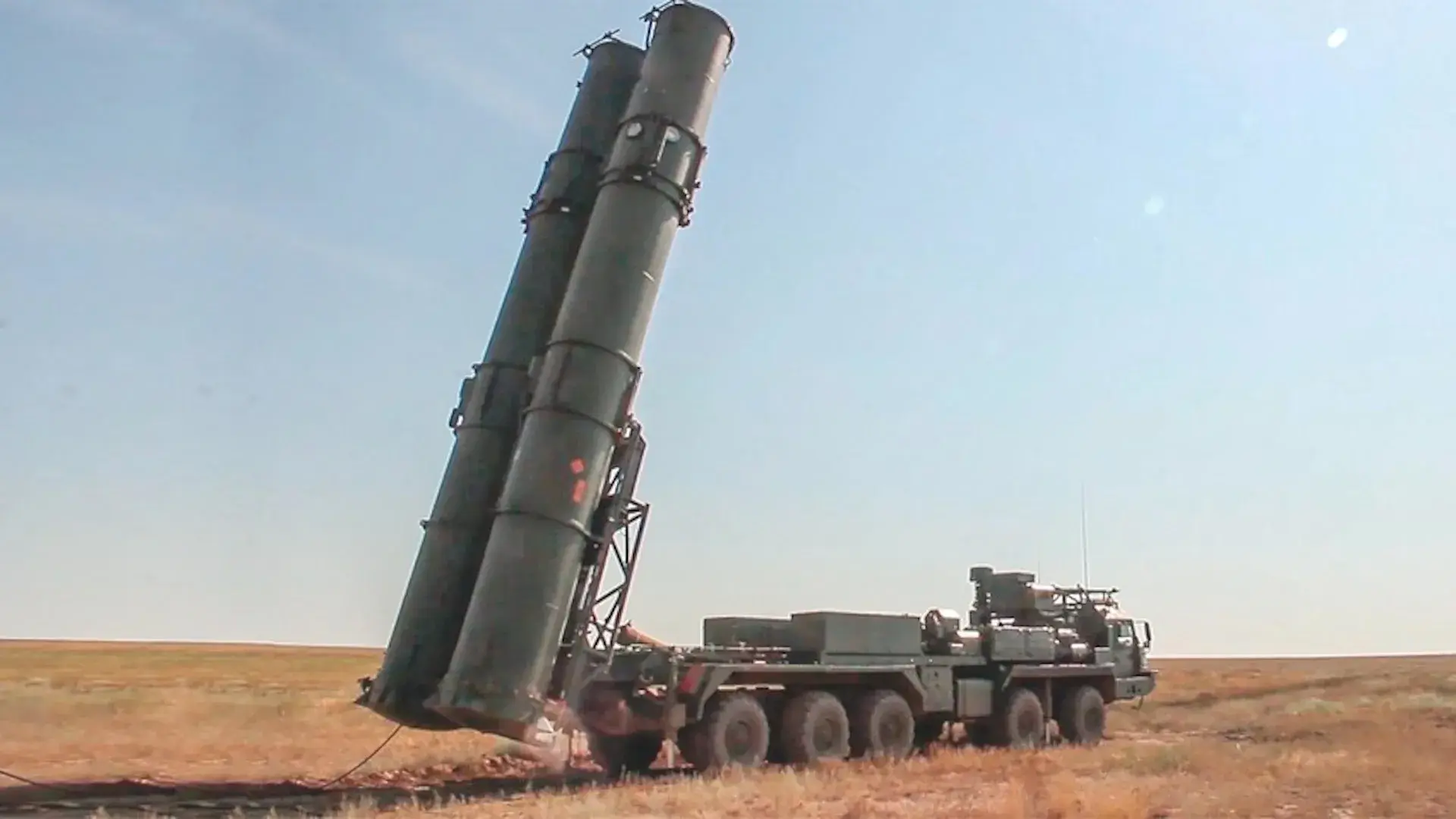
Fully loaded with four heavy interceptor missiles, the launch vehicle's total gross weight exceeds 40 tonnes. This extreme mass immediately disqualifies standard tactical military transport planes from carrying the hardware over intercontinental distances.
The Antonov An-124 Ruslan
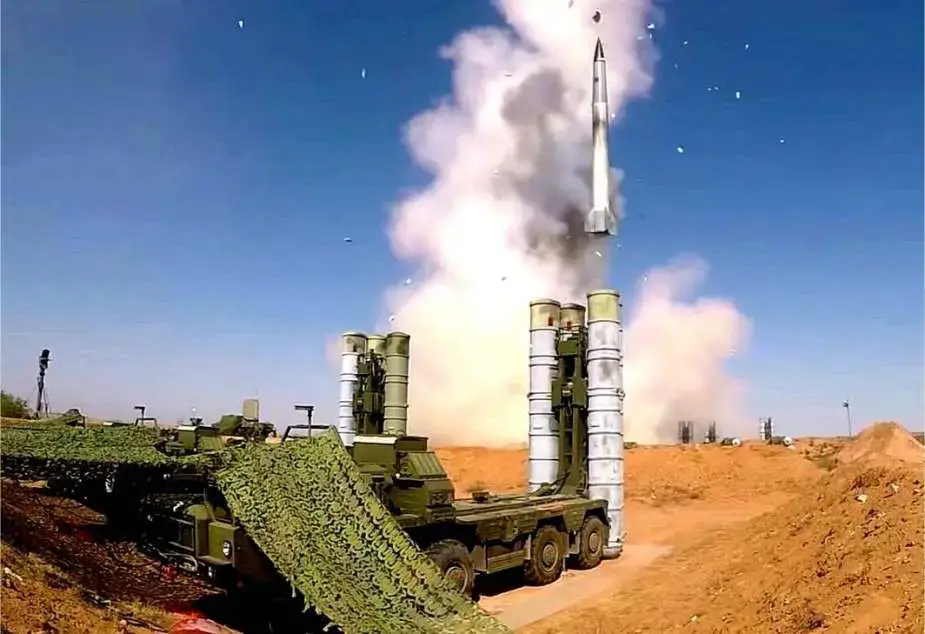
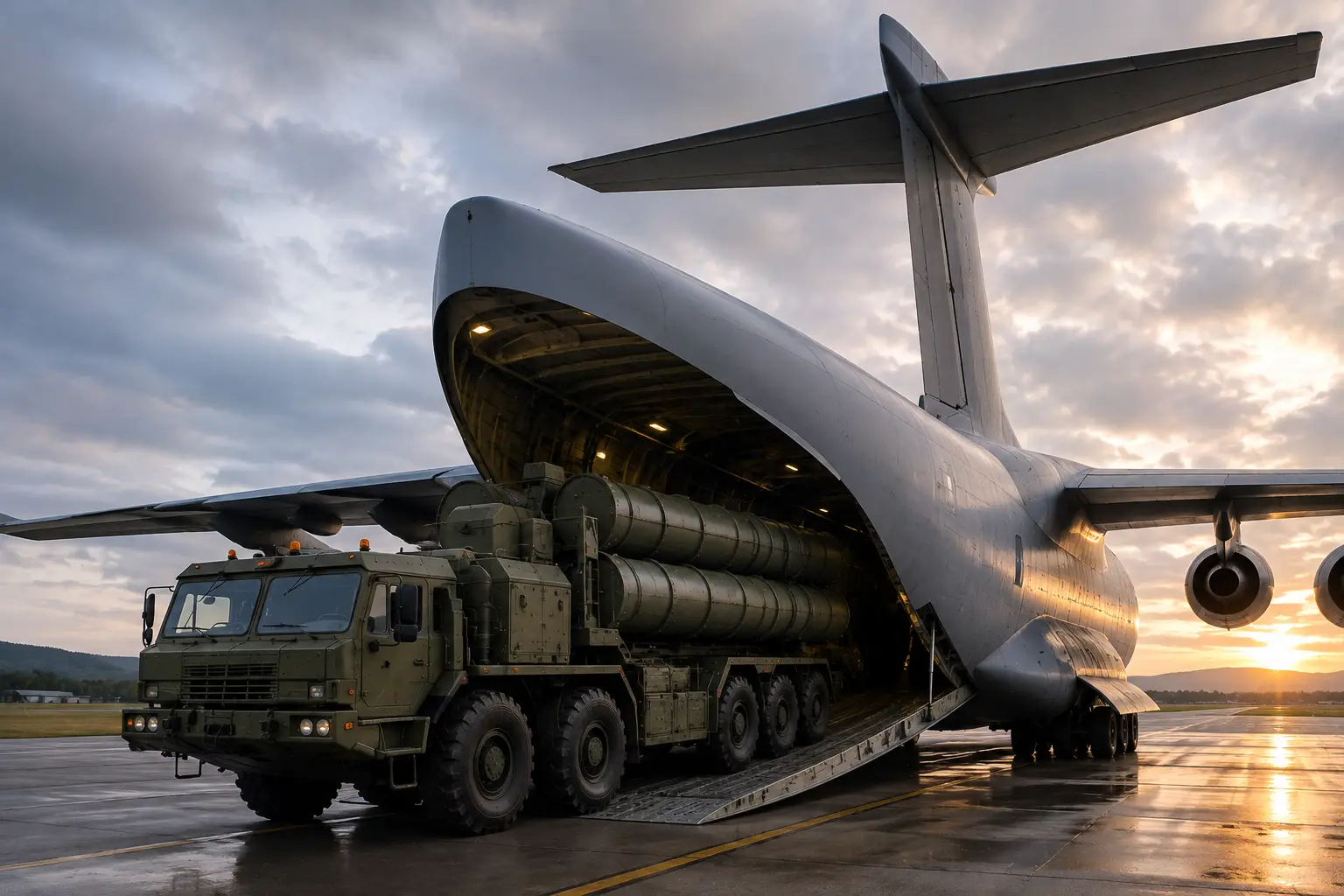
The Russian-built Antonov An-124 Ruslan is the primary aircraft used for transporting S-400 batteries. With a cavernous cargo bay measuring 6.4 metres wide and 4.4 metres high, it easily swallows the massive missile launchers.
Carrying Multiple Units
Because the An-124 boasts a staggering 150-tonne payload capacity, it can efficiently transport multiple S-400 vehicles simultaneously. During Russia's delivery of the system to Turkey in 2019, a fleet of An-124s transported the heavy components directly to Ankara.
The Ilyushin Il-76 Clearances
Russia's standard heavy lifter, the Ilyushin Il-76, features a cargo bay width of 3.4 metres and a height of 3.3 metres. Squeezing a 3-metre-wide, 3.3-metre-high MZKT-7930 launcher inside leaves just centimetres of clearance, making it a highly restrictive logistical operation.
Global Mobility
The ability to load these USD 1.25 billion air defence systems into strategic cargo planes fundamentally changes modern warfare. It allows militaries to rapidly deploy the S-400 and establish an impenetrable 600-kilometre anti-access bubble anywhere in the world within 24 hours.
)
)
)
)
)