3I/ATLAS, Earth and Sun enter rare alignment on January 22: Here is why it matters

3I/ATLAS is entering a rare alignment on January 22, 2026, which will offer a chance to study not only the comet, but also its anti-tail that is directed towards the sun. This jet has been a mystery, and no one knows how it has been holding up.

3I/ATLAS, Earth and Sun alignment
Interstellar object 3I/ATLAS will reach a rare alignment with the Sun-Earth axis on 22 January. It will come within an exceptionally small angle of 0.69 degrees from the axis. This will be a unique opportunity to measure an effect called "the opposition surge", a phenomenon where dust reflects sunlight more brightly. Scientists can also make observations on the composition of the comet. 3I/ATLAS has a long anti-tail and unusual gas plumes, and this might be a good chance to understand more about it.

Chance to observe glowing dust around 3I/ATLAS
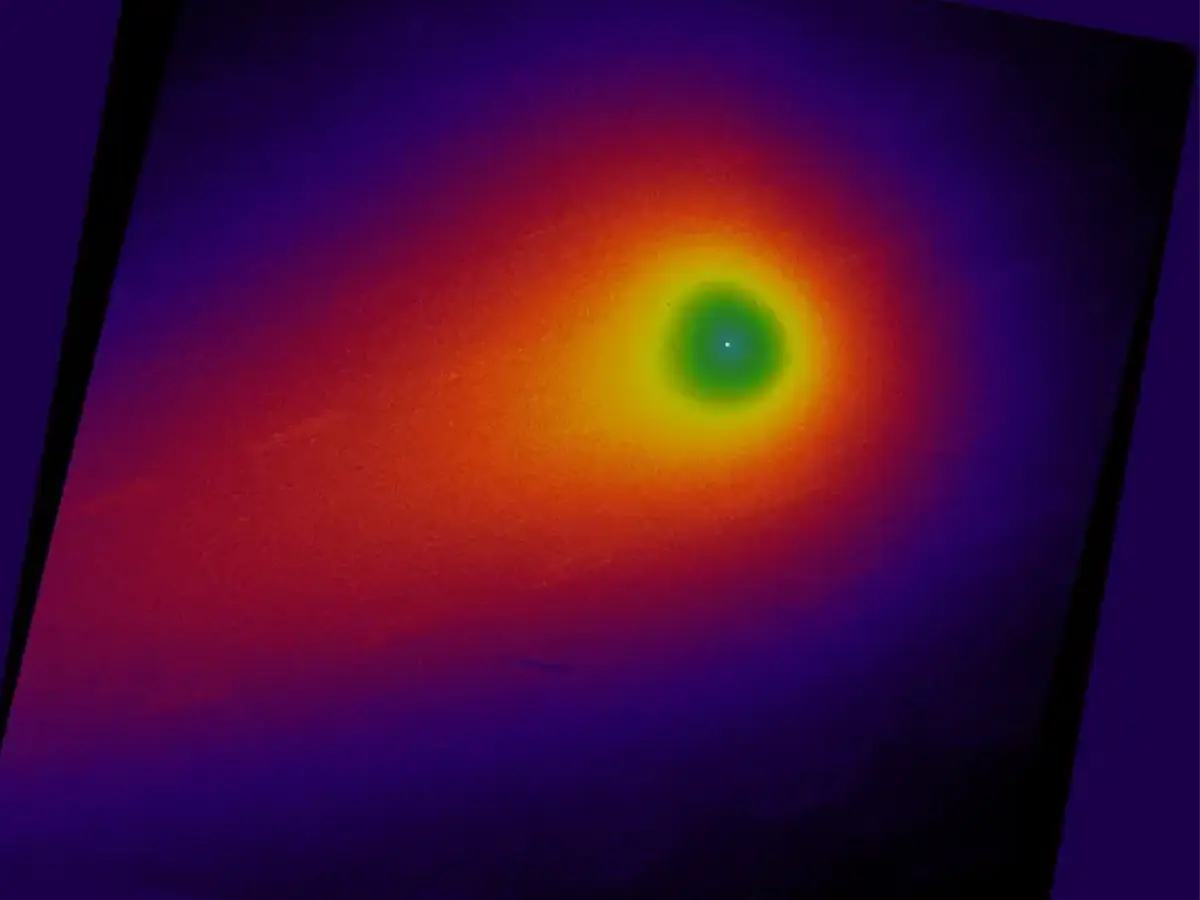
3I/ATLAS has a glow extending beyond 130,000 kilometres towards the Sun. The prominent anti-tail outflow is supplemented by a system of three mini-jets that are equally separated by an angle of 120 degrees from each other. None of these mini-jets is pointing away from the Sun, which is usually the case with comets. The January 22 alignment will allow for clearer observations of the glowing dust around it in full brightness as Earth passes nearly between the Sun and 3I/ATLAS.
3I/ATLAS and anti-tail mystery
On this day, scientists will be looking at 3I/ATLAS from the direction of the Sun. It will appear just as it would from the Sun on this day. This means the anti-tail will be directed right at Earth. This event will be a chance to explore the sunward jet and the mini-jets. This anti-tail runs for hundreds of thousands of kilometres, cutting through the solar winds. How it is holding up in this manner for so long remains a mystery which could be solved on January 22.

Why "Opposition Surge" happens
Also known as a "brightness spike", this happens for mainly two reasons. When an alignment happens which places the light source directly behind the site from where an object will be observed, shadows cast by dust particles are hidden behind the particles. This increases the object's brightness. Second, intense brightness is created when light waves bounce off the dust and interfere with each other.

Mystery of 3I/ATLAS - What is it made of?
3I/ATLAS has been a mystery ever since its discovery on July 1, 2025. The rare alignment gives us a chance to learn about interstellar objects and the material they carry. We have had two previous interstellar objects - 2I/Borisov and Oumuamua. The former did not align perfectly enough to allow for such analysis, while the latter was a dry piece of rock and did not have enough dust.
3I/ATLAS is a window into interstellar space
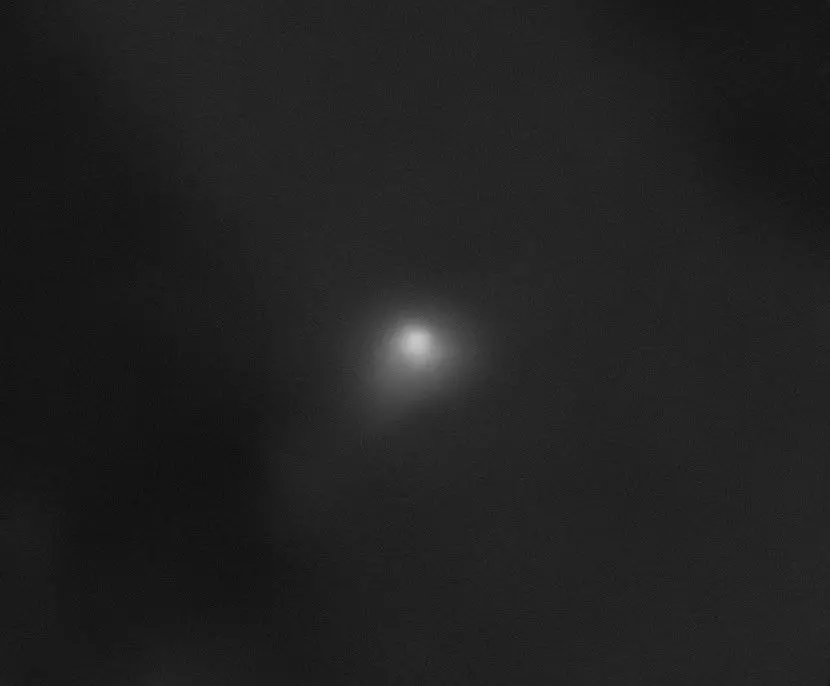
This means that 3I/ATLAS is right now our only opportunity to study interstellar space. An object that has been travelling for billions of years and is possibly 13 billion years old does not come by every day. The January 22 alignment is a window into an unknown world, which is a mystery to humans.
)
)
)
)
)