Supreme Court upholds right to privacy as a fundamental right


Supreme Court
The contentious issue had emerged when the top court was dealing with a batch of petitions challenging the Centre's move to make Aadhaar mandatory
In a landmark judgement, the Supreme Court on Thursdayupheld the Right to Privacy as a fundamental right protected by the Constitution of India, a verdict that could impact the government's unique identification Aadhaar programme.
The nine-judge constitutional benchunanimously held that an individual's right to privacy was protected as a part of the rights under Article 21 of the Constitution.
Privacywas "protected as an intrinsic part of Article 21 that protects life and liberty,"Chief Justice JSKhehar said in a brief statement.

The Supreme Court overruled the MPSharma (1962) and Kharak Singh (1954) judgementswhich heldthattheright to privacy was not a fundamental right.
The bench was hearing a bunch of petitions challenging the mandatory use of the biometric identification cards, known as Aadhaar, as an infringement of privacy.
A five-judge constitutional bench will decide separately whether Aadhaar violates the Right to Privacy or not.
&imwidth=180&imheight=135&format=webp&quality=medium)
US troop deaths in Iran war on rise? Pentagon reveals latest toll
&imwidth=180&imheight=135&format=webp&quality=medium)
Lula campaign accuses Meta of election interference after social media content blocked
&imwidth=180&imheight=135&format=webp&quality=medium)
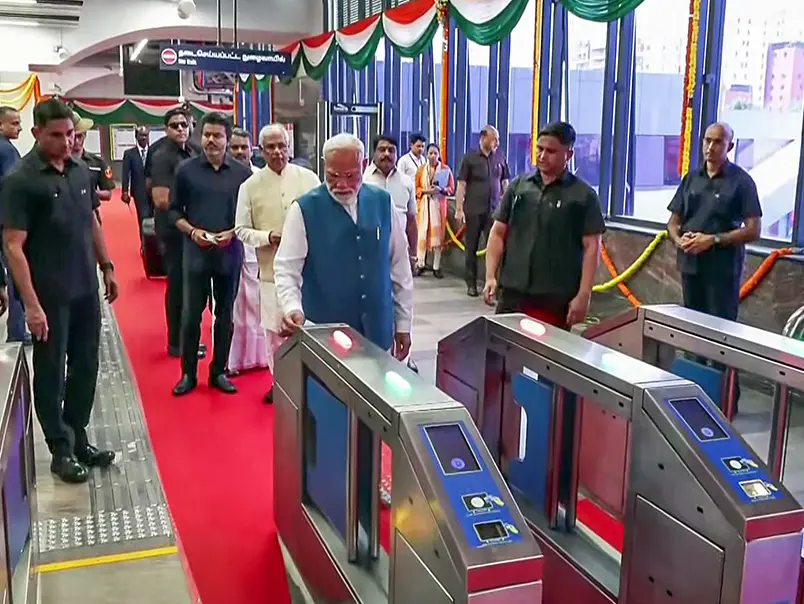
PM Modi inaugurates Rs 4,900 crore Chennai Metro Phase II stretch, takes ride with CM Vijay: VIDEO
&im=FitAndFill=(700,400)&imwidth=180&imheight=135&format=webp&quality=medium)
Navratri 2026: 9 days, 9 forms of Goddess Durga and 9 colours- Check the complete list
&imwidth=180&imheight=135&format=webp&quality=medium)
100,000 strikes in 3 years: How October 7 redefined Israel's war
&imwidth=180&imheight=135&format=webp&quality=medium)
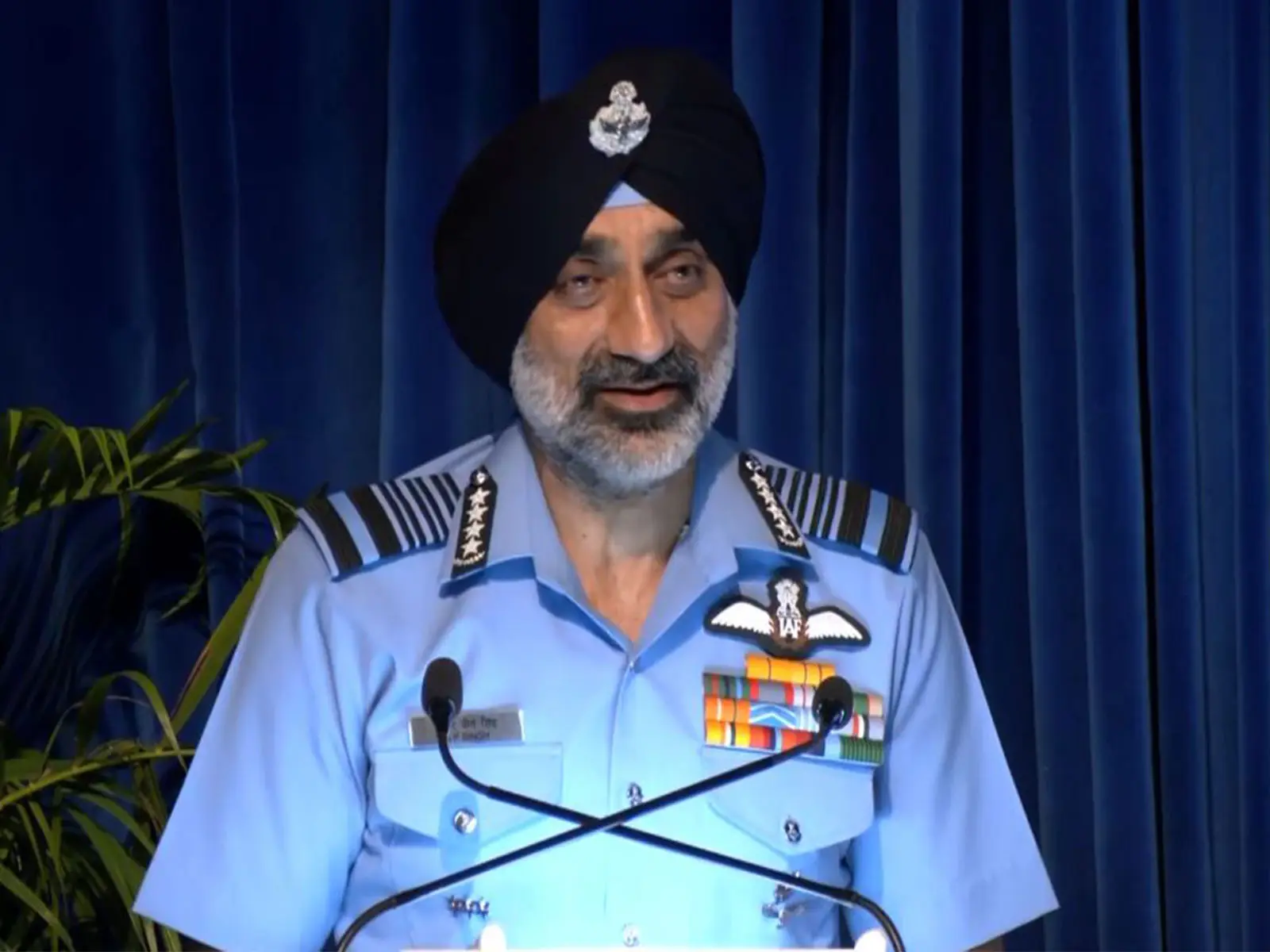
‘Your people don’t even let us near it’: IAF chief’s blunt response on US F-35; India yet to decide on Russia’s Su-57
&imwidth=180&imheight=135&format=webp&quality=medium)
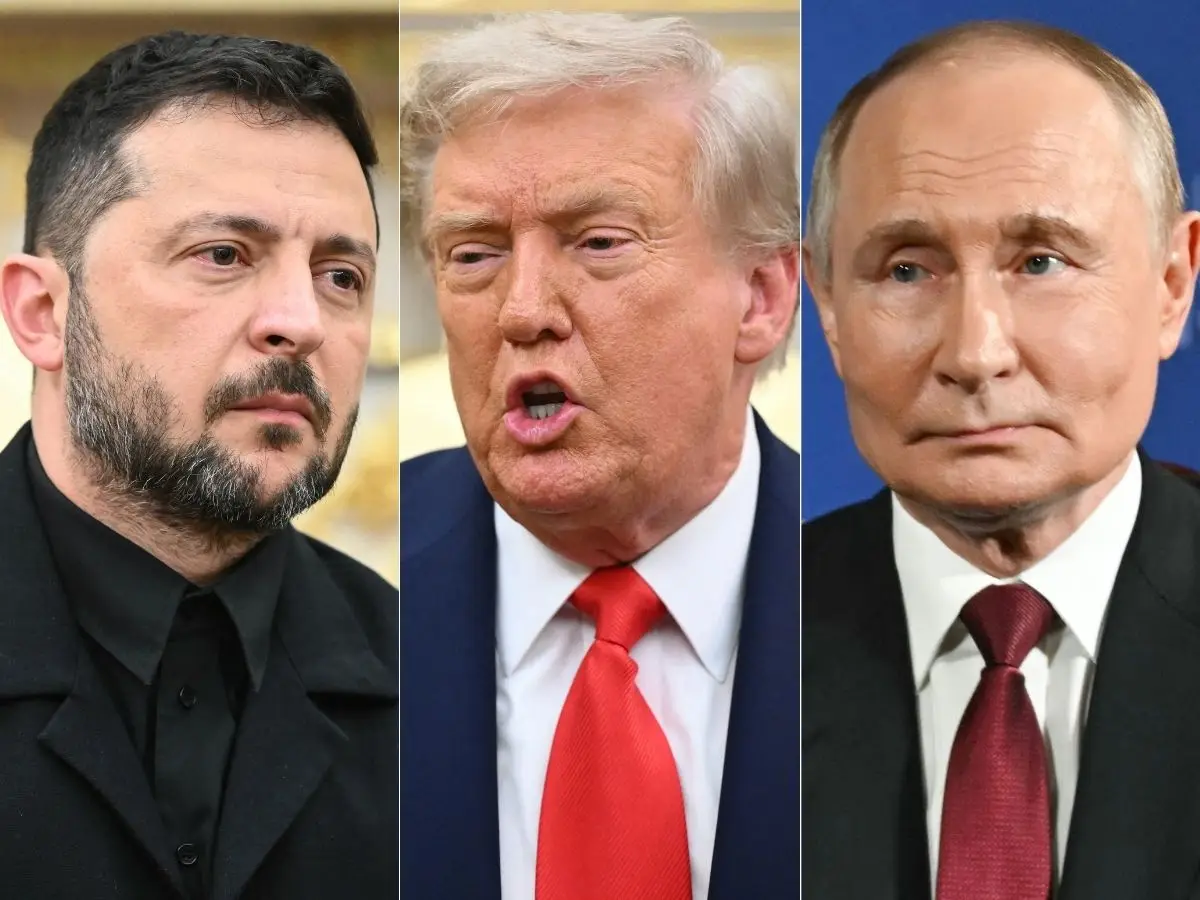
Trump claims ‘energy ceasefire’ between Russia and Ukraine; Zelensky says ‘news for me’
&imwidth=180&imheight=135&format=webp&quality=medium)
Saudi Arabia's King Khalid International Airport attack kills 12, injures 309; India calls it 'unacceptable'
&imwidth=180&imheight=135&format=webp&quality=medium)
HYBE’s Weverse Con India sets ticket sale date for March 2027 festival
&imwidth=180&imheight=135&format=webp&quality=medium)
Amitabh Bachchan celebrates birthday with fans at Jalsa during Sunday darshan | Watch
&imwidth=180&imheight=135&format=webp&quality=medium)
Messi scores twice in Inter Miami return following final match for Argentina
&imwidth=180&imheight=135&format=webp&quality=medium)
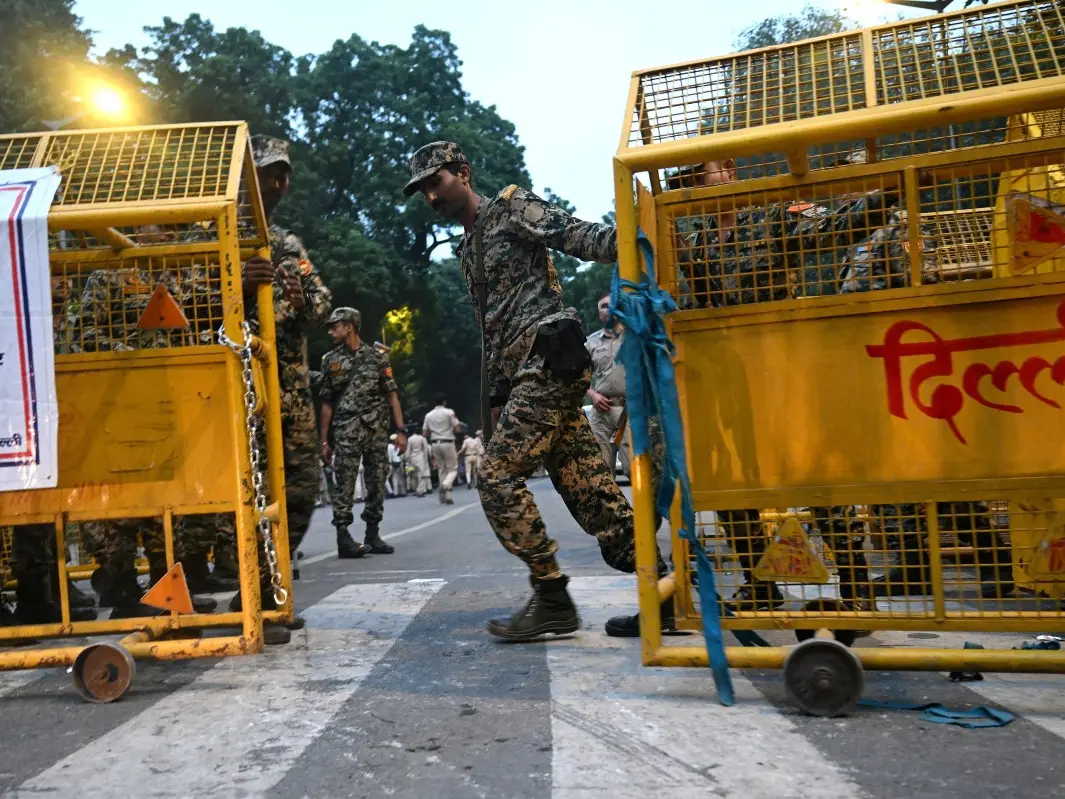
'Unwarranted interference': India slams UN human rights office over remarks on Delhi protests
&imwidth=180&imheight=135&format=webp&quality=medium)
'Jantar Mantar not the story of India': BJP's Sambit Patra claims 'anarchists' tried to hold Delhi captive
&im=FitAndFill=(700,400)&imwidth=180&imheight=135&format=webp&quality=medium)
Meet top 5 right-hand batters with most international runs
&imwidth=180&imheight=135&format=webp&quality=medium)
3rd T20I Preview: Another run-fest on cards as India face West Indies in Indore
&imwidth=180&imheight=135&format=webp&quality=medium)
Nicolas Cage refuses AI waiver for Spider-Noir, hints at Amazon exit and True Detective role
&imwidth=180&imheight=135&format=webp&quality=medium)
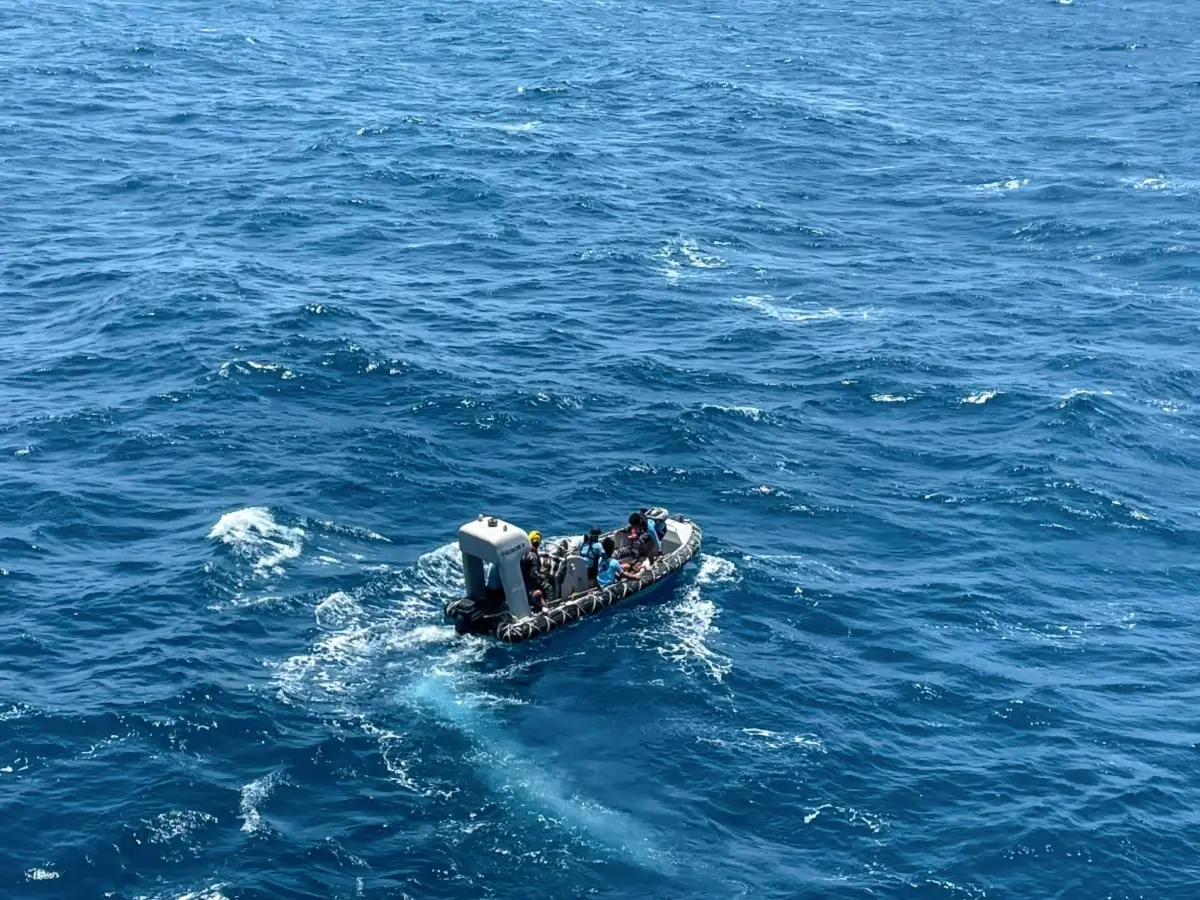
At least 109 migrants, including 15 children dead as boat sinks off Djibouti, 116 go missing
&imwidth=180&imheight=135&format=webp&quality=medium)
Riyadh airport hit in missile attack, dozens injured; 5 in intensive care
&imwidth=180&imheight=135&format=webp&quality=medium)
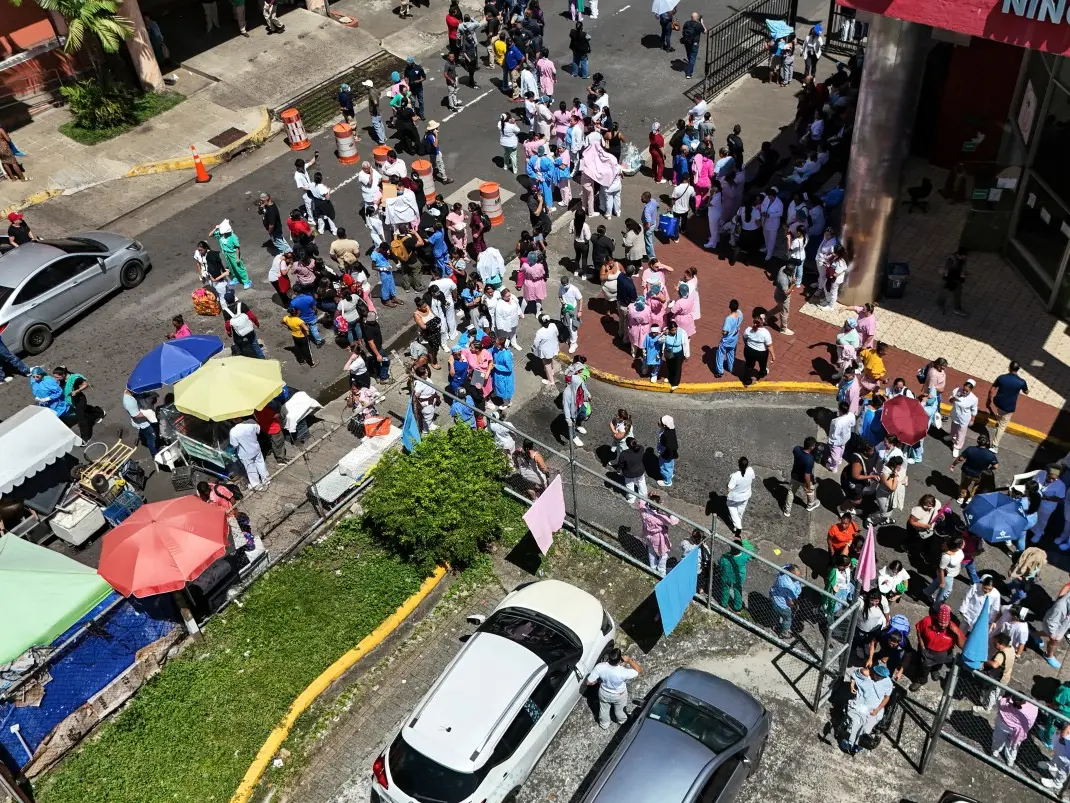
Powerful 7.7 magnitude earthquake strikes Panama, tsunami warning issued
&imwidth=180&imheight=135&format=webp&quality=medium)
US mid-term elections: What are PACs - Unique American System that lets corporates shape voting
&imwidth=180&imheight=135&format=webp&quality=medium)
Imran Khan released hours after Mumbai Police detain him during CJP protest
&imwidth=180&imheight=135&format=webp&quality=medium)
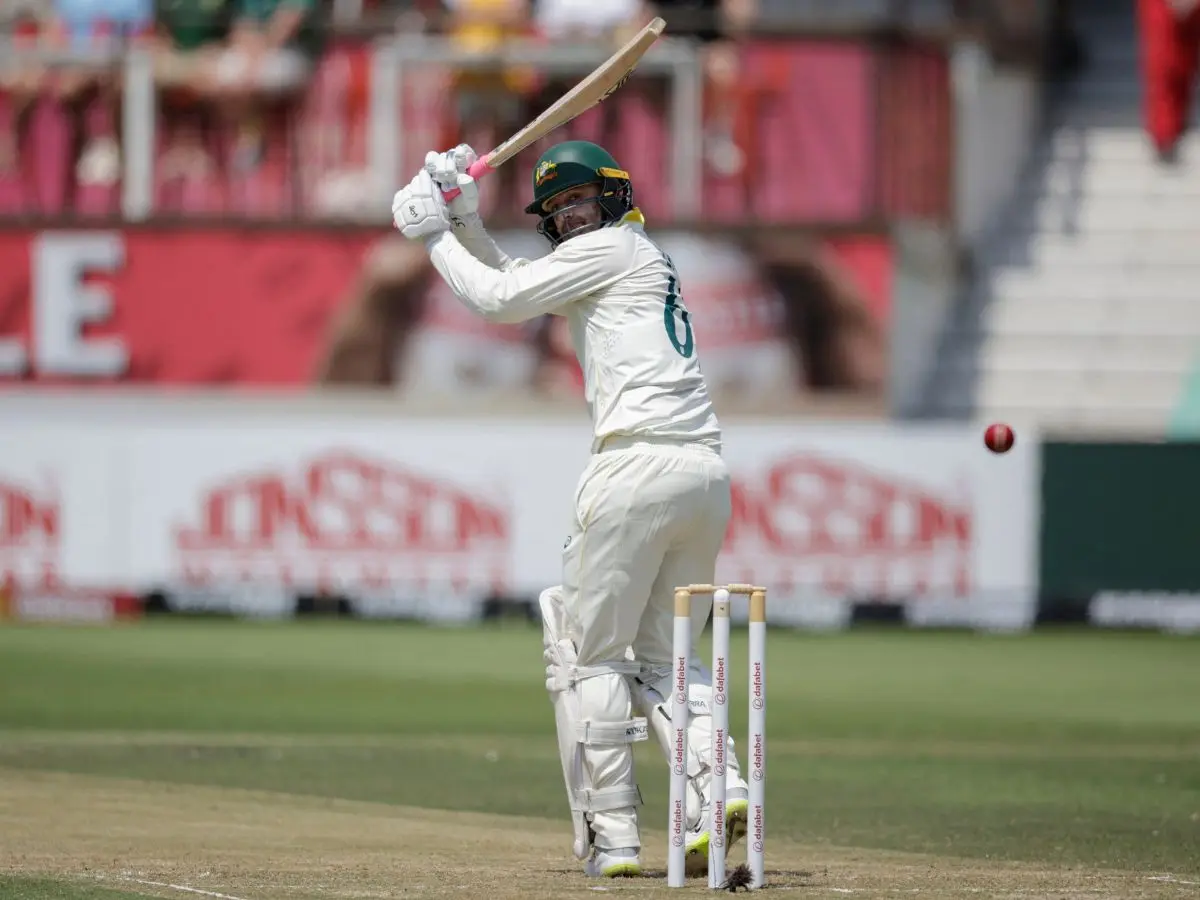
Nathan Lyon completes 1,000 Test runs at No. 10 to script rare cricket feat
&imwidth=180&imheight=135&format=webp&quality=medium)
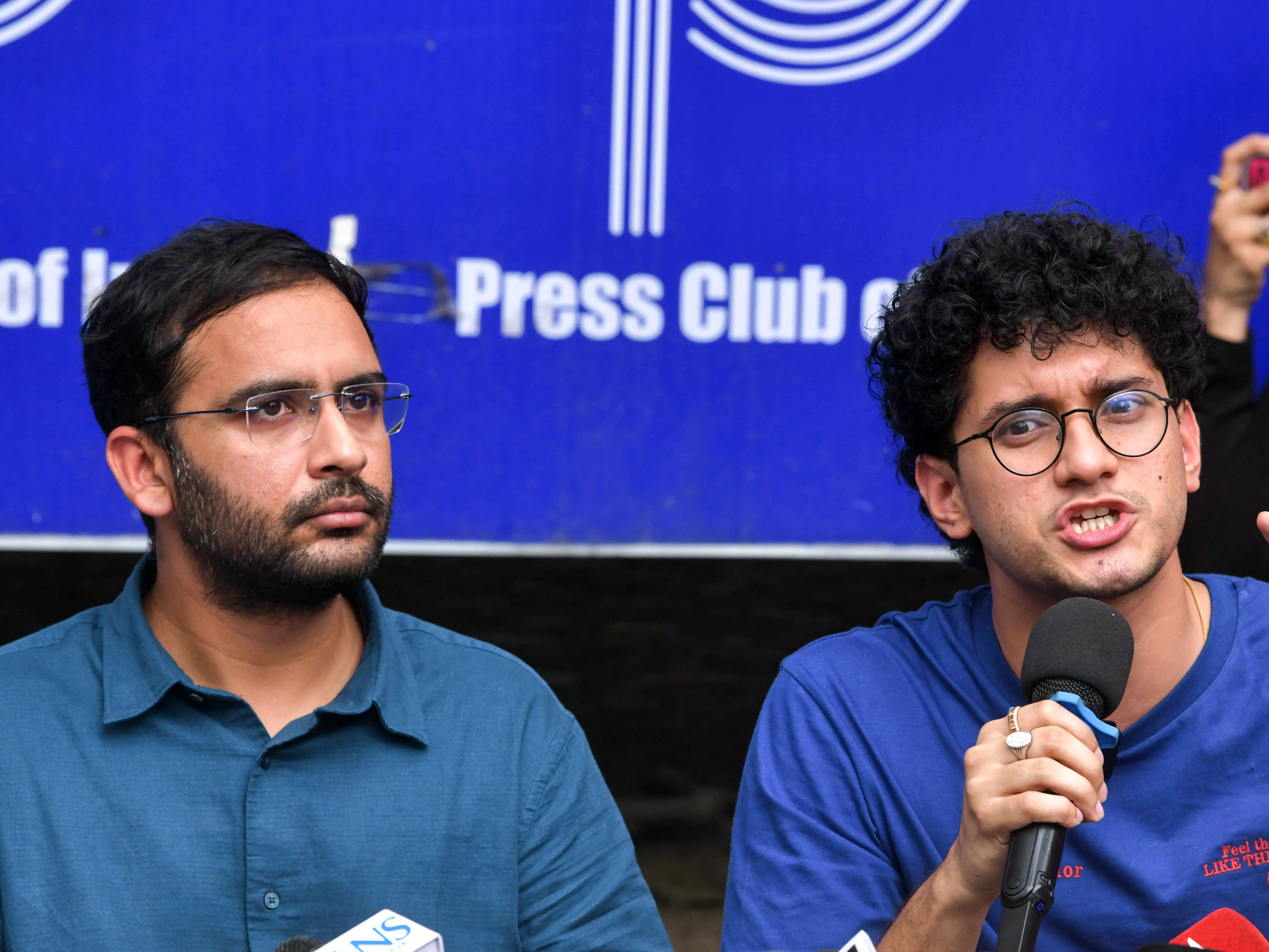
CJP leaders claim their phones may be ‘hacked or cloned’ after 24-hour detention
&imwidth=180&imheight=135&format=webp&quality=medium)
Nepal flash floods swallow homes and bridges a month after devastating disaster
&imwidth=180&imheight=135&format=webp&quality=medium)
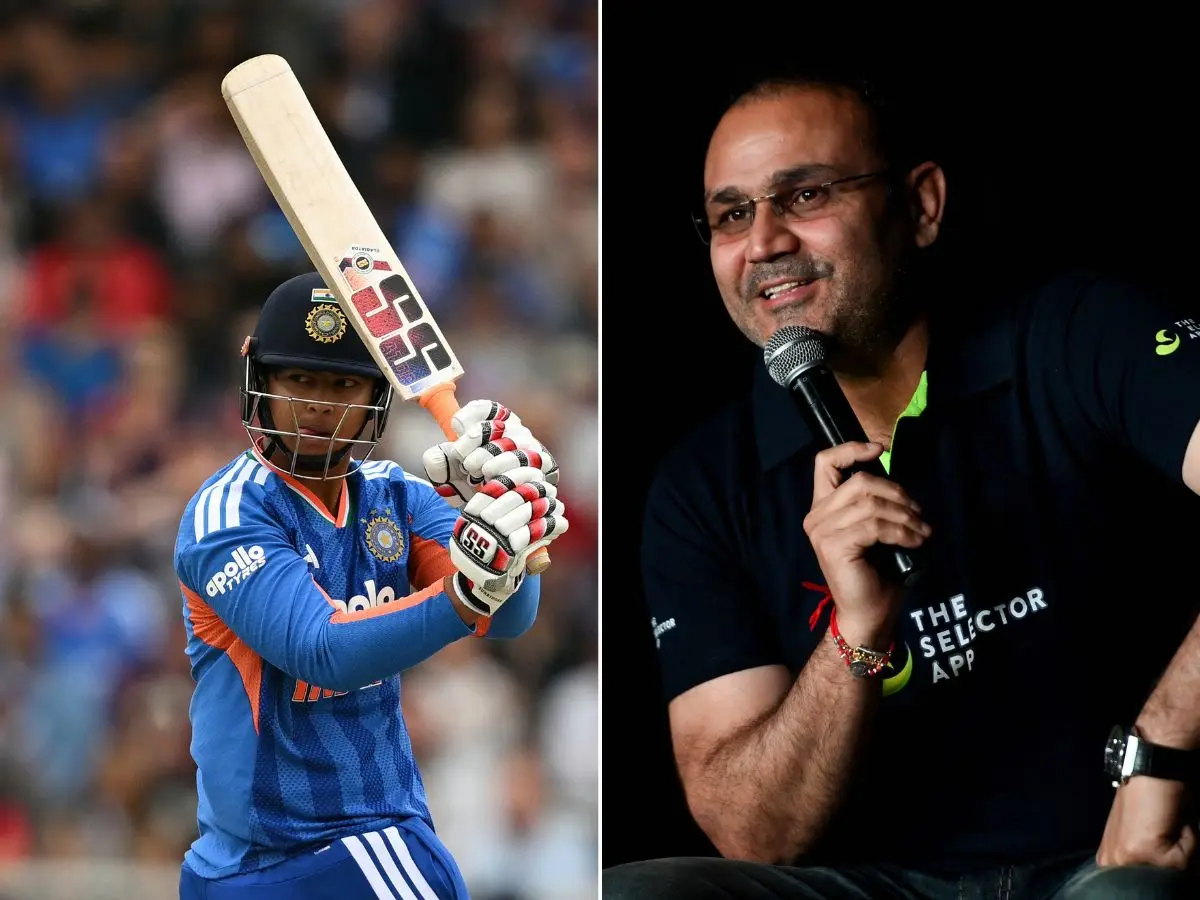
Sehwag sees reflection of himself in Sooryavanshi: ‘His thinking is similar to mine’
&imwidth=180&imheight=135&format=webp&quality=medium)
'Ouch!!! That must hurt': Kangana Ranaut hails Kamal Haasan's sharp reply to Elon Musk over Starlink row
&imwidth=180&imheight=135&format=webp&quality=medium)
Sidhu Moose Wala’s younger brother wins hearts by recreating late singer’s signature move at Toronto Hologram Show
&imwidth=180&imheight=135&format=webp&quality=medium)
Barry Manilow cuts short Las Vegas comeback show, cancels next concert over Bronchitis
&imwidth=180&imheight=135&format=webp&quality=medium)
UK school ditches technology, shifts from screen to pen and paper for learning
&imwidth=180&imheight=135&format=webp&quality=medium)
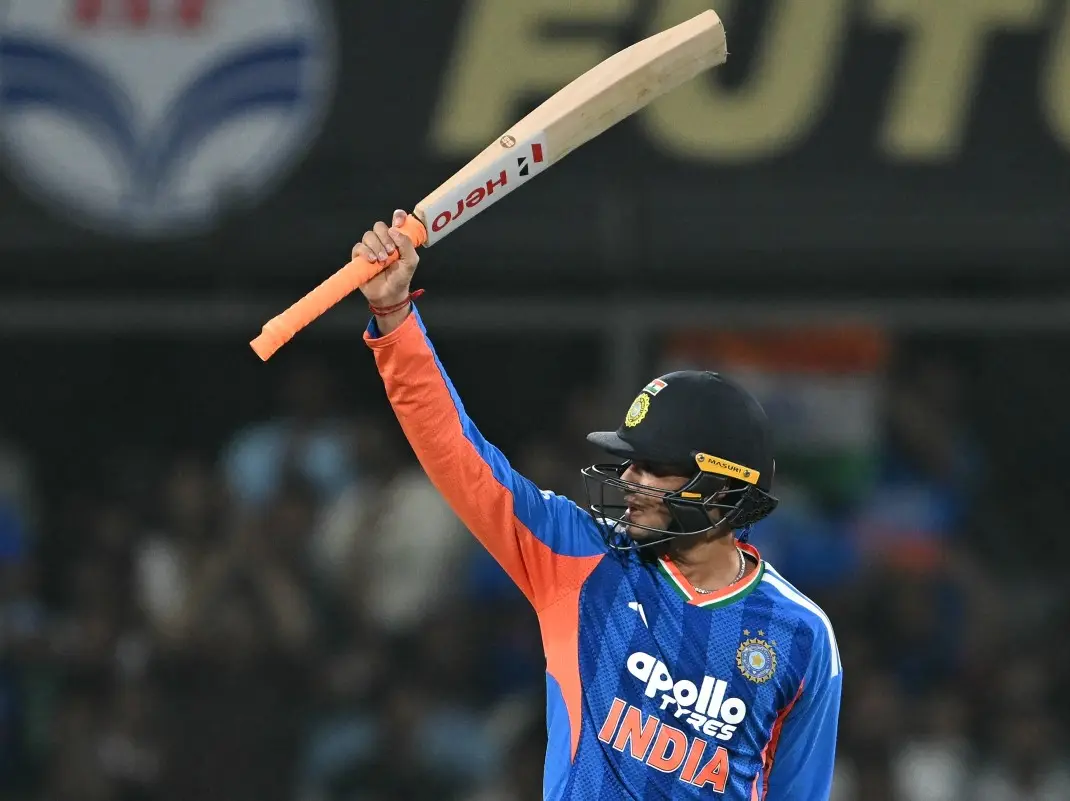
IND vs WI, 3rd T20I: Abhishek Sharma smashes 18-ball fifty, sets record for fastest to 2,000 T20I runs
&imwidth=180&imheight=135&format=webp&quality=medium)
Hamas used double agents, deceived Israel to carry out October 7 massacre
&imwidth=180&imheight=135&format=webp&quality=medium)
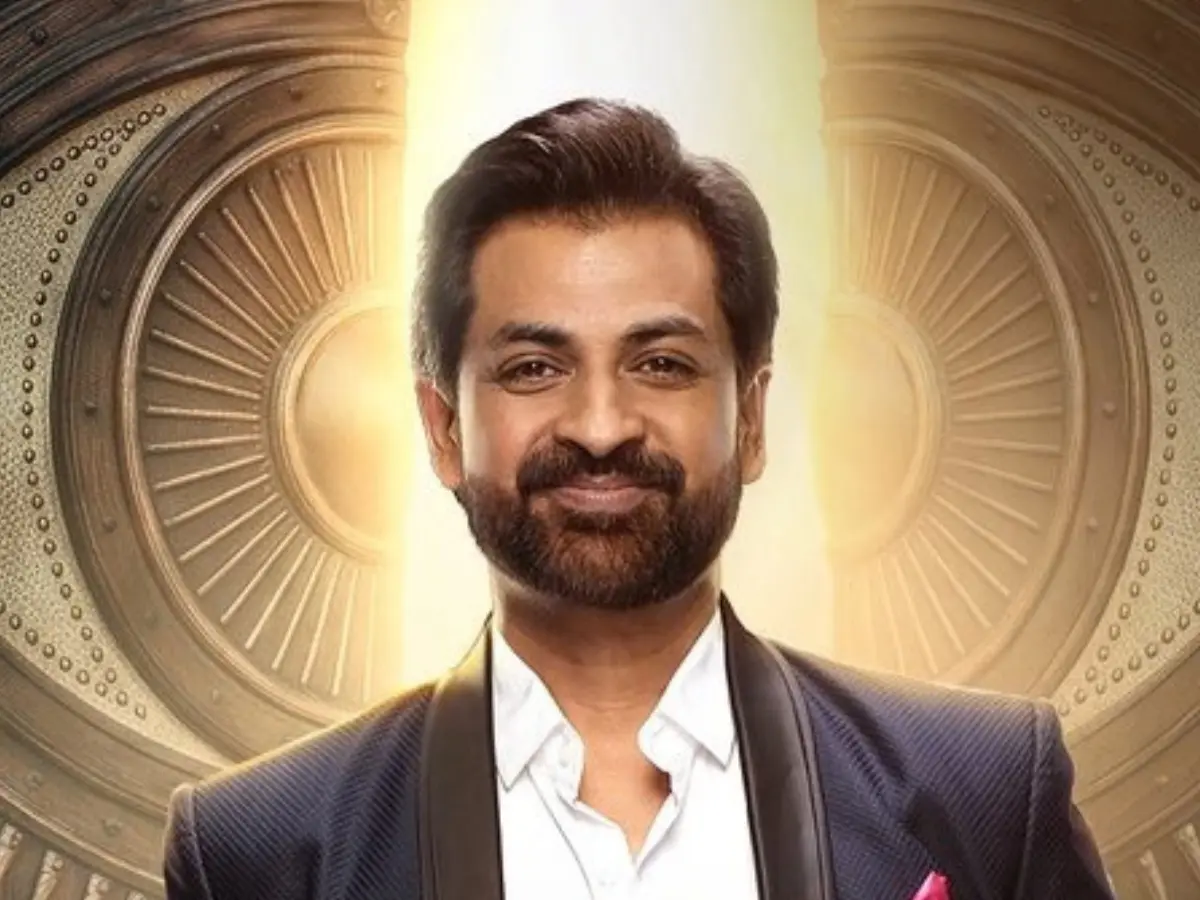
Bigg Boss 20: Who is Manish Goel? Meet the new wild card contestant on Salman Khan’s show
&imwidth=180&imheight=135&format=webp&quality=medium)
Portugal Federation confirms Cristiano Ronaldo’s return to national team despite suspension
&imwidth=180&imheight=135&format=webp&quality=medium)
Ganesh Dust To Stardust trailer: Ganesh Acharya directs a tale of dreams and sacrifice | Watch
&imwidth=180&imheight=135&format=webp&quality=medium)
BTS’ RM raises privacy concerns over drones, lasers outside hotel amid Lima concert, urges fan respect
&imwidth=180&imheight=135&format=webp&quality=medium)
The street cannot govern India, but the government cannot ignore it either
&imwidth=180&imheight=135&format=webp&quality=medium)
Thai queen becomes first reigning monarch to fly jet solothailand #queen #wion
&im=FitAndFill=(700,400)&imwidth=180&imheight=135&format=webp&quality=medium)
Food shortages, suicide attempts and more: USS Abraham Lincoln returns to US after 321 day deployment — What happened aboard the US carrier?
&imwidth=180&imheight=135&format=webp&quality=medium)
Rahul Gandhi calls Modi, Shah ‘cowards’ amid CJP protest crackdown in Delhi
&imwidth=180&imheight=135&format=webp&quality=medium)
Nana Patekar's cause of death confirmed; here's what his postmortem report says
&imwidth=180&imheight=135&format=webp&quality=medium)
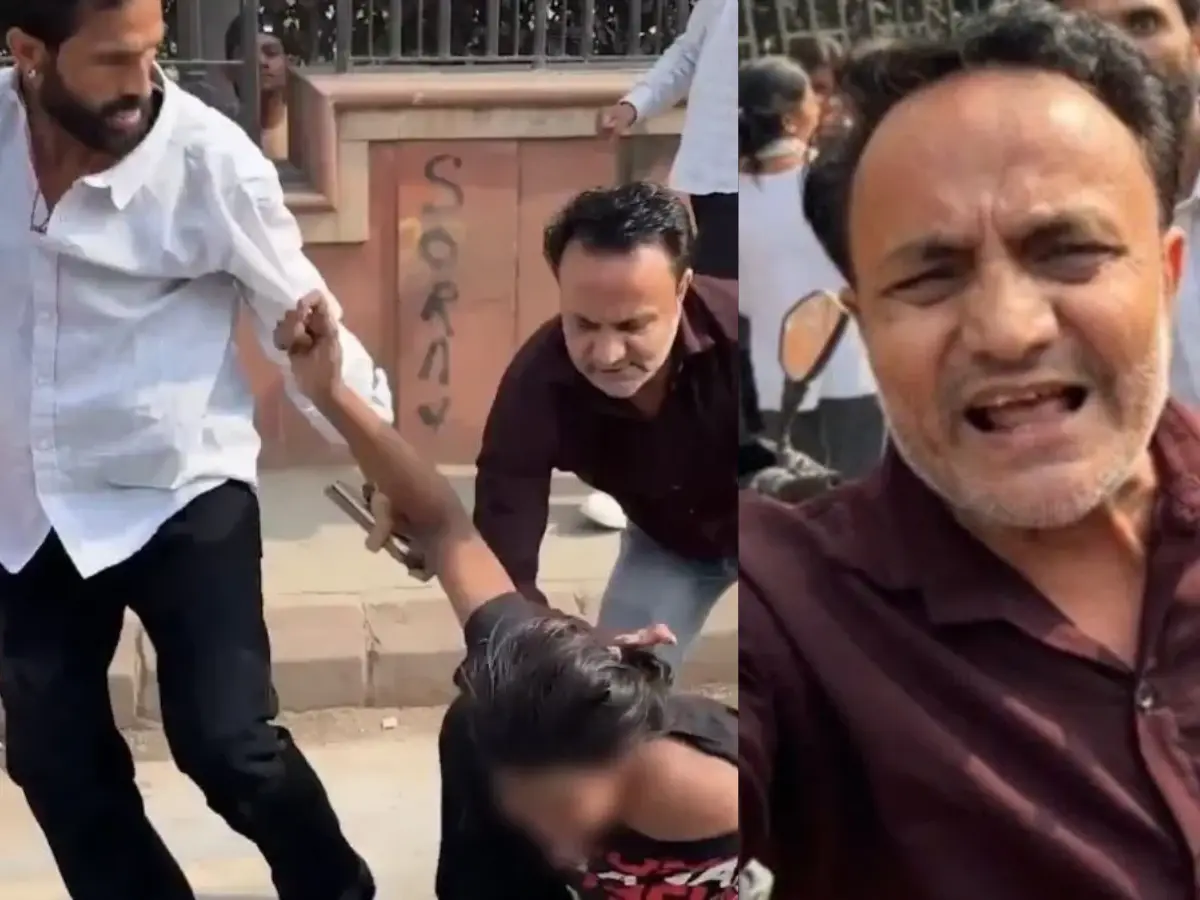
Delhi Police arrest 4 men seen in viral video allegedly assaulting women protesters during CJP protest
&imwidth=180&imheight=135&format=webp&quality=medium)
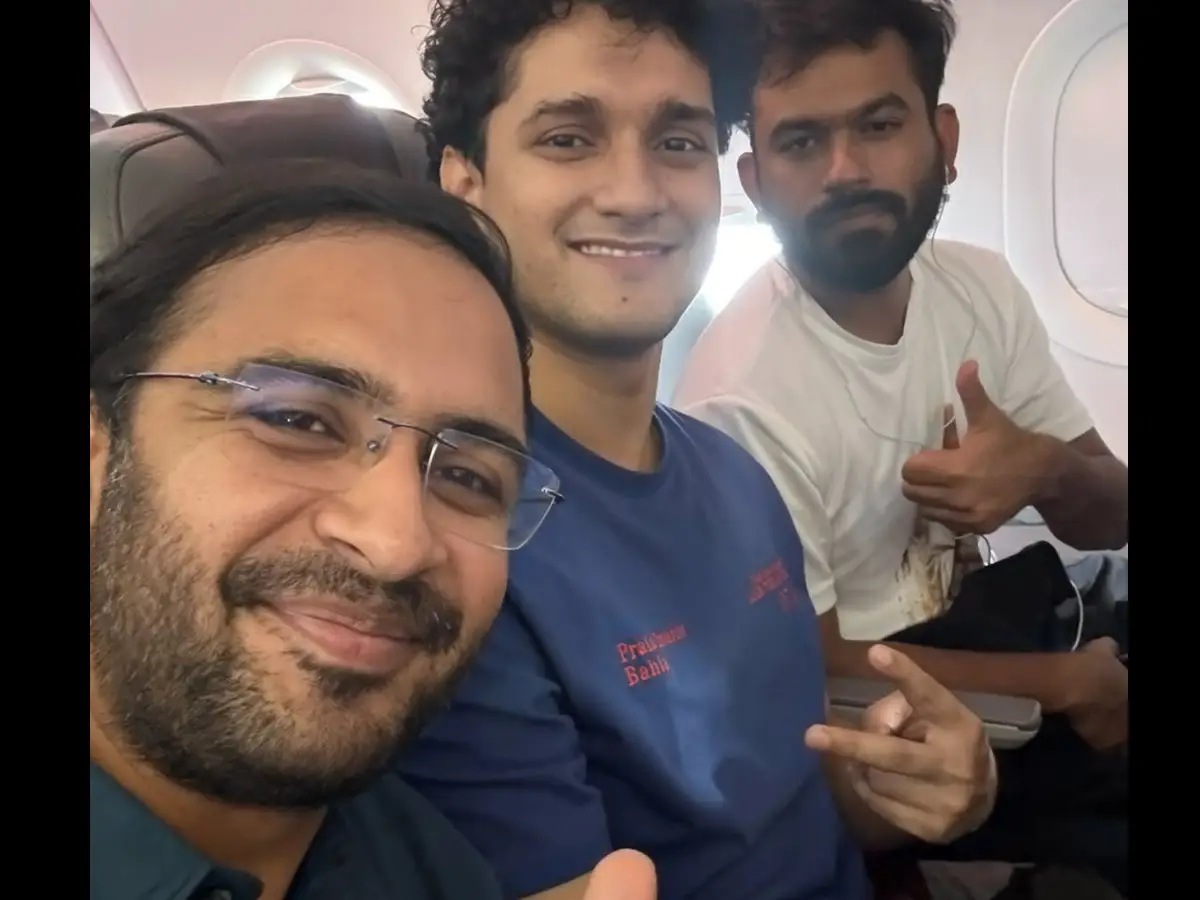
Where are Abhijeet Dipke, Ashutosh Ranka, Saurav Das? CJP gives big update after flight detention
&im=FitAndFill=(700,400)&imwidth=180&imheight=135&format=webp&quality=medium)
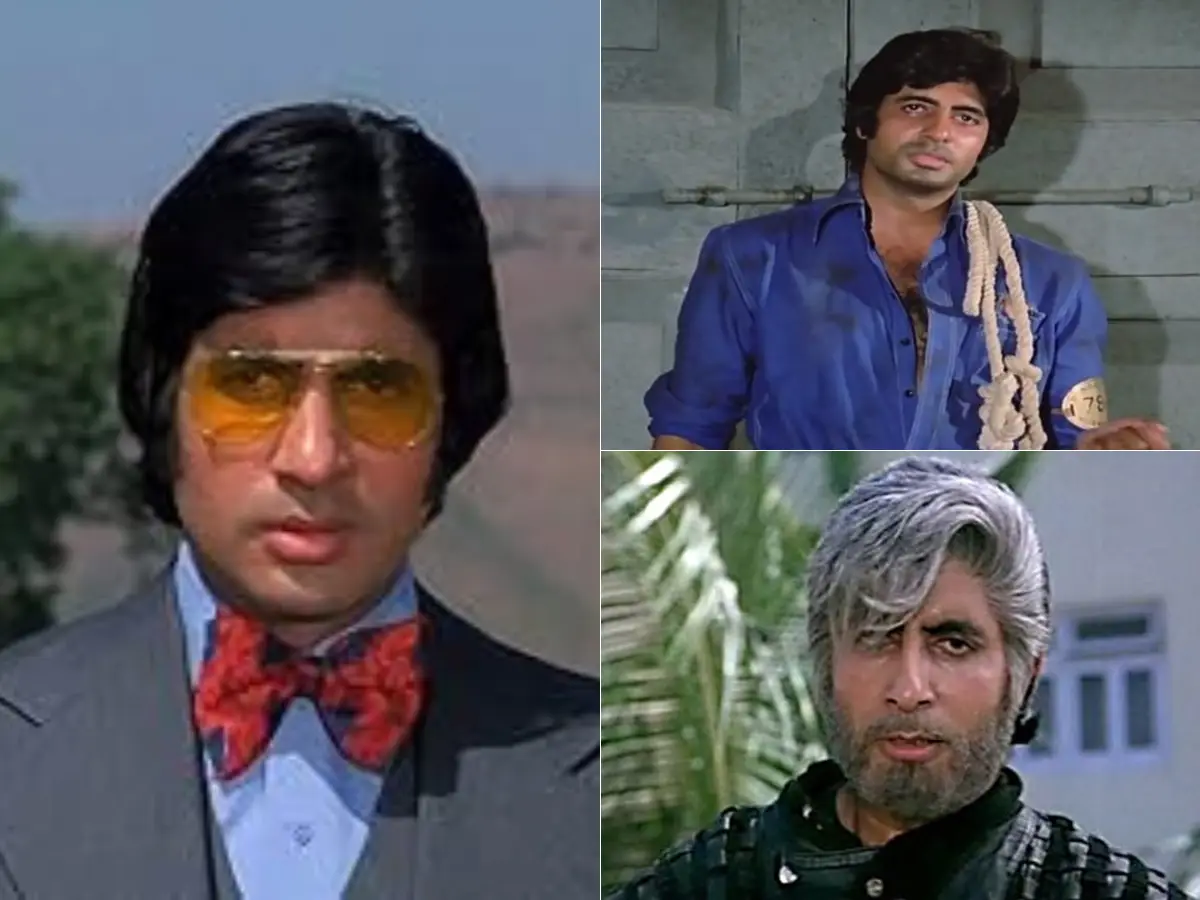
Amitabh Bachchan turns 84: A look at Big B’s iconic dialogues that continue to win hearts
The government had earlier argued that the right to privacy was a "wholly qualified right" which allowed the government to interfere in a matter in special circumstances.
Attorney General KK Venugopal had earlier told the top court that "privacy, as a fundamental right, could have been mentioned in Article 21, but has been omitted. Right to life transcends right to privacy".
The government view was thatthe right to privacy wasnot an individual right and is only a common law right evolved through judicial decisions. It argued thatprivacy as a "vague and amorphous" right which cannot be granted primacy if it deprives poor peopletheir rights to life, food and shelter. It held thatAadhaar wasnecessary for various measures like bringing people under the tax network, opening bank accounts, securing loans for cash transfers and subsidies.
The petitioners contended that enforcing Aadhaar wasan encroachment on privacy, adding that the right to privacy was"inalienable" and "inherent" to the most important fundamental right -the right to liberty.
They argued that the right to liberty includes theright to privacy and is a pre-existing "natural right" which the Constitution acknowledgesand guaranteesto the citizens in case of infringement by the state.
During the arguments, the top court hadfavoured overarching guidelines to protect private information in the public domain. It has observedthereisa need to "maintain the core of privacy" as the notion of privacy is fast becoming irrelevant in an all- pervading technological era.
The nine-judge constitution bench headed by Chief Justice JS Khehar had on August 2 reserved its verdict after hearing marathon arguments over a period of three weeks for and against the issue.
While reserving its verdict, the bench had voiced concern over the possible misuse of personal information in the public domain and said that protection of the concept of privacy in the all-pervading technological era was a "losing battle".
The decision to set up the nine-judge bench was taken to examine the correctness of two Supreme Court judgements delivered in the Kharak Singh and MP Sharma cases which weredecided by six and eight judge benches.
On July 19, during the course of arguments, the court observed that the right to privacy cannot be an absolute right and the state may have some power to put reasonable restrictions.
The high-profile arguments also saw the top court asking searching questions about the contours of right to privacy in the digital age when personal information was randomly shared with all types of government and private entities.
The bench had wanted to know about the tests which could be used to regulate and enforce privacy right when there could be "legitimate or illegitimate" use of data.