&imwidth=800&imheight=600&format=webp&quality=medium "Nobody killed the Nithari kids: Suspects free, case fallen, justice eludes kin of India’s top serial murder victims")
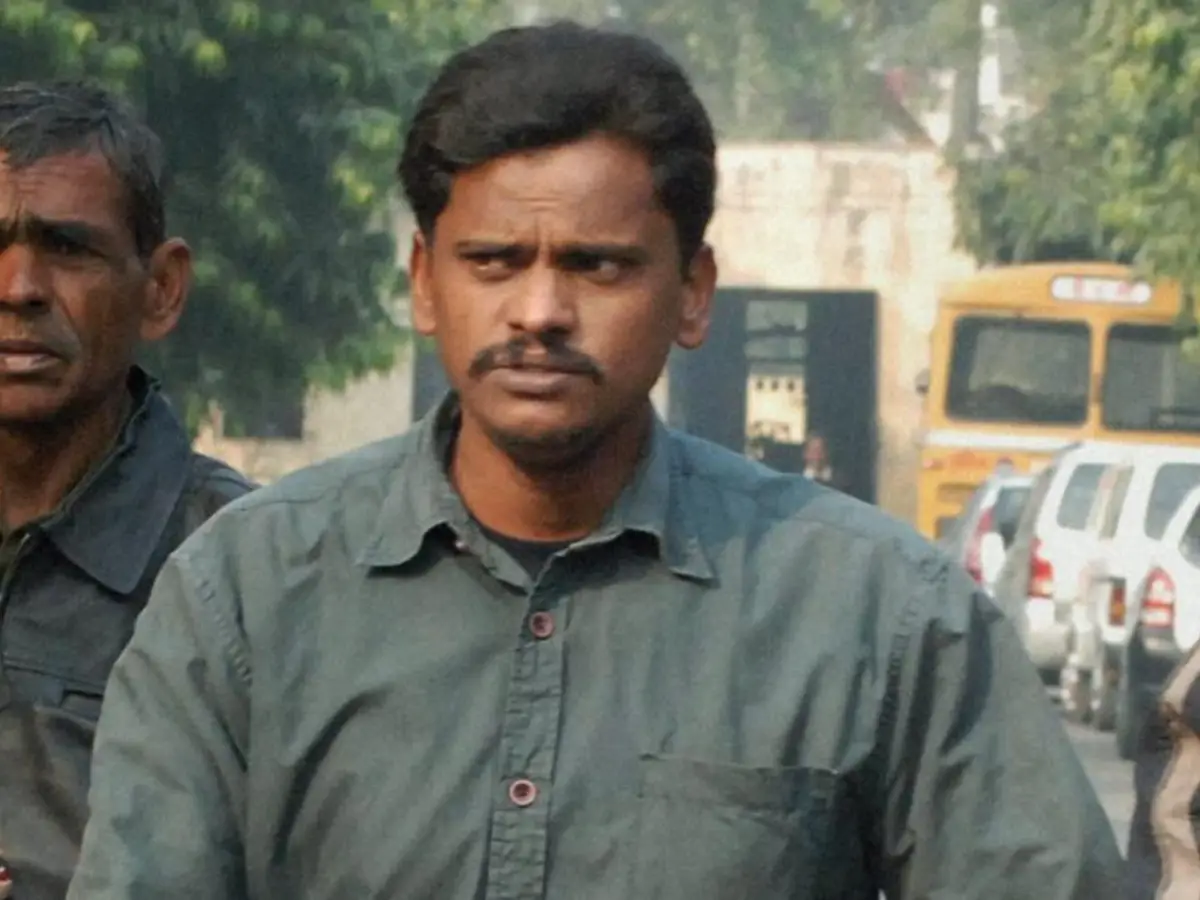
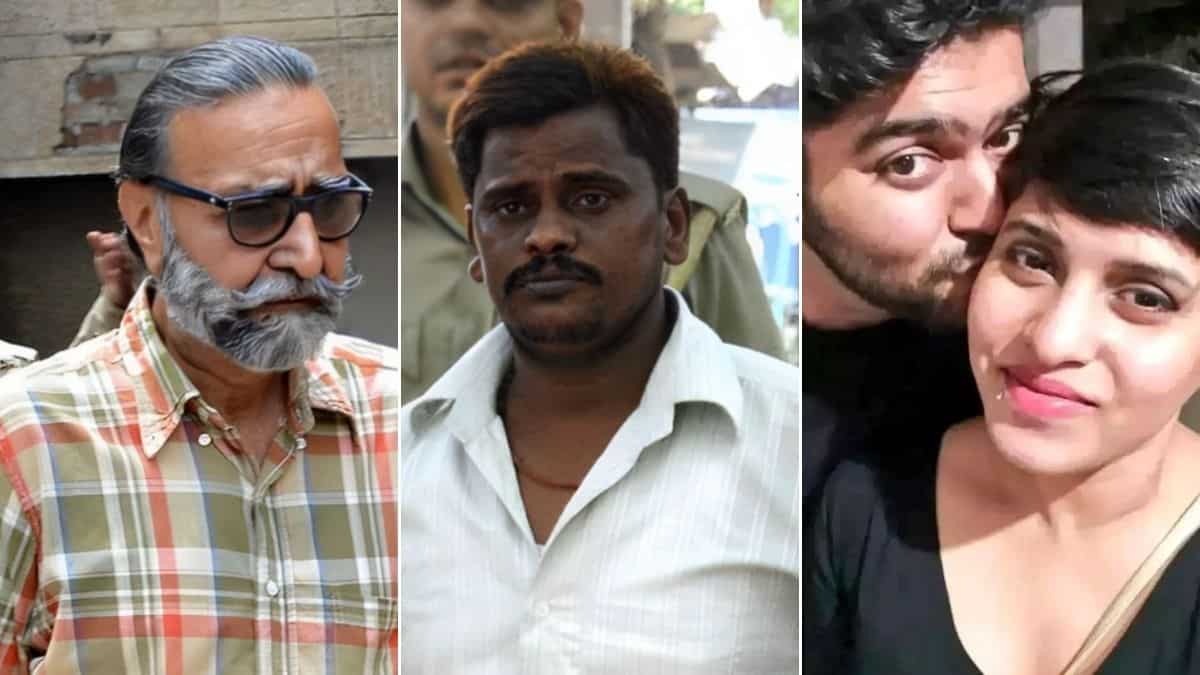
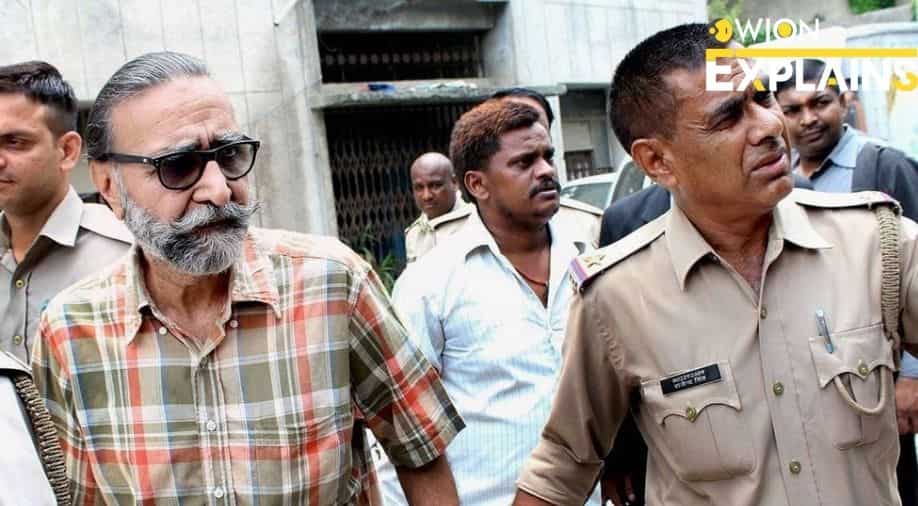
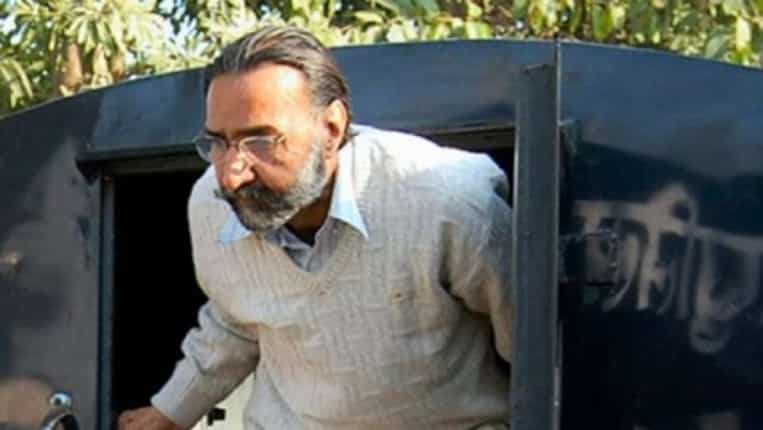
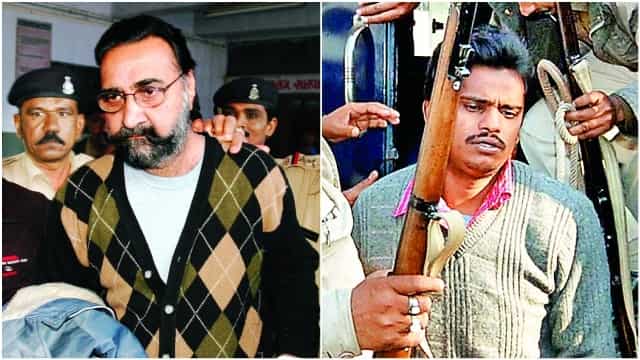
Nithari serial killings—the disappearance and alleged murders of over a dozen children in the north Indian city of Noida—was a stomach-churning news story in 2006. Moninder Singh Pandher and his house help Surinder Koli were arrested and charged with shocking crimes ranging from rape and murder to necrophilia and cannibalism. But today, both Pandher and Koli are free men, having been acquitted of all charges after decade-long court battles. The fundamental questions remain: Who killed Nithari kids? How did an 'open and shut' case collapse after nearly 20 years, whose suspects had been given multiple death sentences? Why wasn't the organ trade angle probed enough?
The Nithari serial murders: How the story unfolded
The Nithari case in the northern state of Uttar Pradesh garnered public attention months after disparate missing person complaints were filed by parents in Sector 31, Noida, about their children—boys and girls aged from five to 19. More than 30 children and young women went missing between 2005 and mid-2006, but complaints were largely ignored because the parents came from poor socioeconomic backgrounds.

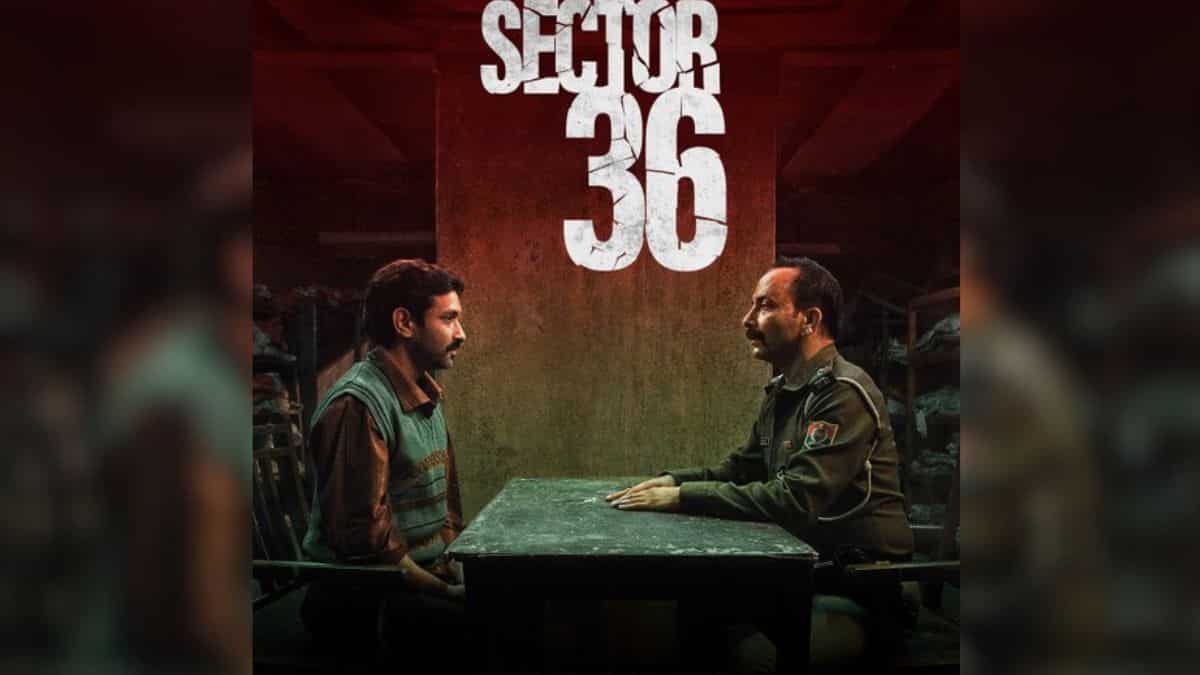
Also read: Sector 36 review: Vikrant Massey, Deepak Dobriyal's performances draw you into this gruesome tale
A drain of terror and a house of horrors
Eventually, body parts, skulls and human remains began to be recovered from a drain behind House D-5, owned by businessman Moninder Singh Pandher, and occupied by his domestic help, Surinder Koli. The case, splashed across Indian TV channels and newspaper front pages at the time, became all about the alleged rape, murder, and dismemberment of children and young women.
Trending Stories
)
US vs China over South China Sea: Washington backs Philippines, Beijing hits back
)
Bigg Boss 20: Isha Rikhi evicted after three weeks in Salman Khan’s show
)
Musk plans to more than double xAI's chips to over 1.2 million Nvidia GPUs by year-end
)
After JU, clash erupts at SRFTI: BJP’s ‘Dimagi Naxal’ jibe sparks political firestorm after students protest RSS-linked event
)
‘Anti-social elements spreading false rumours’: LPU issues statement amid massive unrest over alleged rape
)
LPU students go on rampage, vandalise campus amid widespread protest: What's happening
)
Trump asked Xi to pressure Iran. China did not say yes — here’s what Beijing wants
)
US Treasury Secretary Scott Bessent hails global crackdown on Iranian banks and airlines
)
An OpenAI agent escaped its locked test cage again, by hiding questions in DNS lookups
)
'Our video was trimmed': LPU girls who featured in rape-denial video make U-turn
)
3 males killed, four others injured in shooting after fight at strip club in Detroit
)
'Victory for low-budget consumers': Raghav Chadha hails 30-day telecom recharge rules
)
Claude rebuilt the 1989 game 'Prince of Persia' by reusing the original's own code
)
Beyond metros: How Tier-2 and Tier-3 cities could drive India’s next AI wave
)
Tesla builds first Cybertruck with its own refined lithium: Elon Musk's $1 billion Texas bet pays off
)
IndiGo flight suffers tail strike in Bengaluru while landing; DGCA to probe incident
)
The US and China set up an AI 'red telephone', but skipped the rulebook
)
‘Terror suspects arrested near UK air base were looking to do big damage’: Trump
)
Russian envoy claims US tactics to contain India were revealed in ‘Freudian slip’
)
IND vs WI 1st ODI: Kohli breaks Sachin's most runs in one country record with unbeaten 139 as India thump West Indies by 8 wickets
)
Researchers rebuilt exactly how 700 AI agents hacked Hugging Face: a 900-link chain trick
)
‘Olympic inclusion is our major target’: WPA President Ishaun Singh on pool’s global ambitions
)
Nations League: Spain sink England at Wembley; Modric shines for Croatia
)
Why has Iran released no proof of life of Mojtaba Khamenei? Araghchi reveals...
)
'What kind of confession is this?': Pakistan PM Shehbaz Sharif’s 'terrorists would be roaming New York' remark goes viral, raises alarm online. Watch
)
South Korea demands apology from Ukraine over North Korean prisoners' transfer
)
Beyond BrahMos: India targets Rs 50,000 crore in defence exports with unmatched price edge
)
Sri Lankan Tamil migrant worker gets death sentence in Saudi Arabia, help sought from India
)
Muslim marriage cannot shield sex with minor wife from prosecution under POCSO: Delhi HC
)
'Can't help but draw painful parallels to Nirbhaya case': SC on latest incidents of rape cases in Delhi-NCR
)
99.9% more powerful - Scientists find boy who can recall memories from just 3 months of age
)
'FIRST LOOK from inside Noah’s Ark': Researchers share video from inside mysterious mound in Turkey
)
UNSC reform momentum grows: Russia, Portugal, Mauritius push for India's permanent seat bid
)
8 US marines injured in Iranian missile attack on vessel in Strait of Hormuz: Report
&im=FitAndFill=(700,400))
New OTT releases this week (September 28-October 4, 2026): Dupahiya 2, Pooja Meri Jaan, Ohh My Dog- 5 titles coming on Netflix, Prime Video and more
)
Afghanistan says 28 fighters killed in clash near Pakistan border, Islamabad denies
)
Ceuta migrant crisis: Protesters take to streets as Spain grapples with migrant challenge
)
LPU suspend classes, postpones exams as violence escalates over rape claims: What's happening
)
New York City wants a 'kill switch' on every AI, and will pay whistleblowers who report violations
By late 2006, more and more skeletal remains, items of clothing, and personal belongings of the missing children were recovered in police searches. Amid public outrage, Koli was arrested after one missing girl’s phone was traced to him.
Then came the alleged confessions: Koli, a poor man from the eastern state of Odisha, allegedly admitted to having committed multiple murders, sexual assaults, dismemberment, and acts of necrophilia. Pandher was arrested shortly after and charged with some of these crimes.
Also read: India: Allahabad HC acquits Koli and Pandher in Nithari serial killings case
India's top investigative agency took the case but allegations of organ trade not probed enough
The Central Bureau of Investigation (CBI), which took over the case in January 2007 amid mounting pressure, discovered more remains and evidence.
Charges were filed in 19 of the cases. Koli was convicted in most of them, and Pandher in fewer. The death penalty was handed down by lower courts for both in the murder of 14-year-old Rimpa Haldar.
During this period, there were reports and allegations that these murders could not have been the handiwork of one single individual (or two), but possibly an organised crime group involved in organ trafficking. However, this angle was never sufficiently investigated. Several reports suggested that body parts found in the drains and household were removed in ways that indicated professional handling. Both family members and some investigators pointed out that some organs were missing from the recovered human remains. But in the absence of proper forensic evidence and procedural lapses, the organ trade and trafficking angle was not fully explored.
The acquittals: As shocking as the murders
The court battles that followed saw Pandher being acquitted in most cases, while Koli’s sentences were often upheld, commuted, or eventually overturned.
In 2023, the Allahabad High Court fully acquitted both Pandher and Koli. It cited “shoddy” CBI investigations, unreliable confessions, procedural lapses, and failure to probe leads such as organ trade. Pandher was freed in the same year.
The Uttar Pradesh government appealed the verdict, as did families of the victims. But in July 2025, India’s Supreme Court upheld the acquittals.
After nearly 19 years in custody, Koli was released from prison on November 13.
The courts expressed “deep regret” that the actual perpetrators were not identified beyond legal doubt.
Nithari unsolved: A horrific case now officially back to square one
The Nithari murders now echo the shoddy handling of investigations in other high-profile cases in Delhi and the National Capital Region (NCR) such as the Jessica Lal murder, the Aarushi Talwar–Hemraj case, the Shivani Bhatnagar killing, and the Priyanka Matoo case. It remains to be seen if a fresh investigation will be opened, but for Koli and Pandher, the damage to their lives has been done. It is said that one is innocent until proven guilty, but they were acquitted only after having been pronounced guilty and sentenced to multiple death penalties. They have forever been shamed, with films, web series, documentaries, and TV programmes portraying them as monsters. The documentary, India’s Serial Killers: The Nithari Case, the TV show Savdhaan India's episodes on the murders, and web series like Crime Patrol and the film Sector 36 depicted the killings in some form.
If Koli and Pandher are indeed not the perpetrators, it is safe to assume that the real culprits are silently roaming among the residents of the Indian city.
A different type of justice for the poor of India
If you search online now for Nithari, you might see interviews of the former suspects explaining their side of the story. It adds to the current trend of former criminals, gangsters, and financial crime-accused becoming podcast guests. We live in an America-inspired era where criminals can become celebrities.
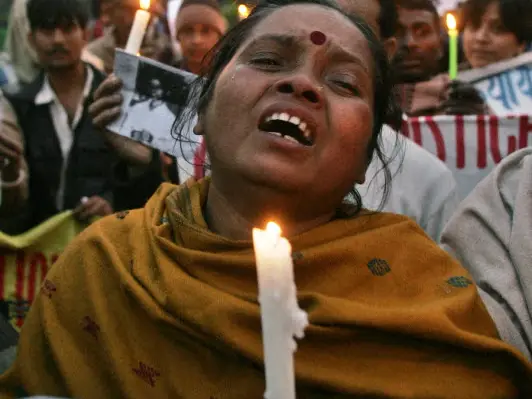
On the other hand, unlike several other shocking murders in Delhi, the aggrieved party here is not from middle-class or influential families. They are parents and relatives of children from slums and shanties in the backyards of the Indian capital. There may not be as many 'Justice For' marches for them, as happened in the cases of Jessica Lal and Priyanka Matoo. For them, it is proving to be a different kind of justice system.