Manmohan Singh, India's former prime minister, dies at 92. Who was he?

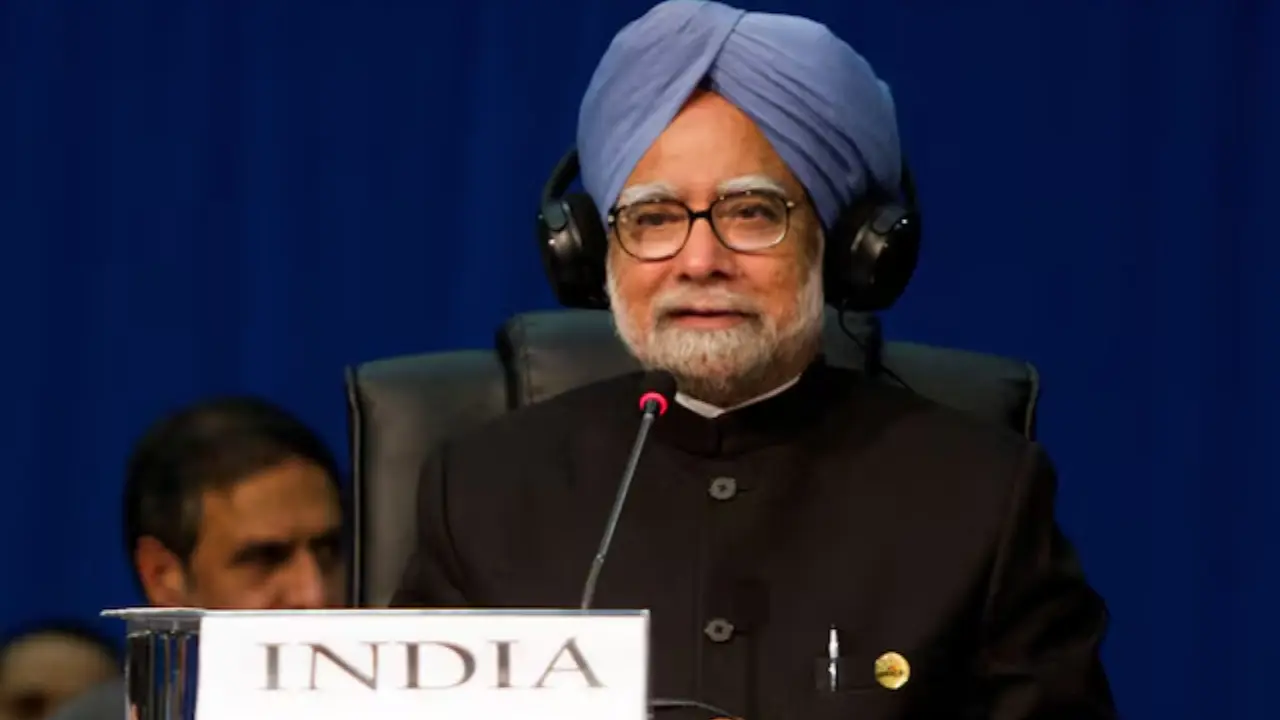
Manmohan Singh: Former Indian prime minister had been hospitalised for age-related medical conditions at AIIMS, New Delhi. He was declared dead on 9.51 pm IST
Former Indian prime minister Dr Manmohan Singh died on Thursday (Dec 26) at the age of 92.
Just a few hours back, Dr Singh was hospitalised in the emergency department of All India Institute of Medical Sciences (AIIMS) in the national capital.
In a statement, AIIMS announced that Singh died. "He was being treated for age-related medical conditions and had a sudden loss of consciousness at home on December 26. Resuscitative measures were started immediately at home."

AIIMS said that Singh was brought to AIIMS at 8.06 pm IST. The hospital said that despite all efforts, he could not be revived and was declared dead at 9.51 pm IST.
Leaders from across the political spectrum paid tributes to the stalwart leader.
)
Justice eludes Air India 1985 bombing victims as Canada probe goes 'inactive' | Gravitas
)
Trump revives India-Middle East-Europe economic corridor as India emerges central to West Asia’s future: What is it?
)
Erdogan again raises Kashmir issue at UNGA, calls for dialogue under UN Charter
)
Major League Soccer referee sacked for sexist comment about female match referee
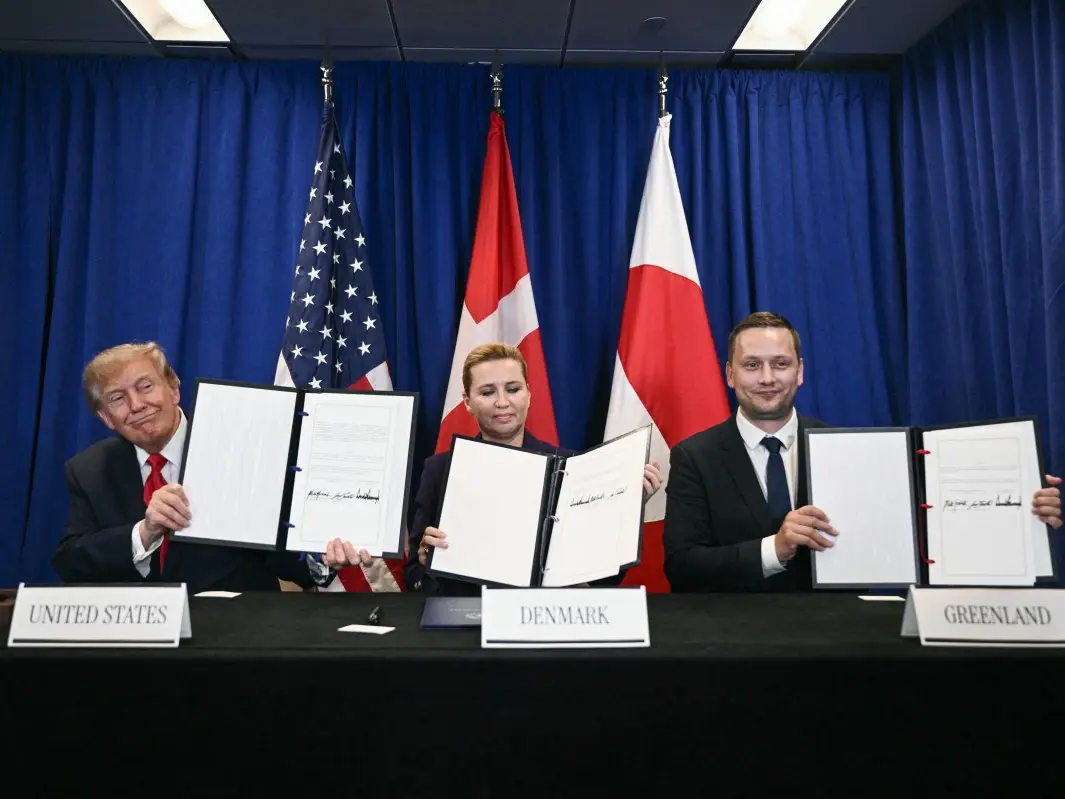)
Trump signs Greenland security deal with Denmark, paving way for two new US military bases
)
IND vs JPN T20I: How an overturned wide became point of difference between India's win and a tie
)
Trump-Xi summit: From trade to Taiwan, what will the US and Chinese presidents discuss in Washington?
)
Cyclone Arnab: Landfall expected before midnight tomorrow as IMD issues orange alerts across six states
)
ICC plans T20I expansion and fewer ODIs in 2027–2031 FTP cycle: Report
)
US-China tech war: Businesses in the front line
)
Gravitas | Boosting NHS productivity could save 20,600 lives in UK annually: Report
)
Nor'easter could batter 13 US states this week. What you should know
)
WION Iconic Tourism Summit: Seychelles envoy says India partnership is important for Seychelles
)
US and China vie for AI dominance as calls grow for regulation | Gravitas
)
Yemen clashes kill 154 people in two days as cornered Saudi battles Houthi offensive | Gravitas
)
China to test supersonic jet that moves at Mach 2, double the speed of sound
)
Bomb scare in New York amid UNGA: Suspicious suitcase found near UN headquarters
)
IND vs JPN, one-off T20I: Japan captain Kendel on pushing India to the brink - ‘It was special’
)
Mikel Arteta verbally agrees to three-year extension with Arsenal after title-winning Premier League season
)
WION Iconic Tourism Summit and Awards 2026: Key voices to discuss India’s tourism future
)
WION Iconic Tourism Summit and Iconic Awards 2026: India's travel economy leaders gather in Delhi
&im=FitAndFill=(700,400))
New OTT releases this week (September 21-27, 2026): Shaque: Trust No One, Hunkkaar, Don’t Be Shy- 5 new titles coming to Netflix, Prime Video and more
)
81st UN General Assembly: Burnham announces UK-US AI defence tie-up
)
Trump calls on nations to quit ‘rogue’ and ‘out-of-control’ International Criminal Court, rips UN
)
Infections transmitted from pregnant woman linked to autism risk
)
'What kind of confession is this?': Pakistan PM Shehbaz Sharif’s 'terrorists would be roaming New York' remark goes viral, raises alarm online. Watch
)
Elephants hide behind trees, stage surprise attack on poachers targeting rhinos in South Africa
)
IIT Bombay professor Suryanarayana Doolla sent on leave amid Sahil Wakode death probe
&im=FitAndFill=(700,400))
National Film Awards 2026: Kartik Aaryan, Mammootty, Yami Gautam, Randeep Hooda and other key winners
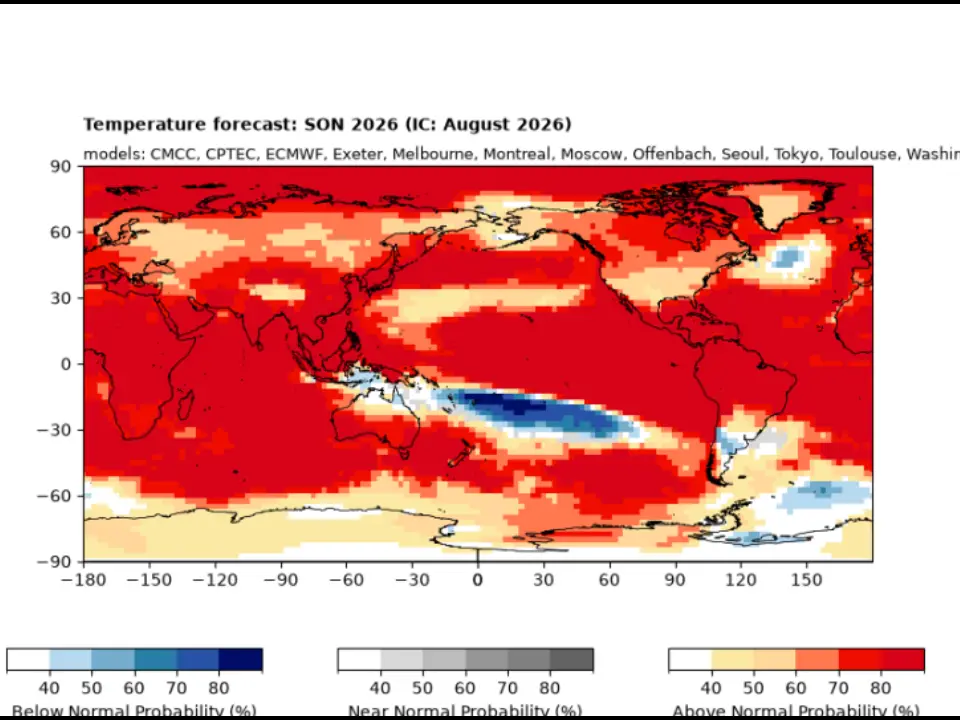)
El Niño 2026 heats up to become strongest in 1,000 years
)
Anne Hathaway to run in supporting race for Nolan's epic
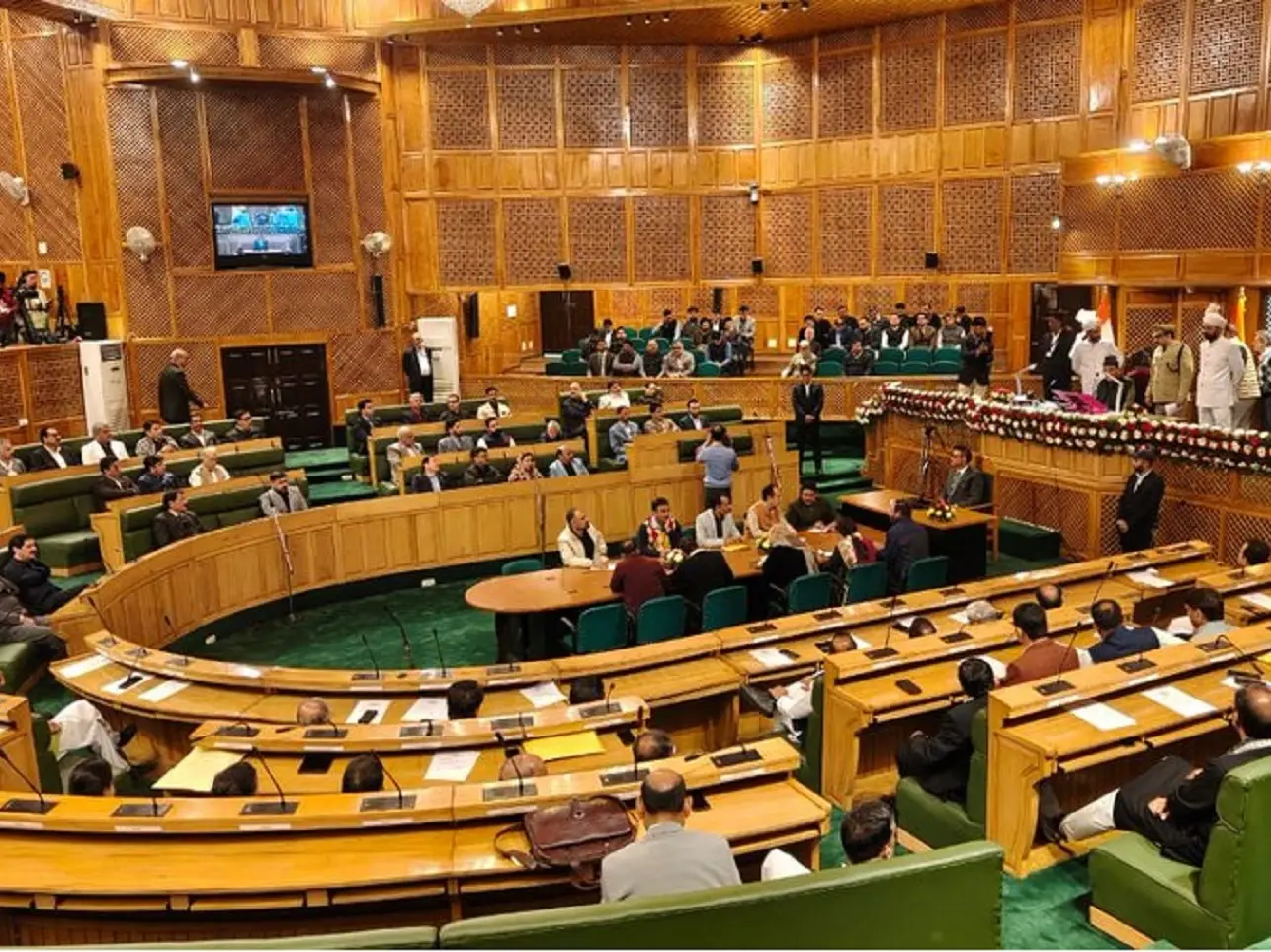)
Over 4,200 books withdrawn from circulation in J&K colleges, 94% from Kashmir
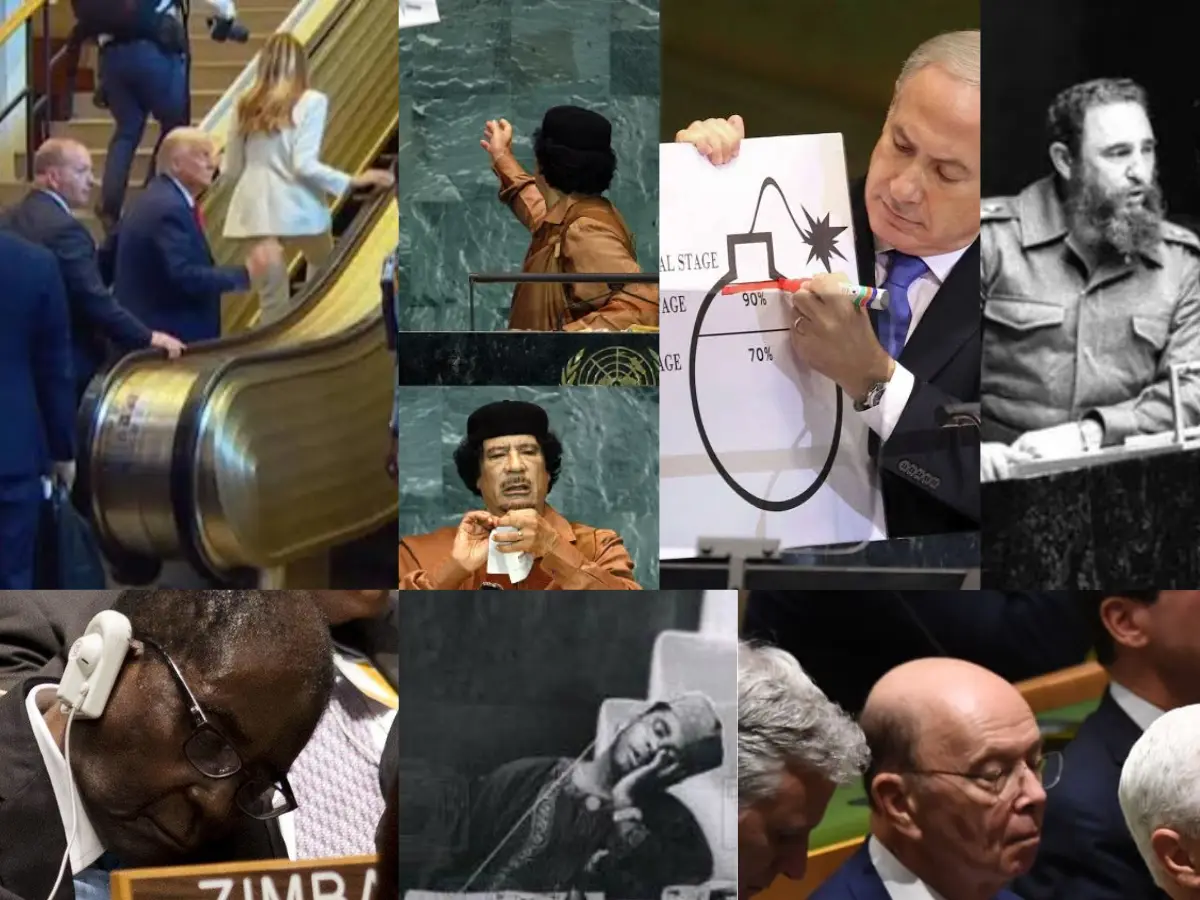)
From Gaddafi tearing up UN Charter to Trump’s ‘escalatorgate’: Most unforgettable UNGA moments
)
Explainer: Why rare-earth export licences and Board of Trade are US priorities ahead of Trump-Xi summit
)
Asia prepares for record El Nino, food shock
)
Forget apps: Qualcomm CEO says AI agents will change how we use smartphones
)
Four female students raped during 'Red Zone' at California university. What we know
Who was Manmohan Singh?
Manmohan Singh was the 14th prime minister of India. He served in the top post for 10 years, from 2004 to 2014.
Singh was born on September 26, 1932 in Punjab. He received his Bachelor’s and Master’s in Economics from Punjab University in 1952 and 1954 respectively. He completed his Economic Tripos from Cambridge University in 1957. He followed this with a D.Phil. in Economics from Oxford University in 1962.
A look at Singh's career
Dr Singh went on to teach at Punjab University and the Delhi School of Economics. He joined the Indian government as an economic adviser in the commerce ministry in 1971.
A year later, he was promoted to the chief economic adviser.
Following a short stint at UNCTAD, he was appointed the secretary-general of the South Commission in Geneva from 1987 to 1990.
Singh also held the positions of Secretary in the Finance Ministry, Deputy Chairman of the Planning Commission, Governor of the Reserve Bank of India, Advisor to the Prime Minister and Chairman of the University Grants Commission.
His rise to prime minister's post
Following the Congress party's victories in the Lok Sabha elections of 2004 and 2009, Manmohan Singh took the office of prime minister in these two terms.
Singh became a Member of the Rajya Sabha in 1991, where he wasLeader of the Opposition from 1998-2004.
He quit the Rajya Sabha earlier this year.
Architect of economic reforms, liberalisation
Manmohan Singh is regarded as the architect of economic revival and liberalisation. As Finance Minister in 1991 during the prime ministership of PV Narasimha Rao, Singh led India’s historic economic liberalisation, opening up the country to global markets and driving rapid growth.
Then PM Rao inducted Singh into his cabinet as finance minister, and they steered the economy out of the balance of payments crisis and dwindling foreign reserves in 1991 by devaluing the currency and opening the country to global markets.
His tenure also witnessed the launch of landmark social reforms like MGNREGA and the Right to Information Act.
However, the latter part of his term was marred by corruption scandals like the 2G spectrum case and the coal block allocation controversy.
Ensured landmark Indo-US civil nuclear deal
One of the key moments of Manmohan Singh's prime ministership is the Indo-US nuclear deal of 2008. Singh showed a strong commitment to the deal despite opposition from parties within the UPA coalition.
The nuclear agreement opened up civilian nuclear cooperation and was seen as a landmark moment in India’s foreign relations.
Singh stayed committed to the deal, even at the risk of his government collapsing. He secured a historic agreement that ended India's nuclear isolation.
(With inputs from agencies)