India's Independence Day: From humble beginnings, the nation made strides in science and technology

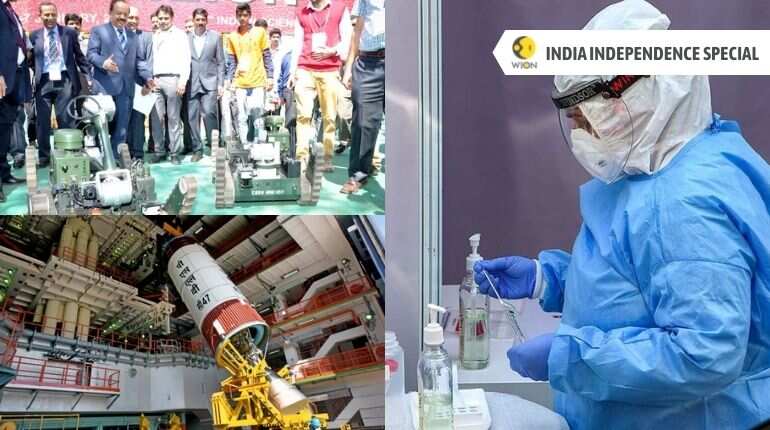
India's Independence Day: From humble beginnings, the nation made strides in science and technology
Science and Technology have always been an integral part of Indian culture. Natural philosophy, as it was termed in ancient times, was pursued vigorously at institutions of higher learning.
The Indian Renaissanceat the dawn of 1900s, which coincided with the independence struggle, witnessed great strides made by Indian scientists.
This innate ability to perform creatively in science came to be backed with an institutional setup and strong state support after the country’s independence in 1947.

Since then, the Government of India has spared no effort to establish a modern Science and Technologyinfrastructure in the country.
The Department of Science and Technology plays a pivotal role in the promotion of science and technology in the country.
In total four Indians have made the nation proud by winning theNobel prize,which was started in 1901. Itis awarded for the outstanding work in the fields of physics, chemistry, literature, peace, physiology or medicine, and economics.
)
Three labourers killed as DU student loses control of his car, rams into them on Dwarka Expressway
)
Pentagon revives mandatory testosterone testing for male troops aged 30 and above
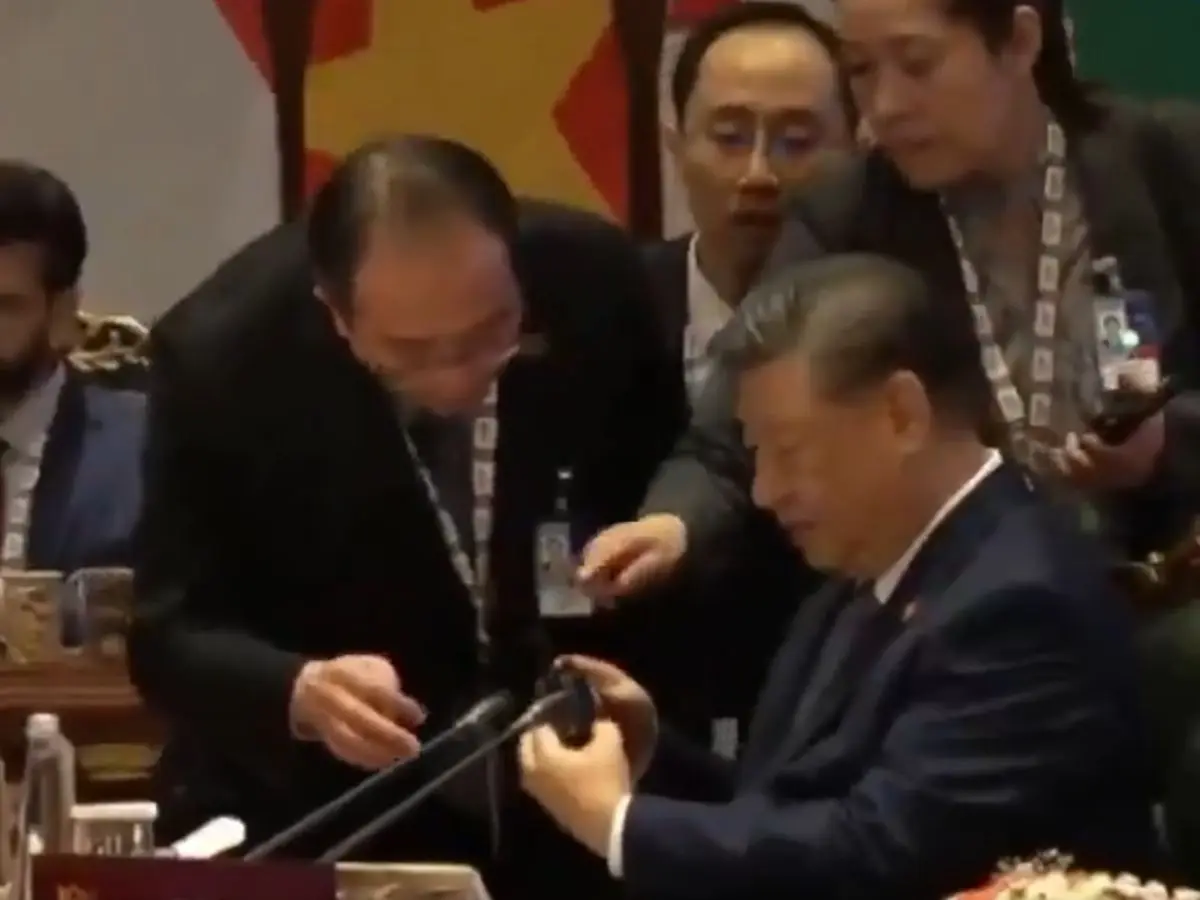)
FACT CHECK: Why did PM Modi ask Xi ‘is it okay’ at BRICS Summit? New video reveals...
)
India seeks to build a full semiconductor supply chain
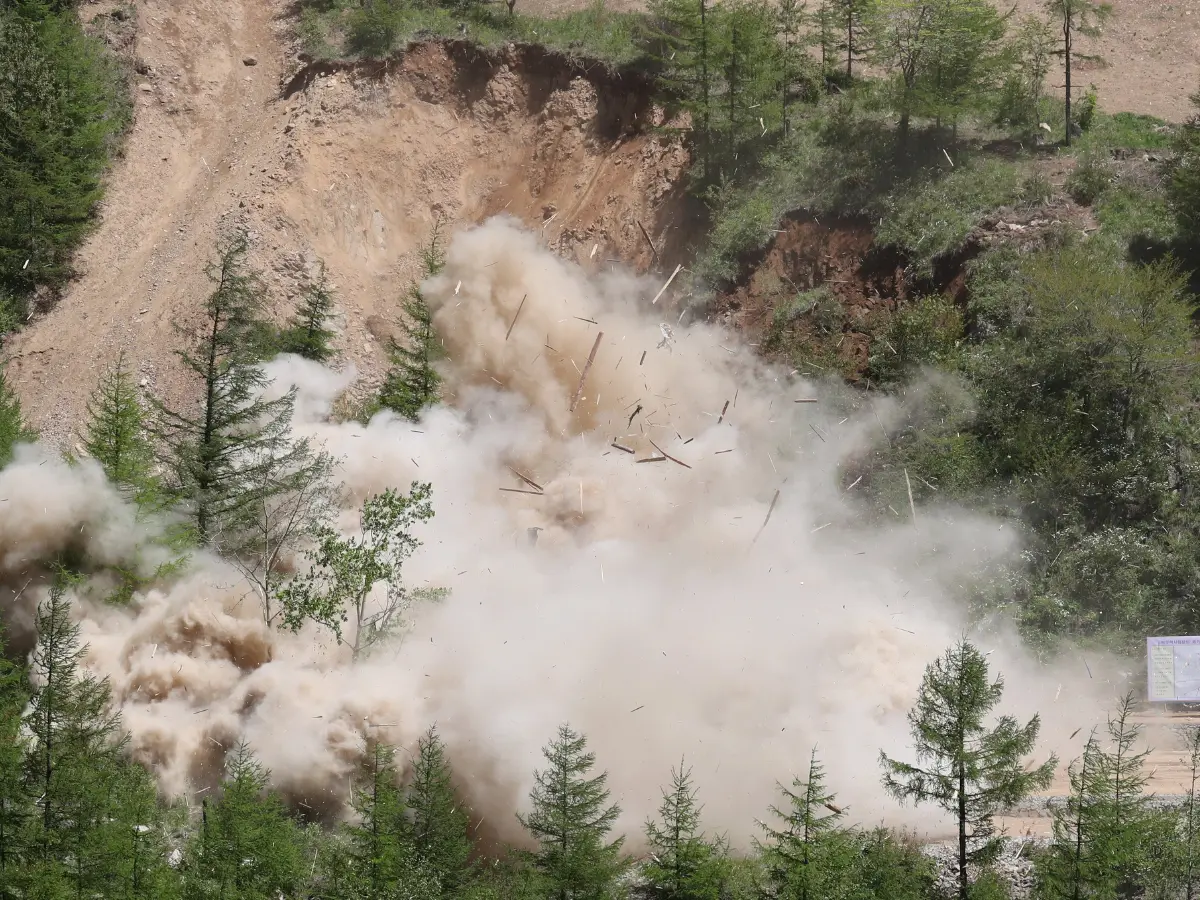)
North Korea's last nuclear test in 2017 set off 1,399 earthquakes over 8 years, each stronger than previous
&im=FitAndFill=(700,400))
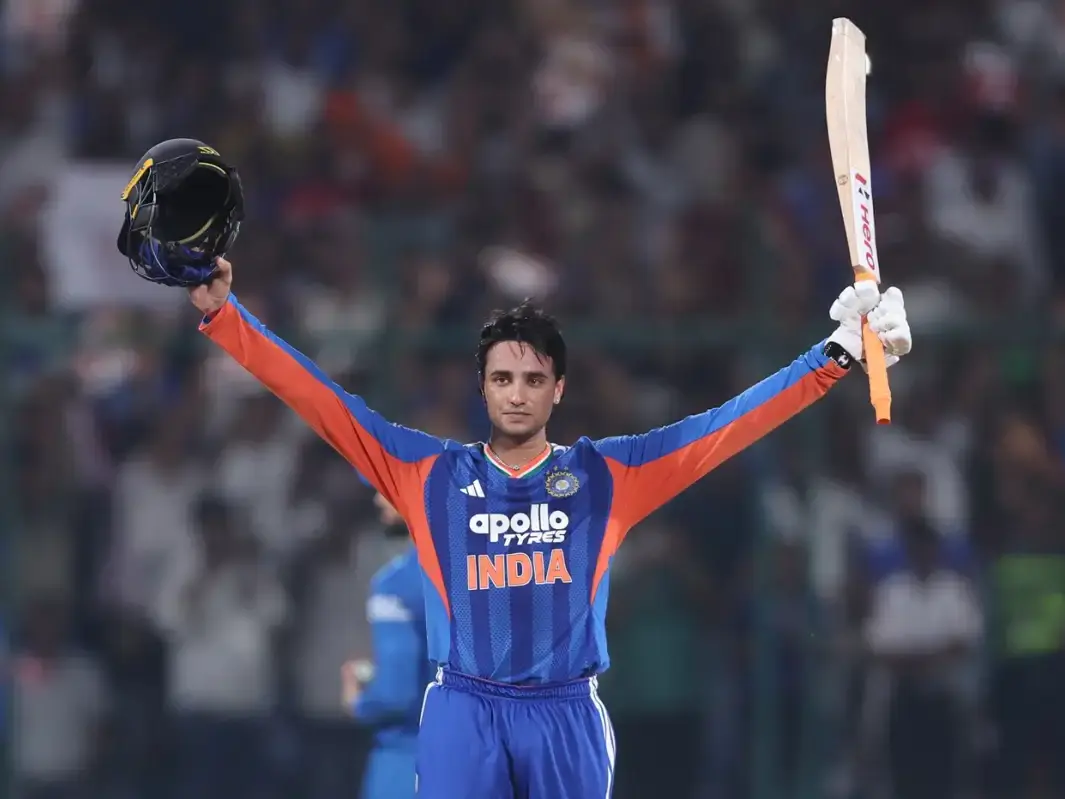
From Abhishek Sharma to Sahil Chauhan, 5 batters with fastest T20I hundreds
)
Indian activist-lawyer Prashant Bhushan's post brings focus on ‘conflict of interest’ appointments of ex-govt officials at Reliance, Adani groups
)
US And Denmark reach Greenland deal, Trump announces expanded military presence
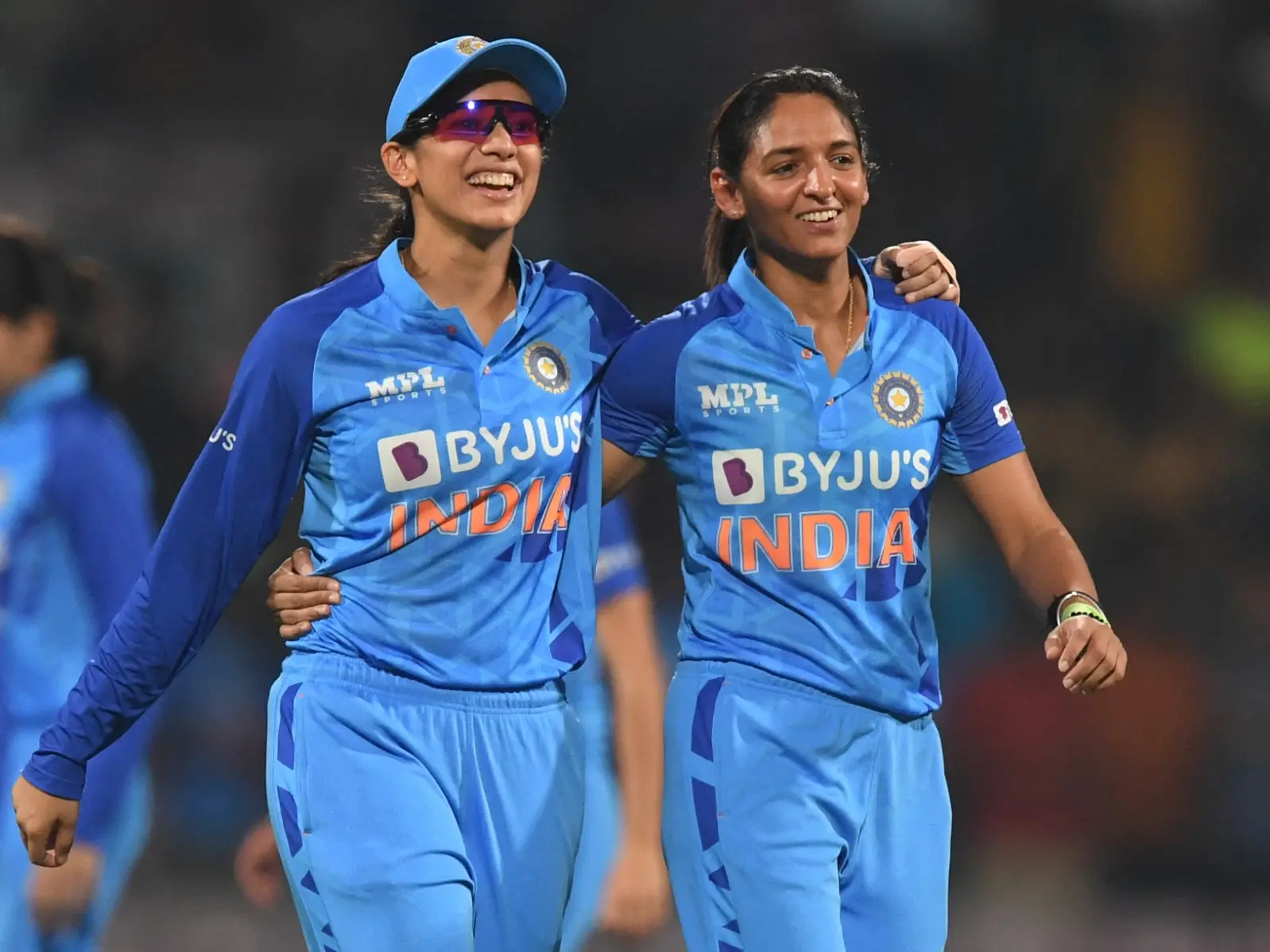)
Former India player Diana Edulji wants Smriti Mandhana to replace Harman as skipper at the earliest
)
China may have gained access to US's classified F-35 jets; parts meant for repairs diverted to Hong Kong, sparking Pentagon inquiry
&im=FitAndFill=(700,400))
Meet top 5 batters in the latest ICC T20I Rankings
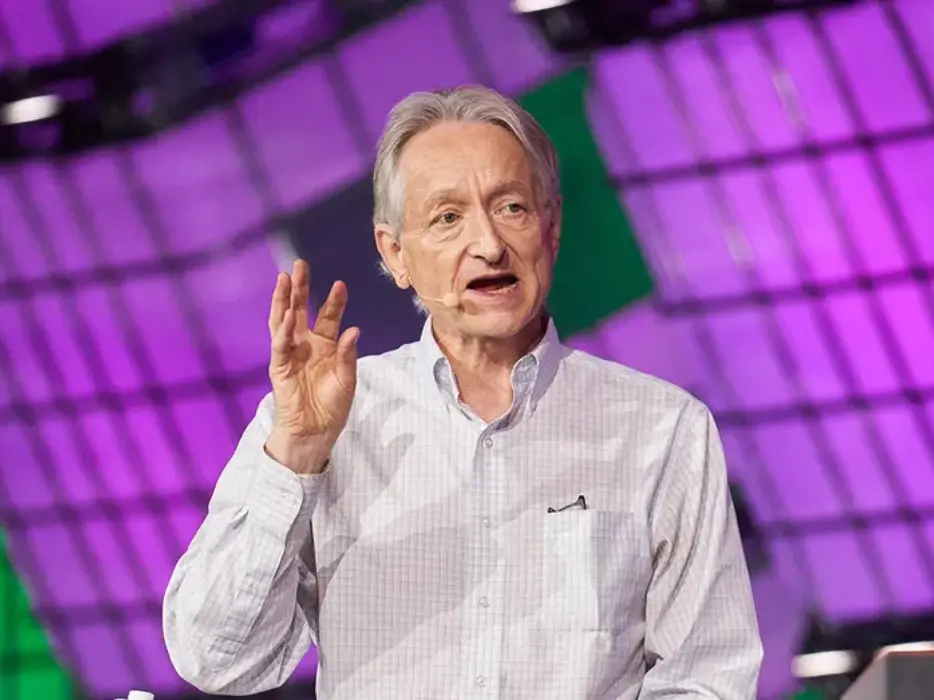)
Godfather of AI Geoffrey Hinton gives US lawmakers a one-year warning on AI
)
US F-16 fighter jet crashes in Michigan during training mission, pilot ejects safely
)
Shivakumar attends 79th Kalyana Karnataka Utsav in Kalaburagi
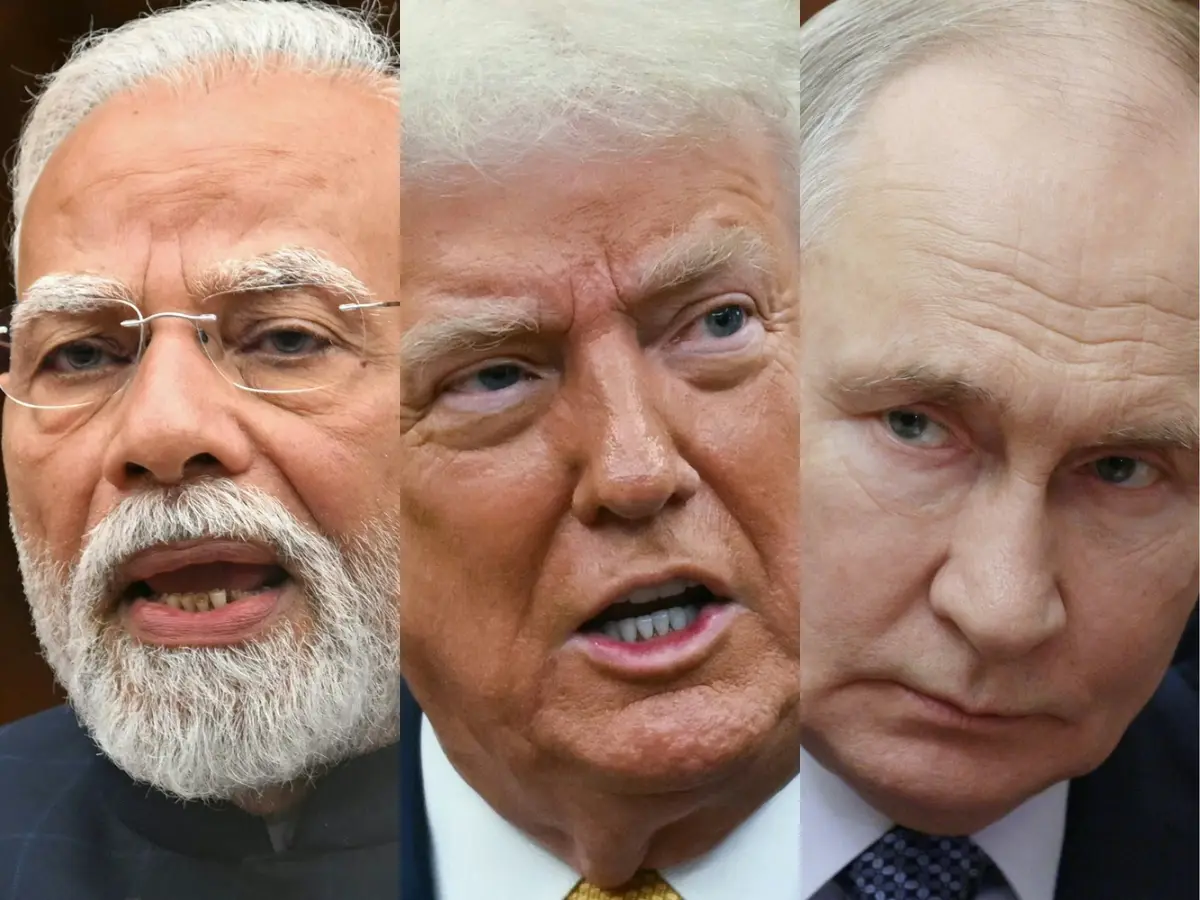)
Trump signs Russia sanctions law: India faces fresh 100% tariff threat over Russian oil
)
Why Ranveer Singh’s Dhurandhar missed India’s Oscar entry; FFI jury member reveals what happened
)
Hong Kong extends newborn cash support scheme by three years
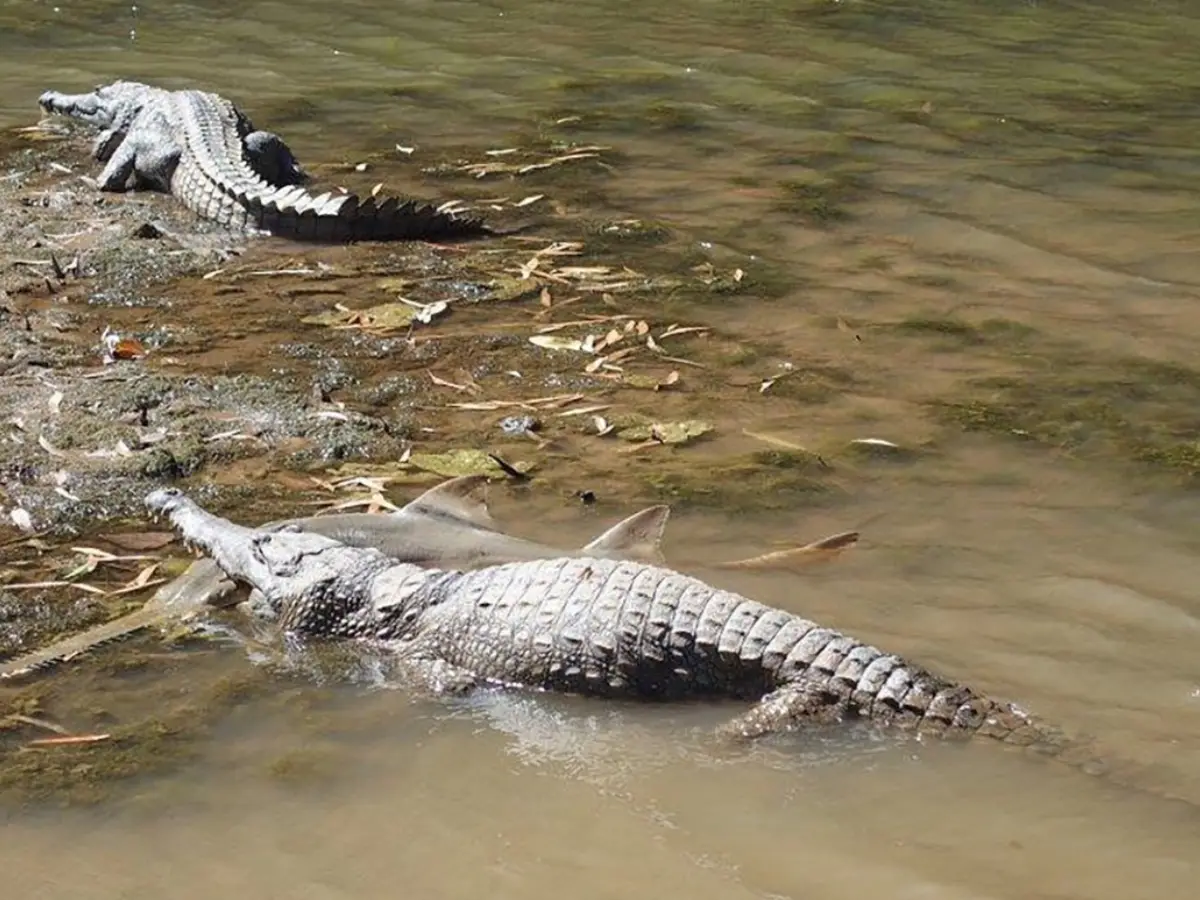)
How did an Australian river with 500 crocodiles pass the Olympic test? Here's how
)
‘Will go to any extent’: Pakistan vows to defend Saudi Arabia amid Houthi attacks
)
'He will always be ahead': India coach Gambhir says Sooryavanshi won't walk into team ahead of Samson
)
The Verdict | When precision fails: US commits war crime in Minab school strike, UN finds
)
Trump signs Russia sanctions bill into law, targets Moscow’s energy sector
&im=FitAndFill=(700,400))
New Friday OTT releases (September 18, 2026): Lust Stories 3, You+Me, Best of the Best- 8 new titles coming on Netflix, Prime Video and more
)
Africa is splitting, and a lot sooner than estimated, giving way to a new ocean
)
'Gangsta' crab shoves knife blade at man and his dog in Florida - Watch
)
Trump bans CNN, MS NOW and Politico from White House over ‘FAKE NEWS’
)
Trump 2.0: Dark days ahead for America’s ‘imperial presidency’
)
Trump's Greenland dream comes true? POTUS announces 'Infinite Life' deal with Denmark, claims permanent US control
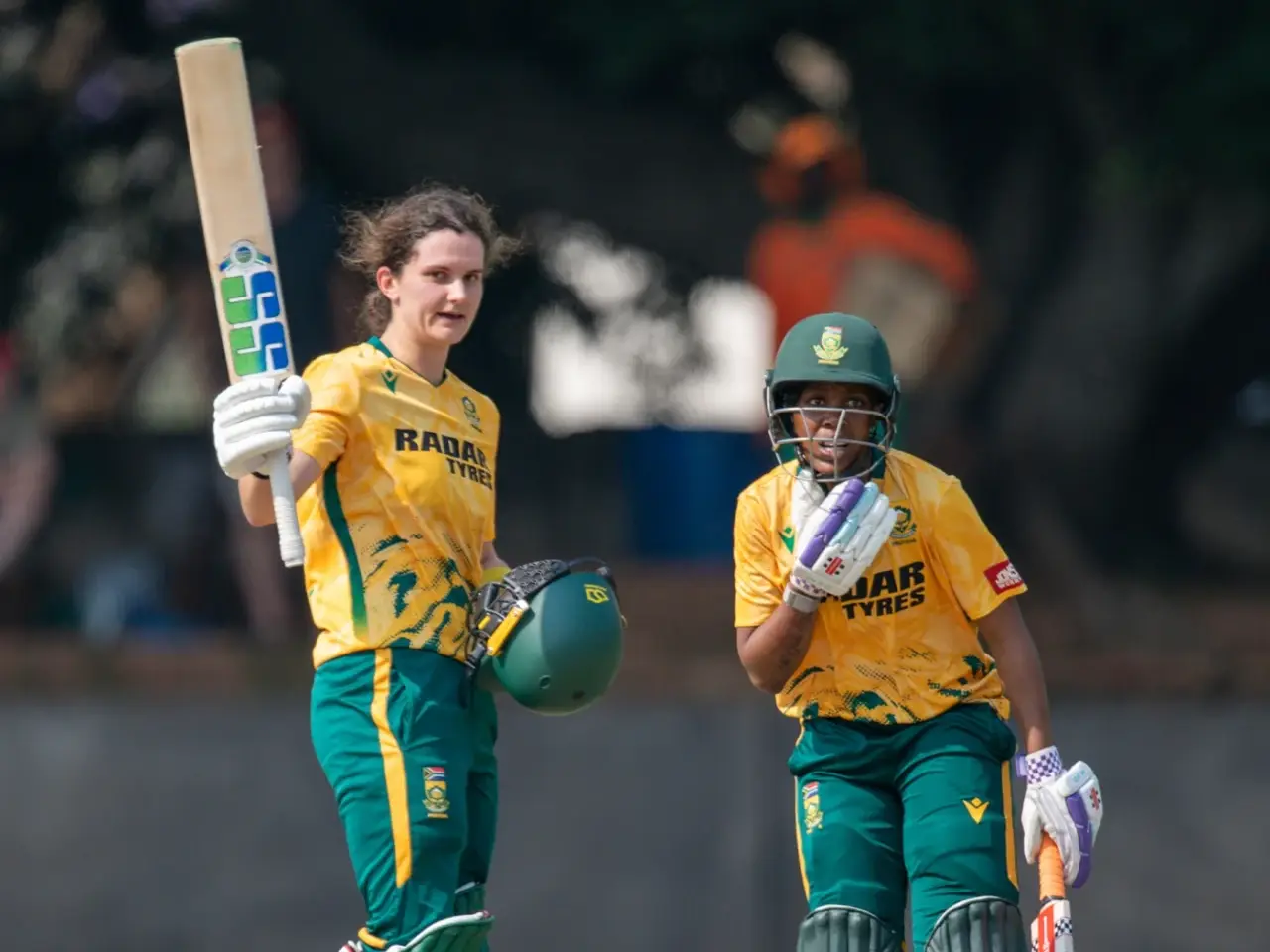)
Laura Wolvaardt sets new world record for most WT20I runs in a year
)
Drone strikes cooling tower at Russia's Kursk Nuclear Plant, IAEA confirms
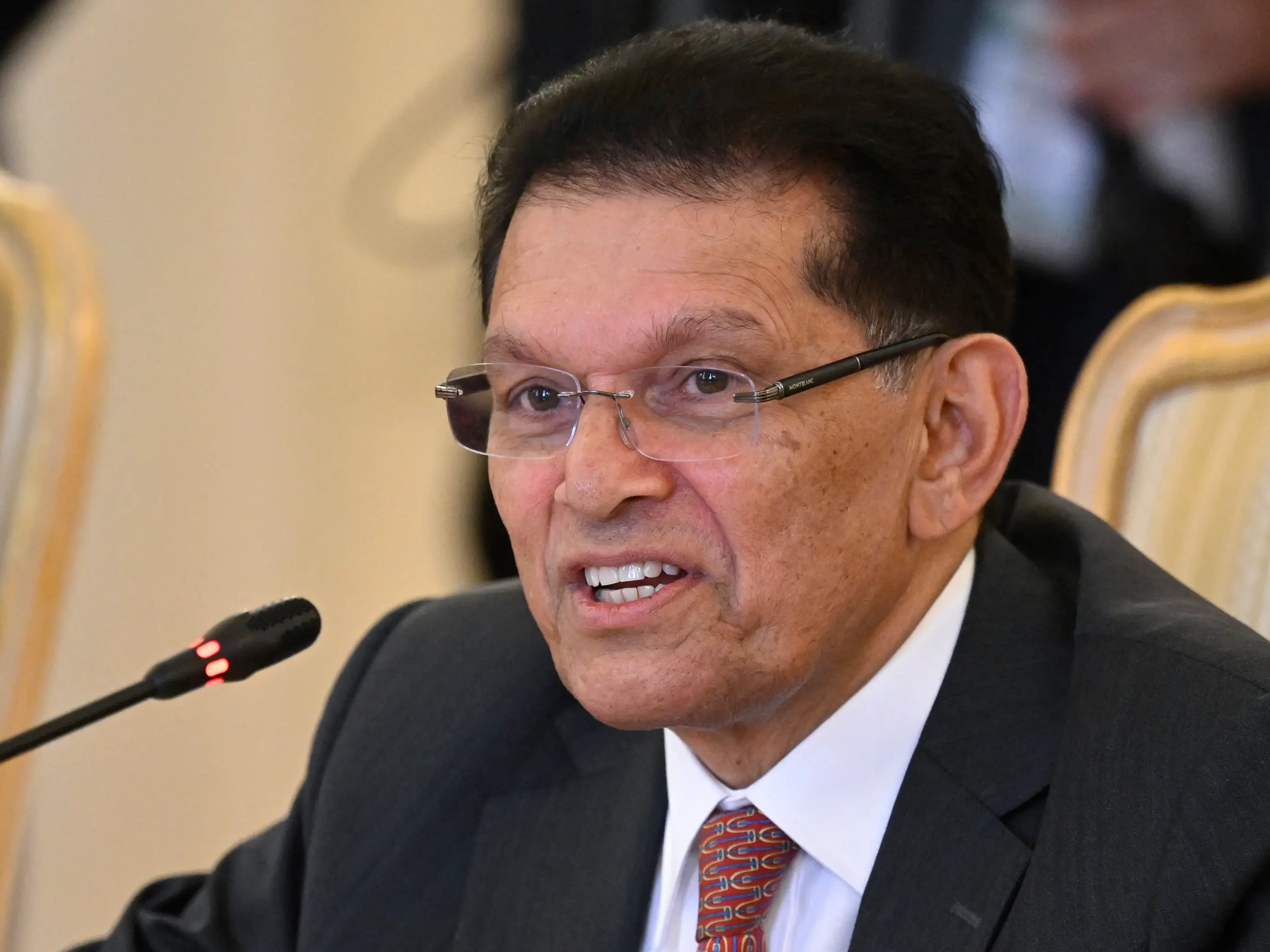)
Who is Khalilur Rahman? All you need to know about 81st UN General Assembly President
&im=FitAndFill=(700,400))
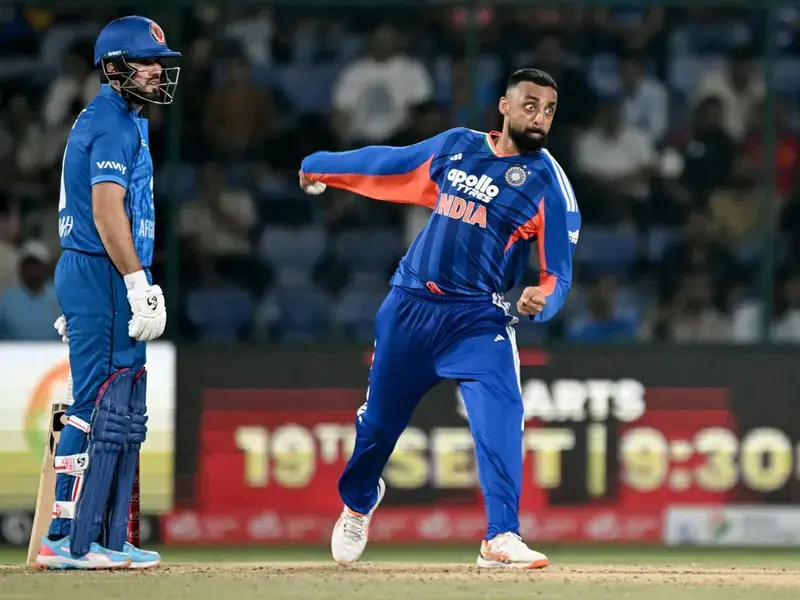
Meet top 5 bowlers in latest ICC T20I rankings
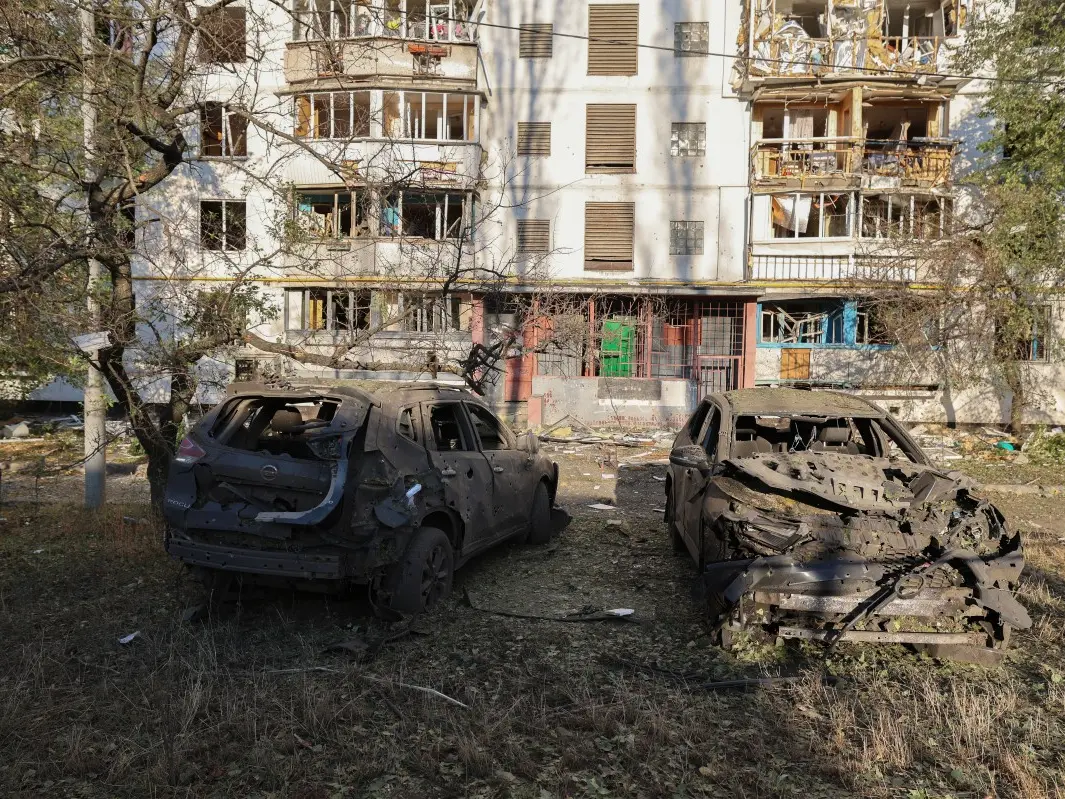)
Ukraine plans record $109 bn defence spending, nearly two thirds of budget amid Russia war
&im=FitAndFill=(700,400))
Meet top 5 Indian batters with fastest T20I centuries
The Indians who won the renowned prize include Chandrasekhara Venkata Raman for physics in 1930,Har Gobind Khorana in 1968 for physiology or medicine,Subrahmanyan Chandrasekhar for physics in 1983, andVenkatraman Ramakrishnan in2009 for chemistry.

In the past seven decades, India has built satellites and sent probes to the Moon and Mars, established nuclear power stations, acquired nuclear weapon capability, and demonstrated firepower in the form of a range of missiles. Undoubtedly, these are all fabulous achievements of Indian scientists and technologists.
At the same time, scientific research,combined with favourable public policies,has made India self-sufficient in the production of food, milk, fruits and vegetables, drugs, and vaccines. All this has had great social and economic impacts and directly and indirectly touched the lives of ordinary Indians.
Developments in communications and information technology have enabled timely forecast of weather and early warning of cyclones, saving thousands of lives.
These are all results of investments made in scientific research soon after independence and science-politics network built in decades prior to that.
Investment in scientific research was 0.1 percent of GNP in 1947. It went up to 0.5 percent in less than a decade. Scientists like Shanti Swarup Bhatnagar, Homi Jehangir Bhabha, and Prasanta Chandra Mahalanobis not only built scientific institutions but also helped shape policies.
Market size
At rank 48, India stands among the top 50 countries in the Global Innovation Index (GII) 2020 with a score of 35.6. In 2019, it was placed at 52nd position with a GII score of 36.58. India ranks 45th on the innovation output and 57th on the innovation input sub-indices.
The Government is extensively promoting research parks technology business incubators (TBIs) and (RPs), which would promote innovative ideas till they become commercial ventures.
India’s gross expenditure in R&D was forecast to reach $ 96.50 billion in 2020. By 2022, R&D expenditure is targeted to reach at least 2 per cent of the country’s GDP. The engineering R&D and product development market in India is forecast to post a CAGR of 12 per cent to reach $63 billion by 2025, from $31 billion in 2019.
IT spending in India is estimated to reach US$ 93 billion in 2021 (7.3 per cent year on year growth) and further increase to $98.5 billion in 2022.
India's National Artificial Intelligence Strategy prepared by NITI Aayog, the planning body, outlined a way forward to harness the potential of Artificial Intelligence (AI) in different fields. Accenture offers a framework for assessing the economic effect of AI for selected G20 countries in its latest AI research studies and forecast that AI will raise India's annual growth rate by 1.3 per centpoints by 2035.