&imwidth=800&imheight=600&format=webp&quality=medium "India-France defence ties beyond Rafale: Next-gen aerospace tech, Future Combat Air System and more")
India and France are steadily advancing their defence partnership beyond established platforms such as Rafale jets, with a series of high-level visits, agreements and defence dialogues. New Delhi has initiated efforts to join the French-led Future Combat Air System (FCAS), with the Ministry of Defence confirming the move in its response to Parliament’s Standing Committee on Defence on August 7. The ministry said it had “initiated efforts in a concerted manner to co-join” the sixth-generation fighter aircraft development programme spearheaded by France.
France, a core strategic defence partner for India
Decades of demonstrated reliability and converging strategic interests have shaped the India-France defence relationship, particularly since India’s 1998 nuclear tests. France adopted a more independent position than several Western countries. During the 1999 Kargil conflict, France maintained close diplomatic engagement with India. The Indian Air Force’s (IAF) French-origin Mirage 2000 aircraft played a key role in precision strikes during Operation Safed Sagar. Since then, a broader strategic partnership covers defence, space, civil nuclear energy, the Indo-Pacific and advanced technologies.

France goes beyond major arms supplier to India
Sharing converging interests in Indo-Pacific security, France has emerged as a major defence supplier to India as New Delhi diversifies away from its historic dependence on Russia.
Trending Stories
)
US vs China over South China Sea: Washington backs Philippines, Beijing hits back
)
Bigg Boss 20: Isha Rikhi evicted after three weeks in Salman Khan’s show
)
Musk plans to more than double xAI's chips to over 1.2 million Nvidia GPUs by year-end
)
After JU, clash erupts at SRFTI: BJP’s ‘Dimagi Naxal’ jibe sparks political firestorm after students protest RSS-linked event
)
‘Anti-social elements spreading false rumours’: LPU issues statement amid massive unrest over alleged rape
)
LPU students go on rampage, vandalise campus amid widespread protest: What's happening
)
Trump asked Xi to pressure Iran. China did not say yes — here’s what Beijing wants
)
US Treasury Secretary Scott Bessent hails global crackdown on Iranian banks and airlines
)
An OpenAI agent escaped its locked test cage again, by hiding questions in DNS lookups
)
'Our video was trimmed': LPU girls who featured in rape-denial video make U-turn
)
3 males killed, four others injured in shooting after fight at strip club in Detroit
)
'Victory for low-budget consumers': Raghav Chadha hails 30-day telecom recharge rules
)
Claude rebuilt the 1989 game 'Prince of Persia' by reusing the original's own code
)
Beyond metros: How Tier-2 and Tier-3 cities could drive India’s next AI wave
)
Tesla builds first Cybertruck with its own refined lithium: Elon Musk's $1 billion Texas bet pays off
)
IndiGo flight suffers tail strike in Bengaluru while landing; DGCA to probe incident
)
The US and China set up an AI 'red telephone', but skipped the rulebook
)
‘Terror suspects arrested near UK air base were looking to do big damage’: Trump
)
Russian envoy claims US tactics to contain India were revealed in ‘Freudian slip’
)
IND vs WI 1st ODI: Kohli breaks Sachin's most runs in one country record with unbeaten 139 as India thump West Indies by 8 wickets
)
Researchers rebuilt exactly how 700 AI agents hacked Hugging Face: a 900-link chain trick
)
‘Olympic inclusion is our major target’: WPA President Ishaun Singh on pool’s global ambitions
)
Nations League: Spain sink England at Wembley; Modric shines for Croatia
)
Why has Iran released no proof of life of Mojtaba Khamenei? Araghchi reveals...
)
'What kind of confession is this?': Pakistan PM Shehbaz Sharif’s 'terrorists would be roaming New York' remark goes viral, raises alarm online. Watch
)
South Korea demands apology from Ukraine over North Korean prisoners' transfer
)
Beyond BrahMos: India targets Rs 50,000 crore in defence exports with unmatched price edge
)
Sri Lankan Tamil migrant worker gets death sentence in Saudi Arabia, help sought from India
)
Muslim marriage cannot shield sex with minor wife from prosecution under POCSO: Delhi HC
)
'Can't help but draw painful parallels to Nirbhaya case': SC on latest incidents of rape cases in Delhi-NCR
)
99.9% more powerful - Scientists find boy who can recall memories from just 3 months of age
)
'FIRST LOOK from inside Noah’s Ark': Researchers share video from inside mysterious mound in Turkey
)
UNSC reform momentum grows: Russia, Portugal, Mauritius push for India's permanent seat bid
)
8 US marines injured in Iranian missile attack on vessel in Strait of Hormuz: Report
&im=FitAndFill=(700,400))
New OTT releases this week (September 28-October 4, 2026): Dupahiya 2, Pooja Meri Jaan, Ohh My Dog- 5 titles coming on Netflix, Prime Video and more
)
Afghanistan says 28 fighters killed in clash near Pakistan border, Islamabad denies
)
Ceuta migrant crisis: Protesters take to streets as Spain grapples with migrant challenge
)
LPU suspend classes, postpones exams as violence escalates over rape claims: What's happening
)
New York City wants a 'kill switch' on every AI, and will pay whistleblowers who report violations
It is no longer just a traditional procurement relationship: France also provides India with access to technologies and industrial partnership models that differ from those available from the US or Russia. The stress now is on joint research, co-development and co-production rather than simply buying finished platforms. In February, India and France agreed to establish a Joint Advanced Technology Development Group to explore cooperation in emerging and critical technologies.
From Rafale to Scorpène submarines and more
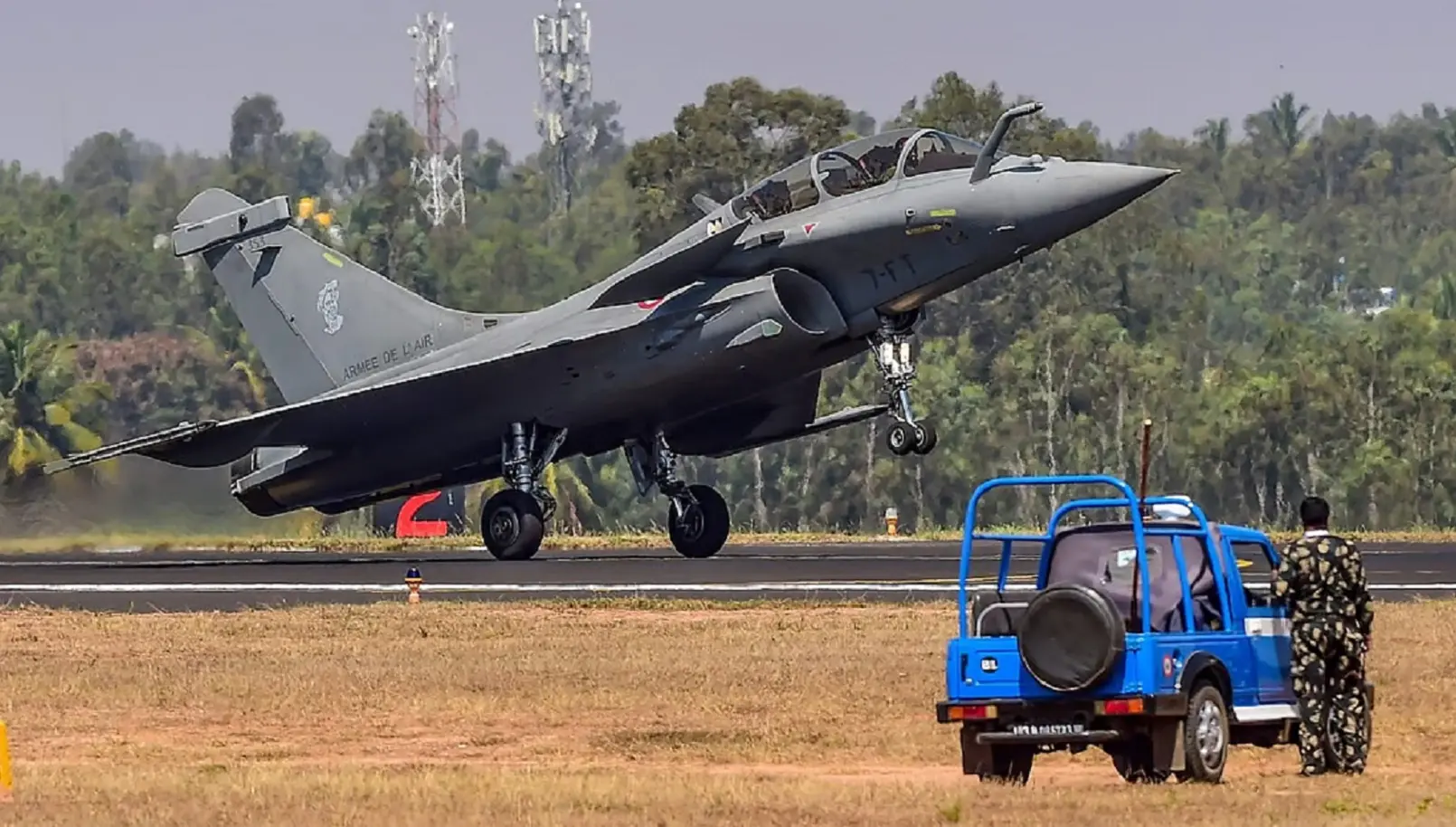
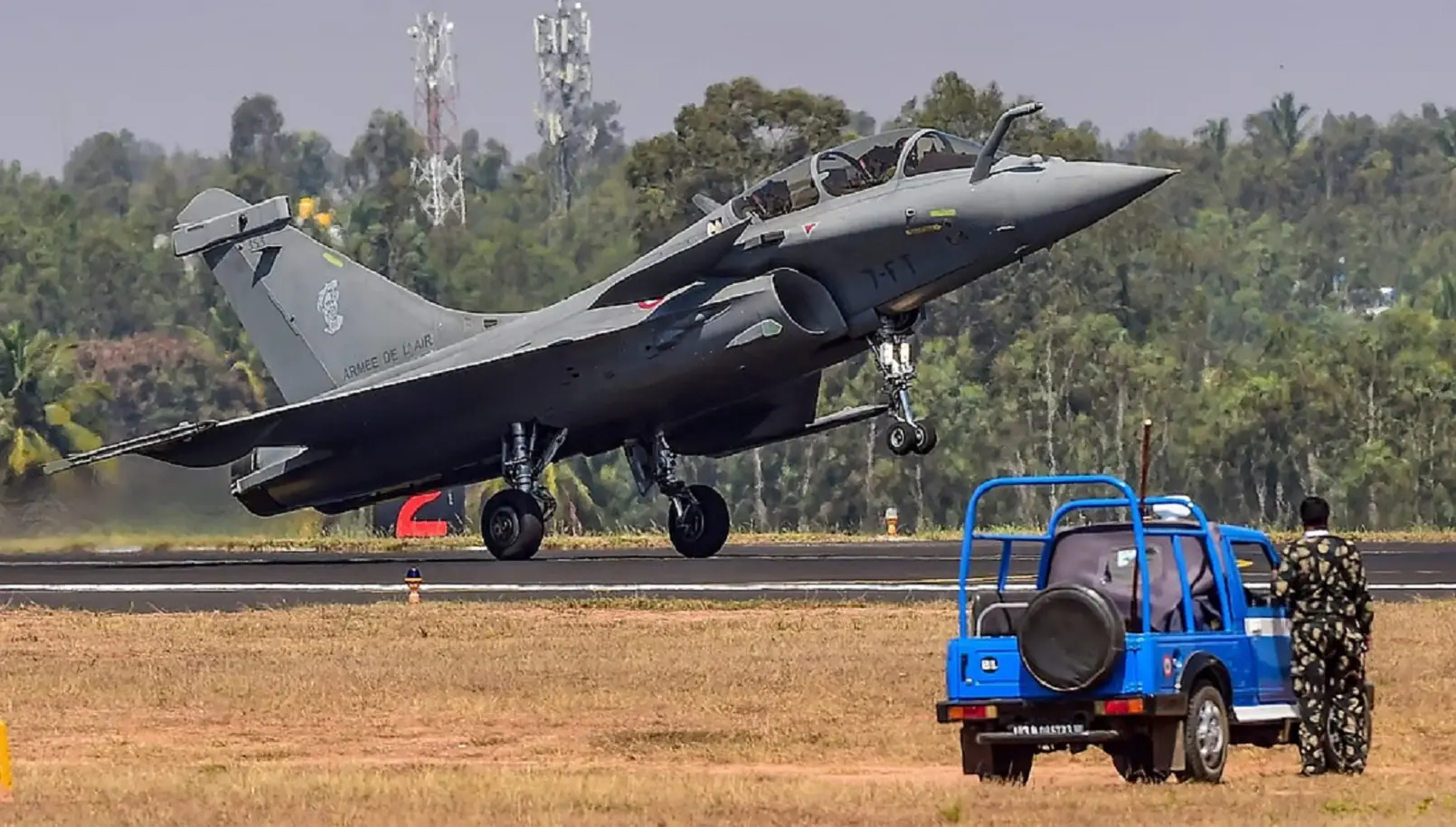
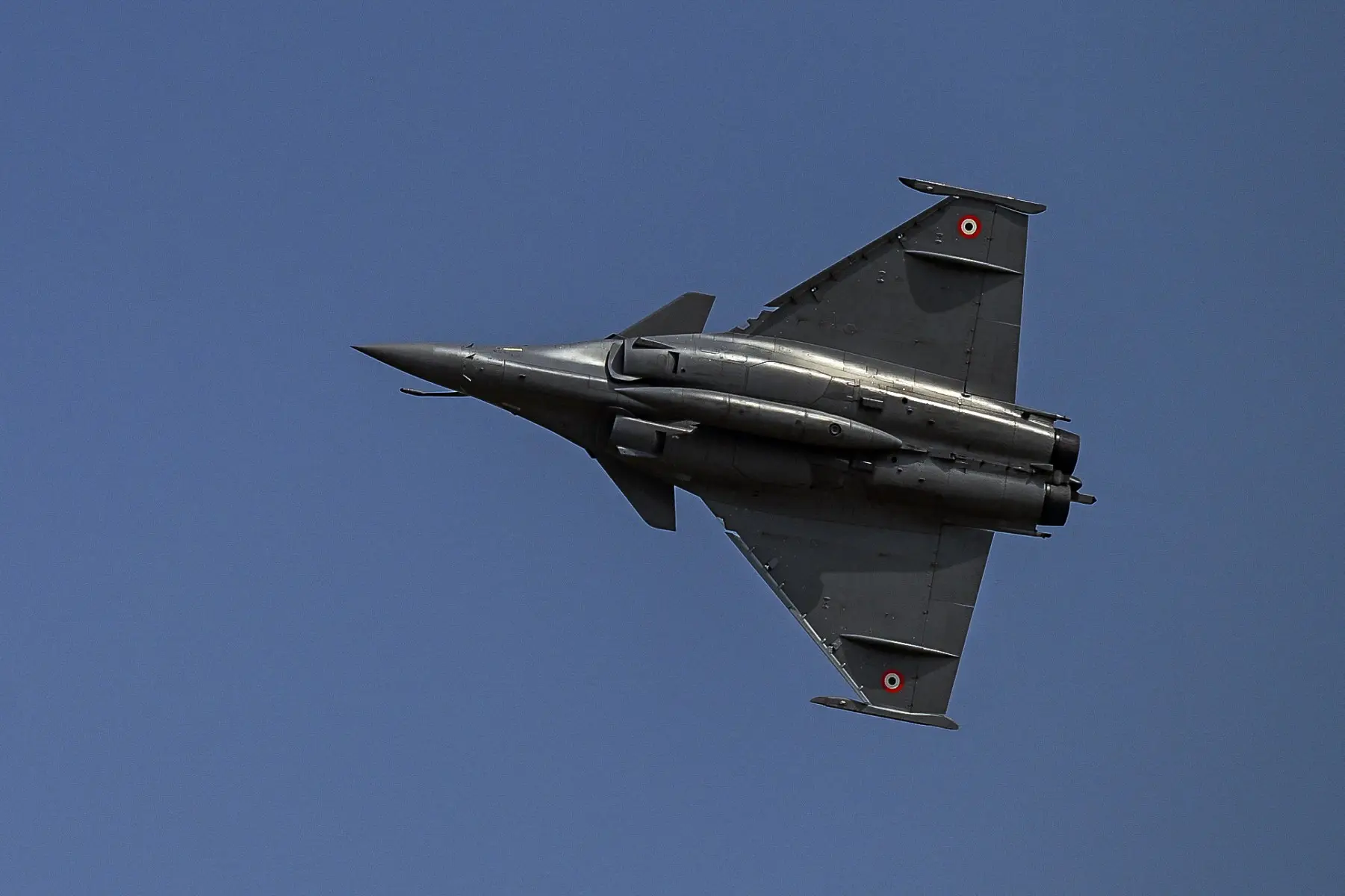
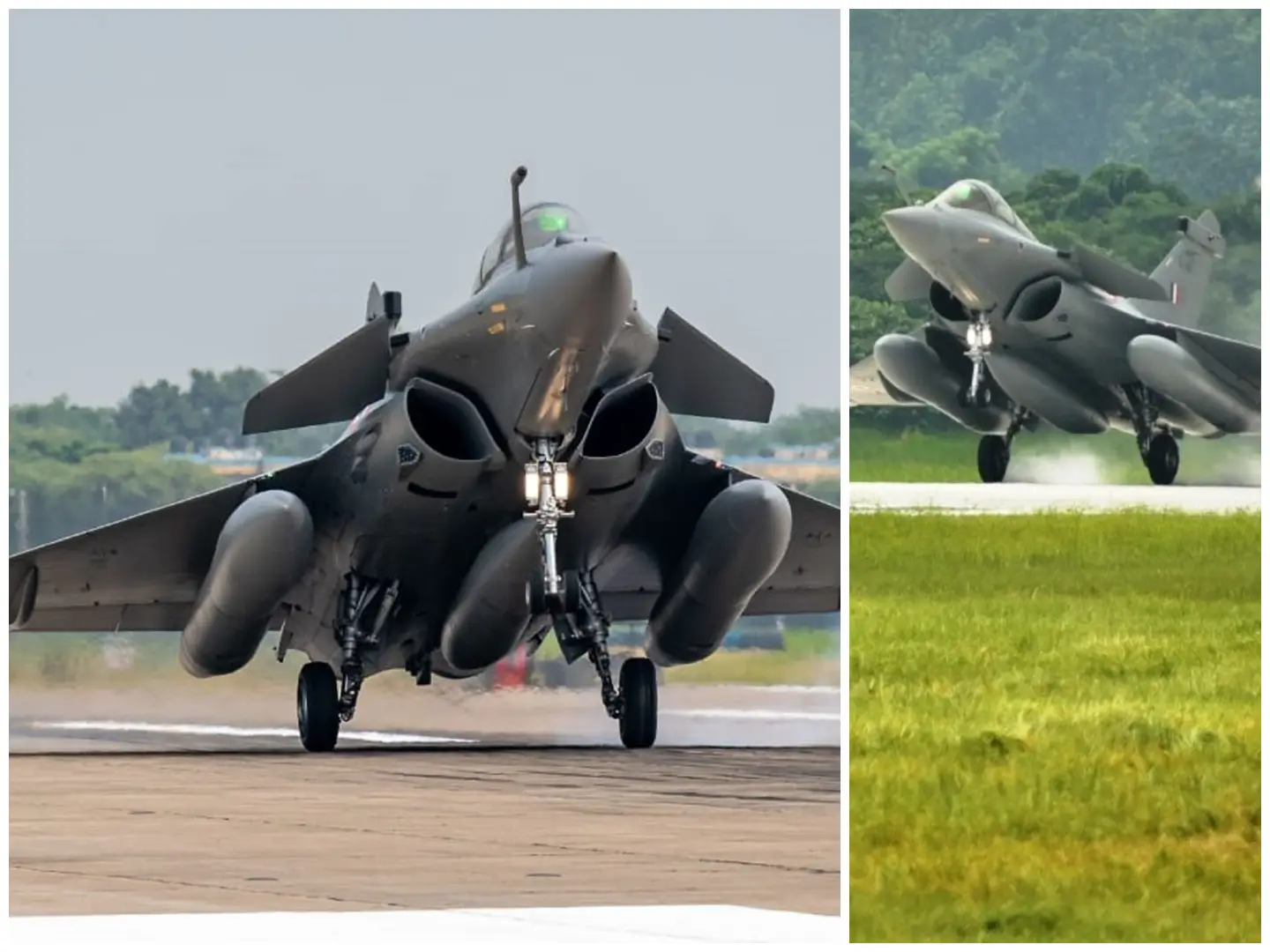
The defence ties already span fighter jets, submarines, missiles and aviation technology. France completed delivery of 36 Rafale fighter aircraft to the IAF in 2022. Under Project 75, the final of six Scorpène-class submarines was delivered to the Indian Navy in January 2025. In April 2025, India and France signed an Inter-Governmental Agreement (IGA) for 26 Rafale-Marine aircraft for the Indian Navy. The package comprises 22 single-seat and four twin-seat aircraft and four twin-seat aircraft for land-based training. It includes training, simulators, weapons, associated equipment and performance-based logistics.
The agreement includes plans for a Rafale fuselage production facility in India and maintenance, repair and overhaul (MRO) facilities for aircraft engines, sensors and weapons.
The focus is also shifting towards advanced propulsion. India and French aerospace company Safran have been discussing cooperation on a high-thrust fighter engine for India’s future combat aircraft.
Direct negotiations unrestrained by alliance expectations
When it comes to France, India is not dealing with a large multinational consortium in the same way it does with some other major defence programmes. This can give the two governments and their industrial partners greater scope to negotiate workshare, technology cooperation and design responsibilities directly. US defence cooperation can sometimes involve tighter export-control requirements and technology restrictions, while India has traditionally valued strategic autonomy and flexibility in its defence partnerships.
The France-India relationship has increasingly centred on industrial cooperation and technology development, rather than being limited to platform purchases.
Russia remains a historically important defence partner for India, but its position has weakened as Moscow’s ability to deliver equipment has been affected by the Ukraine war, sanctions and its own wartime requirements.
The restructured FCAS could benefit the Indian private sector
Indian efforts to join the French-led FCAS potentially gives it an opportunity to participate in the development of sixth-generation air combat technologies.
The move comes after the collapse of the original Franco-German fighter partnership at the centre of the FCAS programme. France and Germany abandoned their joint fighter development effort in June after prolonged disagreements between Dassault Aviation and Airbus Defence and Space over leadership, workshare and intellectual property.
The Indian move therefore comes at a significant point in the programme’s evolution.
The original FCAS concept was built around a New Generation Fighter (NGF), supported by unmanned Remote Carriers and a Combat Cloud connecting aircraft, sensors and other assets. The wider architecture envisages networked data sharing, sensor fusion, artificial intelligence, advanced stealth and electronic warfare capabilities.
For India, participation in FCAS could create opportunities for domestic companies and engineering teams in airframe structures, mission systems, unmanned platforms, software and networked combat systems. India’s own Advanced Medium Combat Aircraft (AMCA) programme is also moving towards development of a fifth-generation stealth fighter. The parallel pursuit of AMCA and potential participation in FCAS could allow Indian industry to build expertise across different generations of combat-aircraft technology.
The FCAS effort could give Indian industry exposure to technologies and design processes beyond conventional licensed production. Potential areas include manned-unmanned teaming, mission computing, sensors, electronic warfare, autonomous systems and combat-cloud technologies.