IITs, Indian academia can offer open-source online education to G20 emerging nations, say experts

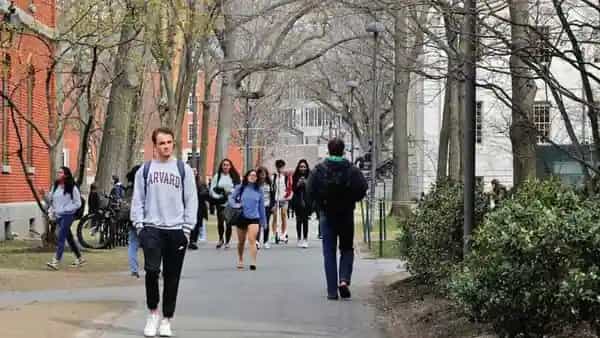
NPTEL has over 56,000 hours of video content and is the most accessed library of educational content
The Indian Institutes of Technology (IIT) and other Indian academia have to make a major contribution in emerging countries by focusing on providing free education and low-cost certification in technical courses, said representatives of academia and research groups.
They were referring to theNational Programme on Technology Enhanced Learning (NPTEL), whichhas the world's largest online repository of courses in basic sciences, engineering, humanities, and social sciences subjects.
Created by seven IITs and the Indian Institute of Science, the NPTEL has over 56,000 hours of video content and is said to be the most accessed library of peer-reviewed educational content in the world.Since 2014,NPTEL has been offering open online courses, along with certificates from the IITs/IISc for those who successfully complete the course. The courses are free for enrolment and learning, however, the certification examination conducted upon course completion is optional and has a fee.

Prof. Subash S,facultyof Department of Humanities and Social Sciences, IIT Madras, explained to WION that the massively open online courses (MOOC) model can be replicated in the global south. "Open platforms built by academia can enhance the skill of the aspirants who haven't been able to make it to top institutions or afford an education there. It not only up-skills the youth, but also makes them future-ready," he said.
DrSeshadri Chari, member ofGoverning Board and Governing Council, RIS, told WION that India has missed the bus during the first, second, and third iterations of the Industrial Revolution and that the country is better poised to handle the Fourth Industrial Revolution. He attributed this statement to the changes in academic curricula, emphasis on research than mere theory, and the scaling up of institutions focused on technology, life sciences, medical research etc.
He reasoned that the startups and Micro Small & Medium Industries are getting strengthened and growing in numbers, and openngup vast opportunities for those graduating from IITs and academia. Regarding India's ability to contribute to emerging nations, he said that India promotes the idea of development partnership (as opposed to development aid) and is a participant in the growth of other countries, and can help create a combination of skill and wealth.
)
The Verdict | When precision fails: US commits war crime in Minab school strike, UN finds
)
Why Ranveer Singh’s Dhurandhar missed India’s Oscar entry; FFI jury member reveals what happened
)
US And Denmark reach Greenland deal, Trump announces expanded military presence
)
India seeks to build a full semiconductor supply chain
)
Trump signs Russia sanctions law: India faces fresh 100% tariff threat over Russian oil
)
Shivakumar attends 79th Kalyana Karnataka Utsav in Kalaburagi
)
US hiding troop deaths in Iran war? Toll higher than Pentagon count, claims report
)
Ukraine plans record $109 bn defence spending, nearly two thirds of budget amid Russia war
)
Trump's Greenland dream comes true? POTUS announces 'Infinite Life' deal with Denmark, claims permanent US control
)
China may have gained access to US's classified F-35 jets; parts meant for repairs diverted to Hong Kong, sparking Pentagon inquiry
)
Flying cars in UAE: Ras Al Khaimah signs deal with Chinese company to test new transport
)
‘Will go to any extent’: Pakistan vows to defend Saudi Arabia amid Houthi attacks
)
Pentagon revives mandatory testosterone testing for male troops aged 30 and above
&im=FitAndFill=(700,400))
Meet top 5 Indian batters with fastest T20I centuries
)
Godfather of AI Geoffrey Hinton gives US lawmakers a one-year warning on AI
)
NASA research plane reaches 61,000 feet over Panama
)
Google’s Gemini AI hacks real systems by guessing passwords during security test
)
Indian activist-lawyer Prashant Bhushan's post brings focus on ‘conflict of interest’ appointments of ex-govt officials at Reliance, Adani groups
)
Brigitte Bardot’s private collection set for Paris auction; key items and prices revealed
)
FACT CHECK: Why did PM Modi ask Xi ‘is it okay’ at BRICS Summit? New video reveals...
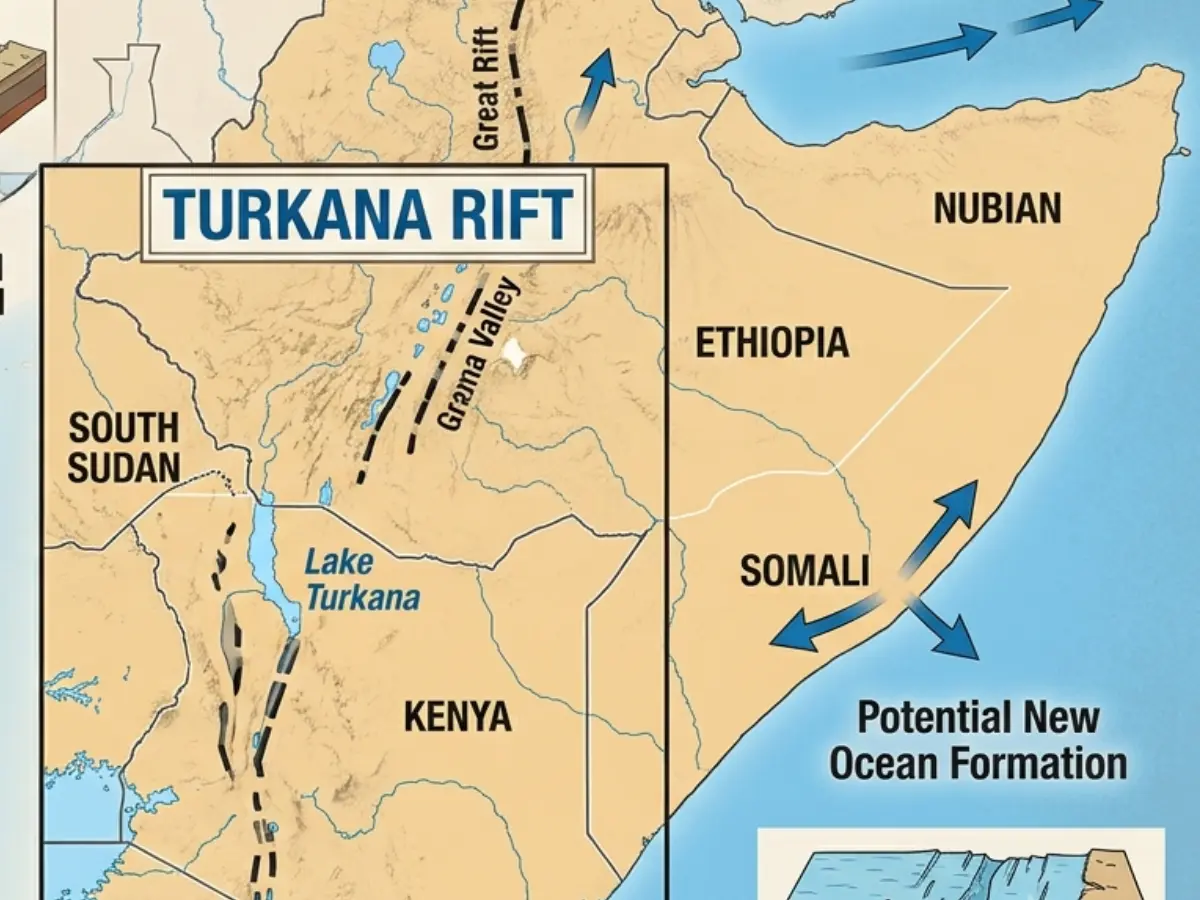)
Africa is splitting, and a lot sooner than estimated, giving way to a new ocean
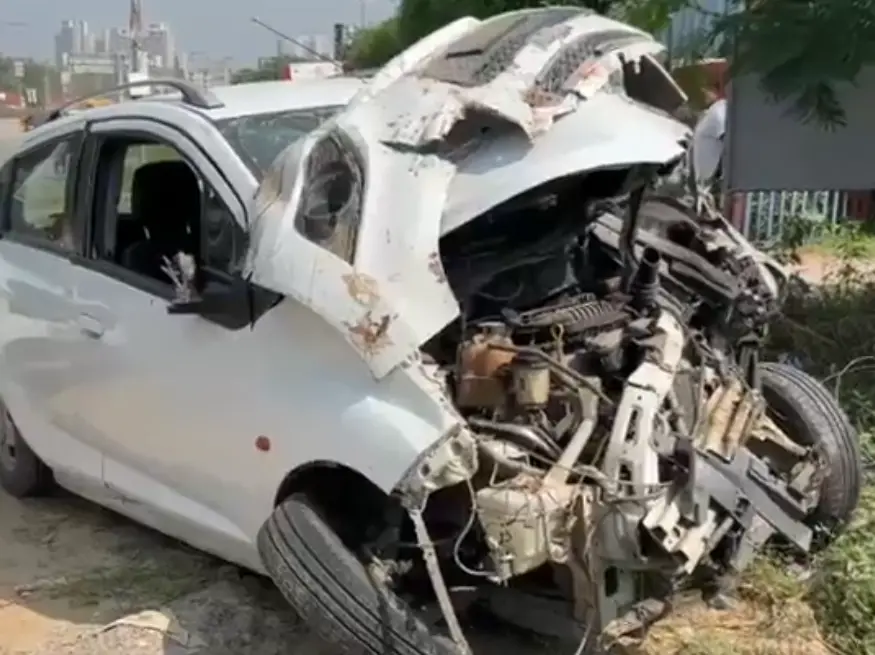)
Three labourers killed as DU student loses control of his car, rams into them on Dwarka Expressway
&im=FitAndFill=(700,400))
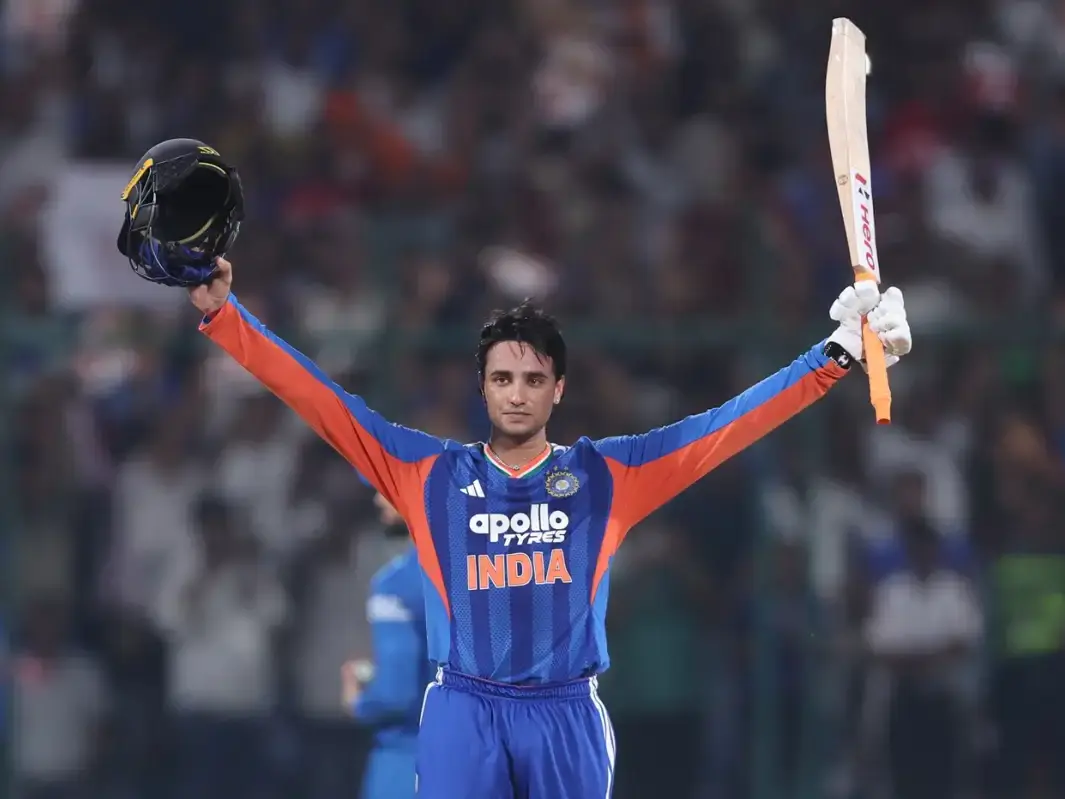
From Abhishek Sharma to Sahil Chauhan, 5 batters with fastest T20I hundreds
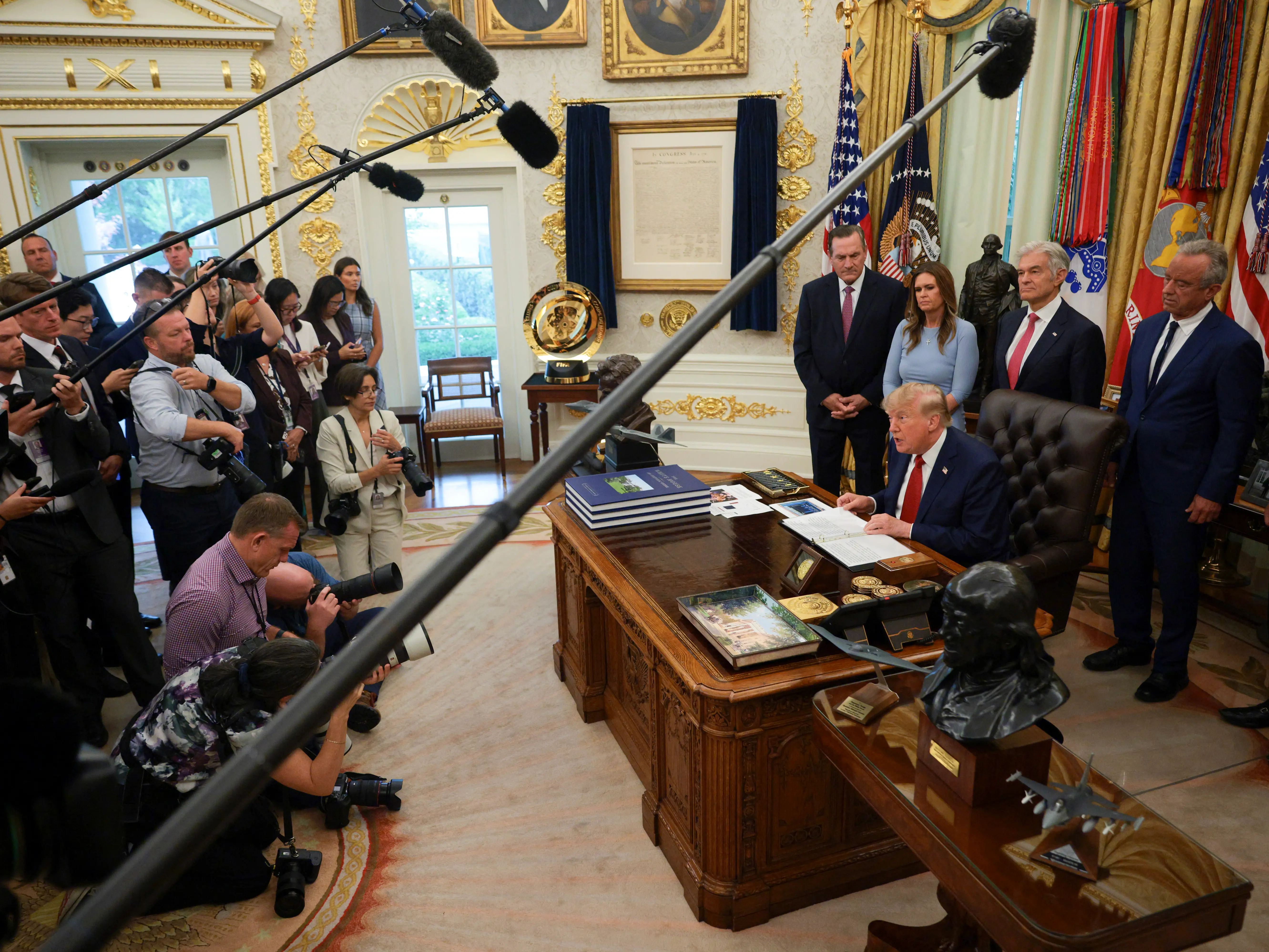)
Trump bans CNN, MS NOW and Politico from White House over ‘FAKE NEWS’
)
Indian Cinema bets big on mythology, brings ancient stories to modern audiences
)
Pyongyang dismisses US, western pressure over nuclear programme
&im=FitAndFill=(700,400))
New Friday OTT releases (September 18, 2026): Lust Stories 3, You+Me, Best of the Best- 8 new titles coming on Netflix, Prime Video and more
)
Russia holds first parliamentary elections since the beginning of the Ukraine war
)
'Gangsta' crab shoves knife blade at man and his dog in Florida - Watch
)
Fast bowler Brydon Carse faces no charges over Derby nightclub incident
)
Tirupati Laddu ghee adulterated with chemicals, says ED, supplier arrested
)
Who is Khalilur Rahman? All you need to know about 81st UN General Assembly President
)
Trump 2.0: Dark days ahead for America’s ‘imperial presidency’
&im=FitAndFill=(700,400))
Meet top 5 bowlers in latest ICC T20I rankings
)
IIT Bombay student dies by suicide, was caught seeking AI help during exams
)
Trump signs Russia sanctions bill into law, targets Moscow’s energy sector
As part of the 'G20 University Connect' Lecture Series, members of the academia and researchers had addressed school and college students from across backgroundsat the IIT-Madras campus in Chennai. They had explained the significance of India having assumed the presidency of the G20 this year and the impact that it would have. The students were also sensitised about the processes involved and how youth could contribute to the larger efforts.
WATCH WION LIVE HERE:
