

&imwidth=800&imheight=600&format=webp&quality=medium "Himanta’s arch rival Gaurav Gogoi loses Jorhat by 23,182 votes as BJP sweeps Assam | inside the long standing political rivalry")
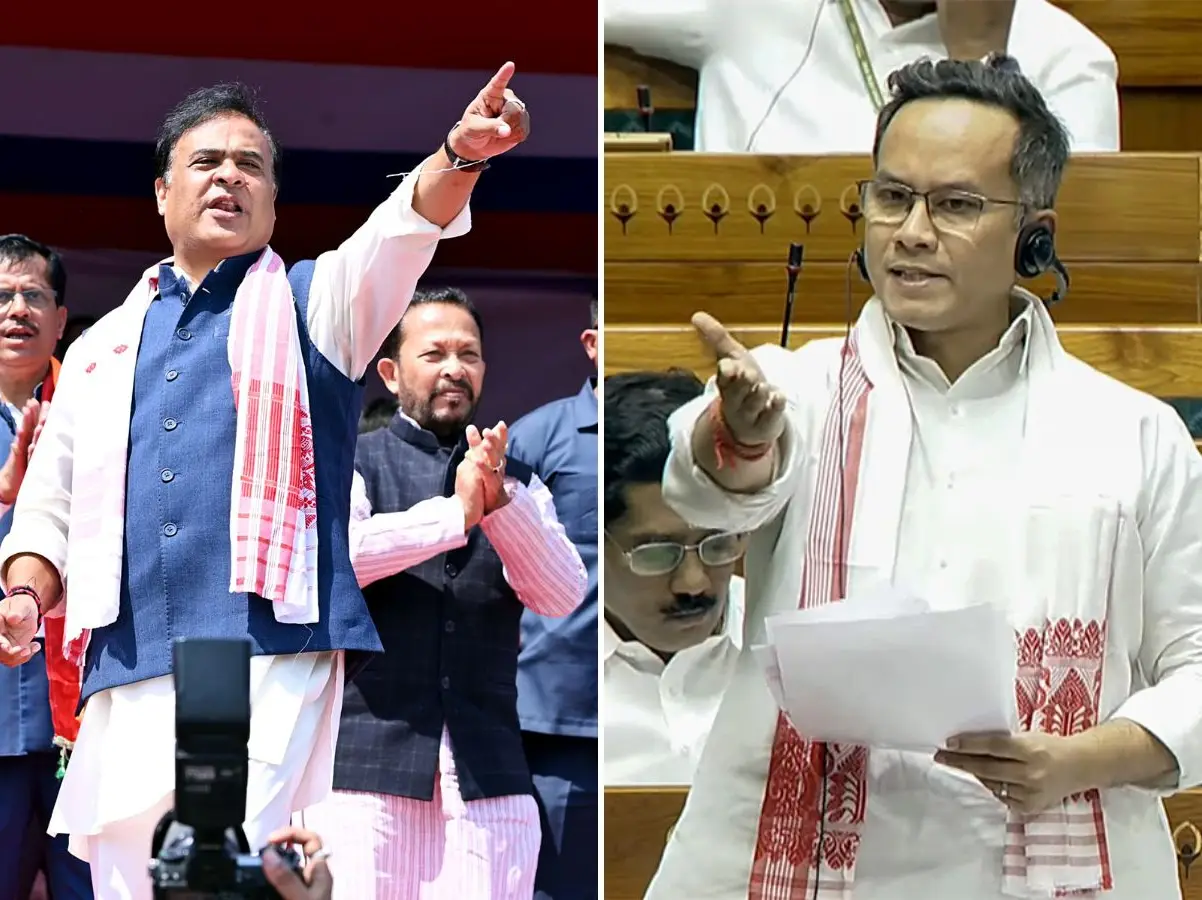
As the Bharatiya Janata Party under Chief Minister Himanta Biswa Sarma moves towards a third consecutive victory in Assam with a strong mandate, one of the most closely watched contests of the election ended in a setback for the Congress. His long-time political rival and Congress candidate Gaurav Gogoi lost the Jorhat Assembly constituency to BJP leader Hitendra Nath Goswami.
According to the Election Commission of India data, Goswami secured 69439 votes and won by a margin of 23182 votes. Gogoi managed 46257 votes but failed to bridge the gap as counting concluded on Monday.
Also Read: PM Modi’s Jhalmuri moment reflects BJP surge as party leads in all Jhargram seats held by TMC
Jorhat result deepens Himanta-Gogoi rivalry
The rivalry between Himanta Biswa Sarma and Gaurav Gogoi is deeply rooted in the internal friction of the Congress party during the tenure of Gaurav’s father, the late Tarun Gogoi. Once a protégé of the senior Gogoi, Himanta’s eventual exit from the Congress in 2015 was fueled by his perception that Gaurav was being fast-tracked for leadership over more seasoned loyalists.
What began as a battle for succession within the party has evolved into a bitter, decade-long ideological war.
Trending Stories
&im=FitAndFill=(700,400)&imwidth=180&imheight=135&format=webp&quality=medium)
What is the real meaning behind Pete Hegseth's tattoos?
&imwidth=180&imheight=135&format=webp&quality=medium)
Zohran Mamdani's Garba dance goes viral as he joins Indian community's Navratri celebrations | WATCH
&imwidth=180&imheight=135&format=webp&quality=medium)
Rafale Marine fighter begins flight trials in Goa ahead of Indian Navy induction
&imwidth=180&imheight=135&format=webp&quality=medium)
SBI confirms data breach: 3,897 records flagged on dark web. Is your money safe?
&imwidth=180&imheight=135&format=webp&quality=medium)
India to develop first indigenous aviation gun for Prachand, Rudra attack helicopters, SSS Defence CEO confirms
&imwidth=180&imheight=135&format=webp&quality=medium)
Man marries off wife of 17 years to her lover in Uttar Pradesh
&imwidth=180&imheight=135&format=webp&quality=medium)
Boeing 737 MAX10 gets FAA certification, deliveries expected to begin in 2027
&imwidth=180&imheight=135&format=webp&quality=medium)
Shastri backs Shami comeback; lauds Bhuvi and warns Bumrah on format workload ahead of World Cup
&imwidth=180&imheight=135&format=webp&quality=medium)
US midterms 2026: Red seats once deemed safe now appear shaky as Republicans spend big on ads
&imwidth=180&imheight=135&format=webp&quality=medium)
'Tap dancing through a minefield': Musk backs SpaceX-Tesla merger as AI boom fuels rocket firm's first profit
&imwidth=180&imheight=135&format=webp&quality=medium)
Trump says Ilhan Omar 'could go to jail' amid federal probe, calls Somalia a 's***house'
&imwidth=180&imheight=135&format=webp&quality=medium)
Punjab CM Bhagwant Mann allegedly detained for three hours at Delhi airport, fined ₹50,000: AAP
&imwidth=180&imheight=135&format=webp&quality=medium)
Trump waves at 'empty space' in viral video,' critics claim 'mental decline getting worse' | WATCH
&imwidth=180&imheight=135&format=webp&quality=medium)
What the Mecca Joint Defence Agreement says about withdrawal and military support. Read full text of the pact here
&imwidth=180&imheight=135&format=webp&quality=medium)
IND vs NZ T20Is: Will Sooryavanshi play? Skipper Shreyas Iyer clears the air on Samson vs Vaibhav debate
&imwidth=180&imheight=135&format=webp&quality=medium)
'You are not Gen Z': Delhi HC pulls up CJP's Das, Ranka over bail bond breach after Jantar Mantar trespass
&imwidth=180&imheight=135&format=webp&quality=medium)
India vs New Zealand T20I Series 2026: Complete schedule, match timings, squads and live streaming details
&imwidth=180&imheight=135&format=webp&quality=medium)
Trump considers removing White House press corps to restore historic indoor swimming pool
&imwidth=180&imheight=135&format=webp&quality=medium)
Ukrainian soldier rescued by a drone chopped off own leg while hiding for 491 days
&imwidth=180&imheight=135&format=webp&quality=medium)
US-Iran war | Tehran: Must end port blockade, oil sanctions and regional attacks
&im=FitAndFill=(700,400)&imwidth=180&imheight=135&format=webp&quality=medium)
Priyanka Chopra to Shilpa Shetty: 6 Bollywood actresses and their fitness secrets
&imwidth=180&imheight=135&format=webp&quality=medium)
Pujara says 'Samson and Vaibhav cannot be in Playing XI' for India on NZ tour
&imwidth=180&imheight=135&format=webp&quality=medium)
'What's wrong with you? Are you a sick person?': Trump at it again as he snaps at reporters, faces backlash
&imwidth=180&imheight=135&format=webp&quality=medium)
US Midterms 2026 and money: From Bloomberg to Musk, corporate donors, super PACs and lobbies, it's all about the cash
&imwidth=180&imheight=135&format=webp&quality=medium)
‘Even legends can fall ill’: Badshah, Anupam Kher and other stars defend Daler Mehndi after Uttarakhand stage controversy
&imwidth=180&imheight=135&format=webp&quality=medium)
'UN experts is an oxymoron': Rubio mocks UN over India protests criticism, refuses to comment on India's internal matter
&im=FitAndFill=(700,400)&imwidth=180&imheight=135&format=webp&quality=medium)
New OTT releases this week (October 19-25, 2026): Gajab Raat to Chaar Yaar-8 titles to watch during Dussehra week on Netflix, Prime Video and more
&imwidth=180&imheight=135&format=webp&quality=medium)
Ukrainian drone airlifts wounded soldier in what is likely a world first
&imwidth=180&imheight=135&format=webp&quality=medium)
The Verdict | Trump, Putin and Xi: A superpower triangle that could reshape global diplomacy
&imwidth=180&imheight=135&format=webp&quality=medium)
India moves to buy 10,000 more AI chips for a national compute pool open to startups
&imwidth=180&imheight=135&format=webp&quality=medium)
'They are not even telling us' - Mysterious metallic object discovered in Minnesota field
&imwidth=180&imheight=135&format=webp&quality=medium)
Hunger makes alcohol more appealing, study finds
&imwidth=180&imheight=135&format=webp&quality=medium)
Cattle-feed bran in biscuits, detergent in milk: FSSAI acts against 3 companies
&imwidth=180&imheight=135&format=webp&quality=medium)
US midterms 2026: With Republicans spending big, Bloomberg opens his wallet for Democrats. Here's how much he is pouring
&imwidth=180&imheight=135&format=webp&quality=medium)
Iran rejects US talks until demands are met, rules out moving enriched uranium out of the country
&imwidth=180&imheight=135&format=webp&quality=medium)
Feds obtain DNA evidence that could prove Ilhan Omar married her brother: Report
&imwidth=180&imheight=135&format=webp&quality=medium)
Ramayana advance booking: Ranbir Kapoor, Yash's film cross $500K ahead of Diwali release
&imwidth=180&imheight=135&format=webp&quality=medium)
French military plane crashes in northeast France, one dead
&imwidth=180&imheight=135&format=webp&quality=medium)
Delhi HC agrees to hear Neha Bora's plea against 'maintain peace' directive on 'urgent basis'
In the run-up to the 2026 elections, the rivalry between Sarma and Gogoi devolved into a bitter war of personal and national security allegations. Sarma accused the Congress of using campaign materials linked to a Pakistani social media group, questioning Gogoi's patriotism. In retaliation, Gogoi targeted the Chief Minister’s family, alleging they held undeclared assets and luxury properties in Dubai. This aggressive "war of affidavits" ultimately overshadowed local issues, turning the election into a deeply personal referendum on regional dominance.
The battle for Jorhat was more than just a seat; it was a personal proxy war where Sarma sought to prove his dominance over the Gogoi legacy, while Gaurav attempted to reclaim his family’s political heartland.
BJP crosses majority mark in Assam
As counting progressed, trends showed the BJP comfortably crossing the majority mark of 64 seats, driven by strong consolidation of support across key regions of the state. The outcome highlights the party’s continued electoral strength under the leadership of Himanta Biswa Sarma.
The result also marks a significant setback for the Congress, which has struggled to recover its traditional support base. The party has failed to regain traction among key voter groups, including the tea garden communities, Ahom voters and sections of the minority electorate that once formed its core support in Upper Assam.
According to Election Commission trends, the BJP is leading or winning in 81 seats. The Indian National Congress has seen its numbers dip to 21 seats, while its former allies and regional players show the Bodoland People’s Front (BPF) holding steady at 10 seats and the Asom Gana Parishad (AGP) at 8 seats. The AIUDF and Raijor Dal remain leading in 2 seats each, with the United People’s Party Liberal (UPPL) maintaining its lead in 1 seat.
