From 31.9 to 32.4 degrees Celsius: Delhi nighttime temperature climbs again within 3 days

&imwidth=600&imheight=450&format=webp&quality=medium "From 31.9 to 32.4 degrees Celsius: Delhi nighttime temperature climbs again within 3 days")
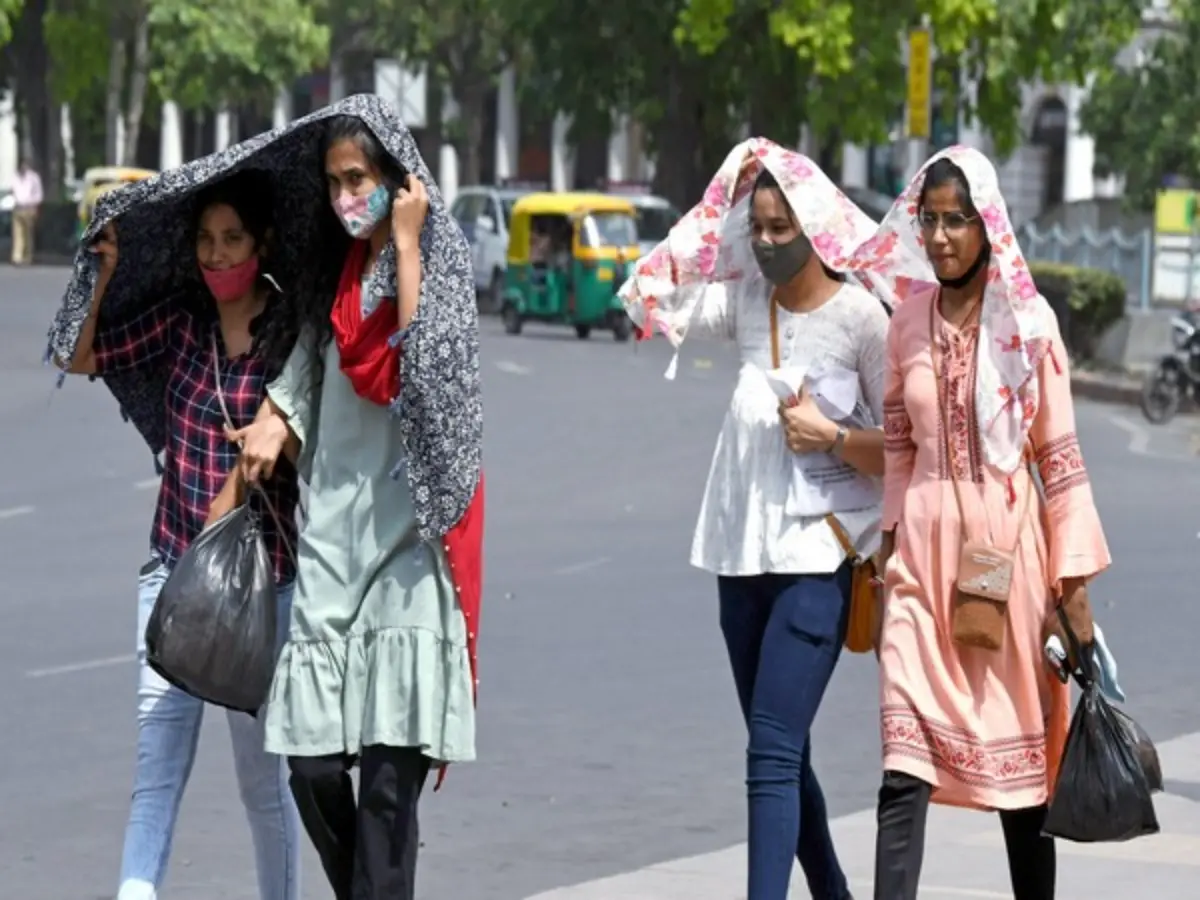
Delhi heatwave continues as city records another hot night.
Delhi recorded its hottest May night in 14 years on Sunday night again, as the temperature reached 32.4 degrees Celsius. Last week, the nighttime temperature on Thursday reached 31.9 degrees Celsius, five degrees above normal.
Delhi recorded its hottest May night in 14 years on Sunday night (May 25), with the temperature climbing to 32.4 degrees Celsius. Last week, on May 21, the night temperature reached 31.9 degrees Celsius, five degrees above normal for the month. Having such warm nights in May is rare, and leading to an increasing concern that the trend could be because of climate change. The minimum temperature was 32.5 degrees Celsius on May 26, 2012. The high temperature at night has been flagged as a serious health risk and could cause cardiovascular problems.
Experts have pointed to the Urban Heat Island effect (UHI) as the main trigger of such a spike in cities like Delhi. Increased construction, concrete and glass in buildings, vehicular emissions, and limited green spaces lead warm air to get caught and increase the temperature.
Warm night crisis
The nighttime hotness has been dubbed the Warm Night crisis, which is leading people to suffer from sleeplessness. The circadian rhythm requires our body's core temperature to fall by about 1°C for deep sleep. But when indoor temperatures stay above 30 degrees Celsius, this fails to happen. This causes heart palpitations, as the body struggles to cool itself. When we do not reach REM sleep, the body fails to shed heat, and we end up waking several times.
Metropolitan cities seem to be falling into a worrying trend, as a study by Climate Trends in May 2026 revealed that indoor nighttime temperatures stay between 31°C and 34°C, and do not fall even in the early hours of the morning. A "Warm Night" crisis takes shape, where our bedrooms act like structural heat traps. Air conditioners are not helping either, and setting them on extreme low cooling creates issues like dehydration. People then complain of waking up with headaches and dizziness.
Trending Stories
&im=FitAndFill=(700,400))
)
)
)
)
)
)
)
)
)
)
)
)
)
)
&im=FitAndFill=(700,400))
)
)
&im=FitAndFill=(700,400))
)
)
)
)
)
)
)
&im=FitAndFill=(700,400))
)
)
)
)
)
)
&im=FitAndFill=(700,400))