Explained: Dolo-650 controversy and Rs 1000 crore freebie accusation


Dolo-650
Dolo-650 mg tablets were most commonly used in treatmentofCOVID-19 at the height of the coronavirus pandemic in India. When the drug became a meme, it attained its greatest level of popularity.
When the department accused the Dolo-650 manufacturer Bengaluru-based Micro Labs of tax cheating at the beginning of 2022, the lab was put under income tax scrutiny.
And now, in a hearing in the Supreme Court, the Federation of Medical & Sales Representatives Association of India (FMRAI) has accused the manufacturer of giving doctors gifts worth Rs 1000 crores to get them to prescribe Dolo-650 mg as the go-to medication.

Even Chief Justice DY Chandrachud was upset by the accusation. He stated: "This is not music to my ears. I was also asked to have the same when I had Covid. This is a serious issue and matter."
What is Dolo-650 mg?
&imwidth=180&imheight=135&format=webp&quality=medium)
At least 400 arrested as protests turn violent in France; PM blames far left
&imwidth=180&imheight=135&format=webp&quality=medium)
Bangladesh resort fire kills 10 tourists, including a 5-year-old child
&imwidth=180&imheight=135&format=webp&quality=medium)
Israel examines Russia's Shahed-type drones sent by Ukraine to combat Iran | Gravitas
&imwidth=180&imheight=135&format=webp&quality=medium)
US lawmaker Pramila Jaypal writes to Rubio, urges to raise handling of CJP protest with India
&imwidth=180&imheight=135&format=webp&quality=medium)
2 injured in plane crash on busy California highway
&imwidth=180&imheight=135&format=webp&quality=medium)
6-year-old among 2 killed as vehicle crashes into youth soccer game in US
&imwidth=180&imheight=135&format=webp&quality=medium)
13 dead after truck mows down devotees, crashes into temple gate in Madhya Pradesh's Gwalior
&imwidth=180&imheight=135&format=webp&quality=medium)
IND-W vs ZIM-W, 2nd T20I: When and where to watch live streaming in India?
&imwidth=180&imheight=135&format=webp&quality=medium)
COVID-19 pandemic led to increase in divorce cases, observes Madras High Court
&imwidth=180&imheight=135&format=webp&quality=medium)
Can you wash your brain? How glymphatic system protects against cognitive decline
&imwidth=180&imheight=135&format=webp&quality=medium)
Pakistan to head IMF, World Bank boards after 74 years amid persistent economic crisis
&imwidth=180&imheight=135&format=webp&quality=medium)
'It's a joy to see the makers bring it on such a grand scale': SS Rajamouli on Ramayana
&imwidth=180&imheight=135&format=webp&quality=medium)
‘I have very severe problems’: Trump fuels health speculation during address to firefighters
&im=FitAndFill=(700,400)&imwidth=180&imheight=135&format=webp&quality=medium)
Inside Tesla's Roadster: 10 features of Elon Musk's 'flying car' that push the limits of electric vehicles | In Pics
&imwidth=180&imheight=135&format=webp&quality=medium)
‘My president, I mean my husband’: Trump's new press secretary Katie Zacharia's first briefing goes off the rails in 14 minutes
&imwidth=180&imheight=135&format=webp&quality=medium)
WATCH | iPhones, luxury perfumes floating in Hormuz? Iranian fishermen make bizarre discovery
&imwidth=180&imheight=135&format=webp&quality=medium)
No Ravindra Jadeja, Yashasvi Jaiswal in India’s 2027 ODI World Cup plans: Report
&imwidth=180&imheight=135&format=webp&quality=medium)
'We are not sitting in ivory towers, we are aware': SC issues notice to Rahul Gandhi, Akhilesh Yadav
&im=FitAndFill=(700,400)&imwidth=180&imheight=135&format=webp&quality=medium)
Durga Puja 2026: Ranbir Kapoor, Kajol, Jaya Bachchan, and other celebs bring festive glam to pandals
&imwidth=180&imheight=135&format=webp&quality=medium)
Anirudh Ravichander-Kavya Maran wedding: Telangana CM reveals Chennai reception date

US ends automatic work permit extensions; Indian workers lose 540-day safety net: What it means
&imwidth=180&imheight=135&format=webp&quality=medium)
One species, two lineages: Why Sri Lanka’s spectacled cobra differs genetically from Indian variant
&imwidth=180&imheight=135&format=webp&quality=medium)
UAE agrees with Saudi Arabia to rejoin Yemen fight as Houthi strikes rattle Riyadh
&imwidth=180&imheight=135&format=webp&quality=medium)
'We feel like Mr India': Gujarat’s undercover SHE team guard garba nights at Navratri
&imwidth=180&imheight=135&format=webp&quality=medium)
Oil tanker carrying over 2M barrels of crude hits mine in Strait of Hormuz, catches fire, says Iran
&imwidth=180&imheight=135&format=webp&quality=medium)
China’s ‘dark tourism’ boom: Why are young travelers paying to experience simulated disasters?
&imwidth=180&imheight=135&format=webp&quality=medium)
Kolkata Durga Puja stampede: PM Modi announces Rs 2 lakh ex-gratia for kin of dead, Amit Shah to visit injured
&imwidth=180&imheight=135&format=webp&quality=medium)
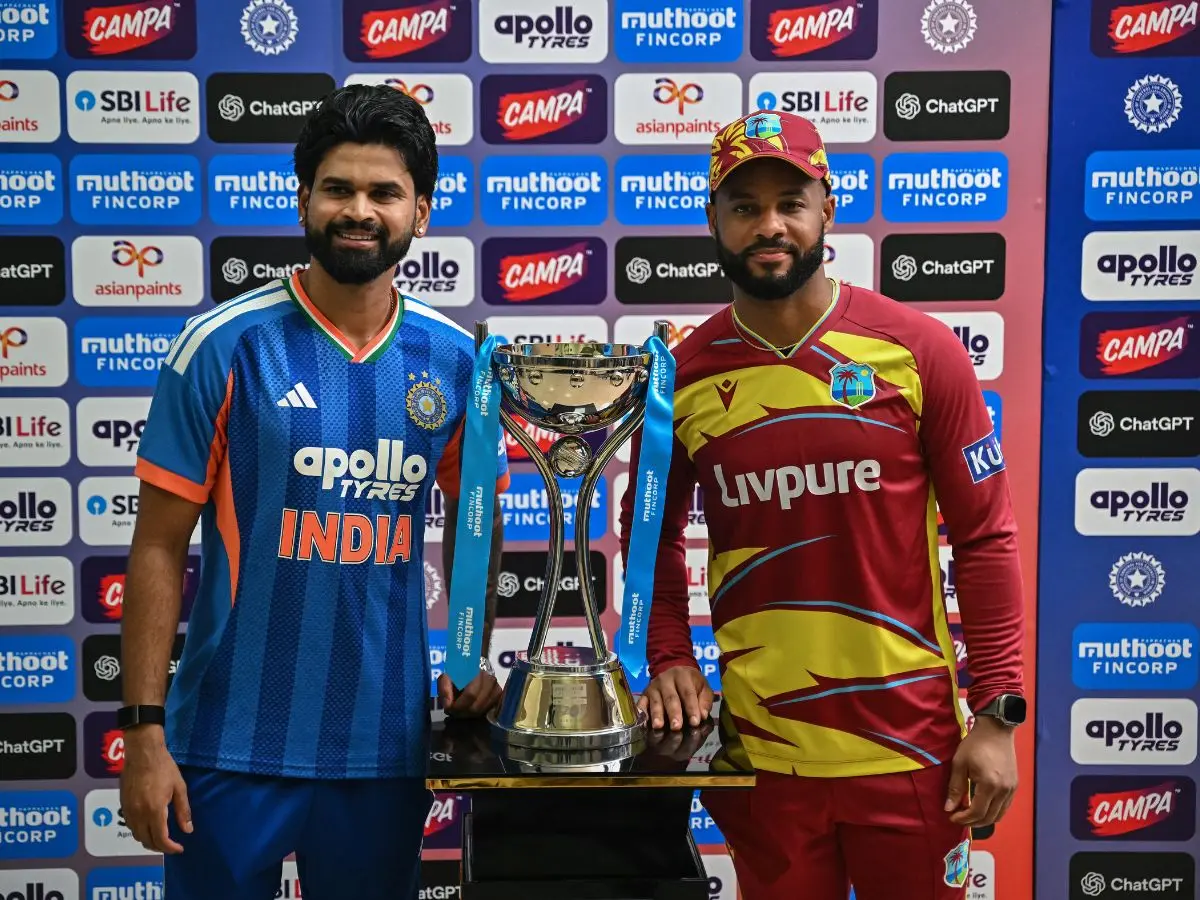
Rain washes out 5th T20I as India-West Indies share honours 2-2
&imwidth=180&imheight=135&format=webp&quality=medium)
China responds to Trump's Press Secretary Katie Zacharia after toilet remark: 'Visit China more often'
&imwidth=180&imheight=135&format=webp&quality=medium)
AI decodes Napoleon-era secret letter unsolved for more than 200 years. What was hidden in the ciphers?
&imwidth=180&imheight=135&format=webp&quality=medium)
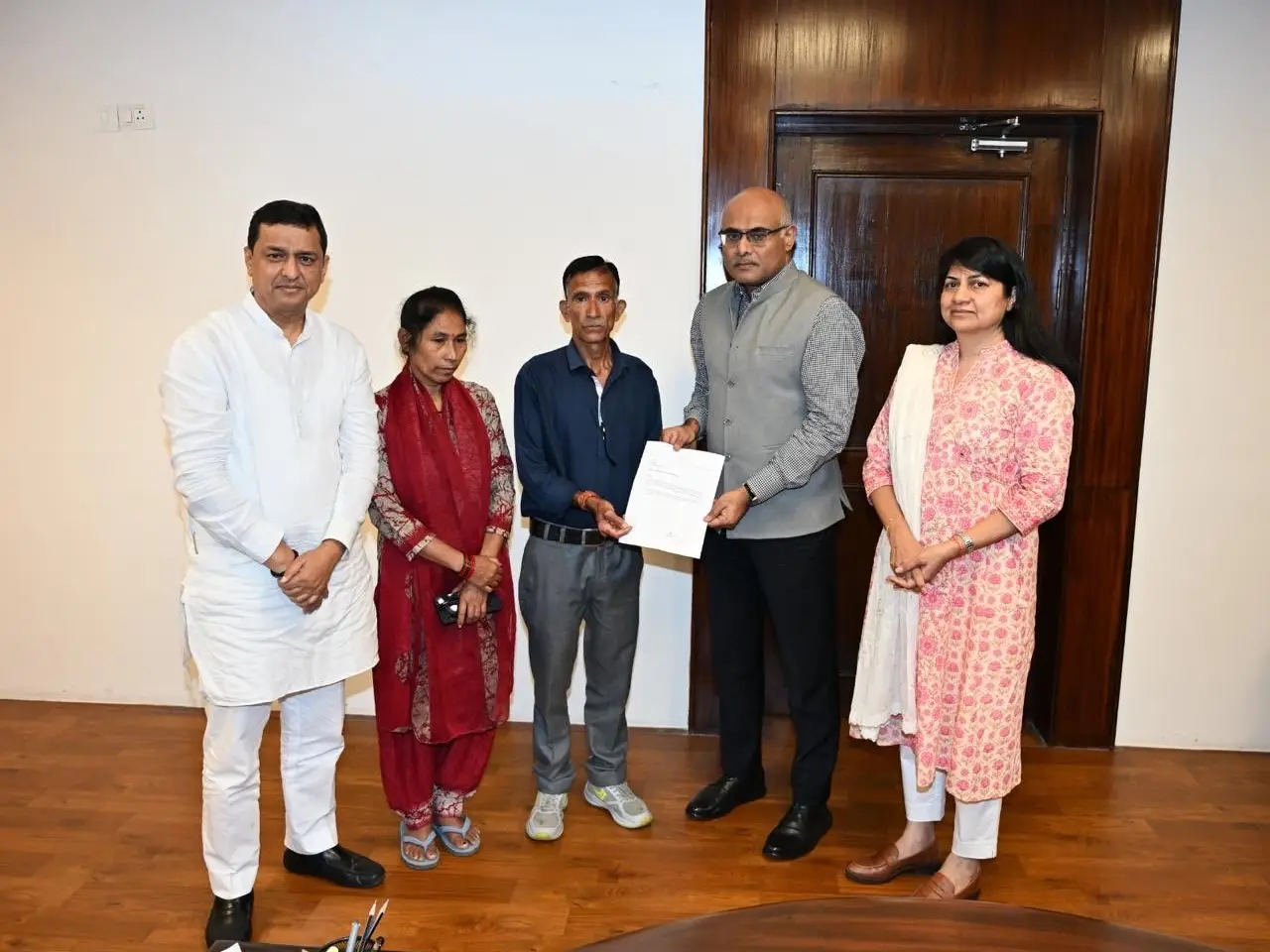
Ankita Bhandari murder case: Parents meet CBI, seek impartial investigation
&imwidth=180&imheight=135&format=webp&quality=medium)
SC panel launches portal to submit evidence of July Jantar Mantar violence
&imwidth=180&imheight=135&format=webp&quality=medium)
WATCH | Zelensky gives cheeky response when asked if Trump is making him a scapegoat ahead of US midterms
&imwidth=180&imheight=135&format=webp&quality=medium)
Explosion and fire at military base in Canada's Alberta, casualties feared
&imwidth=180&imheight=135&format=webp&quality=medium)
'Reason UN has lost credibility': Amid SIR protests India hits out at report alleging 'youth repression'
&imwidth=180&imheight=135&format=webp&quality=medium)
Lizard people? Ex-US Army sniper claims soldier killed by 'reptilian beings' in battle near Area 51
&imwidth=180&imheight=135&format=webp&quality=medium)
Ranbir Kapoor visits North Bombay Durga Puja pandal, offers prayers
&imwidth=180&imheight=135&format=webp&quality=medium)
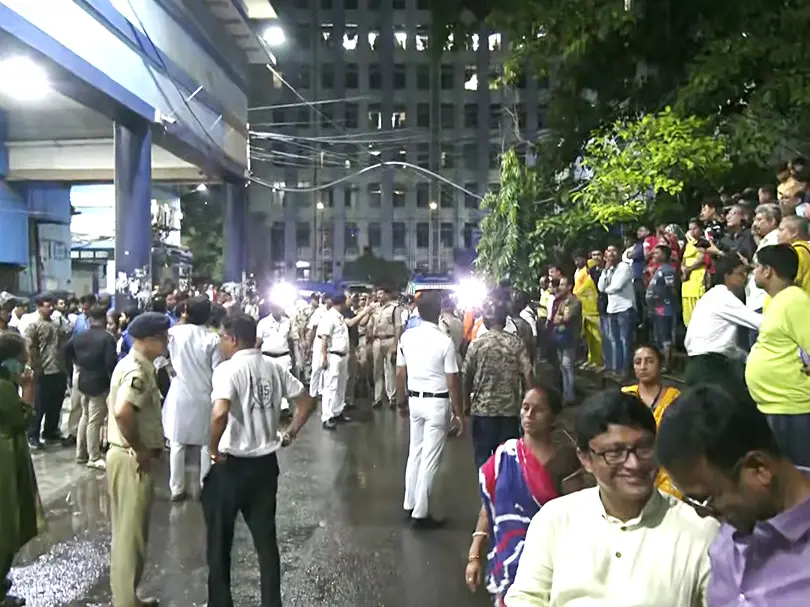
At least 19 killed in stampede-like situation after part of Kolkata Durga Puja pandal collapses
The trademark name for a fixed-dose combination medication with 650 mg of paracetamol is Dolo 650 mg. It is analgesic and antipyretic, which means it alleviates pain and brings down temperature.
It is a non-steroidal anti-inflammatory medication that is even sold without a prescription. The vast majority of OTC products include paracetamol with 500 mg of salt. Pain and fever were the main COVID-19 symptoms, hence the sale of all fever-relieving medications increased dramatically.
What's behind the popularity?
During the pandemic, sales of all paracetamol brands skyrocketed because it was thought to be safe to treat COVID-19-related fever and pain.
The income from paracetamol sales climbed by 138.42 per cent between the second quarters of 2020 and 2021, according to an Indian Express report citing market research firm AIOCD-AWACS. While companies like GlaxoSmithKline, the manufacturer of Crocin and Calpol, saw sales soar by 53% and 158.9%, respectively, during that time, Dolo-650 sales increased by a remarkable 289.6%.
According to pharmaceutical specialists, this is due to Micro Labs, the company that makes Dolo 650, overmarketing and decreased availability of rival paracetamol products. And now, allegations of corruption.
How did they find a way around price control?
Under the Necessary Commodities Act, some essential pharmaceuticals and their formulations are priced according to the Drugs Price Control Order (DPCO), and no business is allowed to sell drugs for more than that amount. The price of paracetamol was recently established by a National Pharmaceutical Pricing Authority order at Rs 2.88 per tablet.
The price of a 500 mg Paracetamol tablet is currently regulated, but not the price of a 650 mg tablet. This is why businesses like Micro Labs could charge more for their medicine. Of course, this is a huge issue, and estimates suggest that the DPCO does not cover about 80% of medications.
Can it cause harm?
According to the doctors we spoke to, an adult's daily intake of paracetamol can range up to 2 grammes. Therefore, consuming 2-3 Dolos every day during fever would not necessarily be harmful. However, excessive paracetamol use has been related to serious liver damage. Dolo-650 is not recommended for people with persistent alcoholism, liver disease, or kidney disease.
What is the Dolo-650 controversy about?
Even though the pharmaceutical company has described this practice as sales promotion, the plea against the company claimed that several "unethical" benefits, including gifts and entertainment, sponsored international travel, hospitality, and other benefits, are provided to doctors for promotingand prescribing the drug.
It was stated that unethical drug promotion can negatively affect doctors' attitudes toward prescribing medications and harm human health through overusing/over-prescribing medications, prescribing medications in higher doses than necessary, prescribing medications for longer periods of time than necessary, prescribing a higher number of medications than necessary, and prescribing an irrational combination of medications.
(with inputs from agencies)