Delhi’s EV policy: No tax, registration fees on electric cars under Rs 30 lakh, no new petrol bikes from 2028

&imwidth=600&imheight=450&format=webp&quality=medium "Delhi’s EV policy: No tax, registration fees on electric cars under Rs 30 lakh, no new petrol bikes from 2028")
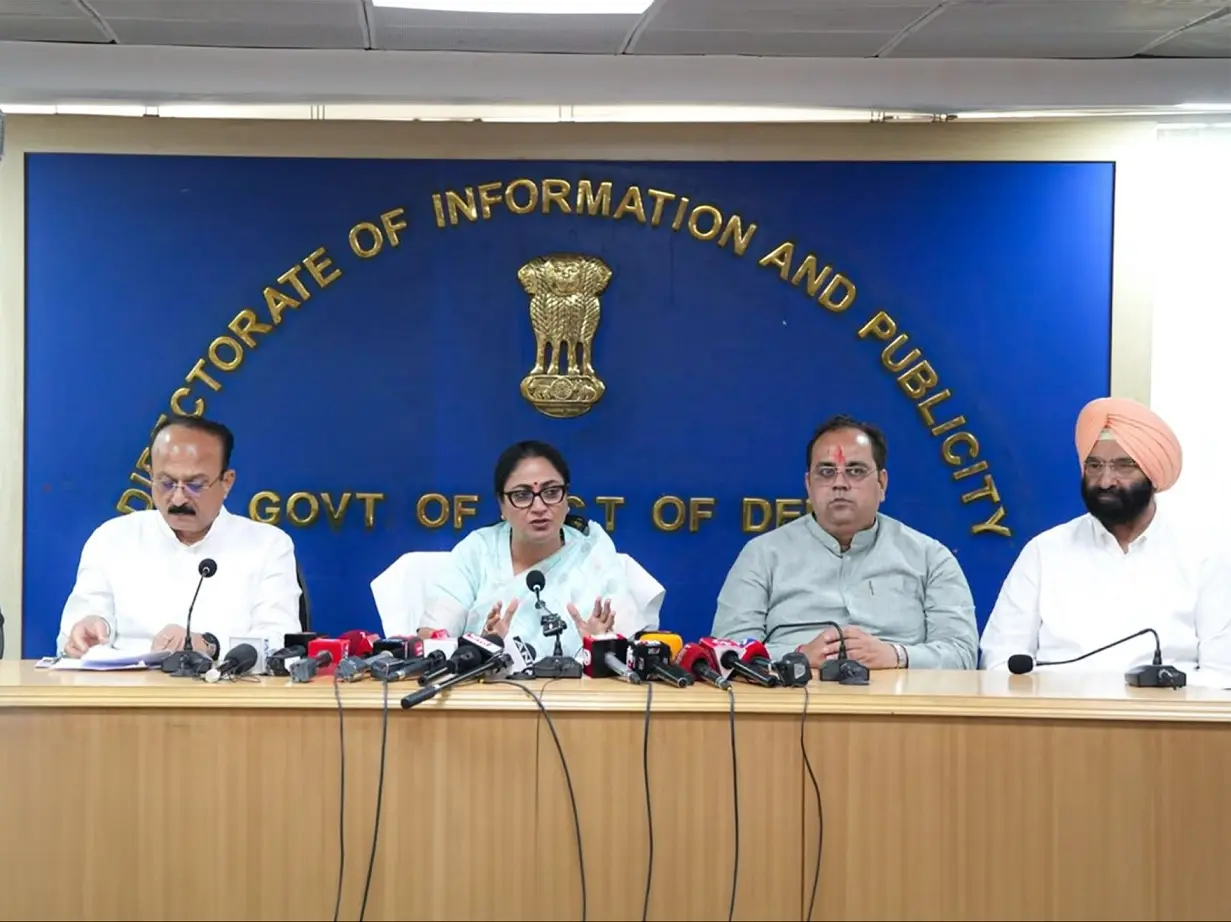
CM Rekha Gupta said the policy aims to make Delhi a pollution-free city through a phased transition to electric mobility Photograph: (X\@gupta_rekha)
Under the new policy, tax exemptions and financial incentives will be provided to encourage the adoption of electric vehicles in an effort to promote cleaner transport and tackle the severe air pollution that chokes the national capital, particularly during winters.
In a major push to tackle the air pollution that has been choking Delhi every year, the Cabinet led by Chief Minister Rekha Gupta on Monday approved a new EV Policy that exempts electric cars priced up to Rs 30 lakh from road tax and registration fees and charts a phased transition to cleaner transport from 2028 to reduce vehicular pollution across the city. The step is an effort to promote cleaner transport and tackle the severe air pollution that chokes the national capital, particularly during winters. Under the new policy, tax exemptions and financial incentives will be provided to encourage the adoption of electric vehicles.
The policy will now be sent to Lieutenant Governor Taranjit Singh Sandhu for approval and is planned to come into effect from July 1 and remain in force until March 31, 2030, CM Rekha Gupta said.
Under the new EV policy, electric cars with an ex-showroom price of up to Rs 30 lakh will be exempt from road tax and registration fees in Delhi. Additionally, buyers of electric two-wheelers will receive a subsidy of up to Rs 30,000 in the first year, Rs 20,000 in the second year, and Rs 10,000 in the third year.
Promoting e-autos and electric transport
The government has made public transport a major component of this policy. Starting January 1, 2027, only electric auto-rickshaws will be registered in Delhi. Additionally, financial assistance of up to Rs 50,000 in the first year, Rs 40,000 in the second year, and Rs 30,000 in the third year will be provided for the purchase of electric three-wheelers. Buyers of N1 category electric trucks will receive an incentive of up to Rs 1 lakh.
Trending Stories
)
)
)
&im=FitAndFill=(700,400))
)
)
)
)
)
)
)
)
)
)
)
)
)
)
)
)
&im=FitAndFill=(700,400))
)
)
)
)
)
)
)
)
)
&im=FitAndFill=(700,400))
)
)
&im=FitAndFill=(700,400))
)
Scheme for phasing out older, polluting vehicles
The new EV policy also emphasises phasing out older, high-polluting vehicles. The government will provide an additional scrapping incentive of Rs 1 lakh to those who scrap their BS-IV (or older) four-wheelers and purchase an electric vehicle. However, no subsidy will be available for scrapping hybrid vehicles.
Also Read: At least five killed in mass shooting in northern Germany’s Stade town; suspect detained, say police
What is the Delhi government’s plan for future?
The government plans to invest approximately Rs 15,000 crore over the next four years under the policy for various measures, including the development of charging stations, vehicle scrapping facilities, and an online portal to enable easy application for EV incentives. The government believes this move will accelerate electric mobility in Delhi and help reduce pollution in the coming years.
Announcing the Cabinet decision, CM Rekha Gupta said the policy was aimed at making Delhi a pollution-free city through a phased transition to electric mobility.
“This is truly a historic day. We aim to implement the Delhi EV Policy from July 1. Following the Lieutenant Governor’s approval, the policy will remain in effect until March 31, 2030,” she said.
To support the transition, the Delhi government has set a target of installing 32,000 charging points across the city and has already identified land for the required infrastructure.