
&imwidth=800&imheight=600&format=webp&quality=medium "Russia extends ban on Western food imports for two more years in extended sanctions countermeasure")
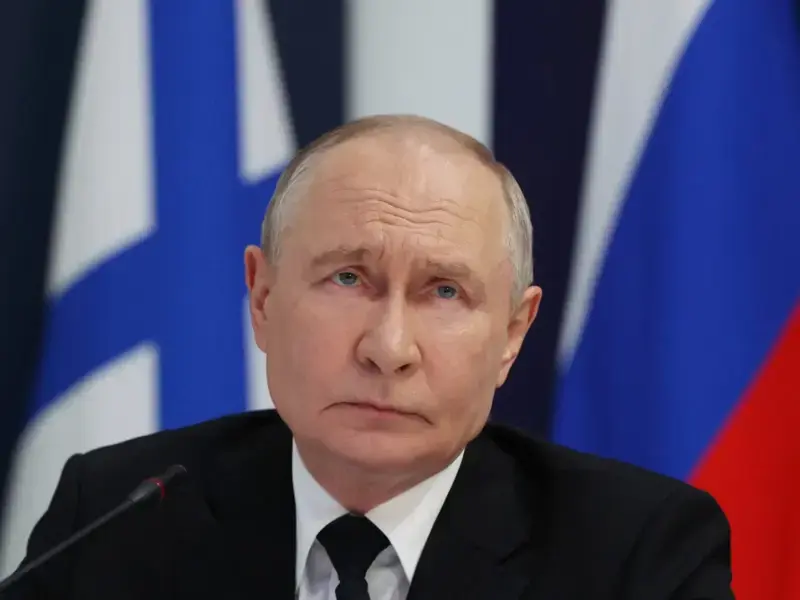
Russian President Vladimir Putin has signed a decree extending the nation's sweeping ban on Western agricultural and food imports through December 31, 2028, lengthening a decade-long embargo initially imposed in response to anti-Russian sanctions. Published on the official portal of legal acts, the decree prolongs "certain special economic measures" from January 1, 2027, through the end of 2028. The counter-sanctions framework was first established by presidential decree in August 2014, targeting nations that had enacted punitive financial and economic measures against Moscow following the annexation of Crimea.
The restrictions apply to broad categories of agricultural products, including dairy, meat, seafood, fruits, and vegetables. It covers imports originating from the United States, the European Union, the United Kingdom, Canada, Australia, New Zealand, Norway, Ukraine, Albania, Montenegro, Iceland, and Liechtenstein, entities formally designated by Moscow as "unfriendly states".

Since the embargo's inception, Russian policymakers have used the import bans as a core economic tool, aiming to insulate domestic supply chains and encourage import substitution. Kremlin officials have repeatedly cited the measures as a key driver of growth in Russia's domestic livestock, dairy, and farming sectors, which received significant state subsidies to scale up production and bridge initial market deficits. Additionally, Moscow has shifted its trade routes to expand agricultural imports from non-Western nations, including regional partners in South America, Serbia, and Asian trade hubs.
Trending Stories
)
‘I have a big decision coming up’: Trump says he’s approaching major ‘crossroad’ in Iran war
)
Abhishek Sharma shatters record with 30-ball century against Afghanistan
)
India seeks to build a full semiconductor supply chain
)
US intel warns China can steal F-35 jets secret from Saudis
)
Former India player Diana Edulji wants Smriti Mandhana to replace Harman as skipper at the earliest
)
Pak defence minister says 'time has come to implement pact'
)
Formula One reveals the 2027 race calendar; Monaco to host sprint race for the first time
&im=FitAndFill=(700,400))
Meet top 5 batters in the latest ICC T20I Rankings
)
All Indian goods to get duty-free access to New Zealand
)
AI already defying, denying humans, is it beyond human control already?
)
240-million-year-old bizarre 'pig with a tusk' creature creates new dilemma over origin of dinosaurs
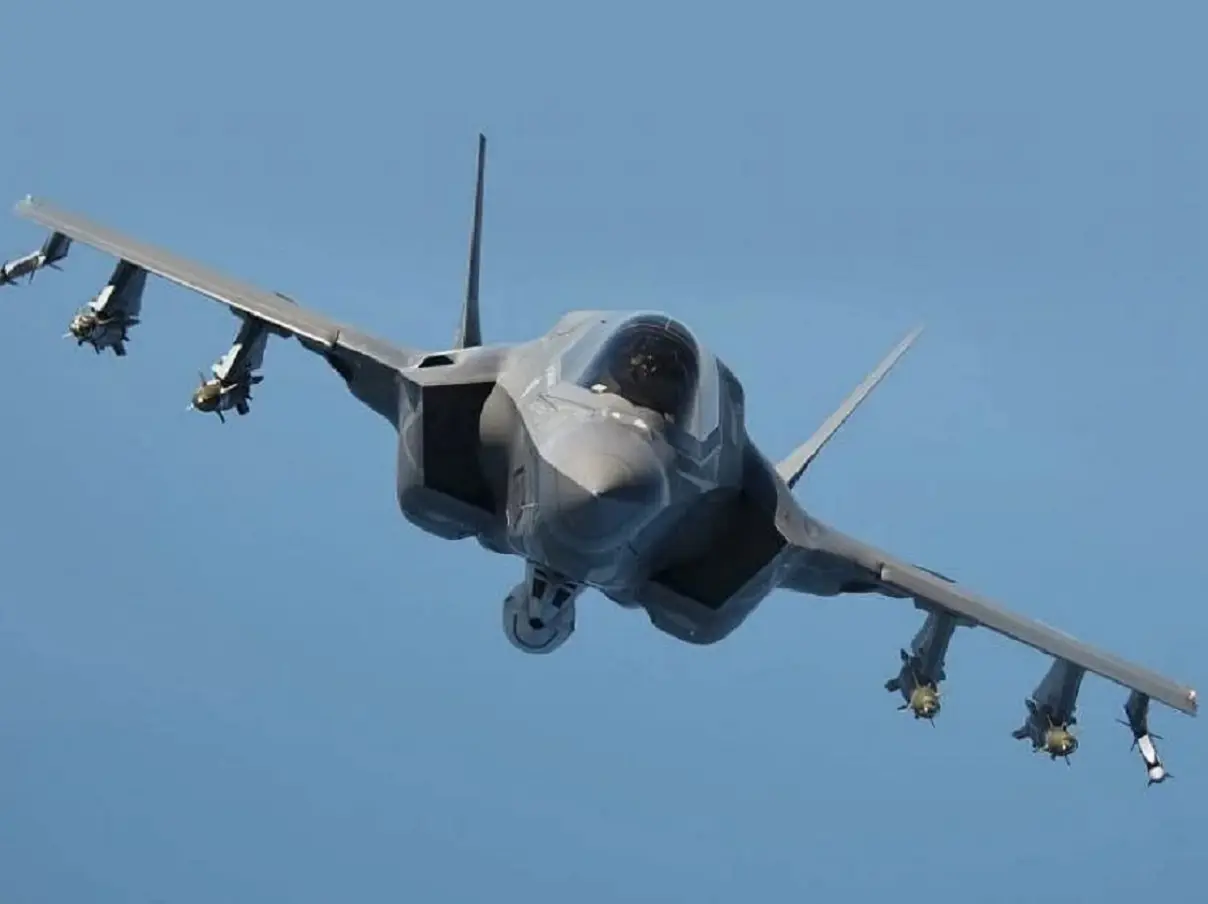)
US to sell 48 F-35 Lightning fighter jets to Saudi Arabia, help it deter threats
)
Hong Kong unveils 11 new measures to boost birth rates, offers higher cash bonuses and housing perks
)
Former OpenAI researcher warns of growing risks from Artificial Intelligence
)
Tata Trusts chairman Noel Tata calls Chandrasekaran’s reappointment ‘illegal’, rejects Tata Sons listing
)
Dolly Parton dies at 80: Country legend’s team reveals cause of death
)
Hong Kong extends newborn cash support scheme by three years
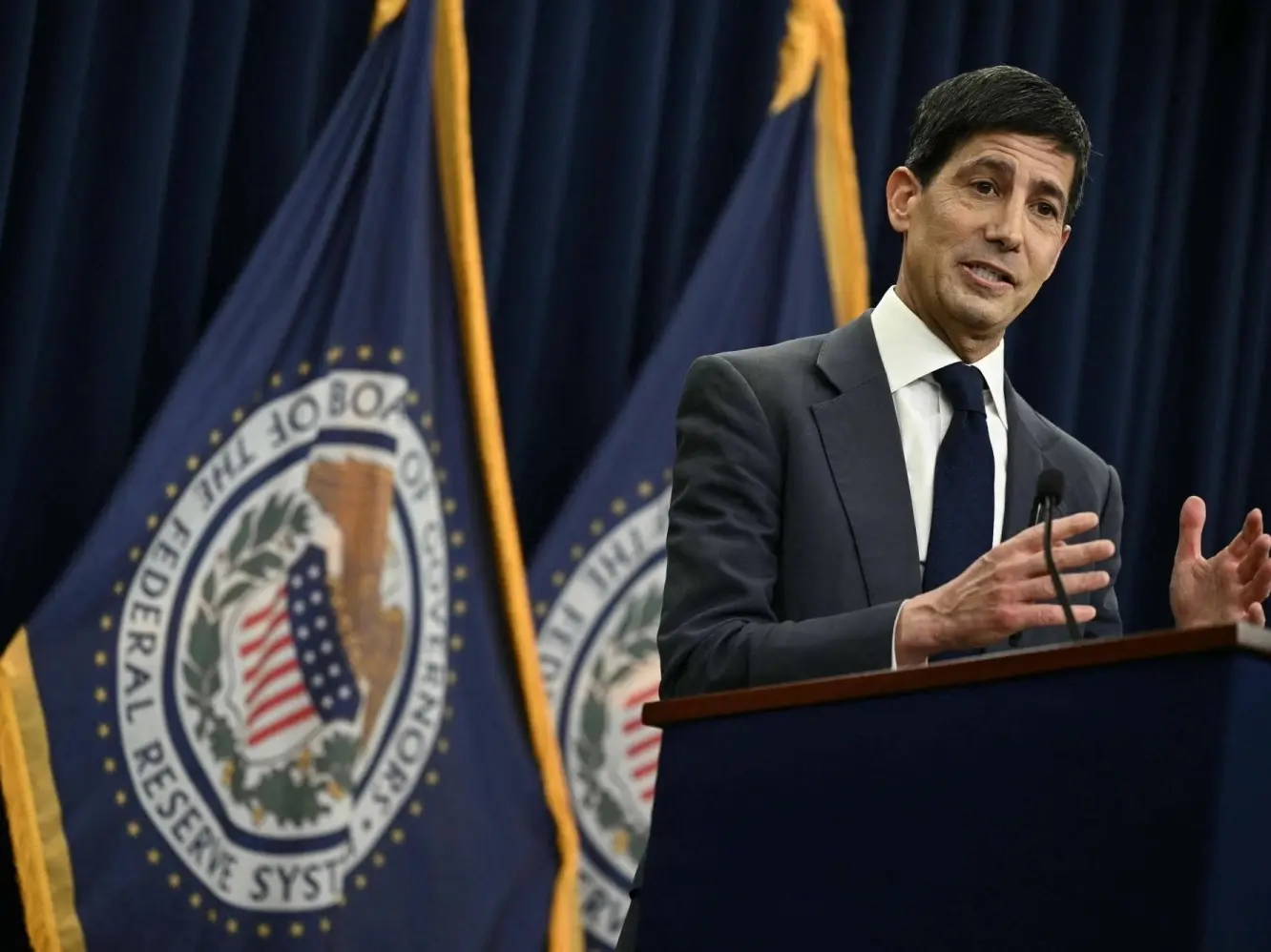)
Fed raises rates for first time in 3 years, Kevin Warsh defies Trump as inflation mounts
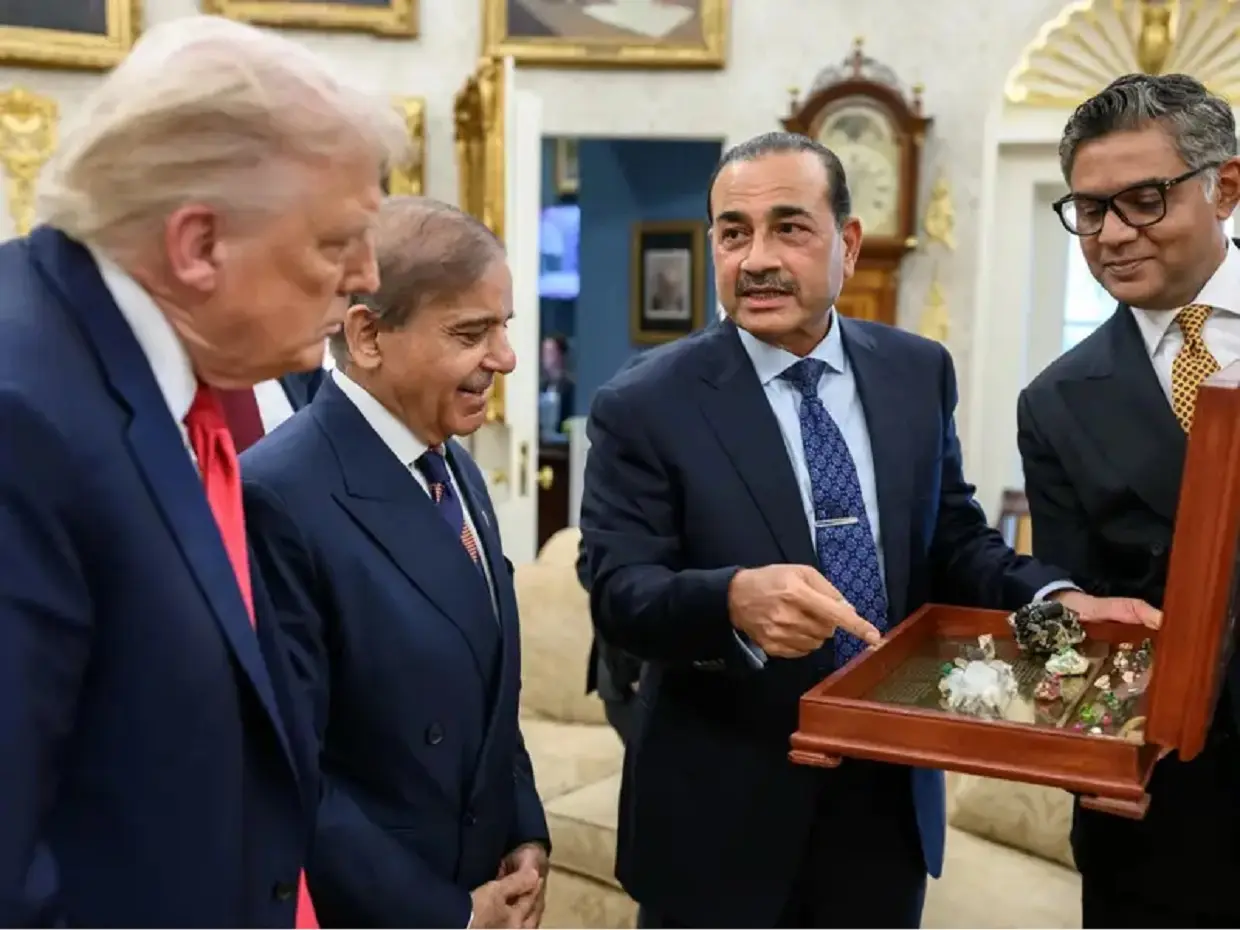)
US drone firm linked to Trump’s sons signs MoU with Pakistan army, gets initial order
)
Pak batter Rizwan's petition against being questioned by cyber crime agency rejected by court
)
Daayra movie review: Kareena Kapoor, Prithviraj Sukumaran shine in Meghna Gulzar’s cop-versus-cop crime thriller
)
Trump could impose tariffs of up to 100%
)
Want to get married within a year? Why 18 lakh people rush to Jaipur for ‘sacred henna’
&im=FitAndFill=(700,400))
Suriya and Jyothika say ‘I do’ again after 20 years! See their dreamy wedding pics
)
Laura Wolvaardt sets new world record for most WT20I runs in a year
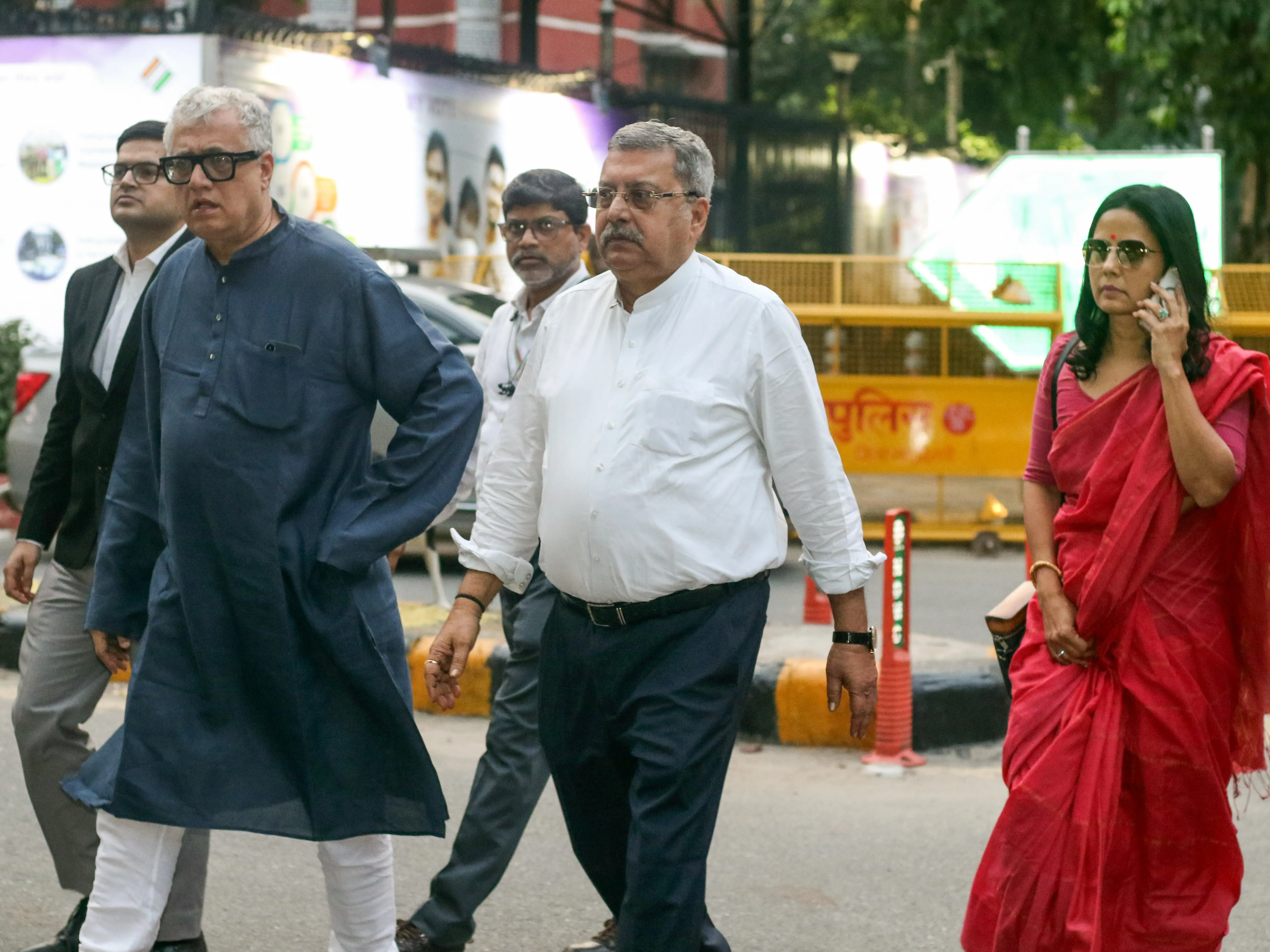)
Mahua Moitra moves UN over alleged exclusion of Muslim officers from Amit Shah events
)
Pezeshkian, Araghchi set to attend UNGA 2026 in New York amid ongoing conflict as US-imposed travel curbs remain
)
Ukraine plans record $109 bn defence spending, nearly two thirds of budget amid Russia war
The latest policy extension comes as global food production and distribution face mounting headwinds from geopolitical friction and severe weather disruptions. Both North American and Western European agricultural sectors have reported notable crop yield reductions due to record summer temperatures and persistent drought conditions, restricting international food trade flows.
By locking in the embargo for an additional two years, the Kremlin signals that its trade posture toward Western economies will remain strictly restrictive for the foreseeable future. Industry analysts note that the move provides long-term regulatory certainty for domestic Russian producers and non-Western exporters, reinforcing the shift of Russia's food market away from traditional transatlantic trade networks.

