Countries pulling up their guard against suspicious apps

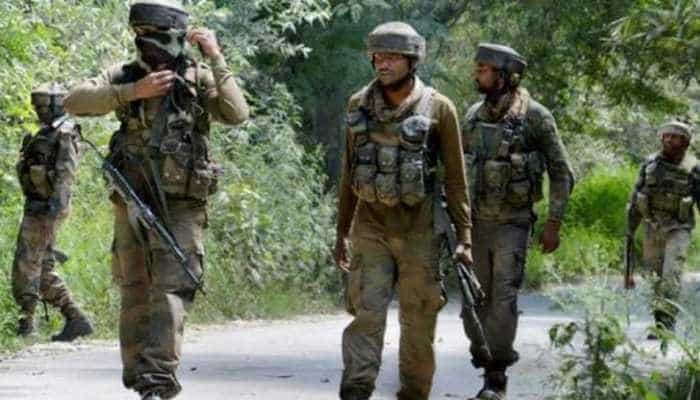
Indian army
The Indian Army has banned 89 applications and asked all its officers and soldiers to uninstall them by July 15, reports said on Wednesday.
These include Facebook, TikTok, Snapchat, Instagram, Tinder, OkCupid, UC Browser, Bumble, ShareIt, Xender, Helo, CamScanner, Club Factory andothers.
The decisioncomesaround 10 days after the Indian governmentprohibited 59 Chinese mobile applications, including the famous video-sharing app TikTok, offering a harsh expression on India's stand against Chinese aggression.

Also read: India bans 59 Chinese apps including TikTok, Shareit, UC Browser citing national security
However, India is not the first country to resort to this move. Several militaries across the world have been pulling up their guard against suspicious apps.
Countries like Turkey and Russia have banned the use of smartphones altogether at forward posts.
)
What’s in a name? Trump’s 'Lake America' move gets a tit-for-tat response from Canada
)
Trump gifts Xi a bald eagle sculpture at White House dinner: Here’s what it symbolises
)
‘Not just a local tragedy’: Nepal PM Shah warns UN of growing climate threat, says Nepal floods were 'a warning to the world'
)
CNN, Politico and MS NOW back in White House after judge blocks Trump’s media ban
)
US judge questions Trump’s decision to ban CNN, MS NOW and Politico from White House
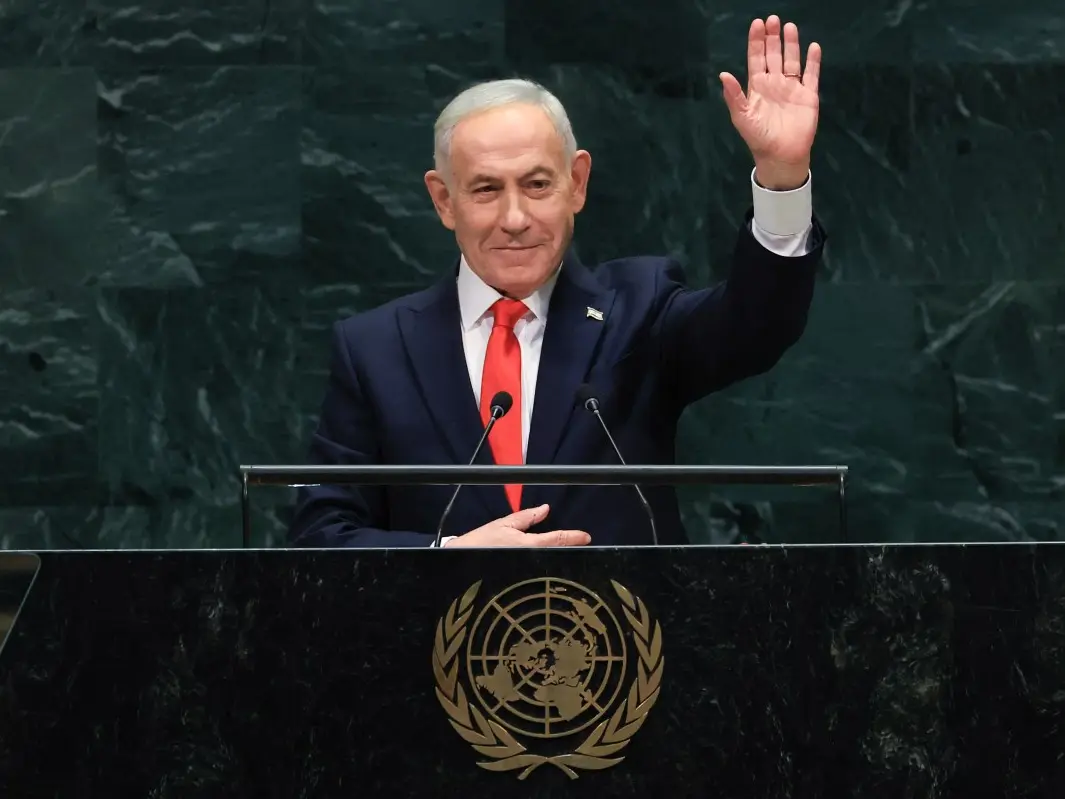)
'We would all be dead': Netanyahu defends decision to strike Iran's nuclear facilities in his UN speech
)
Mumbai Indians appoint Luke Williams as head coach for Women’s Premier League
)
IIT Bombay CCTV footage emerges: Sahil Wakode seen looking at phone in examination hall
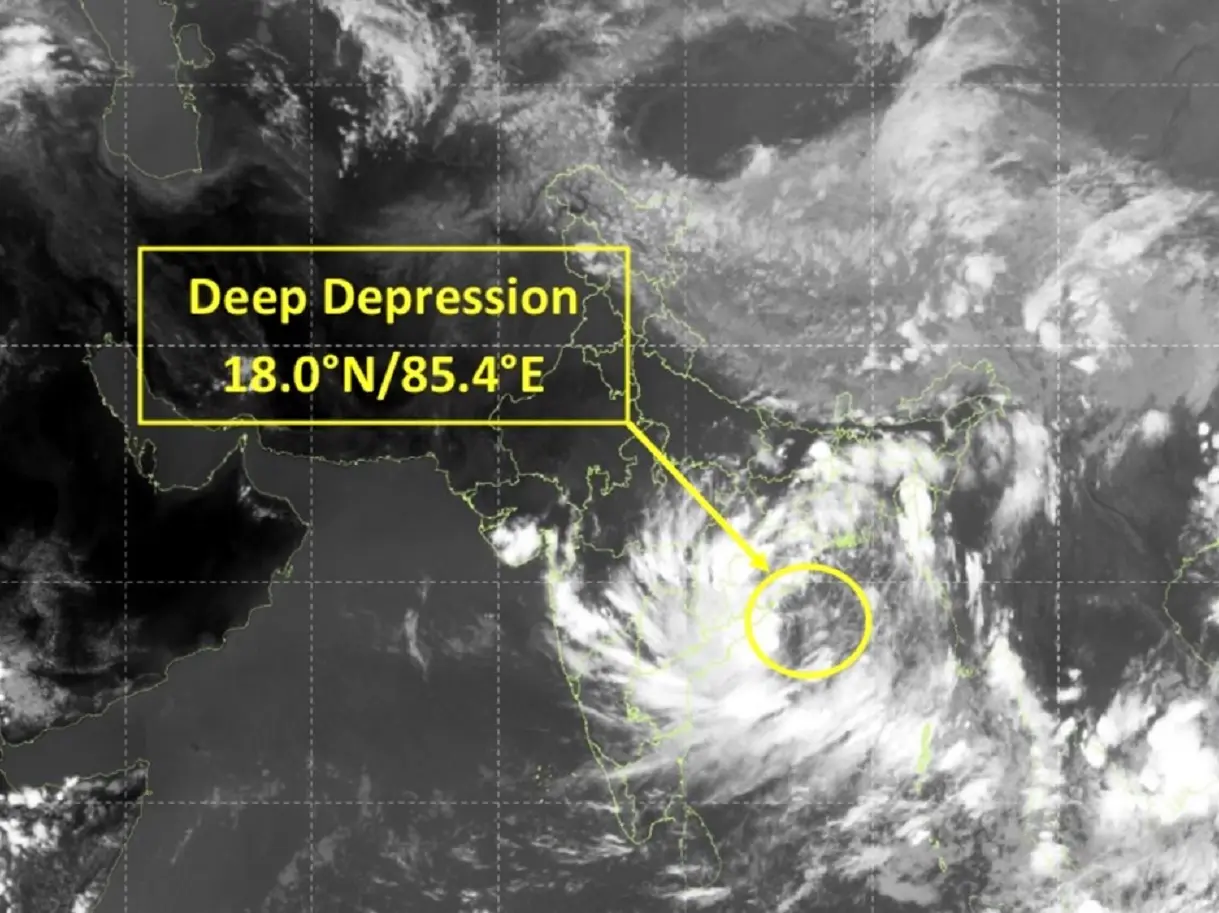)
Cyclone Arnab: Landfall expected before midnight tomorrow as IMD issues orange alerts across six states
)
Welcome actor Mushtaq Khan dies at 56 after battling cancer
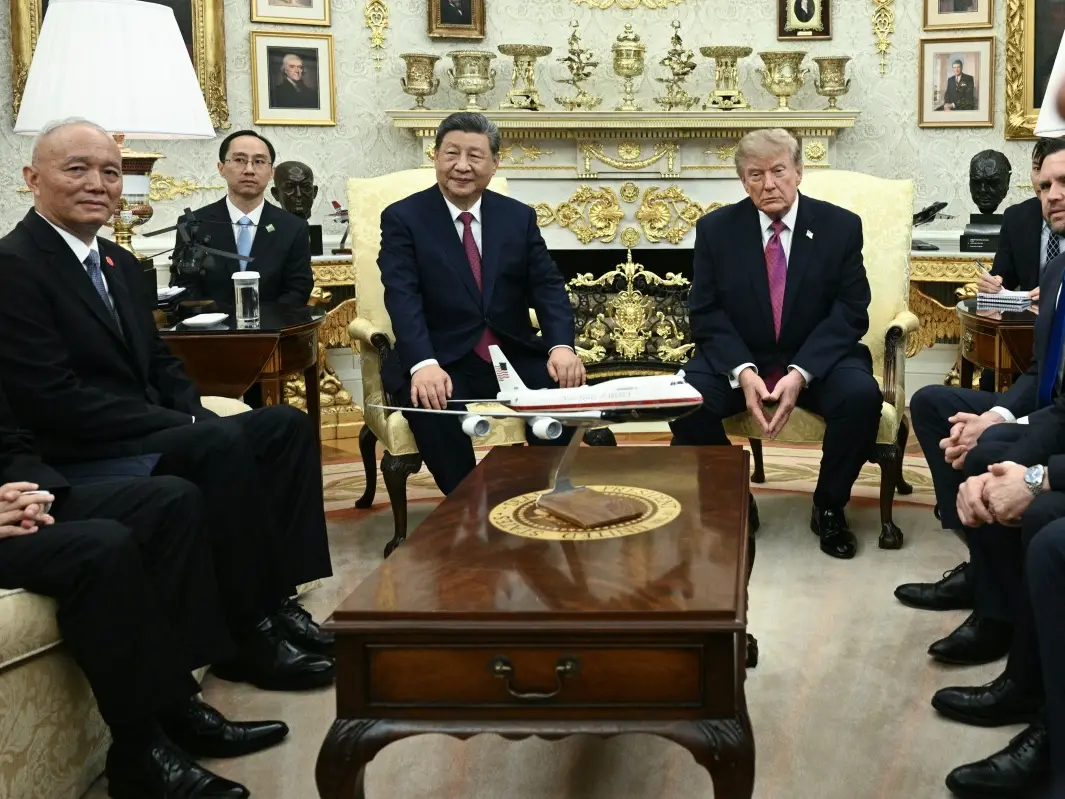)
Trump's welcome to Xi demonstrates 'attraction' to dictators: Chuck Schumer
)
WION Iconic Tourism Summit 2026: Union Minister Shekhawat on 'experiential travel', peace diplomacy
)
Nations League: Germany draw on Klopp debut; Portugal, Norway win
)
'AI got into my speech': Prince Harry jokes after teleprompter failure at event in New York
)
Scientists detect first radio signals directly from faraway planet
)
What’s on the menu? Inside Trump’s lavish White House state dinner for Xi
)
A seven-day roadmap? Iran proposes plan to end war, reopen Strait of Hormuz and resume nuclear talks
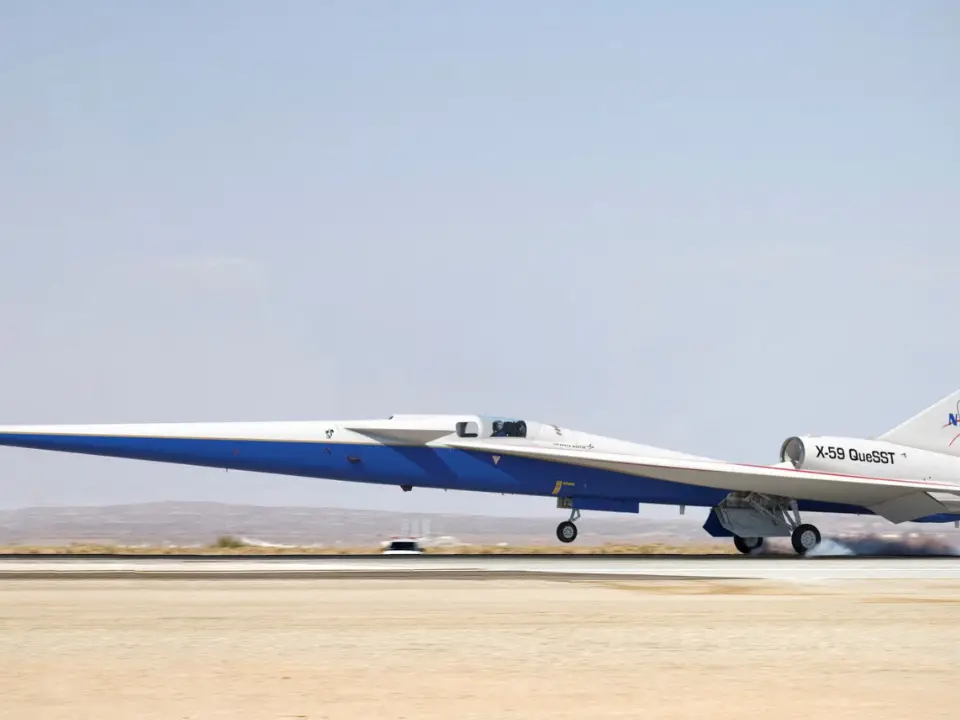)
China to test supersonic jet that moves at Mach 2, double the speed of sound
)
Xi Jinping's 'special plane' vs Trump's Air Force One: What's the difference?
)
West Indies coach Sammy looking at India series as opportunity to finetune ahead of ODI World Cup 2027 qualifiers
)
‘We’ve never gotten along better’: Trump praises Xi, jokes about White House ballroom at high-stakes state dinner
)
Nearly half of young people trust AI over humans to check facts, major study finds
)
'Partners rather than rivals': Xi Jinping's first message after landing in US for Trump summit
)
Yemen called Trump for US military support in fight against Houthis: Official
)
2,000-foot tube, laser tests and more: China builds towns to expand nuclear arsenal, satellite images show
)
Meet Adrian Abraham: 9-year-old Indian-origin guitar prodigy aiming for a Guinness World Record
)
US faces fresh cost crunch as mortgage rates hit 7%, oil tops $107 and gas prices surge
)
Trump-Xi state dinner 2026: Who is invited? Full guest list of tech CEOs, business leaders and officials
)
Alarming video emerges as landslide damages houses in Sikkim’s Rimbi village. Watch
)
'Making history': Xi Jinping praises Trump as US-China leaders dine at White House
)
Australian PM Anthony Albanese calls OpenAI AI incident 'unacceptable' after restricted data access
)
'What kind of confession is this?': Pakistan PM Shehbaz Sharif’s 'terrorists would be roaming New York' remark goes viral, raises alarm online. Watch
&im=FitAndFill=(700,400))
Netanyahu at UN: Mass walkout, attack on Mamdani and Iran threats | In Pics
)
'We do not wish to continue. It's America that must choose': Iran president Pezeshkian calls on US to end war
)
WION Iconic Tourism Summit: How local tourism MSMEs must upskill for AI integration
)
EC appointment law: Why is the 2023 act controversial, and what happens next? WION explains
)
Who is Lt-Gen Nauman Mahmood, Pakistan's first secretary general of Makkah Defence Alliance?
)
Israeli envoy to US Yechiel Leiter’s son critically injured in West Bank ramming attack
)
'Fund people, not bombs': Hundreds take to New York streets as Netanyahu delivers speech at UN; dozens arrested
Soldiers with smartphones can be easy targets for the enemy especially at a border with war-mongering China.
Cell phones are fearfully insecure is asimple malware trap andthey could reveal strategic locations and positions.
For soldiers a smartphone can be a morale booster but it can also undermine operational security.
China has already warned its troops against cab-hailing apps citing thatthey pose security risks.
GPSdetectors canpass on the user's location and personal information. China claimed hackers were collecting location data around military installations...
In January,the USDefence forces bannned Tik-Tok after a Pentagon directive. Now the USNavy has gone on a Twitter rant advising its sailors to not to use Tik-Tok.
In 2017, Israeli army launched a smartphone for its soldiers. The encrypted phones allow soldiers to send text messages, images and e-mails securely.
But since 2017Hamas has tried thrice to honey-trap Israeli defence staff through dating apps. They attempted to dupe troops by posing as Israeli women.
Now, Israel has put up posters in barracks saying warning to stay on guard against the enemy is listening.
In 2016, Indonesia banned police and military personnel from playing pokemon go. The move came after a Frenchman entered a military base hunting for virtual pocket monsters.
Just a week before,the police had fought off a gunman and foiled a suicide bombing attempt outside a police station.
Some intelligence agencies are not only tracking troop movements they also follow individuals when they go home.
Few NATOpersonnel in the Baltics and their families were apparently traced by Russian entities.
Enemies will always exploit vulnerabilities, both technological and human. Smartphone apps expose both the weaknesses at once.
Social media posts can help find and track soldiers as well as pull the curtain on military activity.