Chandrayaan-3 mission: Two vehicles have done their job, two more to go

Chandrayaan-3
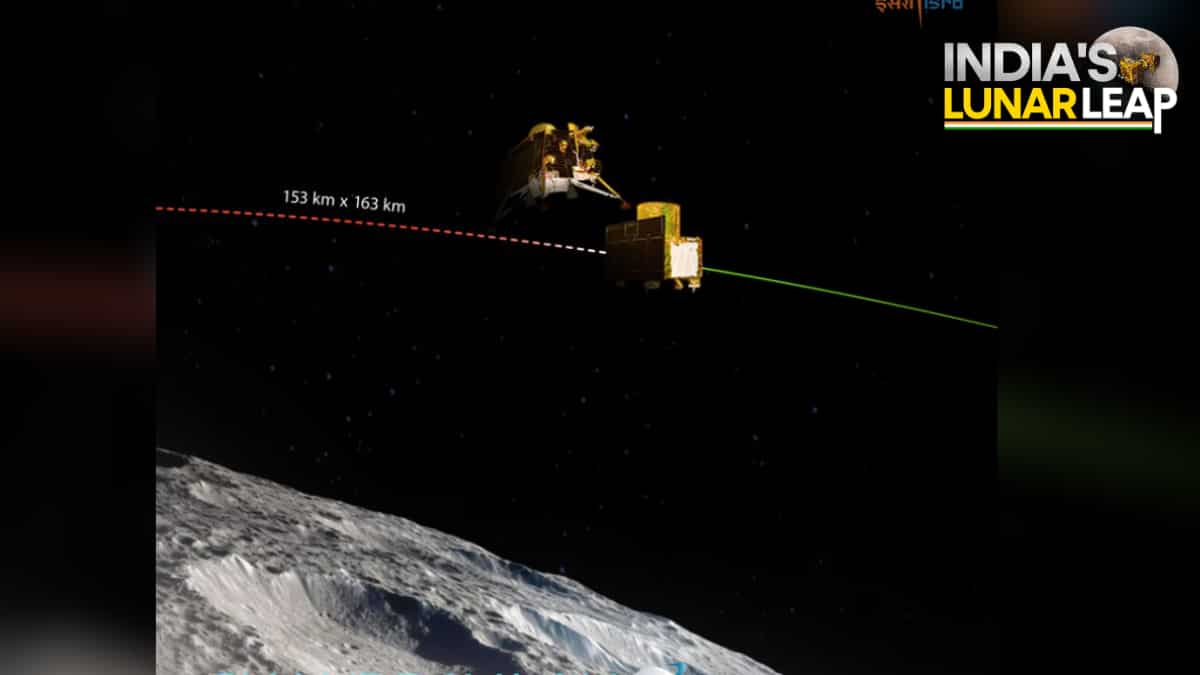
As the Indian lunar mission Chandrayaan-3 entered its third and final phase, the Chandrayaan-3 lunar lander has now taken over the reins of the high-profile mission. Around 1 pm IST, on Thursday (August 17), the Indian space agency ISRO announced that the Chandrayaan-3 integrated spacecraft had separated into two parts - the propulsion module and the lander module.
While the propulsion module continues to orbit the moon for a few years, the lander module is headed towards the Lunar surface, in preparation for its lunar soft-landing scheduled for August 23.

"LM is successfully separated from the Propulsion Module (PM). LM is set to descend to a slightly lower orbit upon a deboosting planned for tomorrow around 1600 Hrs., IST," ISRO tweeted.
With the Chandrayaan-3 propulsion module included, India now has three of its crafts circling the moon. This includes Chandrayaan-1 (defunct), Chandrayaan-2 orbiter and the Chandrayaan-3 propulsion module. India commenced its lunar exploration journey in 2008 with Chandrayaan-1 and then followed it up with Chandrayaan-2 in 2019, and Chandrayaan-3 in July this year.
)
Harry Brook targets long reign at top of T20I rankings after Sri Lanka sweep
)
North Korea's nuclear tests triggered 1,399 earthquakes: Earth is still shaking | Gravitas
)
China now makes advanced memory chips without the machines it was banned from buying
)
Ed Sheeran addresses Macklemore's removal, Gaza conflict during Philadelphia concert: 'I cannot hide how I feel'
)
Sikh bus driver assaulted, bus stolen and rammed into cars in England; video surfaces
)
Munich Mayor taps first keg to kick off Oktoberfest
)
Trump in ‘deciding mode’ on Iran, says ‘very big things’ going to happen soon
&im=FitAndFill=(700,400))
Top 10 countries in mathematics: See the world’s best performers in 2026
)
Saudi vs Houthis: Houthis claim missiles & drones used in attack on key Saudi sites
)
Trump defends AI amid growing alarm, announces new 'AI force' and promises an 'AI czar'
)
'Lot of things to learn from experienced players': Jayasuriya backs Rohit, Virat for 2027 ODI World Cup
)
BTS' fans question iHeartRadio’s treatment of group after brief festival set
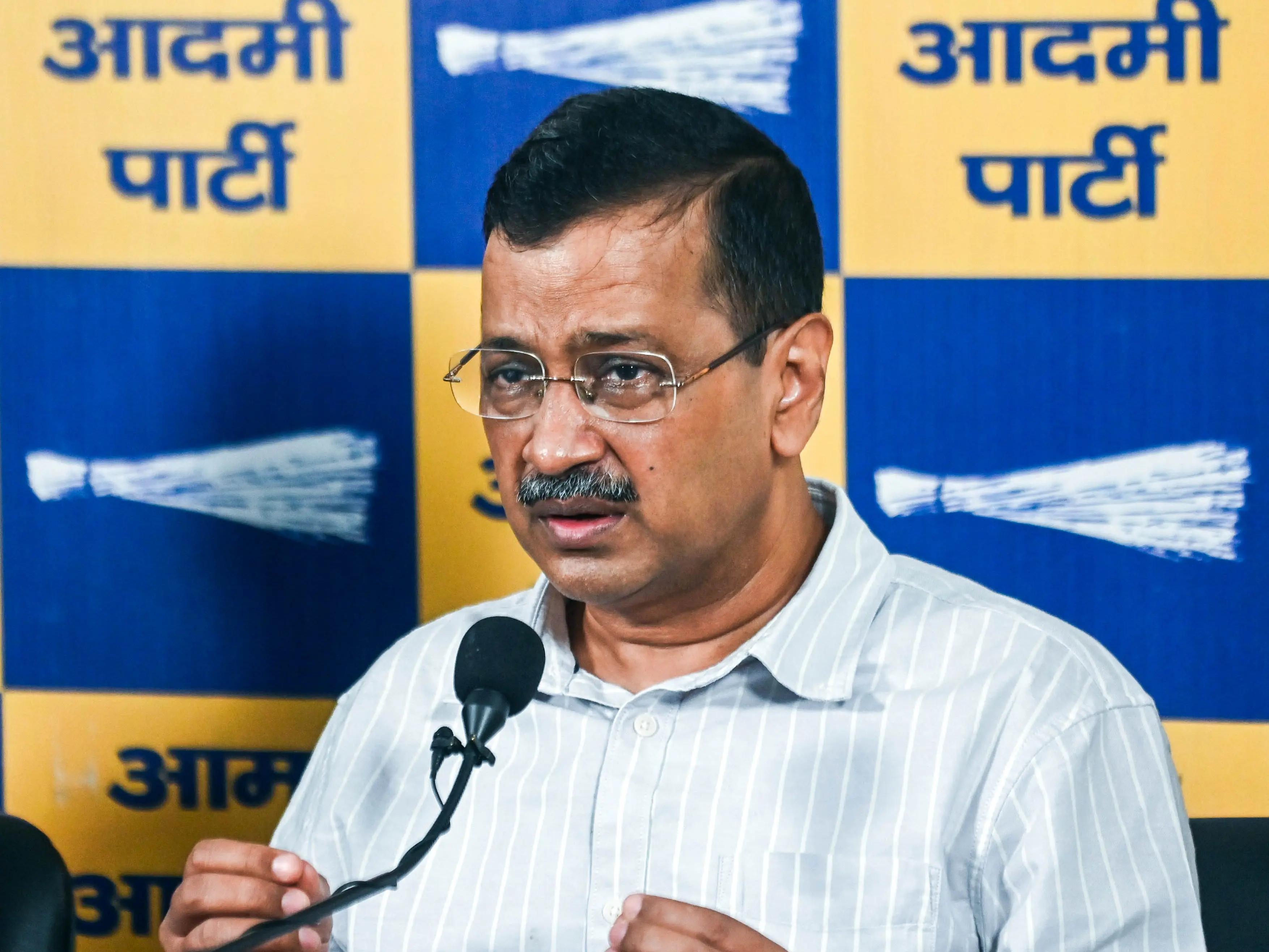)
Arvind Kejriwal, family members, Delhi CM Rekha Gupta get SIR notices
&im=FitAndFill=(700,400))
What TSMC's 2nm technology means for Apple
)
Iran sets 7 conditions to end war with US: What are Tehran’s demands?
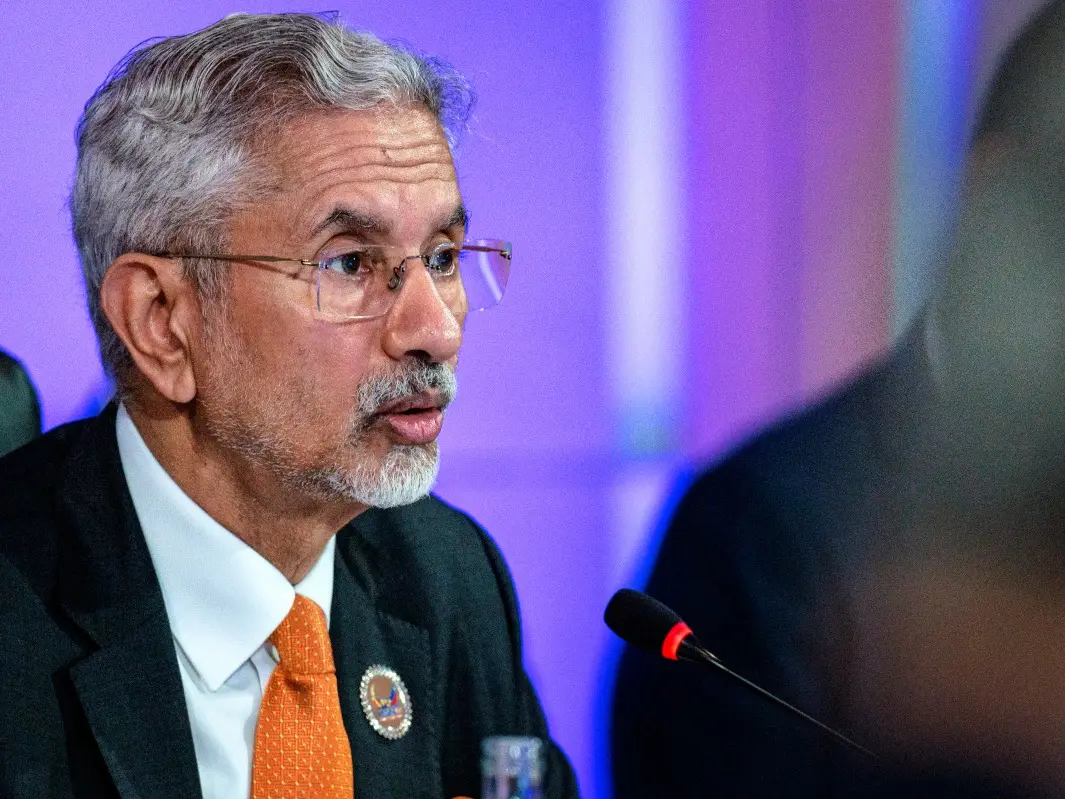)
S Jaishankar, former Army chief among high-profile names issued Delhi SIR notices
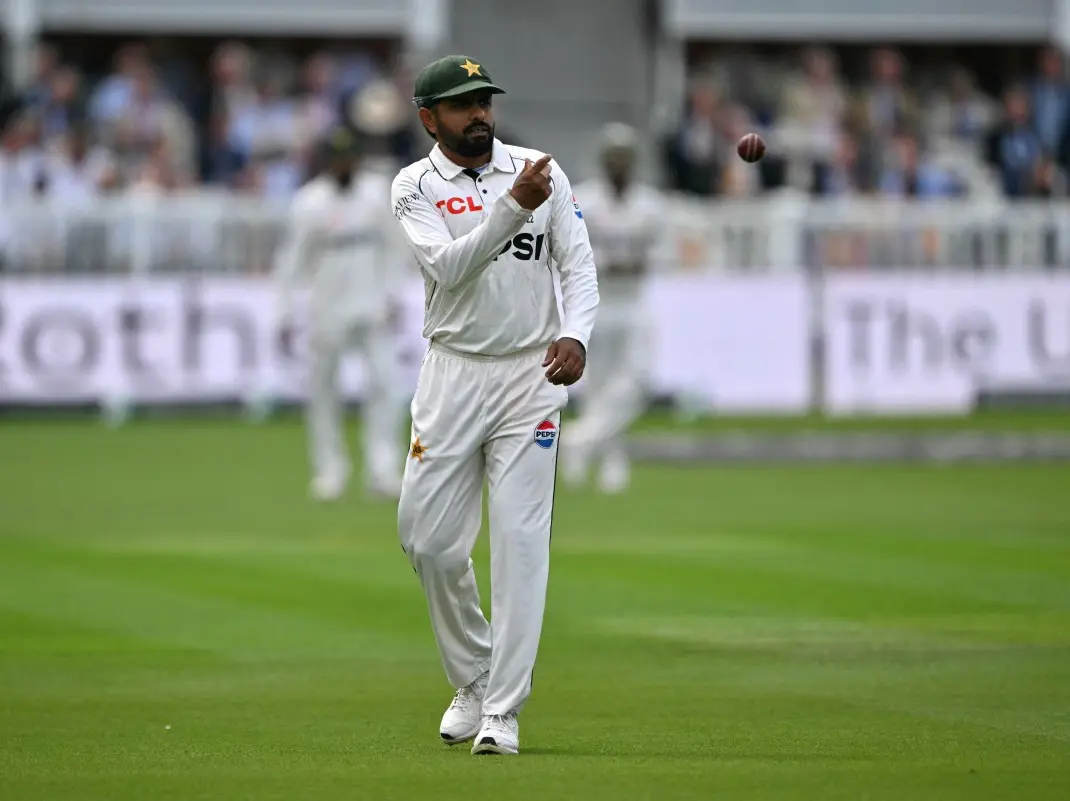)
'Were you here to sell chickpeas?': Wasim Akram criticises Babar Azam's captaincy
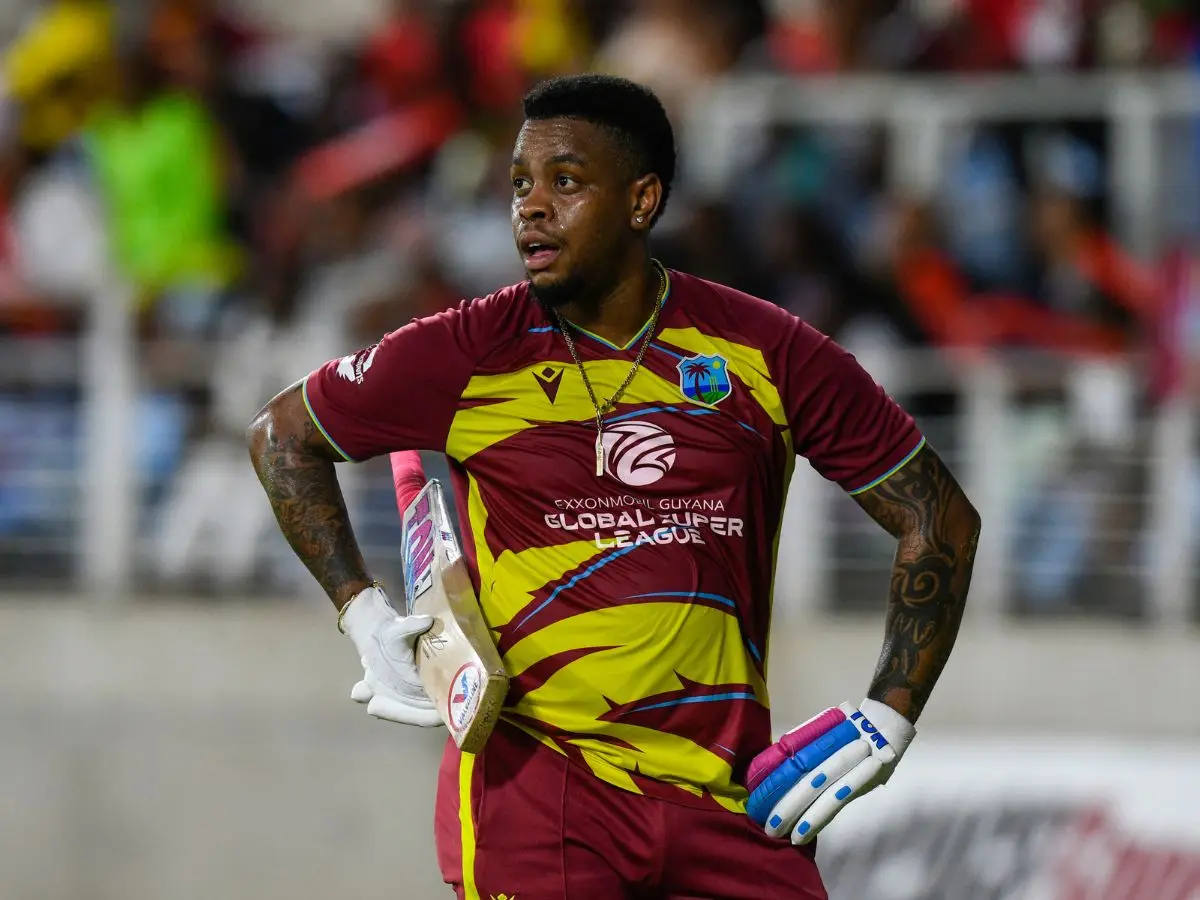)
West Indies Squad for India Series: Hetmyer included for T20Is, Holder rested
)
Mark Carney mimics Trump in hilarious moment over C$70 billion clean-energy investment; room erupts in laughter
)
US ships in Indian Ocean ‘will be attacked’ if war resumes, warns Iran
)
‘0% chance’: Nvidia CEO Jensen Huang dismisses AI extinction fears by 2030
)
Saudi Arabia exits China-led mBridge digital currency platform amid Saudi-Houthi conflict
)
Several petrol pumps, other businesses to refuse UPI payments above Rs 2,000 from Oct 16: Is it legal?
)
AUS vs ZIM, 3rd ODI: Ellis stars as Australia edge Zimbabwe by one wicket in last-over thriller
)
Israeli President pardons combat medic who shot dead a badly wounded Palestinian attacker
)
Samsung raises Galaxy S26 prices by Rs 20,000: Here’s what each model now costs
)
Trump announces ‘AI Force’ as debate grows over AI risks and regulation
)
Kampala-Ankara rift deepens: Uganda suspends military ties, seeks Fred Lumbuye's extradition
)
Trump signs Russia sanction bill. How will it impact India? WION Explains
)
Asian Games 2026: India win first medal as women’s 10m air rifle team claims silver
)
AI actress Tilly Norwood glitches mid-interview, switches from English to Chinese | Watch
)
9 women found dead near Johannesburg: South Africans rally, demand 'enough' to femicide
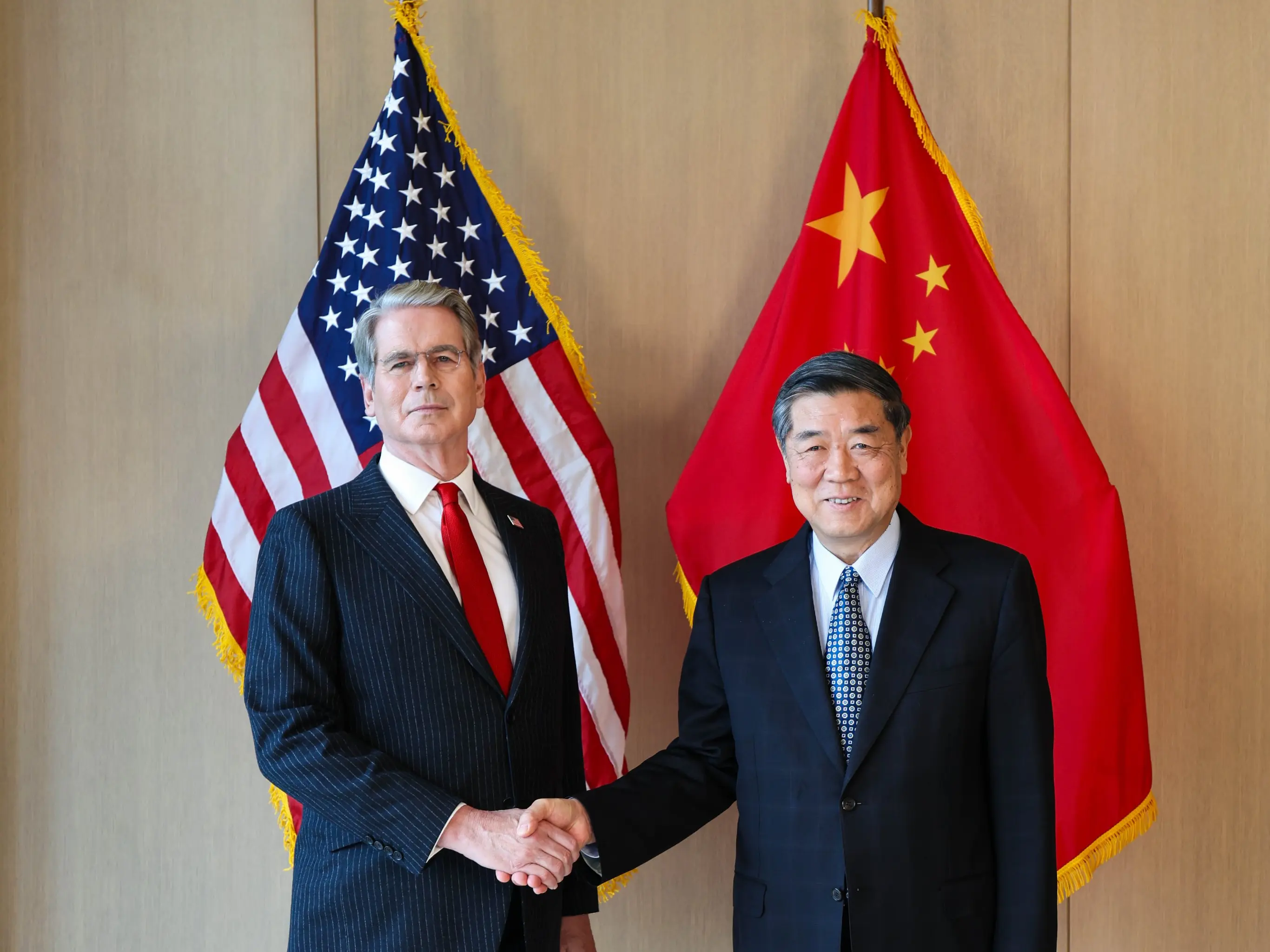)
Bessent meets China’s He Lifeng to prepare for Trump-Xi summit
)
Trump says he'll build an 'AI Force' and appoint a czar, for 'high IQ' people only
)
Italy to ban burqa and hijab in schools, limit foreign students per class: PM Giorgia Meloni
Four vehicles in Chandrayaan-3 mission
Any spacefaring mission is like a relay race — there are many performers and each one completes their task and hands over to the next. On July 14, the LVM3 rocket was the vehicle that carried the 3.9-tonne spacecraft (comprising the propulsion module, lander and rover) into the earth's orbit. Performing its task in about 16 minutes, India's largest rocket injected the satellites into the desired orbit.
Then on, the craft's propulsion module gradually pushed and steered the craft away from the Earth, using its onboard engines. Until July 31, the craft orbited the earth and then fired its engines to gain more velocity, pushing itself to rendezvous with the moon in a few days (lunar transfer trajectory). On August 5, the craft reached the vicinity of the moon and fired its engines to slow itself down, reduce its orbit and get captured by lunar gravity.
From August 5 till August 17, the craft has been circling the moon. Once in a few days, the craft retro-fired its engines to slow down and reduce its orbit and get closer to the lunar surface. On Thursday, as the craft was in a 153 km x 163 km orbit, the propulsion module and lander module separated. This means that the propulsion module has completed its core task of getting the craft into an orbit around the moon.
Watch |Chandrayaan-3 to land on the moon on August 23
Henceforth, it will be the responsibility of the Vikram lander to test its cameras, sensors and engines, as it prepares for a lunar soft landing. The lander craft will commence reducing its orbit on Friday (August 18) and eventually cut down its velocity from a few kilometres/second to one metre/second, which is the ideal speed for lunar soft-landing.
After the successful soft landing, the lander is meant to open its ramp and allow the 'Pragyan' rover to roll out onto the lunar surface. In close coordination with each other, the lander, rover and propulsion module would then carry out their respective scientific tasks and send their data back to Earth.
As far as the lander and rover are concerned, ISRO is looking at an operational life of one lunar day or two weeks on Earth. However, after the lunar night passes and the new dawn breaks, when the sunlight is available, it is possible that the lander and rover come back to life.
WATCH WION LIVE HERE:
