

&imwidth=800&imheight=600&format=webp&quality=medium "Only 10kg in 14.2kg cylinder: Less gas, same cylinder? Shocking LPG plan under review as Hormuz crisis bites India")
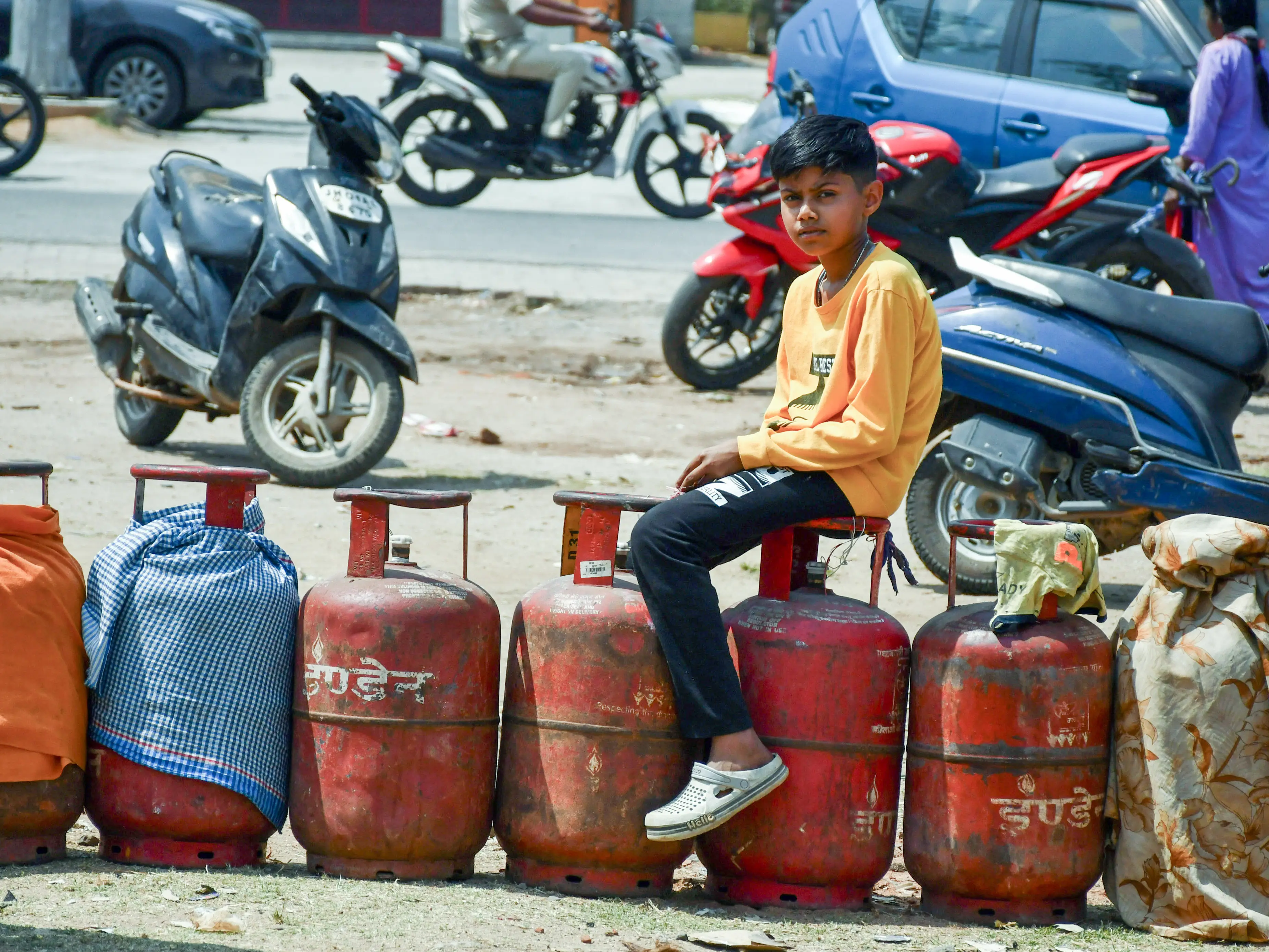
As the West Asia war chokes the Strait of Hormuz, the Indian kitchen is feeling the heat. With India's cooking gas supply under strain, a proposal now under consideration could change how LPG cylinders are delivered to your household, at least temporarily. On Monday (Mar 23), reports emerged that Oil Marketing Companies (OMCs) are considering a radical proposal to supply underweight LPG cylinders to stretch dwindling stocks. While the Ministry of Petroleum has dismissed claims of selling 10kg gas in standard 14.2kg bottles as "highly speculative," state-run refiners confirm the plan is "under consideration" to prevent a total stockout. Here's all you need to know.
Gas companies to supply 10kg in 14.2kg LPG cylinders?
Reports suggest that oil marketing companies are weighing the option of supplying underweight cylinders as the LPG shortages persist. The idea, still pending government approval, is to distribute less gas per cylinder so that available stock can be stretched across more consumers.
Government of India says no such plan exists
Reports suggesting that companies may begin selling 10 kg of LPG in standard 14.2 kg domestic cylinders have been denied by the petroleum ministry. Officials described such claims as "highly speculative" and urged the public not to draw conclusions at this stage.
Trending Stories
"There cannot be any comment or explanation to any speculation… please don’t believe in rumours. This is highly speculative," said Sujata Sharma, joint secretary in the Ministry of Petroleum and Natural Gas. She insisted that bookings for refilling domestic cylinders had eased to nearly 50 lakh, with supply continuing as normal.
Even so, refiners confirmed that a proposal along similar lines has been submitted. "This is indeed being considered, but the decision has to be taken by the govt," said an official from a state-run oil marketing company, as quoted by Times of India.
India's LPG Supply pressure builds
The discussion comes as LPG availability tightens amid ongoing disruptions linked to the conflict in West Asia. Shipping through the Strait of Hormuz, a critical route for energy imports, has slowed, affecting the movement of both crude oil and gas.
India depends on imports for about 60 per cent of its LPG needs. Recent data suggest incoming shipments have dropped sharply. On Monday evening, two Indian-flagged LPG tankers, carrying around 92,600 tonnes of cooking gas, crossed the war-hit Strait of Hormuz. The ships - Jag Vasant and Pine Gas - are likely to reach ports between Thursday and Saturday, the shipping ministry said.

