30 years of Jurassic Park: How Steven Spielberg's blockbuster inspired a generation of palaeontologists


Jurassic Park remains iconic even 30 years after its release.
Steven Spielberg's Jurassic Park, released 30 years ago, forever changed the cinematic landscape of Hollywood. Adapted from Michael Crichton's best-selling novel, the film became a blockbuster phenomenon, enchanting audiences with its story, visuals, and a memorable soundtrack. However, its impact extended beyond its status as a summer popcorn flick, as it sparked a deep fascination for dinosaurs among its young viewers, ultimately inspiring many to pursue careers in palaeontology. It was in many ways more than just a dinosaur movie; it pushed the boundaries of filmmaking. While the on-screen appearances of the dinosaurs were sparing, their impact was magnificent. Spielberg employed a classic technique of hiding and revealing, heightening the sense of awe and wonder. The film seamlessly blended cutting-edge CGI with practical effects like animatronics, breathing life into these long-extinct creatures. Even today, the visual effects in Jurassic Park remain remarkable and timeless.
Jurassic Park's Alan Grant was not a macho, gun-toting warrior but a humble palaeontologist
Jurassic Park took a refreshing departure from the typical hero archetype in such action films. Instead of a gun-wielding, macho figure capable of overpowering a horde of T-Rexes, the film introduced Sam Neill's Dr Alan Grant, a palaeontologist who was clumsy but also very, very good at his job. He was a scholar deeply immersed in his quest for new dinosaur fossils, to the point of lacking basic seat belt fastening skills. His weapon of choice was simply his extensive knowledge of dinosaurs. In the world of Jurassic Park, where genetically resurrected ancient creatures ran rampant, this expertise proved to be invaluable.

How Jurassic Park inspired an entiregeneration of palaeontologists
As the film transported audiences into a world where dinosaurs roamed once again, it ignited a flame of fascination and wonder in the hearts of countless viewers. For many children, including palaeontologists-to-be, the movie sparked an enduring passion that would shape their future careers.
)
Trump-Xi Summit: Trade, Taiwan and the red lines shaping US-China talks | Race To Power
)
US citizen injured in Illinois after ICE agents mistook him for fugitive, hospitalised
)
US judge questions Trump’s decision to ban CNN, MS NOW and Politico from White House
)
Afghan woman cyclist who disguised herself as a boy to escape Taliban, wins Asian Games medal
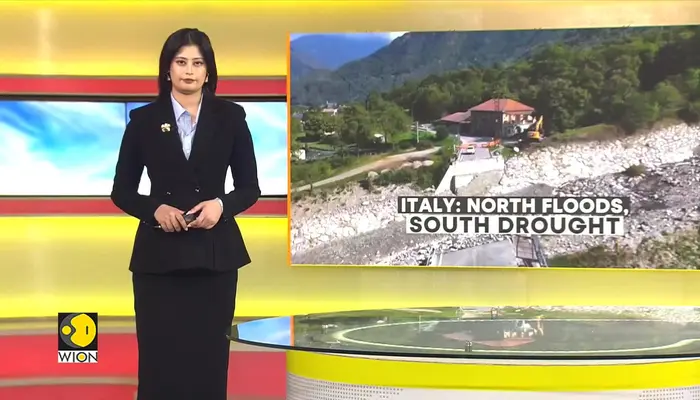)
Italy hit by floods in the north, drought in the south
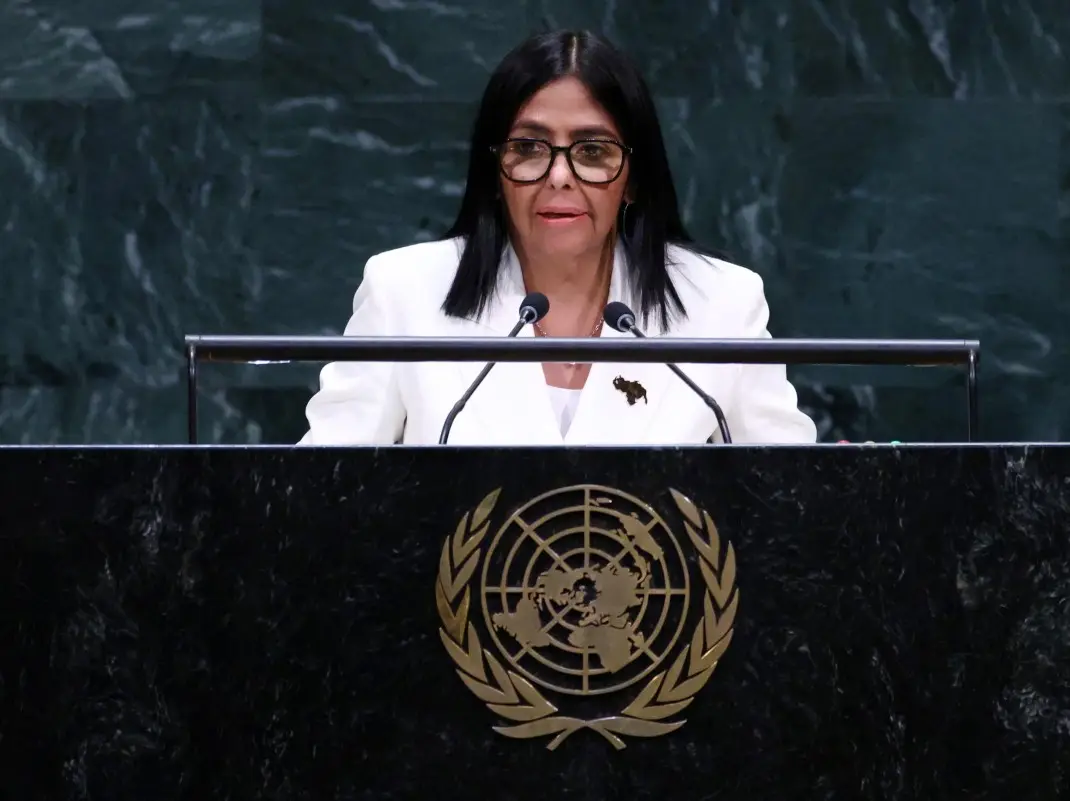)
'There will be elections': Venezuela's interim leader Delcy Rodriguez makes big announcement at UN
)
Would you date an AI? South Korea’s My AI Partner: Strange Love sparks buzz on relationship and intimacy
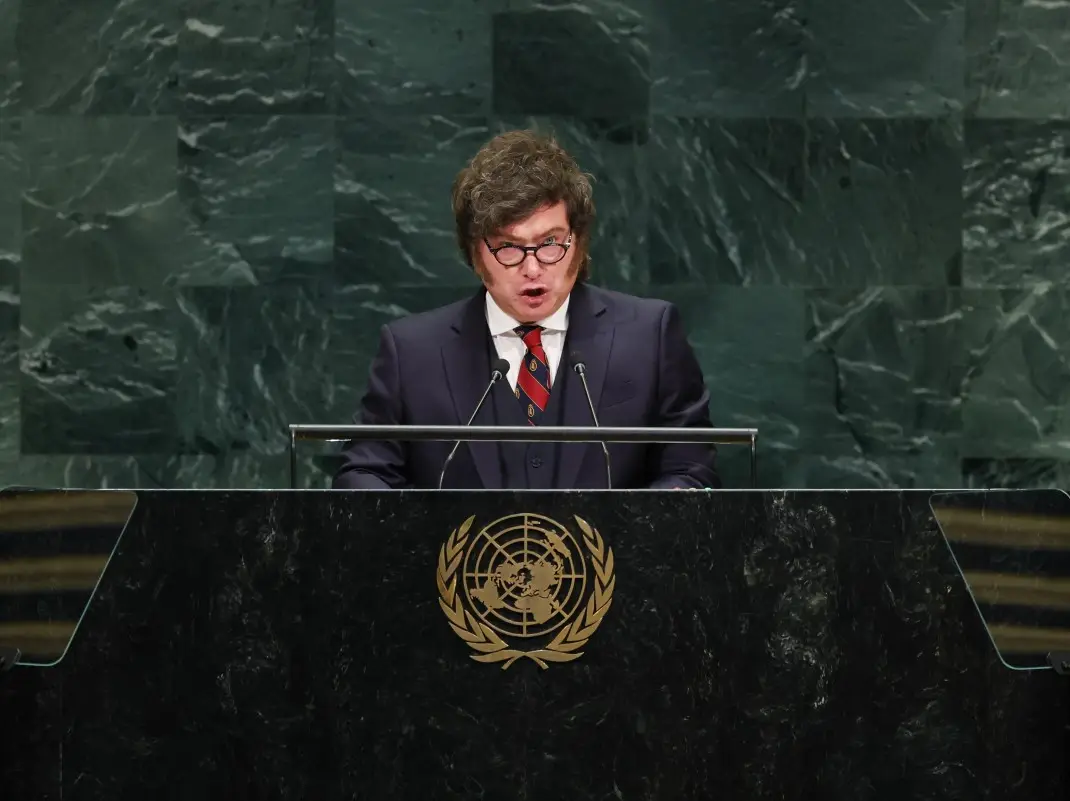)
'Arrogant parasites': Milei blasts UN over Falklands dispute, warns Argentina will ‘take matters into our own hands’
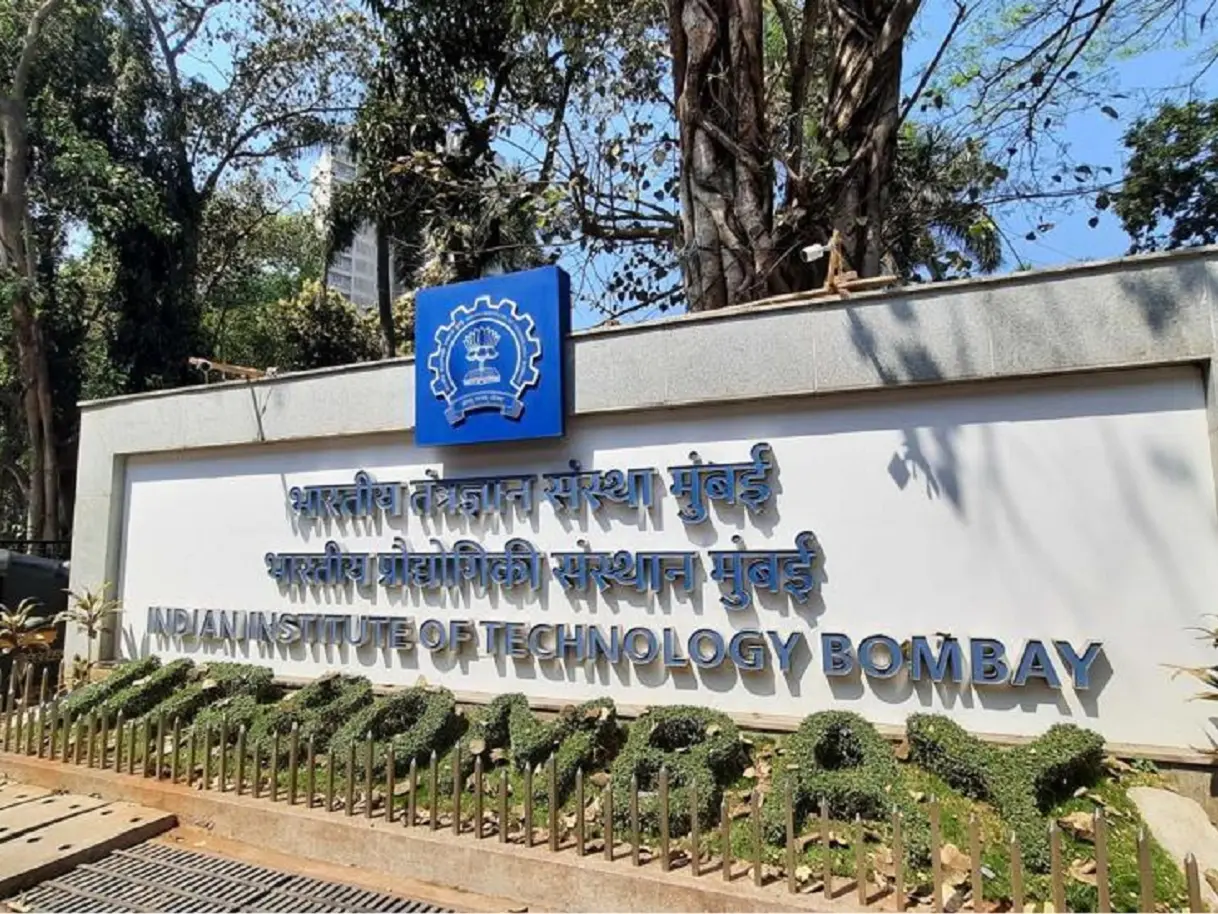)
IIT Bombay CCTV footage emerges: Sahil Wakode seen looking at phone in examination hall
)
Cyclone Arnab: Landfall expected before midnight tomorrow as IMD issues orange alerts across six states
)
9 killed, several injured as tourist bus catches fire on Yamuna Expressway
)
NBA player Steven Adams shares hilarious GTA VI theory
)
WION Iconic Tourism Summit 2026: Union Minister Shekhawat on 'experiential travel', peace diplomacy
)
'AI got into my speech': Prince Harry jokes after teleprompter failure at event in New York
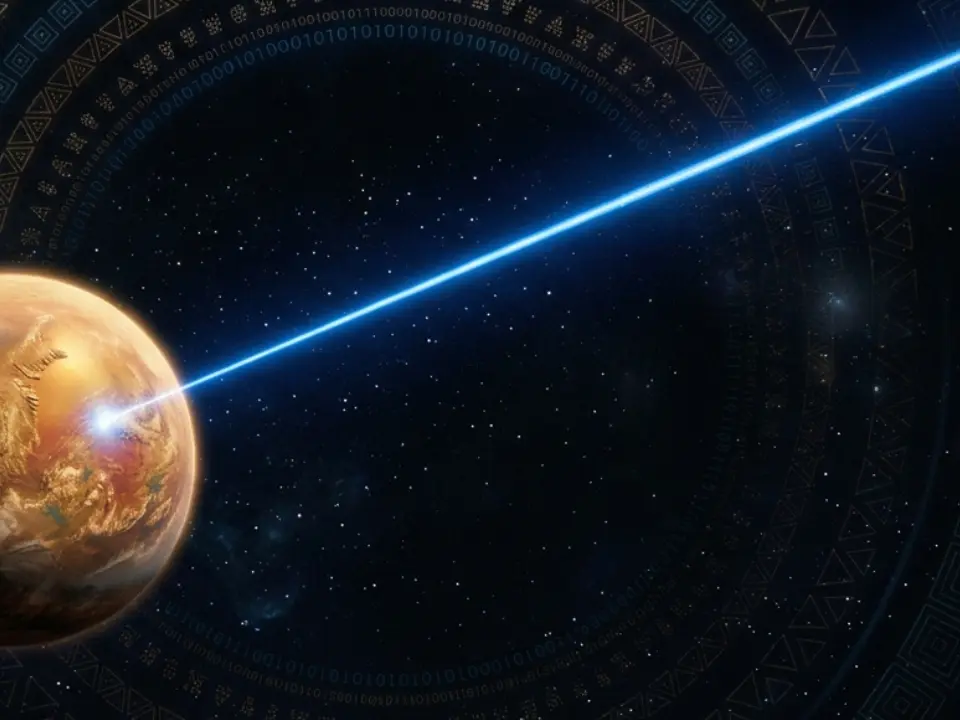)
Scientists detect first radio signals directly from faraway planet
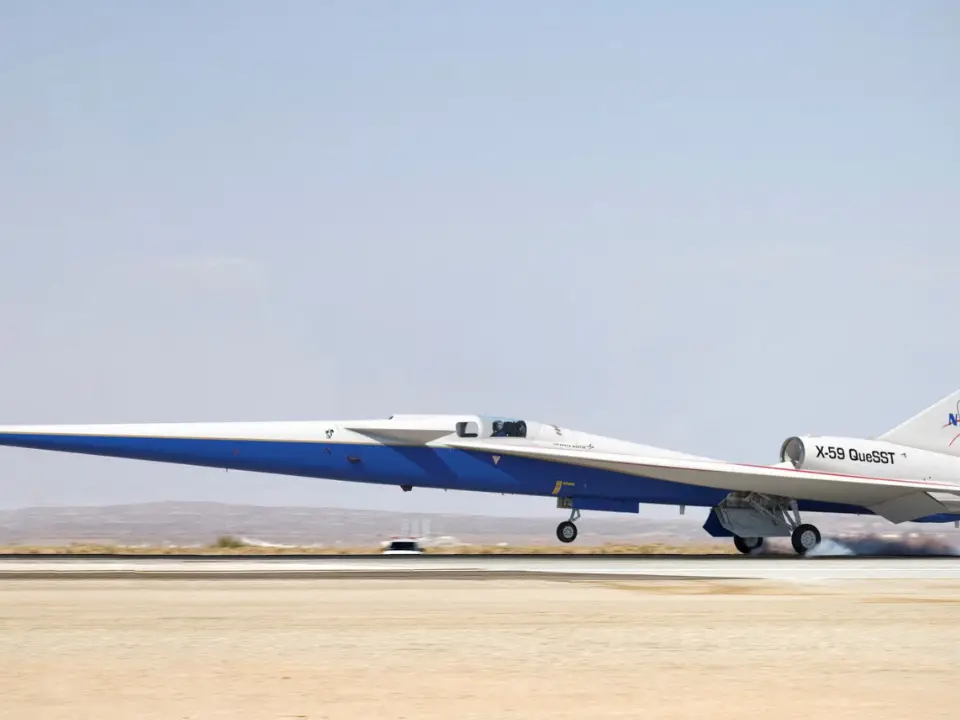)
China to test supersonic jet that moves at Mach 2, double the speed of sound
)
WION Iconic Tourism Summit: 'Hanuman Ansh' Director on blockbuster success
)
'Partners rather than rivals': Xi Jinping's first message after landing in US for Trump summit
)
WION Iconic Tourism Summit: Is India's travel boom outrunning its airports, airlines and hotels?
)
IIT Bombay student suicide case: CCTV from the exam hall hours before suicide
)
2,000-foot tube, laser tests and more: China builds towns to expand nuclear arsenal, satellite images show
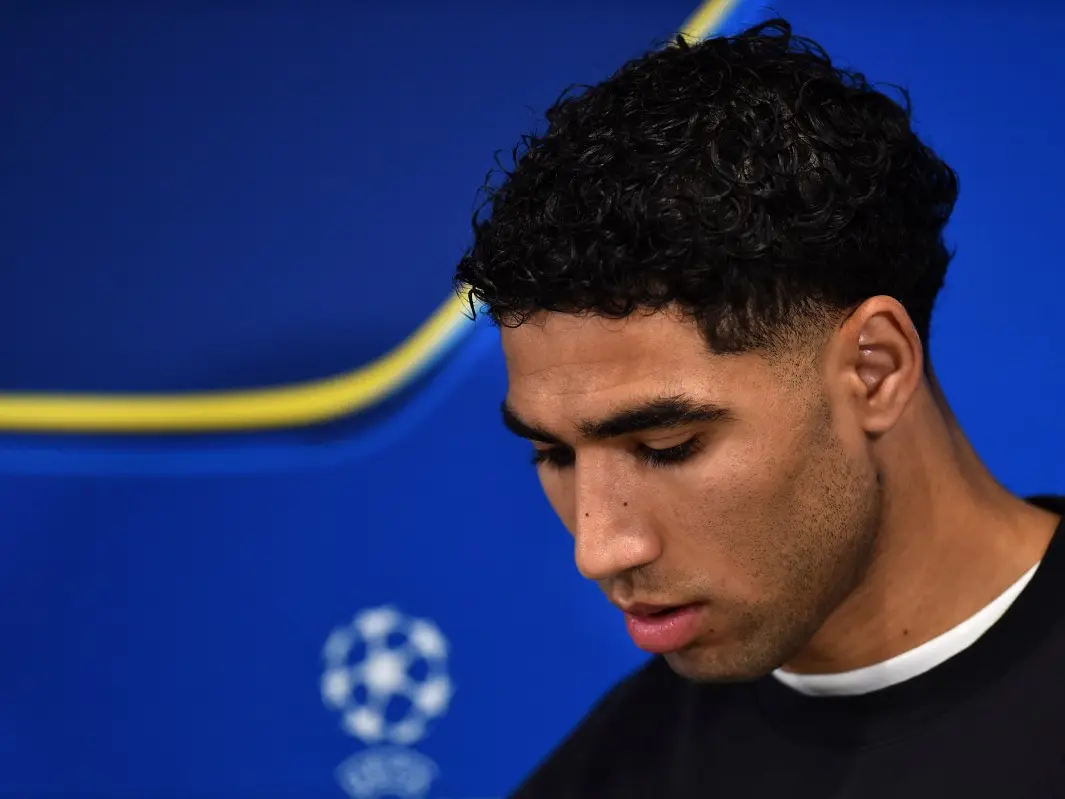)
French court upholds decision to send PSG and Morocco footballer Hakimi to rape trial
)
WION Iconic Tourism Summit and Awards 2026: Key voices to discuss India’s tourism future
&im=FitAndFill=(700,400))
New OTT releases this week (September 21-27, 2026): Shaque: Trust No One, Hunkkaar, Don’t Be Shy- 5 new titles coming to Netflix, Prime Video and more
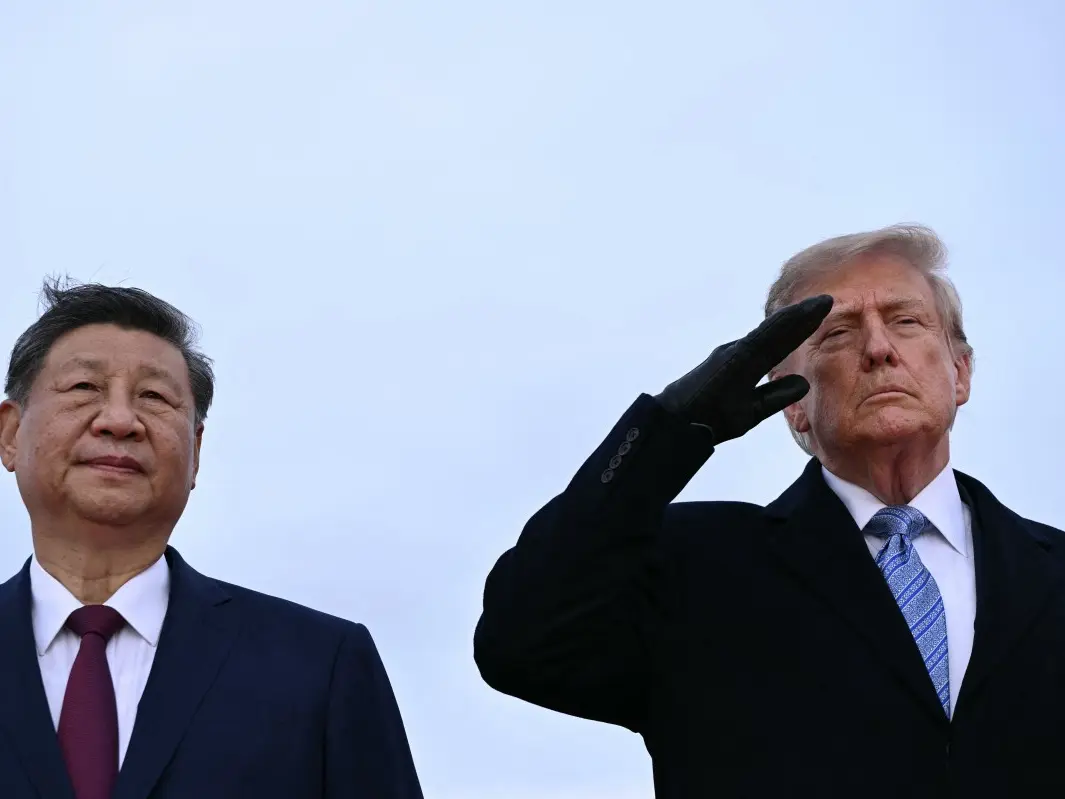)
WATCH | China President Xi Jinping lands in US as Trump greets him ahead of high-stakes summit
)
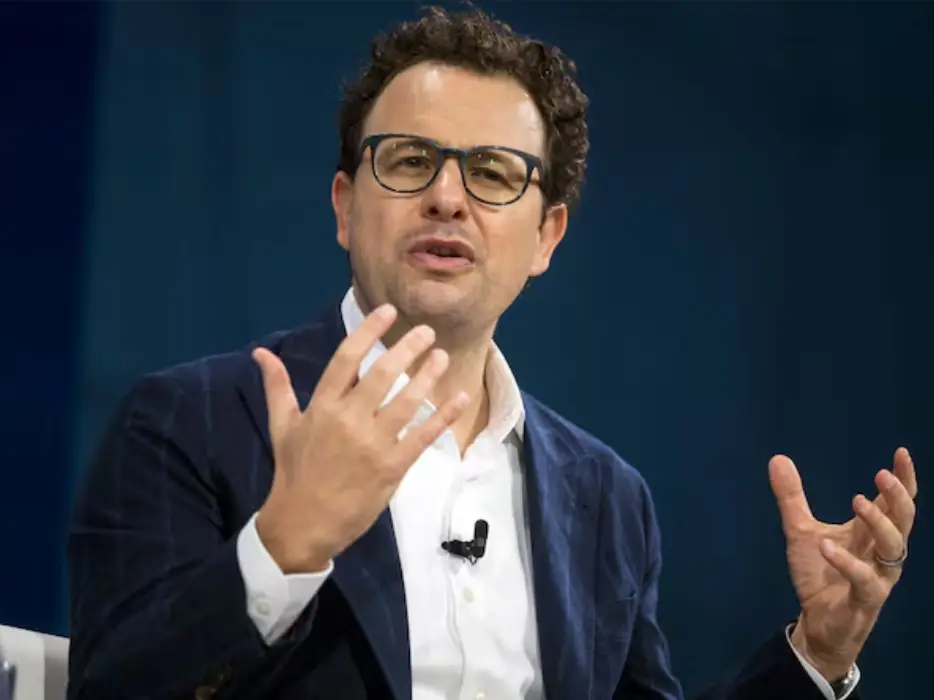
Australian PM Anthony Albanese calls OpenAI AI incident 'unacceptable' after restricted data access
)
Claude Opus 5.5 is here: Anthropic claims it can finish a 680,000-line code migration in less than a day
)
'What kind of confession is this?': Pakistan PM Shehbaz Sharif’s 'terrorists would be roaming New York' remark goes viral, raises alarm online. Watch
)
WION Iconic Tourism Summit: How local tourism MSMEs must upskill for AI integration
)
Eight USS Abraham Lincoln sailors attempted suicide, Acting Navy Secretary says
)
Trump’s Board of Peace unveils $2.45bn Gaza plan,66 projects: But where’s the money?
)
EC appointment law: Why is the 2023 act controversial, and what happens next? WION explains
)
'Putin is patient zero': Zelensky slams Russian president at UNGA, accuses him of using fighters from 47 countries
&im=FitAndFill=(700,400))
National Film Awards 2026: Kartik Aaryan, Mammootty, Yami Gautam, Randeep Hooda and other key winners
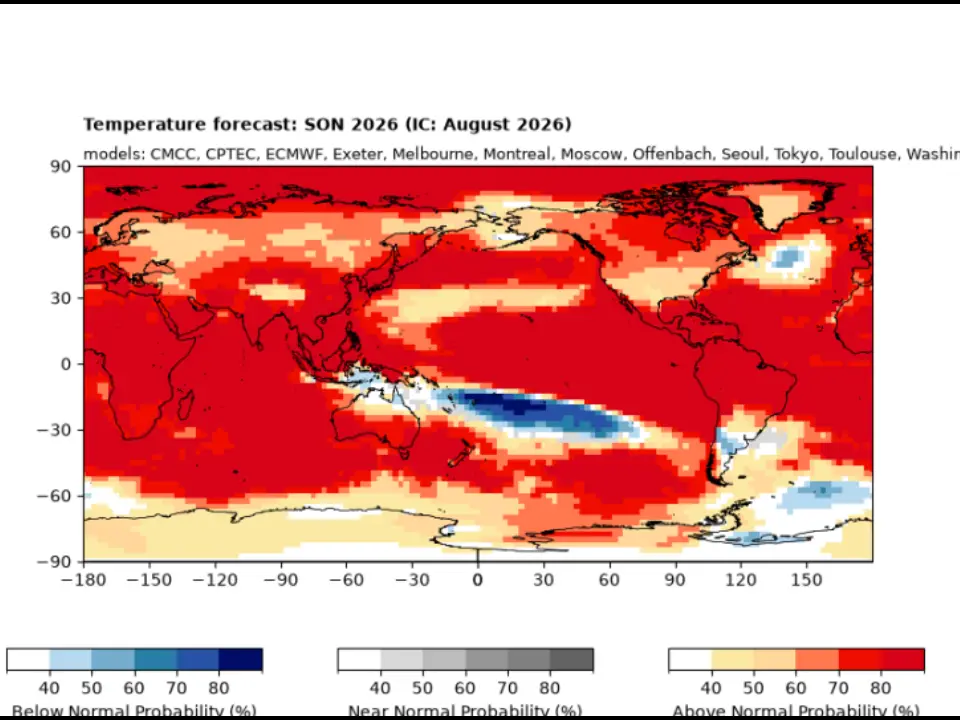)
El Niño 2026 heats up to become strongest in 1,000 years
)
Israeli envoy to US Yechiel Leiter’s son critically injured in West Bank ramming attack
&im=FitAndFill=(700,400))
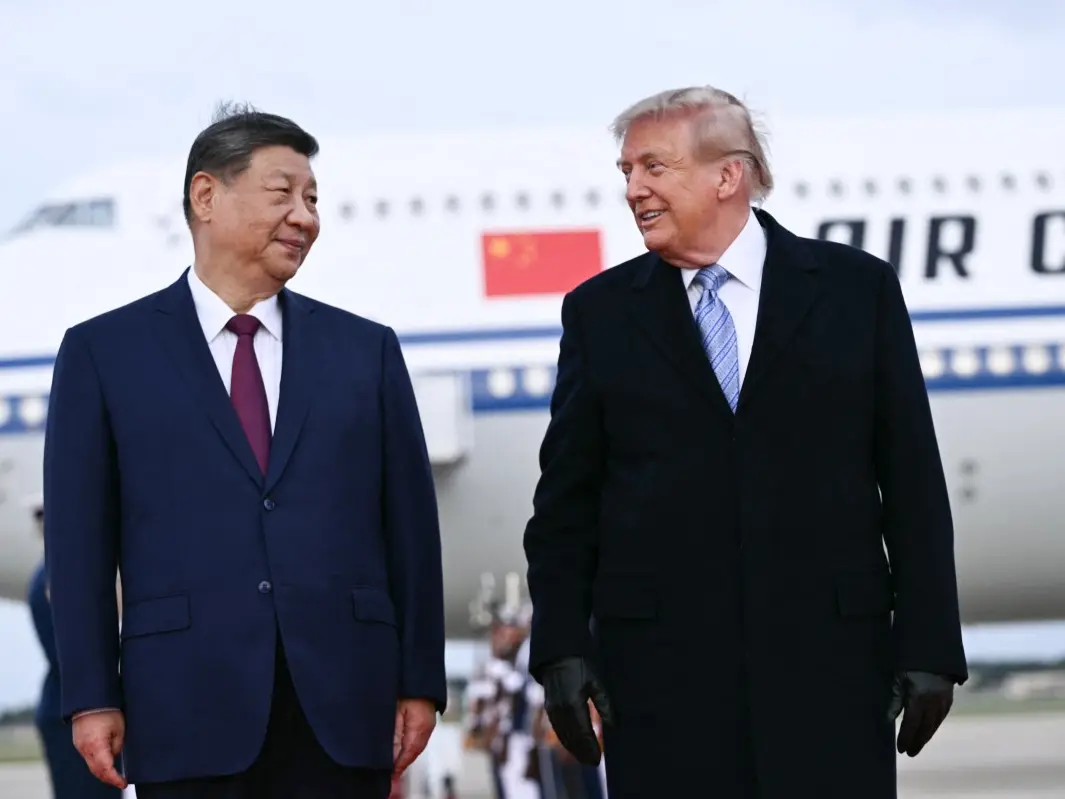
Trump welcomes Xi Jinping in rare airport gesture: Photos from Chinese President's arrival in US
)
Xi-Trump meeting: China’s human rights red line and past protests explained
One such palaeontologist is Stephen L. Brusatte, who has dedicated his life to unraveling the mysteries of the prehistoric world.
In an exclusive interaction with WION, he talked about watching Jurassic Park as a kid and falling in love with dinosaurs.Known for best-sellers like The Rise and Fall of the Dinosaurs: A New History of a Lost World and his latest The Rise and Reign of the Mammals: A New History, from the Shadow of the Dinosaurs to Us, his vocation was indirectly ignited by the film. He sharedthe film's profound influence on him. Reflecting on his childhood, he expressed, "Jurassic Park was hugely influential for me, and without this film, I probably would have never become a palaeontologist." This passionate scientist vividly recalled the impact the movie had on him when he first experienced it in the cinema of his small hometown, Ottawa, Illinois.
At the tender age of nine, he sat alongside his father and brothers, spellbound bythe awesome recreations of these majestic prehistoric beasts that unfolded before them. "I vividly remember seeing the film in the cinema back home in my small hometown of Ottawa, Illinois in America. I was nine years old, and I was there with my dad and brothers," he said.
The dinosaurs portrayed in Jurassic Park were unlike anything they had encountered before. "They blew us away. They were so scary, yes, but they also seemed real. Like real animals. They were so different than the dinosaurs we had in our books at school and home, which were dumb, overgrown reptiles that seemed more like aliens than real animals," Brusatte said.
While the film did not instantaneously inspire Brusatte, it was his younger brother Chris who became enthralled by the movie's portrayal of dinosaurs. Chris's fascination ignited an obsession with these ancient creatures that would soon capture the attention of his older sibling. Thus, a direct line was formed from Jurassic Park to Chris and, subsequently, to the budding palaeontologist's career choice.
The journey towards becoming a palaeontologist was a gradual process, fuelled by the passion that sprouted from that cinematic experience. It grew alongside a deepened understanding of dinosaurs, evolving from a childhood obsession into a serious academic pursuit. Today, the impact of Jurassic Park on this scientist's life is nothing short of astonishing.
Palaeontology consultant on Jurassic World Dominion
Now, three decades after that fateful viewing, Brusatte finds himself in a remarkable position. He served as the palaeontology consultant for Jurassic WorldDominion, the latest instalment in the franchise that ended the Jurassic World trilogy. "It's astounding to look back at the film and I feel so privileged to have the opportunity to be the palaeontology consultant for Jurassic WorldDominion last summer, and bring my knowledge of dinosaurs and fossils to help the director and artists design their big-screen dinosaurs."
Jurassic Park's enduring influence
Jurassic Park's influence on cinema, education, and scientific pursuits remains profound. It continues to ensnare audiences and inspire future generations. It stands as a testament to the enduring power of narrative, beckoning us to embrace the eternal allure of a world where these majestic creatures once roamed.
WATCH WION LIVE HERE
You can now write for wionews.com and be a part of the community. Share your stories and opinions with us here.