Why Russian fighter jets show visible body rivets compared to US jets

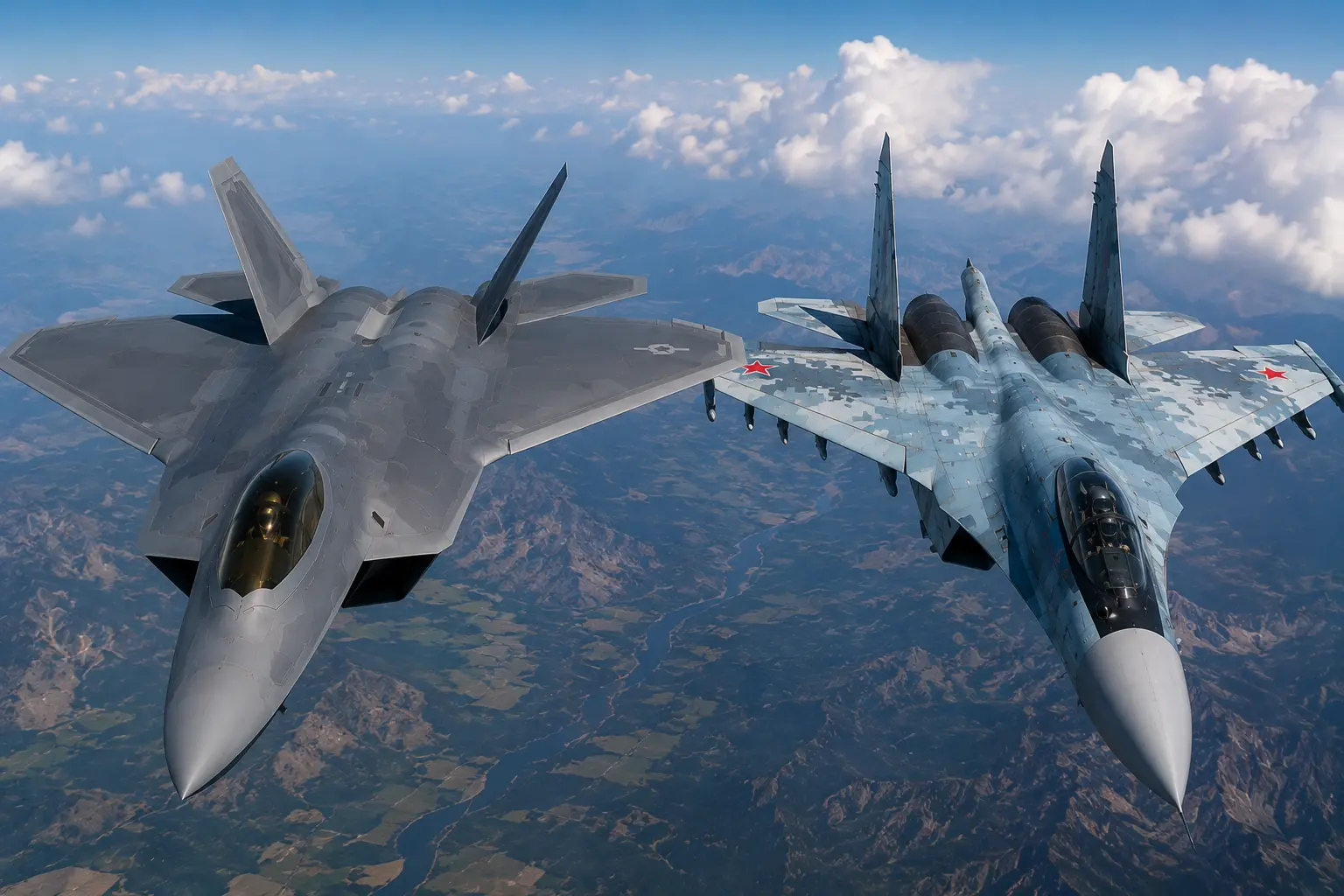
Russian jets like the Su-57 use visible body rivets to lower manufacturing costs and speed up frontline repairs. US aircraft hide fasteners under complex coatings to achieve absolute radar stealth.
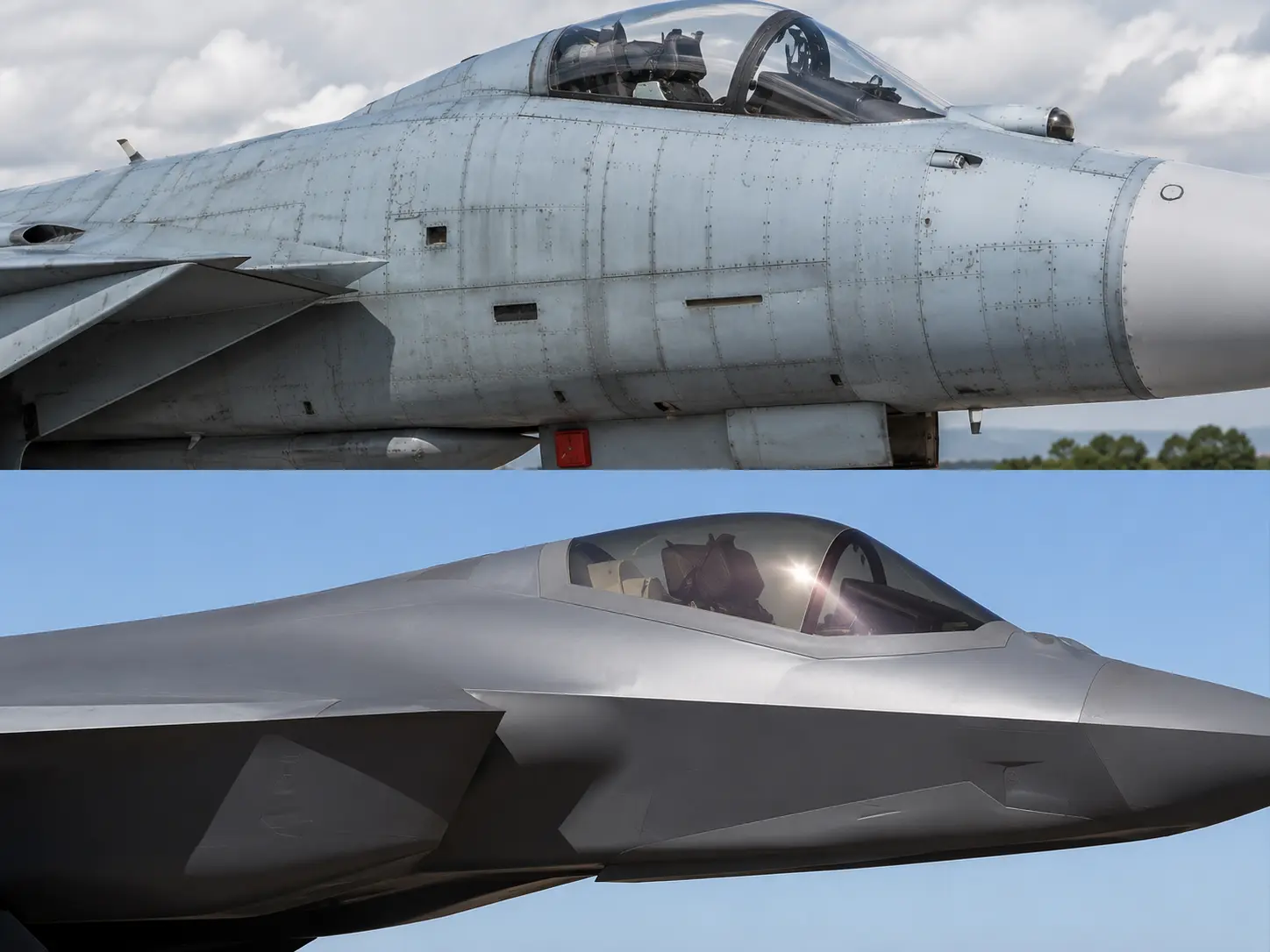
RCS Under 0.5 Square Metres
American fifth-generation aircraft like the F-35 achieve a tiny radar cross-section between 0.001 and 0.005 square metres using flush fasteners covered in specialised coatings. Russian aerospace engineers design the Sukhoi Su-57 with a larger frontal profile around 0.1 to 0.5 square metres. This design difference allows standard mechanical fasteners on non-critical fuselage surfaces without compromising the primary tactical role of the aircraft.
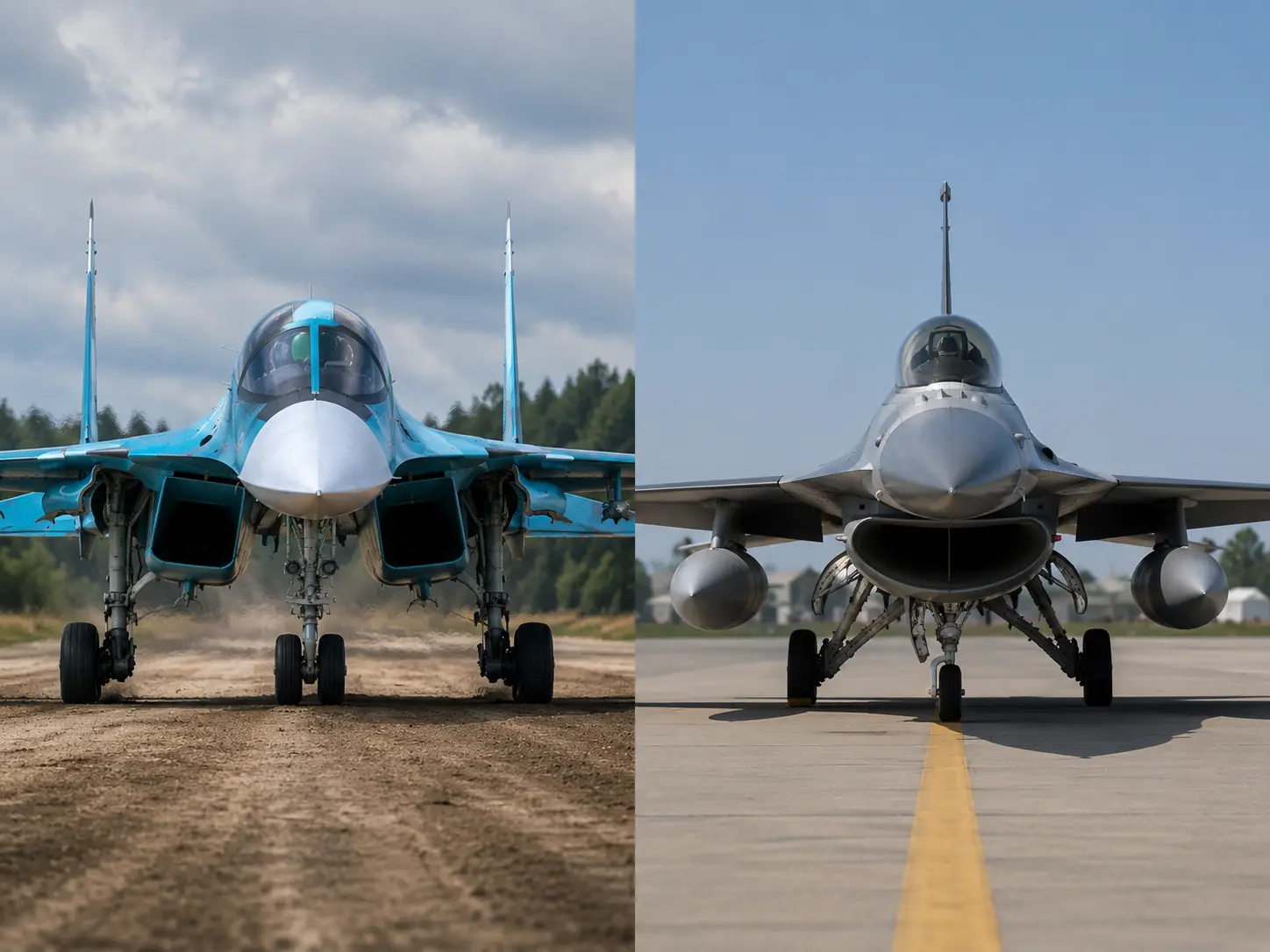
Speed Over Mach 2
Russian military doctrine prioritises extreme flight manoeuvrability and top speeds exceeding 2,100 kilometres per hour over absolute all-aspect stealth capability. During high-speed aerial combat manoeuvres, traditional titanium fasteners and mechanical joints withstand heavy aerodynamic loads across the airframe. Aerospace technicians use robust round-head rivets and screws along specific airframe sections where extreme mechanical vibration occurs.
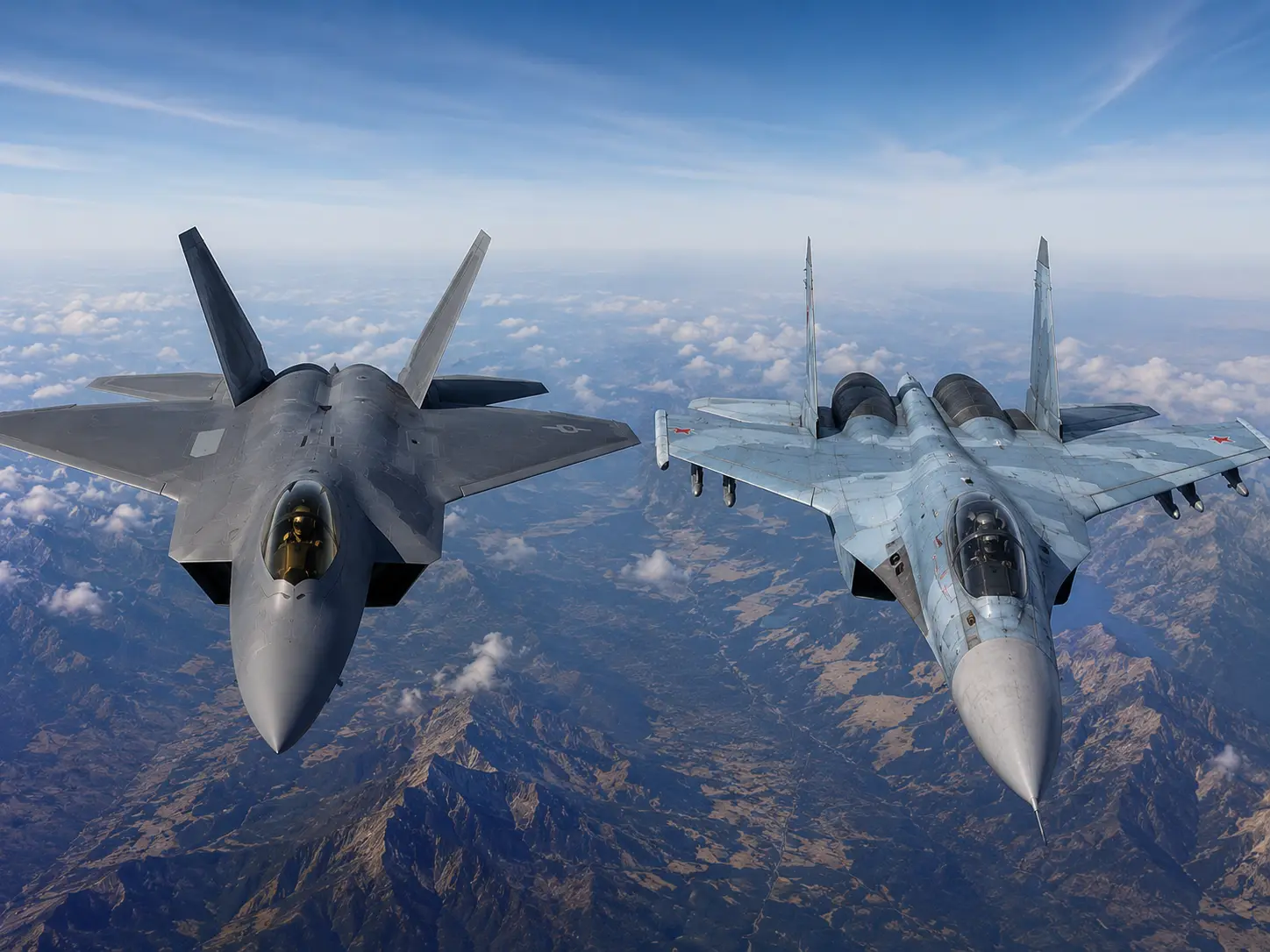
Costs Down 30 Per Cent
Installing flush rivets requires microscopic automated tolerances, complex composite alignments, and layer upon layer of radar-absorbent putty, which significantly raises manufacturing budgets. Russian aerospace manufacturers avoid these expensive surface finishing processes across the rear fuselage to keep overall assembly costs manageable. Using accessible fasteners allows production facilities to complete operational airframes significantly faster within strict budget constraints.
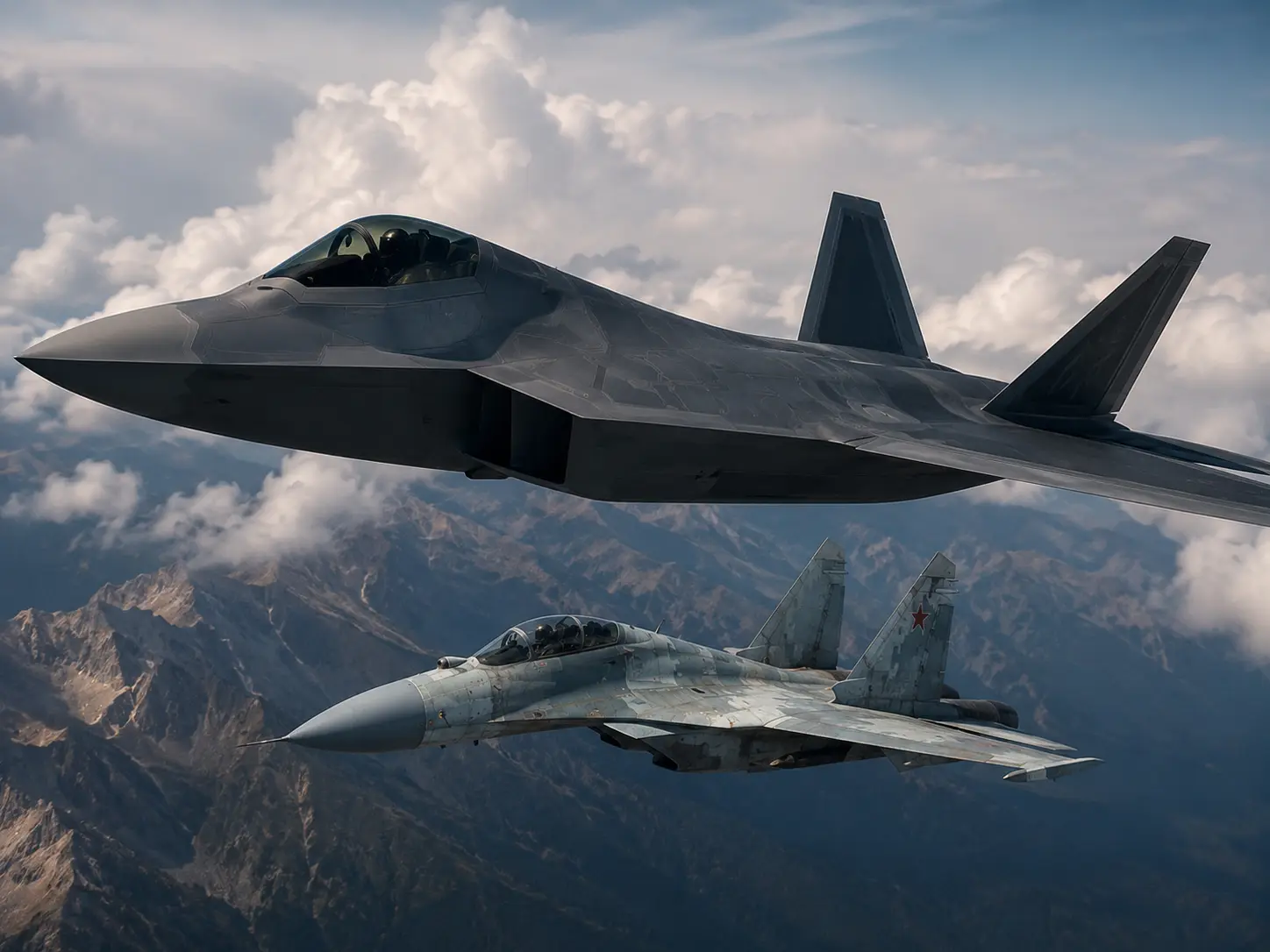
Repairs Under 24 Hours
Combat aircraft must operate from forward military airbases where climate-controlled hangars and specialised stealth repair depots remain unavailable during active deployments. Accessible rivets allow ground crews to swiftly replace damaged external body panels without spending hours scraping away and reapplying protective radar coatings. This practical maintenance approach keeps frontline fighter availability high during intensive operational sorties and harsh weather conditions.
Frontal Arc Over 60 Degrees
Russian aerospace designers apply flush fastening and radar-absorbent materials primarily across the forward 60-degree sector of the Su-57 fighter jet. Since combat aircraft usually encounter enemy radar systems head-on during initial intercept missions, forward stealth concealment remains the primary operational focus. Leaving visible fasteners across the engine housing and rear panels saves weight without exposing the leading edge to radar detection.
)
)
)
)
)