50 Years of unconditional love: Meet 2026’s World’s Ugliest Dog

The World's Ugliest Dog contest doesn't just celebrate physical imperfections—it redefines how the world views animal beauty, resilience, and rescue. What began decades ago as a quirky local fair attraction has grown into a powerful global platform for animal welfare.
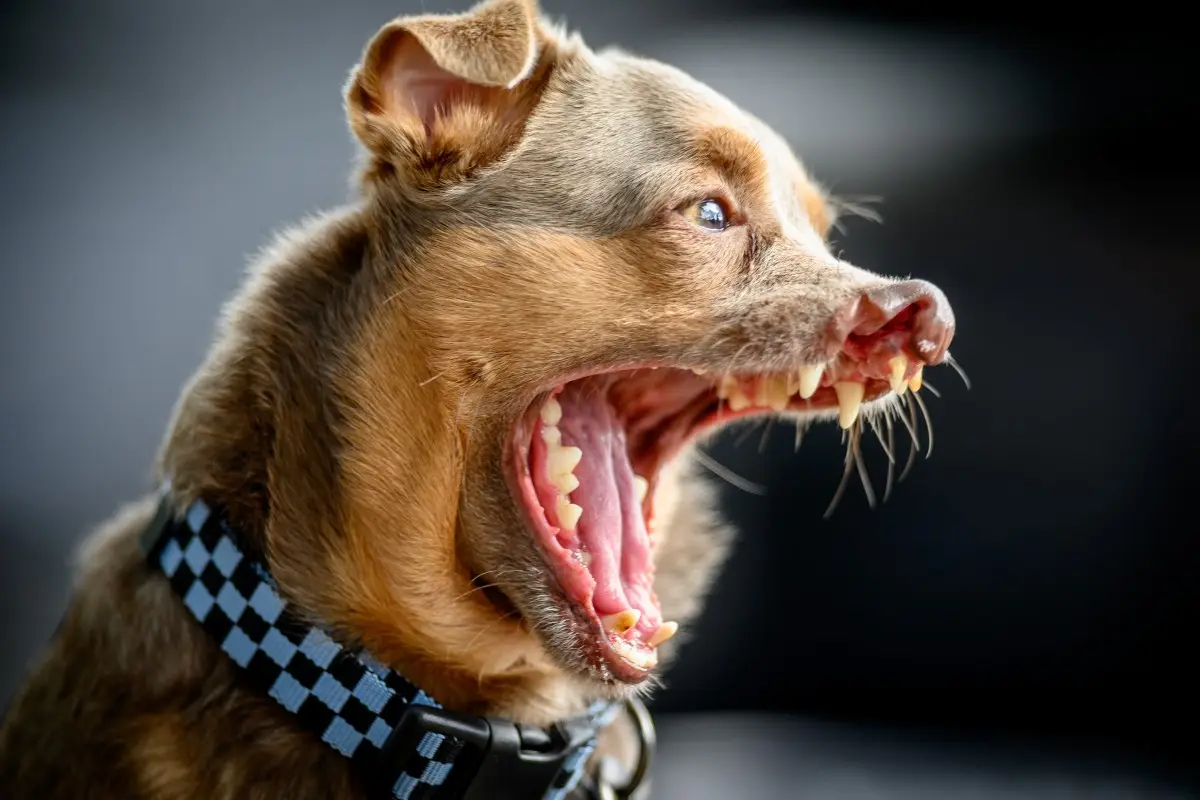
World's Ugliest Dog contest
Believe it or not, but there is actually a World's Ugliest Dog contest. The annual event is held at the Sonoma-Marin Fairgrounds in Petaluma, California. Far from mocking imperfect pooches, the competition is a lighthearted celebration of unique aesthetics, physical quirks, and unconventional beauty. Every year, the contest aims at advocating animal rescue, the adoption of pets, and to show that all dogs—regardless of how they look —deserve loving homes.
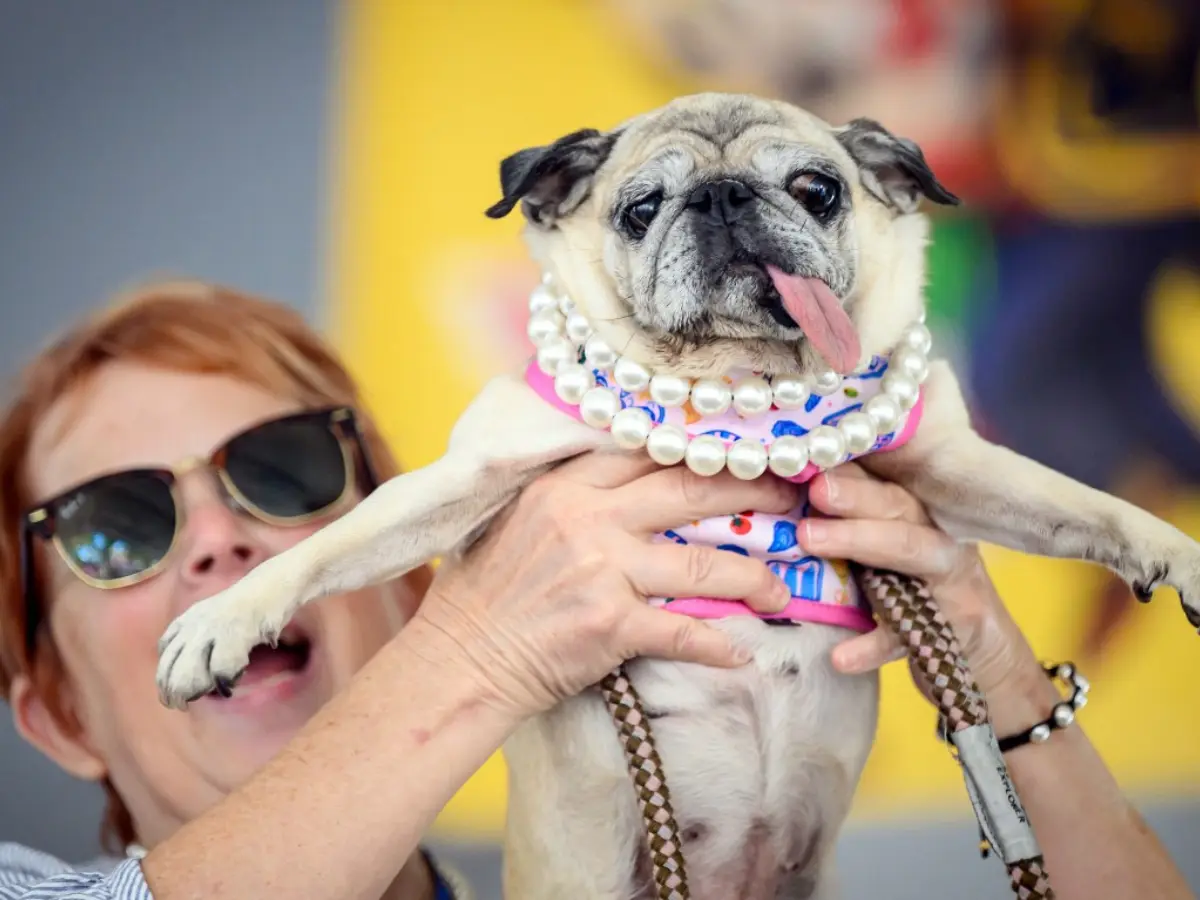
The Champion Crowned
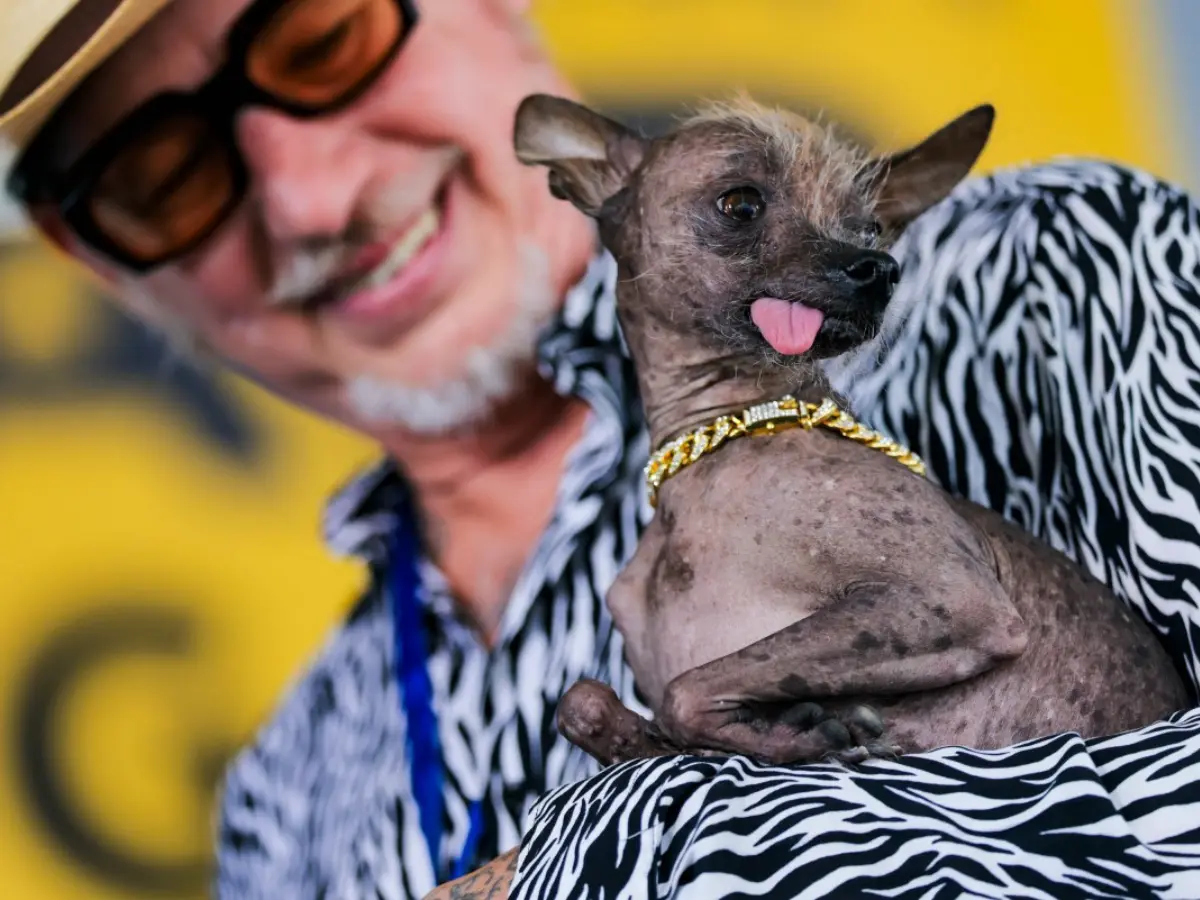
Rescued from the dog meat trade in South Korea and brought to California, an ear-old pug named Jinny Lu took home the top honour at the 50th annual World's Ugliest Dog Contest at the Sonoma County Fairgrounds.
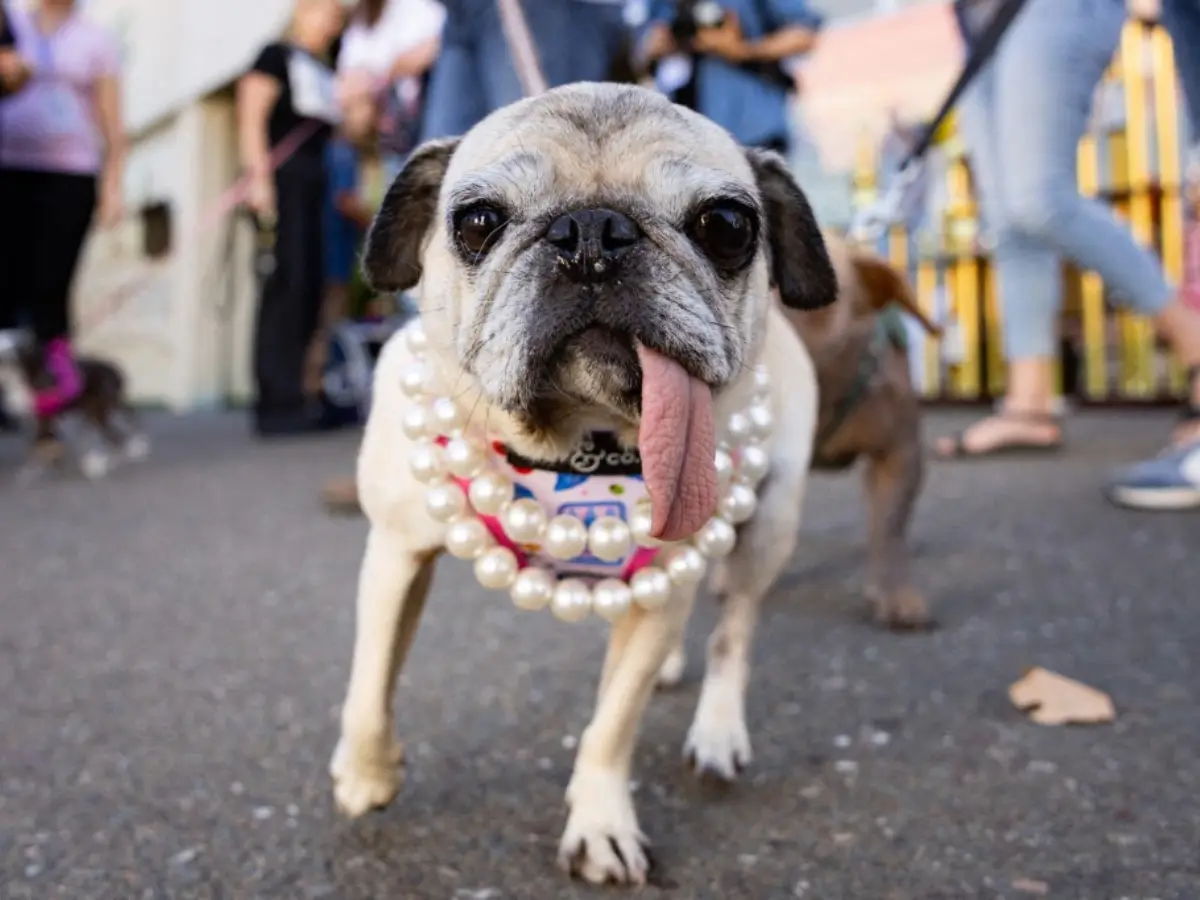
A Victory Four Years in the Making
After coming in second place last year, Jinny Lu secured the championship title alongside owner Michelle Grady of Ukiah, who adopted the pug four years ago through local rescue groups. Jinny Lu and Grady celebrated their win with a trophy and a $5,000 cash prize, complemented by the pug's upcoming appearance on a limited run of Mug root beer cans.
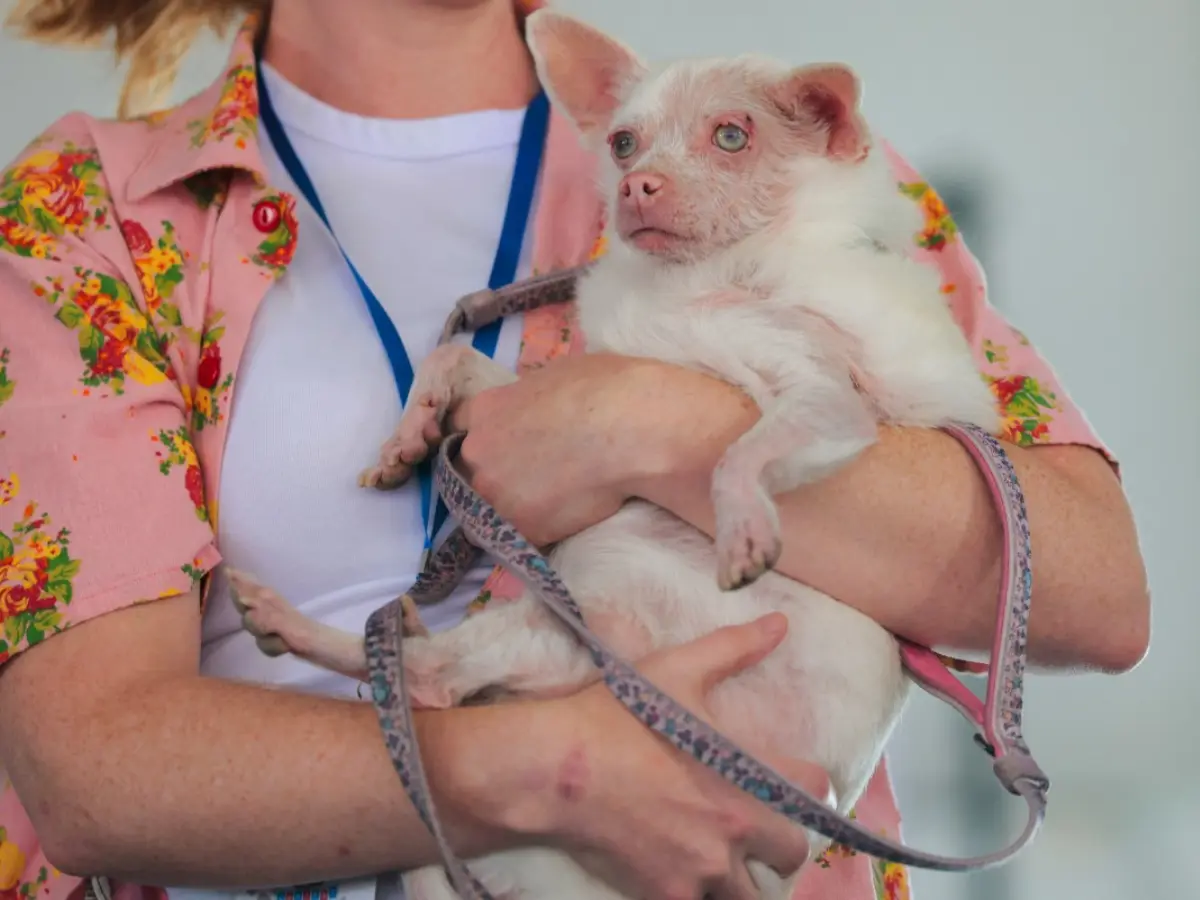
The One Who Came Second This Year
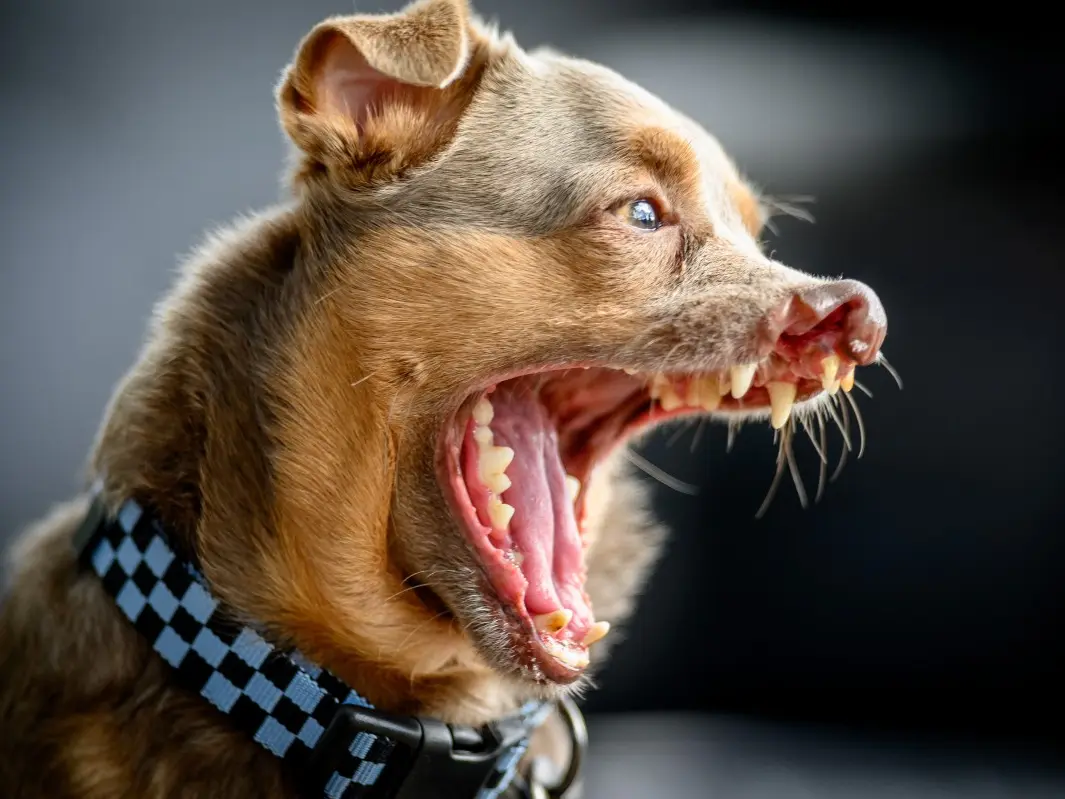
Pinky, an albino Pomeranian Chihuahua, wins second place in the "World's Ugliest Dog Contest" on August 14, 2026 in Santa Rosa, California. Pinky earned $3,000 prize, while a Chihuahua mix named Otto rounded out the top three to take home $2,000.
The Origin Story
The competition originated in 1976 as an idea by Petaluma resident Ross Smith as a fun addition to the local Old Adobe Association fair, intended to replace traditional dog shows. The event proved so popular that the Sonoma-Marin Fair took over hosting duties in 1988, turning it into a cornerstone attraction of their annual summer fair.
A Contest With A Message
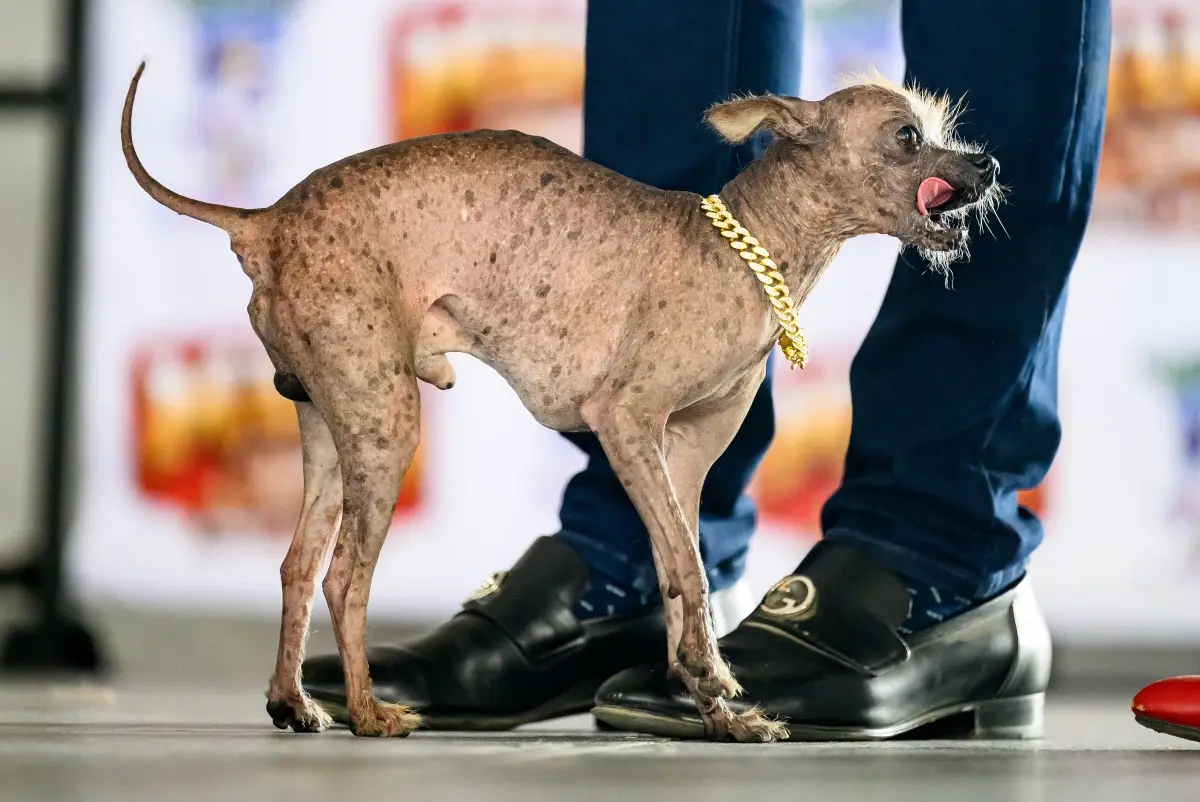
Over the decades, the contest grew from a local novelty into a international media event, attracting broadcast networks, international journalists, and participants from across the globe. While early years leaned into tongue-in-cheek humor, the core focus evolved into promoting shelter rescues. The majority of competing dogs are rescues saved from puppy mills, abuse, or international meat trades.
)
)
)
)
)