How the F-35 pilot sees straight through the floor

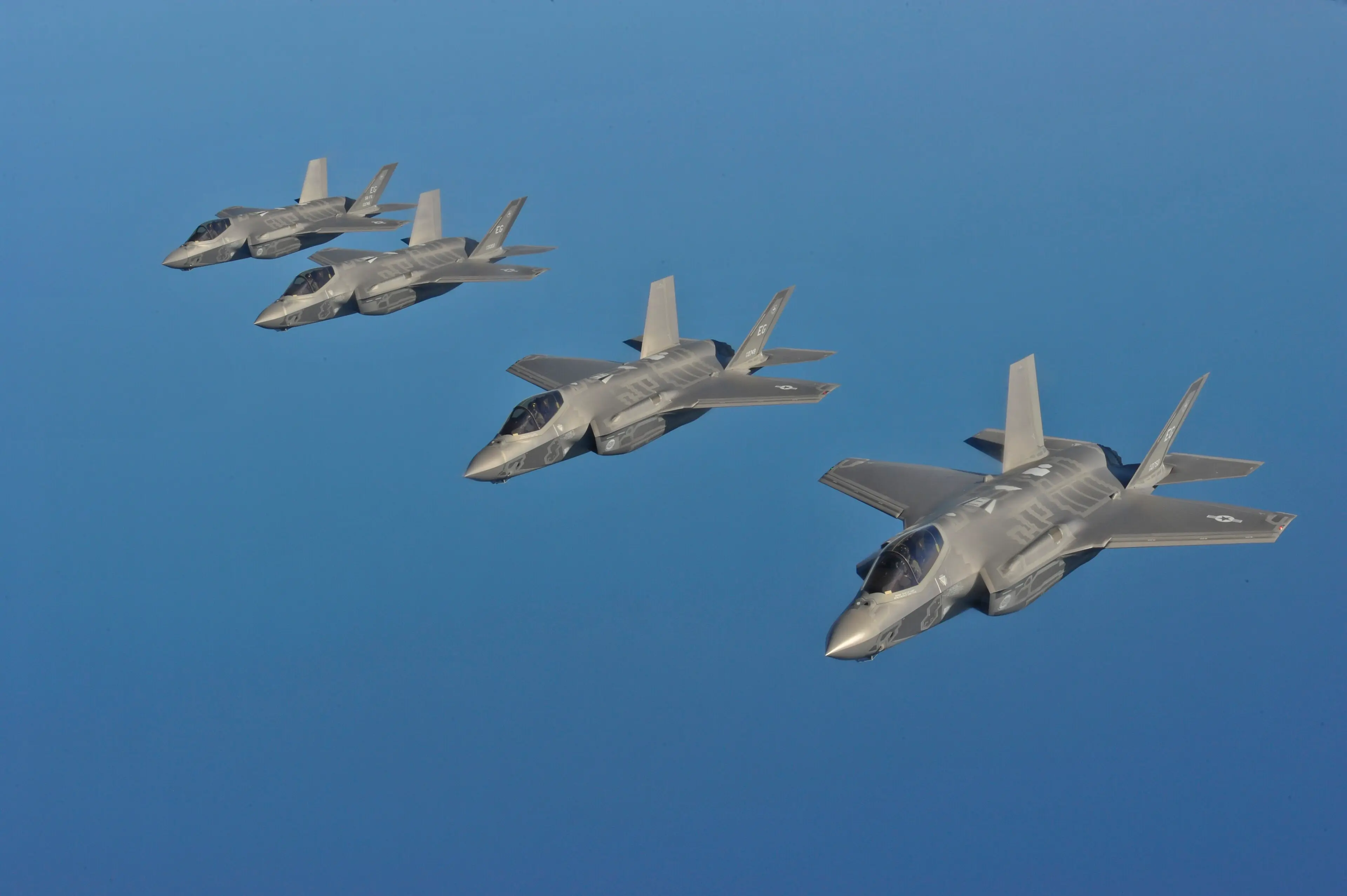
F-35 pilots wear a $400,000 helmet linked to 6 infrared cameras. This system projects a 360-degree live feed onto their visor, allowing them to see straight through the jet floor.
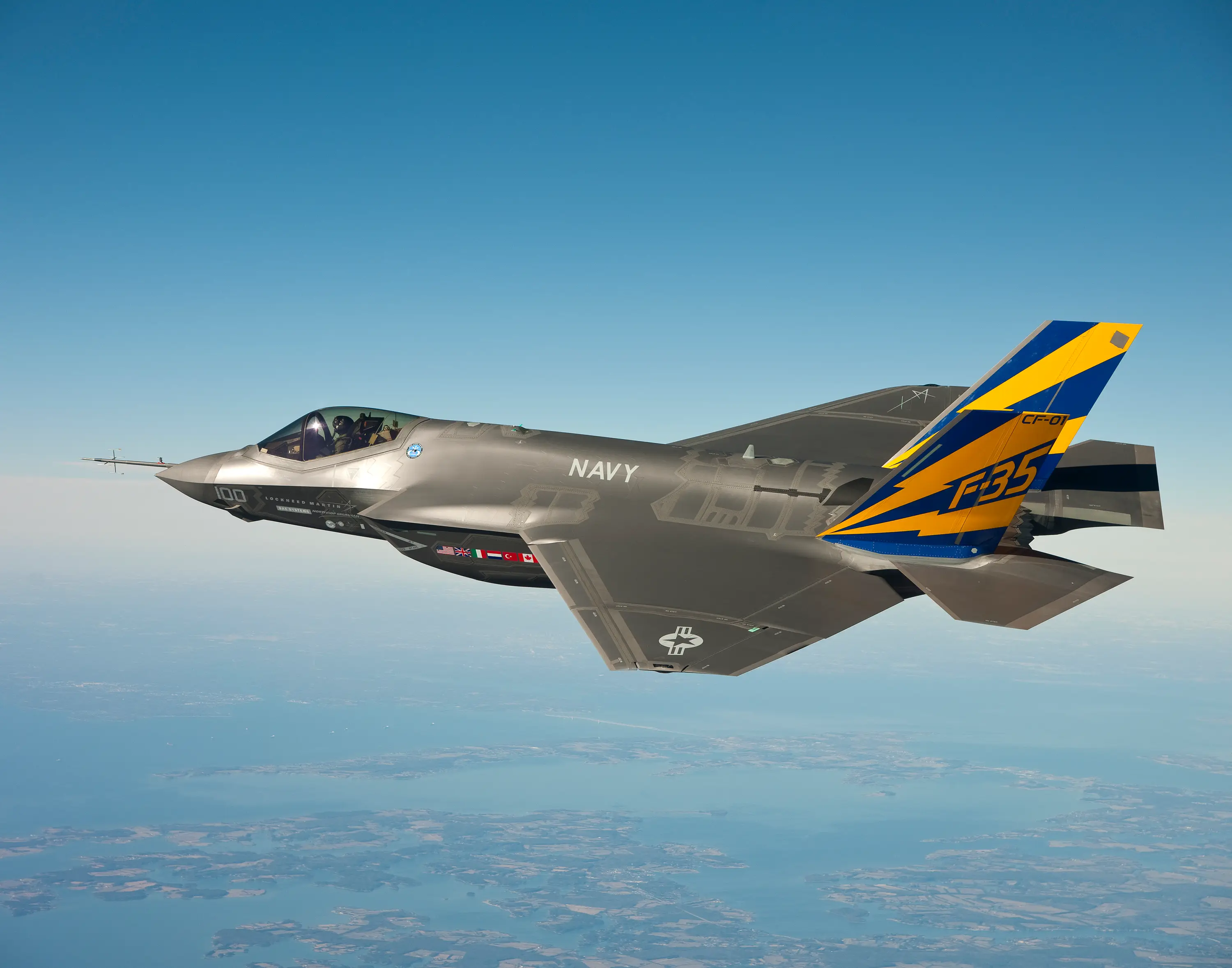
$400,000 Custom Helmet
Each F-35 pilot wears a custom-fitted helmet costing nearly $400,000 that replaces standard heads-up displays. The visor projects crucial flight data and real-time imagery straight into the eyes. It ensures that vital information remains in the line of sight, regardless of where the pilot looks.
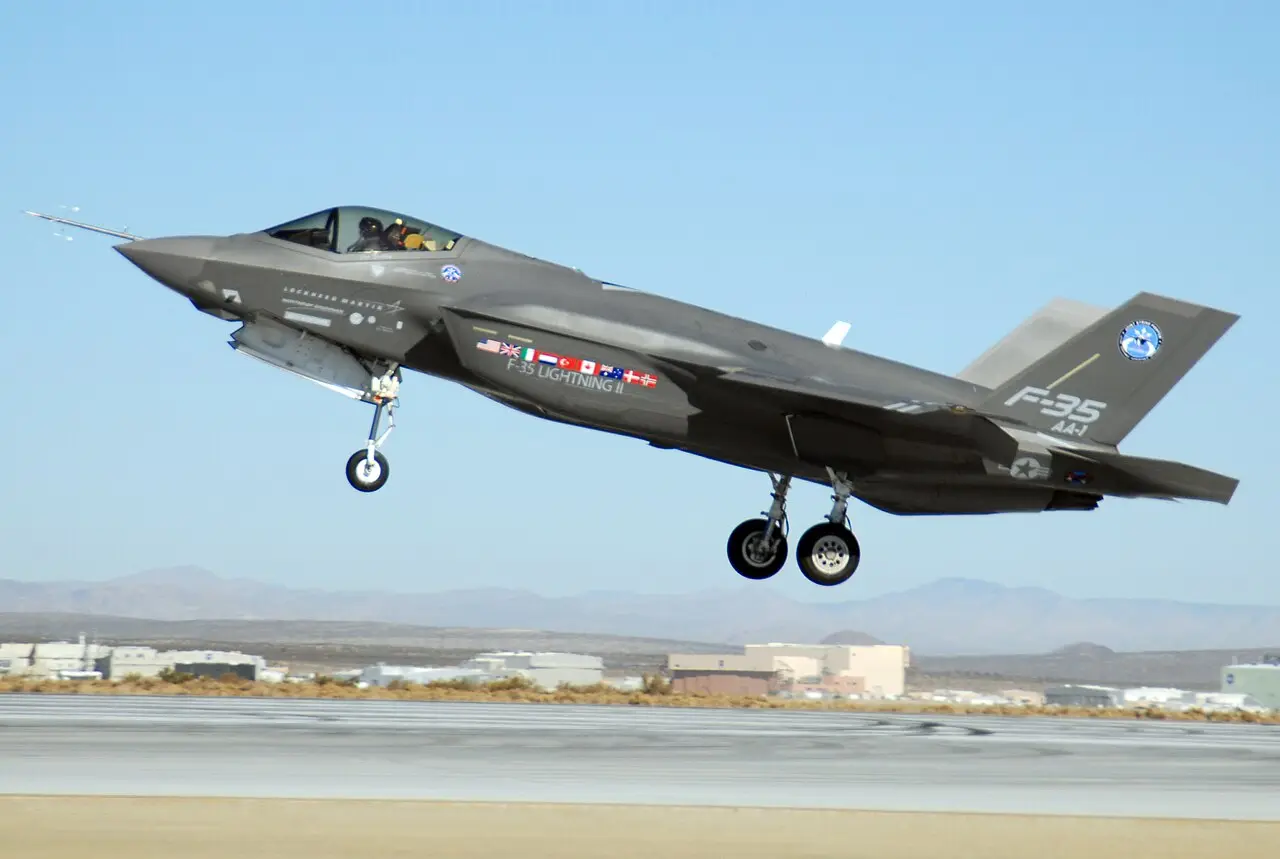
6 Infrared DAS Cameras
The aircraft utilises the Distributed Aperture System, which features 6 high-resolution infrared cameras mounted around the fuselage. These sensors constantly stream live thermal and night-vision video directly to the central computer of the jet. This continuous spherical feed captures everything happening outside without visual interruptions.
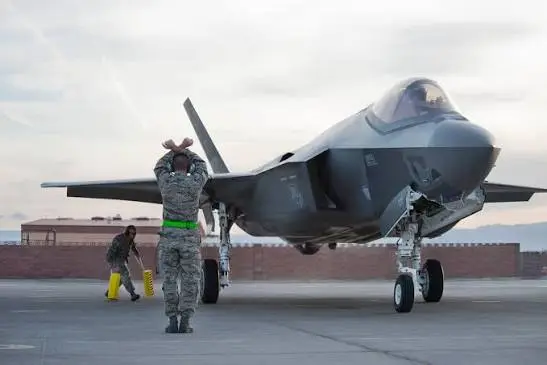
360-Degree Spherical Vision
The central computer stitches these camera feeds together to create a seamless 360-degree visual field around the jet. When the pilot looks down, the helmet display instantly shifts the video feed to match that exact angle. This specific technology makes the solid floor of the aircraft appear completely transparent.
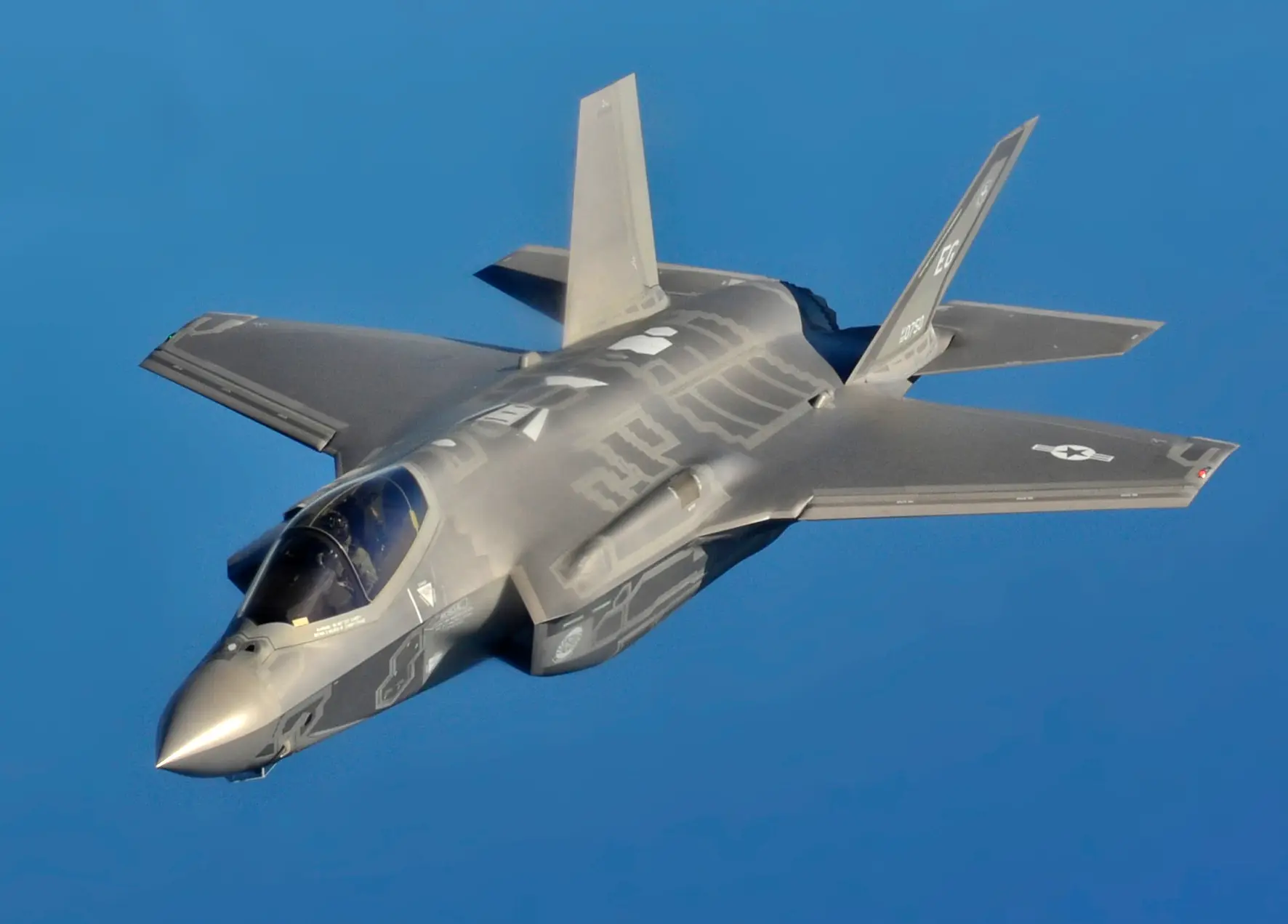
0 Aircraft Blind Spots
Older fighter jets have significant visual blind spots, often forcing pilots to roll the aircraft to track ground targets. The F-35 totally eliminates this problem, letting the pilot look straight down between their boots to see the terrain. This provides a massive tactical advantage during complex flight operations.
100 Per Cent Awareness
This helmet technology also provides built-in digital night vision directly projected onto the visor. The optical tracking improves accuracy, removing the need to point the nose of the aeroplane to lock targets. It cuts down reaction times heavily and secures the dominance of the F-35 fighter programme.
)
)
)
)
)