US midterms: Iran war, fuel prices and economy take centre stage

As the Iran war continues, its impact on fuel prices and national security is becoming an important issue for US voters, while recent polls show low approval of Donald Trump's handling of the conflict ahead of the 2026 midterms.
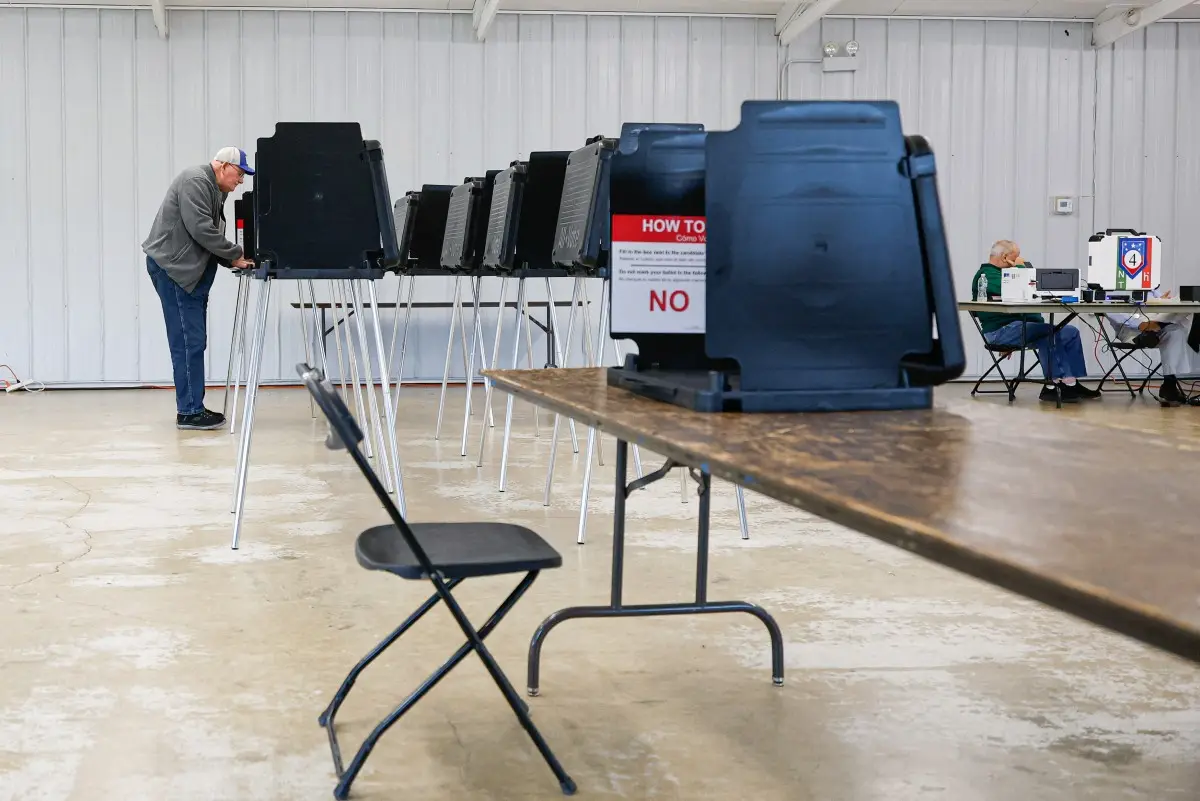
State of Play: The Midterm Battlefield
The 2026 US midterm elections will be held on Tuesday, November 3, with early and mail voting already underway in several states. All 435 House seats and one-third of the Senate are up for election, along with 36 governorships.
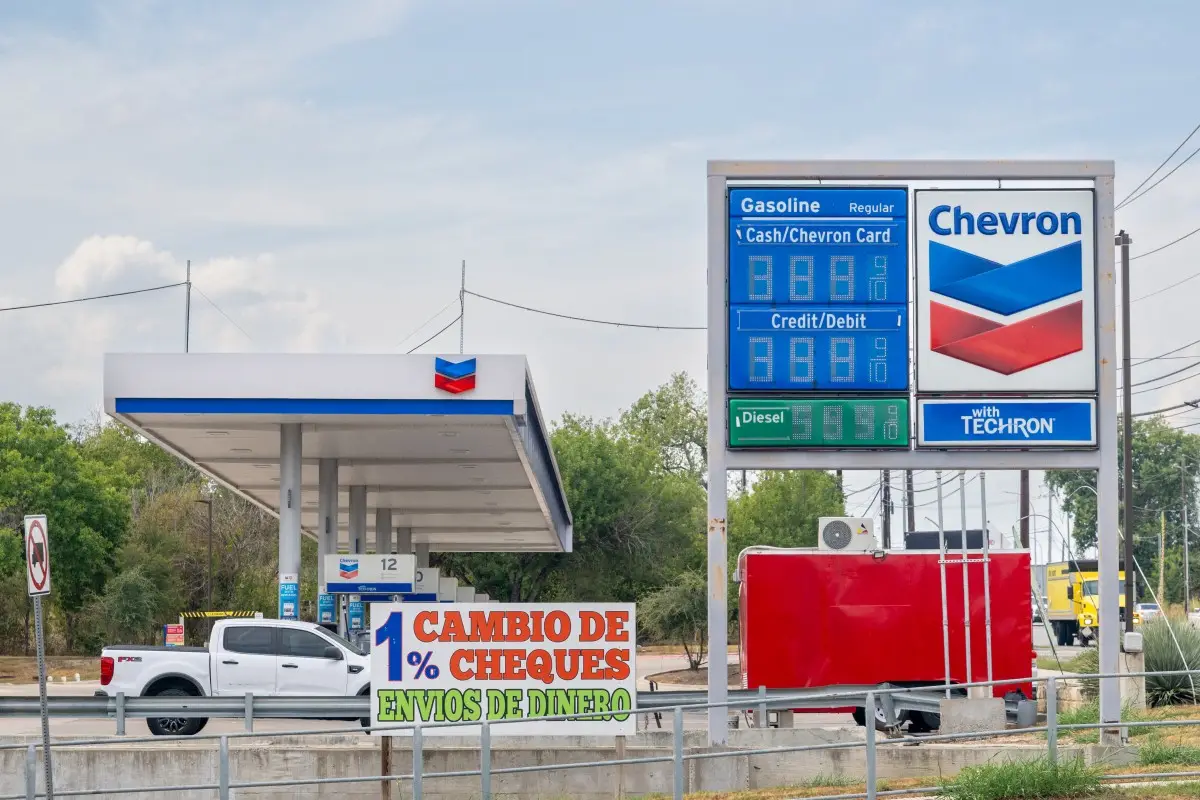
Affordability crisis to weigh on polls
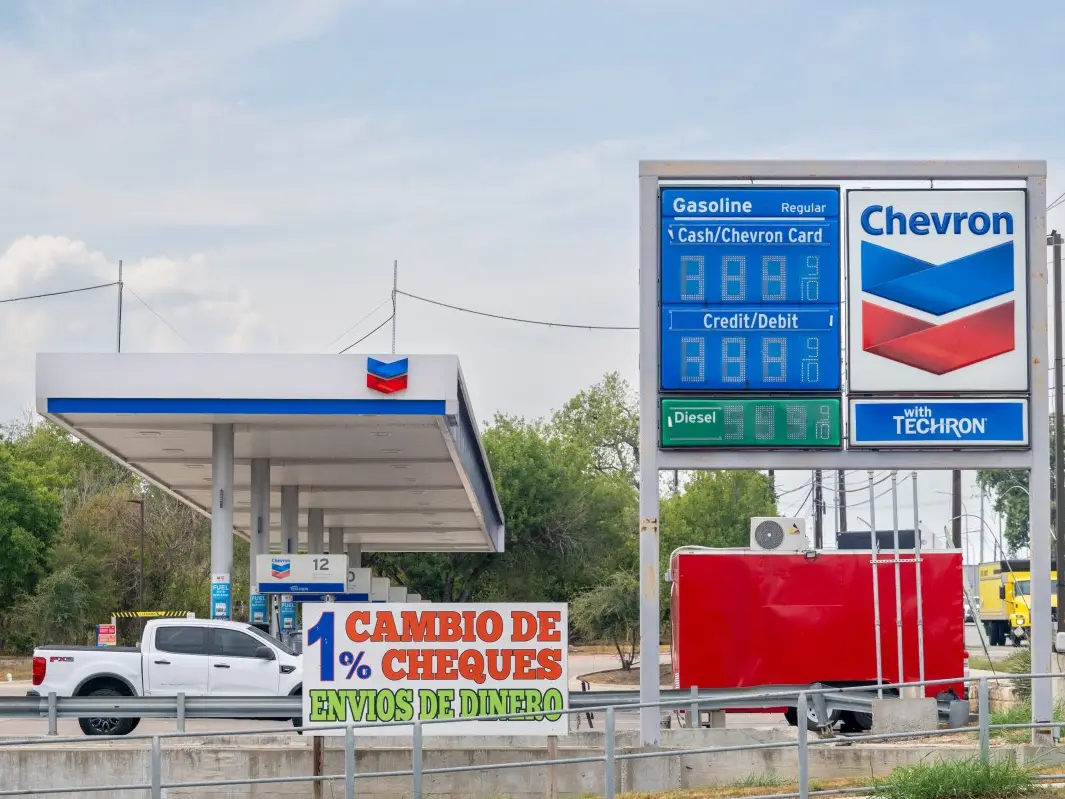
Persistent inflation, high energy costs, and rising fuel prices linked to the wars in West Asia and Ukraine have made household expenses a major concern for voters. Both parties are targeting swing and suburban districts where the cost of living is shaping voter sentiment.
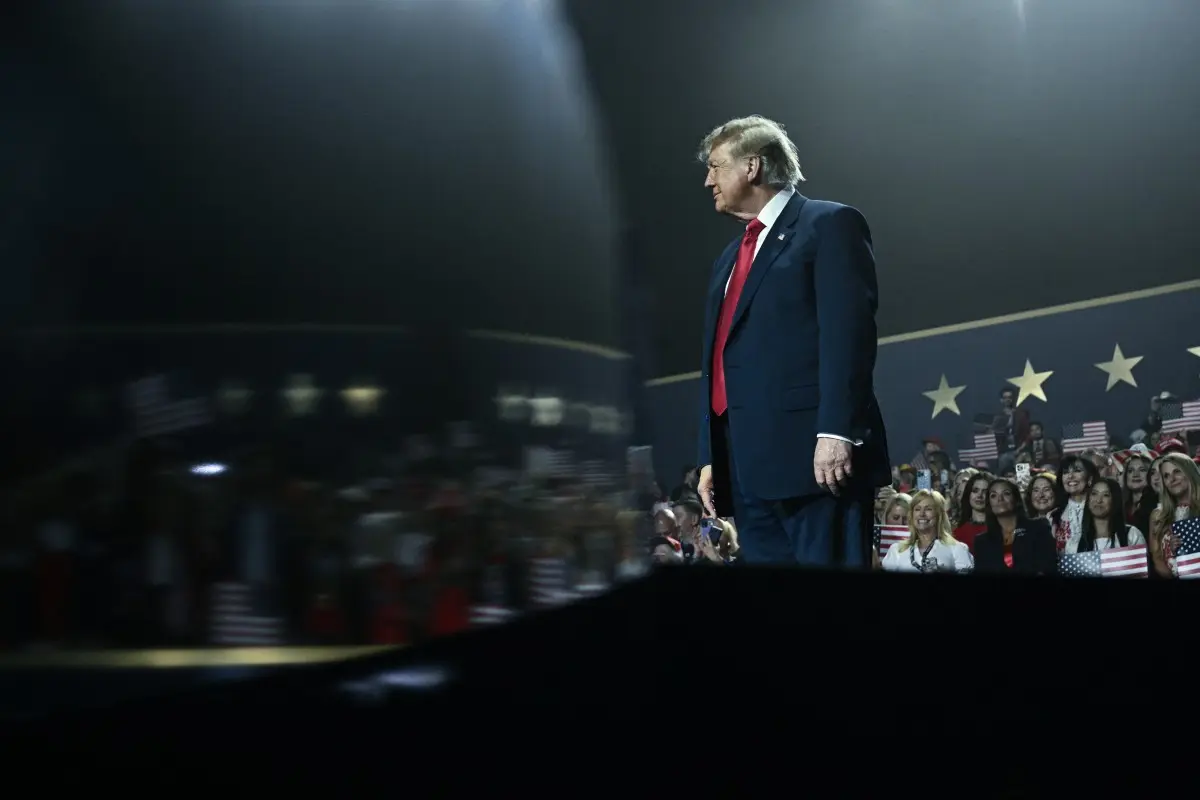
Trump treats midterms as a personal vote
President Donald Trump is maintaining an active travel schedule and urging his supporters to turn out in the midterms. His campaign message focuses on defending his policies, strict border security and financial relief, including a proposed "Trump dividend", if Republicans retain legislative majorities.
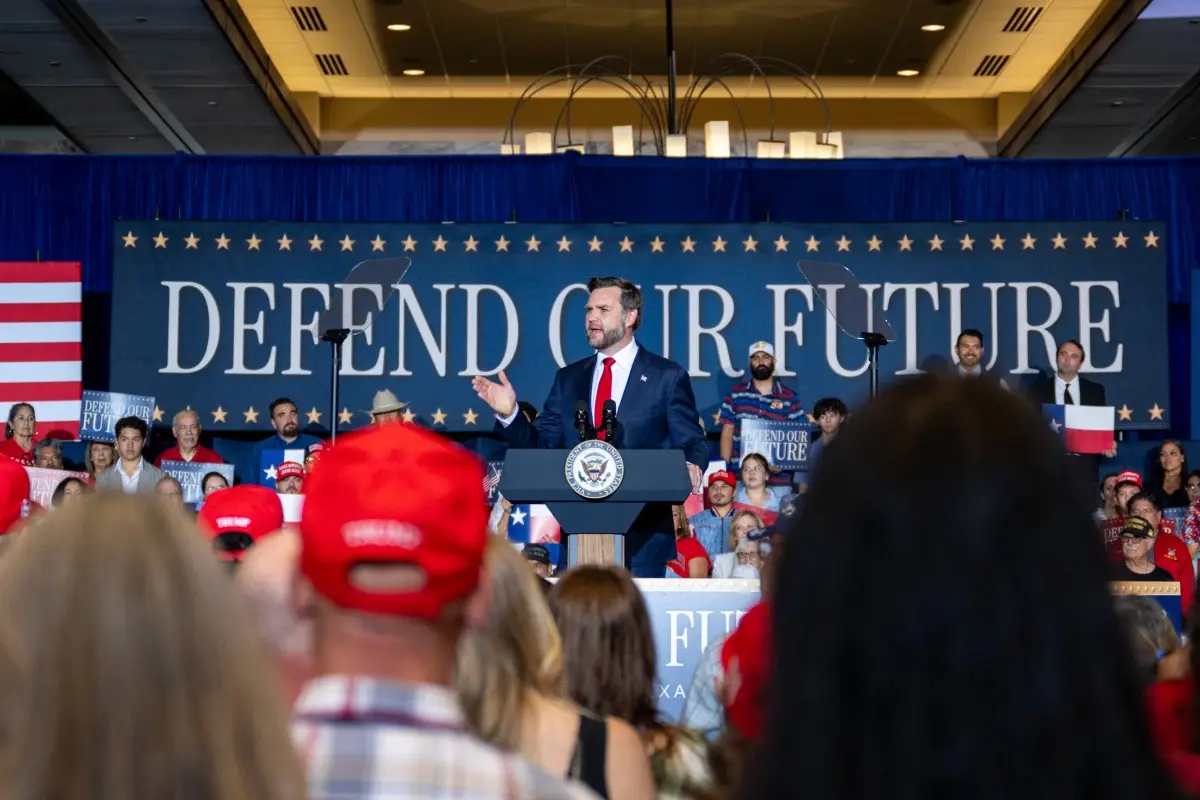
Vance's role and strategy
Vice President J.D. Vance is campaigning in competitive states as a key Republican surrogate. His message focuses on cultural issues, traditional values and the administration's record, while also helping shape the party's future coalition.
Democrats focus on costs, rights and balance
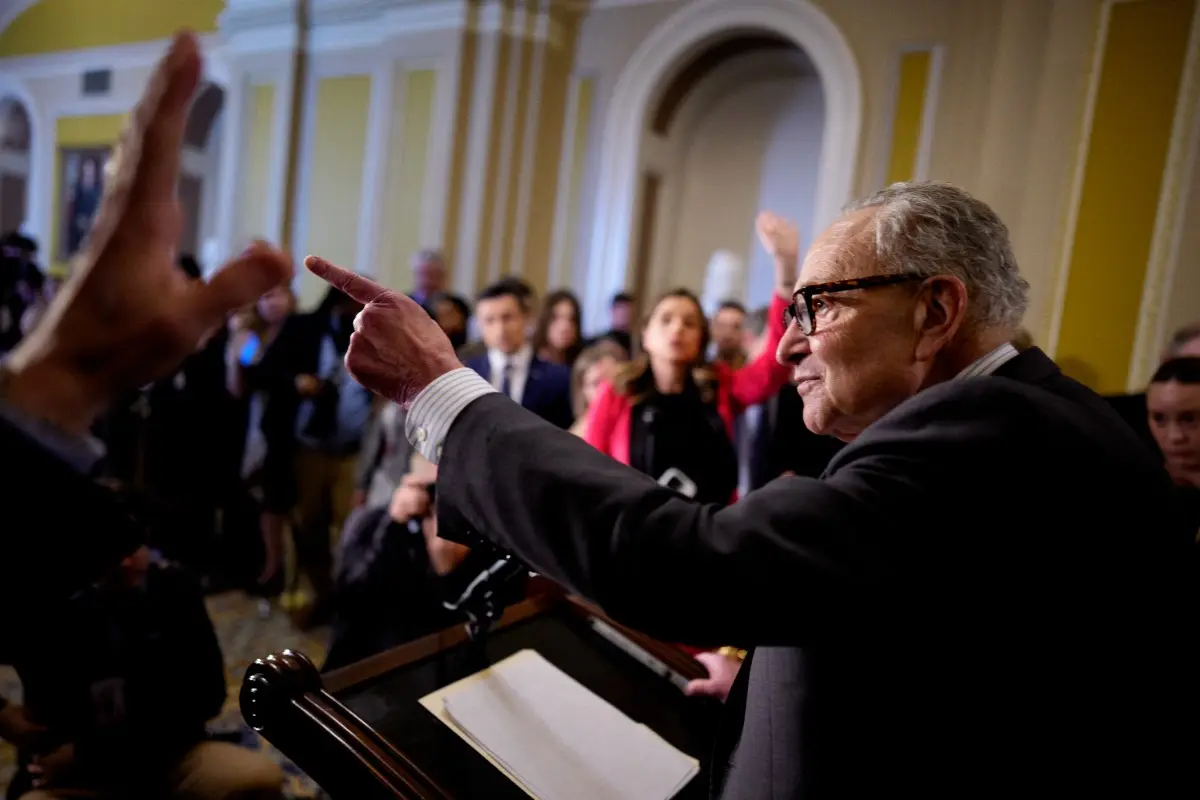
Democrats are focusing on economic fairness, social programmes, reproductive freedom and inflation. Key surrogates and Senate candidates, including Roy Cooper in North Carolina and Jon Ossoff in Georgia, are leading efforts in competitive races.
Iran war to impact polls
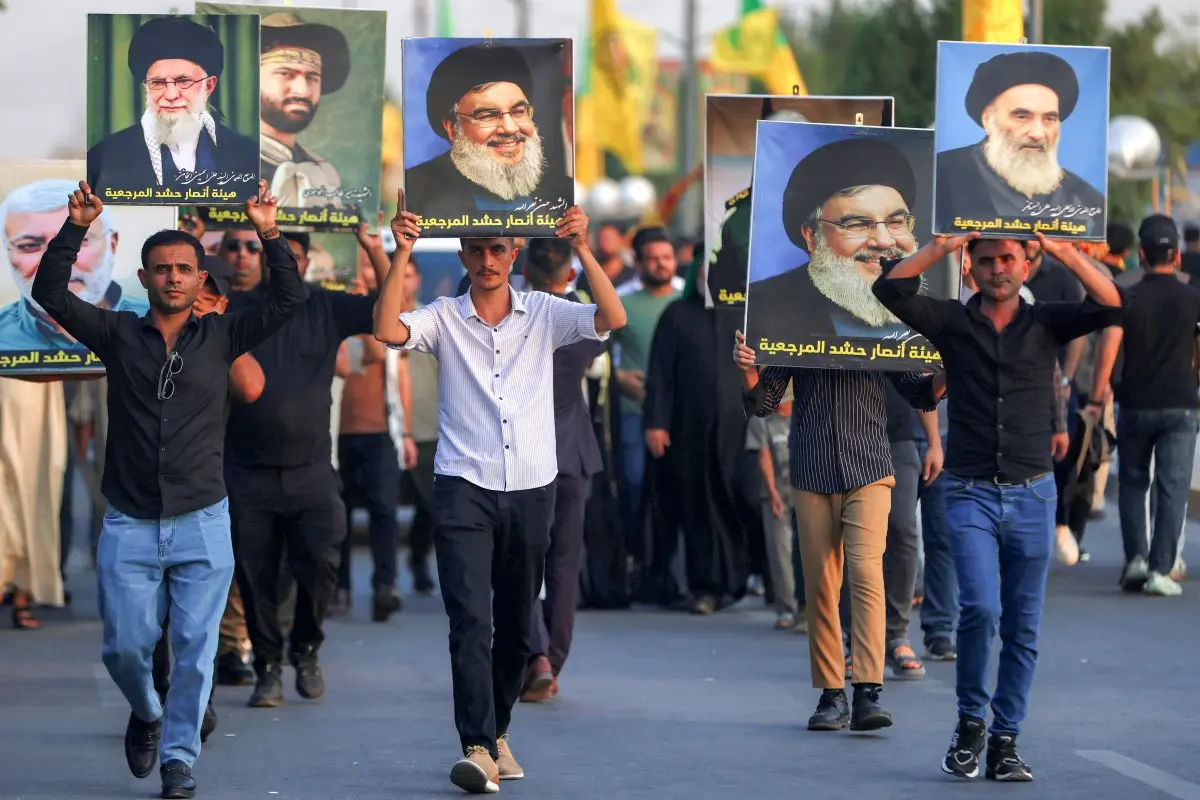
As the Iran war drags on, rising fuel prices and concerns over national security are becoming key issues for US voters ahead of the midterms. Recent polls show Democrats leading Republicans on the generic congressional ballot, while President Donald Trump's approval remains below 40%, with his handling of Iran also drawing low ratings.
)
)
)
)
)