Why the F-35 relies on one pilot for complex missions

The F-35 relies on one pilot by using advanced sensor fusion, six infrared cameras, and a high-tech helmet to automate data. This setup replaces the need for a co-pilot while maintaining stealth.
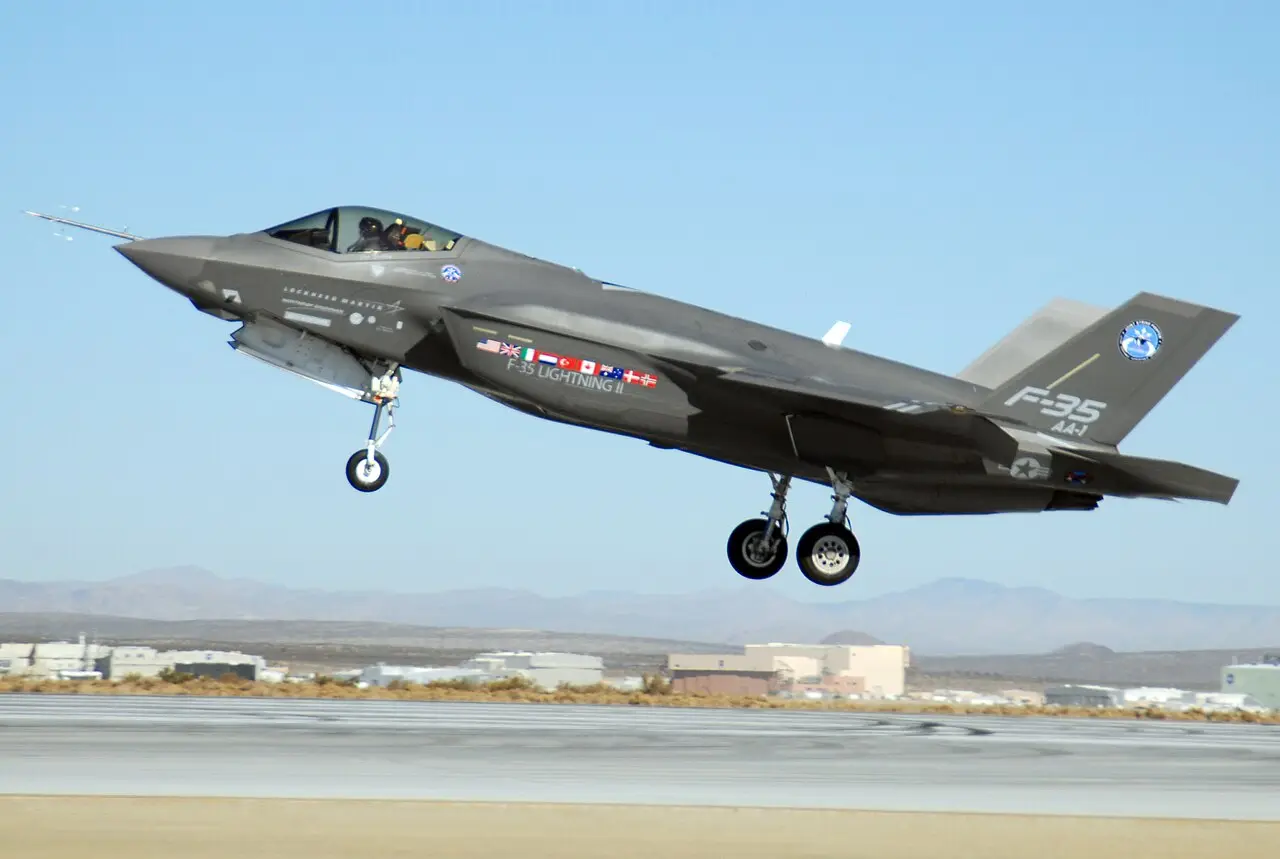
1 Pilot Replaces 2
Older combat jets needed a second crew member to manage radar and weapons. The F-35 uses advanced avionics and sensor fusion technology, allowing one pilot to execute missions that previously required two people. This automated system significantly reduces the cognitive workload during intense operations.
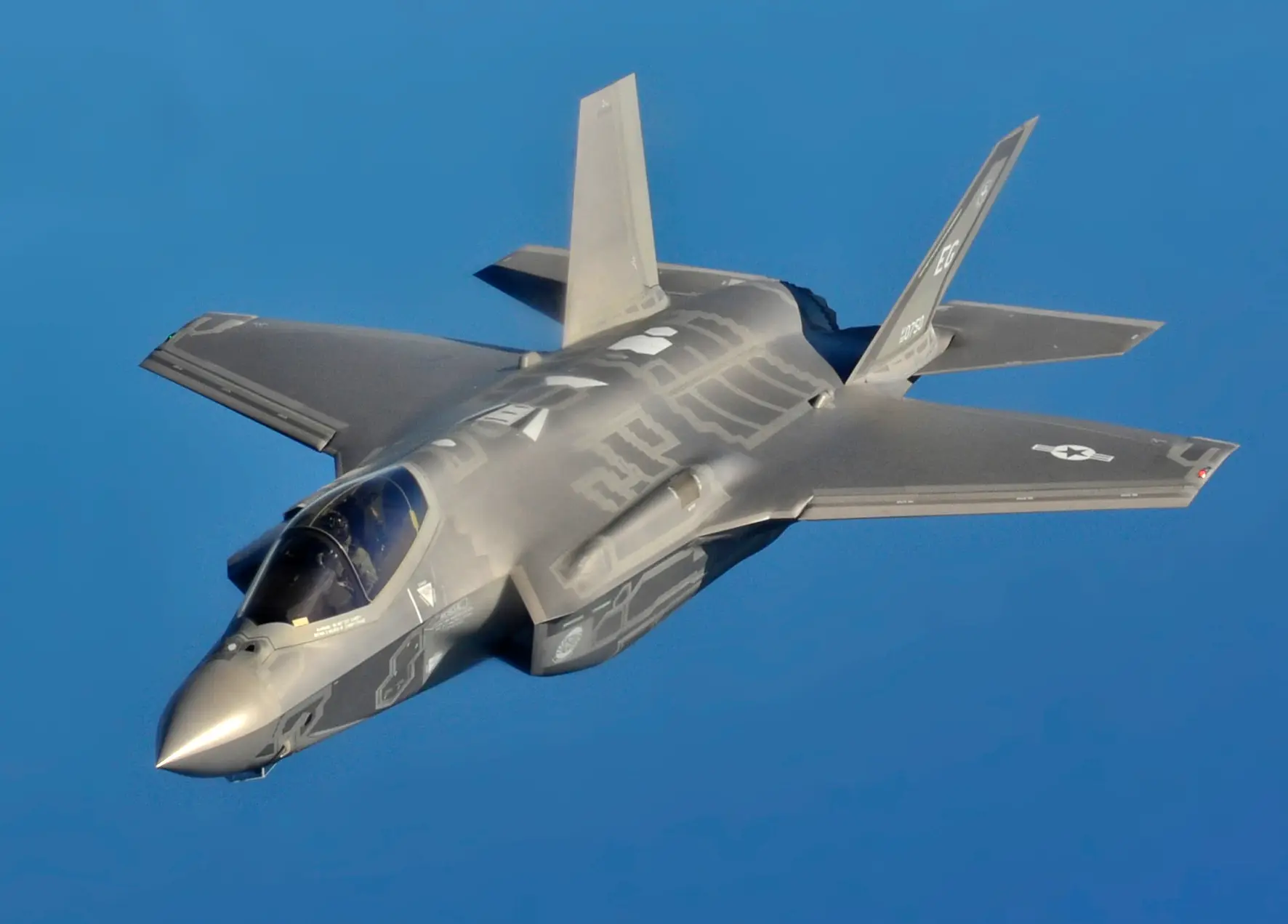
6 Infrared DAS Cameras
The jet features six infrared cameras mounted around the aircraft. This Distributed Aperture System seamlessly stitches individual images together into a complete sphere for the pilot. The real-time imagery is sent directly to the helmet, removing the need for a co-pilot to manually scan for threats.
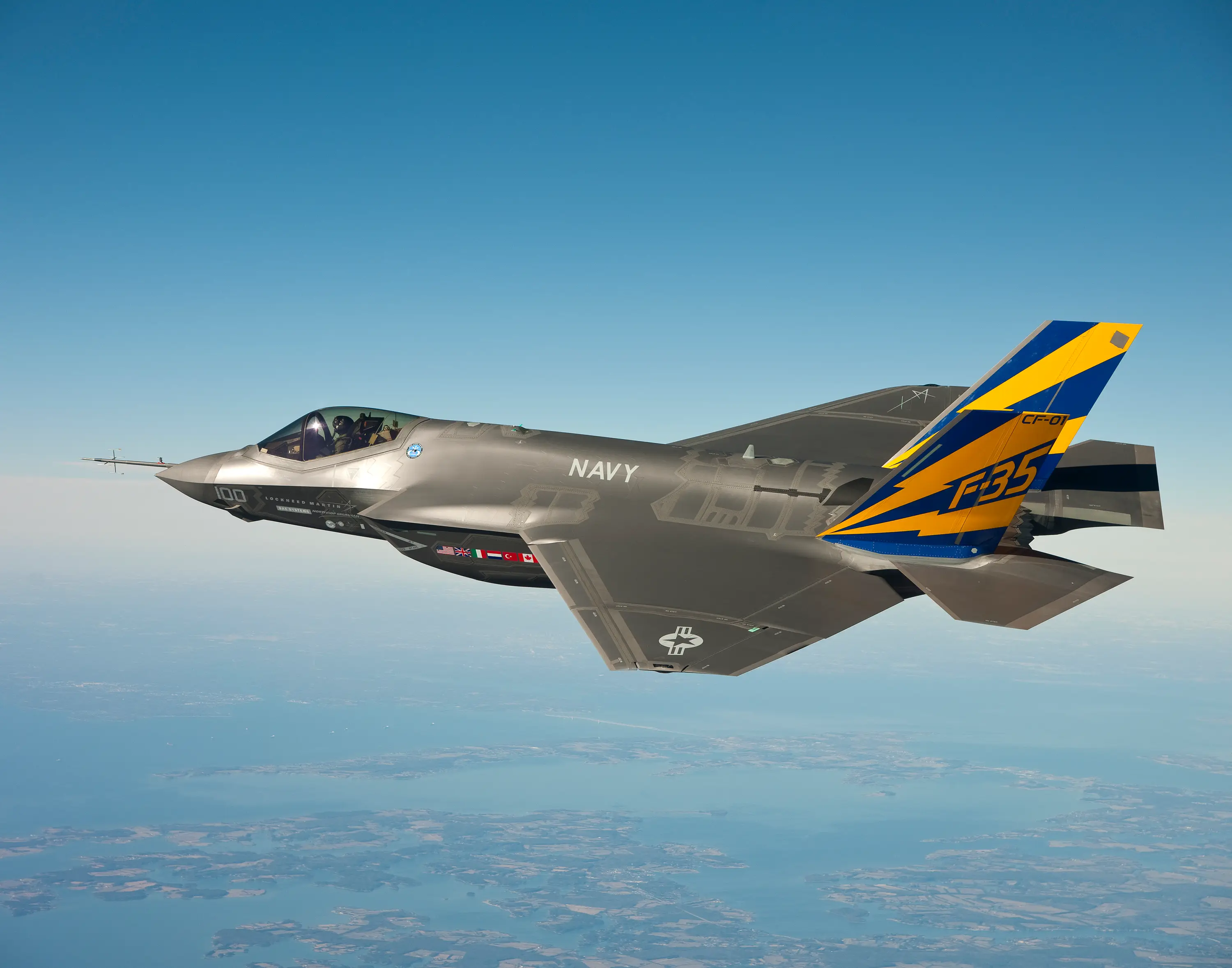
360-Degree Spherical Vision
Instead of looking at multiple screens, the pilot sees a single tactical picture. The helmet projects this fused information directly onto the visor, offering an uninterrupted 360-degree view of the battlespace. This allows one aviator to track enemy aircraft and surface threats with absolute clarity.
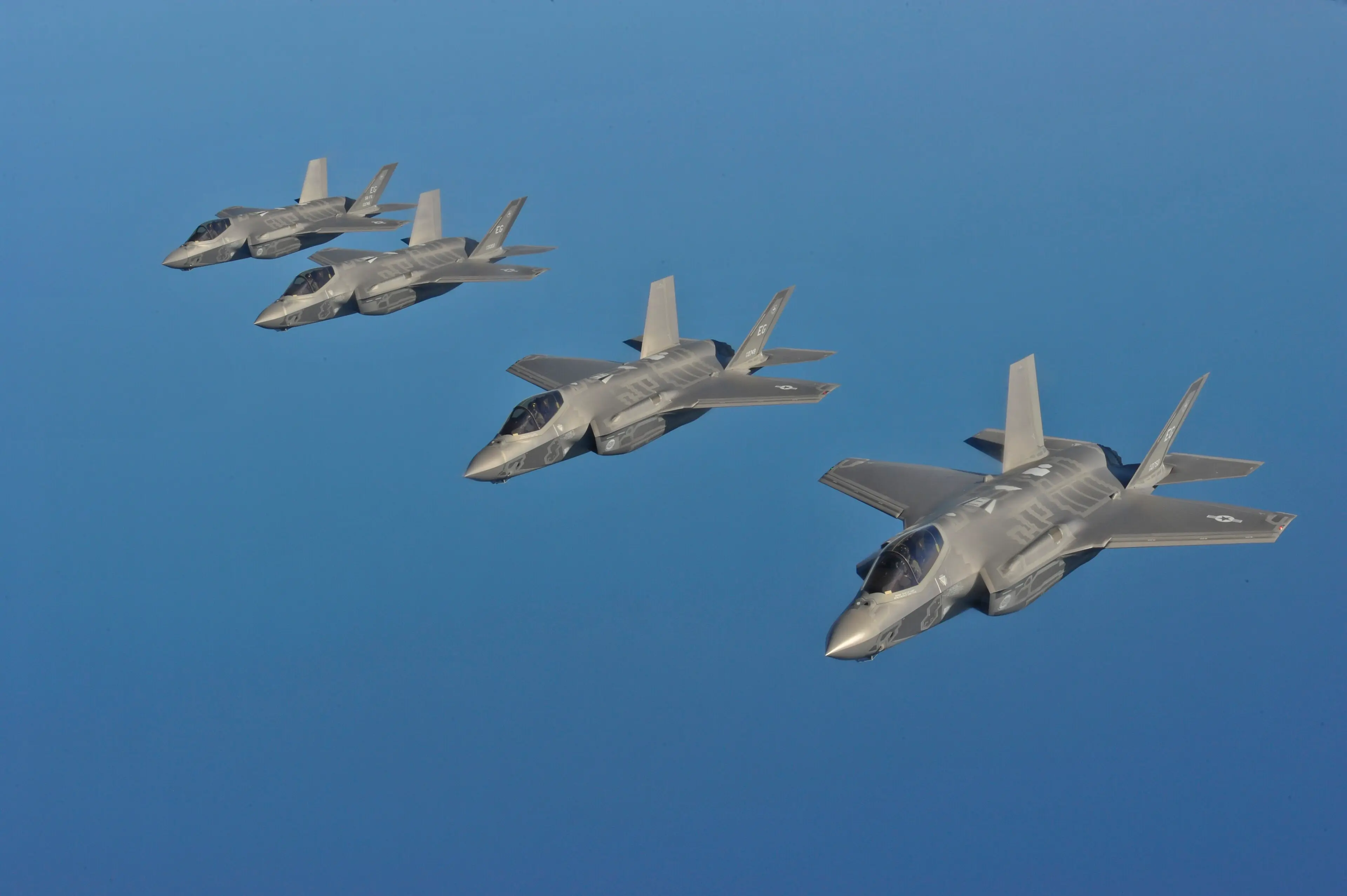
1 Unified Sensor Picture
The F-35 functions as a powerful flying data processor. It merges inputs from the AN/APG-81 radar and the Electro-Optical Targeting System to identify unknown contacts in seconds. This machine-driven sensor fusion lets a single pilot make fast, accurate combat decisions without cockpit assistance.
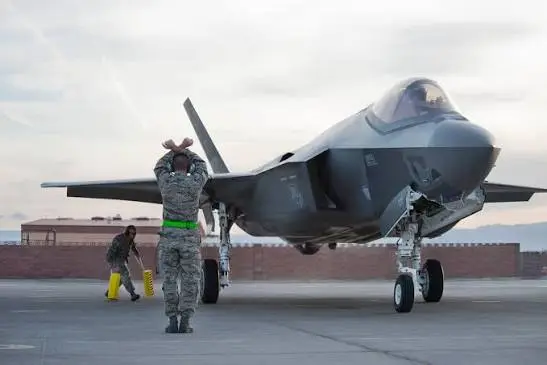
1 Seat Keeps Stealth
Building the F-35 as a single-seat aircraft helps maintain its advanced stealth capabilities. Adding a second seat would increase the radar cross-section, making the jet much easier for enemies to detect. The one-seat design also maximises commonality between all three variants, keeping overall development costs low.
)
)
)
)
)