Why Russian fighter jets space engines far apart compared to US jets

Russian jets space twin engines far apart to generate body lift, ensure direct airflow, and survive missile hits. US jets keep engines close together to reduce drag and increase combat roll rates.
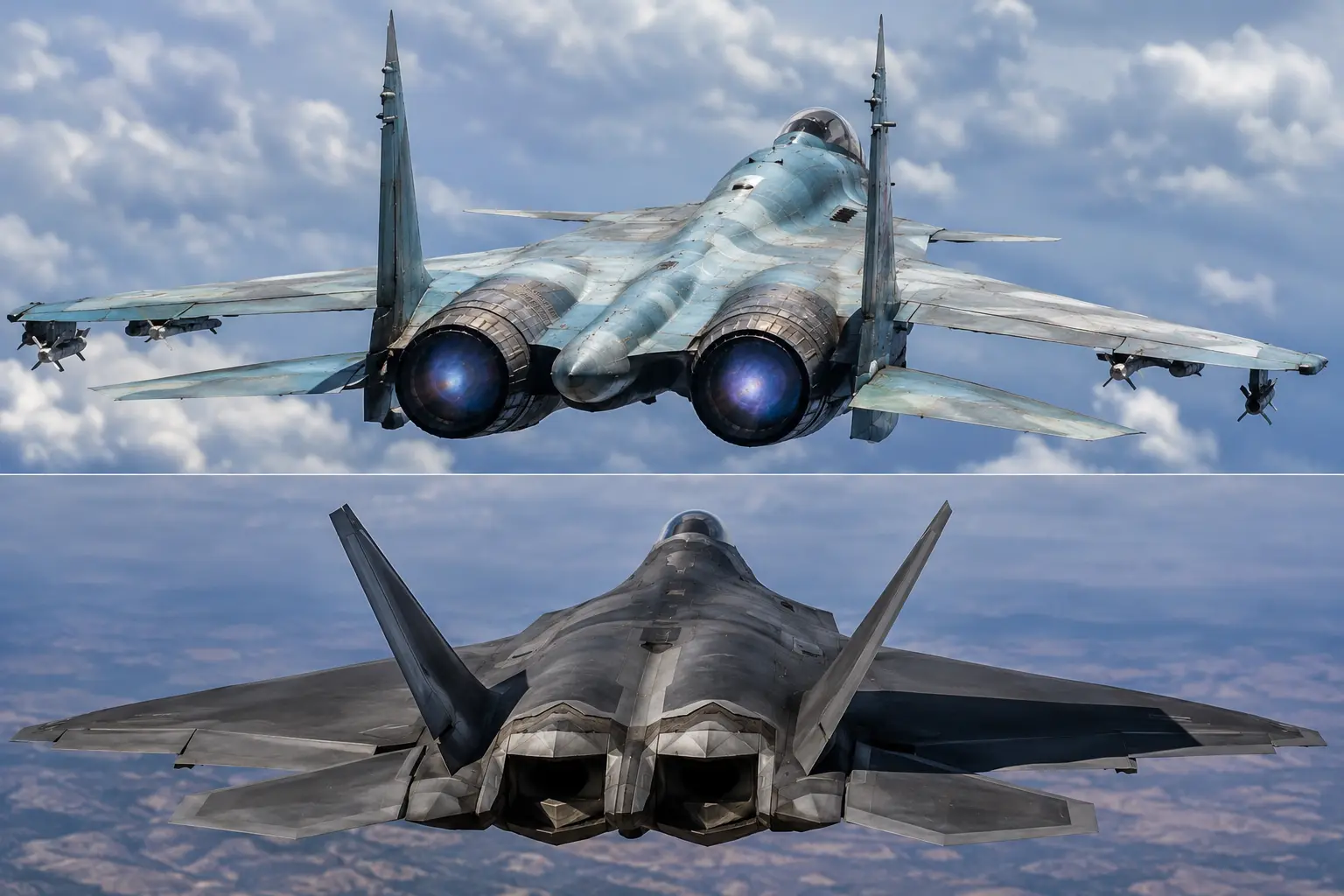
Generates Blended Body Lift
Placing twin engine pods far apart creates a wide, flattened central tunnel across the fuselage. Soviet engineers at the Central Aerohydrodynamic Institute designed this blended layout so the central body acts as a lifting surface. This design generates nearly 40 per cent of the aircraft's total lift without increasing wing drag.
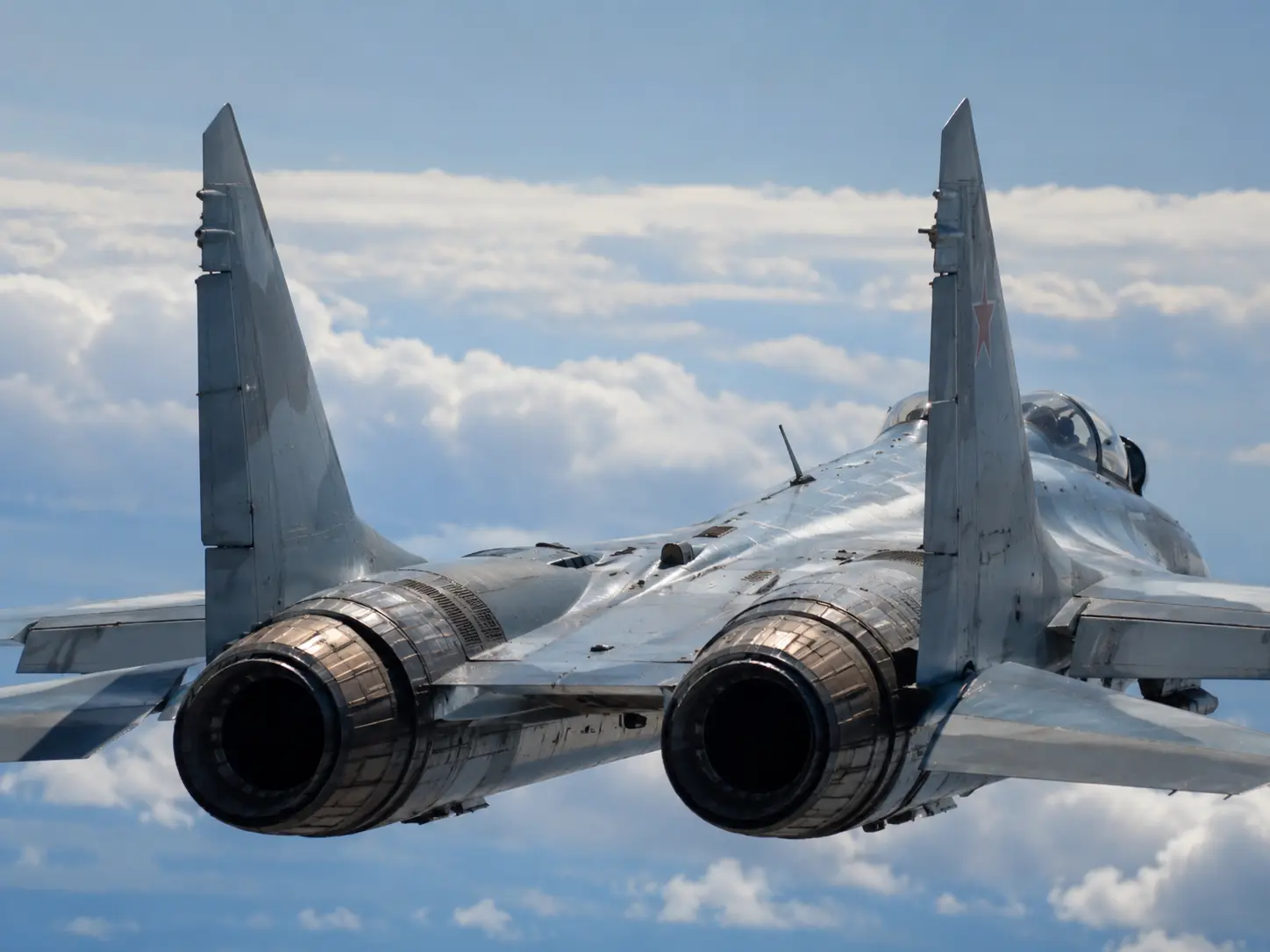
Ensures Direct Air Intake
Wide separation allows engineers to build straight, unobstructed intake ducts feeding direct airflow into each engine turbine. This prevents turbulent boundary layer air from entering the compressor blades during extreme combat manoeuvres. Uncompromised airflow protects engines from dangerous compressor stalls at high angles of attack.
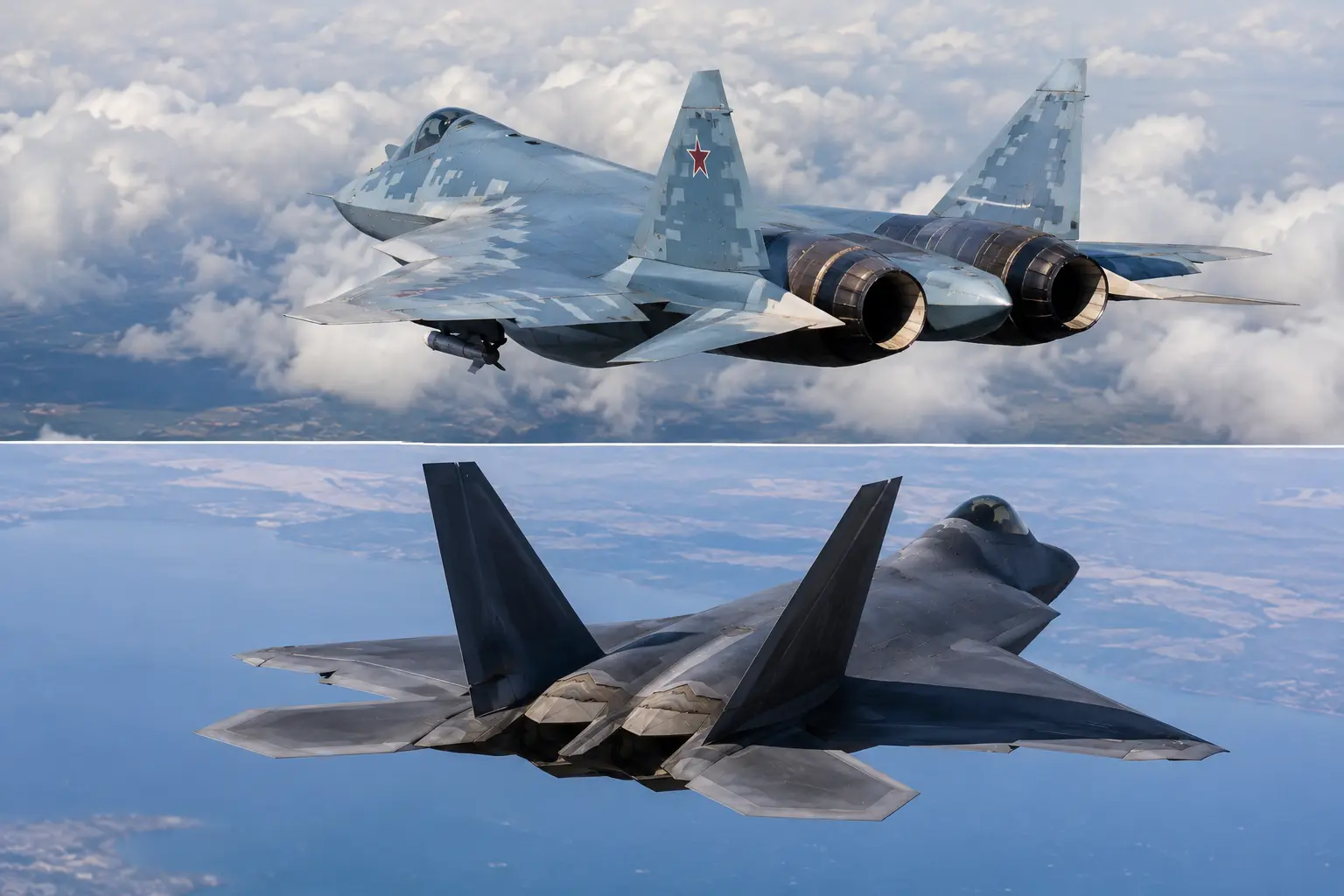
Prevents Dual Engine Loss
Separating powerplants by several metres significantly improves aircraft survivability during intense combat missions. If shrapnel from an incoming missile hits one engine pod, the wide fuselage gap prevents the blast from destroying the second engine. This allows the pilot to navigate safely back to base using single-engine power.
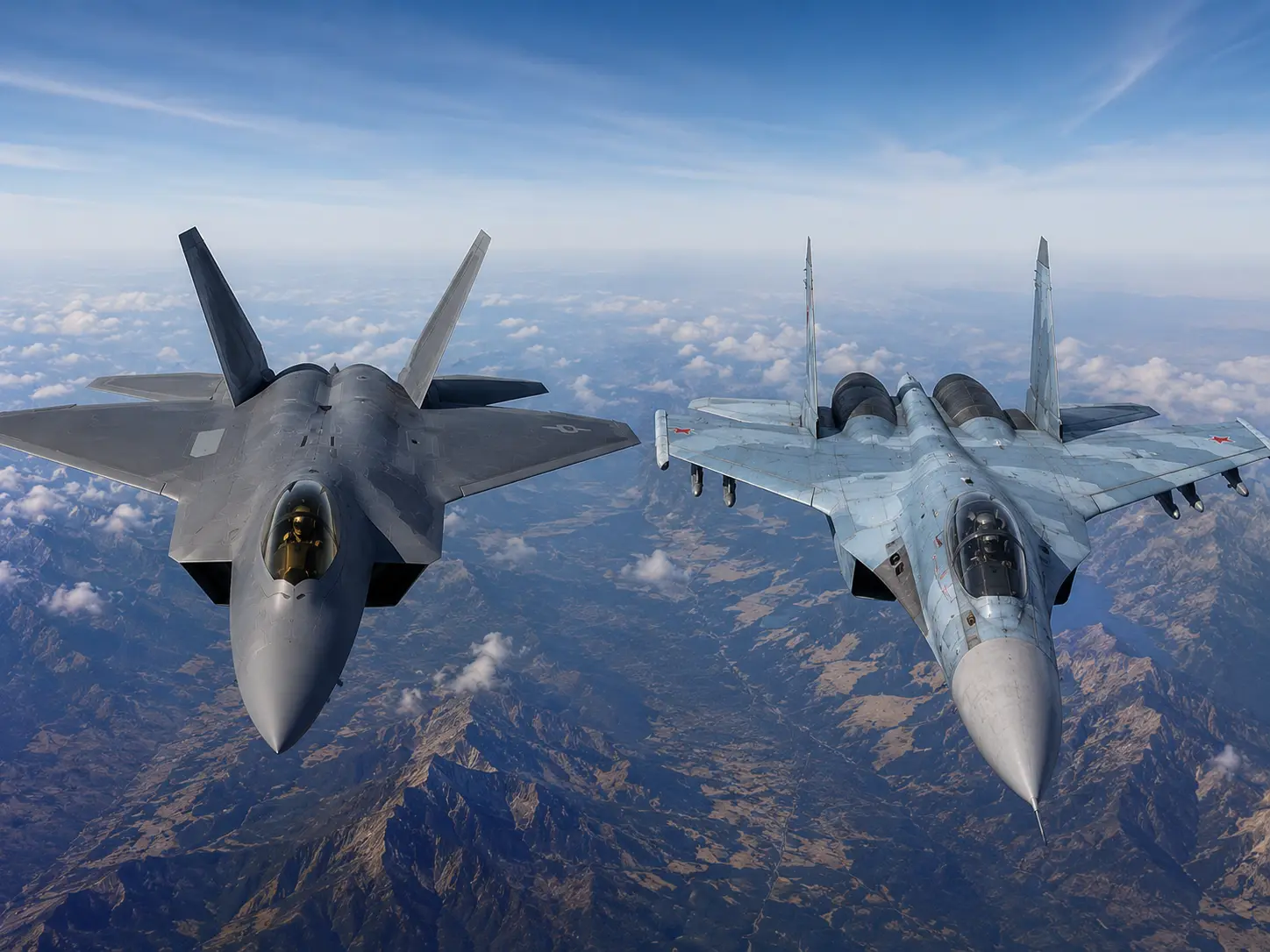
Provides Centre Munition Storage
The recessed tunnel between widely spaced engines offers a spacious, low-drag cavity for mounting heavy ordnance. Russian fighters carry large air-to-air missiles semi-submerged or internally within this central gap to reduce air resistance. This placement keeps the aircraft stable while carrying heavy combat payloads at Mach 2 speeds.
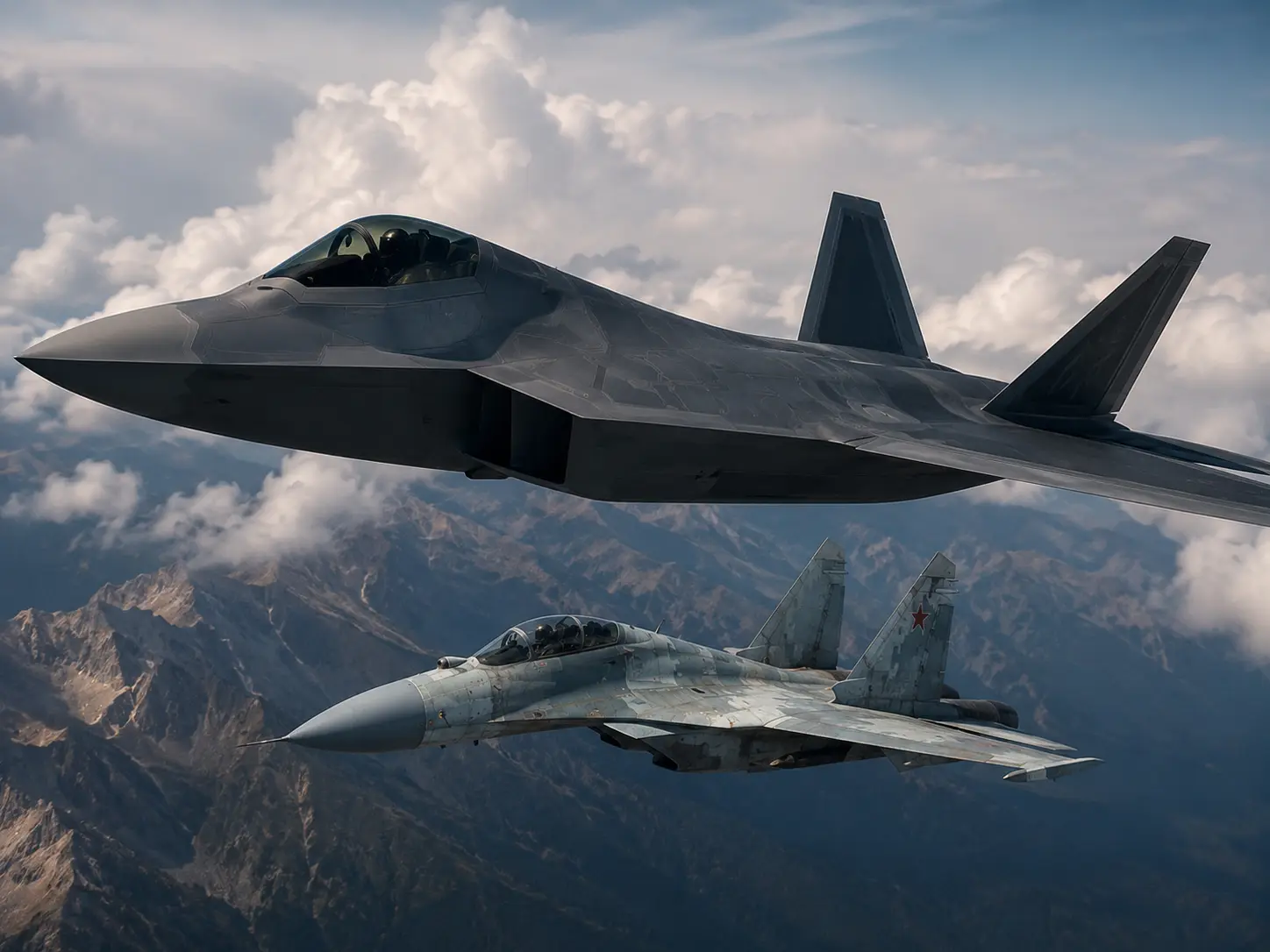
Why US Jets Differ
American fighters like the F-15 mount engines side by side to maintain a narrow fuselage profile and reduce frontal drag. Keeping engine mass concentrated near the aircraft centre allows American jets to execute faster roll rates during dogfights. This tight placement also minimises dangerous asymmetrical thrust if one engine stops working mid-flight.
)
)
)
)
)