PM Modi’s path-breaking initiatives set off major transformation | Seva Sankalp Abhiyaan

From governance reforms and digital transformation to infrastructure, financial inclusion, and social welfare, Prime Minister Narendra Modi’s leadership has sought to reshape India’s development trajectory, strengthen self-reliance, and accelerate inclusive growth.
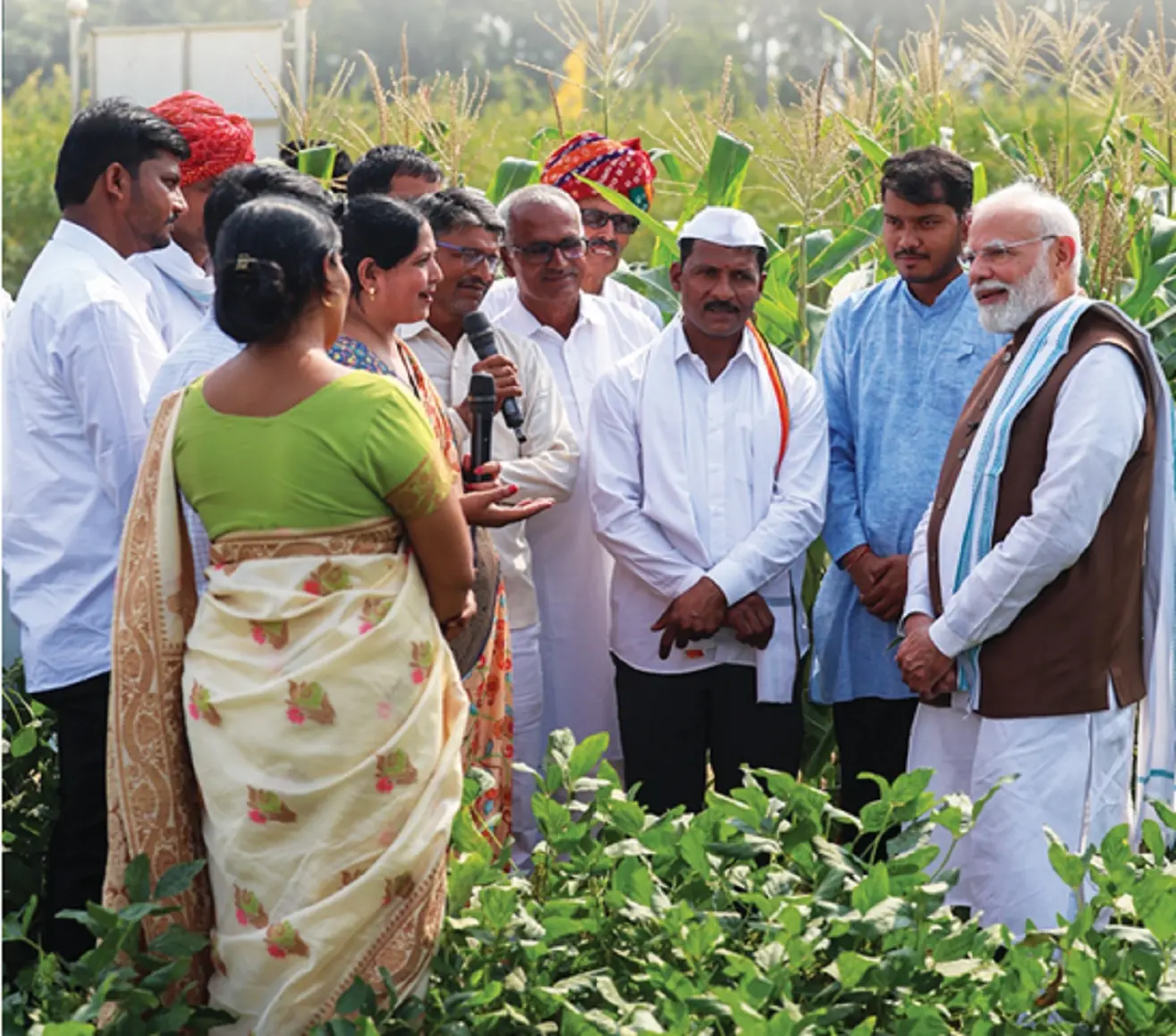
A transformative era marked by path-breaking initiatives
Prime Minister Narendra Modi’s 25-year journey as the head of Gujarat and India reflects a transformative era marked by path-breaking initiatives. From governance reforms and digital transformation to infrastructure, financial inclusion, and social welfare, his leadership has sought to reshape India’s development trajectory, strengthen self-reliance, and accelerate inclusive growth.
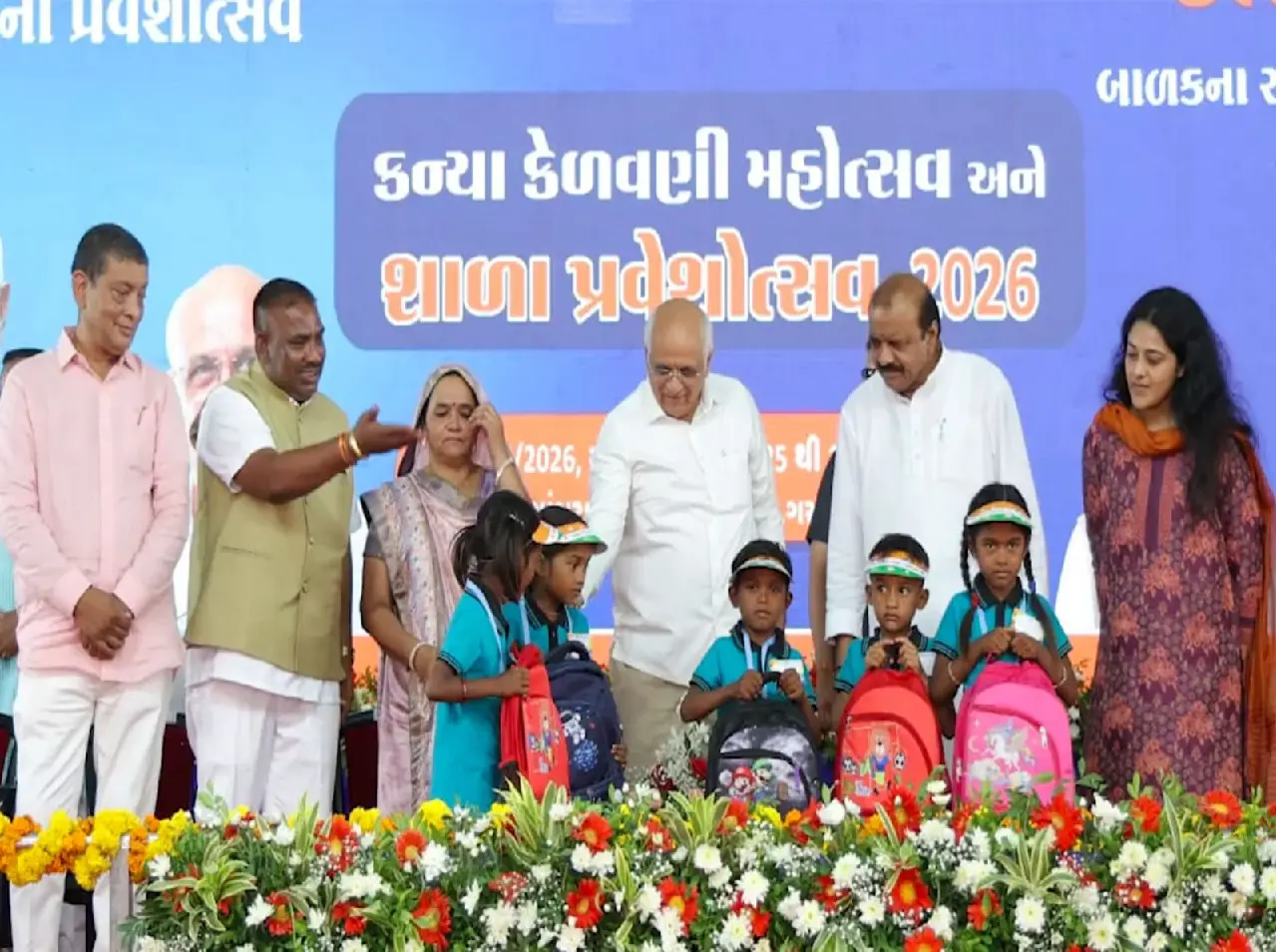
Kanya Kelavani & Shala Praveshotsav
Under Kanya Kelavani the government mobilised parents and communities to send children, particularly girls, to school. As Chief Minister, Narendra Modi started a campaign to celebrate school admission with Shala Praveshotsav, where first-time students were welcomed with tilak, sweets, school supplies and a village procession.
SWAGAT
State Wide Attention on Grievances by Application of Technology enabled people to raise grievances directly with the Chief Minister, bringing accessibility, accountability and time-bound action into the heart of administration. Technology became the bridge between the citizen and the highest level of government.
Jyotigram Yojana
Jyotigram Yojana provided reliable electricity to rural Gujarat while balancing the needs of agriculture and households. As rural households gained dependable power, non-farm economic activity expanded and agricultural power subsidies were nearly halved.
Pradhan Mantri Jan Dhan Yojana
Pradhan Mantri Jan Dhan Yojana transformed financial inclusion as 59 crore bank accounts were opened, out of which nearly 46 crore accounts were in rural/semi-urban branches and around 33 crore were held by women. It became the first pillar of JAM architecture - Jan Dhan, Aadhaar and Mobile - connecting citizens to DBT, insurance, pensions, credit and digital payments.
Direct Benefit Transfer (DBT)
Direct Benefit Transfer changed welfare delivery as money moved directly from government to beneficiary, cutting out middlemen and reducing leakages. By August 2026, DBT had transferred ₹53.24 lakh crore across 320 schemes and 56 ministries.

Swachh Bharat Mission
Swachh Bharat Mission (SBM) transformed sanitation and placed cleanliness, dignity and behavioural change at the centre, driving the construction of over 12 crore household toilets and enabling Indian villages to be declared Open Defecation Free by 2019. It resulted in lower infant and under-five mortality.
Make In India
Make in India sought to make the country a competitive manufacturing destination by reducing red tape, improving ease of doing business. Electronics production rose from ₹1.9 lakh crore in 2014-15 to ₹13.11 lakh crore in 2025-26, while electronics exports reached ₹4.24 lakh crore. Mobile-phone exports increased by 171 times.
Pradhan Mantri Mudra Yojana
PM MUDRA Yojana gives small entrepreneurs the capital to start, sustain and grow their businesses. Collateral-free credit brought crores of micro-enterprises into the formal financial system, with 68% of loans going to women and 51% to SC/ST/OBC borrowers. In 2024, the MUDRA loan ceiling was doubled from ₹10 lakh to ₹20 lakh.
Startup India
Startup India set out to change the entrepreneurial culture and made India the world’s third-largest startup ecosystem. Nearly 50% of recognised startups now originate from Tier-II and Tier-III cities, signalling a genuine decentralisation of entrepreneurship. Over 10,000 Atal Tinkering Labs have been established in schools.
Pradhan Mantri Ujjwala Yojana
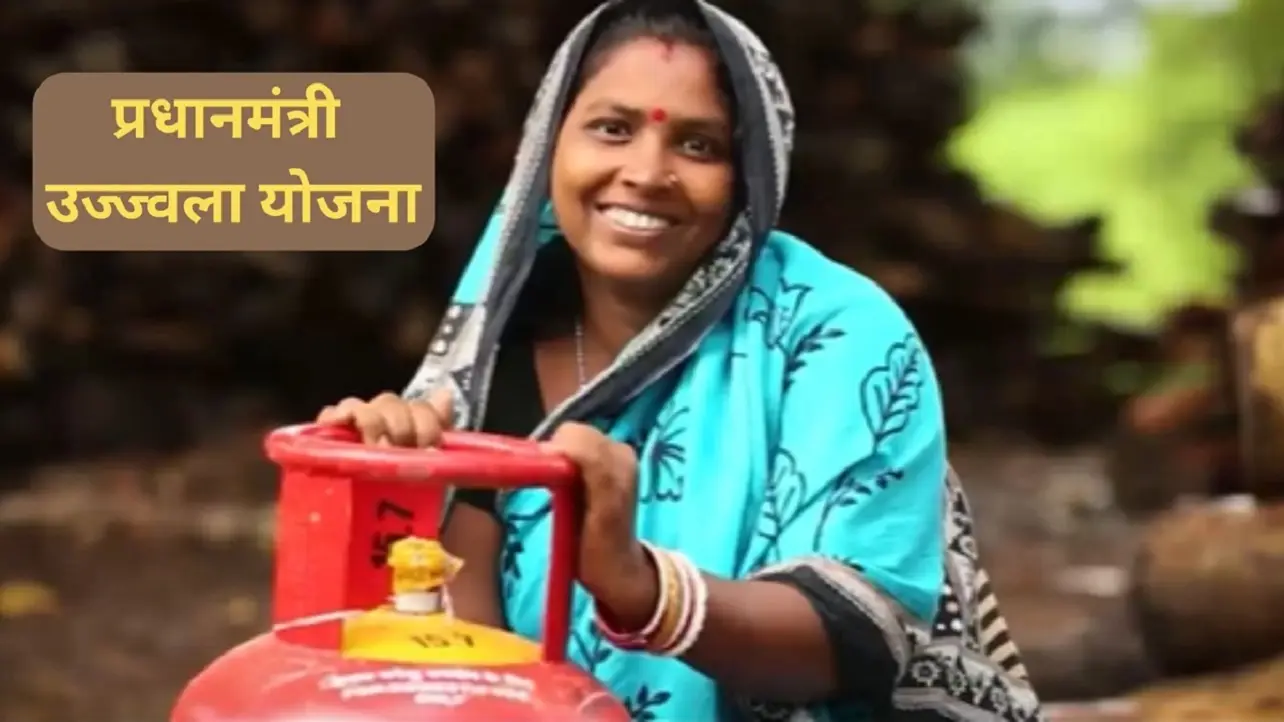
PM Ujjwala Yojana made clean cooking fuel a matter of dignity and health for women in poor households. It helped shift millions of households away from firewood, dung cakes and other polluting fuels. By May 2026, 10.5 crore+ free LPG connections had been provided to women from poor households.
Digital Payments Revolution – UPI
UPI transformed digital payments from a niche convenience into an everyday utility for Indians across income groups. UPI transactions have risen from 1.78 crore to 24,162 crore. Transaction value has surged to ₹314 lakh crore. UPI now accounts for 84% of India's digital payments. UPI is now operational in 11 countries.
Goods & Services Tax (GST)
GST sought to break one of India's most persistent economic barriers as 17 taxes and 13 cesses were brought into a common framework, making One Nation, One Tax, One Market a practical reality. GST has also helped formalise the economy and the taxpayer base grew from 66.5 lakh in 2017 to 1.65 crore by May 2026.
Ayushman Bharat – PM-JAY
Ayushman Bharat–PM-JAY provides up to ₹5 lakh of annual cashless health insurance cover per family, the scheme targets the poorest 40% of Indians and has progressively expanded its reach. By June 2026, it had enabled 12.69 crore hospital admissions worth ₹1.92 lakh crore, across 37,413 public and private hospitals. The Ayushman Vay Vandana Card extends to 6 crore senior citizens, regardless of income.
)
)
)
)
)