25 ideas that changed governance in India: From GIFT City to IN-SPACe

A look at 25 ideas and institutional reforms that reshaped governance in India, from Gujarat’s WASMO and Disaster Management Act to GIFT City, MyGov, NITI Aayog, digital public infrastructure, GST, IN-SPACe, Agnipath and the Global Biofuels Alliance
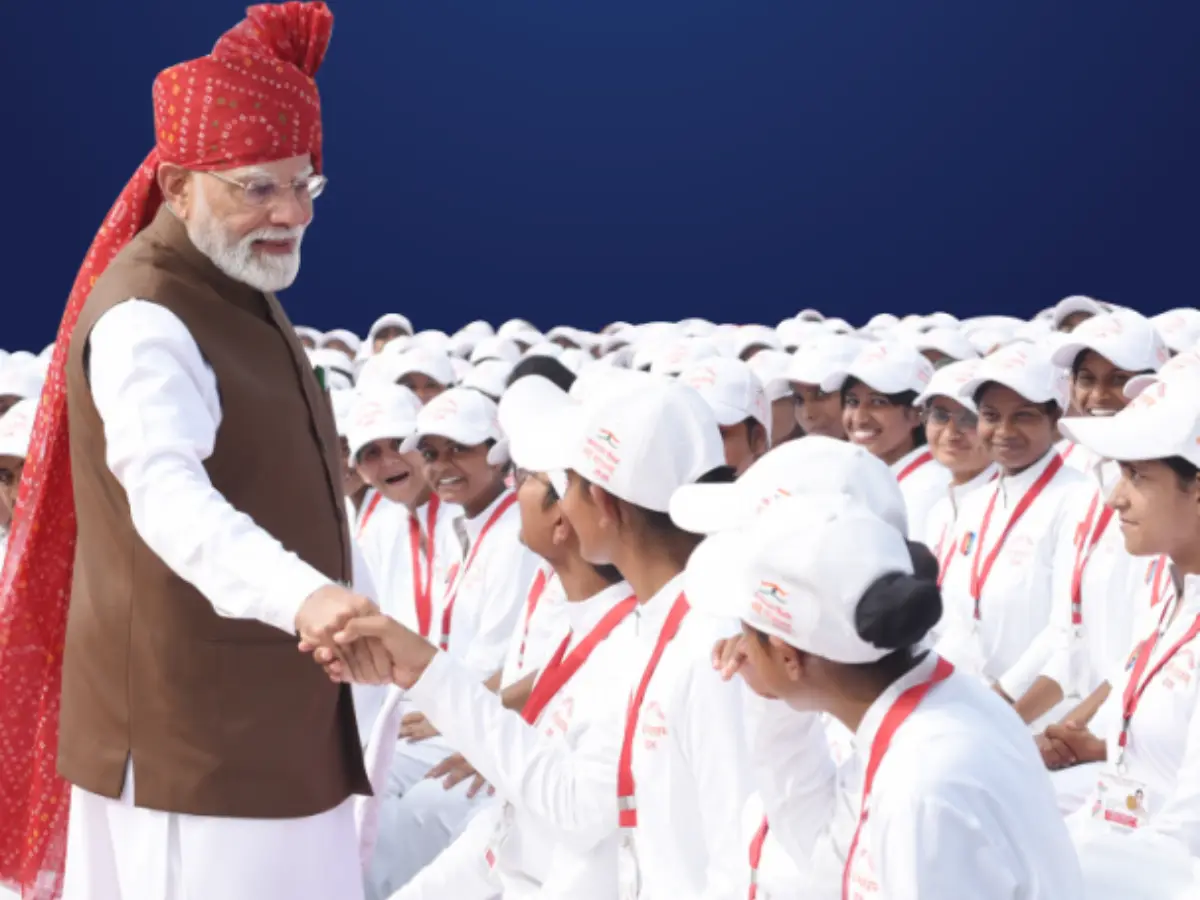
25 ideas and institutional reforms that reshaped governance in India
A look at 25 ideas and institutional reforms that reshaped governance in India, from Gujarat’s WASMO and the Disaster Management Act to GIFT City, MyGov, NITI Aayog, digital public infrastructure, GST, IN-SPACe, Agnipath and the Global Biofuels Alliance.
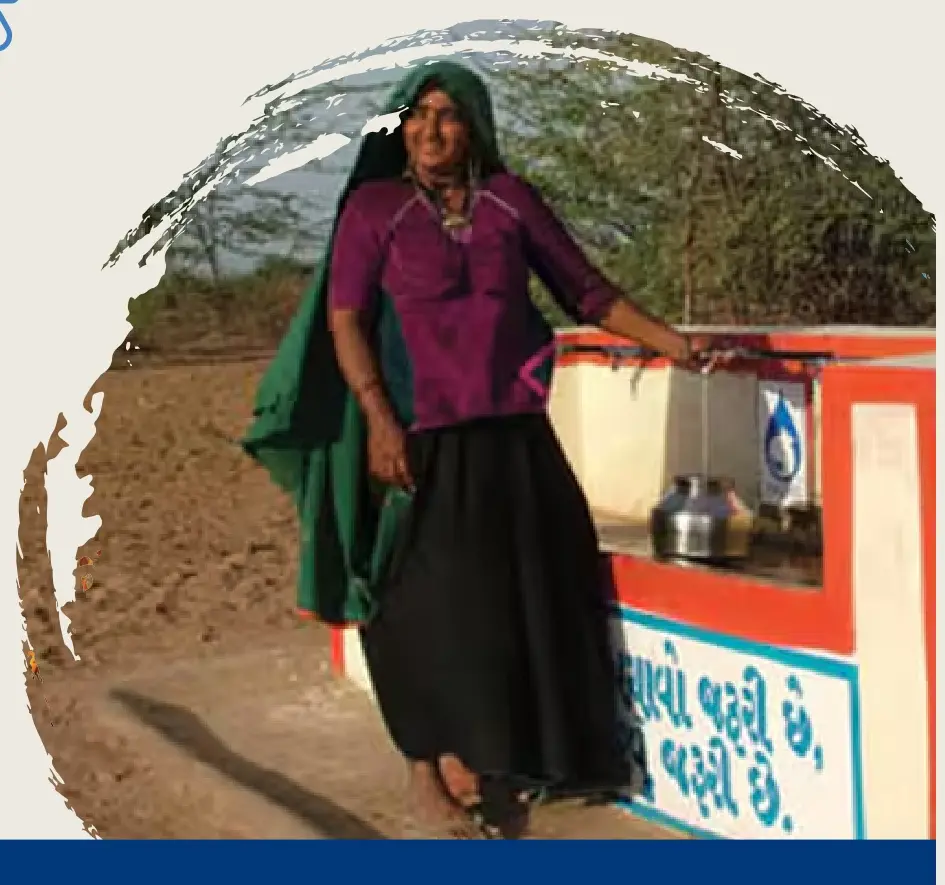
Water and Sanitation Management Organisation (WASMO), Gujarat — 2002
What was wrong: Rural water schemes were built and handed over by the state, but villagers had little role in planning or management. Maintenance depended on government departments, and many systems fell into disrepair.
What was intended: WASMO was created to put villages in charge. Village Pani Samitis would plan schemes, supervise construction, operate them and collect money for upkeep, with women required to participate in leadership.
What changed/resulted: Local ownership helped schemes last. The model was later institutionalised nationally through Village Water and Sanitation Committees/Pani Samitis under the Jal Jeevan Mission.
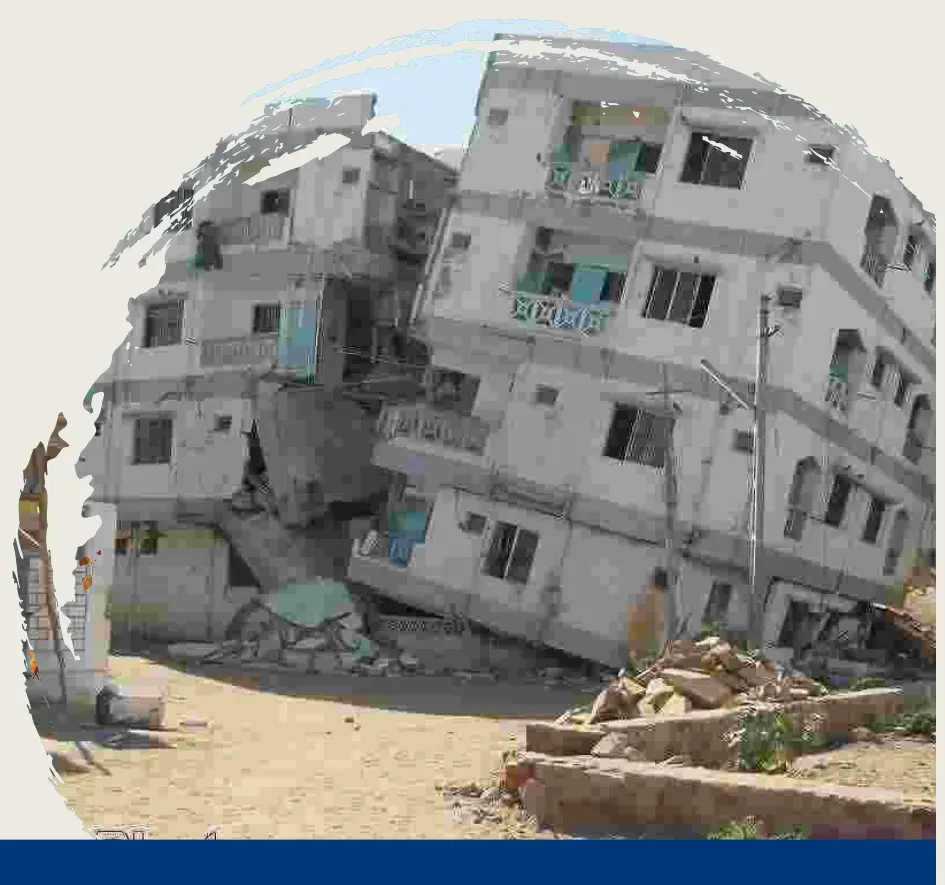
State Disaster Management Act — 2003
What was wrong: The 2001 Bhuj earthquake exposed a system focused largely on relief, with limited institutional preparation for disasters.
What was intended: Gujarat created the first state Disaster Management Act in 2003, establishing a statutory authority with a permanent mandate for mitigation, preparedness, capacity building and coordinated response.
What changed/resulted: The model was followed nationally through the Disaster Management Act, 2005, which created the National Disaster Management Authority.
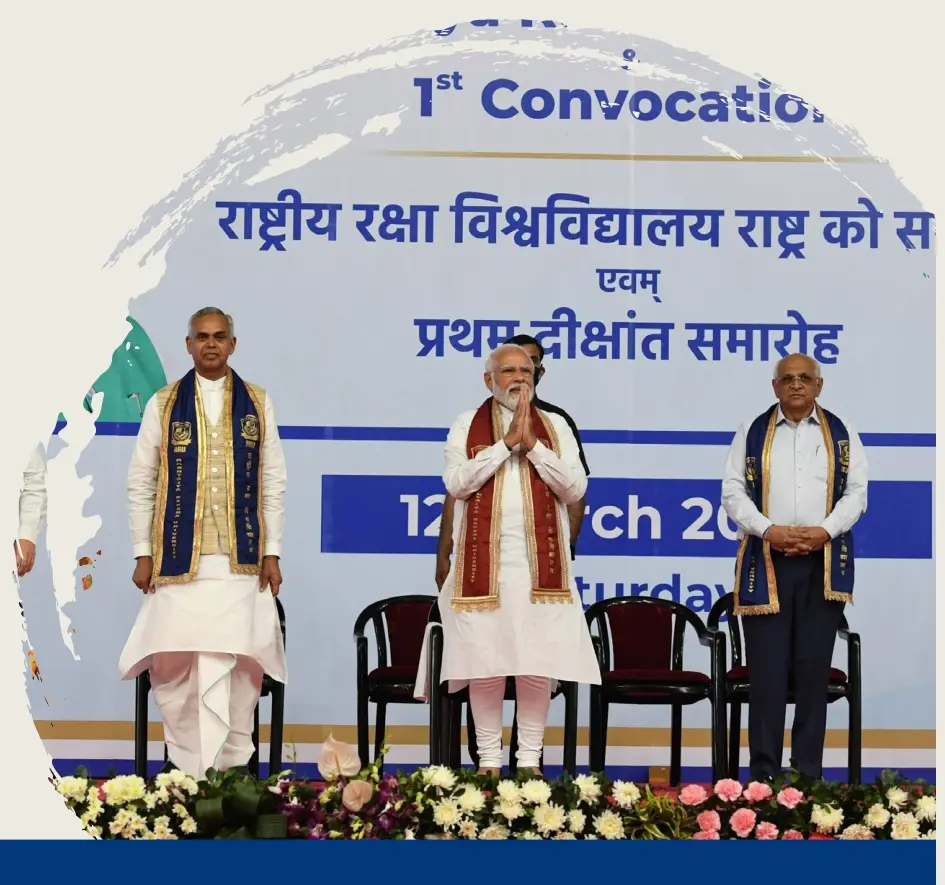
Creation of Domain-Specific Universities
What was wrong: Higher education largely produced general graduates, while specialised fields depended on a limited number of institutions.
What was intended: Gujarat created universities focused on specific domains, including forensic sciences, defence, children, energy, sports, Sanskrit, teacher education and yoga.
What changed/resulted: These institutions created dedicated ecosystems for specialised education. Gujarat Forensic Sciences University was later reconstituted as the National Forensic Sciences University.
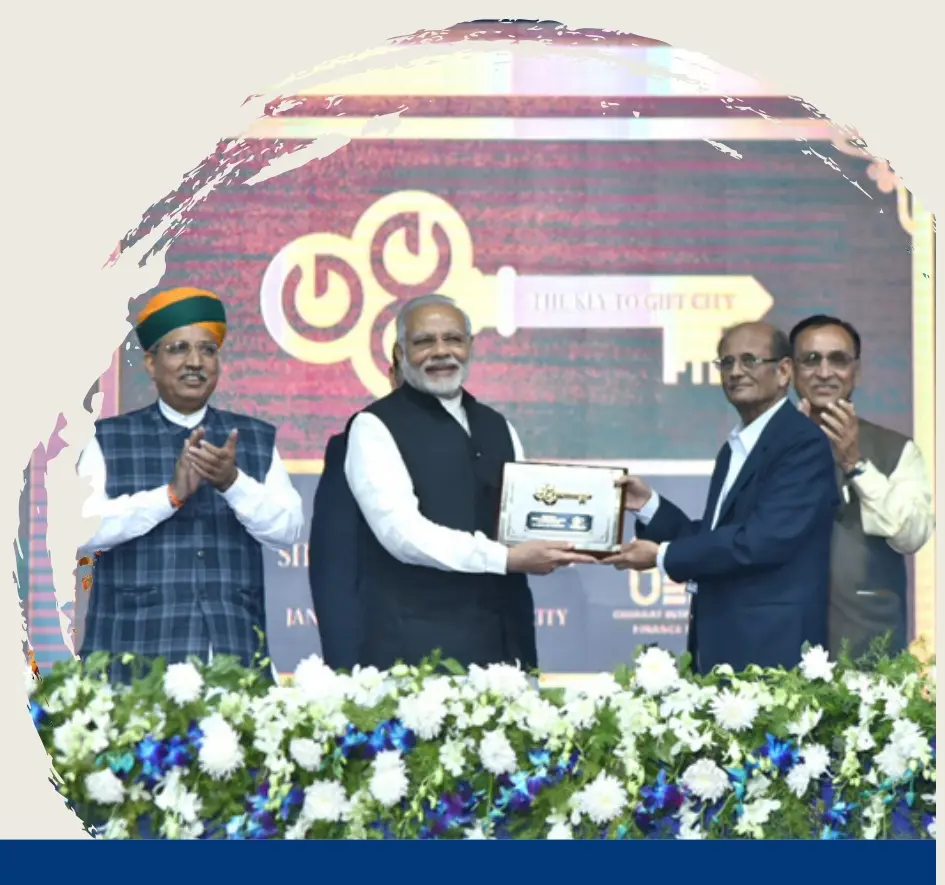
A Transformational Greenfield Financial City — GIFT City, 2007
What was wrong: Indian firms and clients carried out activities such as aircraft leasing, offshore fund management and cross-border financing through centres such as Singapore and Dubai.
What was intended: GIFT City was conceived as an international financial centre between Ahmedabad and Gandhinagar, with rules aligned to international practice and a single regulator for international financial services.
What changed/resulted: By March 2026, the city had 1,147 registered entities and banking assets exceeding USD 111 billion, with new business lines continuing to be added.
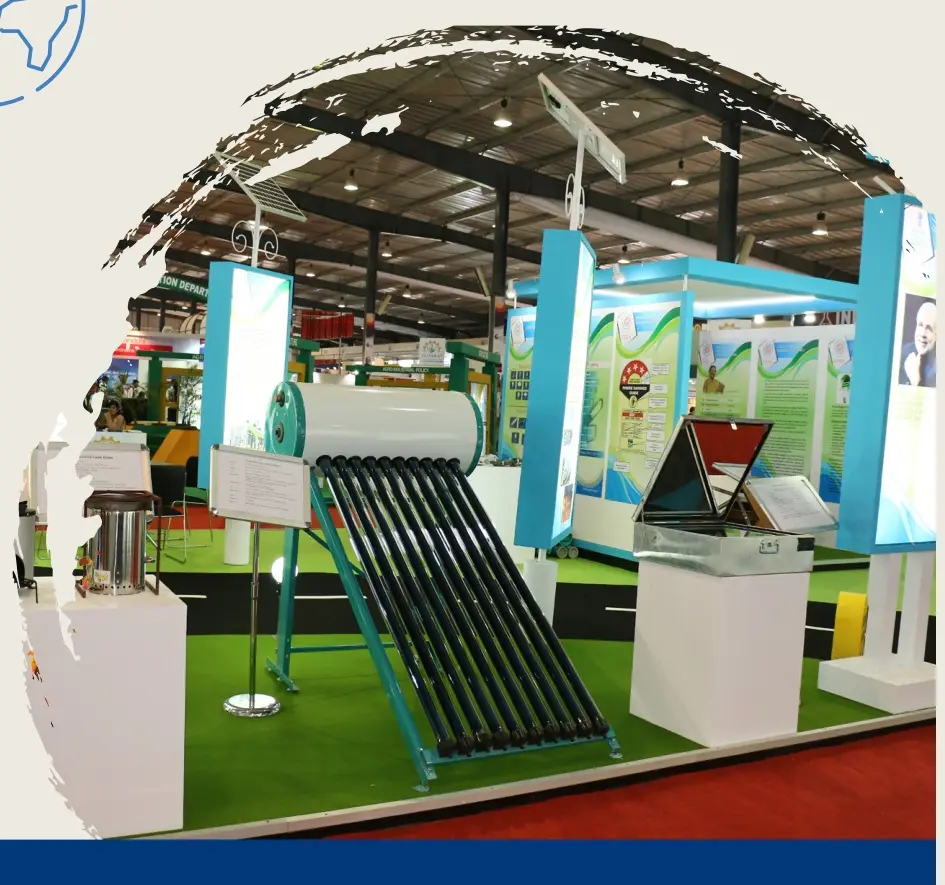
Separate Climate Change Department in Gujarat — 2009
What was wrong: Climate change was often treated mainly as an international negotiation issue or as isolated, donor-funded projects rather than as a permanent government responsibility.
What was intended: Gujarat created a dedicated department responsible for areas including renewable energy, water conservation, emissions reduction and climate-resilient planning.
What changed/resulted: Climate-related work became part of the regular government machinery, with the department continuing through successive administrations.
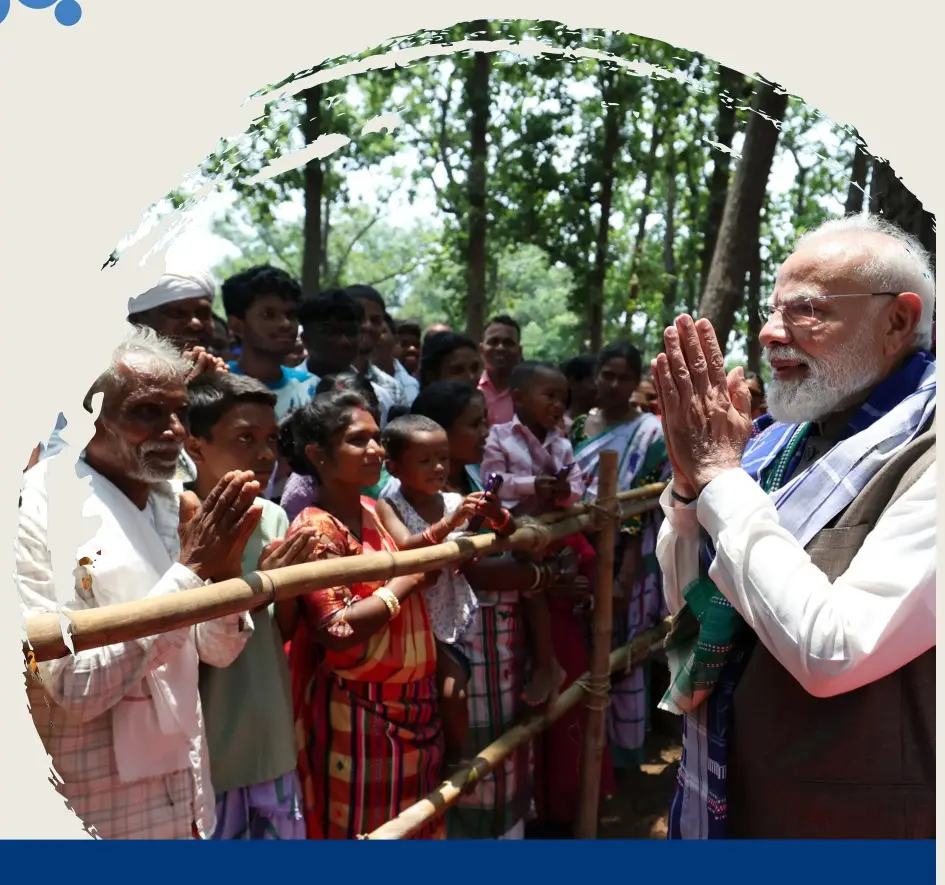
Institutionalising Jan-Bhagidari — MyGov, 2014
What was wrong: Public participation was largely limited to elections, petitions and occasional consultations. There was no permanent channel for citizens to engage directly with policy-making.
What was intended: MyGov was launched as a platform for discussions, polls, surveys and idea campaigns, allowing citizen input to reach relevant ministries.
What changed/resulted: By July 2026, nearly 6.5 crore citizens were registered, with suggestions contributing to scheme design, names, logos and some draft legislation.
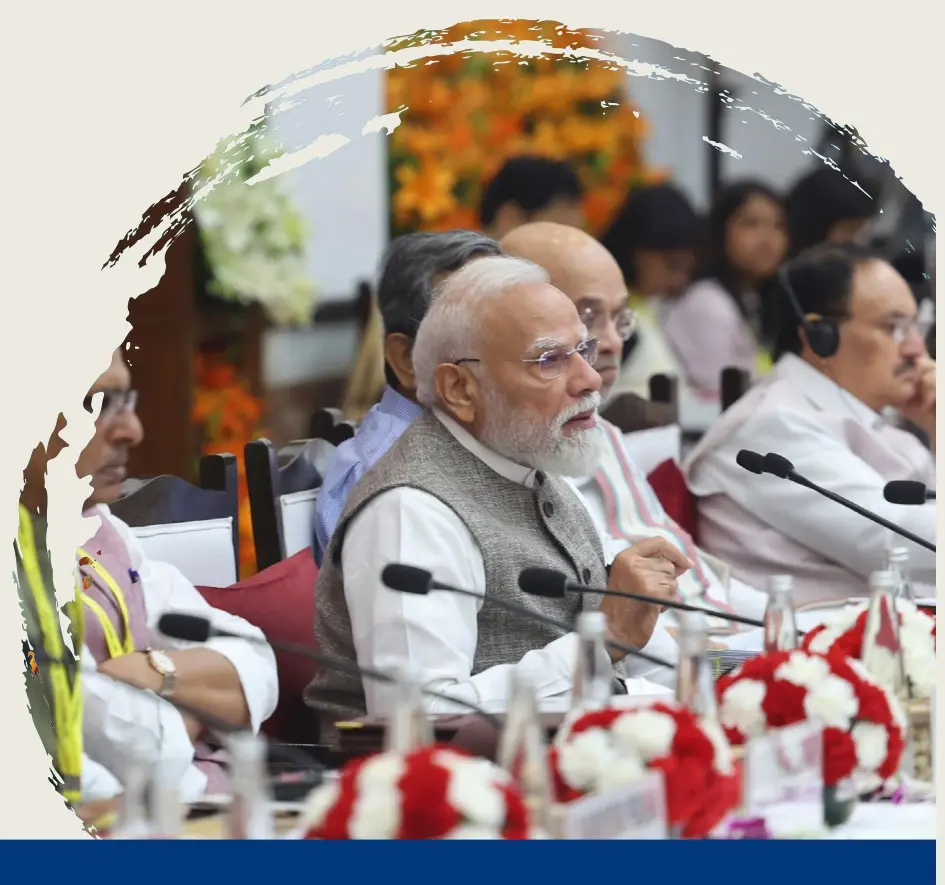
Institutionalising National Policy Making — NITI Aayog, 2015
What was wrong: The Planning Commission model had become outdated, while states had limited participation despite being responsible for delivering many public services.
What was intended: NITI Aayog replaced the Planning Commission on January 1, 2015 as a policy body, with mechanisms such as the Governing Council, State Support Mission and Aspirational Districts Programme.
What changed/resulted: It became the principal policy think tank and a key forum for Centre-State discussions.
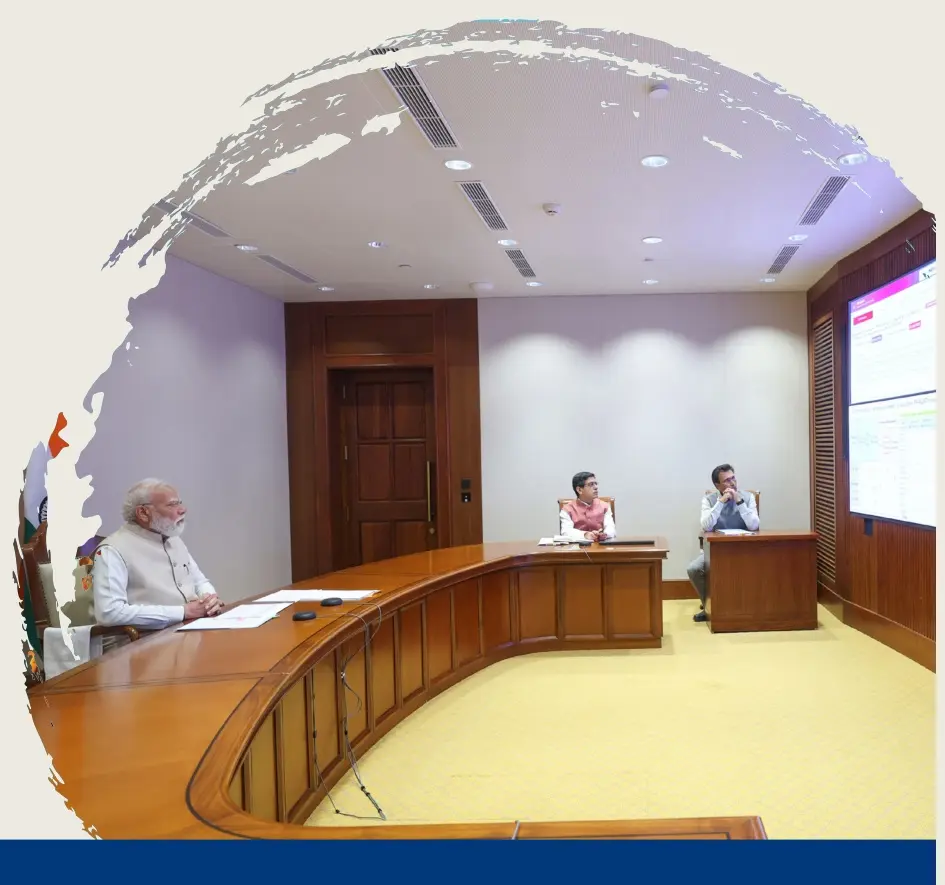
PRAGATI — 2015
What was wrong: Infrastructure projects often stalled because of land issues, forest clearances and files moving across multiple ministries and governments, without a single mechanism tracking the overall delay.
What was intended: PRAGATI created a monthly, Prime Minister-led review using video conferencing, senior officials and live geospatial information linked to project files.
What changed/resulted: Projects worth more than ₹85 lakh crore were reviewed, with over 90% of flagged issues resolved.
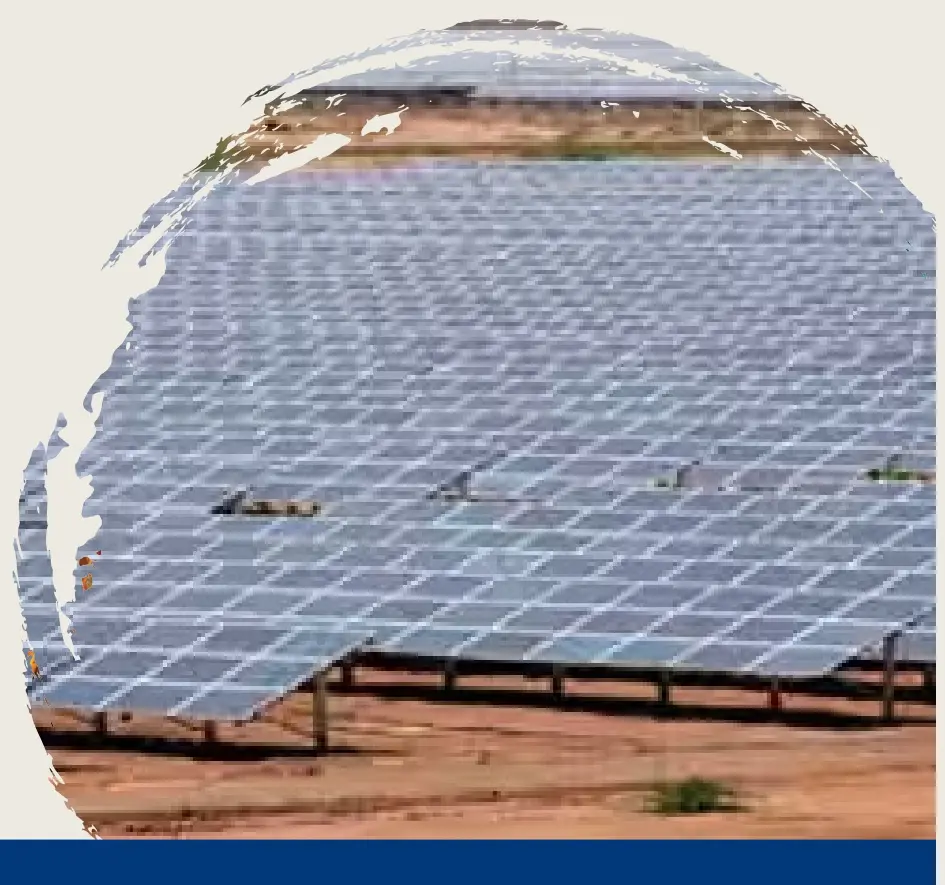
International Solar Alliance — 2015
What was wrong: Countries with high solar potential often lacked finance, technical capacity and purchasing scale to expand solar energy.
What was intended: India and France launched a treaty-based alliance at COP21 to pool demand, develop standards, prepare projects and mobilise finance, with an objective of attracting USD 1 trillion in solar investment by 2030.
What changed/resulted: More than 120 countries joined. Its headquarters in Gurugram made it the first international intergovernmental organisation headquartered in India.

Digital Public Infrastructure — 2016
What was wrong: There was a need for shared, interoperable digital infrastructure that could support multiple public and private services.
What was intended: India built digital public rails around Aadhaar for identity, UPI for instant bank-to-bank payments and Account Aggregator for consent-based sharing of financial information.
What changed/resulted: These rails enabled services such as direct benefit transfers, small-ticket lending, paperless account opening and pension verification. Elements have also been adopted or licensed internationally.
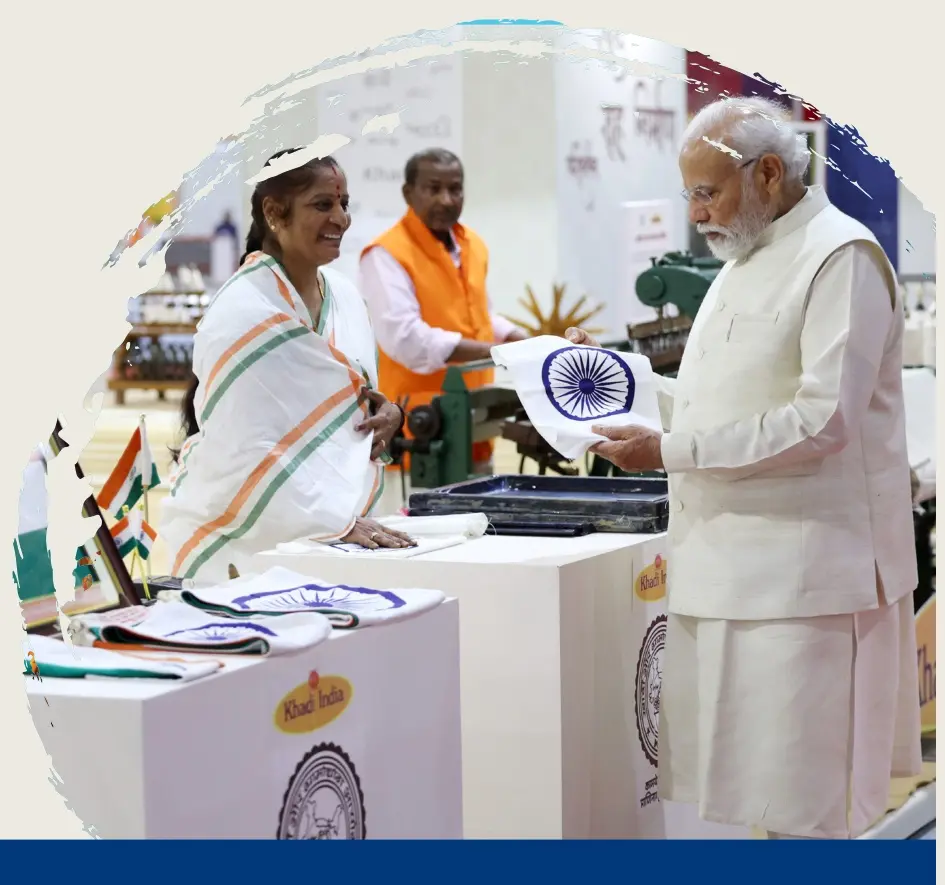
Digital Transparency in Public Procurement — Government e-Marketplace, 2016
What was wrong: Government procurement was divided across departmental tenders and rate contracts, with intermediaries, limited competition and scope for discretion.
What was intended: The Government e-Marketplace created a common digital catalogue where registered sellers could directly offer goods and services, with prices, specifications and sellers visible.
What changed/resulted: By August 2026, cumulative transaction value exceeded ₹20 lakh crore across more than 3.7 crore orders, with micro and small enterprises accounting for over 45% of the value.
Insolvency and Bankruptcy Code — 2016
What was wrong: Defaulting borrowers could remain in control for years. Multiple laws and slow recovery processes contributed to banks evergreening loans and created the twin-balance-sheet problem.
What was intended: The Insolvency and Bankruptcy Code introduced a single, time-bound, creditor-controlled resolution process, supported by the Insolvency and Bankruptcy Board of India and the National Company Law Tribunal system.
What changed/resulted: Recovery improved, reaching about 36.6% in 2024–25. The code has continued to be amended to address implementation gaps.
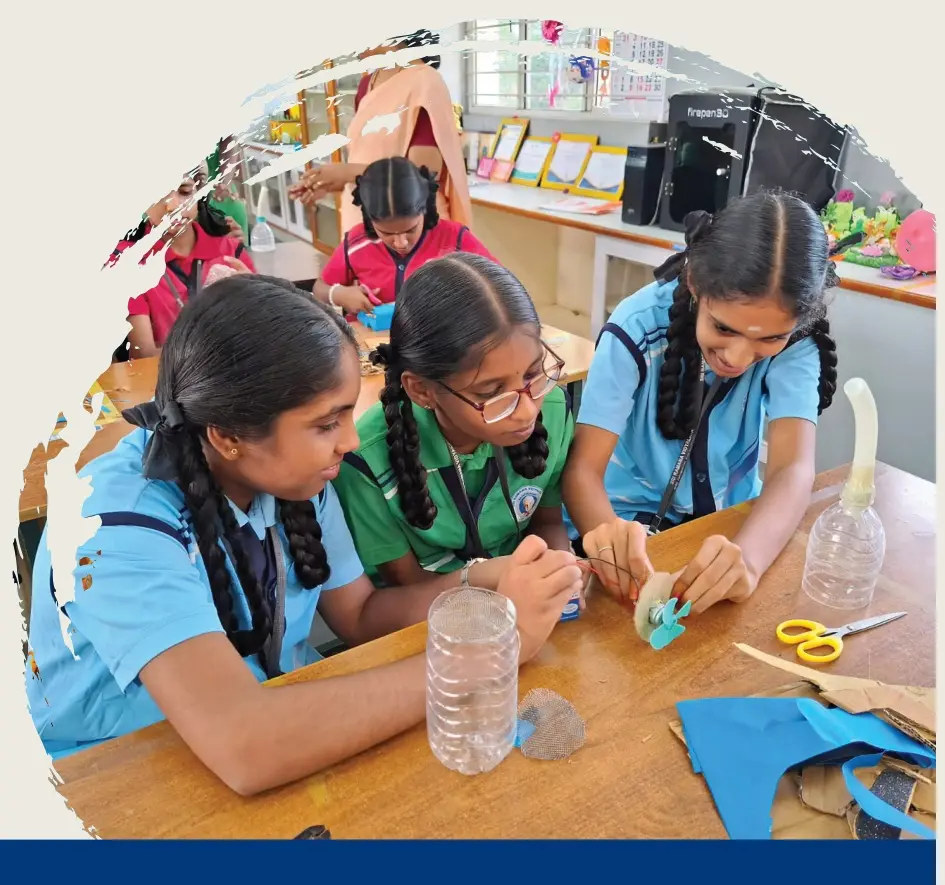
Atal Innovation Mission — 2016
What was wrong: Research and startups were concentrated in a few institutions and cities, while many schoolchildren lacked access to practical science and technology.
What was intended: Atal Tinkering Labs introduced tools such as 3D printers, sensors, robotics and electronics in schools, while Atal Incubation Centres supported startups.
What changed/resulted: The mission reached 10,000 labs, nearly 60% in government schools and more than half in rural areas, alongside 72 incubation centres. Its continuation was approved to 2028 with an expanded mandate.

Real Estate Regulatory Authority — RERA, 2016
What was wrong: Homebuyers had limited protection. Builders could market projects before approvals, divert funds and delay completion, while legal disputes could take years.
What was intended: RERA required project registration before marketing, mandated that 70% of buyer funds be kept in a separate account and created a time-bound dispute-resolution framework.
What changed/resulted: More than 1.4 lakh projects and over 1.1 crore units were registered across major states, giving homebuyers statutory protections.
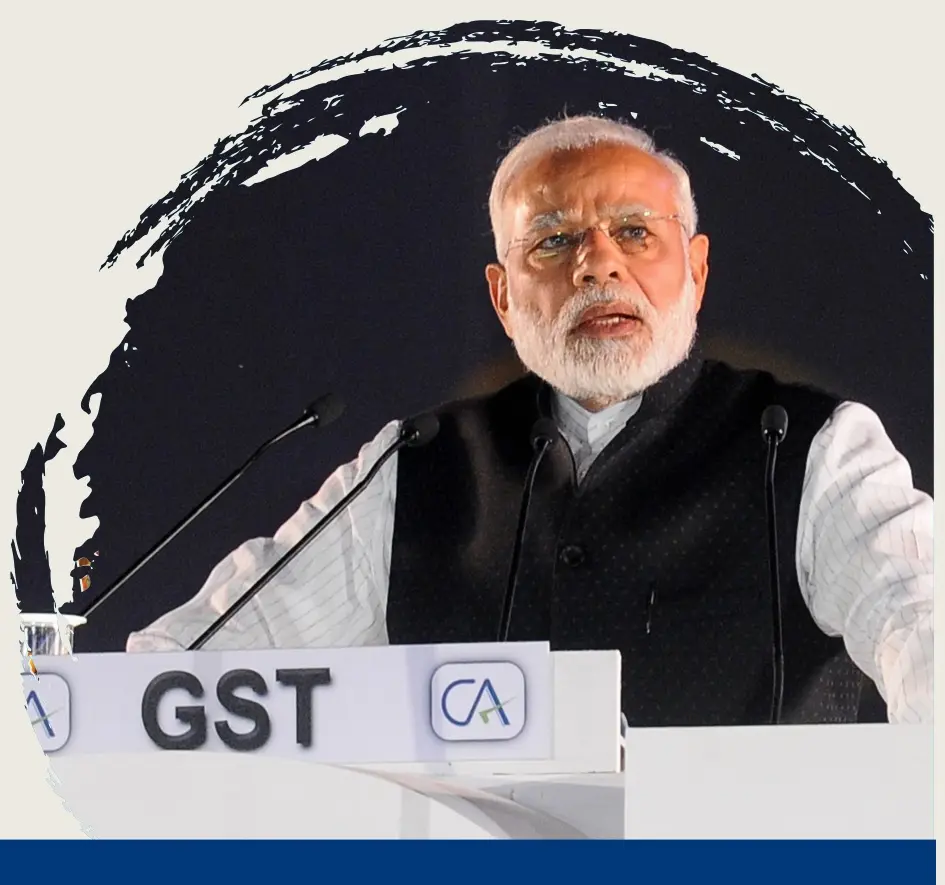
A Federal Institution on Taxation Policy — GST Council, 2016
What was wrong: India's pre-GST indirect tax system was fragmented, with multiple taxes, taxes being levied on other taxes and barriers to interstate movement.
What was intended: The 101st Constitutional Amendment created the GST Council, giving the Union and states a common constitutional forum to decide tax rates and rules.
What changed/resulted: GST began on July 1, 2017. The Council has held more than 55 meetings, while the taxpayer base and monthly collections increased substantially.
OBC Constitutional Commission — 2018
What was wrong: The National Commission for Backward Classes was a statutory body whose existence and powers could be changed through ordinary legislation.
What was intended: The 102nd Constitutional Amendment gave the commission constitutional status and powers comparable to those of commissions for Scheduled Castes and Scheduled Tribes.
What changed/resulted: The commission gained permanent constitutional standing and an institutional role in matters concerning Other Backward Classes.
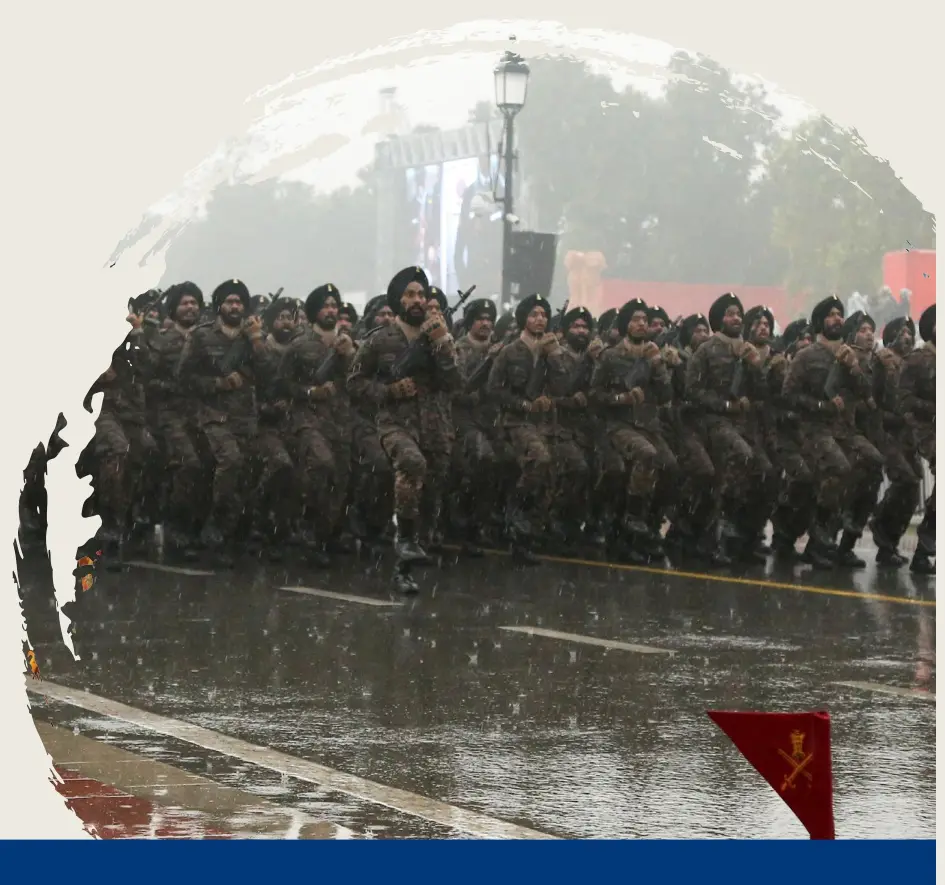
Chief of Defence Staff — 2019
What was wrong: The Army, Navy and Air Force had traditionally planned, trained, procured and advised separately. Decades of proposals for greater jointness had not produced a single institutional mechanism.
What was intended: The Chief of Defence Staff was announced in 2019, with the Department of Military Affairs. The CDS provides single-point military advice and works on jointness, theatre commands, logistics and common procurement.
What changed/resulted: Greater integration of the three services moved from an aspiration towards an institutional structure.
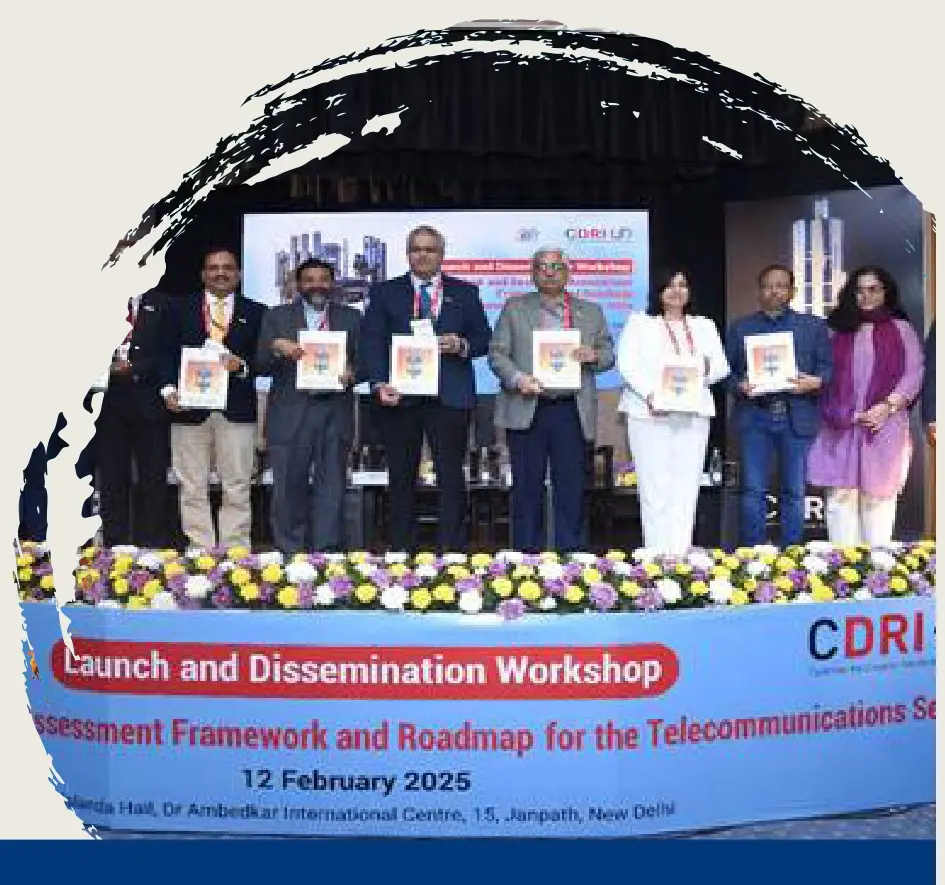
Coalition for Disaster Resilient Infrastructure — 2019
What was wrong: Infrastructure around the world was often designed using historical hazard data, even as losses from extreme weather were increasing faster than existing standards.
What was intended: India launched the Coalition for Disaster Resilient Infrastructure in 2019, bringing governments, United Nations agencies, development banks, universities and private companies together to improve resilience standards, research and technical capacity.
What changed/resulted: More than 30 countries and international organisations joined, with its secretariat in New Delhi and a dedicated programme for small island states.
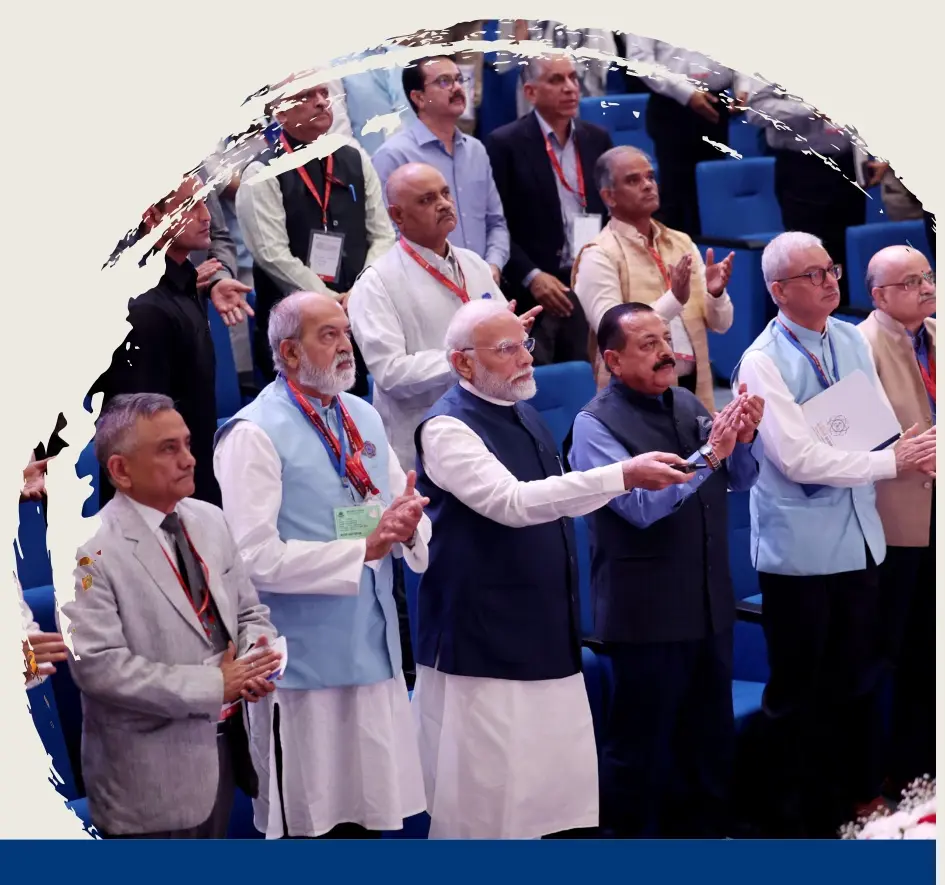
National Capacity Building Mission — iGOT Karmayogi, 2020
What was wrong: Civil-service training was concentrated around entry and promotion, with generic courses and fragmented training institutions.
What was intended: Mission Karmayogi introduced continuous, competency-based learning through the iGOT platform, with training matched to officials' roles and covering domain, functional and behavioural skills.
What changed/resulted: More than 1.70 crore officials enrolled, creating a continuing learning system for the civil service.
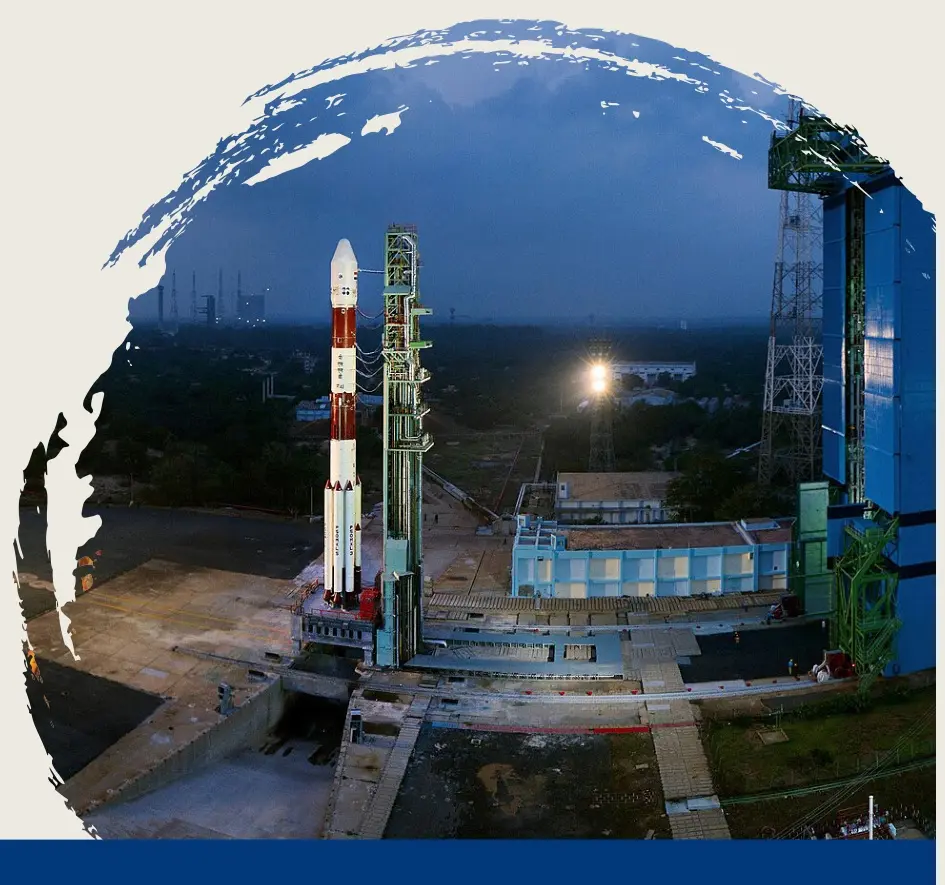
Enabling Private Sector in Space — IN-SPACe, 2020
What was wrong: India's space sector was effectively confined to the Indian Space Research Organisation, while private companies lacked a clear mechanism for permissions, facilities and spectrum.
What was intended: IN-SPACe was created as an autonomous, single-window body to authorise private launches and satellite operations, allow use of ISRO facilities and promote the wider space value chain.
What changed/resulted: Indian startups began designing and building launch vehicles and satellites and offering earth-observation services, while ISRO continued scientific and strategic missions.
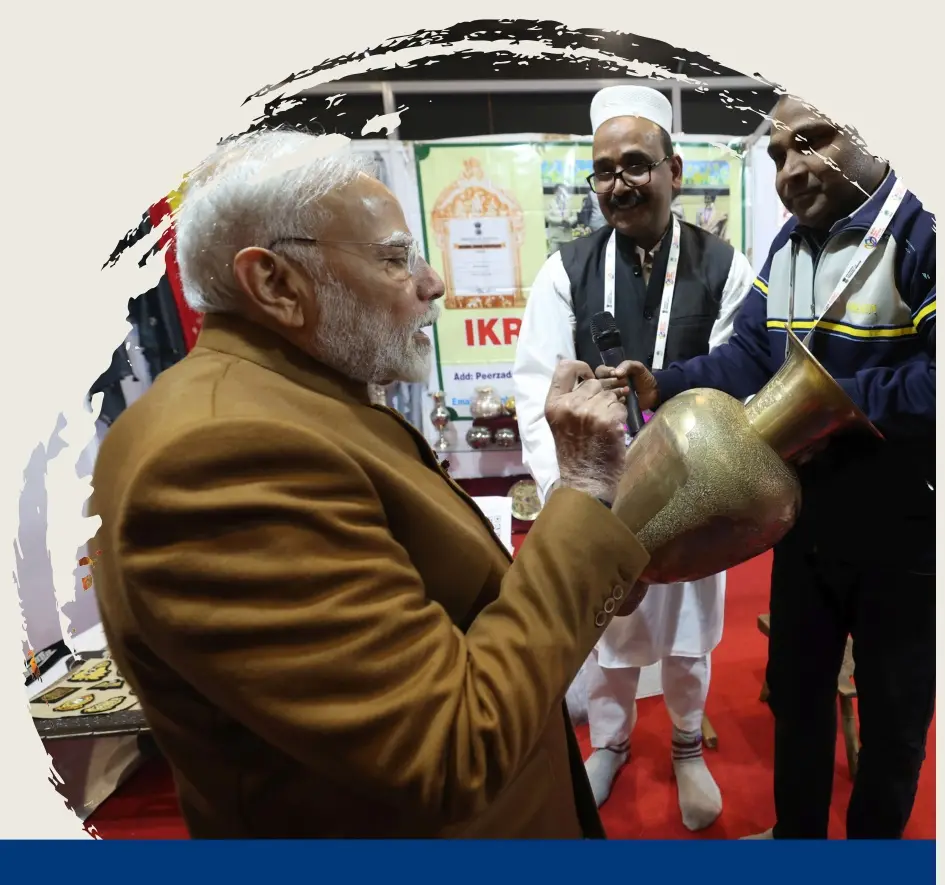
Ministry of Cooperation — 2021
What was wrong: India had more than 8.5 lakh registered cooperative societies and over 32 crore members, but there was no dedicated ministry. Responsibilities were divided and many records remained on paper.
What was intended: The Ministry of Cooperation was created in July 2021, with initiatives including a National Cooperative Database, a framework for multistate cooperatives and computerisation of Primary Agricultural Credit Societies.
What changed/resulted: New model bye-laws enabled Primary Agricultural Credit Societies to undertake activities such as common service centres, fair-price shops and fuel outlets, giving the cooperative sector a dedicated institutional home.
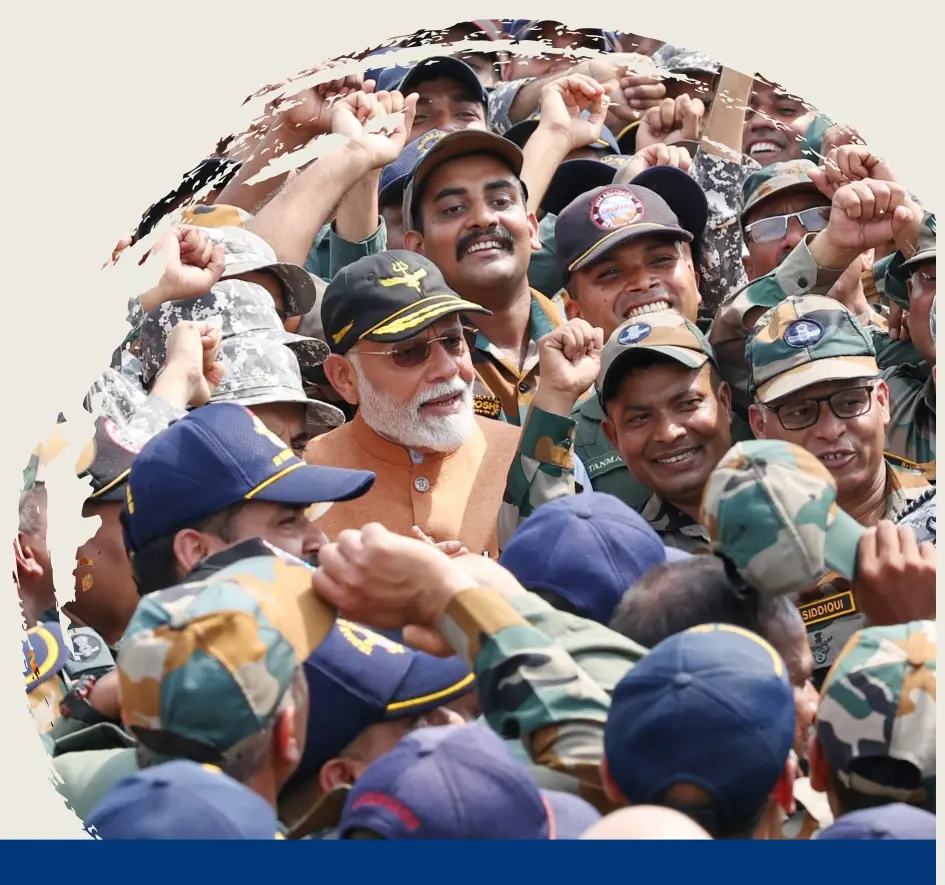
Agniveer — Agnipath Scheme, 2022
What was wrong: The armed forces faced an ageing profile and a rising pension burden, with salaries and pensions taking an increasing share of the defence budget.
What was intended: The scheme changed recruitment terms below officer rank to four years of service, including training, with up to 25% of each batch eligible for retention. It also provided a Seva Nidhi and post-service employment preferences.
What changed/resulted: Recruitment cycles began across all three services, with the average age of personnel beginning to fall.
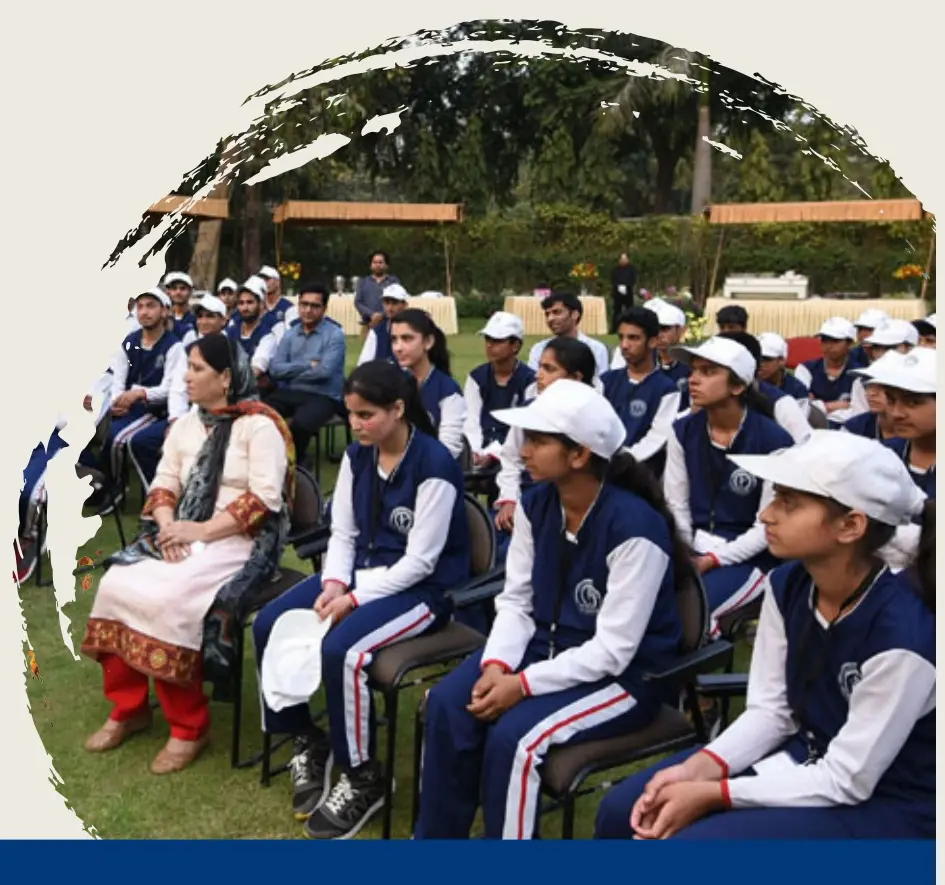
Mera Yuva Bharat — My Bharat, 2023
What was wrong: Youth engagement was spread across organisations such as NYKS and NSS and different schemes, often involving separate registrations and programmes.
What was intended: Mera Yuva Bharat was created as an autonomous body to bring these efforts together through one registration system for volunteering, skilling, leadership and local development.
What changed/resulted: Nearly 2.5 crore young Indians registered, creating a common platform for youth participation, leadership and service.
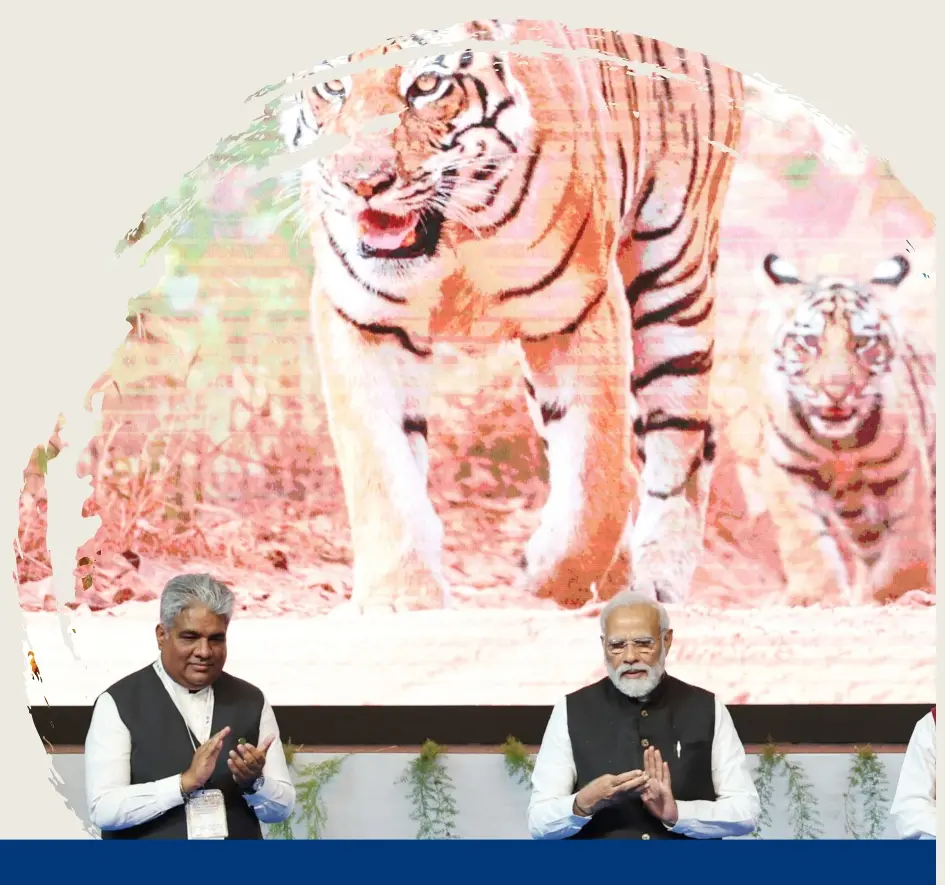
International Big Cat Alliance — 2023
What was wrong: The seven big-cat species were largely conserved separately by species and country, with limited sharing of information even among neighbouring range countries.
What was intended: India launched the International Big Cat Alliance in April 2023 to cover the tiger, lion, leopard, snow leopard, cheetah, jaguar and puma, promoting shared research, monitoring, anti-poaching efforts and knowledge transfer.
What changed/resulted: The alliance established its headquarters and secretariat in India, creating a permanent platform for international wildlife cooperation.

Global Biofuels Alliance — 2023
What was wrong: Biofuel programmes used different specifications, with no common standards for trade and certification, limiting international markets.
What was intended: India launched the Global Biofuels Alliance with Brazil and the United States at the G20 Summit in New Delhi to develop common standards, share technology, support national programmes and build biofuel trade.
What changed/resulted: More than 20 countries and a dozen international organisations joined. For India, the initiative also supports reduced crude-oil dependence through ethanol blending and creates an additional market for sugarcane and grain farmers.
)
)
)
)
)