Prime Minister Modi's 25 key reforms in India: From Gujarat’s water revolution to national transformations

Explore 25 landmark reforms in India, including Gujarat’s water and sanitation models, GST, IBC, labour codes, defence and space reforms, and social changes like triple talaq abolition.

Water Reforms in Gujarat, 2003
Gujarat tackled its chronic water scarcity by treating water as an integrated system rather than a recurring emergency. Under Chief Minister Narendra Modi, the state built check dams, farm ponds, recharge wells, canals and inter-basin transfers as a unified design. Flagship projects like Sujalam Sufalam carried surplus floodwater through 332 km of canals to 508 villages, while SAUNI brought Narmada water to Saurashtra’s reservoirs, unlocking over 10 lakh acres of irrigation. By 2019, more than 1.85 lakh check dams had been constructed, and a 2017 CAG report noted groundwater recharge levels roughly 50% higher than in 2002, giving the state the water security needed for sustained growth
Nirmal Gujarat, 2006
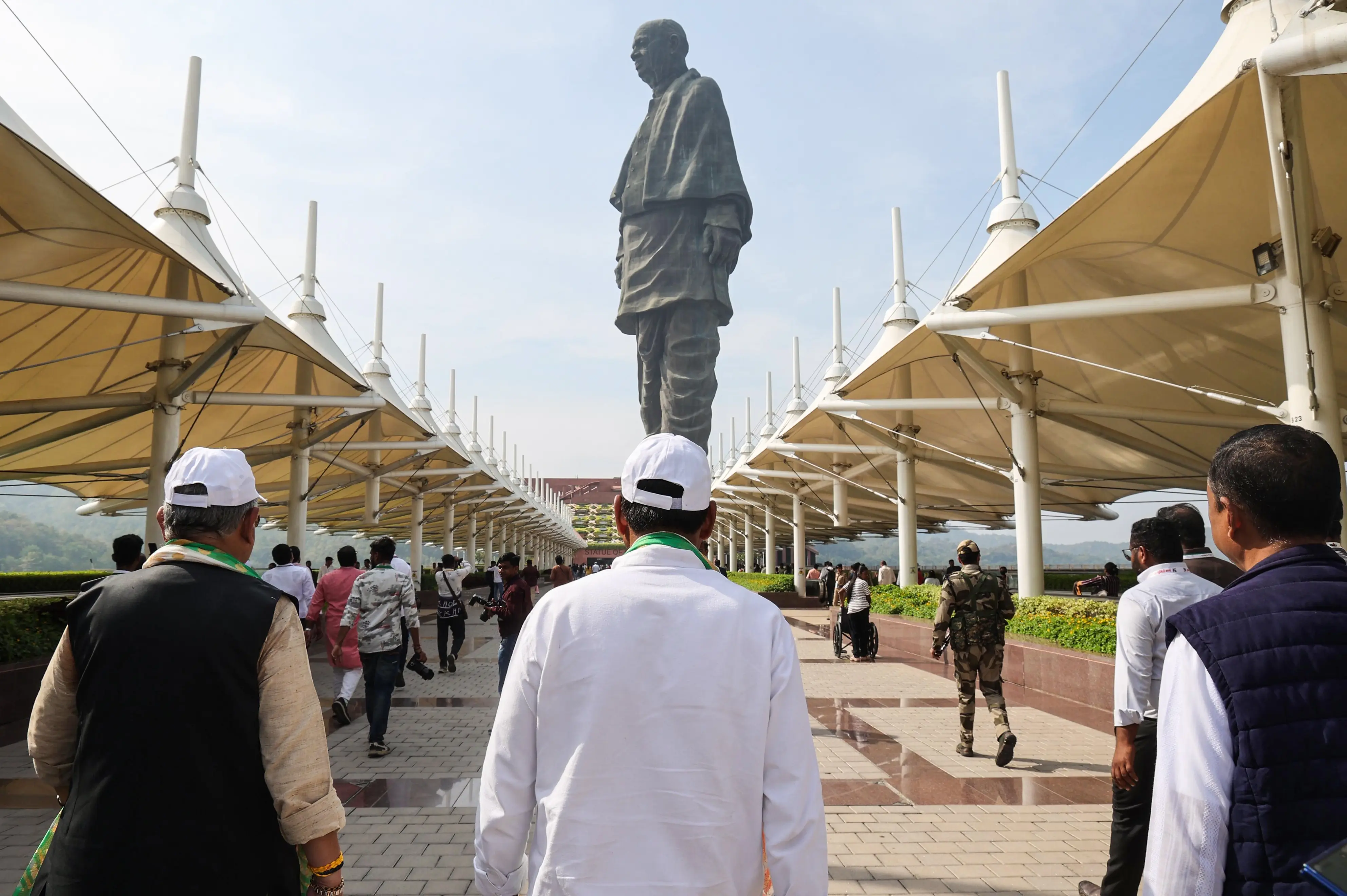
Launched in 2006, Nirmal Gujarat was built on the idea that villages, not departments, should own their cleanliness. The campaign mobilised panchayats, schools, women’s groups and local institutions around toilets, hygiene, waste handling and public spaces, adding recognition and competition so clean villages became a source of local pride with measurable scores. Rural sanitation coverage more than doubled in five years, and the number of Gujarat gram panchayats winning the national Nirmal Gram Puraskar rose from one in 2005 to 739 by 2008. This community-driven model later became the template for the Swachh Bharat Mission launched nationwide in 2014.
Proactive Investor Facilitation, 2013
Earlier, industrial approvals in Gujarat could take weeks or months as applicants moved between uncoordinated departments, making the government feel like an obstacle. The state responded by building and steadily strengthening a Single Window Clearance system so investors dealt with one counter instead of many offices. This shifted the culture from negotiation to facilitation, with departments seeing their role as enabling business. The approach went national in 2021 with the National Single Window System, which now links 32 central ministries and 33 states/UTs, offering access to over 3,000 state and 300 central approvals through a single digital interface.

Gujarat’s Port Revolution
Despite having India’s longest coastline, Gujarat historically earned far less from its ports than it should have. The Modi government treated the coast as industrial infrastructure, inviting private capital and partnerships to build capacity the state could not fund alone. Ports were planned alongside power, roads, rail and industrial estates so that berths connected to factories and factories to markets. Mundra, Hazira and Pipavav grew into major private ports on this model, and the approach later shaped national policy: India’s port capacity rose from 1,561 MTPA in 2014–15 to 2,817 MTPA in 2025–26, cargo handled grew 59%, and average turnaround time at major ports fell from 96 hours to under 49 hours.
Banking Reforms
In 2014, India’s banking system carried more bad debt than it had ever admitted, with stressed corporate borrowers and banks incentivised to hide the damage. The response was to force recognition first and repair second: an Asset Quality Review made banks classify stress honestly, the Insolvency and Bankruptcy Code provided a resolution mechanism, recapitalisation restored buffers, mergers created fewer and stronger public sector banks, and tighter provisioning held the line. As a result, gross non-performing assets fell from a peak of about 11.2% in March 2018 to 1.8% in March 2026, with net NPAs at a record low of 0.4% and capital adequacy above 17%

Liberalised FDI Policy, 2014 onwards
Sector by sector, India rewrote rules that had kept foreign capital at arm’s length, allowing up to 100% foreign direct investment through the automatic route in most sectors, with over 90% of inflows arriving this way without files moving through Delhi. Defence was opened to 74% automatically, telecom to 100%, insurance to 74% and then fully in 2025, and space to 100% across specified activities. Between 2014 and 2025, India attracted a record $748.78 billion in FDI—143% more than in the previous eleven years—while the number of source countries rose from 89 to 112 and annual inflows more than doubled from $36.05 billion to $81.04 billion.
FEMA and Global Financial Integration
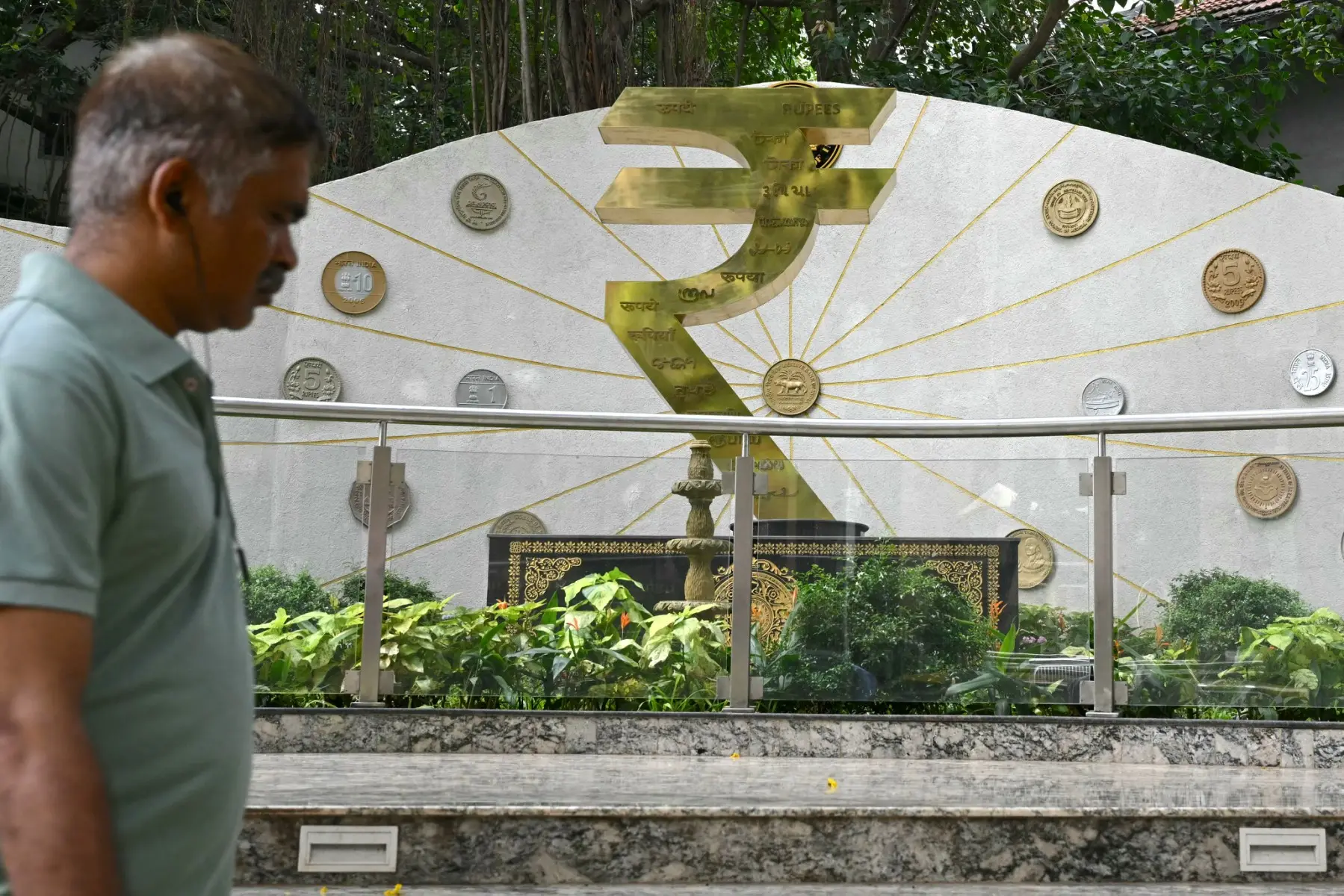
Although FEMA replaced the restrictive FERA in 2000, its regulations still treated cross-border transactions with suspicion. Since 2014, these rules have been repeatedly rewritten to match an economy that routinely trades, invests and borrows abroad. Overhauls in 2015–16 simplified core rules, the 2018 framework rationalised external commercial borrowing, and the 2022 Overseas Investment Regulations gave Indian companies a clear path to owning assets overseas. Further liberalisation in 2025 covered foreign currency accounts, cross-border mergers and international transactions, consistently aiming to remove friction from legitimate business while retaining safeguards against abuse.
Insolvency and Bankruptcy Code, 2016
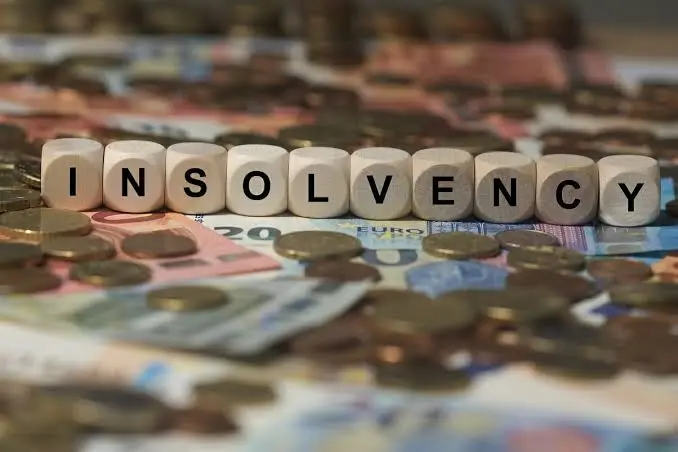
Before the IBC, failing companies could remain in limbo for years as creditors and promoters fought in separate forums while assets lost value. The Insolvency and Bankruptcy Code replaced this with a single, time-bound process where creditors, not defaulting owners, decide the outcome. By March 2026, 8,987 cases had been admitted and 1,419 corporate debtors resolved through approved plans, returning about ₹4.32 lakh crore to creditors, with recovery rates improving to 36.6% in FY2024–25 from 28.3% the year before. Even more significantly, over 30,000 cases involving nearly ₹14 lakh crore were settled before admission, as the threat of losing control concentrated borrowers’ minds.
Goods and Services Tax, 2017
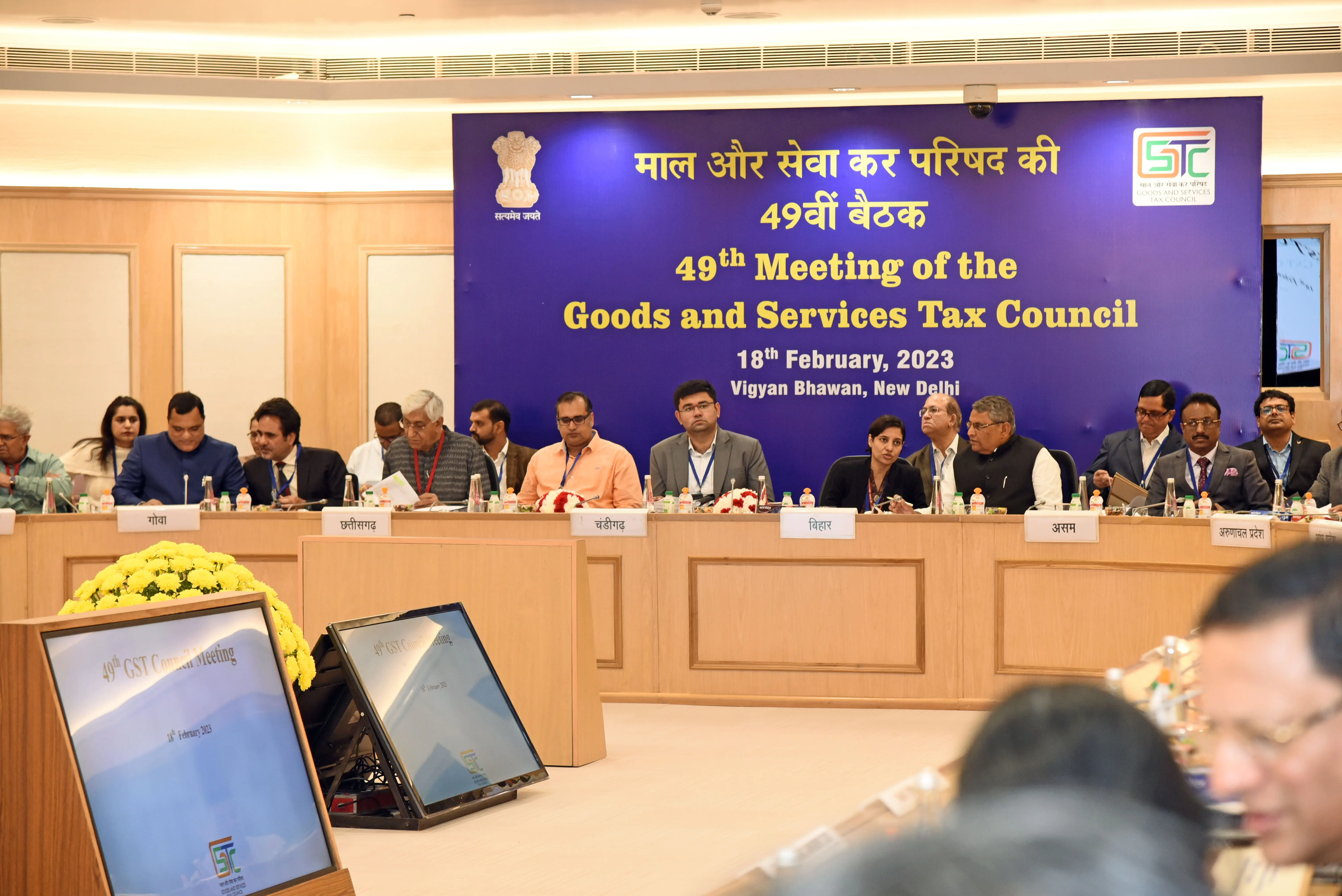
India previously had 17 central and state taxes plus 13 cesses, with trucks halted at every border for paperwork. GST, implemented in July 2017 under Prime Minister Modi, collapsed this into one tax, ending the “tax on tax” and creating a single national market for the first time since Independence. What began as a rate reform evolved into a data system: registered taxpayers rose from 66.5 lakh in 2017 to 1.65 crore by May 2026, and gross collections grew from about ₹7.4 lakh crore in 2017–18 to ₹22.27 lakh crore in 2025–26. GST 2.0, effective September 2025, further simplified the rate slabs.
Income Tax Reforms, 2014 onwards
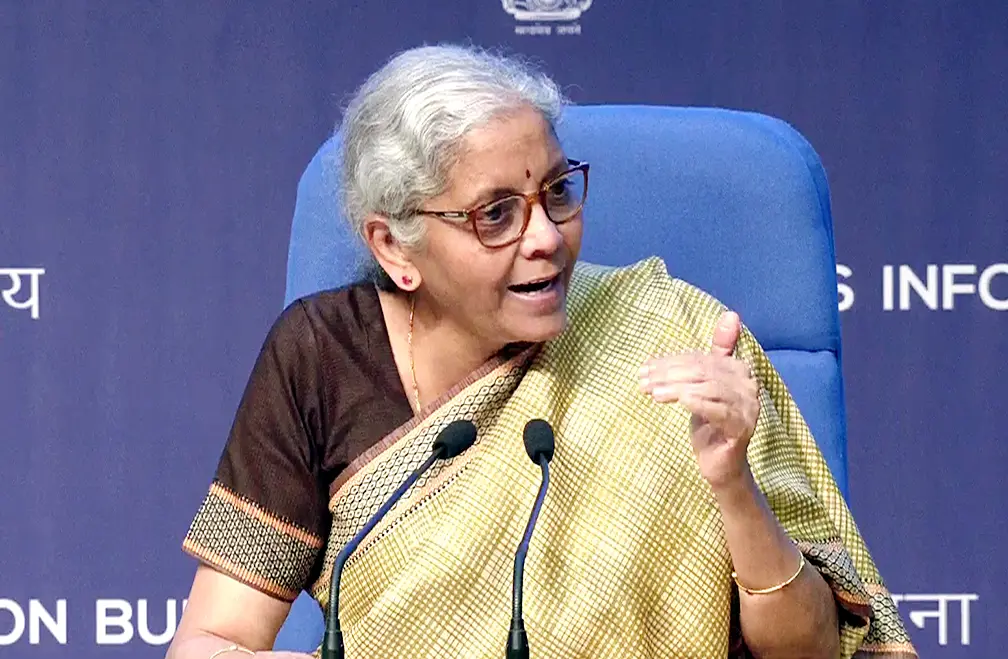
For most of its history, the income tax department met taxpayers in person within fixed jurisdictions, making outcomes depend heavily on the officer behind the desk. Faceless assessment ended this by allocating cases randomly to units selected by risk analytics rather than discretion. The New Tax Regime, made default from 2023–24, traded complex deductions for lower rates, and Budget 2025 lifted the threshold so salaried income up to ₹12.75 lakh pays no tax. The Income Tax Act, 2025, effective 1 April 2026, cut sections from 819 to 536 and rules from 511 to 333, while the taxpayer base grew from 6.4 crore in 2014–15 to 10.9 crore in 2024–25.
Revised MSME Definition, 2020 and 2025
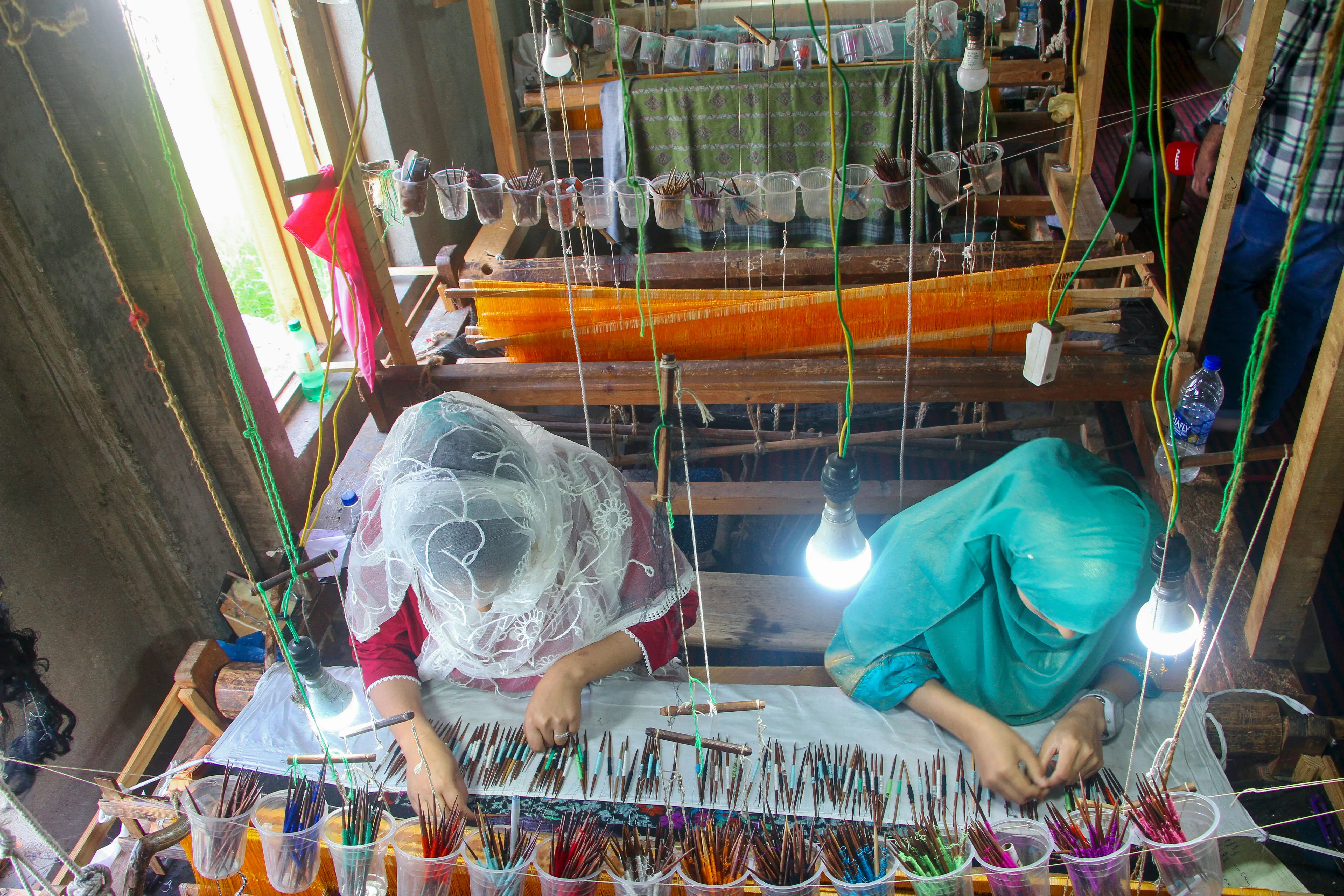
The old MSME definition punished success: firms that grew past investment ceilings lost benefits, so many chose to stay artificially small. The 2020 reform replaced separate manufacturing and service categories with a composite measure of investment and turnover and excluded export earnings, so selling abroad no longer pushed firms out of their bracket. Between FY2023–24 and FY2024–25, 2,372 micro and 17,745 small enterprises graduated to medium. In April 2025, ceilings were raised again, with investment limits increased 2.5 times and turnover limits doubled, allowing small firms to grow without losing support.

Production Linked Incentive Schemes, 2020
India’s earlier industrial policy subsidised inputs and hoped for output; the Production Linked Incentive (PLI) schemes inverted this by paying only against incremental production and sales actually achieved across 14 strategic sectors. By March 2026, PLI had drawn ₹2.40 lakh crore of investment, generated over ₹20 lakh crore in cumulative production, enabled ₹15.2 lakh crore of exports and supported about 14 lakh direct and indirect jobs. Electronics illustrates the impact: mobile phone production rose 2.4 times, imports fell by more than 75%, and 99.2% of phones used in India are now made domestically.
Direct Benefit Transfer, 2014
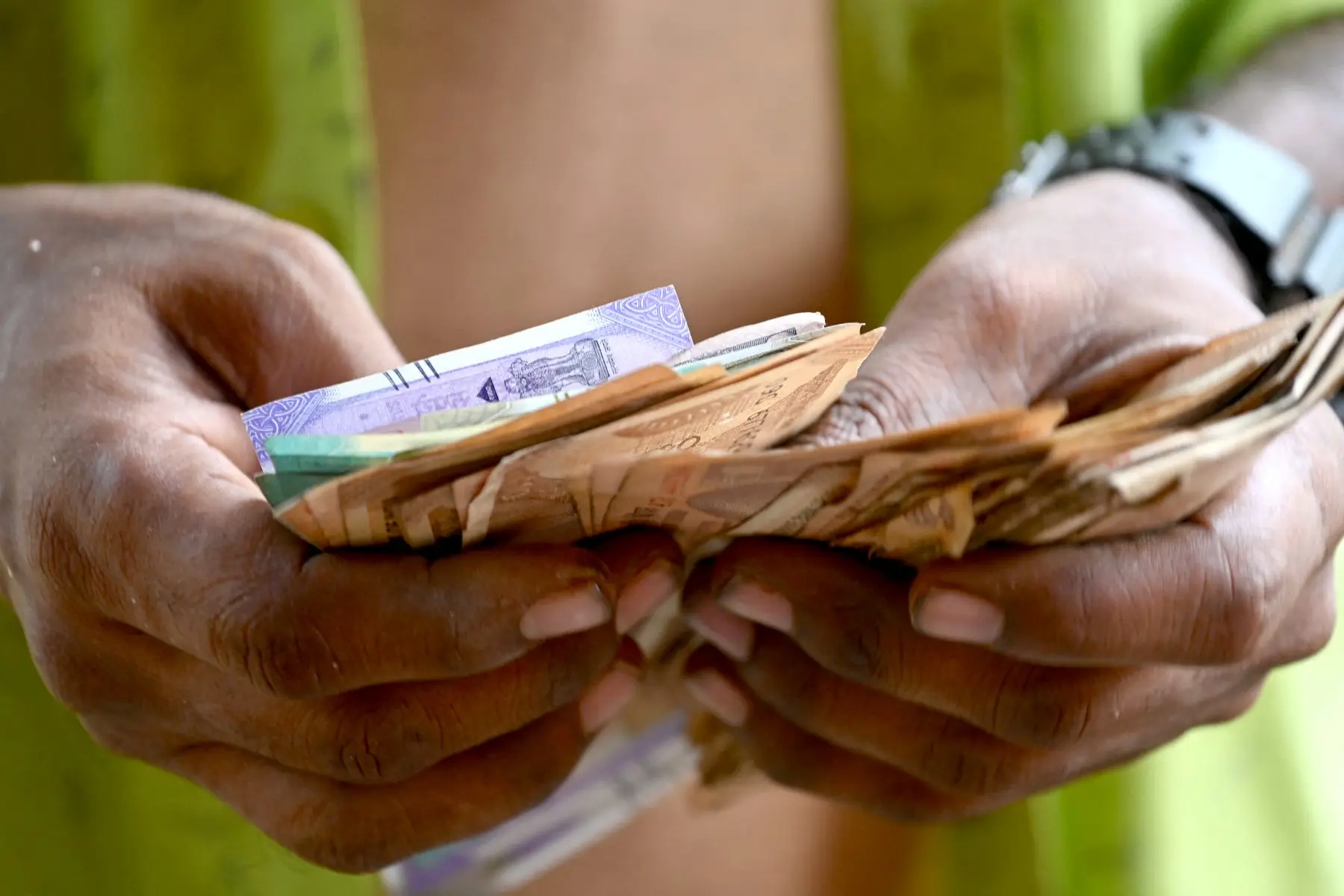
Earlier, welfare money passed through multiple hands before reaching citizens, often with cuts or delays. Direct Benefit Transfer (DBT) removed intermediaries by sending funds straight into verified bank accounts held by beneficiaries, built on the Jan Dhan–Aadhaar–Mobile trinity assembled in Modi’s first two years. More than ₹53 lakh crore has moved through DBT across 320 schemes, with estimated savings of over ₹5 lakh crore from eliminated leakage. DBT now delivers pensions, scholarships, wages, subsidies and emergency relief, and during the pandemic reached hundreds of millions in days rather than months

Neem-Coated Urea, 2015
In September 2015, the government made neem coating compulsory for all urea produced in India, extending it to imported urea that December, to stop subsidised urea meant for farmers being diverted to industry. Coating granules made urea useless to industrial buyers while improving field performance, as neem slows nitrogen release and increases plant absorption. Diversion fell to negligible levels, saving the exchequer an estimated ₹10,000 crore, and yields rose by 5.79% in paddy, 7.14% in maize, 7.4% in soybean, 16.88% in tur and 17.5% in sugarcane.

National Education Policy, 2020
The 10+2 school structure, in place since 1968, was replaced by the National Education Policy (NEP) approved on 29 July 2020 with a 5+3+3+4 design starting at age three and following children to 18, bringing foundational years into the formal system. NEP 2020 made the mother tongue or home language the medium of instruction up to at least Grade 5 and dissolved rigid walls between arts, science, commerce and vocational streams that forced early, lifelong choices. NIPUN Bharat (2021) targeted basic literacy and numeracy by Grade 3, and together with Vidya Pravesh has reached over 4.2 crore children across 8.9 lakh schools.
National Medical Commission Act, 2019
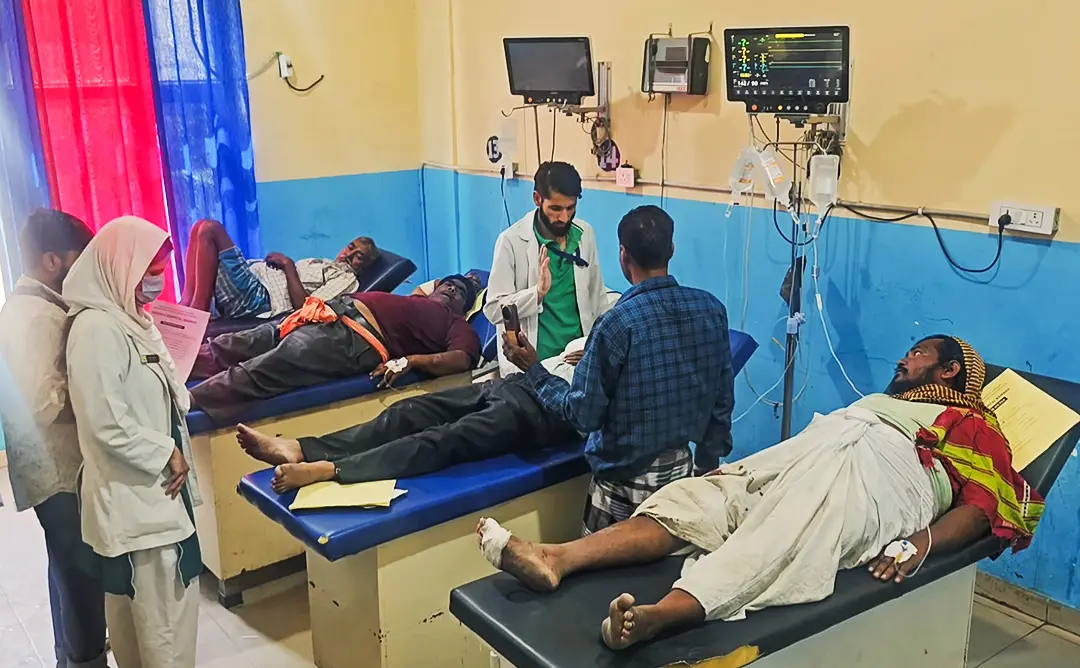
For six decades, the Medical Council of India licensed all medical colleges and seats, becoming synonymous with opacity. The National Medical Commission Act replaced it with a multi-board structure separating undergraduate education, postgraduate education, assessment and ethics, each with published standards and public ratings. Admission was tied firmly to merit, and fee guidelines were set for half the seats in private and deemed universities so medical degrees depended less on family wealth. Capacity expanded alongside reforms: medical colleges roughly doubled from 387 in 2014 to over 800, MBBS seats rose from 51,348 to over 1,28,875, and PG seats from 30,191 to about 80,000.
Commercial Courts
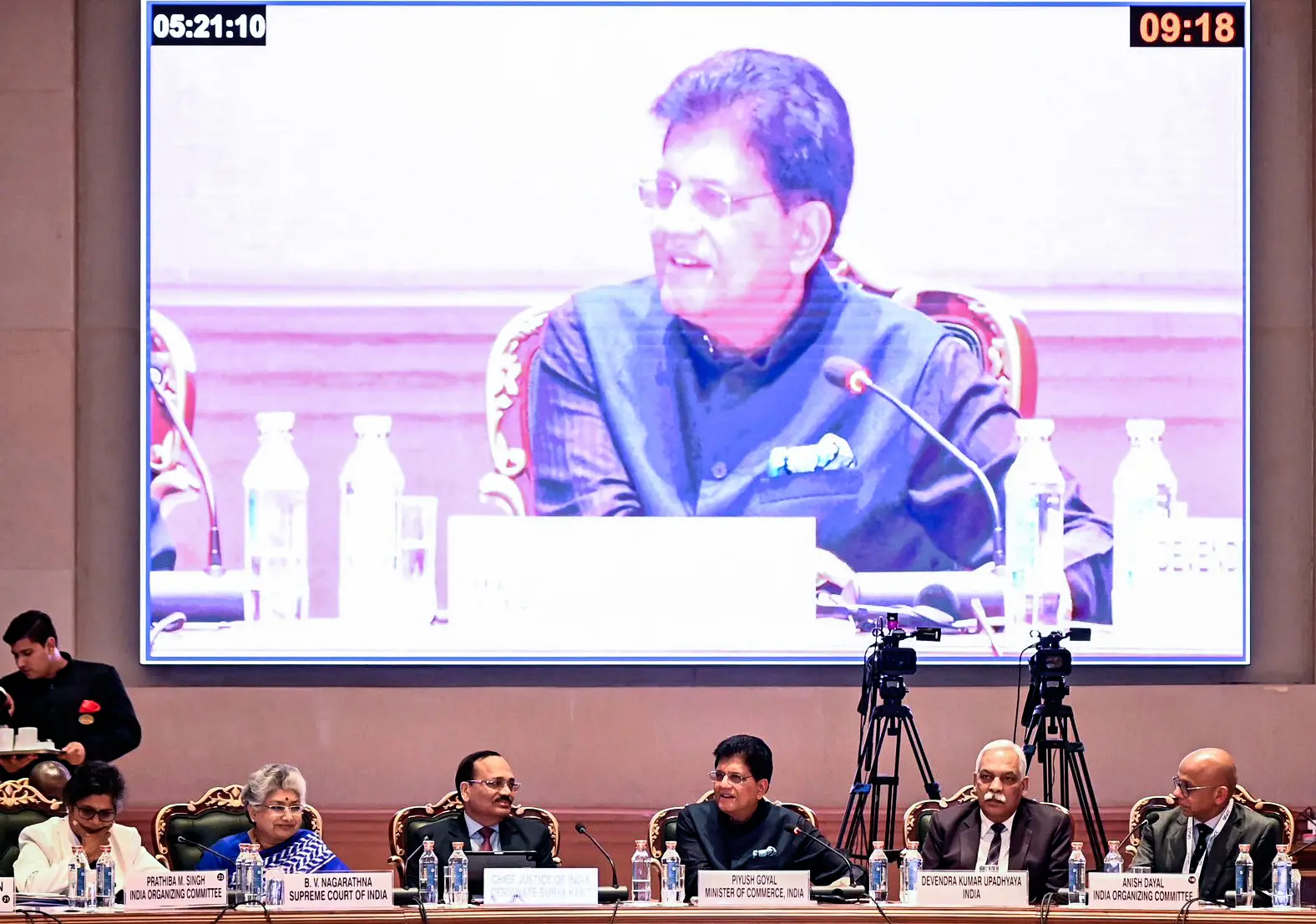
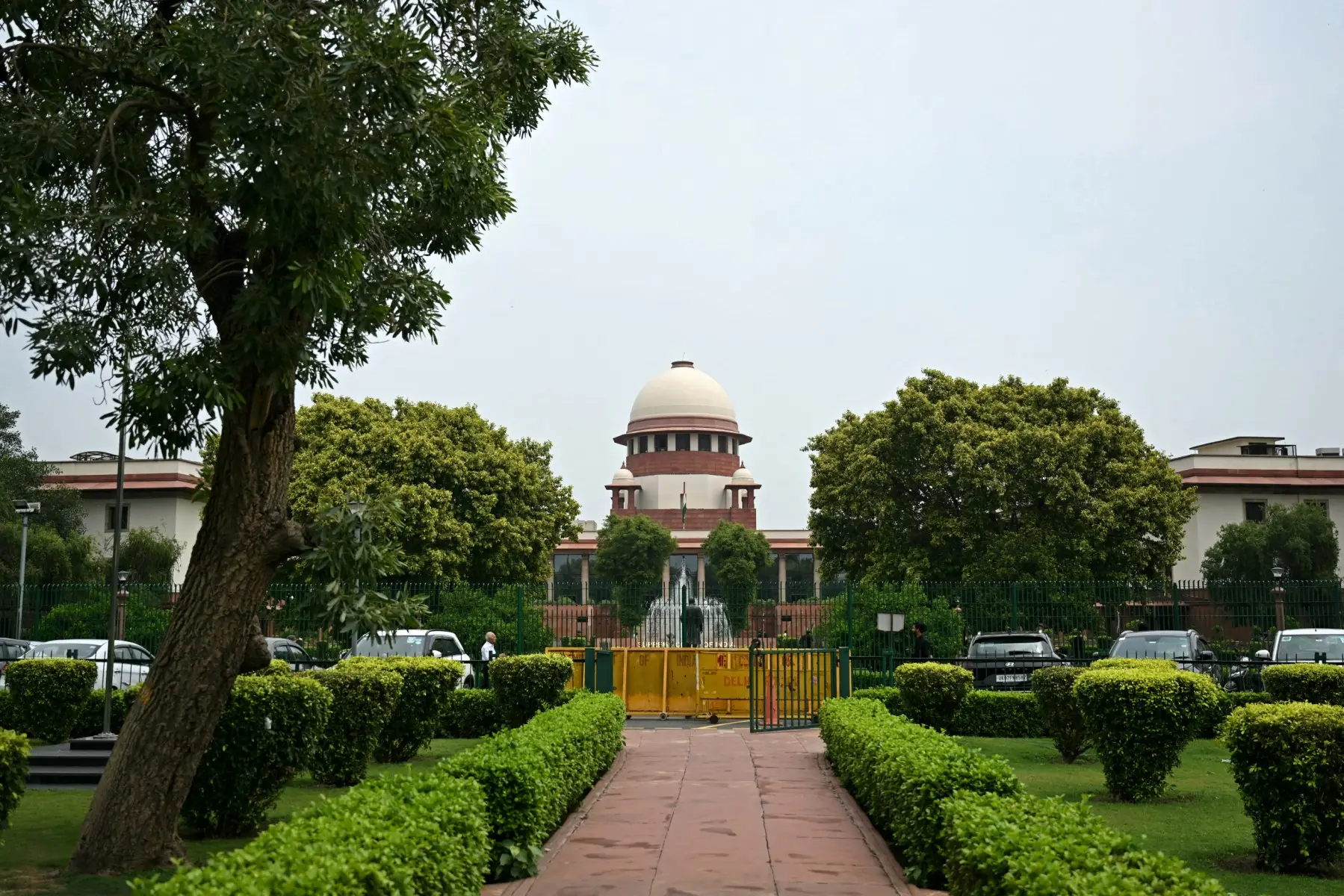
Commercial disputes in India once took about 1,095 days to judgment, making contracts hard to enforce within three years. The Commercial Courts Act, 2015 created a separate track for business litigation with dedicated judges, case management hearings, fixed timelines, strict limits on adjournments, and electronic filing and service. The monetary threshold was later cut from ₹1 crore to ₹3 lakh, bringing ordinary commercial disputes into the system. Mediation before filing was made compulsory where no urgent relief is sought, and benchmark cities show time to judgment has fallen to 424 days in Delhi and 306 days in Mumbai.
Repeal of obsolete laws
Since 2014, more than 1,500 central laws have been repealed, many colonial relics that survived only because no one bothered to remove them. The Jan Vishwas (Amendment of Provisions) Act, assented on 11 August 2023, decriminalised 183 provisions across 42 central Acts administered by 19 ministries, converting minor and technical lapses from criminal offences into civil penalties. Previously, a missed filing could send a small proprietor to court, even prison, for a mistake that harmed no one. Replacing that exposure with fines changed the basic relationship between the state and the citizen it regulates
Bharatiya Nyaya Sanhita, 2023
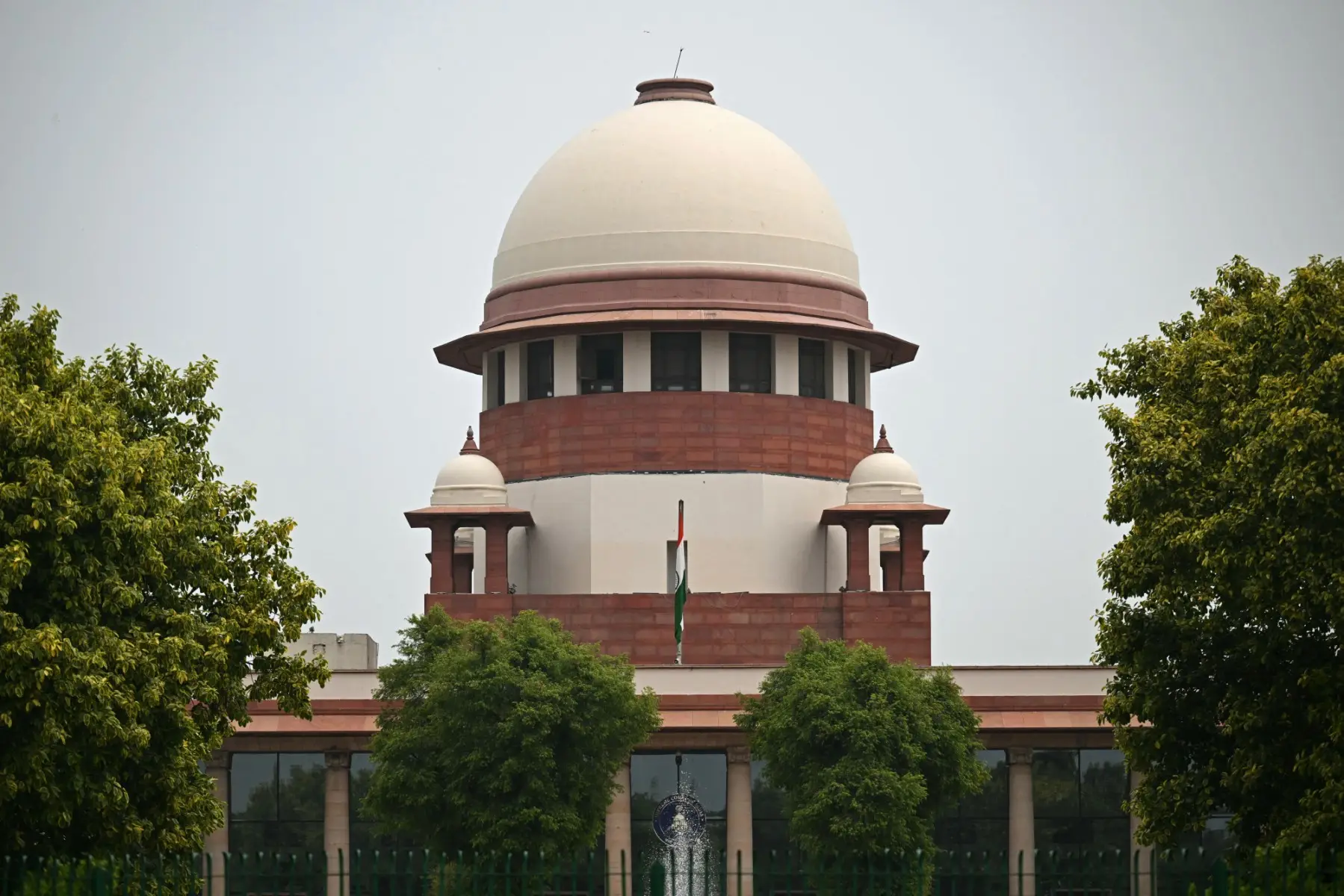
The Indian Penal Code, drafted in 1860 for a colonial subject population, governed Indian criminal law for 164 years before being replaced by the Bharatiya Nyaya Sanhita, which received assent on 25 December 2023 and took effect on 1 July 2024. The new code is shorter and better ordered, reducing 511 sections to 358, and its sequence signals priorities by placing offences against women and children near the front. It introduces new chapters on organised crime, terrorism and mob lynching, and brings community service into Indian law as a punishment for the first time. Between July 2024 and November 2025, about 51.32 lakh cases were registered under the new code
Labour Code
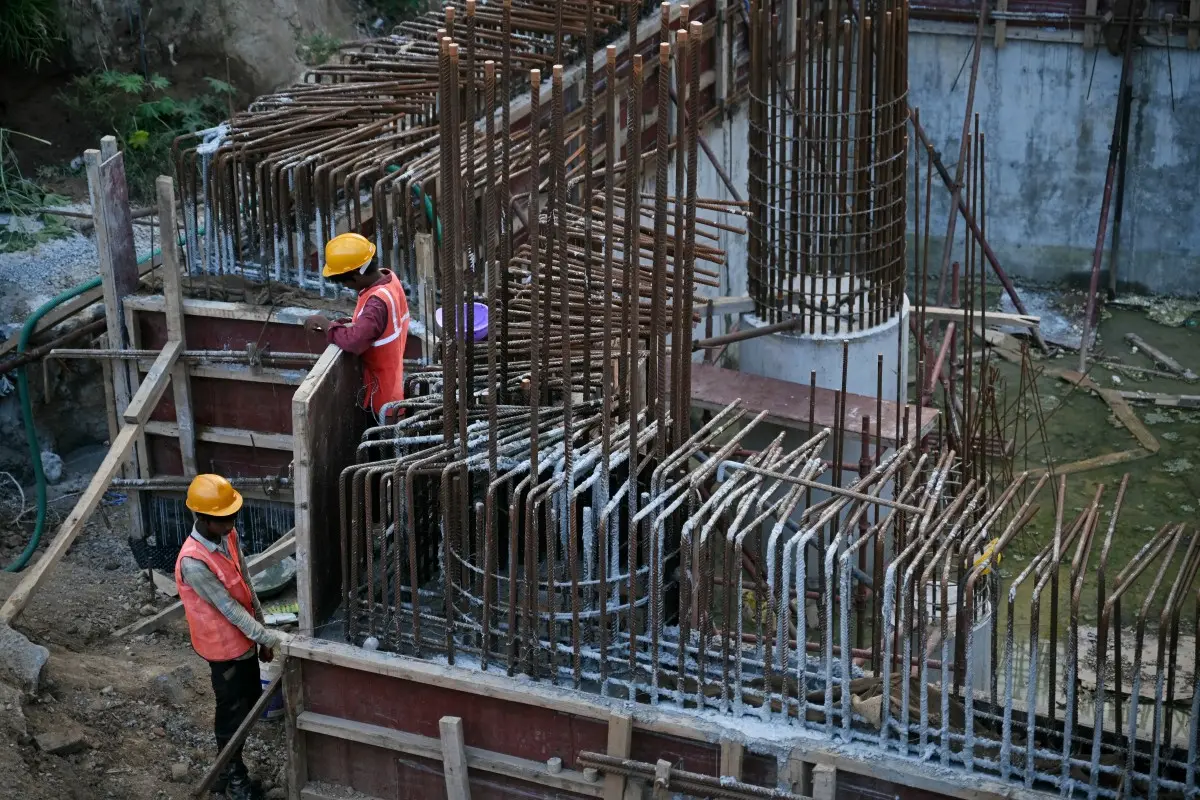
India had accumulated 29 separate labour laws over 70 years, each with its own registrations, returns, inspectors and definitions, making full compliance time-consuming, especially for smaller firms. The four Labour Codes on wages, industrial relations, social security and occupational safety came into force on 21 November 2025, replacing that structure with one framework and one set of filings. The Codes also extend protection: minimum wages became a statutory right for every worker, and gig and platform workers were brought inside social security for the first time. Workforce coverage under social security rose from about 19% in 2015 to over 64% in 2025.

Space Sector Reforms, 2020
For half a century, space in India meant only ISRO, but the 2020 reforms ended that exclusivity by creating IN-SPACe, an independent body empowered to authorise, promote and support private space activity. The Indian Space Policy of 2023 then opened the entire value chain, from launch vehicles and satellites to ground systems and downstream services. The ecosystem responded quickly: India had one space startup in 2014, but by 2026 there were around 440 registered space technology startups and private investment had crossed $618 million. On 18 July 2026, Skyroot Aerospace’s Vikram-1 became the first privately built Indian rocket to reach orbit on its maiden attempt.

Defence Reforms, 2020
India had long been among the world’s largest arms importers, buying capability it could not build. The 2020 defence reforms raised foreign investment to 74% through the automatic route and 100% with government approval, rewrote the Defence Acquisition Procedure to favour Indian design and manufacture, and used Positive Indigenisation Lists to close the domestic market to imports of specified items. By May 2026, ten such lists covered 5,521 items, with more than 15,700 already indigenised. The 41 ordnance factories were corporatised into seven defence PSUs in 2021; their production rose from ₹12,755 crore to ₹26,282 crore and exports from ₹81 crore to ₹4,561 crore, while national defence exports grew from around ₹680 crore in 2013–14 to over ₹38,400 crore

Semiconductor Mission, 2021
The 2021 global chip shortage exposed India’s deep dependence on foreign supply chains, halting car factories and electronics lines. The Semicon India Programme, notified on 21 December 2021 with an outlay of ₹76,000 crore, set out to build the entire semiconductor stack at home—fabrication, packaging and design—and created the India Semiconductor Mission to run it. Ten projects worth about ₹1.6 lakh crore have since been approved, including two fabrication units and eight packaging units, with pilot production underway at four. Plants are being set up across Gujarat, Assam and other states, spreading capability across regions rather than concentrating it in one cluster.
Abolition of Triple Talaq, 2019
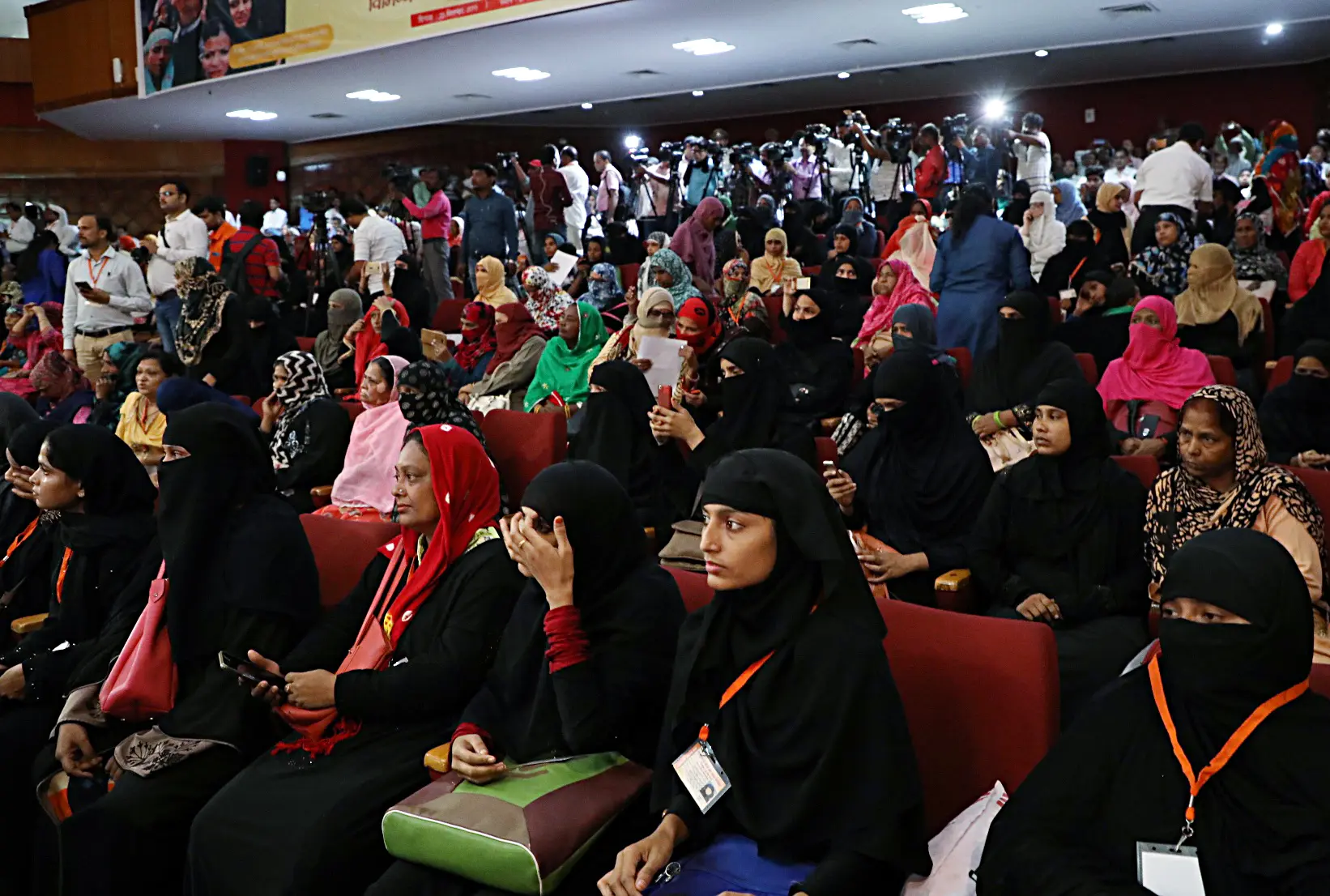
Until 2019, a Muslim woman in India could be divorced instantly by the utterance of “talaq” three times, without notice, cause or recourse. The Muslim Women (Protection of Rights on Marriage) Act, 2019 made instant triple talaq void and criminalised its pronouncement with up to three years’ imprisonment and a fine. The law also provided for the woman’s life afterwards, granting a right to subsistence allowance and custody of minor children, reflecting Prime Minister Modi’s position that constitutional guarantees must apply equally to every Indian woman regardless of faith. Official data recorded an 82% fall in reported cases within a year of the Act coming into force.
Waqf reforms
Section 40 of the Waqf Act had allowed Waqf Boards to declare property as waqf largely on their own determination, contributing to registered waqf properties rising from 2.07 lakh in 2013 to 8.72 lakh, including 5,973 government-owned properties. The Waqf (Amendment) Act, 2025, known as the UMEED Act, removed that provision: any claim over government land must now be examined by an officer senior to a Collector, and an appeal to the High Court was opened for the first time. Digitisation runs alongside these legal changes, ensuring waqf claims now rest on proof rather than presumption, like other property claims.
)
)
)
)
)