How a B-52 Bomber can fly nonstop for 47 hours without burning its engine?

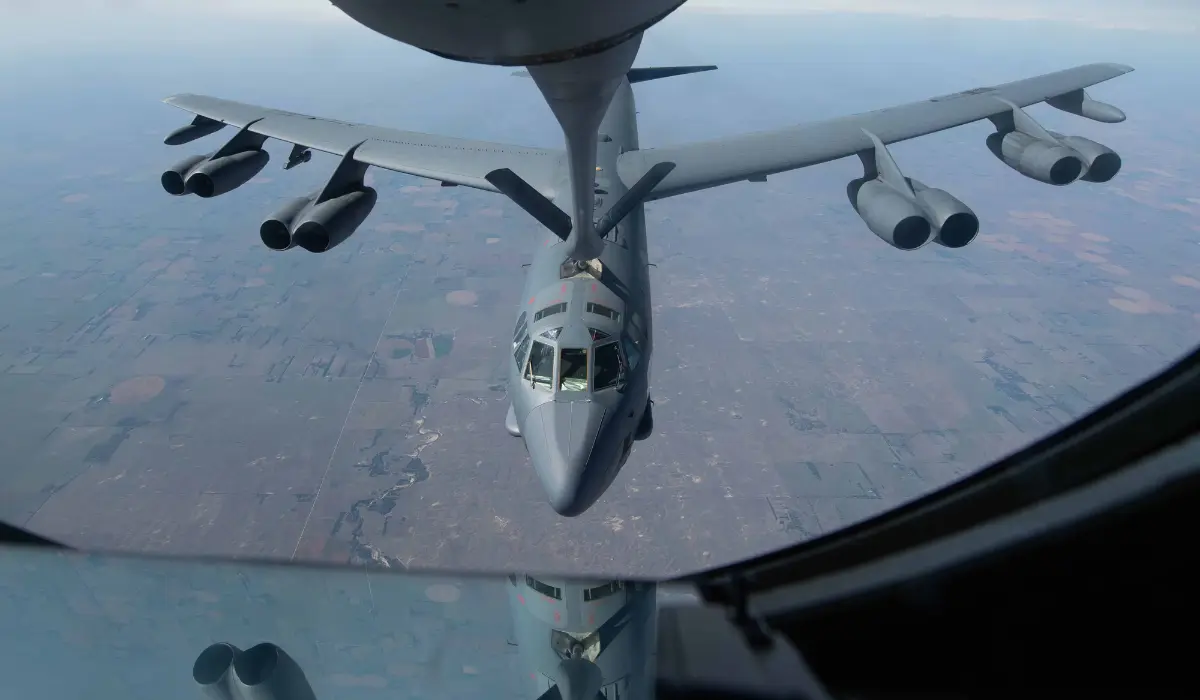
In 1994, two US Air Force B-52 bombers completed a historic 47-hour continuous flight without burning out their engines. This extreme endurance relies on a specialised pure aluminium oil cooling system that wraps around the engine nacelles to capture peak high-altitude airflow.
The 47-Hour Marathon
In 1994, two B-52 bombers flew continuously for over 47 hours during Exercise Global Power 94-7. The massive aircraft travelled 20,000 miles around the world, proving the extreme endurance of their engines.
The Extreme Heat Challenge
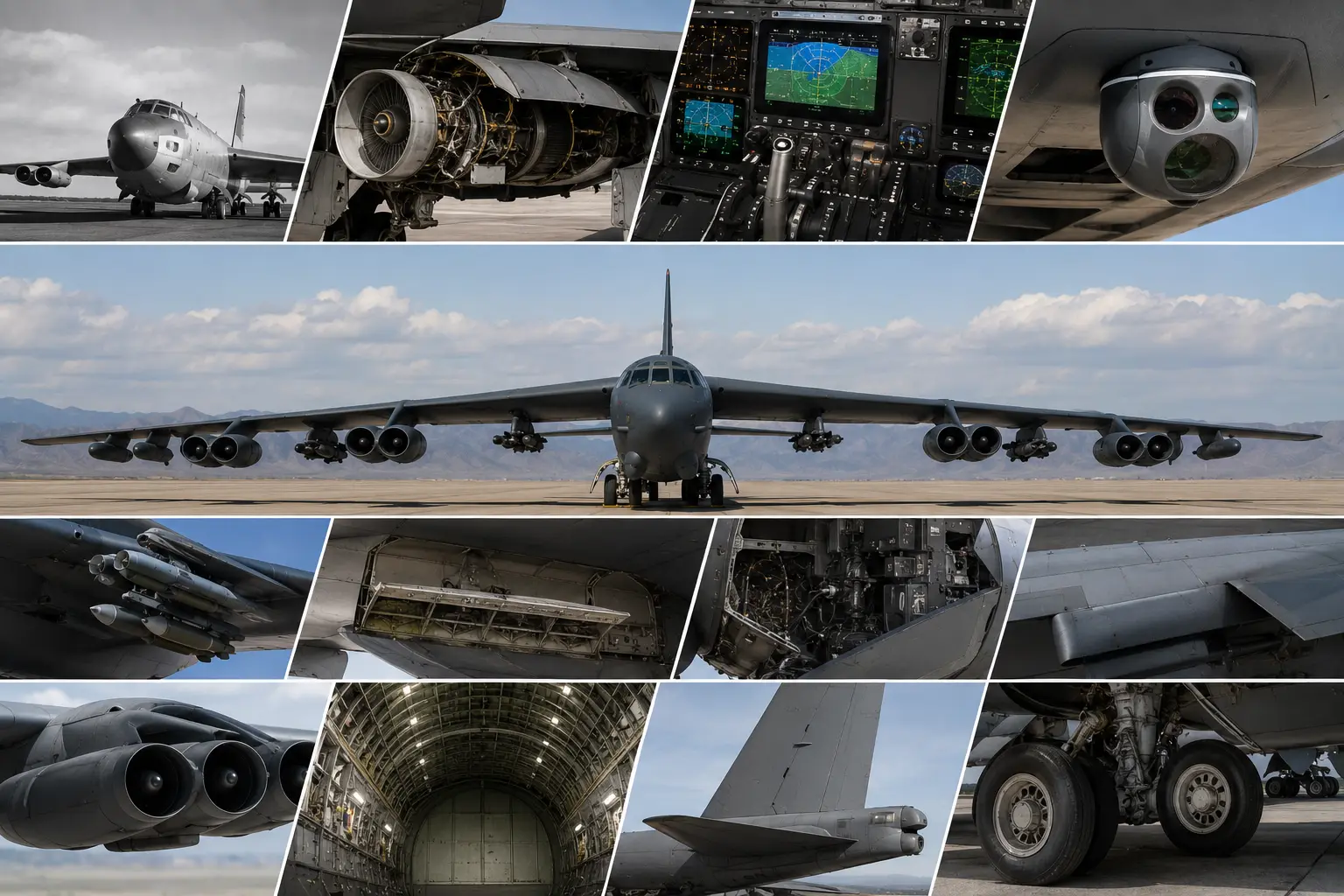
Running eight powerful Pratt & Whitney turbofan engines for nearly two straight days generates intense mechanical friction. Without a highly advanced thermal management system, the engine oil would rapidly degrade and cause catastrophic failure.
Wrapping the Nacelles
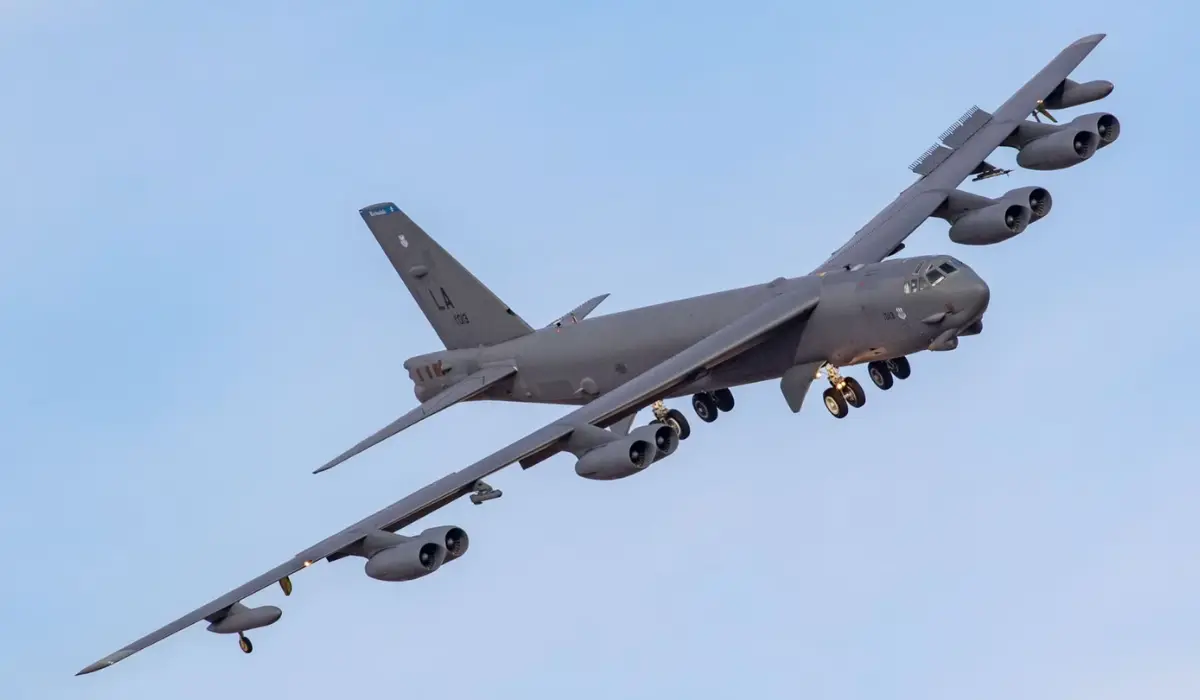
To prevent overheating, engineers designed a highly specialised oil cooling system specifically for the B-52 fleet. These massive metal coolers are curved to an exact arc, wrapping completely around the inside perimeter of each engine nacelle.
Catching Peak Airflow
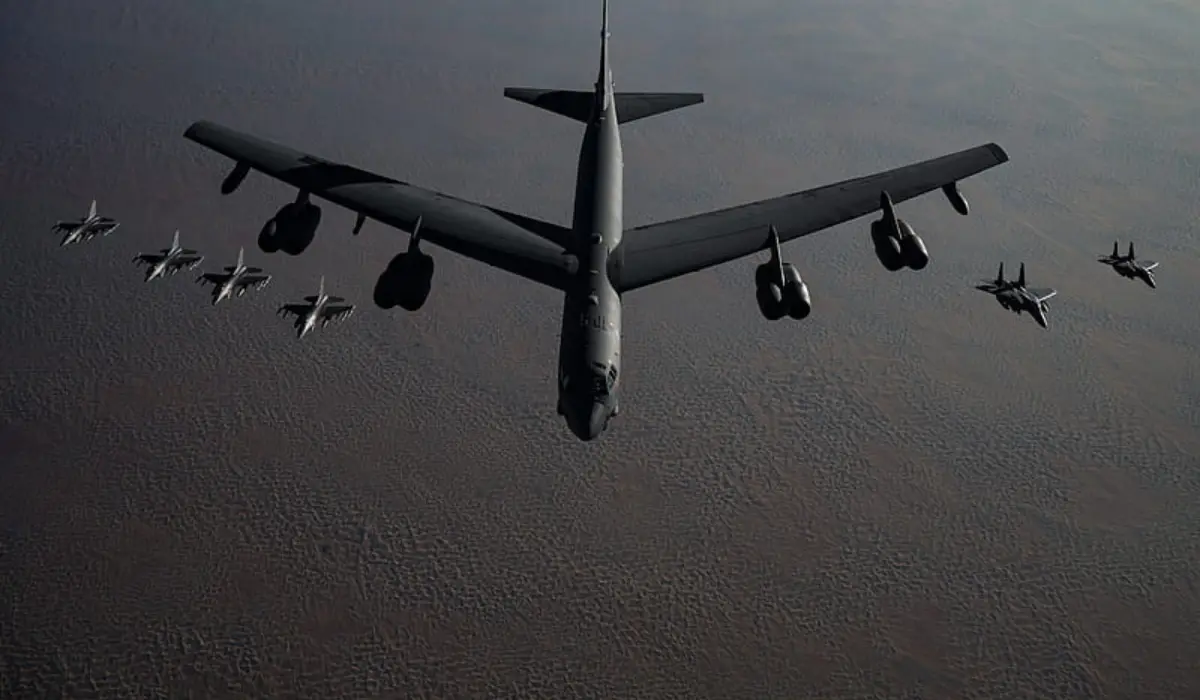
By positioning the coolers directly inside the nacelles, they sit exactly where the incoming airflow is strongest. This rushing high-altitude air continuously blasts over the units, providing an infinite source of natural atmospheric cooling.
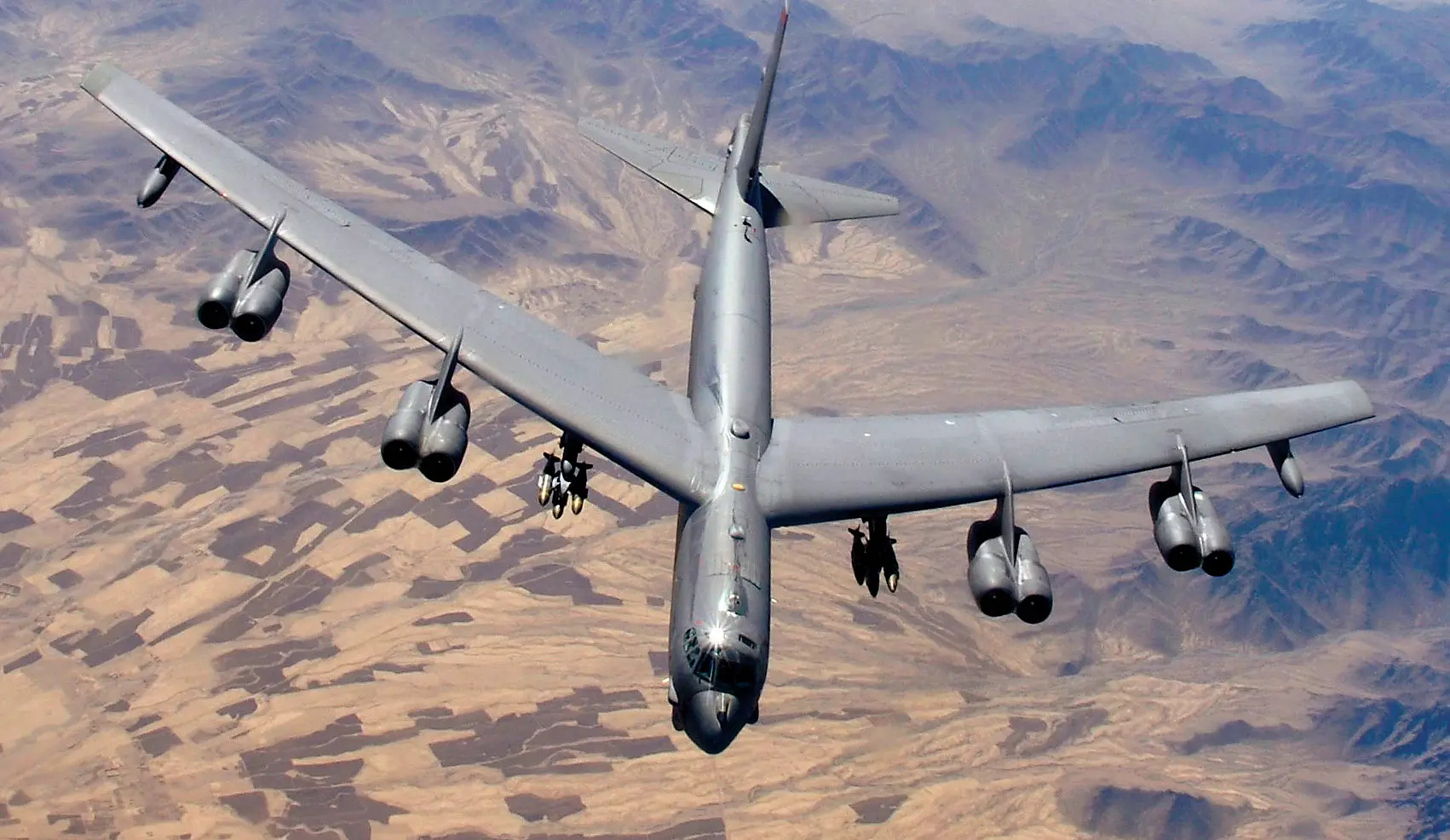
Pure Aluminium Fins
The coolers are meticulously manufactured from thick slabs of pure aluminium featuring deeply milled external grooves. These fine metal fins drastically increase the surface area, maximising the cooling effect of the passing air.
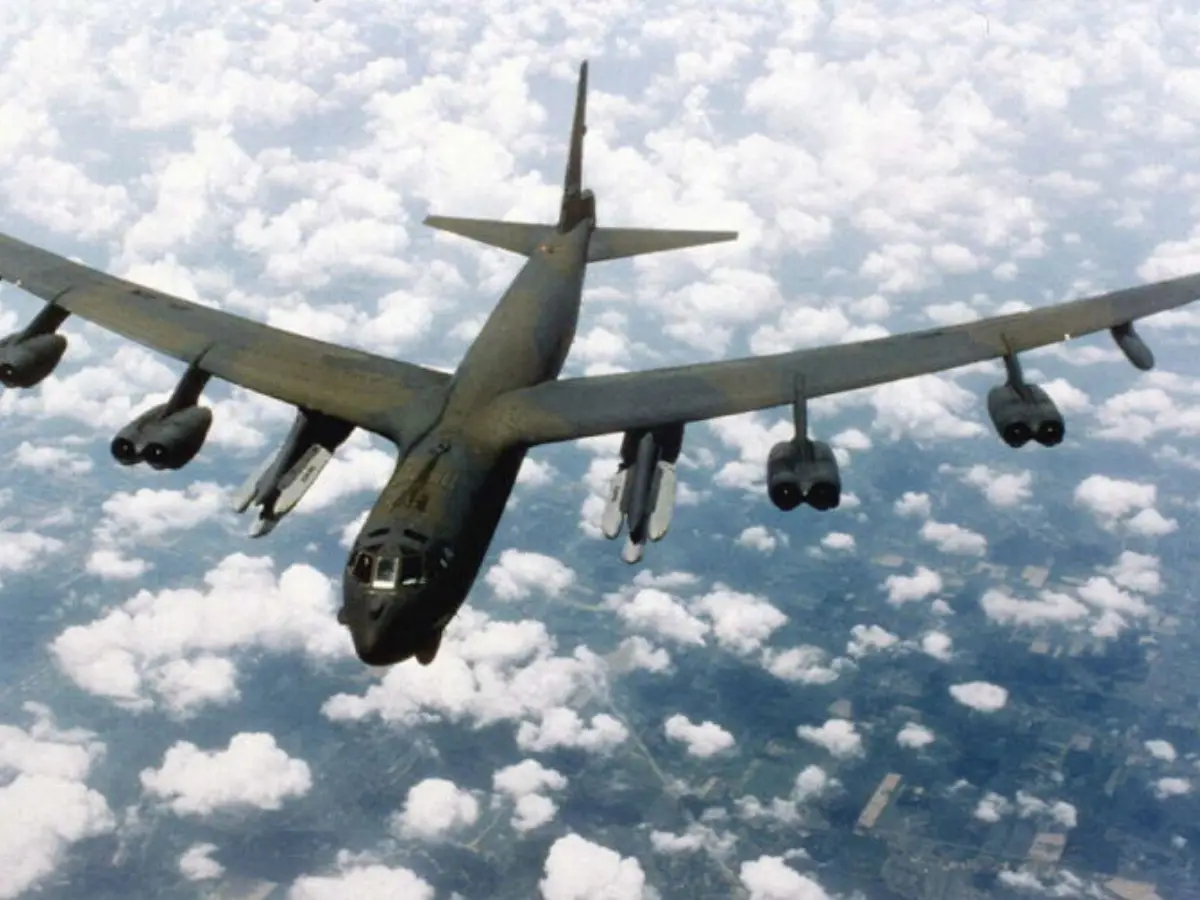
Chilling the Synthetic Oil
As intensely hot synthetic oil cycles out of the engine, it travels through small internal cells inside these curved panels. The freezing outside air instantly drops the oil's temperature before it returns to safely lubricate the moving parts.
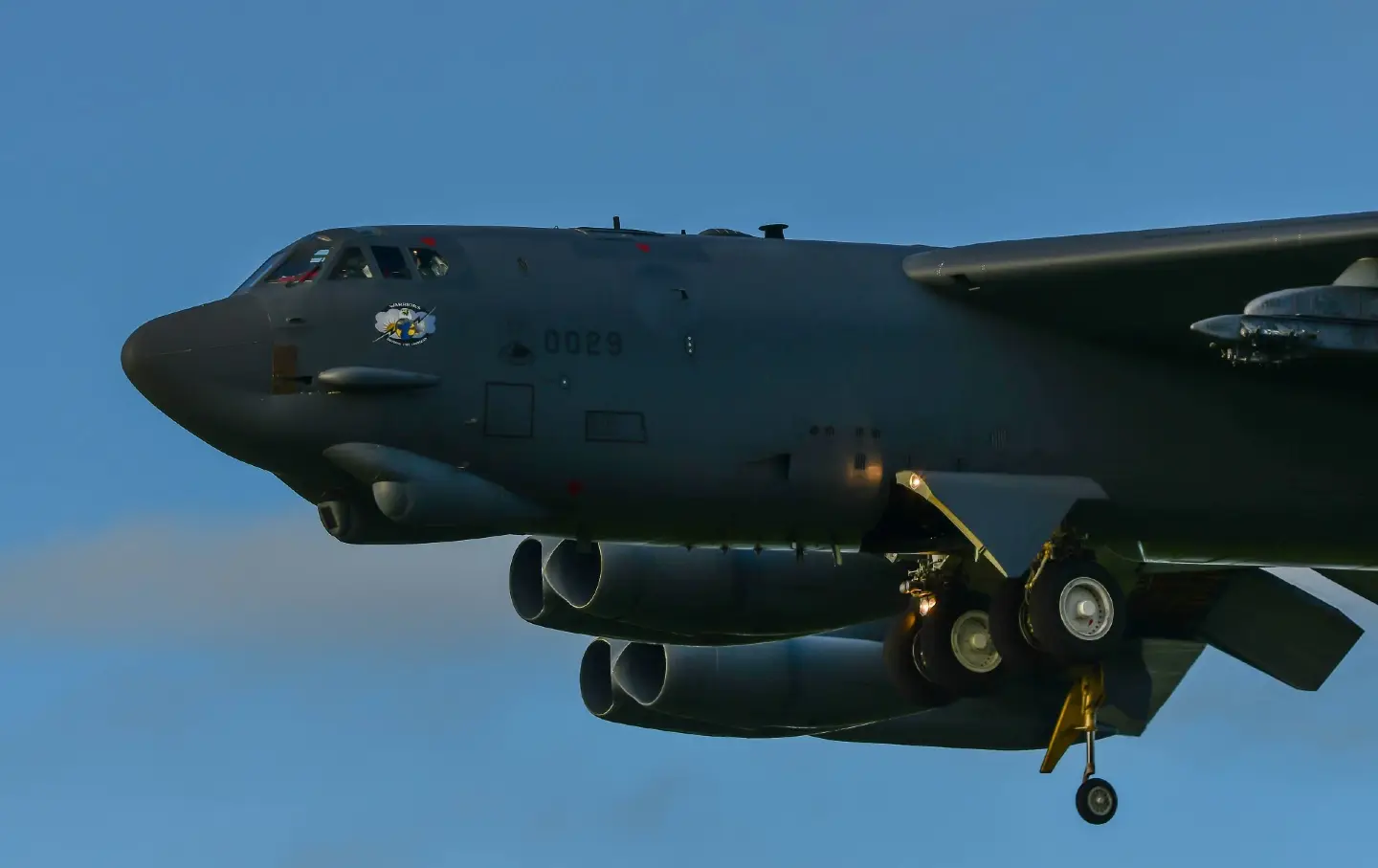
Decades of Reliability
This highly efficient continuous cooling cycle completely prevents the vital engine oil from burning off during marathon missions. Thanks to these heavy-duty thermal coolers, the strategic bomber can safely execute multi-day global strikes without destroying its engines.
)
)
)
)
)