Why Russian heavy fighters use double nose wheels compared to US jets

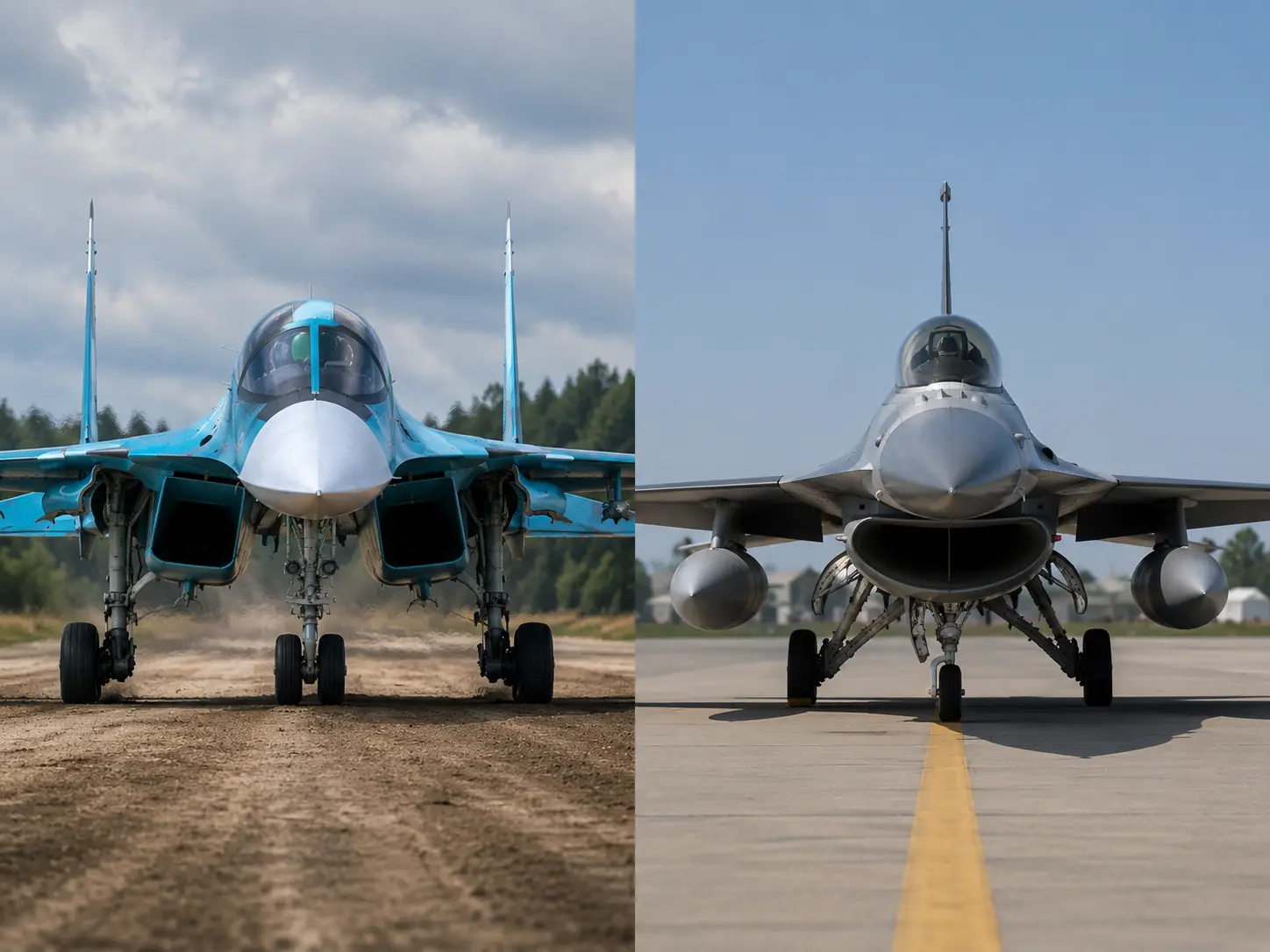
Russian combat fighters use twin nose wheels to support 45-tonne weights and operate safely from rough, unpaved runways without sinking or damaging engine intakes.
Supporting 45-Tonne Combat Loads
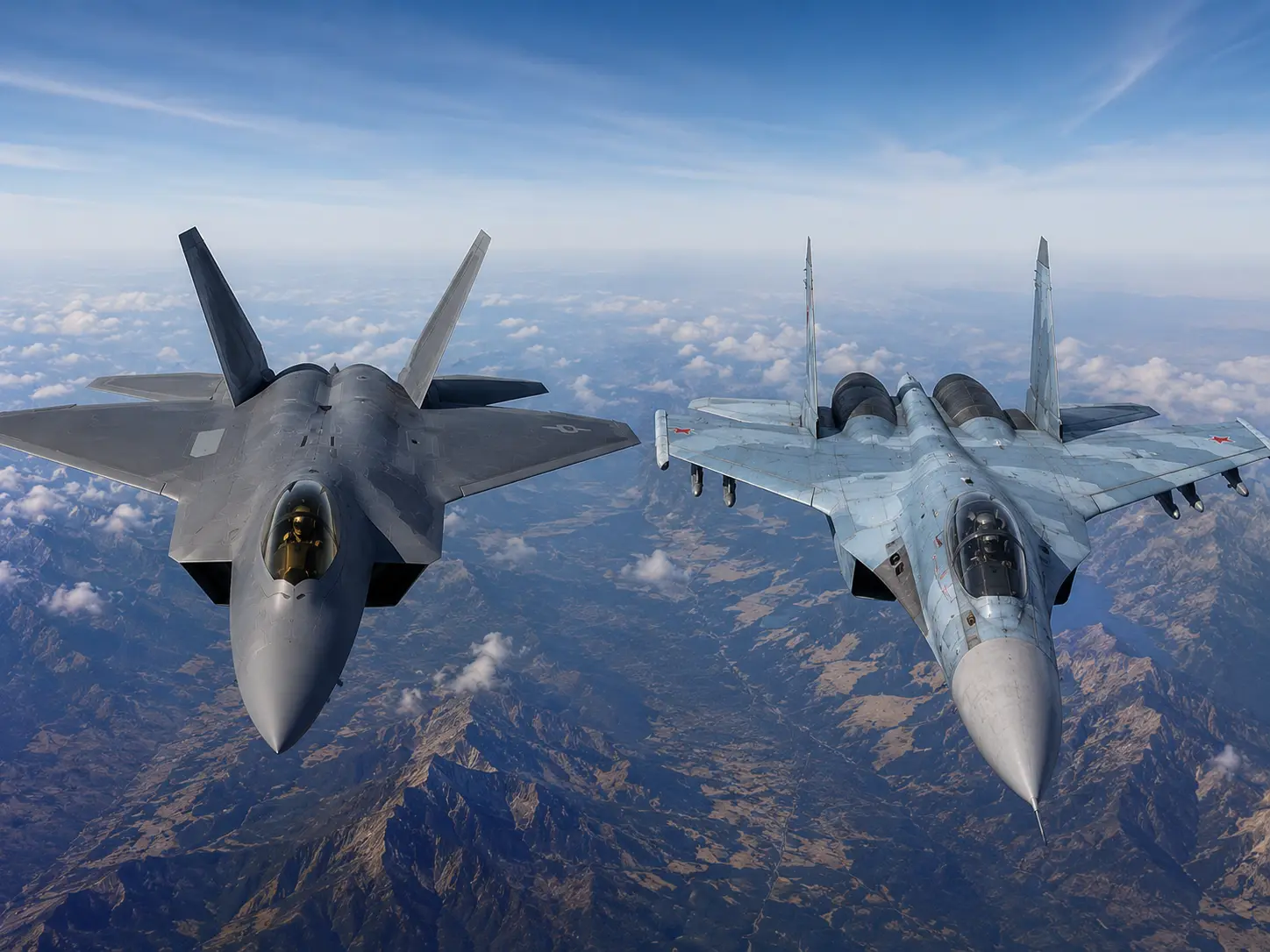
Russian heavy strike fighters like the Sukhoi Su-34 launch with maximum takeoff weights reaching up to 45,100 kilogrammes. A twin nose wheel assembly distributes this immense frontal load across two tyres instead of a single wheel. This dual configuration prevents the nose gear strut from bending or collapsing under extreme physical stress during heavy payload departures.
Halving 50 Per Cent Pressure
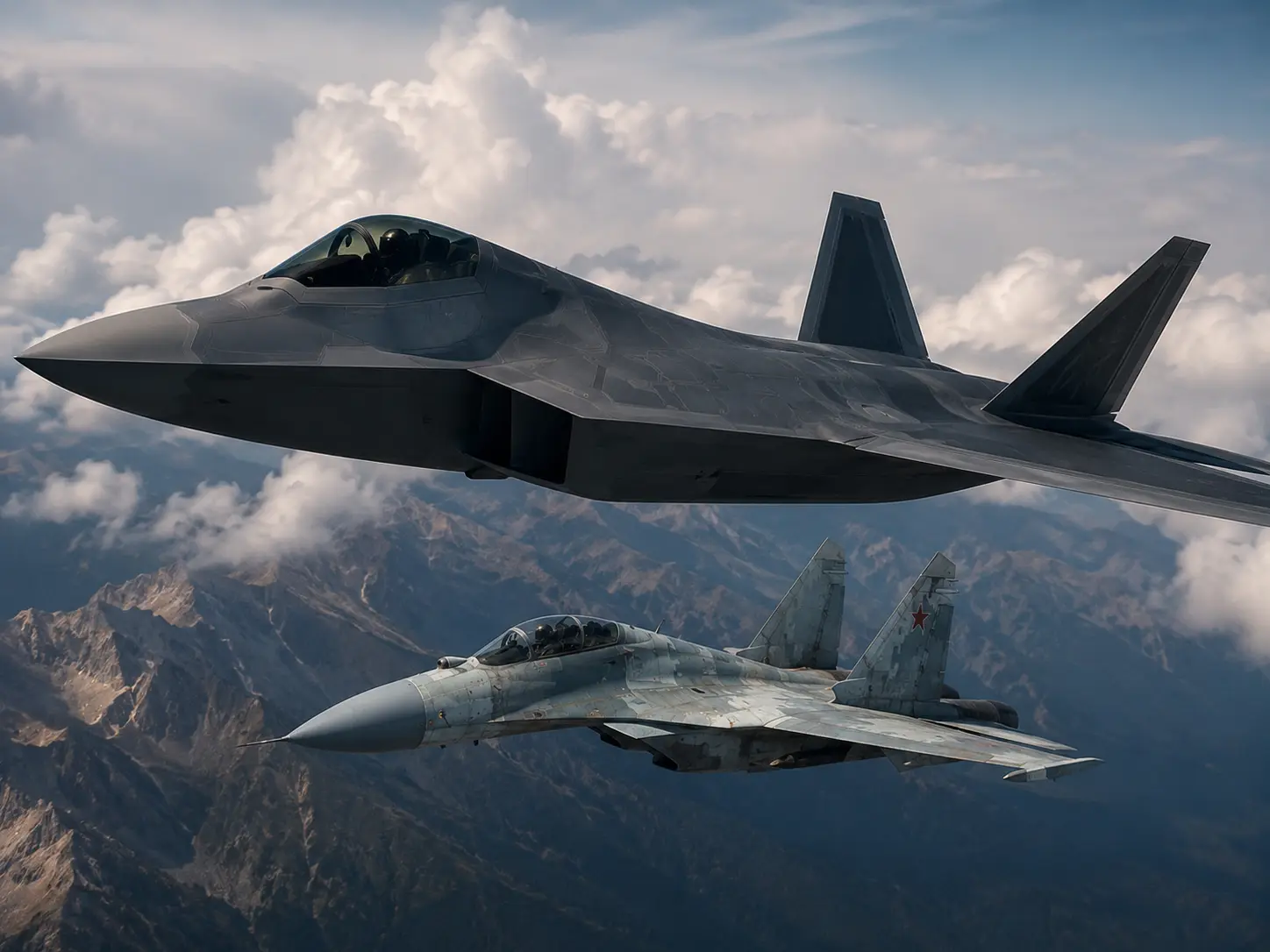
Russian tactical doctrine requires combat jets to operate from unpaved dirt, gravel, or degraded forward airstrips. Using two front wheels reduces ground contact pressure per square centimetre by nearly 50 per cent compared to a single wheel. This wider footprint stops the heavy nose assembly from sinking into soft soil or mud during ground taxiing.
Blocking Debris and FOD Protection
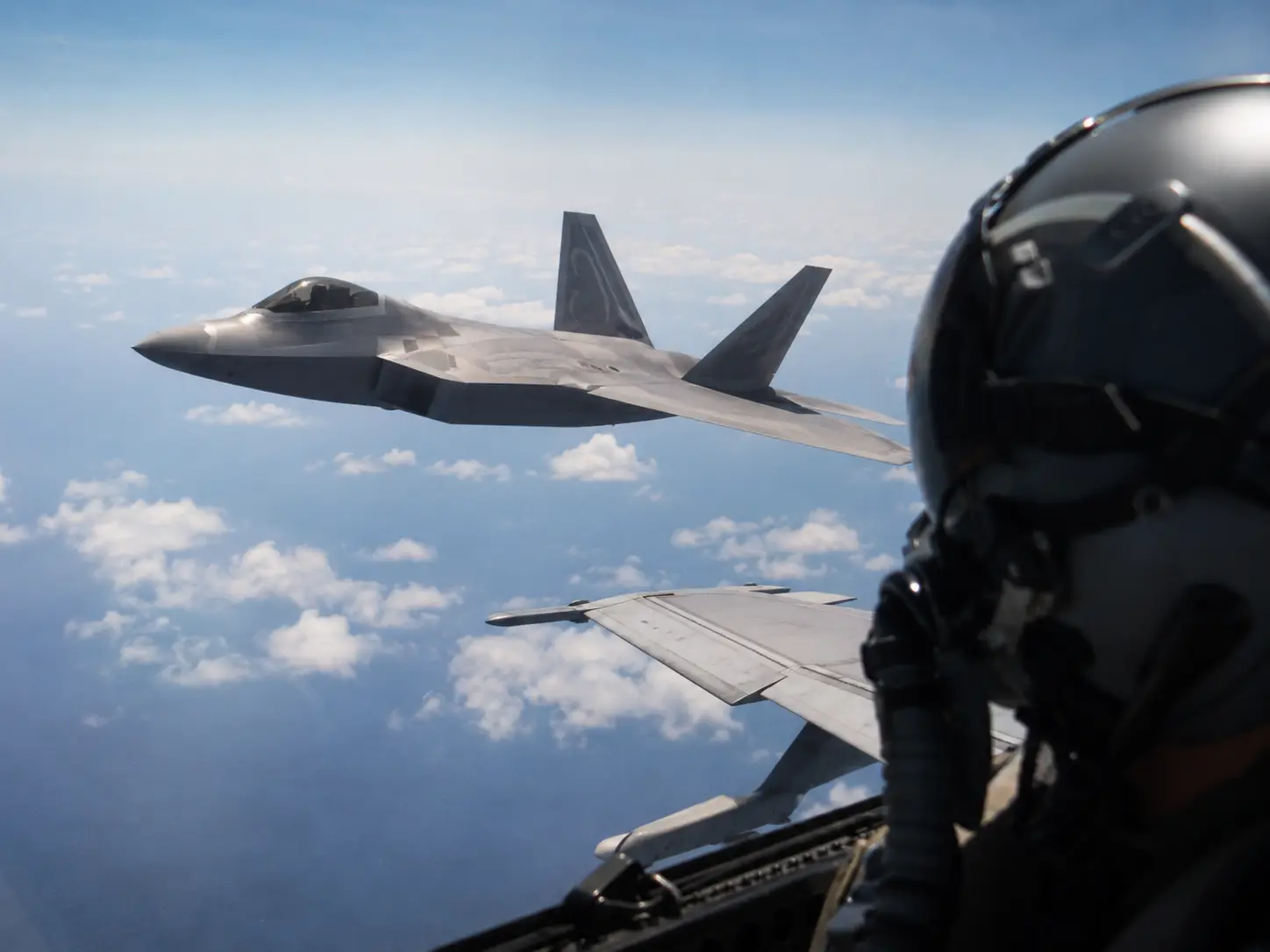
Twin front landing wheels allow engineers to install robust mudguards and debris deflectors directly behind the wheel assembly. These deflectors block most stones, mud, and water kicked up at high speeds from entering the engine air intakes. To achieve complete protection on rough airfields, these mudguards work alongside internal engine intake screens to prevent catastrophic turbine damage.
US Air Force vs. Naval Gear Design
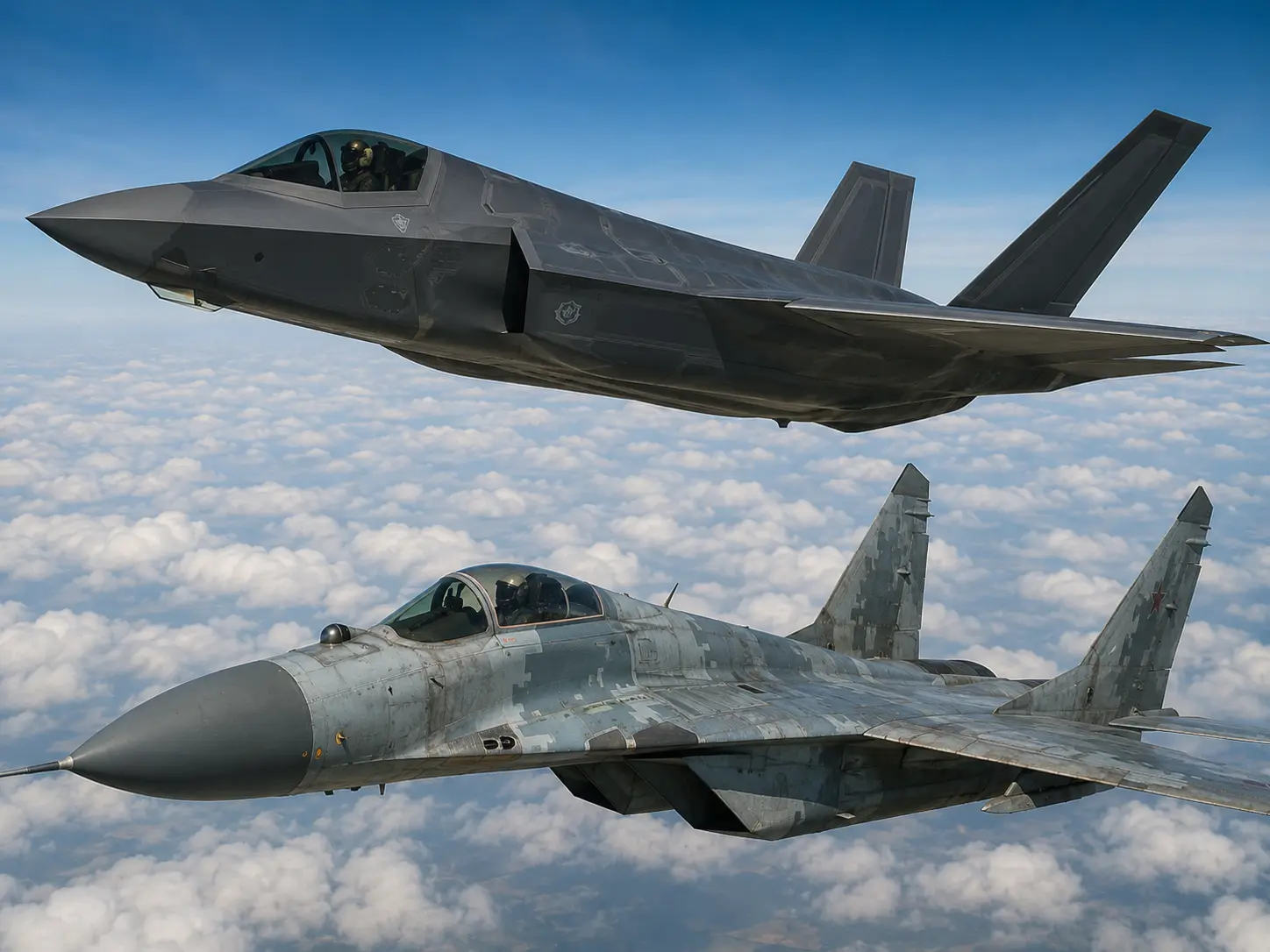
American Air Force fighters like the F-15 and F-16 use a single nose wheel to save weight and space because they operate from clean, well-paved runways. However, this single wheel design does not apply to all American combat jets. US Navy carrier fighters like the F/A-18 and F-35C use twin nose wheels to absorb the violent physical shocks of catapult launches and carrier deck landings.
Surviving Hard Airfield Landings
Russian combat jets feature reinforced lever suspensions engineered to handle aggressive, high-impact touchdowns on bumpy and unrolled airfields. The dual-wheel nose gear acts as a heavy-duty buffer capable of absorbing violent vertical shocks without structural failure. If one tyre suffers a puncture on sharp gravel, the second wheel keeps the fighter stable and upright.
)
)
)
)
)