Why Russian fighter jets keep mechanical clocks compared to US jets

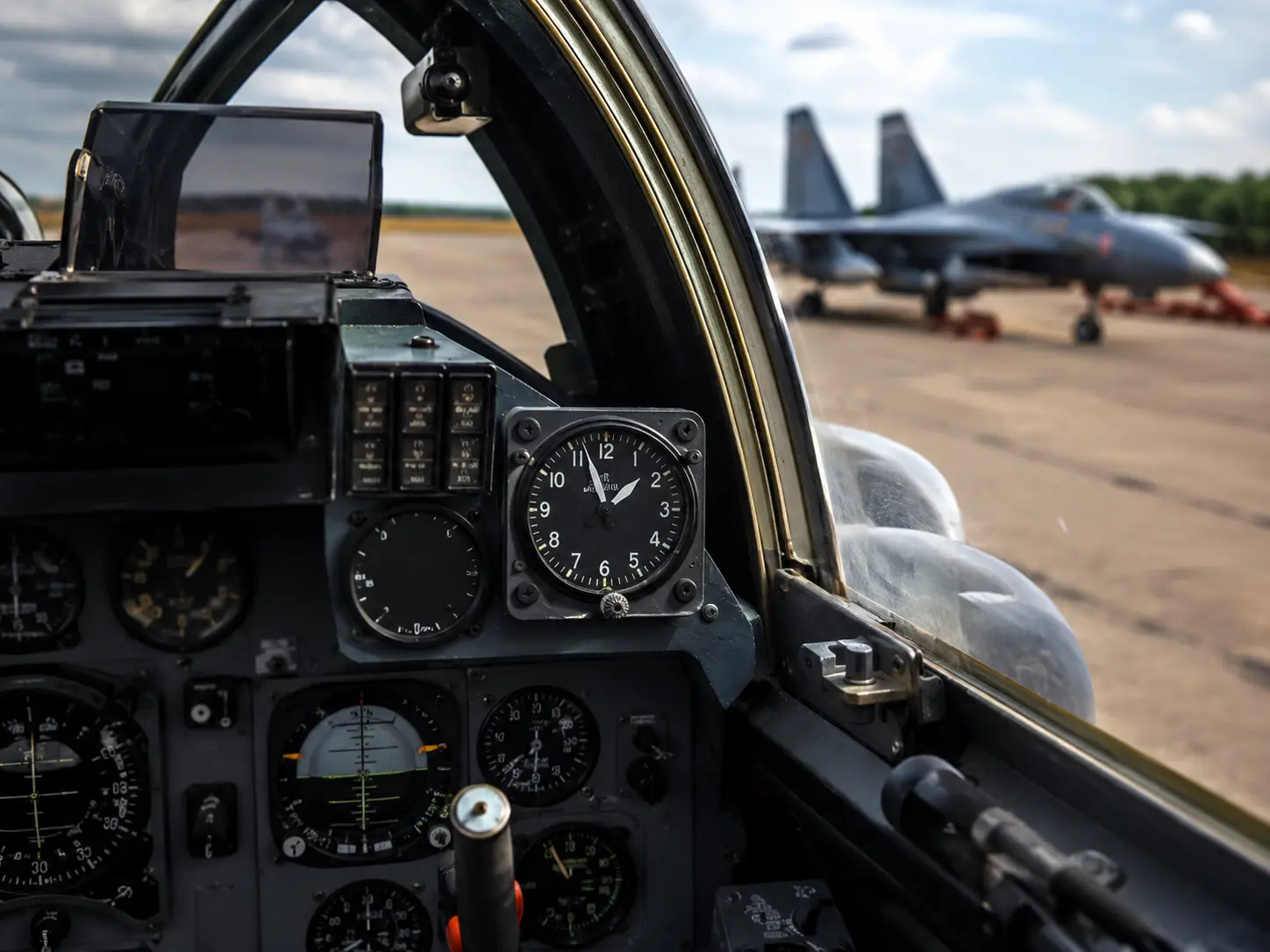
Russian jets keep spring-wound mechanical clocks to survive electrical failures and EMP blasts. These 25-jewel chronographs run for 3 days unpowered, assisting pilots in manual combat navigation.
Runs 3 days unpowered
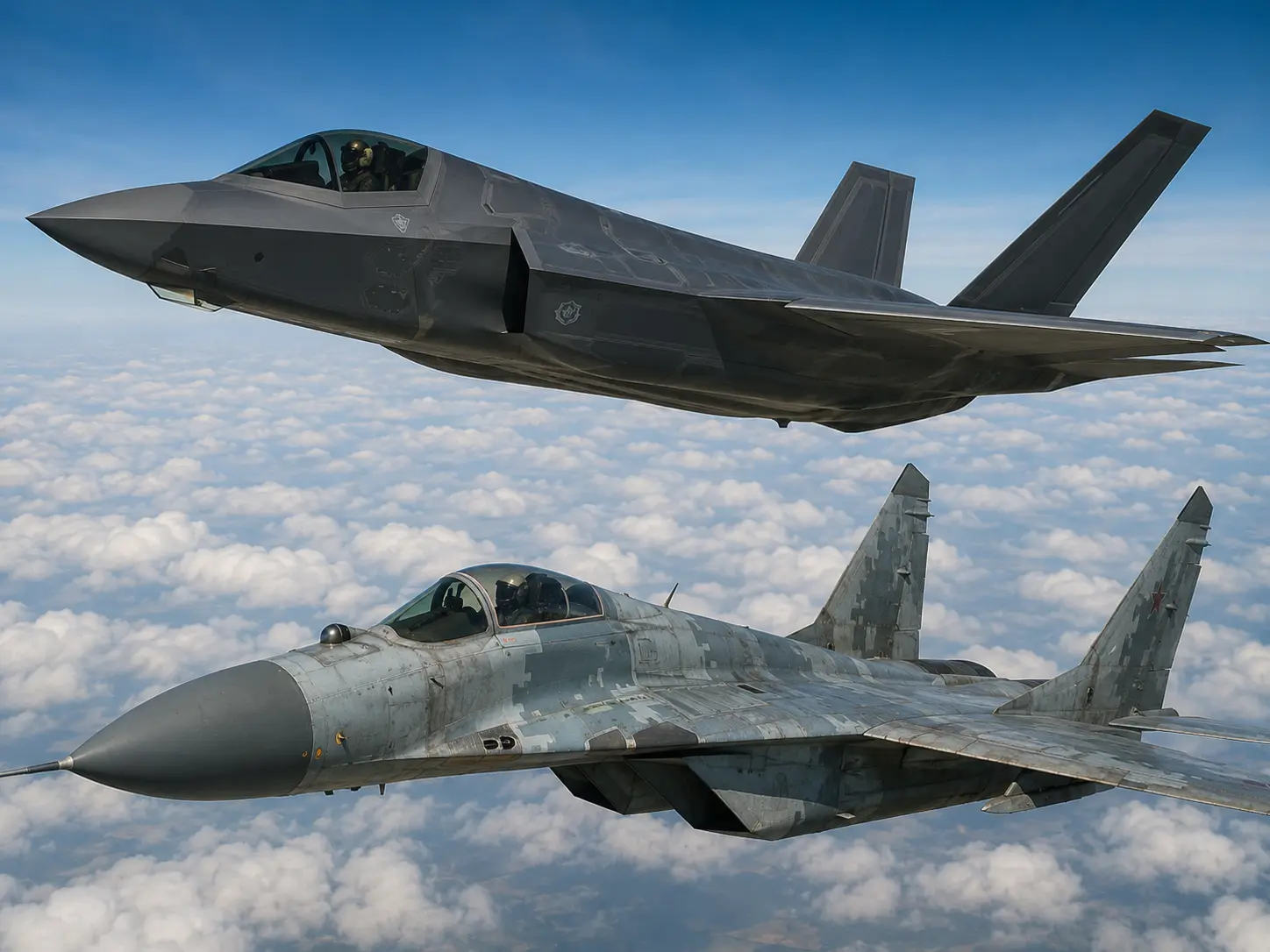
American combat jets rely entirely on digital avionics and electrical systems to display flight data. Russian aircraft mount the mechanical AChS-1 clock, powered by twin spring mechanisms that run continuously for 72 hours on a single manual wind. If an aircraft loses electrical power during combat, this physical chronograph keeps ticking without battery assistance.
Immune to EMP blasts
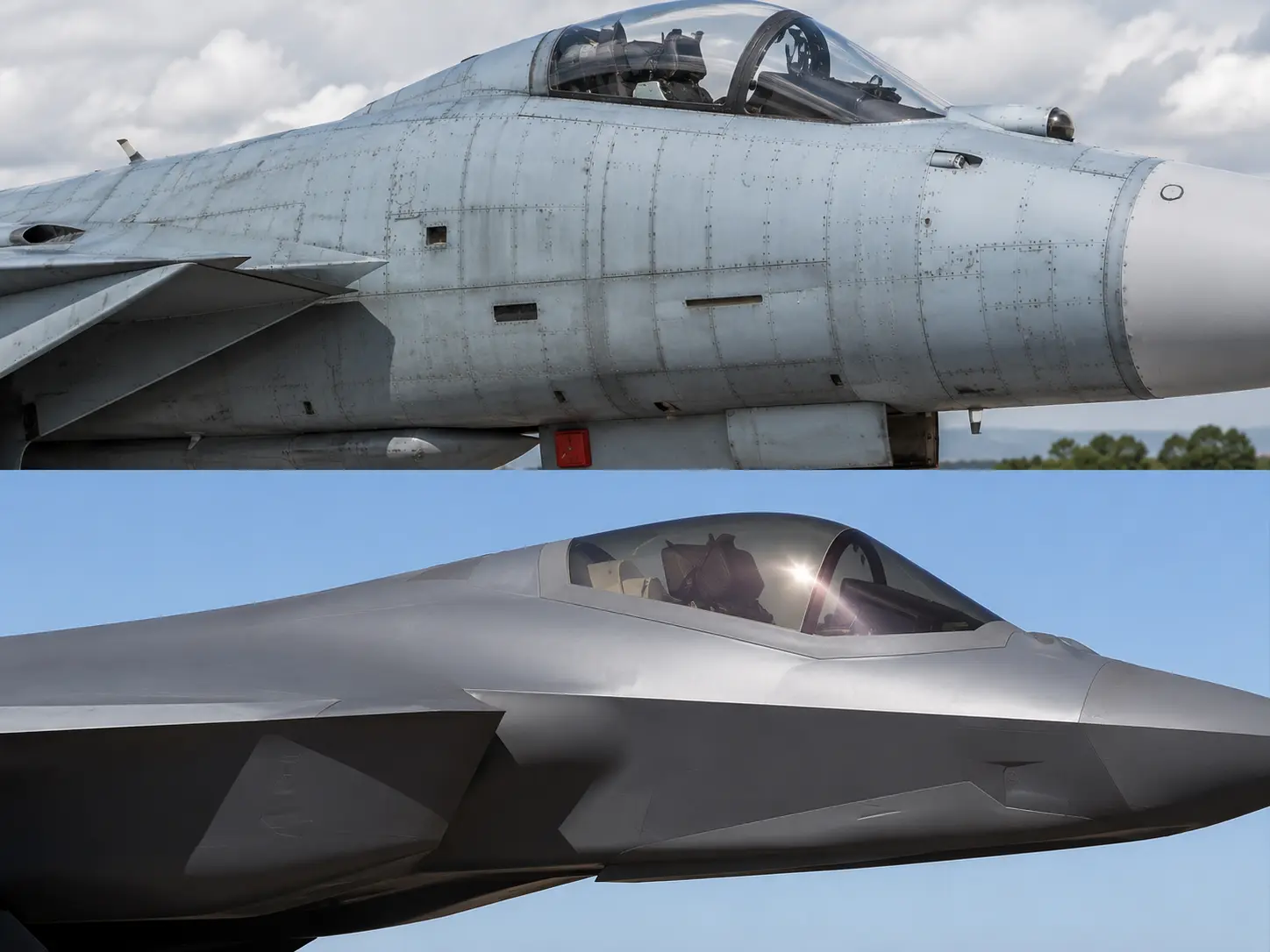
High-altitude electromagnetic pulses and electronic warfare can easily glitch or shut down sensitive digital cockpit screens. Purely mechanical clock movements remain unaffected by intense radio jamming or electromagnetic radiation. Russian designers keep physical timepieces on instrument panels to ensure pilots retain essential timing gear during electronic attacks.
Endures minus 60 degrees
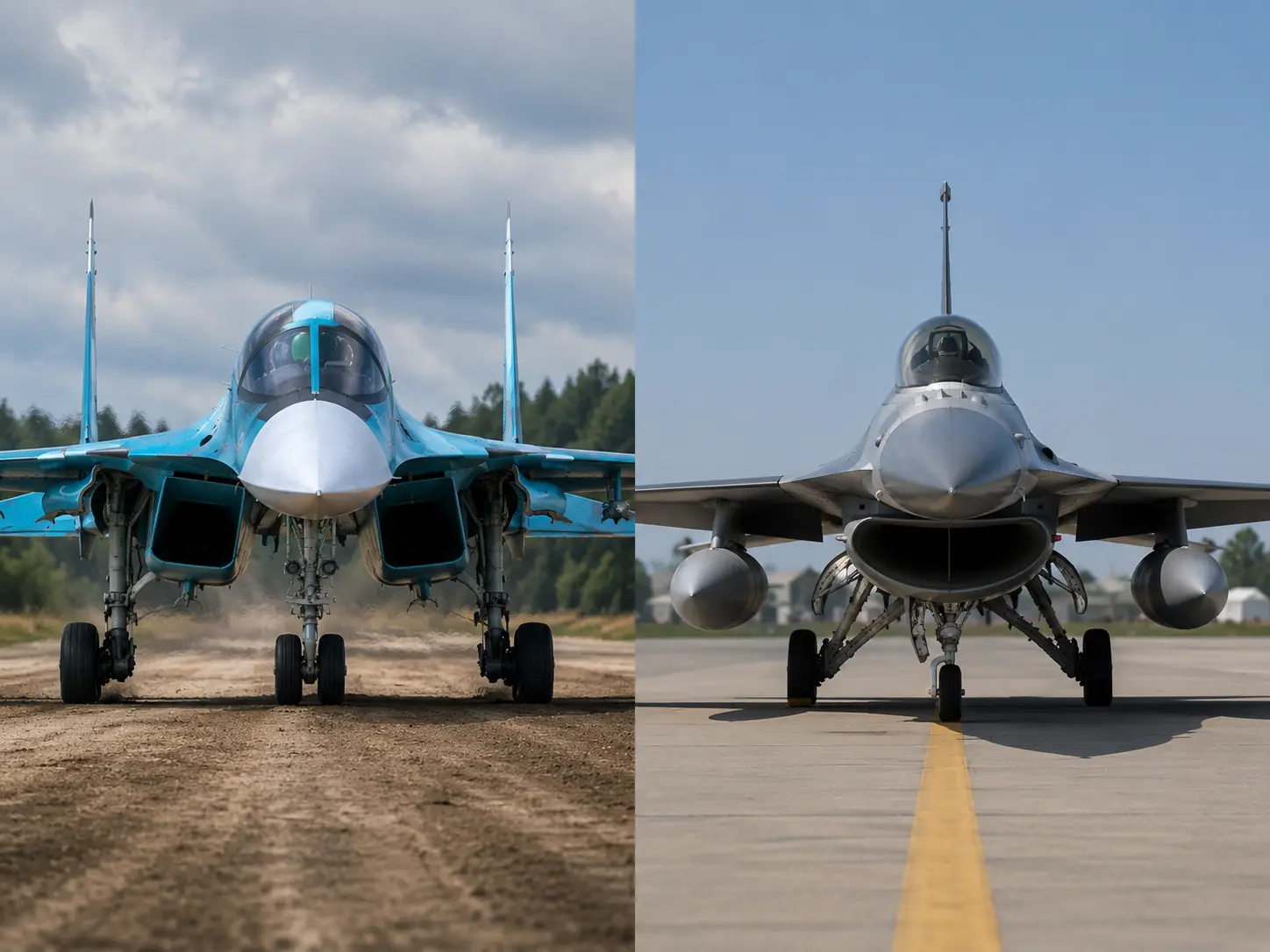
Fighter aircraft operating from Siberian airbases or flying at extreme altitudes endure rapid temperature drops. The mechanical cockpit clock is built to function reliably in harsh temperatures ranging from minus 60 to plus 60 degrees Celsius. It also features a 27-volt internal electric heater that stops internal gear lubricants from freezing mid-flight.
Withstands 6G flight loads
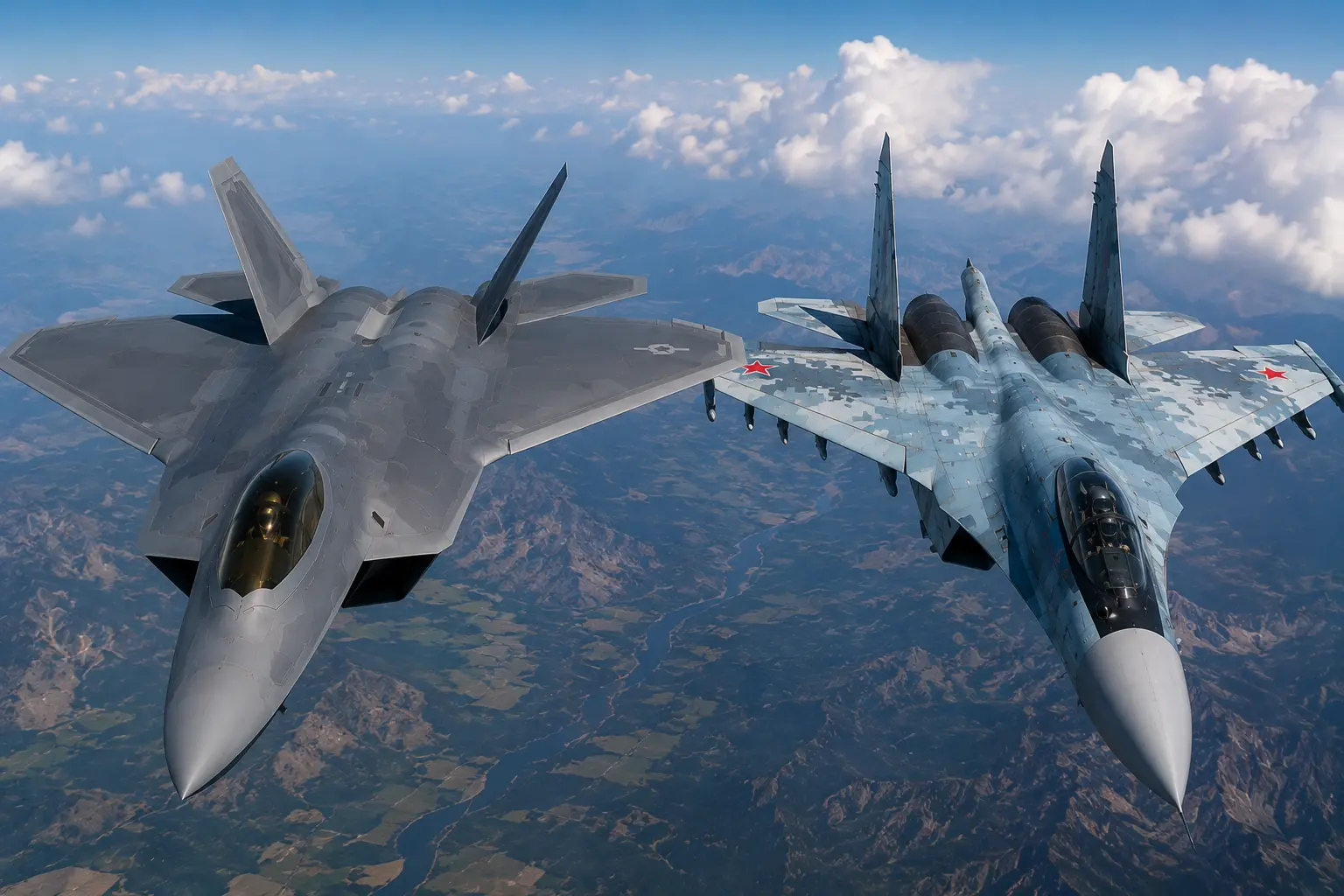
During supersonic intercepts and sharp defensive manoeuvres, fighter airframes experience extreme vibration and speeds up to 2,900 kilometres per hour. Russian engineers construct the clock movement with 25 synthetic jewels to withstand severe mechanical shock. This durable design maintains timing accuracy within 20 seconds a day while pulling heavy 6G combat loads.
Tracks 24-hour flight data
When satellite navigation networks fail or main avionics shut down, pilots must calculate airspeed, heading, and fuel reserves manually. The Russian clock includes dedicated sub-dials for total flight elapsed time and a stopwatch for precise interval tracking. This setup allows combat pilots to execute dead-reckoning navigation safely to reach their home runways.
)
)
)
)
)