US midterms 2026: 10 states that could decide Trump’s political future

The 2026 US midterms could reshape Donald Trump’s second term. Here are 10 states where Democrats are challenging Republican Senate seats and could change the balance of power in Congress

Trump won these states. Now Democrats are coming for them
The 2026 US midterm elections are turning into a much broader fight for control of Congress than Republicans initially expected. President Donald Trump won all 10 states featured in this gallery by double-digit margins in the 2024 presidential election, yet Democrats are now competing in each of them to varying degrees. Ohio, Alaska, Iowa and Texas have emerged as the most closely watched Senate contests, while states such as Kansas, Nebraska, Florida, Mississippi, South Carolina and Kentucky represent a wider Democratic push into traditionally Republican territory. Republicans currently hold a 53-47 Senate majority, meaning Democrats need a net gain of four Republican-held seats to take control.

Ohio: The Midwest battleground that could shake up the Senate
Ohio has emerged as one of the most important Senate battlegrounds of the 2026 midterms. Donald Trump won the state by 11 percentage points in 2024, but Democrats are now mounting a serious challenge. Former Democratic Senator Sherrod Brown is attempting a political comeback against Republican Jon Husted in a race rated a toss-up by the Cook Political Report. Ohio also has two competitive House races, giving the state importance in the battle for both chambers of Congress. Early voting started on October 6, putting Ohio among the first major battlegrounds to enter the voting phase. For Republicans, holding the state would protect a crucial Senate seat. For Democrats, flipping Ohio would provide a major boost to their path towards Senate control.

Alaska: Can Democrats pull off a shock Senate upset?
Alaska is rarely the first state associated with competitive Senate races, but the 2026 contest has changed that. Republican Senator Dan Sullivan is facing Democrat Mary Peltola in a race that has become unexpectedly competitive. Trump carried Alaska by 13 percentage points in the 2024 presidential election, yet Democrats now see an opportunity to challenge the Republican hold on the seat. The race has also attracted national attention because of Alaska’s ranked-choice voting system and the presence of another candidate named Dan Sullivan on the ballot. Vice President JD Vance campaigned in Alaska for the Republican incumbent, highlighting the importance the GOP places on defending the seat. A Democratic victory here could become a significant part of a broader Senate takeover.
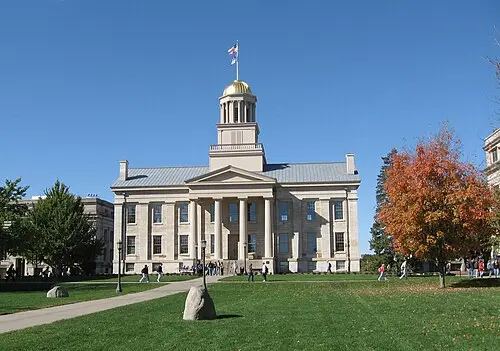
Iowa: A deep-red state suddenly back in the Senate spotlight
Iowa has moved sharply to the right in federal elections over the past decade, making its 2026 Senate race particularly significant. Trump won Iowa by 13 percentage points in 2024, but Republicans are now facing a competitive challenge. Republican Representative Ashley Hinson is taking on Democratic state Representative Josh Turek in a contest rated a toss-up by the Cook Political Report. For Democrats, winning Iowa would represent a dramatic breakthrough in a state that has increasingly become part of the Republican electoral base. For Republicans, the race demonstrates the scale of the defensive challenge facing the party this year. If traditionally safe Republican states such as Iowa become competitive, the GOP may have to spend more money and deploy senior campaign figures across a much larger map.

Texas: Could Democrats finally break through in the Lone Star State?
Texas represents perhaps the biggest prize on the expanded Democratic Senate map. Trump won the state by 14 percentage points in 2024, reinforcing its reputation as a Republican stronghold. Yet the 2026 Senate contest has become unexpectedly competitive. Republican Attorney General Ken Paxton is facing Democratic state Representative James Talarico after Paxton defeated incumbent Senator John Cornyn in the Republican primary. That primary exposed divisions within the Texas GOP, adding another layer to a closely watched race. A Democratic victory in Texas would be one of the biggest shocks of the 2026 election cycle and could dramatically alter the Senate map. It would also provide Democrats with a powerful political narrative: that even one of America's most important Republican states is no longer beyond their reach.

Kansas: A red state where Democrats see an unexpected opening
Kansas may not be considered a top-tier Senate battleground, but its appearance on the Democratic target list shows just how far the 2026 electoral map has expanded. Trump won Kansas by 16 percentage points in 2024, yet Democratic candidate Adam Hamilton has emerged as a surprisingly competitive challenger to Republican Senator Roger Marshall. The race is still rated Lean Republican by the Cook Political Report, meaning Democrats face a steep climb. But the contest matters beyond the immediate chances of a Democratic victory. Every traditionally safe Republican state that becomes competitive forces the GOP to devote campaign money, advertising and senior political attention to defending it. Kansas therefore offers an important snapshot of the wider political environment surrounding the 2026 midterms and the pressure building on Republican incumbents.

Nebraska: Why a safe Republican seat is suddenly under pressure
Nebraska remains firmly Republican at the presidential level, but its Senate contest has become an unexpected focus of the 2026 midterms. Trump won the state by 21 percentage points in 2024, yet Republican Senator Pete Ricketts is facing an independent challenge from Dan Osborn. The race is not considered one of the core Senate battlegrounds, but its competitiveness could force Republicans to spend valuable resources defending what would normally be considered a safe seat. Trump has already visited Nebraska as part of his aggressive midterm campaign push, highlighting the GOP's desire to shore up support among voters concerned about the economy and rising fuel costs. For Democrats and their allies, even forcing Republicans to defend Nebraska represents a strategic win if it stretches the party's resources elsewhere.

Florida: Can Democrats put a once-red state back in play?
Florida has become increasingly Republican in recent presidential elections, making any serious Democratic challenge there noteworthy. Trump won the state by 13 percentage points in 2024, but Democrats are attempting to make the 2026 Senate race competitive. Republican Senator Ashley Moody is facing Democrat Angie Nixon, with some polling suggesting a closer contest than Republicans would normally expect. Major election forecasters still view the race as safely Republican, meaning Florida is not currently among the Democrats' strongest pickup opportunities. Its importance lies elsewhere: the state demonstrates how Democrats are expanding the battlefield beyond conventional swing states. Even if Democrats ultimately fall short, forcing Republicans to spend time and money defending Florida could have consequences for the party's broader strategy as it tries to protect its Senate majority.

Mississippi: Democrats test another deep-red Republican stronghold
Mississippi is one of the most Republican states in America, making its appearance on the 2026 Democratic target map particularly striking. Trump won the state by 22 percentage points in 2024, but Democratic efforts have nevertheless brought the Senate contest into wider political discussion. Republican Senator Cindy Hyde-Smith is facing a Democratic challenger, with some recent polling showing the Democrat moving within single digits. The race remains outside the main group of Senate toss-ups, but it reflects a larger trend: Democrats are testing Republican-held seats in states that were previously considered virtually untouchable. The rising cost of living and fuel prices have also become important campaign issues. Even a strong Republican performance would not erase the strategic significance of Democrats forcing the GOP to defend another traditionally safe seat.

South Carolina: Another Republican stronghold faces a Democratic test
South Carolina has long been considered safe Republican territory, but Democrats are using the 2026 election to test the state's political limits. Trump won South Carolina by 18 percentage points in 2024, yet Democratic candidate Annie Andrews is challenging Republican Senator Darline Graham. The contest is not currently rated a toss-up by major forecasters, making a Democratic victory difficult. However, the race remains significant because it forms part of a much wider Democratic strategy to stretch the Republican defence map. Every traditionally Republican state placed under pressure creates another potential drain on GOP resources. South Carolina therefore matters less as a likely Democratic pickup and more as evidence of how dramatically the competitive Senate map has expanded. The outcome could offer another indication of whether the national political environment is shifting beyond the traditional battlegrounds.

Kentucky: Can Democrats turn a 31-point Trump state into a Senate shock?
Kentucky may be the most dramatic example of Democrats testing the outer limits of the 2026 Senate map. Trump won the state by a massive 31 percentage points in 2024, yet Democrat Charles Booker is challenging Republican Andy Barr for the Senate seat being vacated by longtime Republican Senator Mitch McConnell. Booker has received the backing of Democratic Governor Andy Beshear and has shown enough strength to attract national attention. Republicans nevertheless retain major advantages, including a significant fundraising edge, making Kentucky a difficult Democratic target. Still, the contest demonstrates how far Democrats are willing to expand their Senate strategy. If a state as deeply Republican as Kentucky becomes genuinely competitive, it would signal an extraordinary political environment — and potentially force Republicans to defend seats they once regarded as virtually guaranteed.

Why these 10 states could decide Trump’s next two years
The 2026 midterms are about much more than individual Senate races. Republicans currently control the Senate 53-47 and hold only a narrow majority in the House. Democrats need a net gain of four Republican-held Senate seats to take the upper chamber, while the House could also change hands. A Democratic takeover of either chamber would give the party greater power to investigate the Trump administration, block parts of the president's legislative agenda and shape the political environment heading into the final years of Trump's second term. The significance of these 10 states is therefore strategic: Democrats are making Republicans defend territory that once appeared safely Republican. Whether that pressure becomes actual electoral change will be decided on November 3.
)
)
)
)
)