&imwidth=800&imheight=600&format=webp&quality=medium "Japan’s inflation hits two-year high ahead of key election")
Japan’s consumer prices have surged to the fastest pace in two years, placing economic pressure firmly at the centre of the country’s upcoming upper house election.
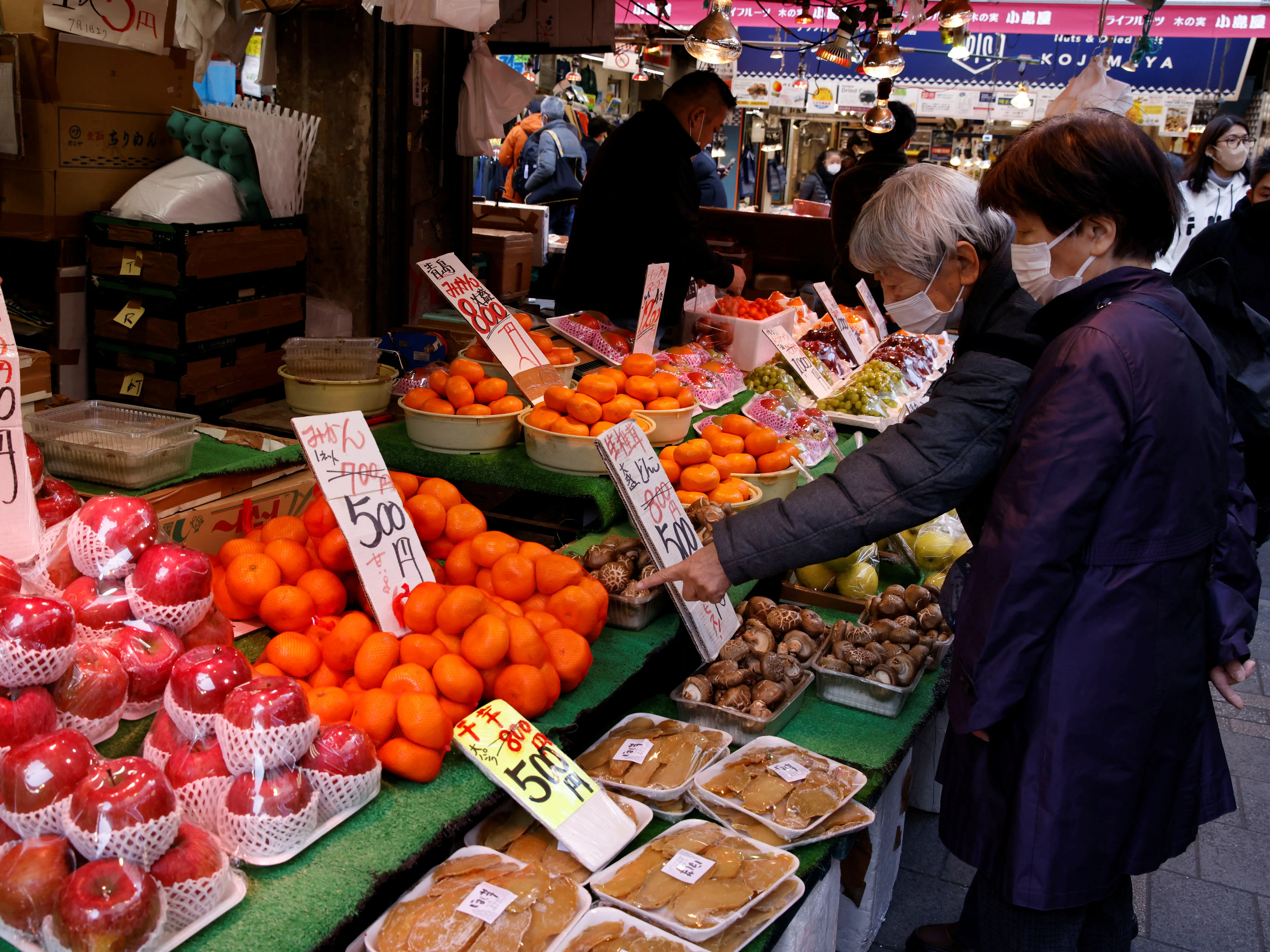
The rise in costs, led by a sharp increase in food prices, especially rice is expected to shape both political and monetary decisions in the weeks ahead.
As per Japan’s Ministry of Internal Affairs, core consumer prices (excluding fresh food) rose 3.7 per cent in May from a year earlier. This marks the third consecutive monthly acceleration and the fastest pace since January 2023, exceeding the 3.6 per cent median forecast of economists surveyed by Bloomberg.

Japan’s inflation trend
The latest inflation figure is in line with a broader upward trend in prices observed over the past year. Government data shows that core CPI had eased temporarily in 2023, but began rising again in late 2024 due to cost pressures from food, energy, and imports. The current 3.7 per cent figure is the highest since January 2023, as visualised in the chart below.
| Month-Year | CPI YoY (%) |
| Sep 2022 | ~1.8 |
| Dec 2022 | ~3.9 |
| Jan 2023 | 4.0 |
| Mar 2023 | ~3.4 |
| Jun 2023 | ~3.2 |
| Sep 2023 | ~2.9 |
| Dec 2023 | ~2.4 |
| Mar 2024 | ~2.6 |
| Jun 2024 | ~2.9 |
| Sep 2024 | ~2.6 |
| Dec 2024 | ~3.1 |
| Mar 2025 | ~3.5 |
| May 2025 | 3.7 |
Source: Japan’s Ministry of Internal Affairs
The steady rise from late 2024 indicates that underlying inflationary pressure is gaining traction, supported by food and energy costs, and amplified by the pass-through of higher import prices to consumers.
Food prices in focus
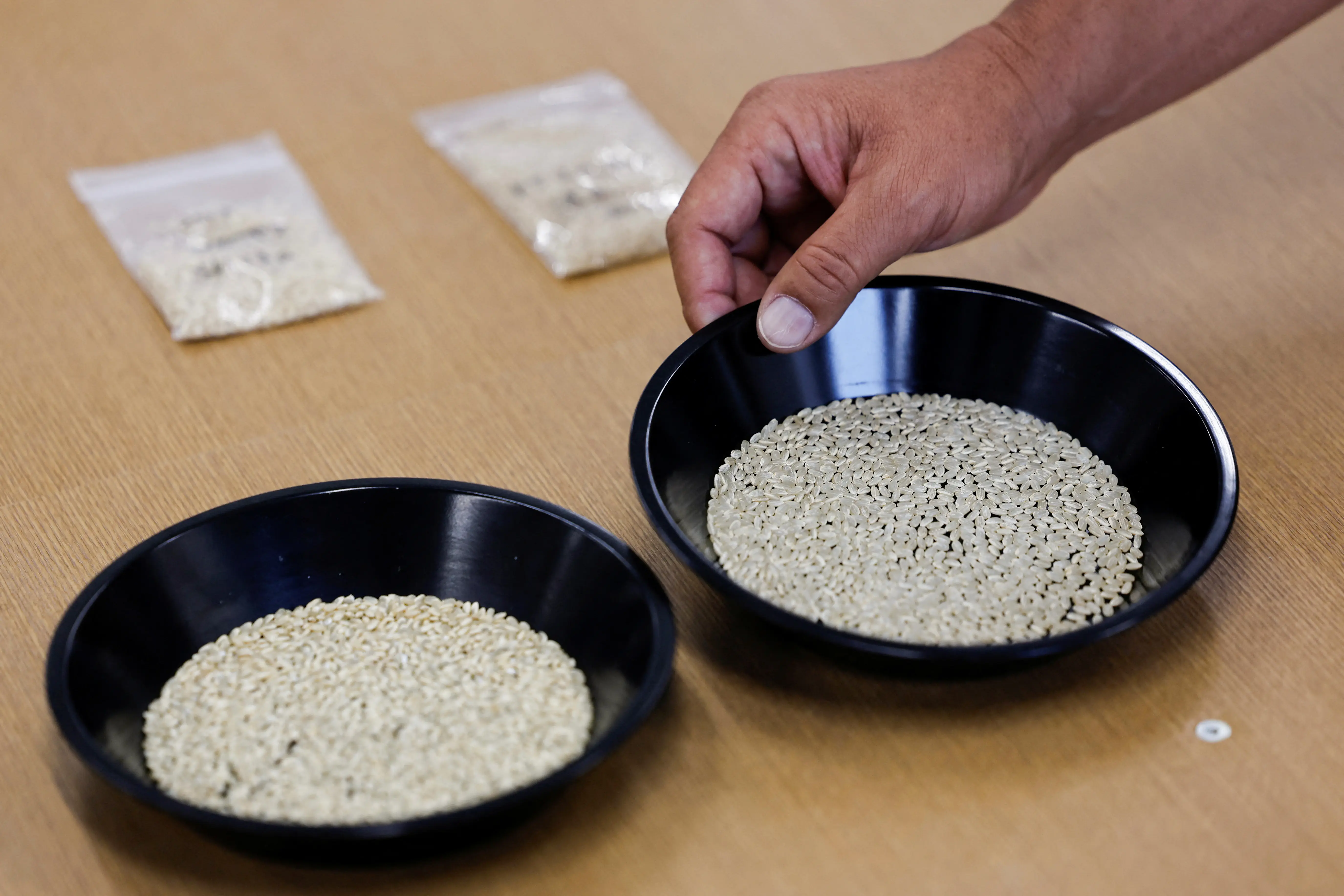
The biggest contributor to inflation remains food, particularly rice, Japan’s staple food and a politically sensitive commodity. According to the government data, rice prices jumped 102 per cent year-on-year, amid ongoing supply disruptions and concerns about stockpiling.
The food crisis has added urgency to government responses. Prime Minister Shigeru Ishiba’s administration, facing re-election in July, has already announced cash handouts to offset the impact of rising living costs. Meanwhile, opposition parties are calling for Japan’s first-ever cut to the national sales tax.
As quoted by Bloomberg, Taro Saito, head of economic research at NLI Research Institute, said, “Japan’s inflation is strong, driven by food costs — rice prices are surging and it’s impacting other related items… Today’s data will leave little doubt that inflation will be the key agenda for next month’s election.”
Political tension escalates
Trending Stories
)
IND vs JPN one-off T20I: India survive scare from Japan to win five-over a side match by 2 runs
)
Putin's United Russia party wins 355 seats in Duma election; 4 other parties cross threshold to enter parliament
)
AI models chose to harm humans to stop ‘pain,’ alarming study raises fresh safety questions
)
‘0% chance’: Nvidia CEO Jensen Huang dismisses AI extinction fears by 2030
)
Samay Raina-Mukesh Chhabra controversy explained: What happened over girlfriend joke on India's Got Latent?
)
Trump's helipad event overshadowed by audio failure as major TV networks suspend pool coverage
)
'Needs time away from the international scene': England white-ball captain Brook on pacer Brydon Carse's future
)
New Zealand farms shift to carbon forests: Carbon credits fuel a land rush reshaping rural life
)
Anti-AI activists storm summit, say 'incompetent' leaders are leading us into a disaster - 'We need a vote'
)
Samsung raises Galaxy S26 prices by Rs 20,000: Here’s what each model now costs
)
J&K Assembly Session begins amid chaos: BJP, ruling alliance clash as statehood demand dominates
)
Asian Games 2026: India women's cricket team beats Sri Lanka by 147 runs for first gold
)
Key accused in Bihar's Jamui molestation case, arrested after police shoot him in leg
)
Randeep Hooda arrives in Gujarat for his first National Film Award: ‘Very grateful’
)
US and China vie for AI dominance as calls grow for regulation | Gravitas
&im=FitAndFill=(700,400))
Anant Nag to recieve Dadasaheb Phalke Award: From Ankur to Nishant- Revisit his best films and iconic performances on OTT
)
UK banks are rethinking financial crime detection because of algorithm
)
FIFA chief Infantino wants to reform governing body with consultation from federations
)
India at UNGA81: Jaishankar warns global order under 'growing stress', pushes for ‘reformed multilateralism’
)
IND vs JPN, one-off T20I: Japan captain Kendel on pushing India to the brink - ‘It was special’
)
Raaka creates history! Allu Arjun’s film secures Guinness World Record ahead of release
)
Saudi Arabia exits China-led mBridge digital currency platform amid Saudi-Houthi conflict
)
Indonesian groups sue govt over wildfires as haze crosses borders, nearly 900,000 hectares burned
)
'Lot of things to learn from experienced players': Jayasuriya backs Rohit, Virat for 2027 ODI World Cup
)
$110 billion Warner Bros merger: Paramount reaches settlement with 12 US states
&im=FitAndFill=(700,400))
New OTT releases this week (September 21-27, 2026): Shaque: Trust No One, Hunkkaar, Don’t Be Shy- 5 new titles coming to Netflix, Prime Video and more
)
From ‘communist’ to ‘great mayor’: Trump praises Mamdani after New York meeting, discusses immigration and housing
)
Report: Zelensky meets CIA chief Ratcliffe at Shannon airport, weeks after his secret Moscow trip
)
How Zaheer Khan came to be CSK's head coach of IPL 2027
)
Pilot recreates Mona Lisa in sky over Oklahoma and Arkansas in four-hour flight: VIDEO
)
UK PM Burnham agrees to 'defensive' military support for Saudi Arabia against Houthis
)
Jailer 2: Vidya Balan joins Rajinikanth's upcoming film as Kantha | Watch
)
Microsoft executive called AI training the ‘largest theft of labour in human history’
&im=FitAndFill=(700,400))
National Film Awards 2026: Kartik Aaryan, Mammootty, Yami Gautam, Randeep Hooda and other key winners
)
40-foot waves crash into cruise ship in dangerous stretch near Antarctica. Watch
)
US-Iran war, peace deals and more: What to expect from Trump's UNGA 2026 speech
)
Explainer: Why rare-earth export licences and Board of Trade are US priorities ahead of Trump-Xi summit
)
Two infants die after fire breaks out at RIMS newborn care unit in Telangana's Adilabad
The sharp price increases come just weeks before a scheduled upper house election on July 20, which could prove pivotal for Ishiba’s minority government.
Rising living costs have already led to political setbacks. Last autumn, the ruling party faced its biggest electoral defeat since 2009. Recent polling by local Japanese media suggests Ishiba’s popularity is recovering, helped in part by recent government subsidies to stabilise grain prices.
BOJ caught between growth and inflation
The inflation data has also added weight to speculation that the Bank of Japan (BOJ) may soon raise interest rates. While the central bank held rates steady at 0.5 per cent earlier this week, the inflation figure has reinforced expectations of a shift.
As quoted by Bloomberg Economics, “The hotter CPI print will probably strengthen the BOJ’s confidence that its 2% target is becoming secure… We expect the BOJ to raise its policy rate by 25 basis points to 0.75% at its July meeting.”
However, BOJ Governor Kazuo Ueda has remained cautious. Speaking after the central bank’s decision to keep policy unchanged, Ueda said the BOJ would monitor the impact of oil prices and US trade policy before committing to another hike.
Despite Japan’s core inflation remaining above the BOJ’s 2 per cent target for over three years, the central bank maintains that the underlying price trend is still below its sustainability threshold.
Oil prices and US Tariff add more pressure
Additional inflationary pressures may be emerging from abroad. A recent rise in global oil prices, triggered by tensions in the Middle East, could push Japanese input costs higher.
Japan is particularly vulnerable to energy shocks due to its high dependence on imports. According to Bloomberg, major Japanese firms like Lotte and Meiji have already announced fresh rounds of price increases in June, three times higher than in the same period last year, citing rising costs.
At the same time, Japan is also assessing the economic impact of new US tariff measures, a key factor BOJ officials say could influence their decision on when and how to normalise monetary policy.
What next?
While the May inflation print strengthens the case for a rate hike in July, analysts say much will depend on incoming data. Teikoku Databank reports that further food price hikes are expected in June.
Meanwhile, economists quoted by Bloomberg expect core CPI to fall below 3 per cent by late summer, due to technical adjustments and recent government subsidies.
(With inputs from the agencies)