Canada’s Telesat joins hands with SpaceX to launch broadband satellites: Report


Telesat logo with satellite
On Monday, Canada’s Telesat said that it had reached a deal with SpaceX to begin launching its low-Earth orbit (LEO) satellites in 2026, with the intention of offering international internet access from space by the end of 2027.
Since LEO satellites orbit 36 times closer to Earth than conventional ones, information is transmitted and received more quickly, improving broadband coverage even in remote locations.
The LEO constellation launched by Telesat is named Lightspeed.

“It is another big step forward on our path to get Lightspeed up there,” Reuters quoted Telesat CEO Dan Goldberg as saying.
The deal, which covers 14 launches, was not valued. According to the firm, the constellation will be deployed by the end of 2027, when Telesat intends to offer a global service. Each Falcon 9 rocket will be able to launch up to 18 satellites into orbit. This comes three years after the original deadline.
Telesat’s stock declined 5.3 per cent to Canadian $21.99 ($16.20), following an early trade gain of about 3.2 per cent.
&imwidth=180&imheight=135&format=webp&quality=medium)
Brendan Taylor overtakes Andy Flower to become Zimbabwe’s leading ODI run-scorer
&imwidth=180&imheight=135&format=webp&quality=medium)
Pakistan to head IMF, World Bank boards after 74 years amid persistent economic crisis
&imwidth=180&imheight=135&format=webp&quality=medium)
"The scariest thing was"... flydubai Captain Smit Machchhar recalls cockpit fight and how he thought of his son and daughter
&imwidth=180&imheight=135&format=webp&quality=medium)
'We are not sitting in ivory towers, we are aware': SC issues notice to Rahul Gandhi, Akhilesh Yadav
&imwidth=180&imheight=135&format=webp&quality=medium)
Flying car race: Alef Aeronautics welcomes Tesla Roadster '11 years' later, but are the two models the same?
&imwidth=180&imheight=135&format=webp&quality=medium)
6-year-old among 2 killed as vehicle crashes into youth soccer game in US
&imwidth=180&imheight=135&format=webp&quality=medium)
WATCH | Flames engulf St Petersburg oil sites as Ukraine launches 1,000 drones at Russia
&imwidth=180&imheight=135&format=webp&quality=medium)
‘I have very severe problems’: Trump fuels health speculation during address to firefighters
&imwidth=180&imheight=135&format=webp&quality=medium)
US midterm elections 2026: Postal ballots and voter disenfranchisement — A key battle for Donald Trump
&imwidth=180&imheight=135&format=webp&quality=medium)
Lizard people? Ex-US Army sniper claims soldier killed by 'reptilian beings' in battle near Area 51
&imwidth=180&imheight=135&format=webp&quality=medium)
‘I don’t know how my family escaped': Congressman Raja Krishnamoorthi chokes while revealing he was inside US temple during foiled attack
&imwidth=180&imheight=135&format=webp&quality=medium)
Rain washes out 5th T20I as India-West Indies share honours 2-2
&imwidth=180&imheight=135&format=webp&quality=medium)
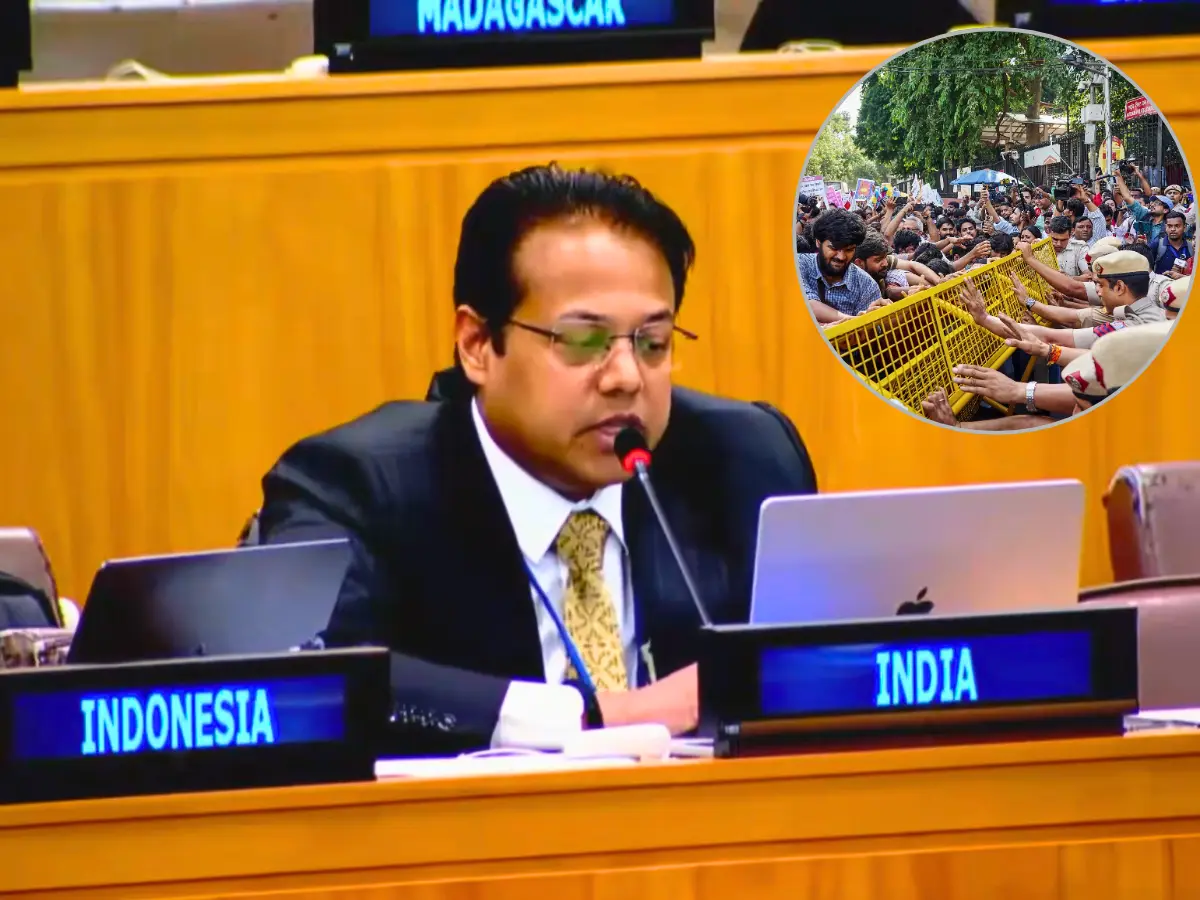
'Reason UN has lost credibility': Amid SIR protests India hits out at report alleging 'youth repression'
&imwidth=180&imheight=135&format=webp&quality=medium)
‘My president, I mean my husband’: Trump's new press secretary Katie Zacharia's first briefing goes off the rails in 14 minutes
&imwidth=180&imheight=135&format=webp&quality=medium)
China responds to Trump's Press Secretary Katie Zacharia after toilet remark: 'Visit China more often'
&imwidth=180&imheight=135&format=webp&quality=medium)
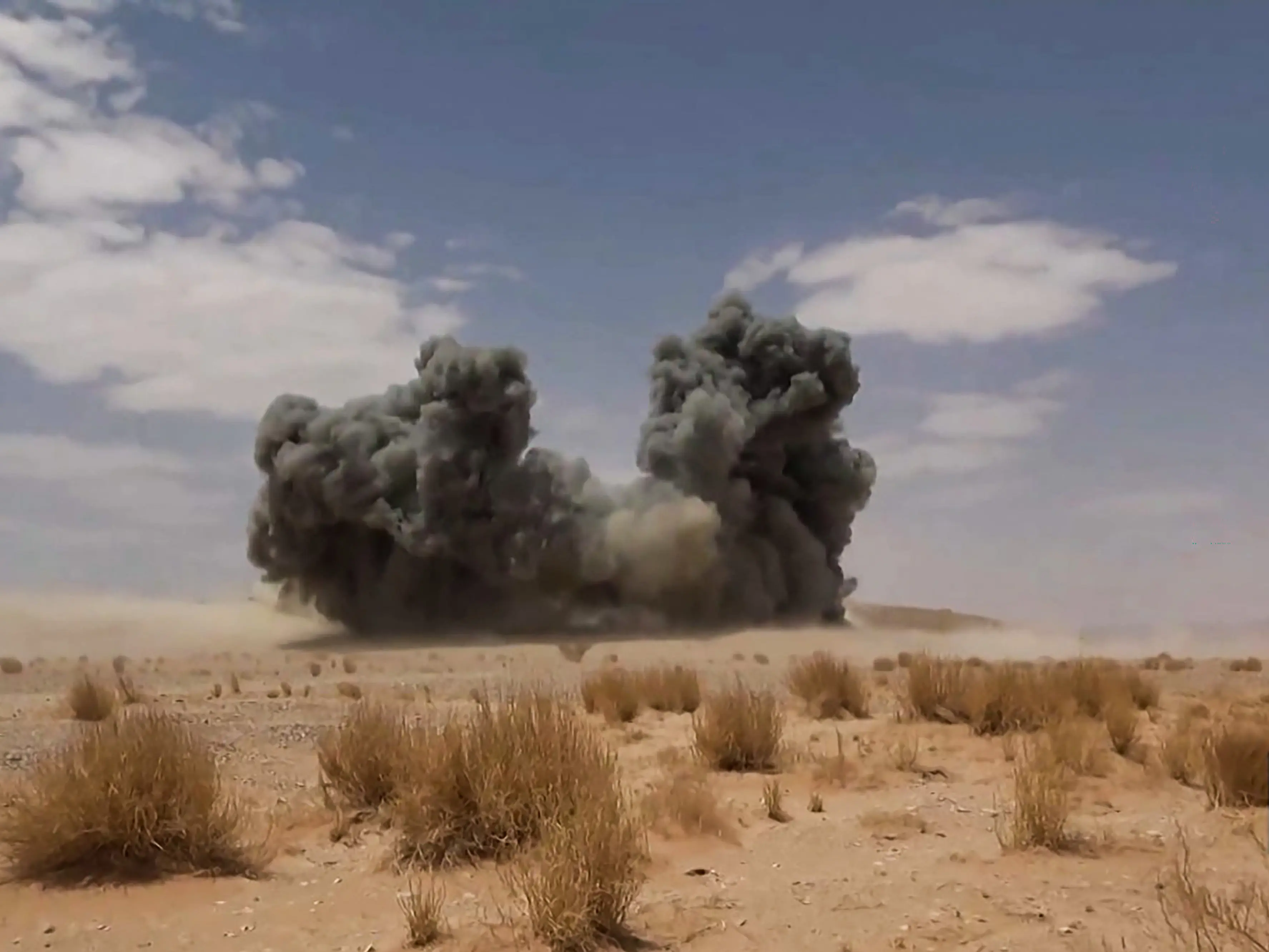
UAE agrees with Saudi Arabia to rejoin Yemen fight as Houthi strikes rattle Riyadh
&imwidth=180&imheight=135&format=webp&quality=medium)
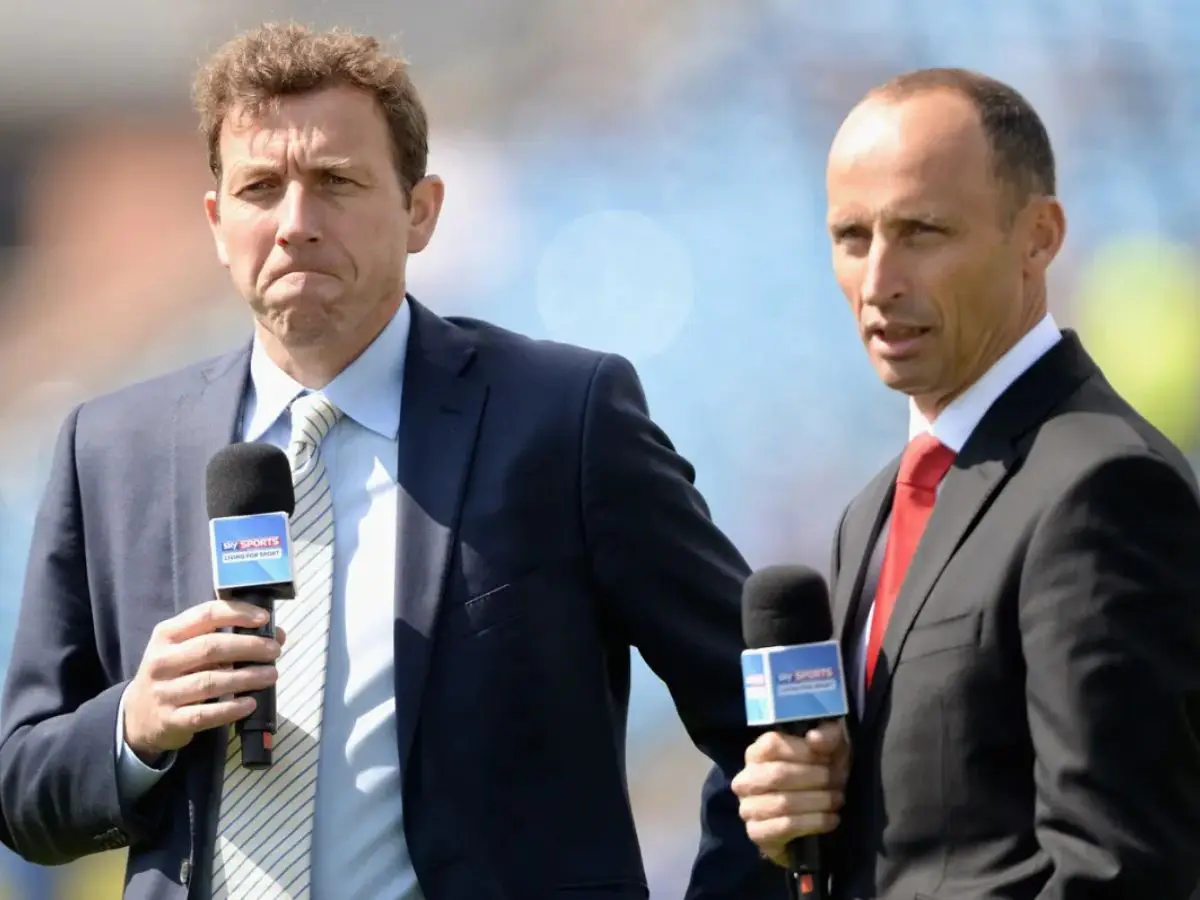
PCB omits Atherton, Hussain from tri-series commentary panel over Imran Khan interview row
&imwidth=180&imheight=135&format=webp&quality=medium)
SA vs AUS 2nd Test: Rain delays start as Rabada returns; Boland replaces Lyon for Australia
&imwidth=180&imheight=135&format=webp&quality=medium)
At least 400 arrested as protests turn violent in France; PM blames far left
&imwidth=180&imheight=135&format=webp&quality=medium)
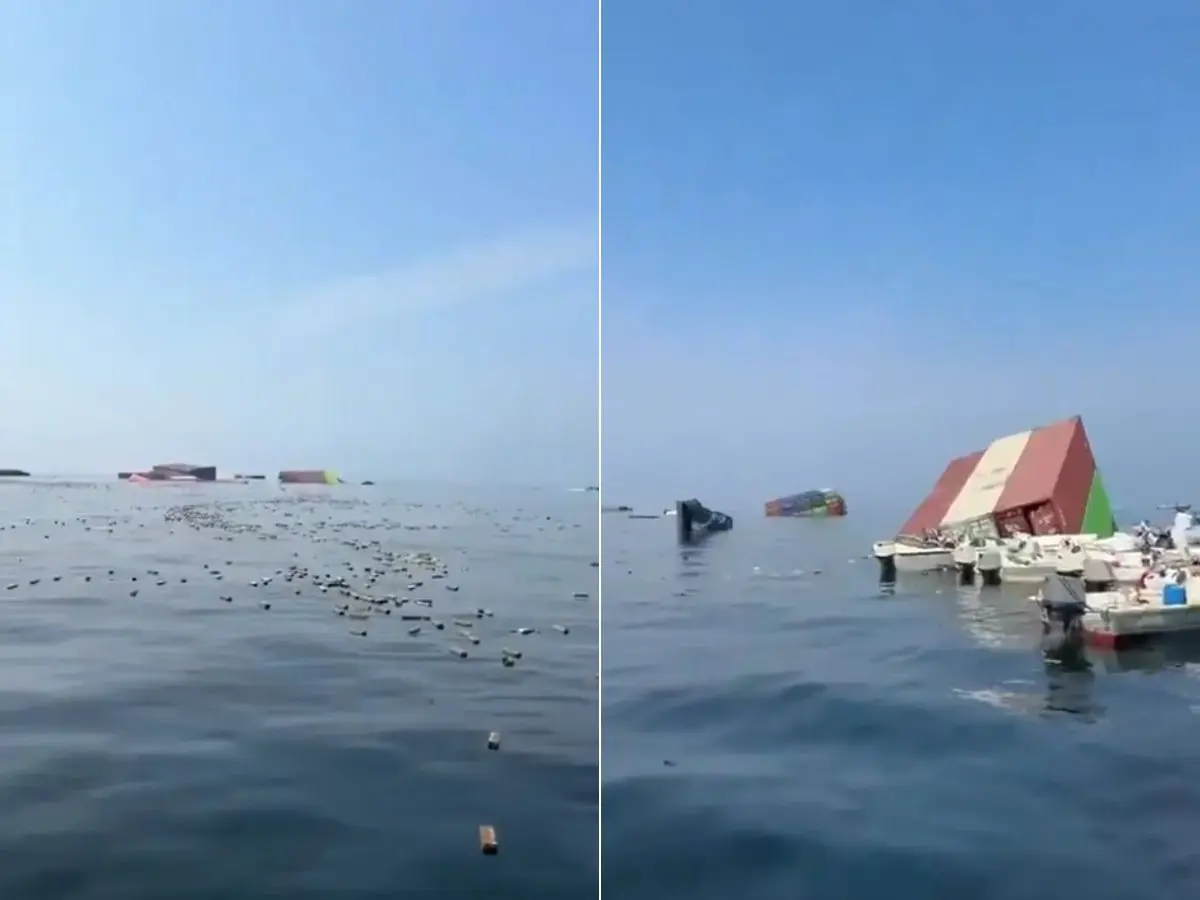
WATCH | iPhones, luxury perfumes floating in Hormuz? Iranian fishermen make bizarre discovery
&imwidth=180&imheight=135&format=webp&quality=medium)
Two students die, 14 injured at Dandiya event in Hyderabad: Know what happened? VIDEO
&imwidth=180&imheight=135&format=webp&quality=medium)
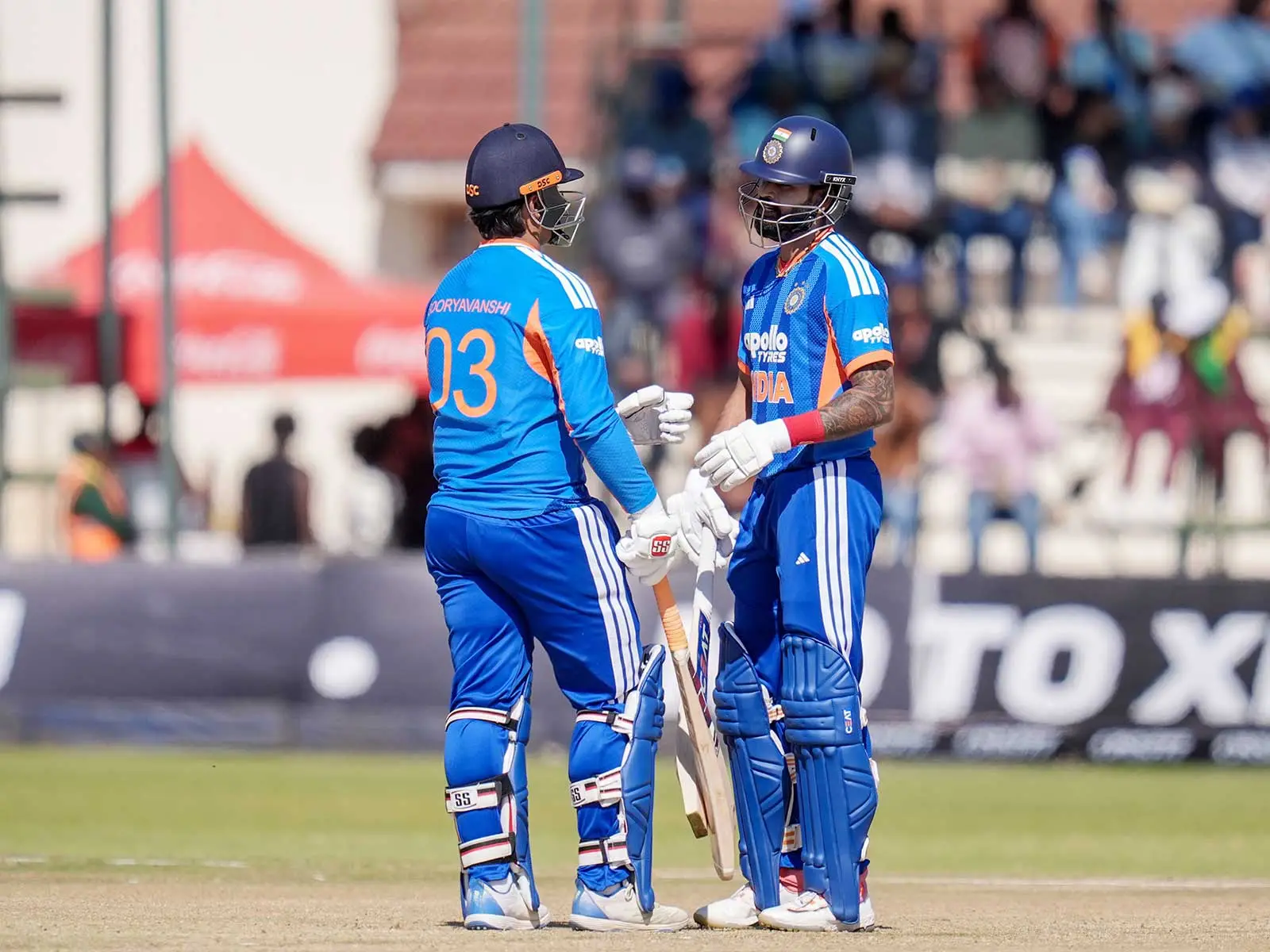
'keep telling him you will get your opportunities': Iyer opens up on conversations with Sooryavanshi
&imwidth=180&imheight=135&format=webp&quality=medium)
‘Be back in few weeks’: Emi Martinez shares first update after head clash in Premier League match
&imwidth=180&imheight=135&format=webp&quality=medium)
Tiger Shroff attacked by three gunmen in Mumbai, actor safe, two injured
&imwidth=180&imheight=135&format=webp&quality=medium)
Taylor Swift performs at star-studded Academy Museum Gala 2026 in stunning Dior ensemble
&imwidth=180&imheight=135&format=webp&quality=medium)
Anirudh Ravichander-Kavya Maran wedding: Telangana CM reveals Chennai reception date
&im=FitAndFill=(700,400)&imwidth=180&imheight=135&format=webp&quality=medium)
Inside Tesla's Roadster: 10 features of Elon Musk's 'flying car' that push the limits of electric vehicles | In Pics
&imwidth=180&imheight=135&format=webp&quality=medium)
Kolkata Durga Puja stampede: PM Modi announces Rs 2 lakh ex-gratia for kin of dead, Amit Shah to visit injured
&imwidth=180&imheight=135&format=webp&quality=medium)
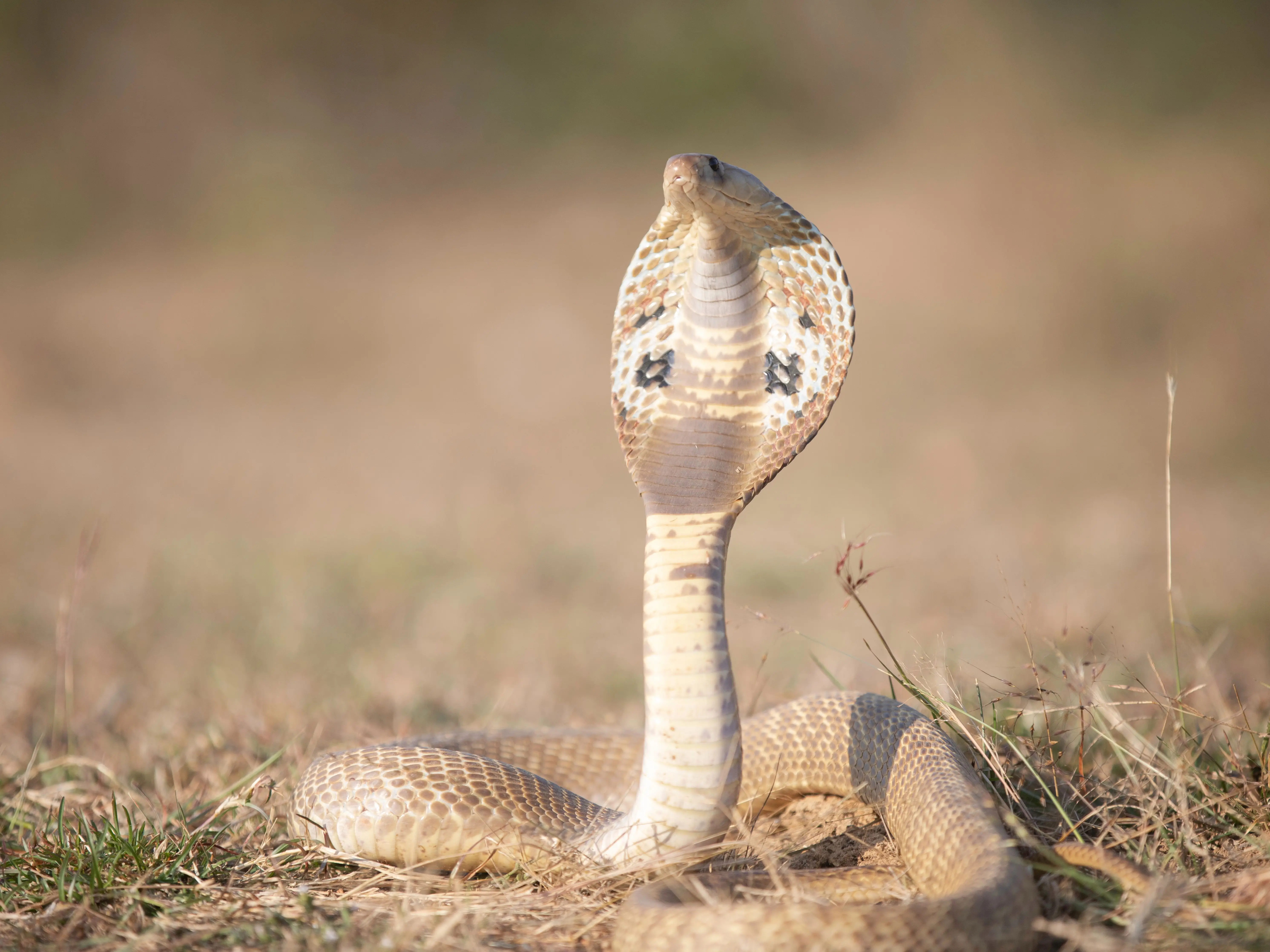
One species, two lineages: Why Sri Lanka’s spectacled cobra differs genetically from Indian variant
&imwidth=180&imheight=135&format=webp&quality=medium)
2 injured in plane crash on busy California highway
&imwidth=180&imheight=135&format=webp&quality=medium)
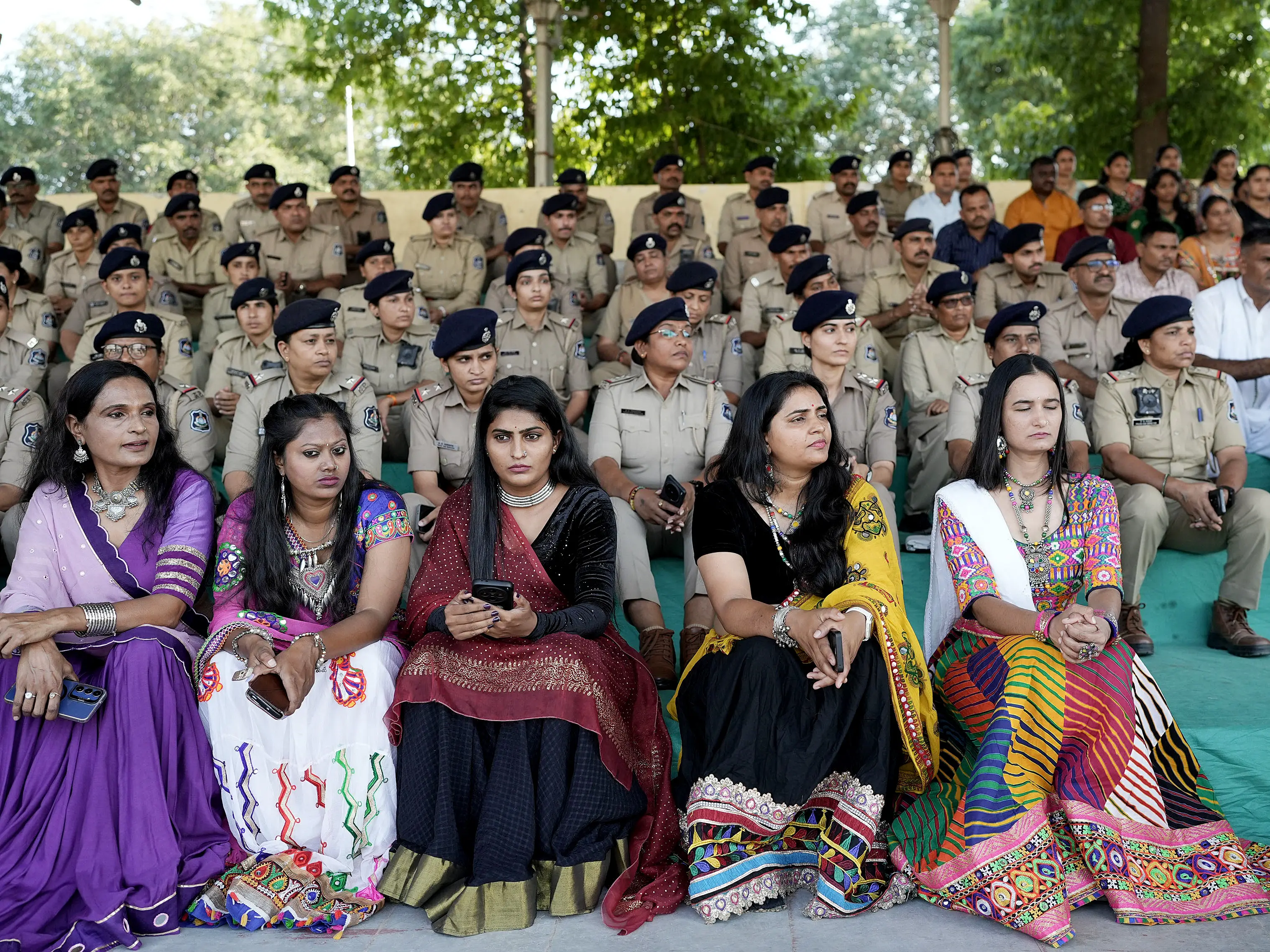
'We feel like Mr India': Gujarat’s undercover SHE team guard garba nights at Navratri
&imwidth=180&imheight=135&format=webp&quality=medium)
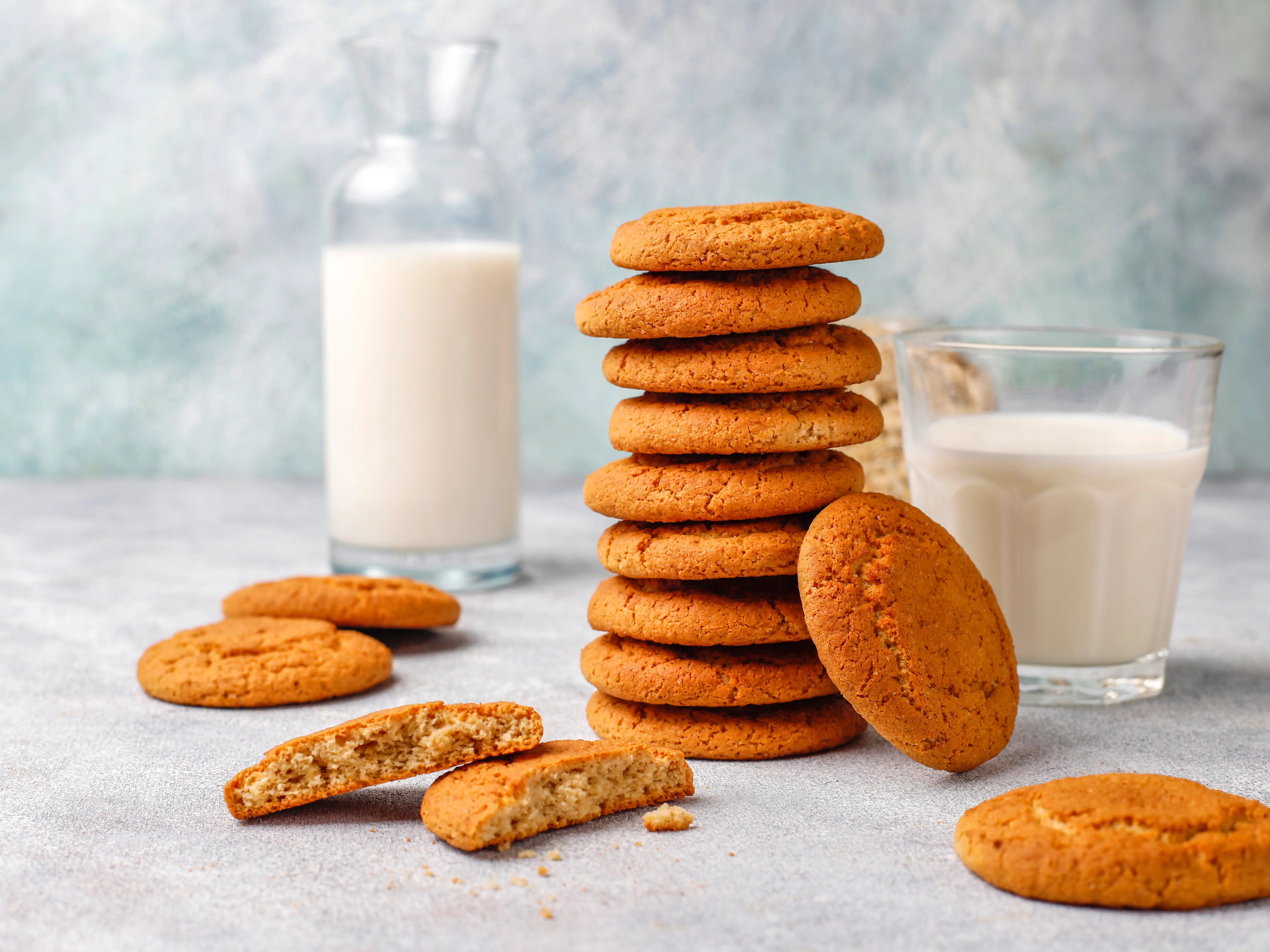
Cattle-feed bran in biscuits, detergent in milk: FSSAI acts against 3 companies
&imwidth=180&imheight=135&format=webp&quality=medium)
'It's a joy to see the makers bring it on such a grand scale': SS Rajamouli on Ramayana
&imwidth=180&imheight=135&format=webp&quality=medium)
13 dead after truck mows down devotees, crashes into temple gate in Madhya Pradesh's Gwalior
&imwidth=180&imheight=135&format=webp&quality=medium)
IND-W vs ZIM-W, 2nd T20I: When and where to watch live streaming in India?
Last month, Telesat said that by hiring Canada’s MDA Ltd to construct 198 satellites, it would save $2 billion. Thales Alenia Space received the contract in 2021.
Thales informed Telesat roughly two years ago that it could no longer match with the agreed price and timetable due to “COVID hit, and supply chain issues hit, and inflation hit,” Reuters cited Goldberg.
The 14 launches will be carried out by SpaceX, which “gives us scope to expand the constellation above and beyond the 198 (satellites) that we've committed to with MDA,” Goldberg told Reuters.
With the goal of serving corporate customers, such as mobile operators, governments, aircraft and shipping corporations, Telesat is entering the competitive new world of LEO networks.
The majority of the LEO competition, which also includes Jeff Bezos’ Blue Origin and its Project Kuiper and SpaceX’s Starlink network, is geared at the consumer market.
Large bulk launch contracts like Telesat’s SpaceX contract have significantly reduced the U.S. launch supply in recent years due to satellite constellations.
The largest commercial launch contract in history was won by Amazon in 2022 for 83 missions across different launch firms to deploy its Kuiper network. With the aid of its expanding Starlink constellation, SpaceX hopes to roughly double its current yearly launch rate by 2023.
(With inputs from Reuters)
WATCH WION LIVE HERE