
&imwidth=800&imheight=600&format=webp&quality=medium "Apple beats Wall Street forecasts despite $1.1 billion tariff hit, iPhone sales surge")
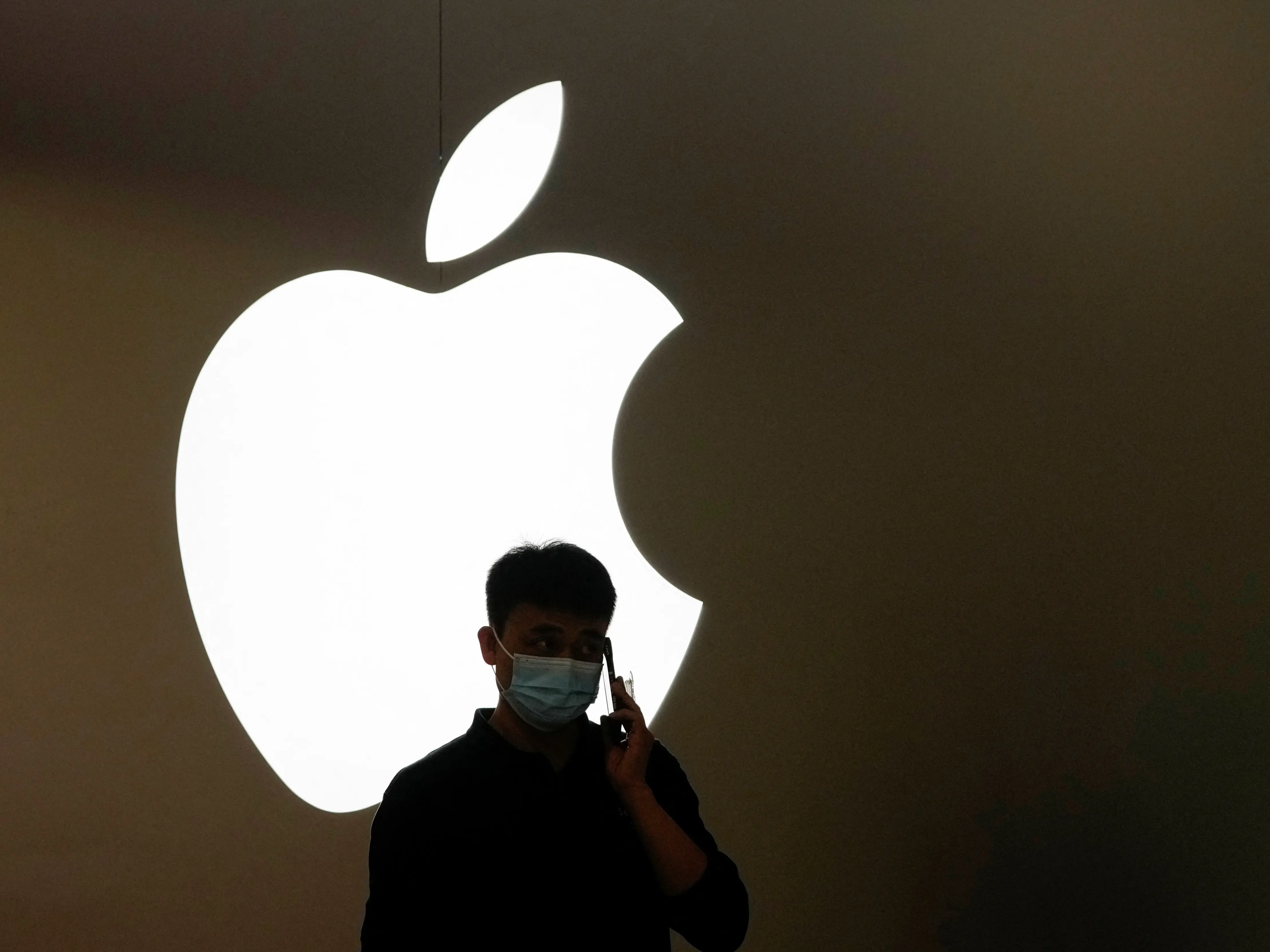
Tech giant Apple has defied investor concerns over US trade policy, posting stronger-than-expected revenue for its fiscal third quarter. This comes as President Donald Trump’s tariffs added a staggering $800 million in costs last quarter and are projected to rise to $1.1 billion in the current one. According to Reuters, Apple reported $94.04 billion in revenue for the quarter ending June 28, marking a 9.6 per cent year-on-year increase, which was the fastest pace since the pandemic era. Earnings per share stood at $1.57, comfortably beating analyst forecasts of $1.43, as per LSEG data. Shares of the Cupertino-based firm rose 3 per cent in after-hours trading following its upbeat guidance for the current quarter. Apple now expects mid-to-high single-digit revenue growth, well above the 3.27 per cent Wall Street had predicted.
Tariff shock, early buying
Despite the strong results, Apple acknowledged the growing impact of Washington’s trade war. Speaking to Reuters, CEO Tim Cook said tariffs added $800 million to costs in the June quarter and are expected to add $1.1 billion in the current period. Cook also noted that some customers rushed to buy iPhones early to avoid potential price hikes. “We saw evidence in the early part of the quarter, specifically, of some pull-ahead related to the tariff announcements,” Cook told Reuters.

Apple estimates that this “pull-ahead” demand accounted for roughly 1 percentage point of the company’s 9.6 per cent revenue growth. Emarketer analyst Jacob Bourne said this front-loaded demand was not surprising, telling Reuters, “The pull-forward in demand due to tariffs was somewhat expected given the uncertainty around pricing… but they still delivered exceptional results with iPhone growth.”
iPhone leads the charge, China rebounds
The iPhone, Apple’s flagship product, surged 13.5 per cent year-on-year to $44.58 billion in sales, well ahead of analyst estimates of $40.22 billion. Cook noted it was a strong quarter for seasonal upgrades of iPhones, Macs, and Apple Watches.
Trending Stories
)
IND vs JPN one-off T20I: India survive scare from Japan to win five-over a side match by 2 runs
)
Putin's United Russia party wins 355 seats in Duma election; 4 other parties cross threshold to enter parliament
)
AI models chose to harm humans to stop ‘pain,’ alarming study raises fresh safety questions
)
‘0% chance’: Nvidia CEO Jensen Huang dismisses AI extinction fears by 2030
)
Samay Raina-Mukesh Chhabra controversy explained: What happened over girlfriend joke on India's Got Latent?
)
Trump's helipad event overshadowed by audio failure as major TV networks suspend pool coverage
)
'Needs time away from the international scene': England white-ball captain Brook on pacer Brydon Carse's future
)
New Zealand farms shift to carbon forests: Carbon credits fuel a land rush reshaping rural life
)
Anti-AI activists storm summit, say 'incompetent' leaders are leading us into a disaster - 'We need a vote'
)
Samsung raises Galaxy S26 prices by Rs 20,000: Here’s what each model now costs
)
J&K Assembly Session begins amid chaos: BJP, ruling alliance clash as statehood demand dominates
)
Asian Games 2026: India women's cricket team beats Sri Lanka by 147 runs for first gold
)
Key accused in Bihar's Jamui molestation case, arrested after police shoot him in leg
)
Randeep Hooda arrives in Gujarat for his first National Film Award: ‘Very grateful’
)
US and China vie for AI dominance as calls grow for regulation | Gravitas
&im=FitAndFill=(700,400))
Anant Nag to recieve Dadasaheb Phalke Award: From Ankur to Nishant- Revisit his best films and iconic performances on OTT
)
UK banks are rethinking financial crime detection because of algorithm
)
FIFA chief Infantino wants to reform governing body with consultation from federations
)
India at UNGA81: Jaishankar warns global order under 'growing stress', pushes for ‘reformed multilateralism’
)
IND vs JPN, one-off T20I: Japan captain Kendel on pushing India to the brink - ‘It was special’
)
Raaka creates history! Allu Arjun’s film secures Guinness World Record ahead of release
)
Saudi Arabia exits China-led mBridge digital currency platform amid Saudi-Houthi conflict
)
Indonesian groups sue govt over wildfires as haze crosses borders, nearly 900,000 hectares burned
)
'Lot of things to learn from experienced players': Jayasuriya backs Rohit, Virat for 2027 ODI World Cup
)
$110 billion Warner Bros merger: Paramount reaches settlement with 12 US states
&im=FitAndFill=(700,400))
New OTT releases this week (September 21-27, 2026): Shaque: Trust No One, Hunkkaar, Don’t Be Shy- 5 new titles coming to Netflix, Prime Video and more
)
From ‘communist’ to ‘great mayor’: Trump praises Mamdani after New York meeting, discusses immigration and housing
)
Report: Zelensky meets CIA chief Ratcliffe at Shannon airport, weeks after his secret Moscow trip
)
How Zaheer Khan came to be CSK's head coach of IPL 2027
)
Pilot recreates Mona Lisa in sky over Oklahoma and Arkansas in four-hour flight: VIDEO
)
UK PM Burnham agrees to 'defensive' military support for Saudi Arabia against Houthis
)
Jailer 2: Vidya Balan joins Rajinikanth's upcoming film as Kantha | Watch
)
Microsoft executive called AI training the ‘largest theft of labour in human history’
&im=FitAndFill=(700,400))
National Film Awards 2026: Kartik Aaryan, Mammootty, Yami Gautam, Randeep Hooda and other key winners
)
40-foot waves crash into cruise ship in dangerous stretch near Antarctica. Watch
)
US-Iran war, peace deals and more: What to expect from Trump's UNGA 2026 speech
)
Explainer: Why rare-earth export licences and Board of Trade are US priorities ahead of Trump-Xi summit
)
Two infants die after fire breaks out at RIMS newborn care unit in Telangana's Adilabad
)
Rs 1.1 crore flying saucer: Chinese company selling spherical aircraft that can land on water
In Greater China, Apple recorded $15.37 billion in revenue, reversing a decline seen in the previous quarter. Analysts from Visible Alpha, cited by Reuters, had expected $15.12 billion. Cook credited a Chinese subsidy programme for reviving smartphone demand. “It was the first full quarter of the subsidy playing out,” Cook said during a conference call with analysts.
Services shine, AI efforts lag rivals
Apple’s services division, which includes the App Store, iCloud, and Apple Music, brought in $27.42 billion, beating expectations of $26.8 billion, according to LSEG. However, not all segments outperformed. Sales of wearables such as AirPods and Apple Watches came in at $7.4 billion, missing the $7.82 billion target. iPad sales also fell short, at $6.58 billion versus an expected $7.24 billion. On the flip side, Mac sales exceeded forecasts, hitting $8.05 billion.
Gross margins stood at 46.5 per cent, above LSEG estimates of 45.9 per cent, and Apple has forecast margins between 46 and 47 per cent for the current quarter. Despite the strong quarter, Apple still faces challenges. Its stock is down 17 per cent in 2025, lagging behind AI-focused rivals like Microsoft and Nvidia. Some investors remain concerned over Apple’s slower rollout of artificial intelligence features. Apple has delayed a new AI-enhanced version of Siri, but Cook insisted progress is being made. “Apple has always been about taking the most advanced technologies and making them easy to use and accessible for everyone, and that’s at the heart of our AI strategy,” Cook said, as quoted by Reuters.
Production shifts, policy risks
Amid tariff headwinds, Apple has been actively shifting its supply chain, moving more iPhone production to India and expanding manufacturing in Vietnam for Macs and Apple Watches. However, trade tensions continue to loom, with Trump warning India may face tariffs of up to 25 per cent as early as Friday, according to Reuters.
While the long-term tariff landscape remains uncertain, Apple appears to be navigating the storm, leaning on early consumer purchases, production diversification, and continued strength in its ecosystem.
(With inputs from the agencies)