Uttar Pradesh backs hybrid tax waiver in win for Toyota, blow for Tata

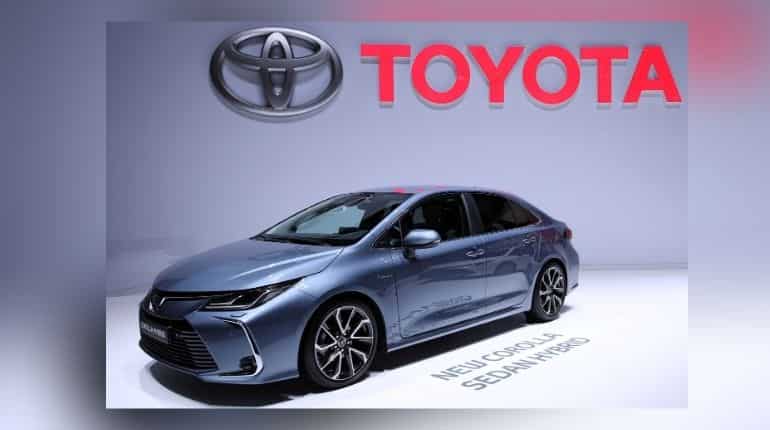
The new Toyota Corolla Sedan Hybrid is displayed at the 89th Geneva International Motor Show in Geneva, Switzerland
The government of Uttar Pradeshhas reaffirmed its decision to maintain tax waivers for hybrid vehicles, as confirmed by two sources on Monday. This decision represents a victory for Toyota while potentially impacting the strategies of domestic automakers such as Tata Motors and Mahindra & Mahindra.
The state's stance has sparked concern among several major automakers, including Hyundai, Kia Motors, Tata, and Mahindra. These companies have been actively lobbying against the incentive, arguing that it could hinder India's progress towards achieving its targets for electric vehicle (EV) adoption and potentially disrupt their planned investments in the sector. Uttar Pradesh is a crucial market for the automotive industry, accounting for approximately 10 per centof India's total car sales.
On Sunday, a meeting took place between state officials and representatives from various automakers to discuss the issue. During this meeting, Uttar Pradesh Chief Secretary Manoj Kumar Singh explicitly stated that there would be no reversal of the decision to waive registration taxes for hybrid vehicles. According to an industry source and a state government official with direct knowledge of the proceedings, Singh emphasised that the "status quo will remain."

The implications of this decision extend beyond Uttar Pradesh, as executives in the EV industry express concerns that other states might follow suit. Last month's waiver of registration taxes on certain hybrid cars in Uttar Pradesh effectively made these vehicles 10 per centcheaper, creating a significant price advantage. For instance, this could translate to savings of up to UDS5,200 on a Toyota Camry hybrid sedan, marking a major lobbying success for the Japanese automaker.
Sunday's meeting saw participation from representatives of various automakers, each with their stance on the issue. Hyundai, Mahindra, and Tata representatives advocated for a reversal of the tax waivers, while Maruti and Toyota representatives supported the scheme. This division highlights the conflicting interests within the automotive industry regarding hybrid and fully electric vehicle technologies.
The broader context of India's automotive taxation structure adds another layer of complexity to this issue. At the federal level, India imposes a 5 per centtax on EVs, while hybrid vehicles are subject to a 43 per centtax rate. This is just slightly lower than the 48 per centtax rate applied to conventional gasoline-powered cars. It's important to note that state-specific road and registration taxes are additional and determined by local governments, which is why Uttar Pradesh's decision has such significant implications.
)
AI kill switch explained: Why shutting down a dangerous AI may not be as simple as pressing a button
)
Putin's United Russia party wins 355 seats in Duma election; 4 other parties cross threshold to enter parliament
)
US ships in Indian Ocean ‘will be attacked’ if war resumes, warns Iran
)
Delhi Air pollution: Strict crackdown on waste burning
)
SNL UK takes aim at Ed Sheeran with AI Princess Diana sketch
)
‘0% chance’: Nvidia CEO Jensen Huang dismisses AI extinction fears by 2030
)
Samay Raina-Mukesh Chhabra controversy explained: What happened over girlfriend joke on India's Got Latent?
&im=FitAndFill=(700,400))
What TSMC's 2nm technology means for Apple
)
Trump says he'll build an 'AI Force' and appoint a czar, for 'high IQ' people only
)
'Were you here to sell chickpeas?': Wasim Akram criticises Babar Azam's captaincy
)
Apple reportedly building AI server with M8 Ultra chips, may use Nvidia technology
)
Glitch in the matrix caught on camera: Woman vanishes after talking to reporter
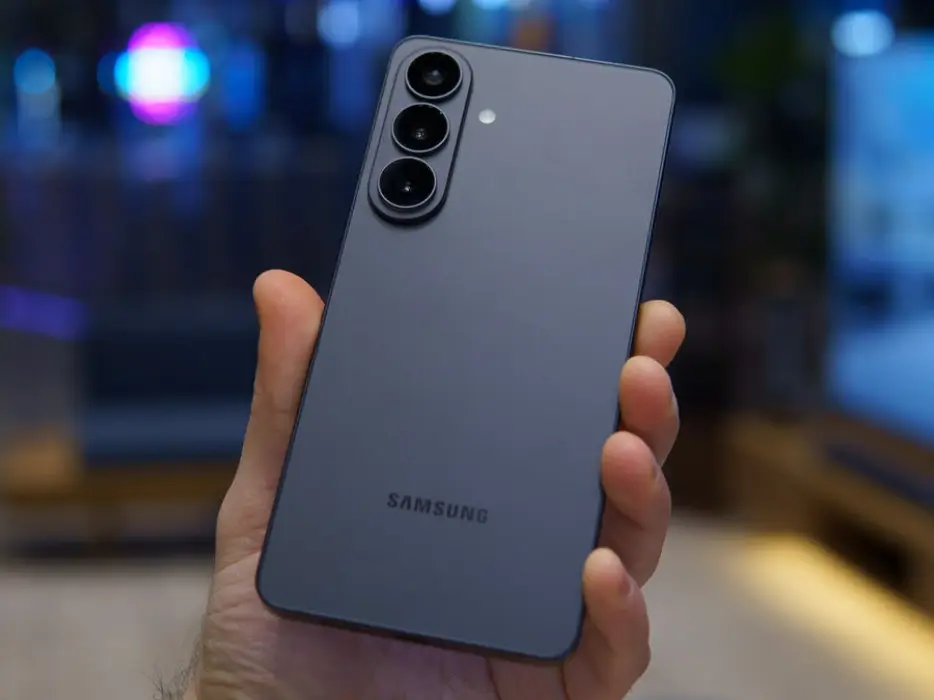)
Samsung raises Galaxy S26 prices by Rs 20,000: Here’s what each model now costs
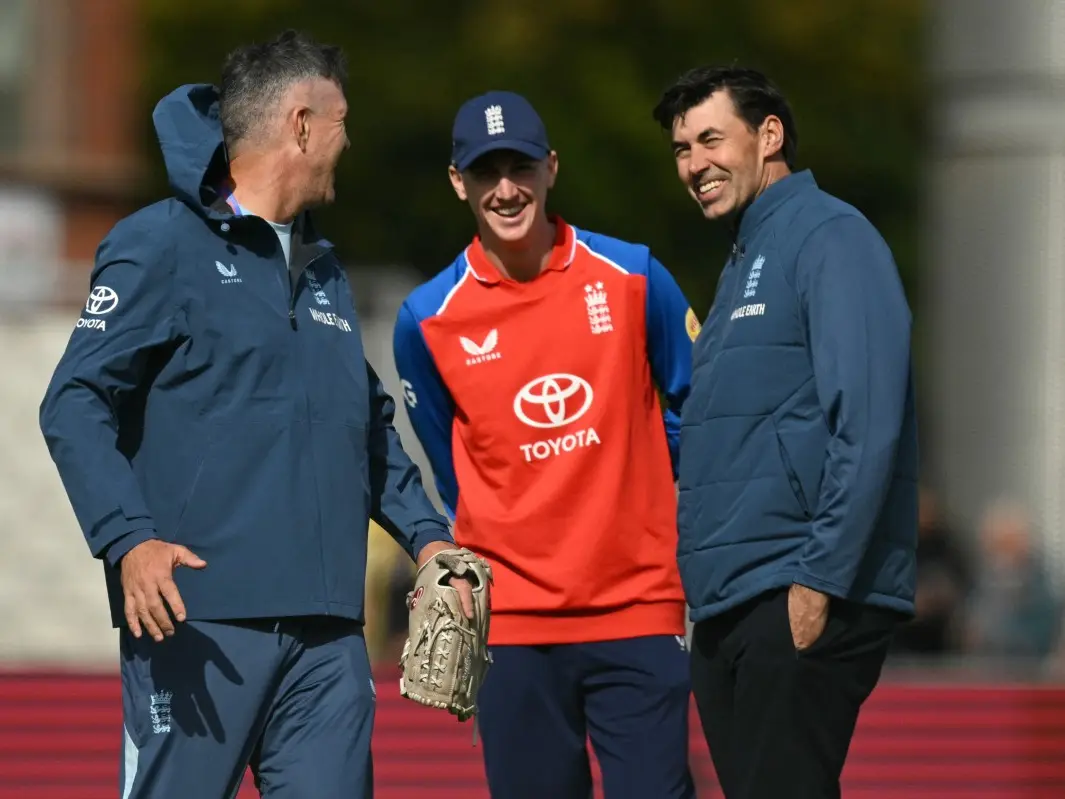)
Fleming's aspirations as England Test coach include WTC, top ranking and Ashes
)
J&K Assembly Session begins amid chaos: BJP, ruling alliance clash as statehood demand dominates
)
Trump-Xi summit: US Treasury Secretary holds meeting with Chinese Vice Premier
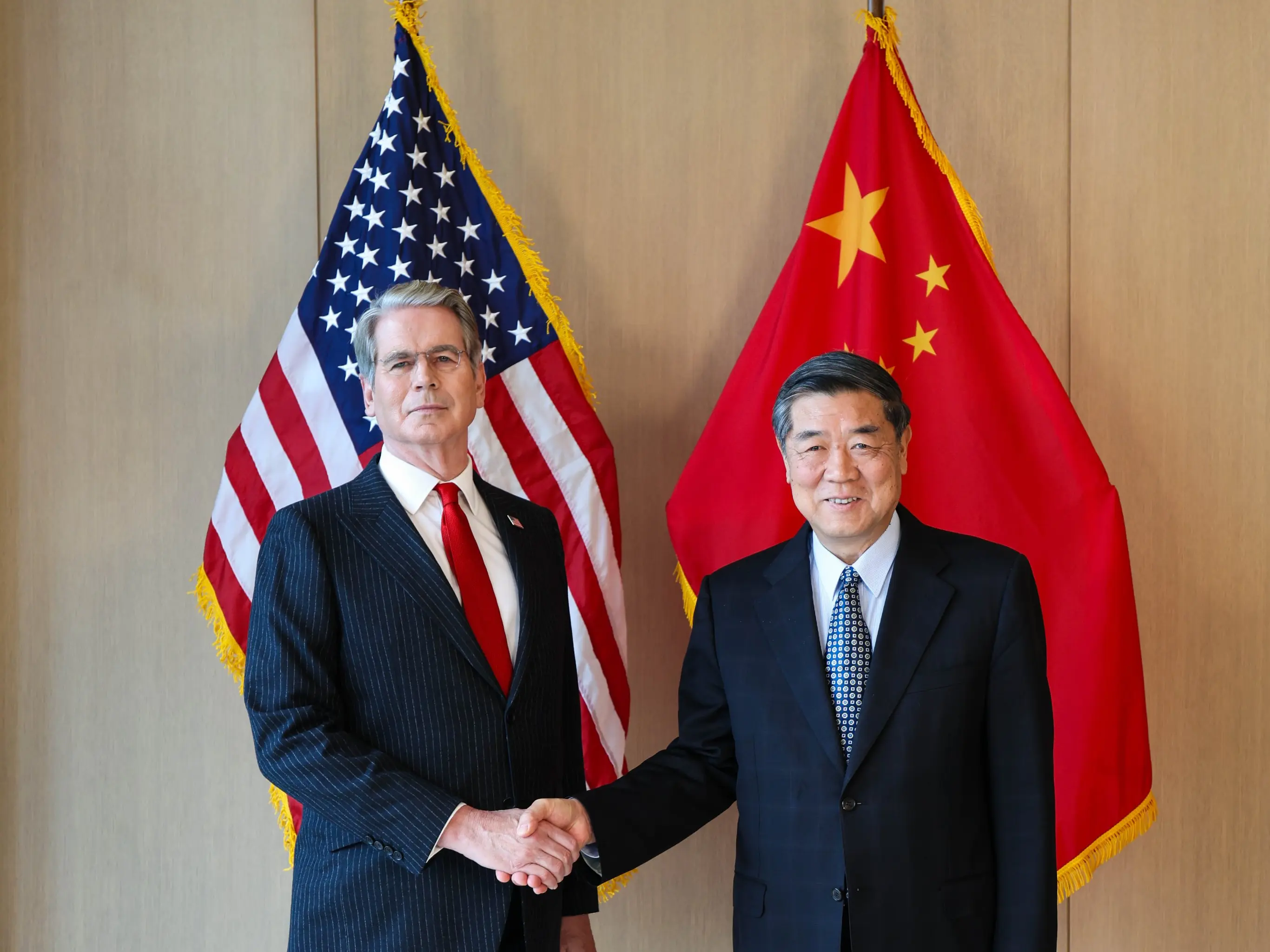)
Bessent meets China’s He Lifeng to prepare for Trump-Xi summit
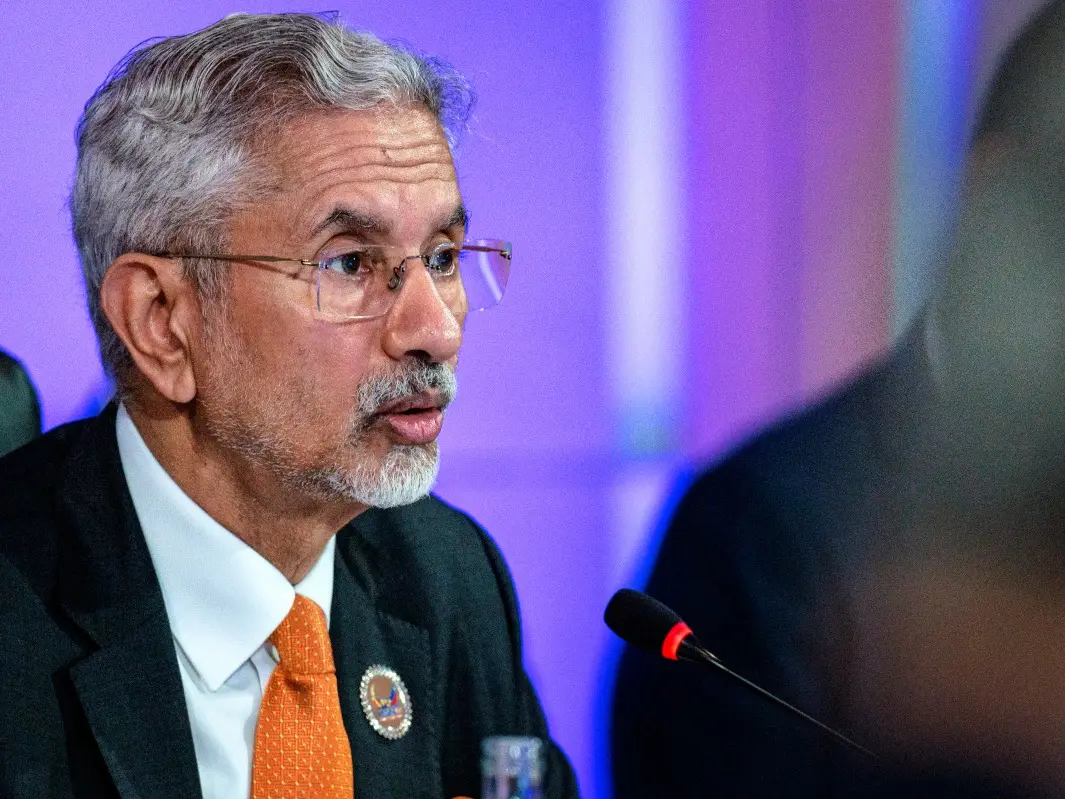)
S Jaishankar, former Army chief among high-profile names issued Delhi SIR notices
)
CDU suffers historic defeat in eastern Germany as AfD surges, Merz vows to stay on
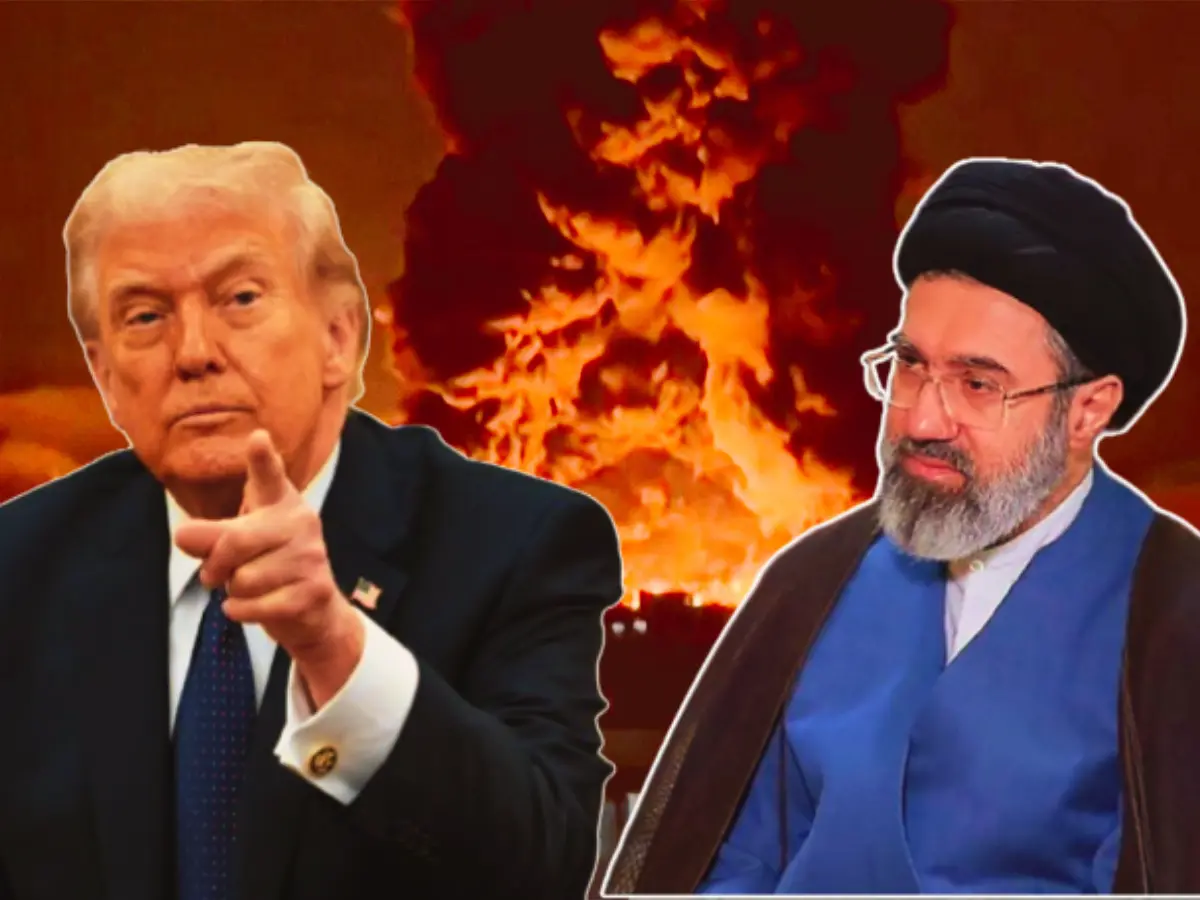)
Iran sets 7 conditions to end war with US: What are Tehran’s demands?
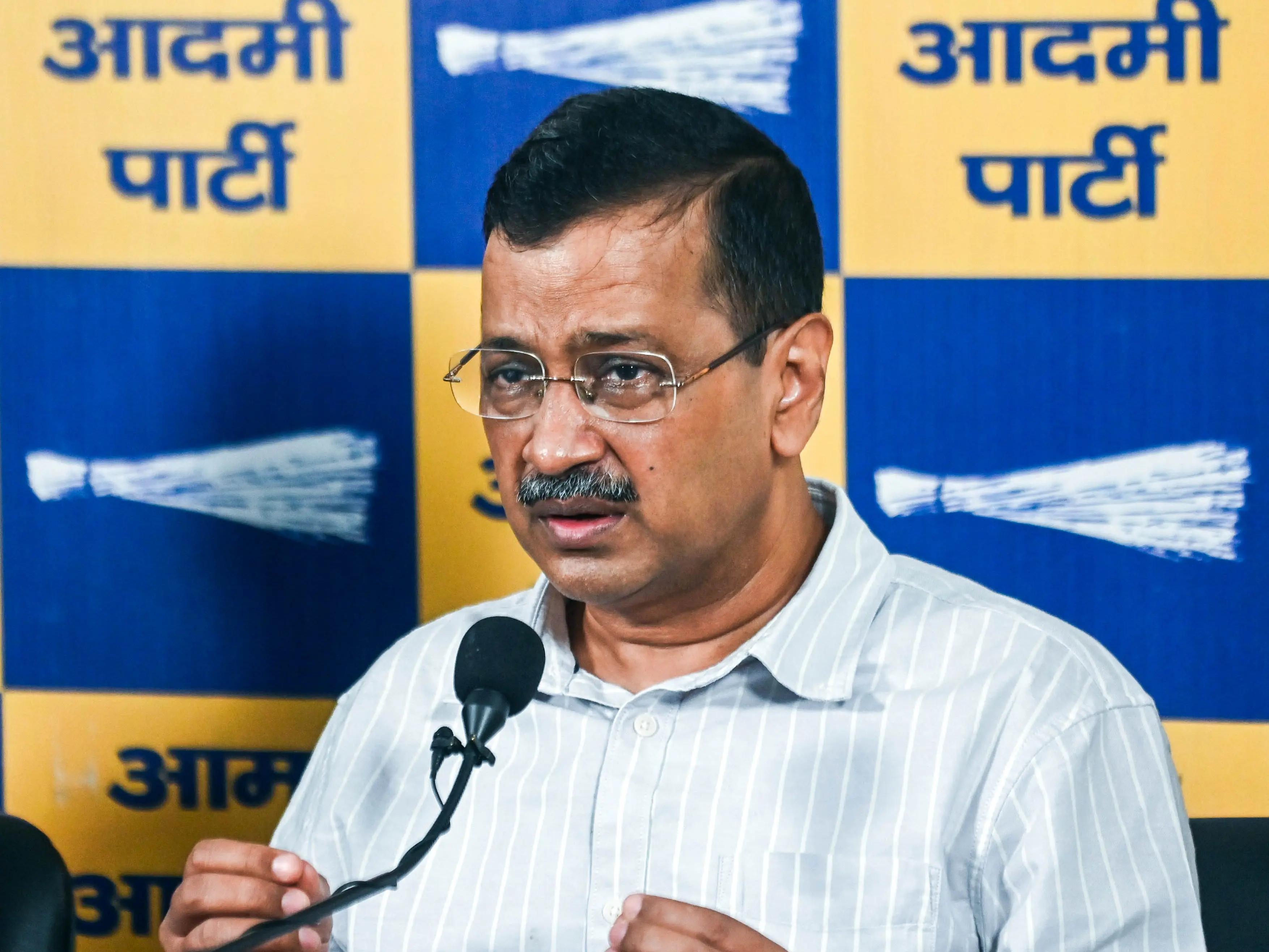)
Arvind Kejriwal, family members, Delhi CM Rekha Gupta get SIR notices
)
AI actress Tilly Norwood glitches mid-interview, switches from English to Chinese | Watch
)
Saudi vs Houthis: Houthis claim missiles & drones used in attack on key Saudi sites
)
Punjab man consumes poison outside DC office; Congress, BJP target AAP government
)
Saudi Arabia exits China-led mBridge digital currency platform amid Saudi-Houthi conflict
)
'Lot of things to learn from experienced players': Jayasuriya backs Rohit, Virat for 2027 ODI World Cup
)
Chancellor Friedrich Merz vows to stay on as exit polls signal major poll setback
)
Taylor Swift has a 'proud wife' moment as Travis Kelce scores first touchdown of season: 'That’s my husband!'
)
Several petrol pumps, other businesses to refuse UPI payments above Rs 2,000 from Oct 16: Is it legal?
)
Mahabharat actor Saurav Gurjar arrested in Hyderabad, sent to 14-day judicial custody in sexual exploitation case
&im=FitAndFill=(700,400))
New OTT releases this week (September 21-27, 2026): Shaque: Trust No One, Hunkkaar, Don’t Be Shy- 5 new titles coming to Netflix, Prime Video and more
)
WATCH | Mysterious lights over Tehran caught on video. Drone, aircraft or something else?
)
Noel Tata challenges Chandrasekaran’s reappointment as Tata Sons chairman. What happened at the board meeting
&im=FitAndFill=(700,400))
Kareena Kapoor birthday special: Inside her net worth, best movies, luxurious lifestyle and love story with Saif Ali Khan
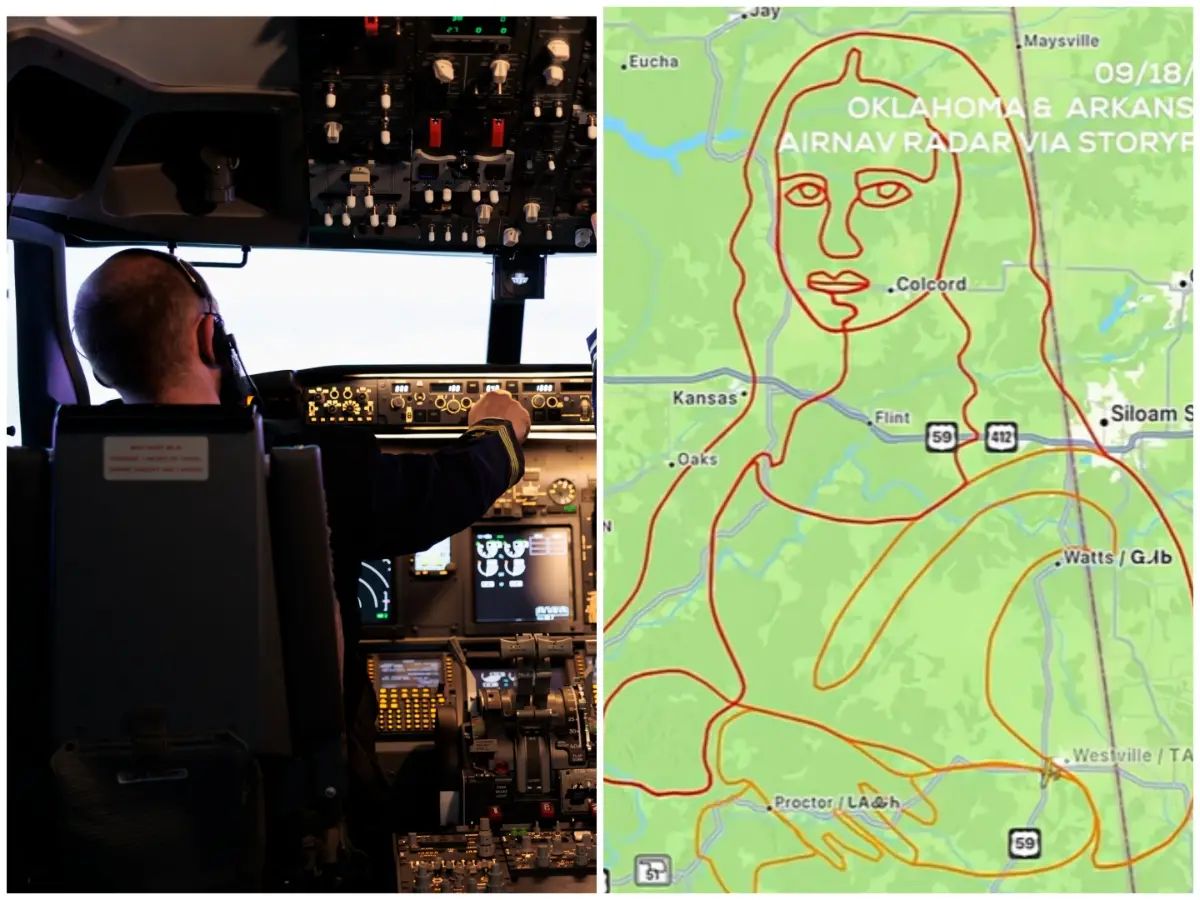)
Pilot recreates Mona Lisa in sky over Oklahoma and Arkansas in four-hour flight: VIDEO
)
Delhi: Flagged voters remain on the draft roll but face hearings
)
China now makes advanced memory chips without the machines it was banned from buying
)
Maharashtra TET paper leak: All 18 accused arrested. How alleged Agra-to-Maharashtra racket unfolded
)
Jailer 2: Vidya Balan joins Rajinikanth's upcoming film as Kantha | Watch
)
Microsoft executive called AI training the ‘largest theft of labour in human history’
)
40-foot waves crash into cruise ship in dangerous stretch near Antarctica. Watch
)
Italy moves to ban face veils in schools as Meloni pushes new integration measures
This situation underscores the ongoing debate in India's automotive sector regarding the balance between promoting hybrid technology as a transitional solution and pushing for more rapid adoption of fully electric vehicles. The outcome of this policy decision in Uttar Pradesh could have far-reaching effects on the strategies of both domestic and international automakers operating in the Indian market, potentially influencing investment decisions and product development priorities in the coming years.