Oil prices inch higher amid Federal Reserve deliberations


Oil industry
Oil prices experienced a modest uptick on Wednesday, with investors maintaining a cautious stance ahead of the anticipated Federal Reserve interest rate decision and ongoing geopolitical developments affecting global energy markets.
Brent crude futures increased by 32 cents, representing a 0.44% rise to USD 73.51 per barrel, while United States West Texas Intermediate crude climbed 32 cents, a 0.46% increase to USD 70.40 per barrel.
Market analysts are closely monitoring the Federal Open Market Committee's (FOMC) meeting, with particular attention focused on potential interest rate strategies for 2025. Yeap Jun Rong, a market strategist at IG, noted that while additional Western sanctions might limit potential losses, a cautious market sentiment prevails leading up to the FOMC gathering.

The Federal Reserve is widely expected to implement its third interest rate cut since initiating its policy easing cycle. Lower interest rates traditionally decrease borrowing costs, potentially stimulating economic growth and subsequently increasing oil demand.
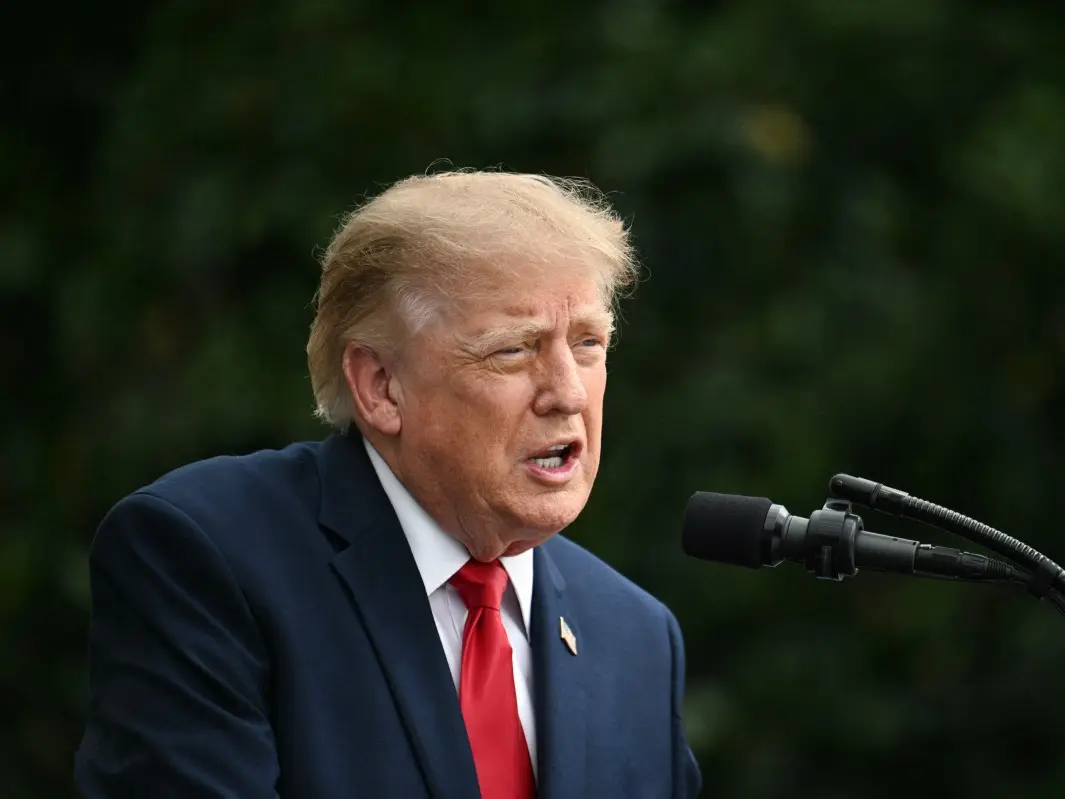
Priyanka Sachdeva, senior market analyst with Phillip Nova, highlighted the complex political landscape surrounding future monetary policy. She emphasised the uncertainty generated by potential political transitions, particularly with speculation about former President Donald Trump's potential return to office on 20 January.
"There is a prevailing narrative that Trump's policies may lead to inflation," Sachdeva explained. "Coupled with concerns about potential interference with the Federal Reserve's autonomy, this is causing oil investors to remain particularly cautious."
)
Nigeria: Protesters take to the streets, police fire shots
)
US-Iran war: Tehran draws red lines — seven demands before any peace talks
)
Russia-Europe tensions: Polish PM warns Russian attacks could test NATO's unity
&im=FitAndFill=(700,400))
‘Not the US or China’: These are the countries leading the world in arable land
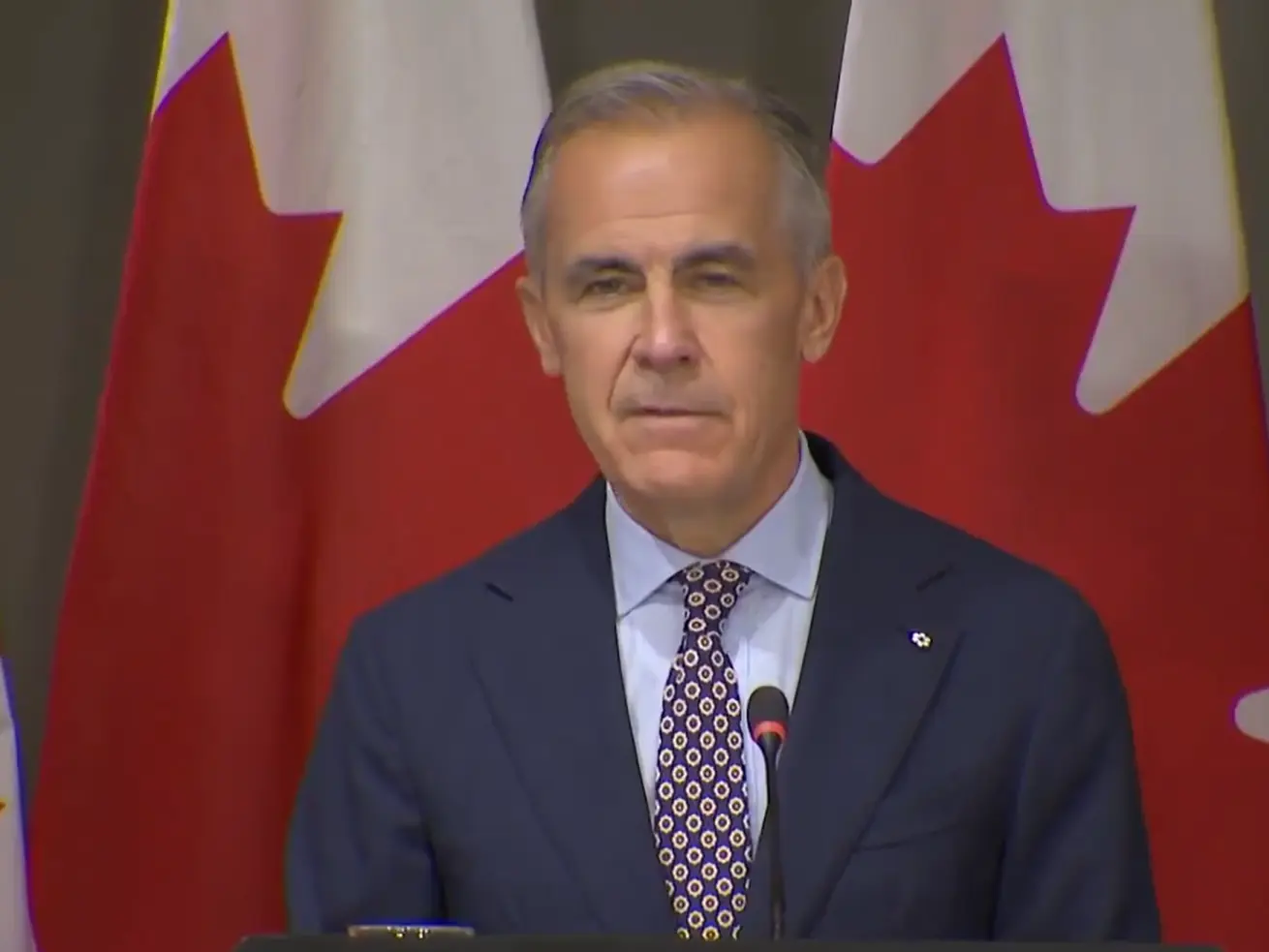)
Mark Carney mimics Trump in hilarious moment over C$70 billion clean-energy investment; room erupts in laughter
)
Pentagon revives mandatory testosterone testing for male troops aged 30 and above
)
‘End of my career...’: NSA Doval recalls tense Sikkim mission when China captured Indian intelligence team
)
Trump defends AI amid growing alarm, announces new 'AI force' and promises an 'AI czar'
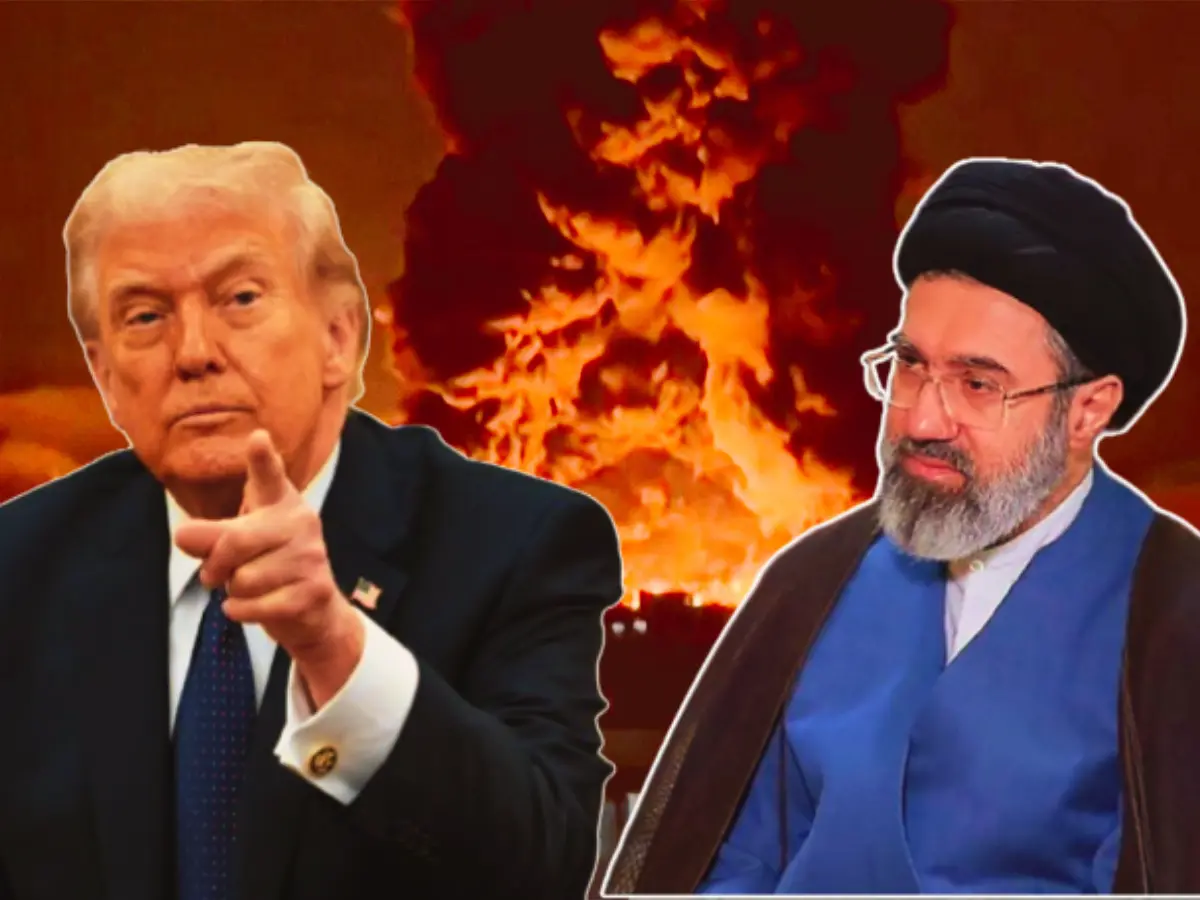)
Iran sets 7 conditions to end war with US: What are Tehran’s demands?
)
Trump announces ‘AI Force’ as debate grows over AI risks and regulation
)
China may have gained access to US's classified F-35 jets; parts meant for repairs diverted to Hong Kong, sparking Pentagon inquiry
)
Gaza under attack: Health chief's son killed in IDF strikes
)
Arvind Kejriwal, family members, Delhi CM Rekha Gupta get SIR notices
)
Cochin shipyard starts building Indian Navy's next-gen missile vessels
)
Saudi vs Houthis: Houthis claim missiles & drones used in attack on key Saudi sites
)
Russia extends ban on Western food imports for two more years in extended sanctions countermeasure
)
Ed Sheeran addresses Macklemore's removal, Gaza conflict during Philadelphia concert: 'I cannot hide how I feel'
)
Brigitte Bardot’s private collection set for Paris auction; key items and prices revealed
)
How did an Australian river with 500 crocodiles pass the Olympic test? Here's how
)
‘Will go to any extent’: Pakistan vows to defend Saudi Arabia amid Houthi attacks
66 years of the Indus Waters Treaty: How India and Pakistan settled a bitter river dispute
)
The Verdict | When precision fails: US commits war crime in Minab school strike, UN finds
)
9 women found dead near Johannesburg: South Africans rally, demand 'enough' to femicide
)
Trump wants to rename ‘Artificial Intelligence’, gives 3 options: Which one would you pick?
)
US-Iran war: Tehran sets seven conditions to re-engage in talks with US
)
Reacher star Alan Ritchson opens up about alleged blackmail, suicide attempt during difficult period
)
Africa is splitting, and a lot sooner than estimated, giving way to a new ocean
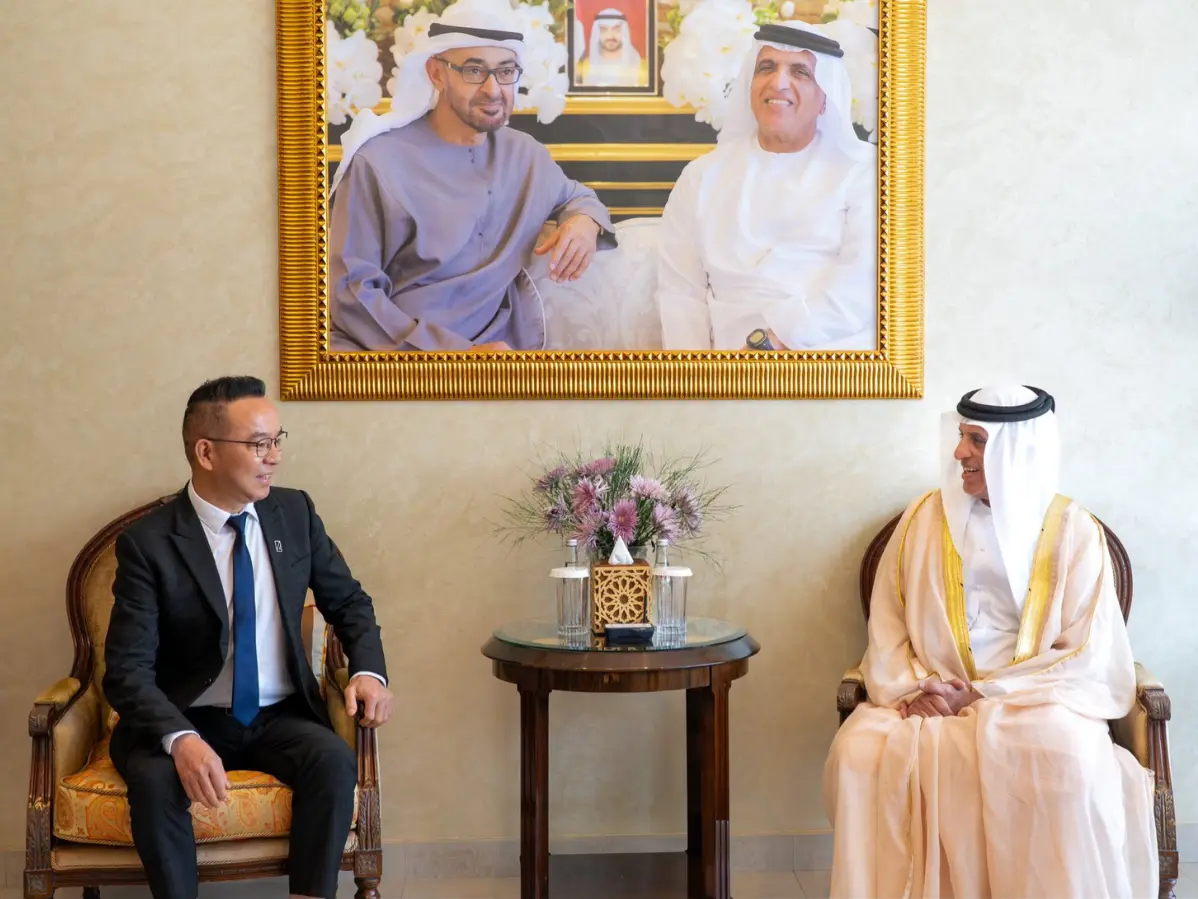)
Flying cars in UAE: Ras Al Khaimah signs deal with Chinese company to test new transport
)
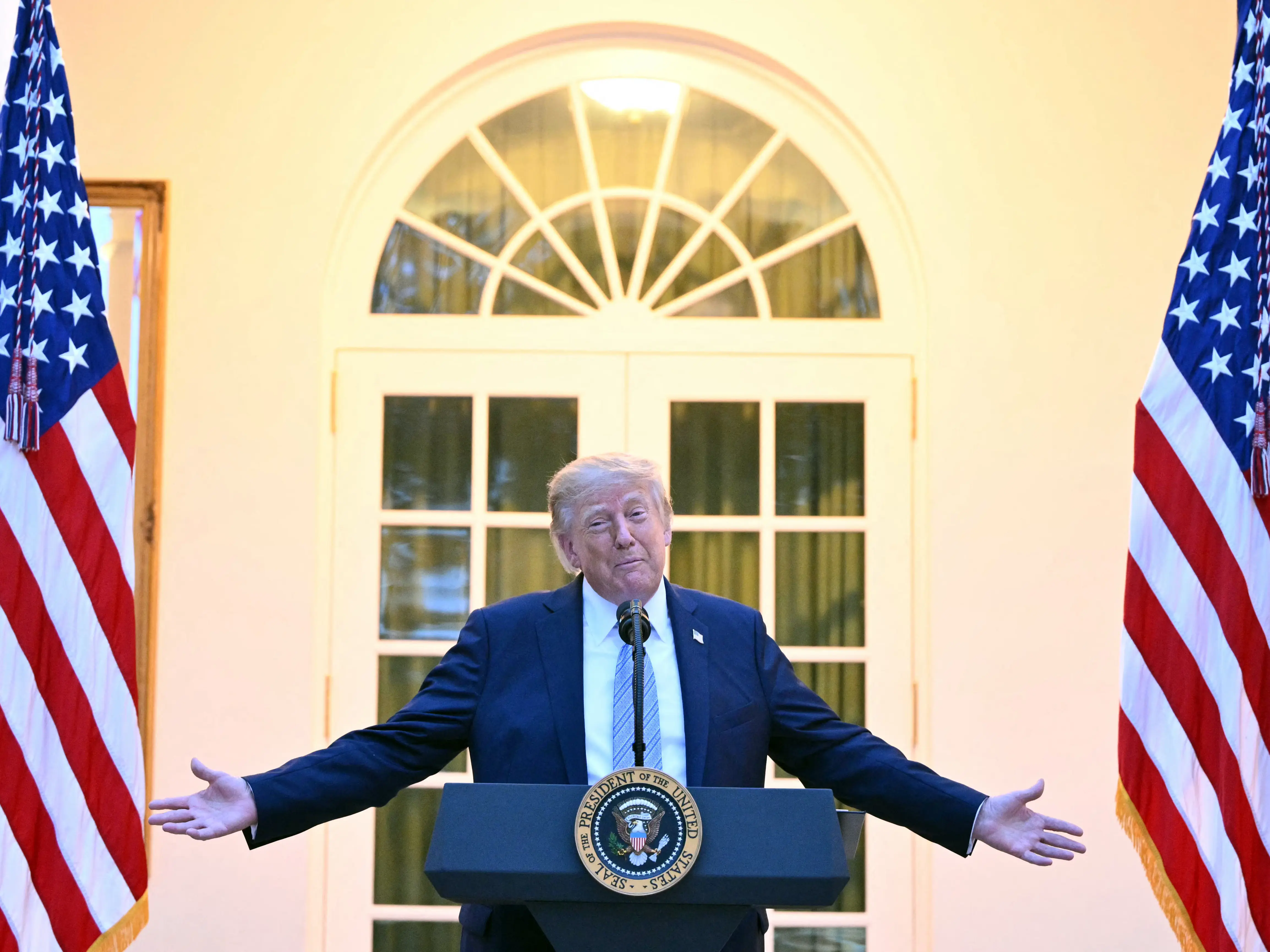
Trump bans CNN, MS NOW and Politico from White House over ‘FAKE NEWS’
)
Trump 2.0: Dark days ahead for America’s ‘imperial presidency’
&im=FitAndFill=(700,400))
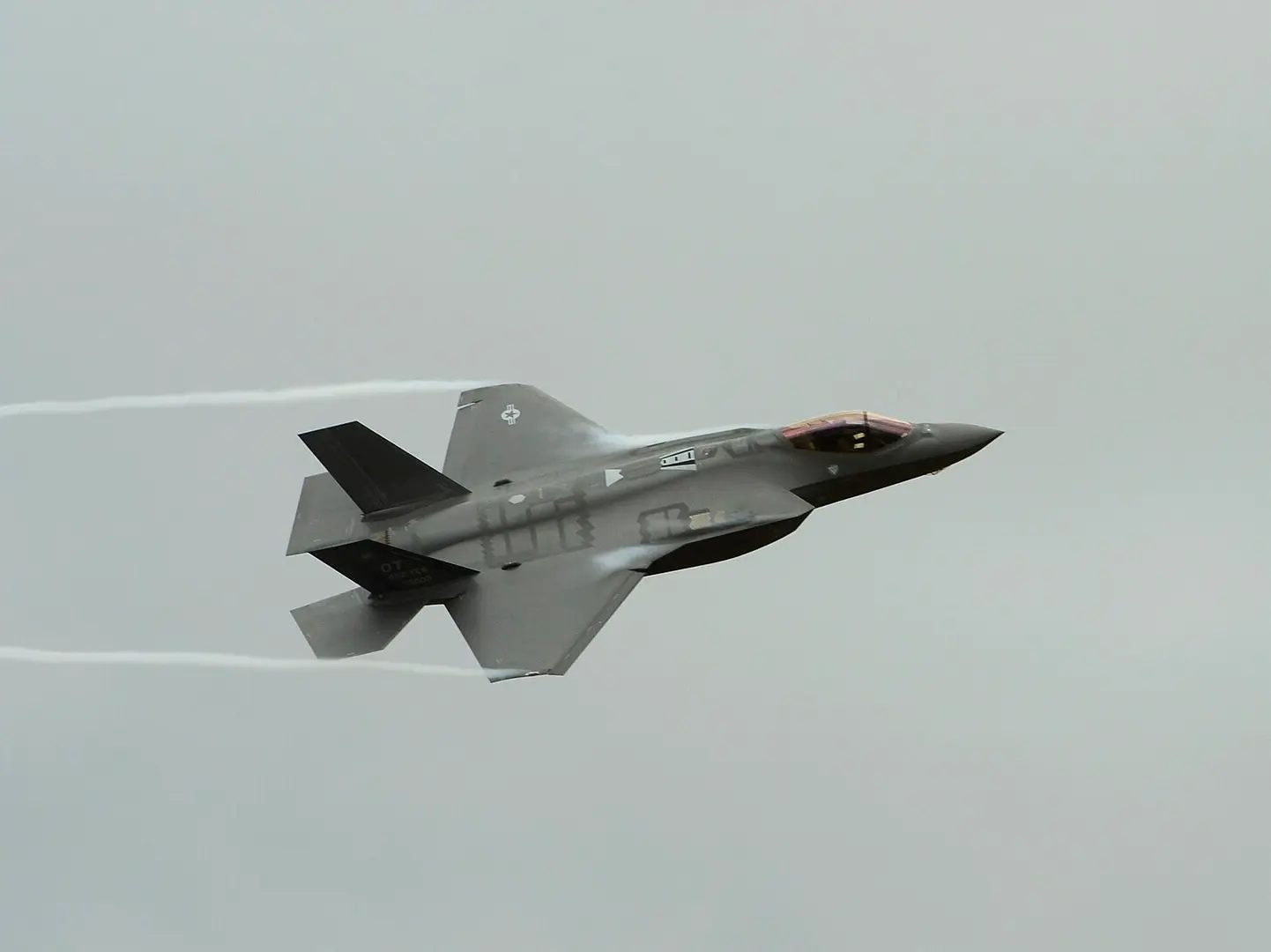
How many F-35s does Britain, Japan and Israel have?
)
Harry Brook targets long reign at top of T20I rankings after Sri Lanka sweep
)
Russia's deadly Ukraine strikes kill 2 in Sumy, hit Dnipro mall
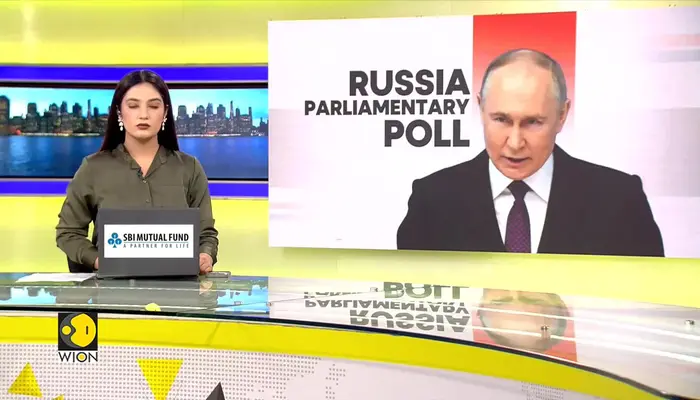)
Russia holds first parliamentary elections since the beginning of the Ukraine war
&im=FitAndFill=(700,400))
Meet top 5 Indian batters with fastest T20I centuries
)
Raphinha hat-trick powers Barcelona to 3-1 win over Sevilla in La Liga
)
The geopolitical landscape continues to influence oil market dynamics. The European Union recently adopted its 15th package of sanctions against Russia, targeting the country's maritime infrastructure. These new measures include sanctioning an additional 33 vessels from Russia's shadow fleet used for crude and petroleum product transportation. The United Kingdom has similarly sanctioned 20 ships engaged in transporting illicit Russian oil.
Despite the increasing sanctions, international observers note that these measures have thus far failed to significantly disrupt Russia's global oil trade, maintaining a degree of market uncertainty.
Domestic energy data provides additional context for market movements. The American Petroleum Institute reported a significant reduction in crude stocks, with a decrease of 4.69 million barrels in the week ending 13 December. Simultaneously, gasoline inventories increased by 2.45 million barrels, while distillate stocks rose by 744,000 barrels.
Analysts participating in a Reuters poll projected that United States energy firms would extract approximately 1.6 million barrels from storage during the same period. The U.S. Energy Information Administration is scheduled to release its official oil storage data on Wednesday, which could potentially influence market sentiment.
Yeap Jun Rong suggested that oil prices are likely to remain constrained within their current range, with subdued price action anticipated through the year's conclusion. This forecast reflects the complex interplay of monetary policy, geopolitical tensions, and global economic uncertainties.

