Ford withdraws 2025 guidance, projects USD 1.5 billion tariff impact

Autonews | Ford maintains its car imports of Lincoln Nautilus models from China as it has stopped sending vehicles to China through its export program.
Ford Motor halted its yearly financial predictions due to the uncertain automotive tariffs being imposed by U.S. President Donald Trump. The estimated financial impact of these tariffs will cost Ford Motor a USD 1.5 billion reduction to its adjusted earnings before interest and taxes (EBIT).
The CEO of Ford Jim Farley expressed to analysts on Monday evening that our opponents have not yet revealed their full reaction to these tariffs. Companies with the largest production locations in the United States will maintain the upper hand in this new business landscape.
Stock market analysts recorded a Ford share price decrease of 2.3% during after-hours sessions. Predictions by company executives indicate that the tariffs will present USD 2.5 billion in expenses through the year because of vehicle transportation expenses from Mexico and China. Ford maintains its car imports of Lincoln Nautilus models from China as it has stopped sending vehicles to China through its export program.

Also Read | Ford's April US sales climb 16% driven by trucks, EV sales plunge
The company decreased its costs from these fees by USD 1 billion through bond carrier transports which delivered Mexican vehicles across the Canadian border avoiding U.S. import duties.
During February Ford released 2025 EBIT projections of USD 7.0 billion to USD 8.5 billion without taking the implemented tariffs into consideration. The company's CFO Sherry House declared the business is still following its initial outlook for performance even though it excludes tariff impacts.
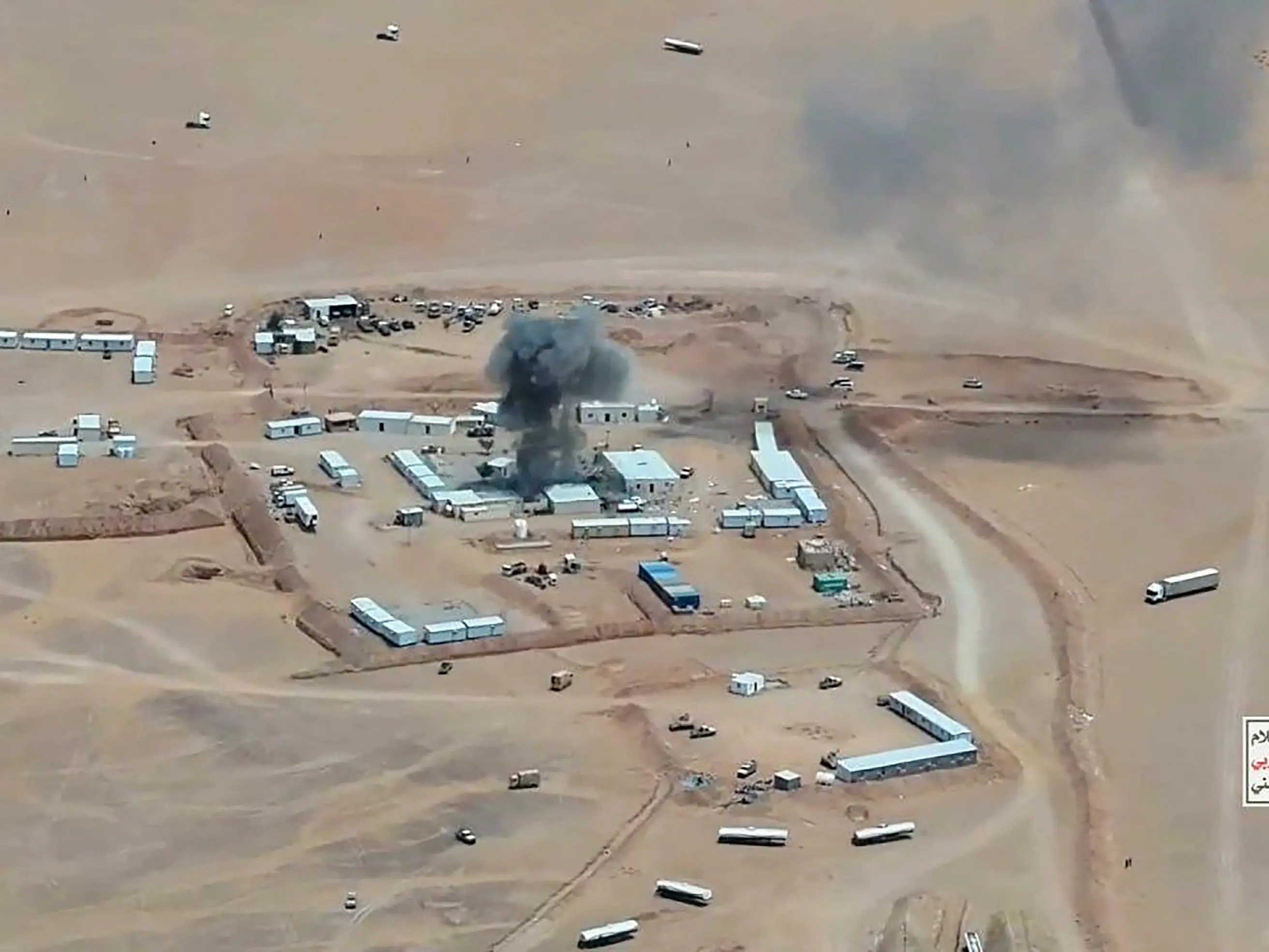)
‘Will go to any extent’: Pakistan vows to defend Saudi Arabia amid Houthi attacks
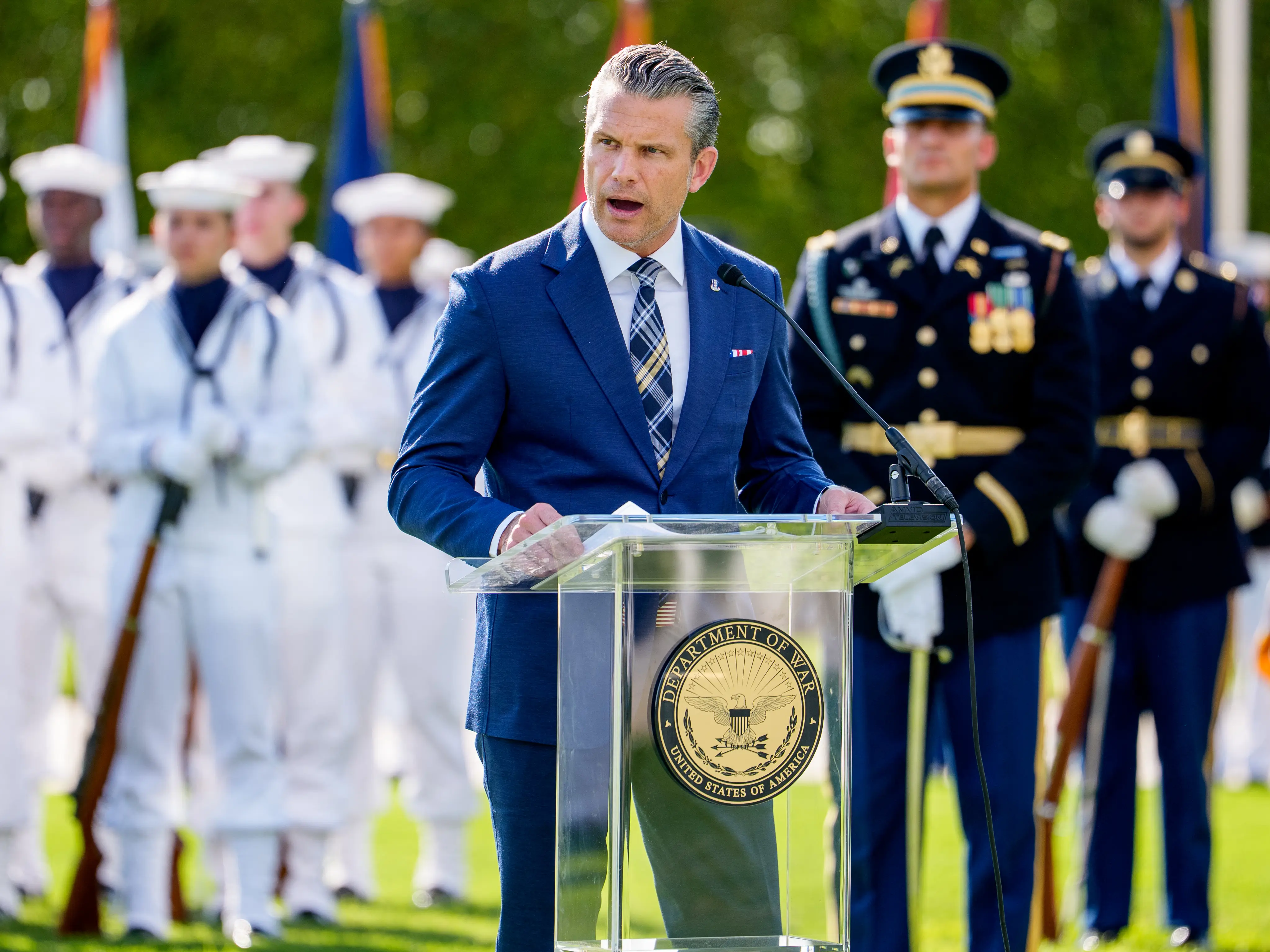)
Pentagon revives mandatory testosterone testing for male troops aged 30 and above
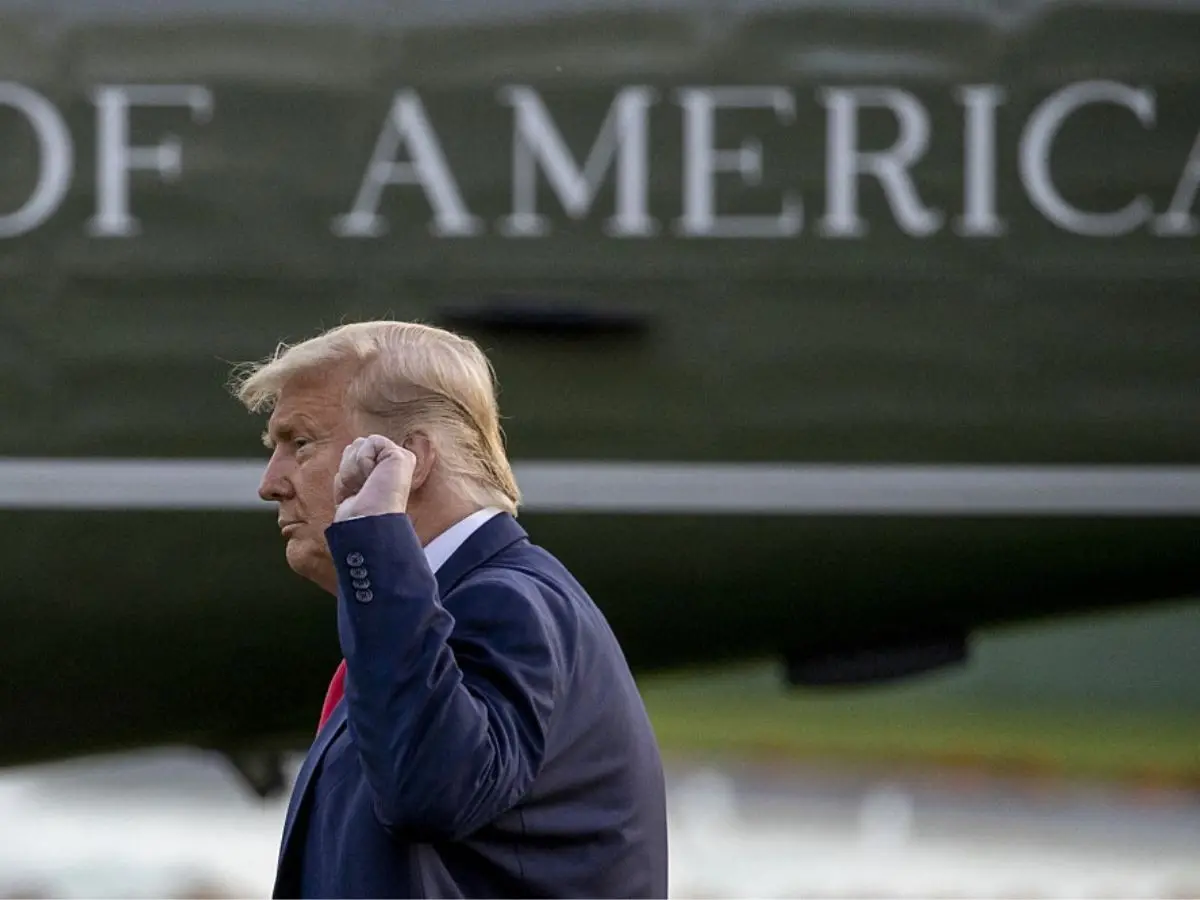)
Trump extends H-1B visa's $100,000 fee until September 2027: What it means for Indians?
&im=FitAndFill=(700,400))
‘Not the US or China’: These are the countries leading the world in arable land
)
Trump announces ‘AI Force’ as debate grows over AI risks and regulation
)
Why Ranveer Singh’s Dhurandhar missed India’s Oscar entry; FFI jury member reveals what happened
)
Trump bans CNN, MS NOW and Politico from White House over ‘FAKE NEWS’
)
Flying cars in UAE: Ras Al Khaimah signs deal with Chinese company to test new transport
&im=FitAndFill=(700,400))
Meet top 5 Indian batters with fastest T20I centuries
66 years of the Indus Waters Treaty: How India and Pakistan settled a bitter river dispute
)
Reacher star Alan Ritchson opens up about alleged blackmail, suicide attempt during difficult period
)
Russia extends ban on Western food imports for two more years in extended sanctions countermeasure
&im=FitAndFill=(700,400))
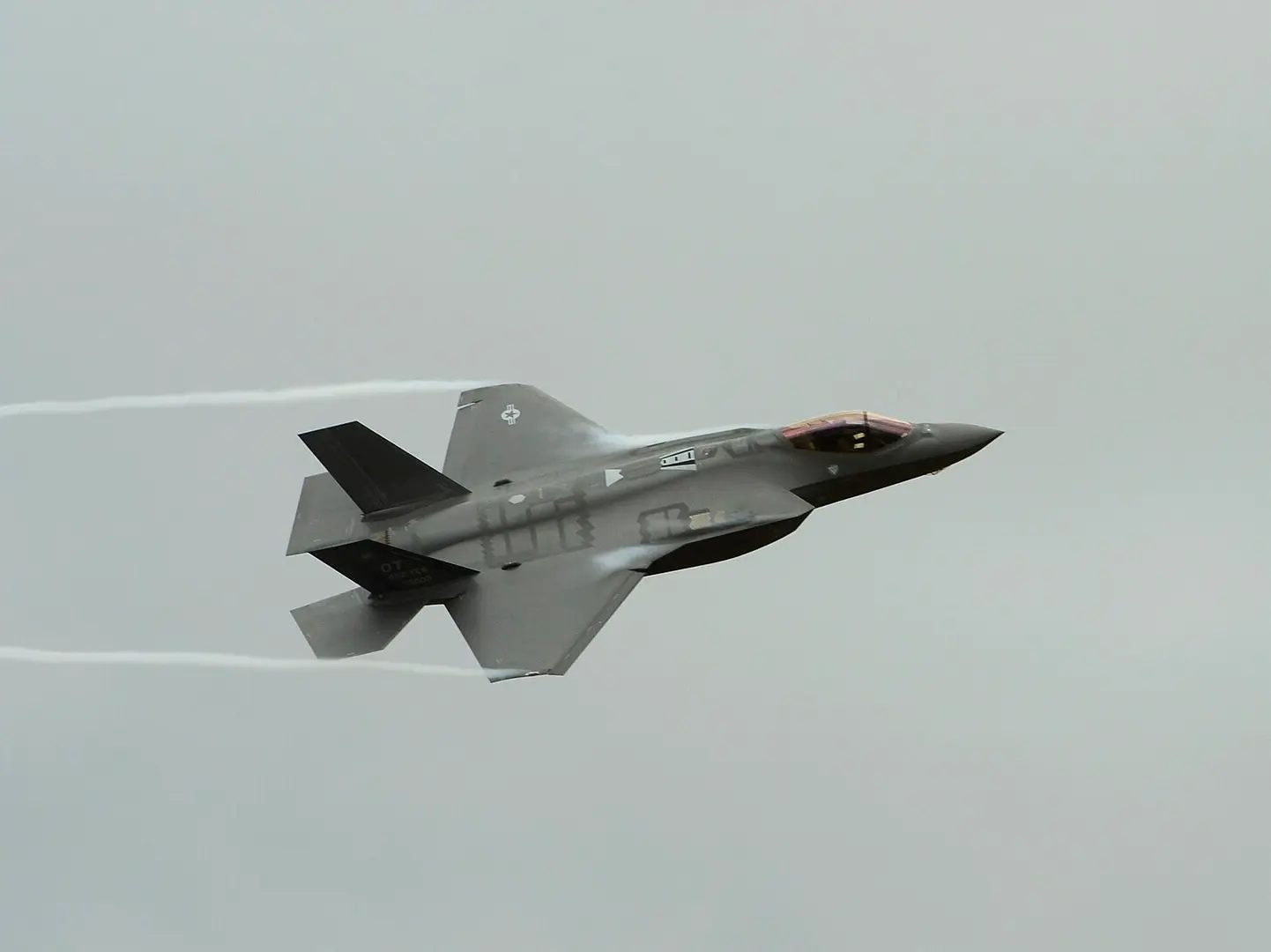
How many F-35s does Britain, Japan and Israel have?
)
Putin: European leaders using war rhetoric to save falling ratings
Russia attacks Ukraine with 174 drones, kills 8; 2 vessels hit in Black Sea
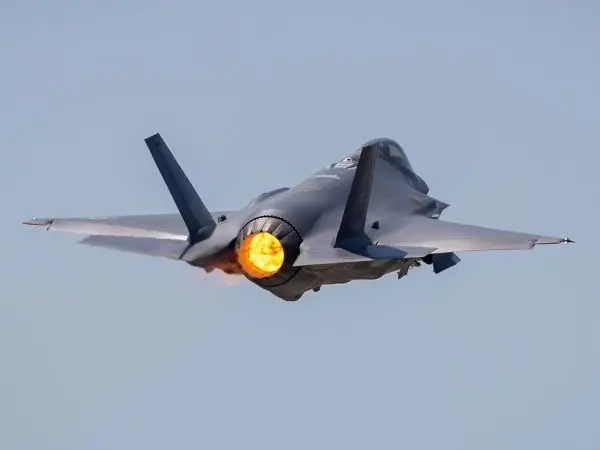)
China may have gained access to US's classified F-35 jets; parts meant for repairs diverted to Hong Kong, sparking Pentagon inquiry
)
Tirupati Laddu ghee adulterated with chemicals, says ED, supplier arrested
)
‘System run by six individuals’: Rahul Gandhi targets PM Modi, Amit Shah, NSA Doval
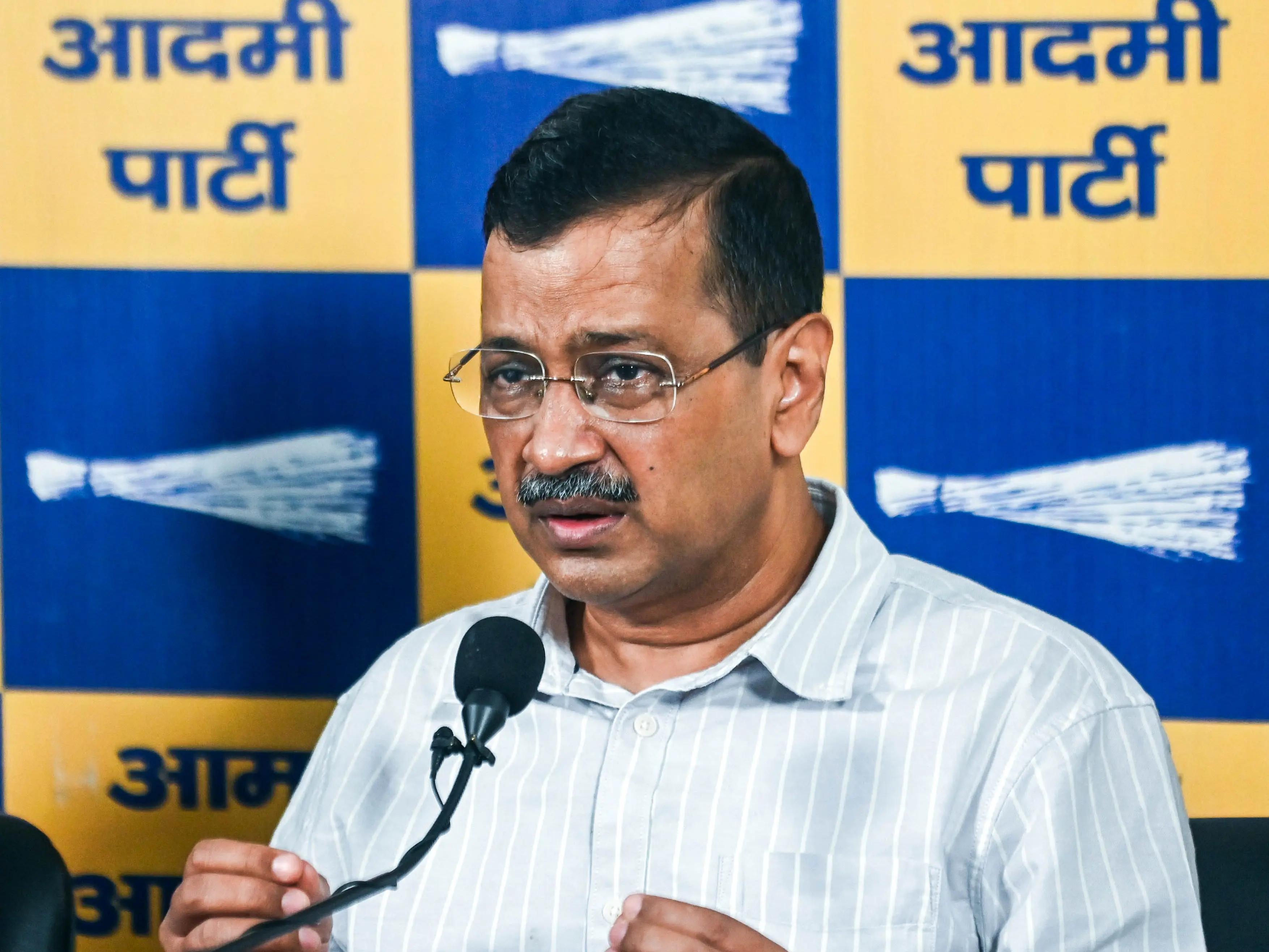)
Arvind Kejriwal, family members, Delhi CM Rekha Gupta get SIR notices
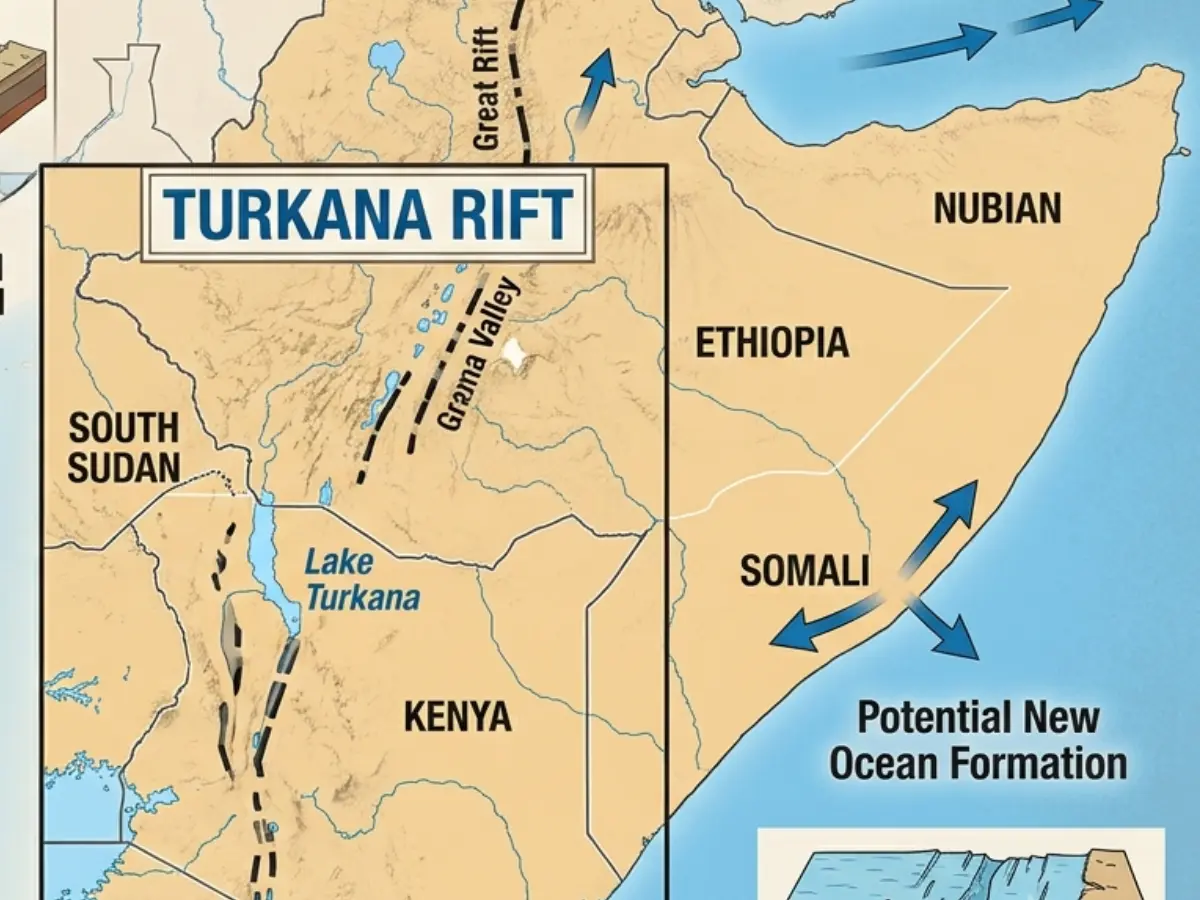)
Africa is splitting, and a lot sooner than estimated, giving way to a new ocean
)
Trump 2.0: Dark days ahead for America’s ‘imperial presidency’
)
The Verdict | When precision fails: US commits war crime in Minab school strike, UN finds
)
Oxford United's new clothing line featured 'United 93' phase
)
Ajit Agarkar’s future as chief selector to be decided at right time, says BCCI secretary
)
How did an Australian river with 500 crocodiles pass the Olympic test? Here's how
&im=FitAndFill=(700,400))
Ananya Panday to Sharvari: 5 actresses serving major princess vibes
)
Trump signs Russia sanctions bill into law, targets Moscow’s energy sector
)
Pak: A series of counter terrorism operations in Khyber Pakhtunkhwa
)
Cochin shipyard starts building Indian Navy's next-gen missile vessels
)
Russia holds first parliamentary elections since the beginning of the Ukraine war
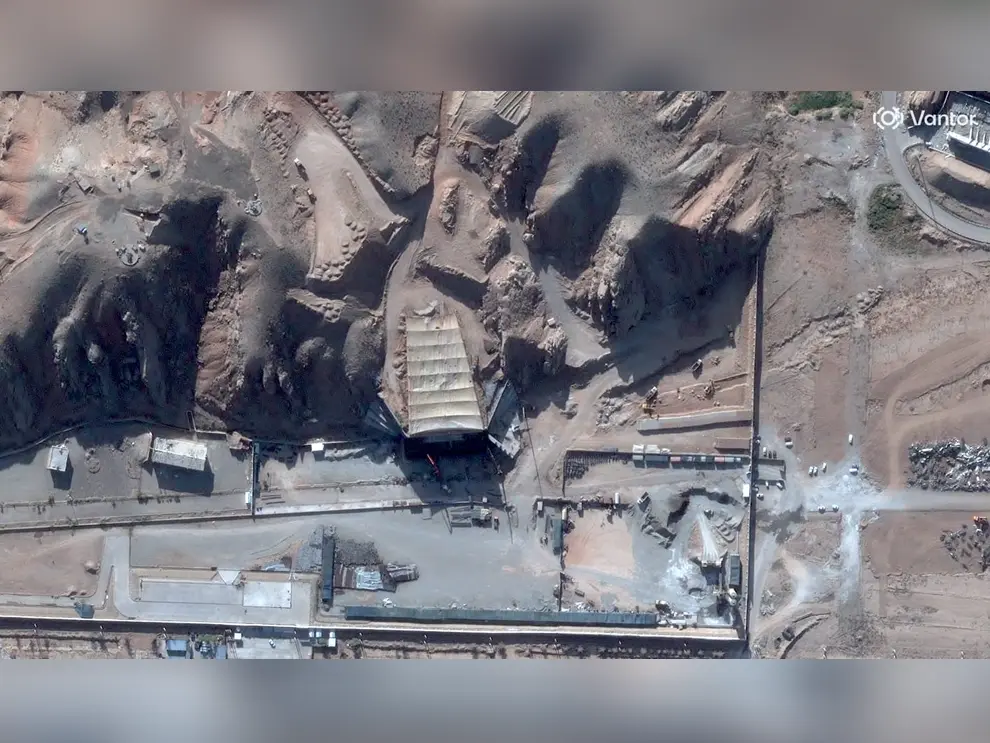)
Iran rebuilding nuclear facilities? New satellite images show Tehran may be rapidly restoring bombed Parchin base
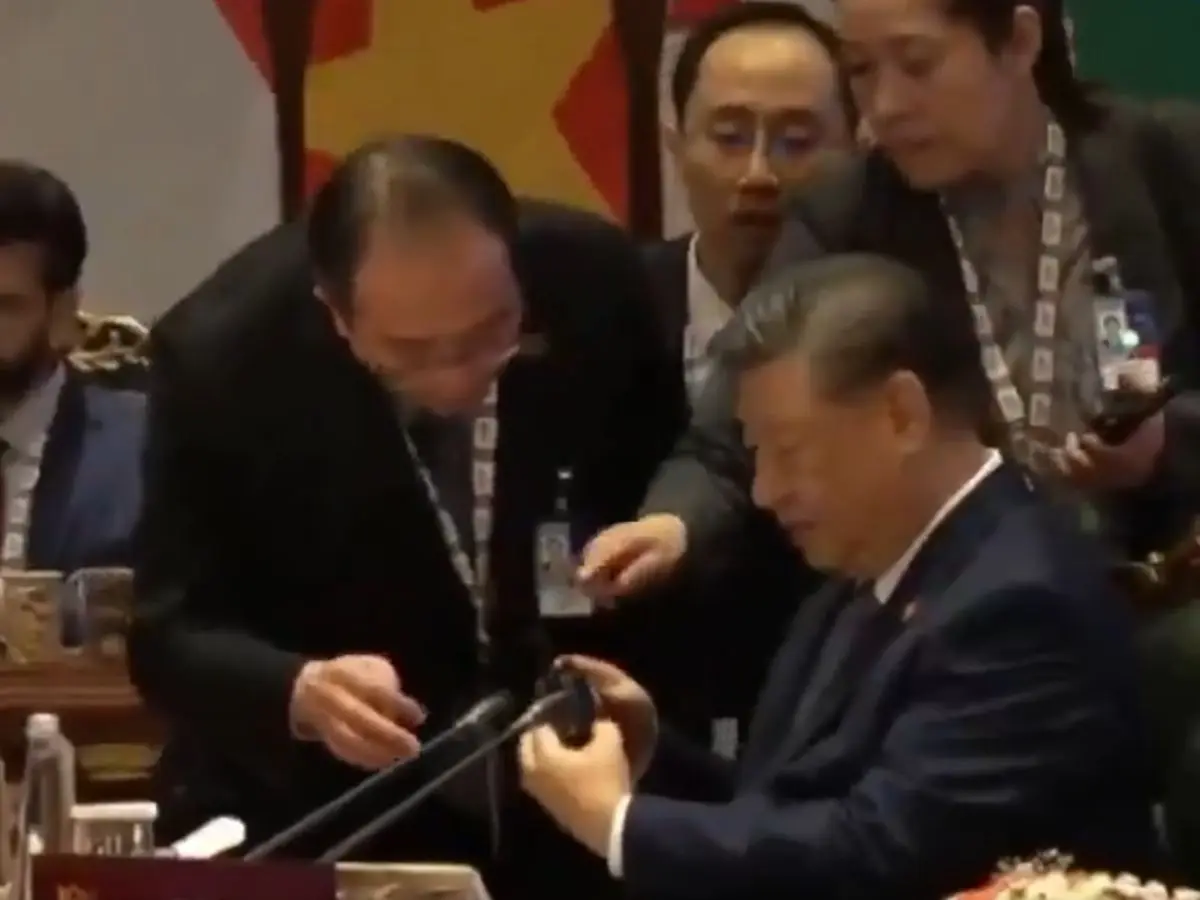)
FACT CHECK: Why did PM Modi ask Xi ‘is it okay’ at BRICS Summit? New video reveals...
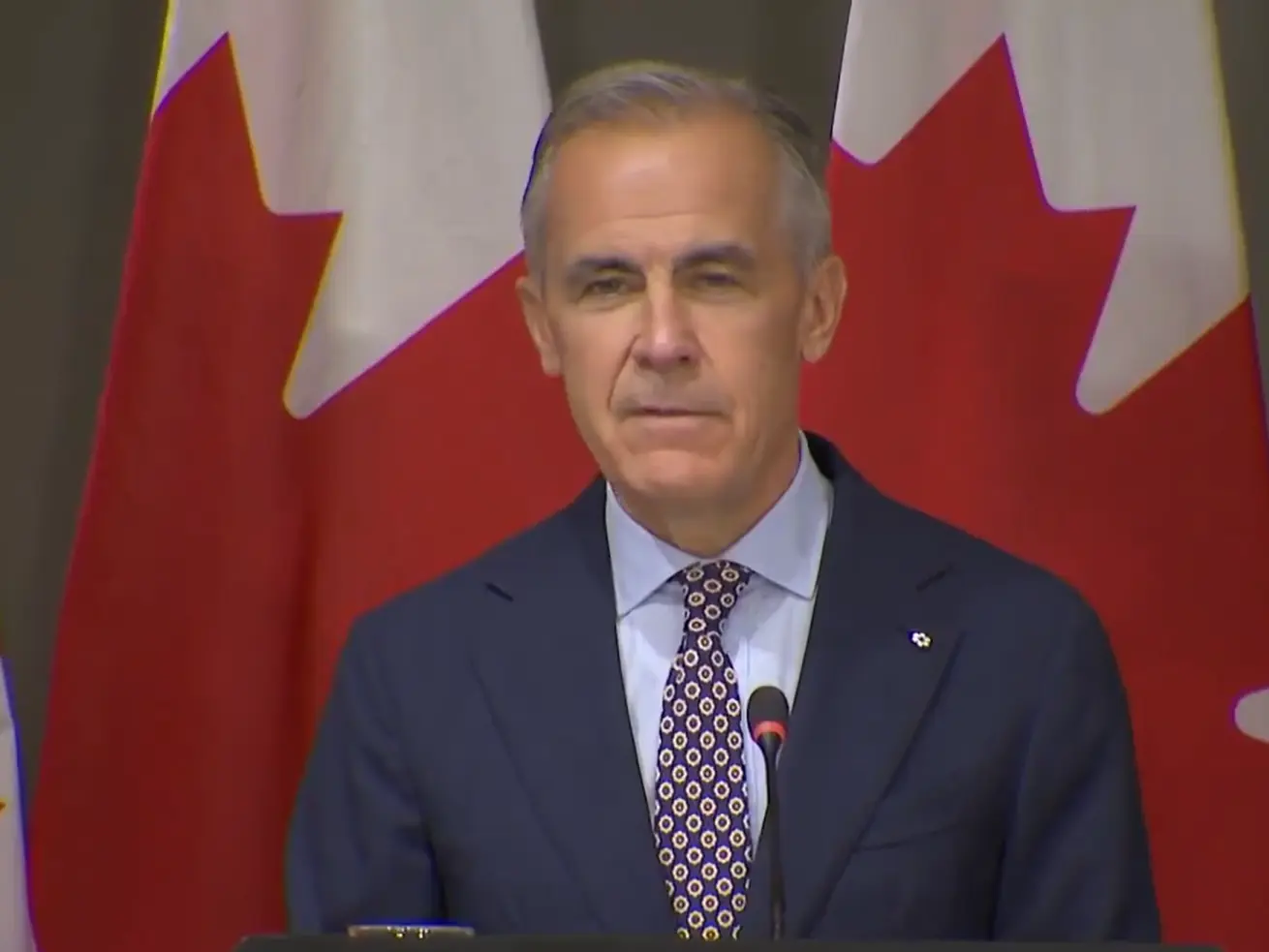)
Mark Carney mimics Trump in hilarious moment over C$70 billion clean-energy investment; room erupts in laughter
)
Brigitte Bardot’s private collection set for Paris auction; key items and prices revealed
)
)
Ford chose to postpone its outlook projections because it requires clearer information about trading tariff reactions combined with consumer reactions to price adjustments.
According to Morningstar Research analyst David Whiston Ford showcases strong leadership by retreating their guidance even though GM provided updated guidance with tariff adjustments due to highly uncertain market conditions.
The 14 cents per share profit Ford reported during its first quarter surpassed market predictions while registering lower results than the year before. Ford achieved better earnings than expected because of cost effectiveness along with product quality improvements even after releasing warnings about performance challenges from new launches. The company generated USD 471 million in net income while previous year results reached USD 1.3 billion.
The first quarter revenue dropped 5% to reach USD 40.7 billion while exceeding the market predictions. Consumer demand surged for vehicles because people expected prices to rise due to tariffs which drove up sales for the company. Ford was one of the automakers who implemented discounts to benefit from escalating consumer interest.
The 25% import tariffs established by Trump would generate costs exceeding USD 100 billion for American automakers throughout this year. Certain import levies received approval through new administration strategies which provide credit and relief benefits for imported parts.
Ford leads GM according to Barclays analysts because it generates more U.S.-based production sales compared to GM. Stellantis the maker of Jeep vehicles stopped providing guidance because of unclear trade tariff policies.