
&imwidth=800&imheight=600&format=webp&quality=medium "Why Taiwan's President Lai Ching-te was taken to a secret command centre during war drills")
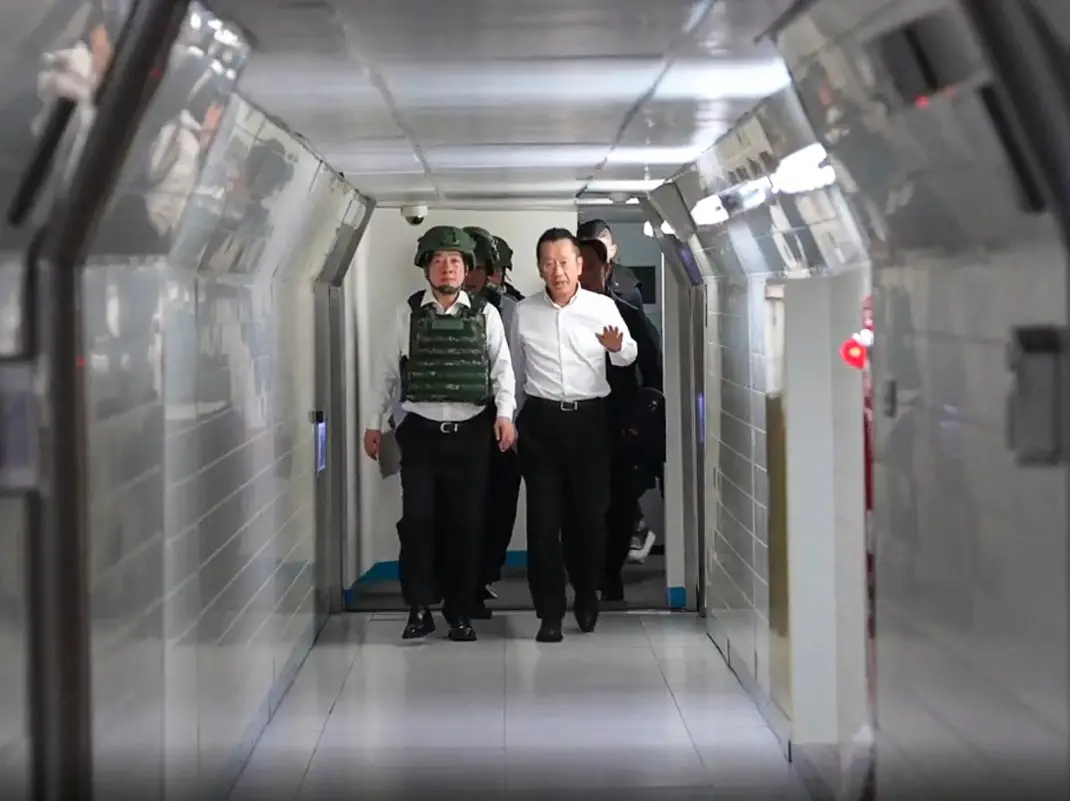
Taiwan conducted a high-level security exercise late on Wednesday, simulating a ‘decapitation strike’ aimed at eliminating the island's leadership, as President Lai Ching-te and senior government officials rehearsed emergency wartime procedures. According to Taiwan's presidential office, an armoured personnel carrier transported President Lai and members of his staff from the Presidential Office in Taipei to a fortified command centre near the Ministry of National Defense. The exercise tested the government's ability to maintain command and continue functioning during a potential attack targeting the country's leadership.
"The drill was intended to review the command structure, inter-agency coordination, and emergency-response mechanisms, so as to ensure that the government can continue operating effectively and safeguarding national security" during any possible action against the island, presidential spokesperson Karen Kuo said in a statement on Thursday. Official footage released by the government showed the armoured vehicle moving through the streets of Taipei. President Lai was also seen wearing a flak jacket, receiving military briefings and issuing operational instructions throughout the exercise.
'Wan Chun' drill part of Taiwan's largest annual military exercise

The leadership evacuation exercise, known as the ‘Wan Chun’ drill, forms part of the 10-day Han Kuang military exercises, Taiwan's largest annual defence drills, which began on Wednesday. The Wan Chun drill is designed to simulate the evacuation of Taiwan's president to a secure location during war or other national emergencies. Although this is the first known time President Lai has publicly participated in the exercise, former presidents Tsai Ing-wen and Ma Ying-jeou have taken part in similar drills. The exercise dates back to the Cold War era, when then-leader Chiang Kai-shek feared an attempt by the Chinese Communist Party to target Taiwan's leadership.
China considers Taiwan part of its territory despite never having governed the island. Chinese President Xi Jinping has repeatedly vowed to bring Taiwan under Beijing's control and has not ruled out the use of force. Over the years, images released from China have shown mock replicas of Taiwan's Presidential Office, government buildings and Taipei's street layouts built in desert training grounds, where Chinese troops conducted assault simulations. Meanwhile, Beijing continues to exert military and diplomatic pressure on Taiwan through regular military exercises and gray-zone tactics, including operations involving non-military agencies around the island.
Trending Stories
)
IND vs JPN one-off T20I: India survive scare from Japan to win five-over a side match by 2 runs
)
Putin's United Russia party wins 355 seats in Duma election; 4 other parties cross threshold to enter parliament
)
AI models chose to harm humans to stop ‘pain,’ alarming study raises fresh safety questions
)
‘0% chance’: Nvidia CEO Jensen Huang dismisses AI extinction fears by 2030
)
Samay Raina-Mukesh Chhabra controversy explained: What happened over girlfriend joke on India's Got Latent?
)
Trump's helipad event overshadowed by audio failure as major TV networks suspend pool coverage
)
'Needs time away from the international scene': England white-ball captain Brook on pacer Brydon Carse's future
)
New Zealand farms shift to carbon forests: Carbon credits fuel a land rush reshaping rural life
)
Anti-AI activists storm summit, say 'incompetent' leaders are leading us into a disaster - 'We need a vote'
)
Samsung raises Galaxy S26 prices by Rs 20,000: Here’s what each model now costs
)
J&K Assembly Session begins amid chaos: BJP, ruling alliance clash as statehood demand dominates
)
Asian Games 2026: India women's cricket team beats Sri Lanka by 147 runs for first gold
)
Key accused in Bihar's Jamui molestation case, arrested after police shoot him in leg
)
Randeep Hooda arrives in Gujarat for his first National Film Award: ‘Very grateful’
)
US and China vie for AI dominance as calls grow for regulation | Gravitas
&im=FitAndFill=(700,400))
Anant Nag to recieve Dadasaheb Phalke Award: From Ankur to Nishant- Revisit his best films and iconic performances on OTT
)
UK banks are rethinking financial crime detection because of algorithm
)
FIFA chief Infantino wants to reform governing body with consultation from federations
)
India at UNGA81: Jaishankar warns global order under 'growing stress', pushes for ‘reformed multilateralism’
)
IND vs JPN, one-off T20I: Japan captain Kendel on pushing India to the brink - ‘It was special’
)
Raaka creates history! Allu Arjun’s film secures Guinness World Record ahead of release
)
Saudi Arabia exits China-led mBridge digital currency platform amid Saudi-Houthi conflict
)
Indonesian groups sue govt over wildfires as haze crosses borders, nearly 900,000 hectares burned
)
'Lot of things to learn from experienced players': Jayasuriya backs Rohit, Virat for 2027 ODI World Cup
)
$110 billion Warner Bros merger: Paramount reaches settlement with 12 US states
&im=FitAndFill=(700,400))
New OTT releases this week (September 21-27, 2026): Shaque: Trust No One, Hunkkaar, Don’t Be Shy- 5 new titles coming to Netflix, Prime Video and more
)
From ‘communist’ to ‘great mayor’: Trump praises Mamdani after New York meeting, discusses immigration and housing
)
Report: Zelensky meets CIA chief Ratcliffe at Shannon airport, weeks after his secret Moscow trip
)
How Zaheer Khan came to be CSK's head coach of IPL 2027
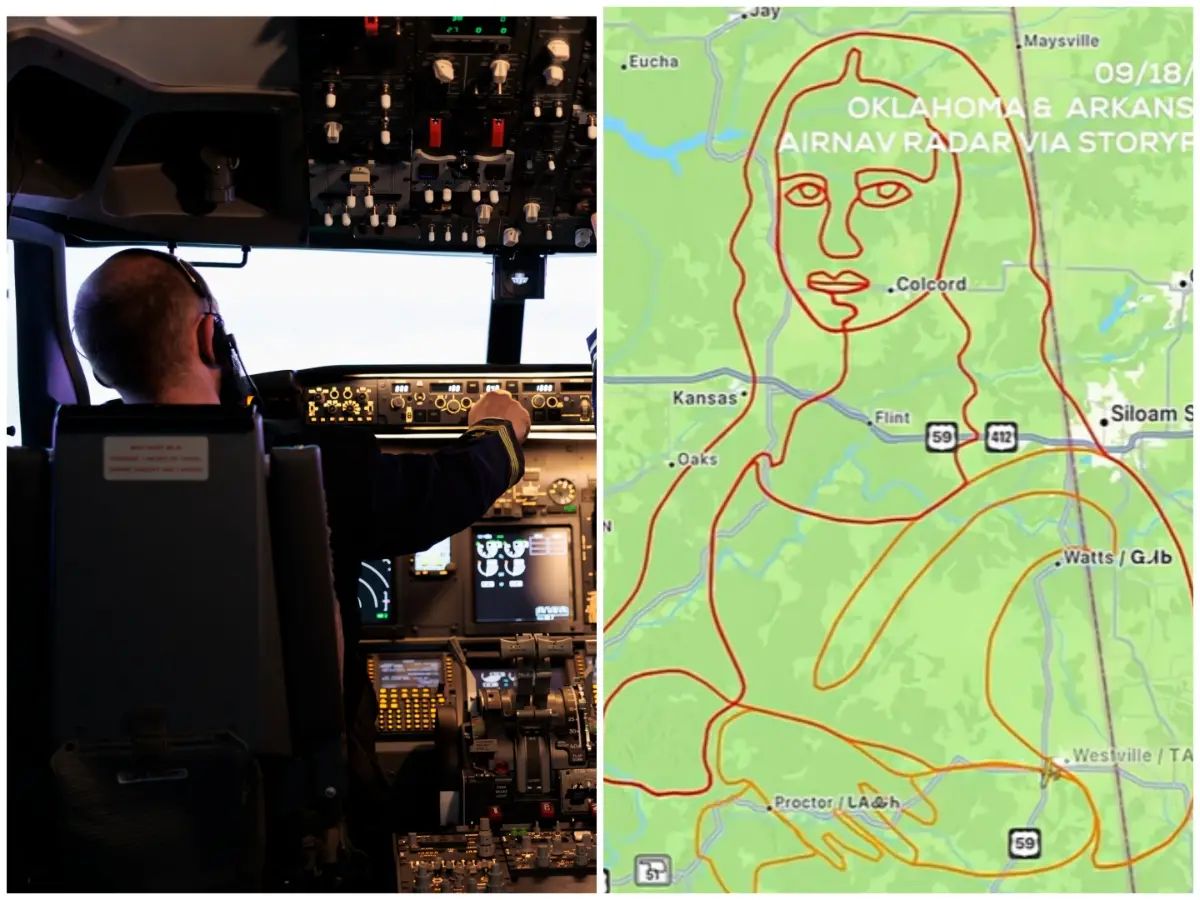)
Pilot recreates Mona Lisa in sky over Oklahoma and Arkansas in four-hour flight: VIDEO
)
UK PM Burnham agrees to 'defensive' military support for Saudi Arabia against Houthis
)
Jailer 2: Vidya Balan joins Rajinikanth's upcoming film as Kantha | Watch
)
Microsoft executive called AI training the ‘largest theft of labour in human history’
&im=FitAndFill=(700,400))
National Film Awards 2026: Kartik Aaryan, Mammootty, Yami Gautam, Randeep Hooda and other key winners
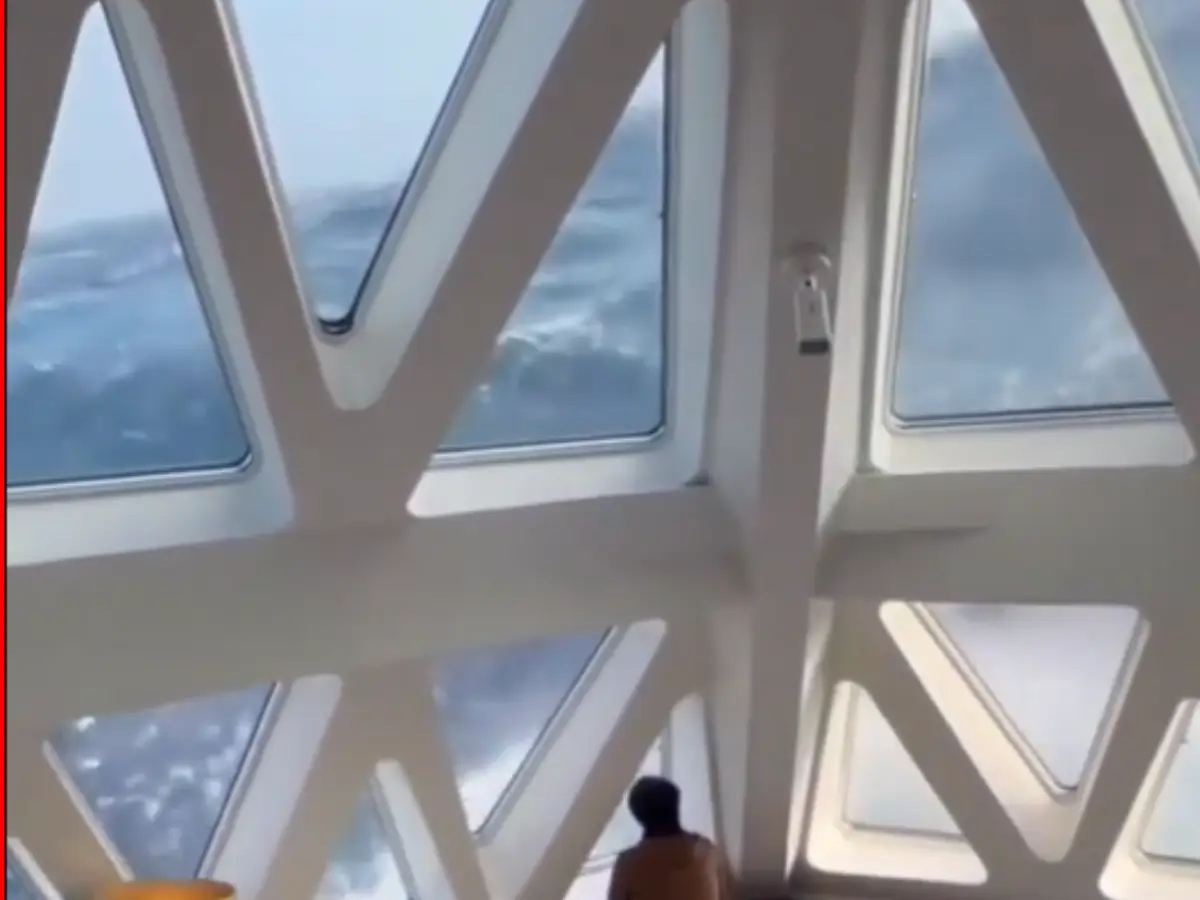)
40-foot waves crash into cruise ship in dangerous stretch near Antarctica. Watch
)
US-Iran war, peace deals and more: What to expect from Trump's UNGA 2026 speech
)
Explainer: Why rare-earth export licences and Board of Trade are US priorities ahead of Trump-Xi summit
)
Two infants die after fire breaks out at RIMS newborn care unit in Telangana's Adilabad
Watch the video here
Global conflicts add new urgency to Taiwan's preparations
Taiwanese officials say this year's military drills have gained added significance amid growing global security concerns. The US capture of Venezuelan leader Nicolás Maduro earlier this year, along with the US-Israeli decapitation strikes targeting Tehran's leadership during the early phase of the conflict with Iran, have reinforced the need for preparedness. "Taiwan needs to ready itself for the scenario now unfolding in Iran, and fast," Charles Lyons-Jones, a research fellow at Australia's Lowy Institute's Foreign Policy and Public Opinion Program, wrote in March. Ahead of the drills, a senior Taiwanese defence official told reporters that the exercises are no longer "lab-like exercise in a vacuum."
Taiwan practices defending strategic bridge near Taipei
Late Thursday night, Taiwanese troops conducted another exercise focused on defending the Danjiang Bridge, a strategic crossing that could provide invading forces with a direct route toward Taipei. The nearly one-kilometre-long bridge, which opened earlier this year, spans the Tamsui River and is regarded as a key strategic asset due to its proximity to Taipei Port and nearby beaches that could potentially be used for amphibious landings. To simulate blocking an advancing enemy, soldiers installed multiple defensive barriers and laid extensive barbed wire across the bridge.
During the opening days of the Han Kuang exercises, around 20,000 reservists were mobilised to defend critical infrastructure, including ports, power plants and bridges. Patriot and Tien-Kung air defence missile systems were also deployed on the streets of central Taipei as part of the drills. Taiwan is also preparing for modern communication disruptions. Next week, authorities will deliberately reduce mobile internet speeds for the first time to test how citizens communicate if bandwidth becomes limited during emergencies such as natural disasters or a potential Chinese invasion.

