Why is Hezbollah's defeat not so easy for Israel? Shia group is deeply embedded in Lebanon | The Big Question

&imwidth=600&imheight=450&format=webp&quality=medium "Why is Hezbollah's defeat not so easy for Israel? Shia group is deeply embedded in Lebanon | The Big Question")
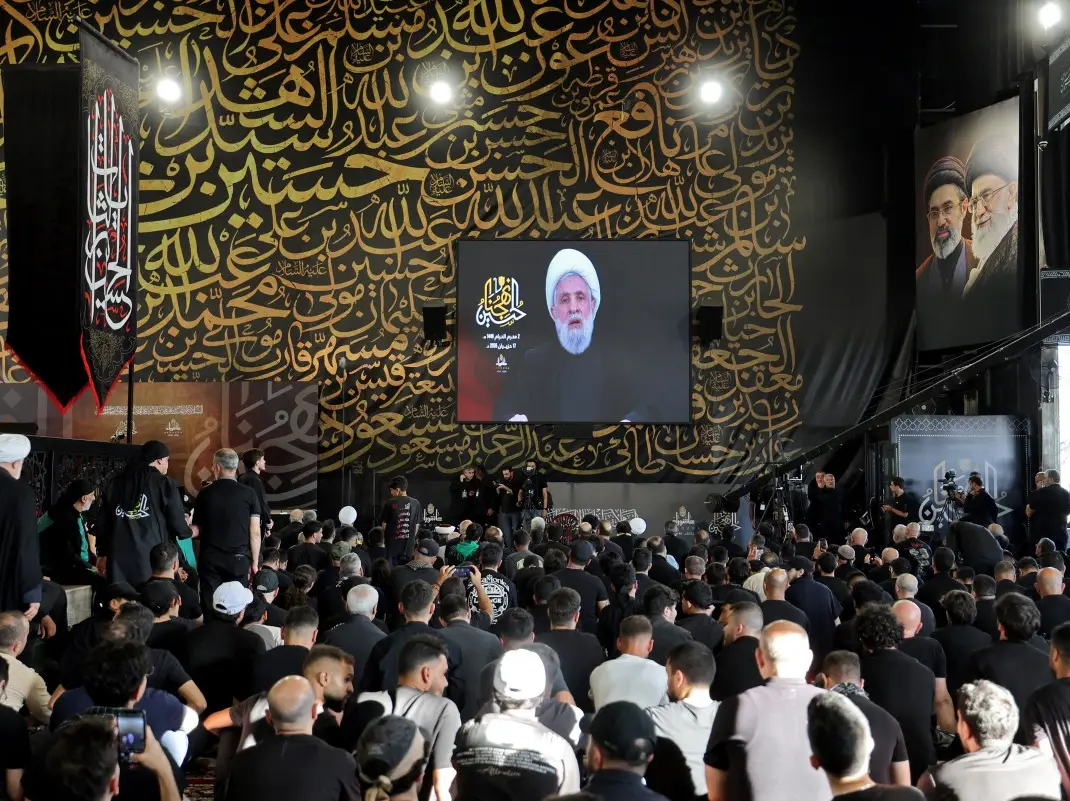
Hezbollah Secretary-General Sheikh Naim Qassem addresses supporterss via video in Lebanon Photograph: (AFP)
Hezbollah survives and fights in Lebanon despite Israeli military operations and decapitation strikes over months. The Iran-backed group remains influential due to its social welfare role and Shia support base. But those are not the only reasons
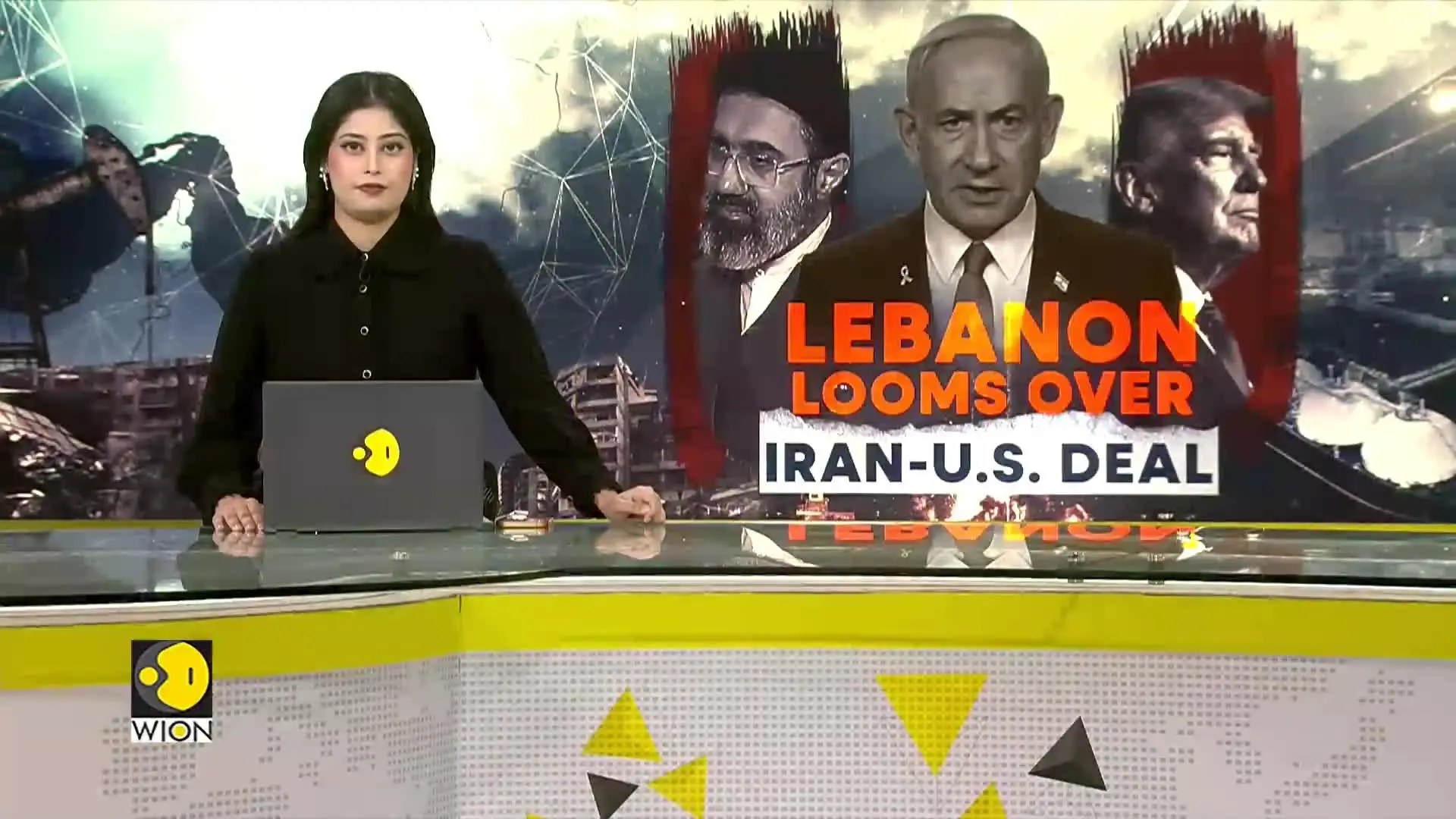
Lebanon is the key sticking point in the currently ongoing Iran-US peace talks as Tehran insists that Israel must end military operations on all fronts, including that country. Israel has repeatedly targeted the Shia group Hezbollah's alleged strongholds in southern Lebanon, killing dozens, which Lebanese authorities describe as civilians and Israel calls terrorists. Despite killing Hezbollah's long-time leader Hassan Nasrallah and carrying out extensive air and ground operations in southern Lebanon for months, Israel has not been able to eliminate the group, which is backed as a proxy by regional Shia power Iran. Why is it so difficult to defeat Hezbollah?
Armed and legitimate: Why Hezbollah survives
Hezbollah's strength comes from both the battle effectiveness of its armed wing and its political legitimacy in parts of Lebanon. Contrary to much Western media coverage, Hezbollah is not a rag-tag group of mercenaries or militants. Over the past four decades, it evolved into a political party, social welfare provider, military force and ideological movement deeply rooted in Lebanon's Shia communities. While military action can weaken it, the social and political foundations that sustain Hezbollah are much harder to remove.
Lebanon's demography makes Hezbollah hard to replace
Lebanon is a mosaic of religious and sectarian diversity. Muslims make up about 69 per cent of the population, while Christians account for around 30 per cent. Within the Muslim population, Shias constitute roughly 31-32 per cent, making them one of the country's largest communities and Hezbollah's principal support base. Hezbollah's strongest areas remain southern Lebanon, the Bekaa Valley and Beirut's southern suburbs.
Because Lebanon's political system is built around balancing sectarian interests, removing a movement that represents a substantial portion of one of the country's largest communities is far more complicated than defeating a conventional armed group. Let us explore this further.
Trending Stories
&imwidth=280&imheight=210&format=webp&quality=medium)
&im=FitAndFill=(700,400)&imwidth=280&imheight=210&format=webp&quality=medium)
&imwidth=280&imheight=210&format=webp&quality=medium)
&imwidth=280&imheight=210&format=webp&quality=medium)
&imwidth=280&imheight=210&format=webp&quality=medium)
&imwidth=280&imheight=210&format=webp&quality=medium)
&imwidth=280&imheight=210&format=webp&quality=medium)
&imwidth=280&imheight=210&format=webp&quality=medium)
&imwidth=280&imheight=210&format=webp&quality=medium)
&imwidth=280&imheight=210&format=webp&quality=medium)
&imwidth=280&imheight=210&format=webp&quality=medium)
&imwidth=280&imheight=210&format=webp&quality=medium)
&imwidth=280&imheight=210&format=webp&quality=medium)
&imwidth=280&imheight=210&format=webp&quality=medium)
&imwidth=280&imheight=210&format=webp&quality=medium)
&imwidth=280&imheight=210&format=webp&quality=medium)
&imwidth=280&imheight=210&format=webp&quality=medium)
&imwidth=280&imheight=210&format=webp&quality=medium)
&imwidth=280&imheight=210&format=webp&quality=medium)
&imwidth=280&imheight=210&format=webp&quality=medium)
&imwidth=280&imheight=210&format=webp&quality=medium)
&imwidth=280&imheight=210&format=webp&quality=medium)
&imwidth=280&imheight=210&format=webp&quality=medium)
&imwidth=280&imheight=210&format=webp&quality=medium)
&imwidth=280&imheight=210&format=webp&quality=medium)
&im=FitAndFill=(700,400)&imwidth=280&imheight=210&format=webp&quality=medium)
&imwidth=280&imheight=210&format=webp&quality=medium)
&imwidth=280&imheight=210&format=webp&quality=medium)
&imwidth=280&imheight=210&format=webp&quality=medium)
&imwidth=280&imheight=210&format=webp&quality=medium)
&imwidth=280&imheight=210&format=webp&quality=medium)
&imwidth=280&imheight=210&format=webp&quality=medium)
&imwidth=280&imheight=210&format=webp&quality=medium)
&imwidth=280&imheight=210&format=webp&quality=medium)
Hezbollah's integration into Lebanon's political system
Hezbollah contests elections and holds parliamentary seats through its political arm, the Loyalty to the Resistance Bloc, led by veteran MP Mohammad Raad. The bloc currently holds 15 seats in Lebanon's 128-member parliament. Hezbollah has also been part of coalition governments and continues to influence national decision-making.
This is enabled by Lebanon's unique political system, which is a response to its population realities. Lebanon has a sectarian power-sharing arrangement under the National Pact of 1943 and the Taif Agreement of 1989. Political offices are distributed among religious communities: the President must be a Maronite Christian, the Prime Minister a Sunni Muslim, and the Speaker of Parliament a Shia Muslim.
In electoral politics, Lebanon's political system seeks to provide representation to the country's different communities. The 128 parliamentary seats are constitutionally divided 50-50 between Christians and Muslims, and then subdivided among 'confessions' like Maronite Christian, Sunni, Shia, Druze, and Greek Orthodox, with predetermined quotas. Election candidates must belong to the sect of the seat they are running for. This ‘confessional’ system allows Hezbollah to contest and win elections through its political arm.
Also read: What impact will Israel-Hezbollah truce have on US-Iran talks and the global economy? WION Decodes
Hezbollah's social role as a community provider is its strength
For its supporters, Hezbollah is not simply an armed group, but a provider of security and essential social services. The organisation provides services that the Lebanese state often struggles to deliver, particularly in Shia-majority areas such as southern Lebanon, the Bekaa Valley and Beirut's southern suburbs. It operates schools, clinics, charities and reconstruction programmes. Financial assistance and welfare networks of Hezbollah have helped build long-term loyalty among its support base.
Hezbollah as a constant "resistance" force against Israel
Hezbollah long portrayed itself as the defender of Lebanese territory, particularly against Israel. Its "resistance" narrative gained prominence during Israel's occupation of southern Lebanon between 1982 and 2000, which began during the 1982 Lebanon War with Israel, and was reinforced by subsequent conflicts, including the 2006 Lebanon War. While many Sunni Muslims, Christians and Druze oppose Hezbollah's military role and its close ties to Iran, significant sections of the Shia community continue to view it as a deterrent against Israel.
Hezbollah's military strength: A comparison with official defence forces of Lebanon
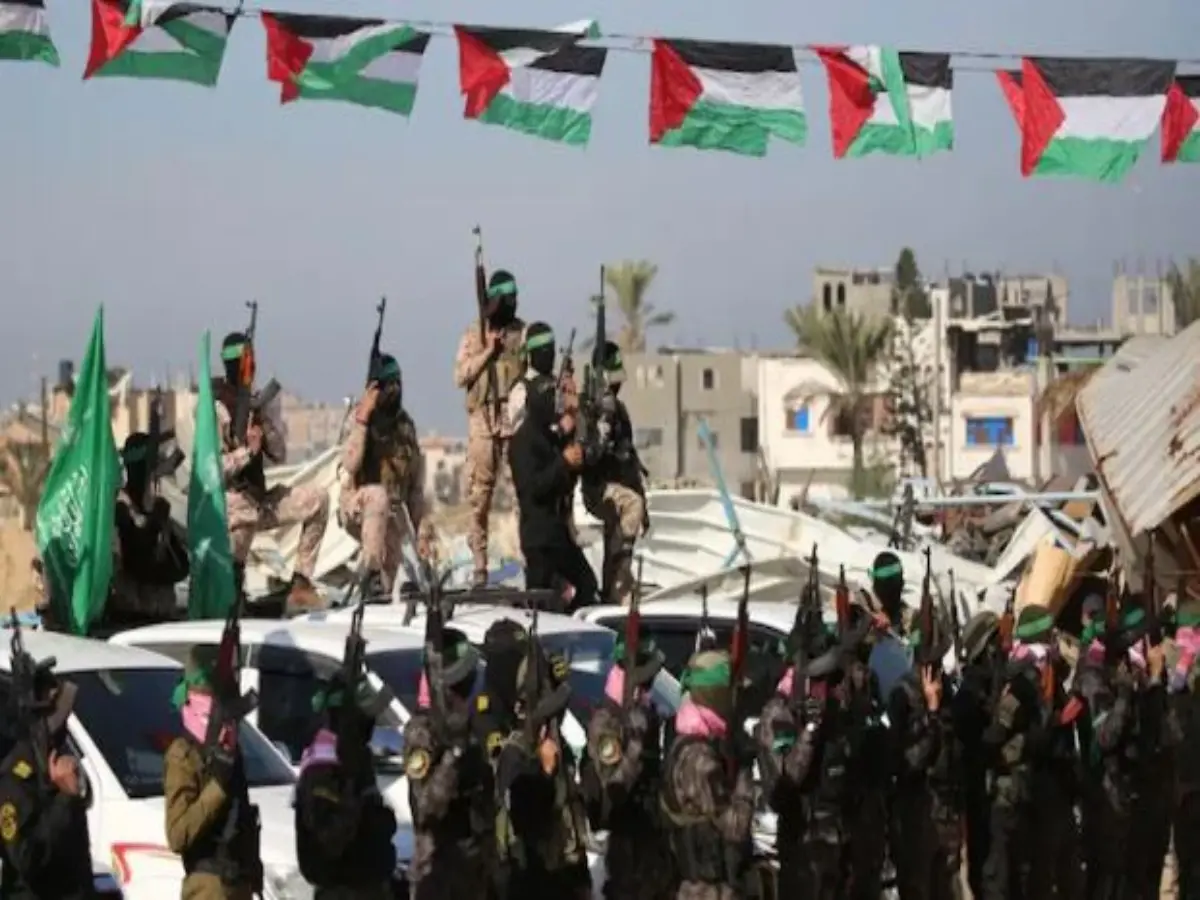
Constant confrontation with Israel has made Hezbollah a battle-hardened force. It has built fortified positions, underground facilities, tunnel networks and large missile stockpiles over the decades. Its command structure is highly decentralised, as proven by its ability to continue operating despite repeated Israeli decapitation strikes on senior leaders like Hassan Nasrallah. Assessments by the Institute for the Study of War noted that such guerrilla-style capabilities make a decisive military victory difficult. Hezbollah has repeatedly shown an ability to rebuild, regroup and continue fighting after major setbacks.
Lebanon's official armed forces, on the other hand, are relatively weak compared with regional militaries. The Lebanese Armed Forces (LAF) have a modest army and limited air and naval capabilities, relying largely on light aircraft, helicopters and patrol vessels. Unlike Hezbollah, the Lebanese military lacks a significant missile arsenal, and is mostly focused on internal security and border protection rather than conventional or asymmetric warfare.
Hezbollah may be weakened, but not defeated
The Lebanese state has repeatedly failed to disarm Hezbollah. Successive governments and state institutions generally avoided direct confrontation with the group, fearing sectarian conflict and political fragmentation.
As noted by the Institute for National Security Studies (INSS), lasting disarmament of Hezbollah would require broad Lebanese political consensus and a much stronger state, both of which remain absent. Hezbollah endures because it is embedded not only in military structures, but also in Lebanese society, politics and local institutions. Military pressure from Israel can weaken the organisation, but eliminating it altogether is a far more complex.