‘We hoped, prayed for a different ending’: Families crushed as Hamas releases Israeli hostages’ bodies

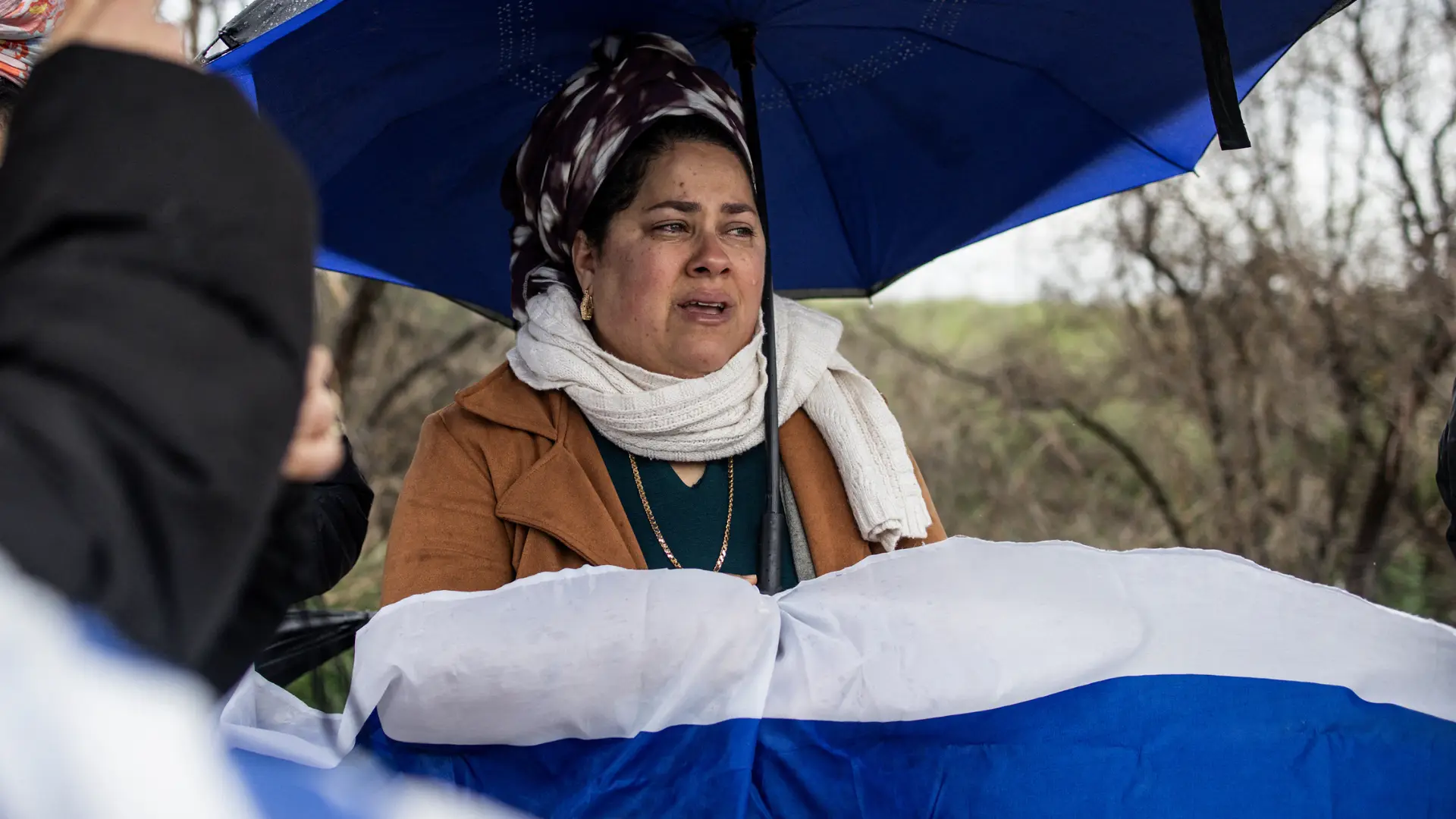
World, Middle East: According to Hamas, the bodies handed over include those of Oded Lifshitz, 83, along with 32-year-old Shiri Bibas and her two children, who were just nine months and four years old when they were taken hostage.
For the first time since the war began, Hamas handed over the bodies of Israeli hostages as part of the Gaza ceasefire deal. But what started as a moment of anxious hope quickly turned into devastation.
Hamas on Thursday (Feb 20) revealed black coffins in southern Gaza, displaying the names and photos of Shiri Bibas and her two young sons, Ariel and Kfir, pinned to the casket.
According to Hamas, the bodies handed over include those of Oded Lifshitz, 83, along with 32-year-old Shiri Bibas and her two children, who were just nine months and four years old when they were taken hostage.
Shiri and her boys were kidnapped from their home in Nir Oz on October 7, 2023. Her husband, Yarden, was taken separately after he left their safe room in an effort to protect his family. He was eventually freed on February 1.
Just hours after Hamas announced it would be returning the bodies, Shiri’s sister-in-law, Ofri Bibas Levy, refused to give up hope.
Trending Stories
)
)
)
)
)
)
)
)
)
)
)
)
)
)
)
)
)
)
)
)
)
)
)
)
)
)
)
)
&im=FitAndFill=(700,400))
)
)
)
)
)
)
)
)
)
)
&im=FitAndFill=(700,400))
)
)
“I ask you not to eulogise my family yet. We have been hoping for 16 months and we will not give up hope now,” she wrote on Facebook.
For the family of Oded Lifshitz, the news was just as crushing. “For 502 days, we hoped and prayed for a different ending,” they said in a statement.
“Until we receive absolute certainty, our journey will not end. And even after that, we will continue to fight until the last hostage is returned,” they added.
Oded’s son, Yizhar Lifshitz, spoke to the Ynet news outlet on Wednesday, saying that while all signs pointed to his father’s body being returned, he could not accept it until there was complete confirmation.
“As his son, I would have preferred to know that he was murdered on October 7 outside his home in Nir Oz, rather than having to go through all this suffering and torture and be alone and die like a dog there in Gaza,” he said.
He described his father’s fate as “tragic and humiliating.” His home was burned down, and his wife, Yocheved, was kidnapped and beaten. “His life ended in an undeserved, degrading way… without family, without children, without closure,” Yizhar added.
Controversy over names of the deceased being made public
Shortly after the names of the deceased were made public, tensions flared. The Prime Minister’s Office (PMO) said that the families had approved the release of the names—but the Bibas family denied this.
“The list that has already turned Shiri, Ariel, and Kfir into fallen [hostages], published by the Prime Minister’s Office supposedly with the families’ approval, did not even pass our approval,” Ofri Bibas wrote on Facebook.
“We have been waiting for 16 months for certainty that they could not give us, and now it’s been decided before they are even here? Before they have been identified? Before we have been informed?”
A PMO official later blamed the military for the mistake, calling it a “grave error” by IDF liaison officers.
“This was an unfortunate human error,” the official admitted, explaining that the officers had incorrectly given approval for the names to be released before the family had been informed.
The IDF took responsibility, saying, “We regret the mistake that was made in good faith toward the families and the emotional distress.”
(With inputs from agencies)
