Trump administration imposes sanctions on Cuban president, relatives of Raúl Castro

&imwidth=600&imheight=450&format=webp&quality=medium "Trump administration imposes sanctions on Cuban president, relatives of Raúl Castro")
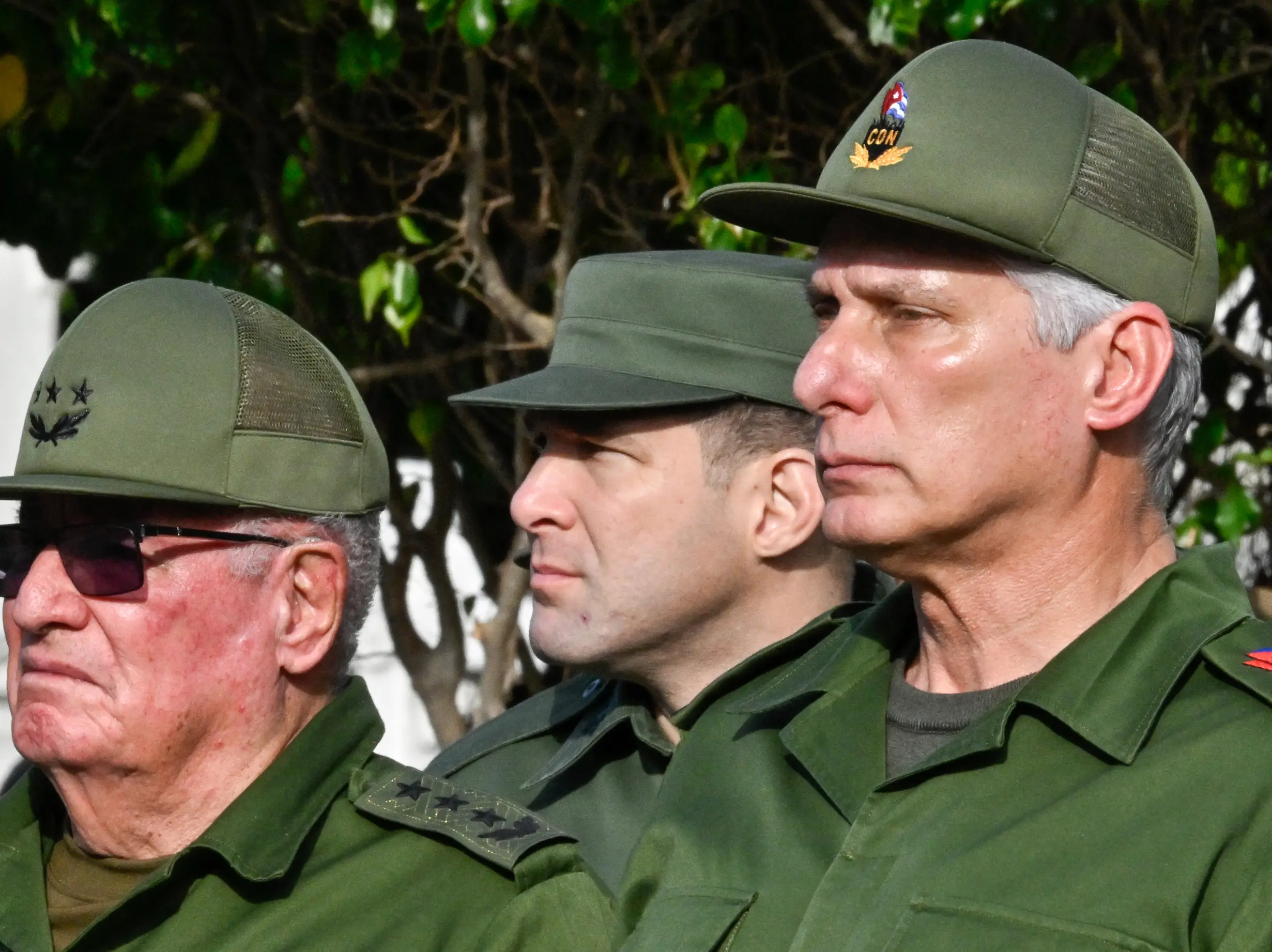
Cuba's President Miguel Diaz-Canel (R), Colonel Raul Guillermo Rodriguez Castro (C), grandson of former President Raul Castro, and Armed Forces Minister General Alvaro Lopez Miera. Photograph: (AFP)
The Trump administration has signalled that it will continue its maximum-pressure strategy against Cuba, similar to the campaign previously aimed at Venezuela.
The United States on Thursday (June 04) imposed fresh sanctions on Cuban President Miguel Díaz-Canel, members of his family and relatives of former Cuban leader Raúl Castro, marking the latest escalation in Washington's pressure campaign against the communist-run island.
Among those sanctioned are Díaz-Canel, his wife and stepson, along with Alejandro Castro Espín, the son of Raúl Castro, and other members of the Castro family. The US Treasury Department also targeted Cuba's Ministry of the Revolutionary Armed Forces and several other entities linked to the government.
The move comes as the Trump administration continues to tighten restrictions on Havana despite the decades-old US embargo already in place. In recent months, Washington has expanded sanctions, imposed new economic restrictions and increased pressure on Cuba's leadership and key state-controlled sectors.
Relations between Washington and Havana have deteriorated sharply following a series of aggressive US policy measures. Tensions intensified in May after US prosecutors filed criminal charges against former Cuban president Raúl Castro over the 1996 downing of a civilian aircraft operated by Miami-based Cuban exiles.
The latest sanctions also come against the backdrop of Cuba's deepening economic and energy crisis. A de facto fuel blockade and broader US restrictions have strained the island's economy, contributing to shortages and prolonged energy disruptions. Recent measures have also affected Cuba's ability to process international card payments and attract foreign investment.
Trending Stories
&imwidth=280&imheight=210&format=webp&quality=medium)
&imwidth=280&imheight=210&format=webp&quality=medium)
&imwidth=280&imheight=210&format=webp&quality=medium)
&imwidth=280&imheight=210&format=webp&quality=medium)
&imwidth=280&imheight=210&format=webp&quality=medium)
&imwidth=280&imheight=210&format=webp&quality=medium)
&imwidth=280&imheight=210&format=webp&quality=medium)
&imwidth=280&imheight=210&format=webp&quality=medium)
&imwidth=280&imheight=210&format=webp&quality=medium)
&imwidth=280&imheight=210&format=webp&quality=medium)
&imwidth=280&imheight=210&format=webp&quality=medium)
&imwidth=280&imheight=210&format=webp&quality=medium)
&imwidth=280&imheight=210&format=webp&quality=medium)
&imwidth=280&imheight=210&format=webp&quality=medium)
&imwidth=280&imheight=210&format=webp&quality=medium)
&imwidth=280&imheight=210&format=webp&quality=medium)
&imwidth=280&imheight=210&format=webp&quality=medium)
&imwidth=280&imheight=210&format=webp&quality=medium)
&imwidth=280&imheight=210&format=webp&quality=medium)
&imwidth=280&imheight=210&format=webp&quality=medium)
&imwidth=280&imheight=210&format=webp&quality=medium)
&imwidth=280&imheight=210&format=webp&quality=medium)
&imwidth=280&imheight=210&format=webp&quality=medium)
&imwidth=280&imheight=210&format=webp&quality=medium)
&imwidth=280&imheight=210&format=webp&quality=medium)
&imwidth=280&imheight=210&format=webp&quality=medium)
&imwidth=280&imheight=210&format=webp&quality=medium)
&imwidth=280&imheight=210&format=webp&quality=medium)
&imwidth=280&imheight=210&format=webp&quality=medium)
&im=FitAndFill=(700,400)&imwidth=280&imheight=210&format=webp&quality=medium)
&imwidth=280&imheight=210&format=webp&quality=medium)
&imwidth=280&imheight=210&format=webp&quality=medium)
&imwidth=280&imheight=210&format=webp&quality=medium)
&imwidth=280&imheight=210&format=webp&quality=medium)
&imwidth=280&imheight=210&format=webp&quality=medium)
&imwidth=280&imheight=210&format=webp&quality=medium)
&imwidth=280&imheight=210&format=webp&quality=medium)
&imwidth=280&imheight=210&format=webp&quality=medium)
Washington had already imposed visa restrictions on Díaz-Canel and other senior Cuban officials in 2025.
The Trump administration has repeatedly indicated that it intends to maintain maximum pressure on the Cuban government, with the US president suggesting that Cuba could face the same sustained campaign that Washington previously directed at Venezuela.