The rise of ghost guns in US: What you need to know


Ghost guns- File photo
Imagine a firearm with no serial number, no background check, and no way to trace its origin. Welcome to the world of ghost guns, a growing phenomenon that's prompting states to take action and raising questions about the balance between public safety and individual rights.
What are ghost guns?
Ghost guns are homemade firearms assembled from parts purchased online or created using 3D printers. They lack serial numbers, making them untraceable by law enforcement. This anonymity appeals to individuals seeking to bypass background checks and other legal restrictions.

The components used to assemble ghost guns are often sold online or at gun shows and do not meet the federal definition of a firearm until fully assembled. As a result, they can be sold without serial numbers or background checks. Advancements in 3D printing technology have further simplified the creation of these untraceable weapons. Due to their lack of serial numbers, it is impossible to know exactly how many exist, but thousands of ghost guns have been recovered from crime scenes in recent years.
The rise of ghost guns has prompted various U.S. state-level regulatory responses, each navigating the complexities of the Second Amendment of the U.S. Constitution (the right to bear arms).
)
Trump says Russia has ‘lost control’ of its diesel industry, calls for end to ‘ridiculous, never-ending’ war
)
Putin's United Russia party wins 355 seats in Duma election; 4 other parties cross threshold to enter parliament
)
Delhi Air pollution: Strict crackdown on waste burning
)
‘0% chance’: Nvidia CEO Jensen Huang dismisses AI extinction fears by 2030
)
Samay Raina-Mukesh Chhabra controversy explained: What happened over girlfriend joke on India's Got Latent?
)
Trump's helipad event overshadowed by audio failure as major TV networks suspend pool coverage
)
Russia-Ukraine war: Russian strikes knock out three of Ukraine's largest steel plants
)
Four decades after leaving Kolkata, the Birlas may be coming back for more
)
Glitch in the matrix caught on camera: Woman vanishes after talking to reporter
)
IIT Bombay tensions ease after three-hour open house; director’s assurances pacify students
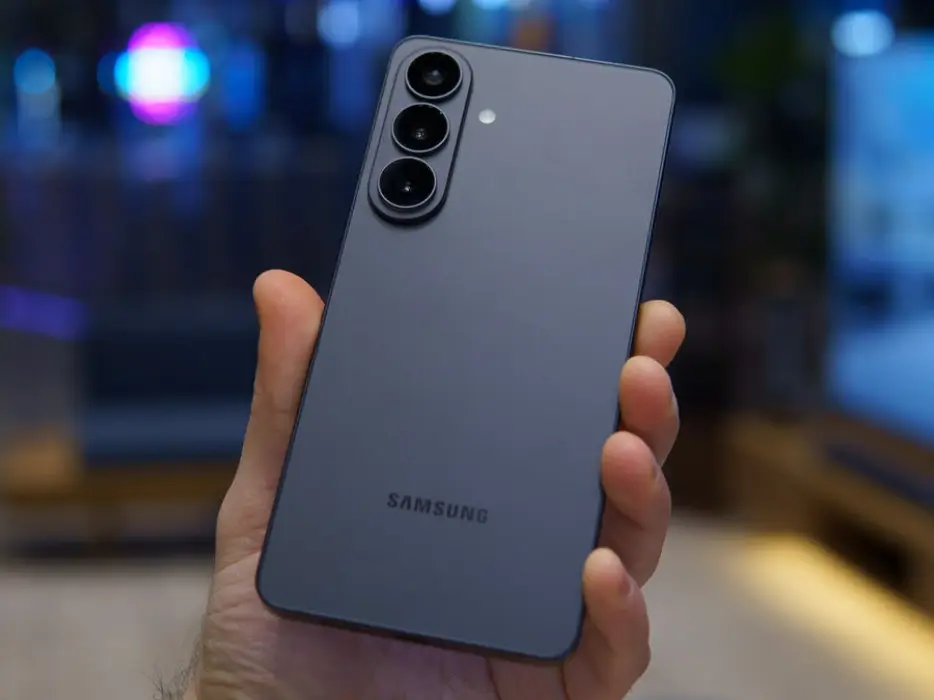)
Samsung raises Galaxy S26 prices by Rs 20,000: Here’s what each model now costs
)
J&K Assembly Session begins amid chaos: BJP, ruling alliance clash as statehood demand dominates
)
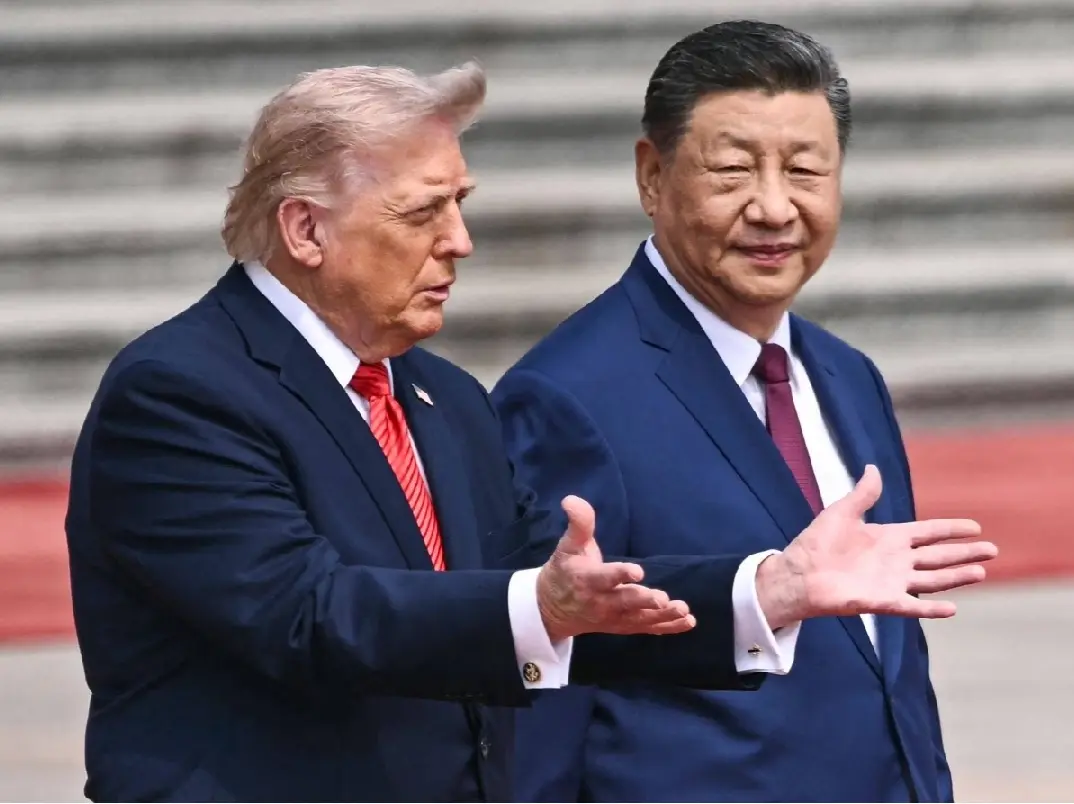
Bessent meets China’s He Lifeng to prepare for Trump-Xi summit
)
8,000 bees worth over $20,000 stolen from hives in Queensland
)
US and China vie for AI dominance as calls grow for regulation | Gravitas
)
FIFA chief Infantino wants to reform governing body with consultation from federations
)
The Verdict | The Mecca Agreement is under scrutiny as Houthis attack Saudis
)
Saudi Arabia exits China-led mBridge digital currency platform amid Saudi-Houthi conflict
)
'Lot of things to learn from experienced players': Jayasuriya backs Rohit, Virat for 2027 ODI World Cup
)
Taylor Swift has a 'proud wife' moment as Travis Kelce scores first touchdown of season: 'That’s my husband!'
)
North Korea's nuclear tests triggered 1,399 earthquakes: Earth is still shaking | Gravitas
)
Mahabharat actor Saurav Gurjar arrested in Hyderabad, sent to 14-day judicial custody in sexual exploitation case
&im=FitAndFill=(700,400))
New OTT releases this week (September 21-27, 2026): Shaque: Trust No One, Hunkkaar, Don’t Be Shy- 5 new titles coming to Netflix, Prime Video and more
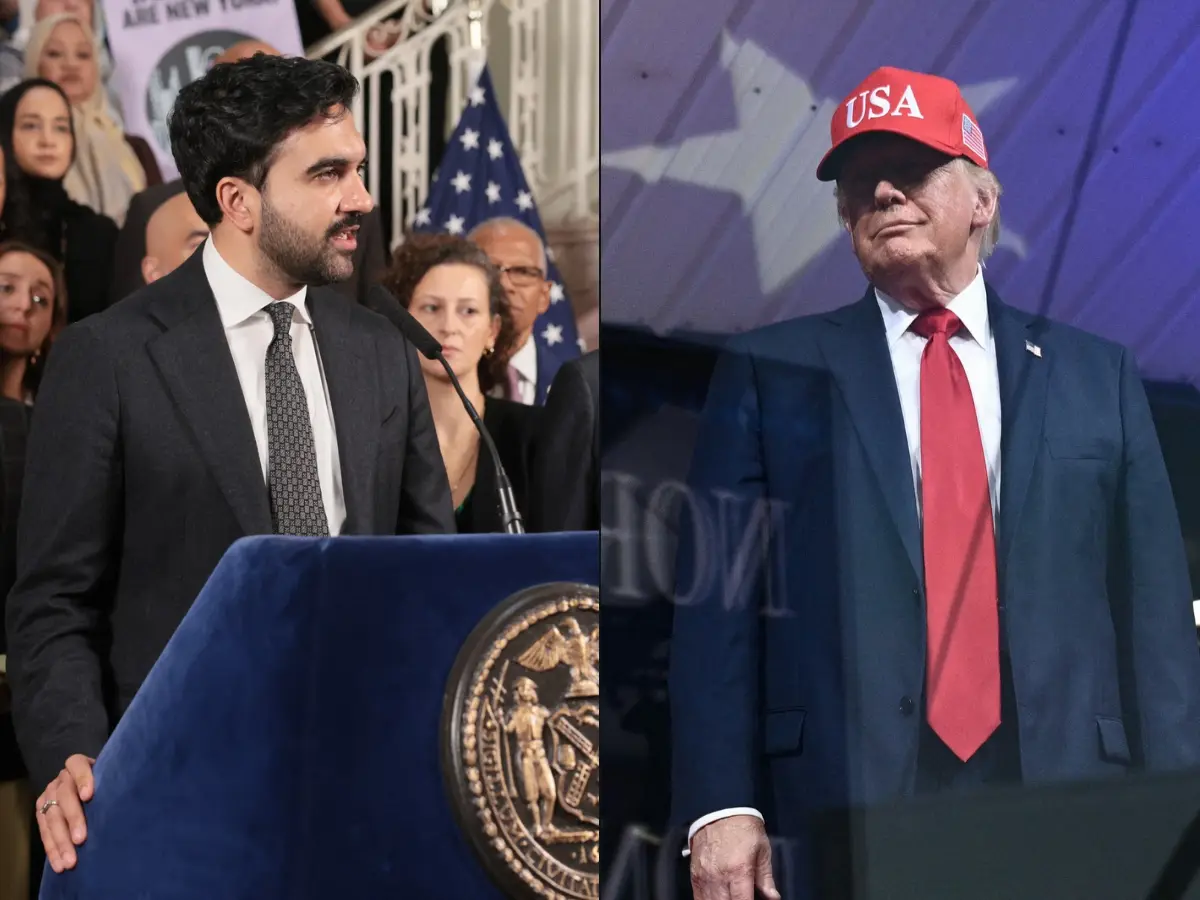)
From ‘communist’ to ‘great mayor’: Trump praises Mamdani after New York meeting, discusses immigration and housing
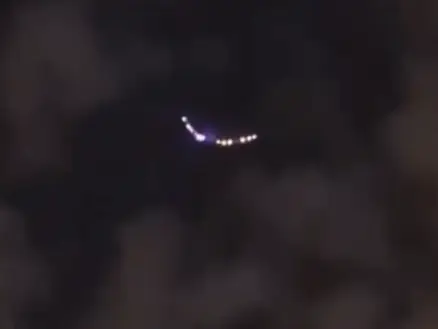)
WATCH | Mysterious lights over Tehran caught on video. Drone, aircraft or something else?
)
White House TV pool halts Trump coverage after CNN barred from UNGA events
)
Iranian airlines to shut worldwide on Sept 23, Bessent warns of US banking ban
)
China expels top generals Zhang Youxia, Liu Zhenli over ‘disloyalty’, corruption
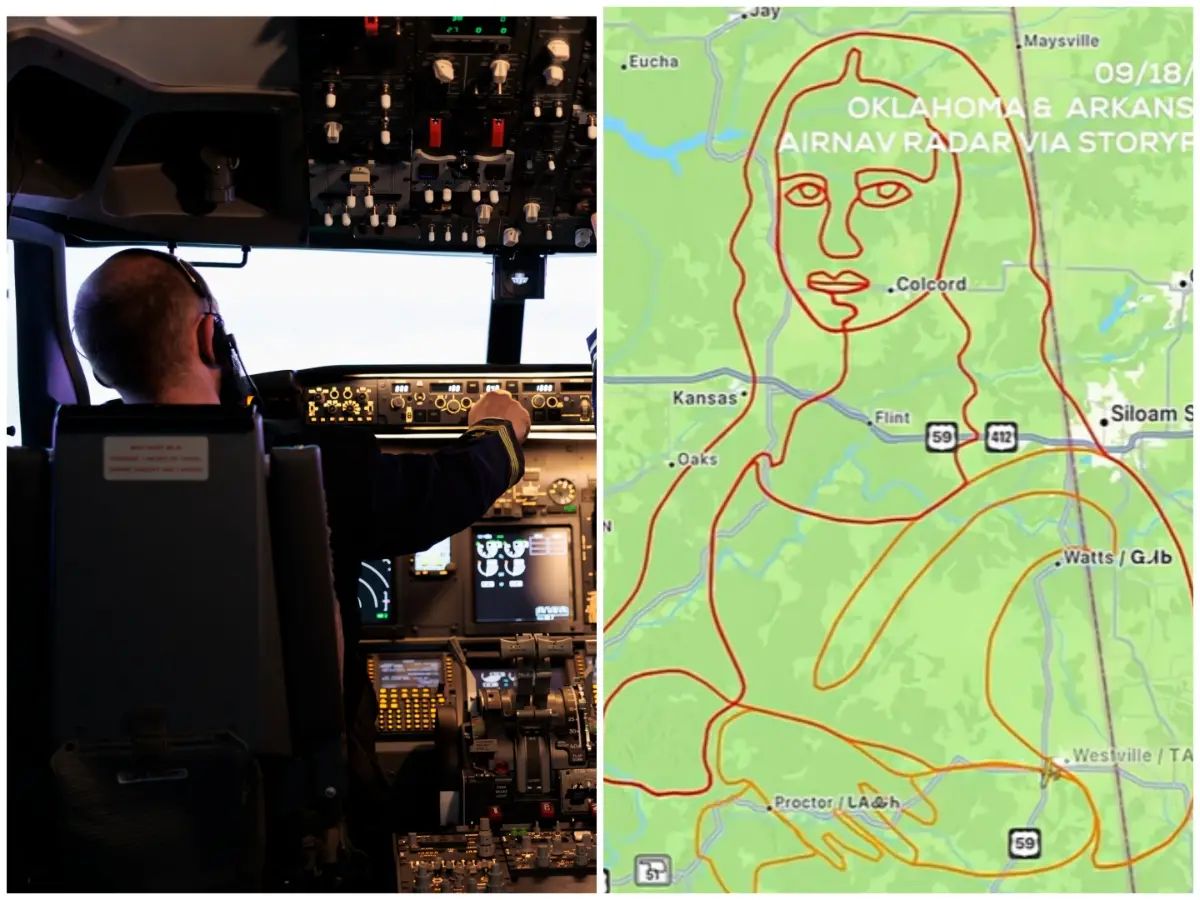)
Pilot recreates Mona Lisa in sky over Oklahoma and Arkansas in four-hour flight: VIDEO
)
UK PM Burnham agrees to 'defensive' military support for Saudi Arabia against Houthis
)
Jailer 2: Vidya Balan joins Rajinikanth's upcoming film as Kantha | Watch
)
Microsoft executive called AI training the ‘largest theft of labour in human history’
)
40-foot waves crash into cruise ship in dangerous stretch near Antarctica. Watch
)
US-Iran war, peace deals and more: What to expect from Trump's UNGA 2026 speech
)
Explainer: Why rare-earth export licences and Board of Trade are US priorities ahead of Trump-Xi summit
)
BTS fans mock iHeartRadio’s day 2 turnout after short set controversy
)
The Scandal: Why so scandalous? Ji Chang Wook leaves you gasping for air
USstate-level regulatory responses
As of November 2024, 15 U.S. states have enacted regulations to address the proliferation of ghost guns. These measures vary but generally include requirements for serial numbers, background checks, and restrictions on undetectable or 3D-printed firearms.
1. California
Mandates serial numbers and background checks for firearm components. All ghost guns must be reported to authorities. The state also bans the production of undetectable plastic guns.
2. Colorado
Requires serial numbers for firearm components. The state focuses on ensuring that all firearm parts are serialized to aid in traceability.
3. Connecticut
Imposes serial numbers and background checks for components. All ghost guns must be reported to officials. Bans plastic undetectable guns.
4. Delaware
Requires serial numbers and background checks for components. Bans plastic undetectable guns and 3D-printed firearms. Prohibits the distribution of 3D printing instructions for guns.
5. Hawaii
Mandates serial numbers and background checks for components. All ghost guns must be reported. Bans 3D-printed firearms.
6. Illinois
Requires serial numbers and background checks for all firearms and components.
7. Maryland
Mandates serial numbers and background checks for all firearms and components. All ghost guns must be reported.
8. Massachusetts
Requires serial numbers and background checks for all firearms and components. All ghost guns must be reported.
9. Nevada
Mandates serial numbers and background checks for components.
10. New Jersey
Imposes serial numbers and background checks for components. All ghost guns must be reported. Bans 3D-printed guns and distribution of 3D printing instructions. Prohibits plastic undetectable guns.
11. New York
Requires serial numbers and background checks for components. All ghost guns must be reported. Bans plastic undetectable guns.
12. Oregon
Prohibits undetectable firearms, including 3D-printed guns. Requires serialization of all firearms, frames, and receivers.
13. Rhode Island
Mandates serial numbers and background checks for components. Bans 3D-printed guns.
14. Vermont
Requires serial numbers and background checks for all firearms and components.
15. Washington
Mandates serial numbers and background checks for components. Bans plastic undetectable guns.
Balancing regulations with second amendment rights
The regulation of ghost guns intersects with Second Amendment rights, leading to legal challenges and debates. Proponents of strict regulations argue that untraceable firearms pose significant public safety risks and that measures like serialization and background checks are reasonable controls. Opponents contend that building firearms at home is a longstanding tradition protected by the Second Amendment and that such regulations infringe upon individual rights.
The USSupreme Court has engaged with cases related to ghost gun regulations, reflecting the ongoing national debate over balancing public safety with constitutional rights. The outcomes of these cases will significantly influence future legislative efforts and the legal landscape surrounding ghost guns.
Also read:All about ghost gun, an untraceable firearm connected to the killing of CEO Brian Thompson
Finally, ghost guns present complex challenges at the intersection of technology, law, and individual rights. State-level regulations aim to address public safety concerns by imposing measures like serialization and background checks. However, these efforts must carefully navigate the protections afforded by the Second Amendment. As legal battles continue and technology evolves, the discourse on ghost guns remains a critical aspect of the broader conversation on gun control and constitutional rights in the United States.
