SCO Summit: Eurasia as a NATO-like security area and banking region to counter US, West? Why these proposals can change the world

&imwidth=600&imheight=450&format=webp&quality=medium "SCO Summit: Eurasia as a NATO-like security area and banking region to counter US, West? Why these proposals can change the world")
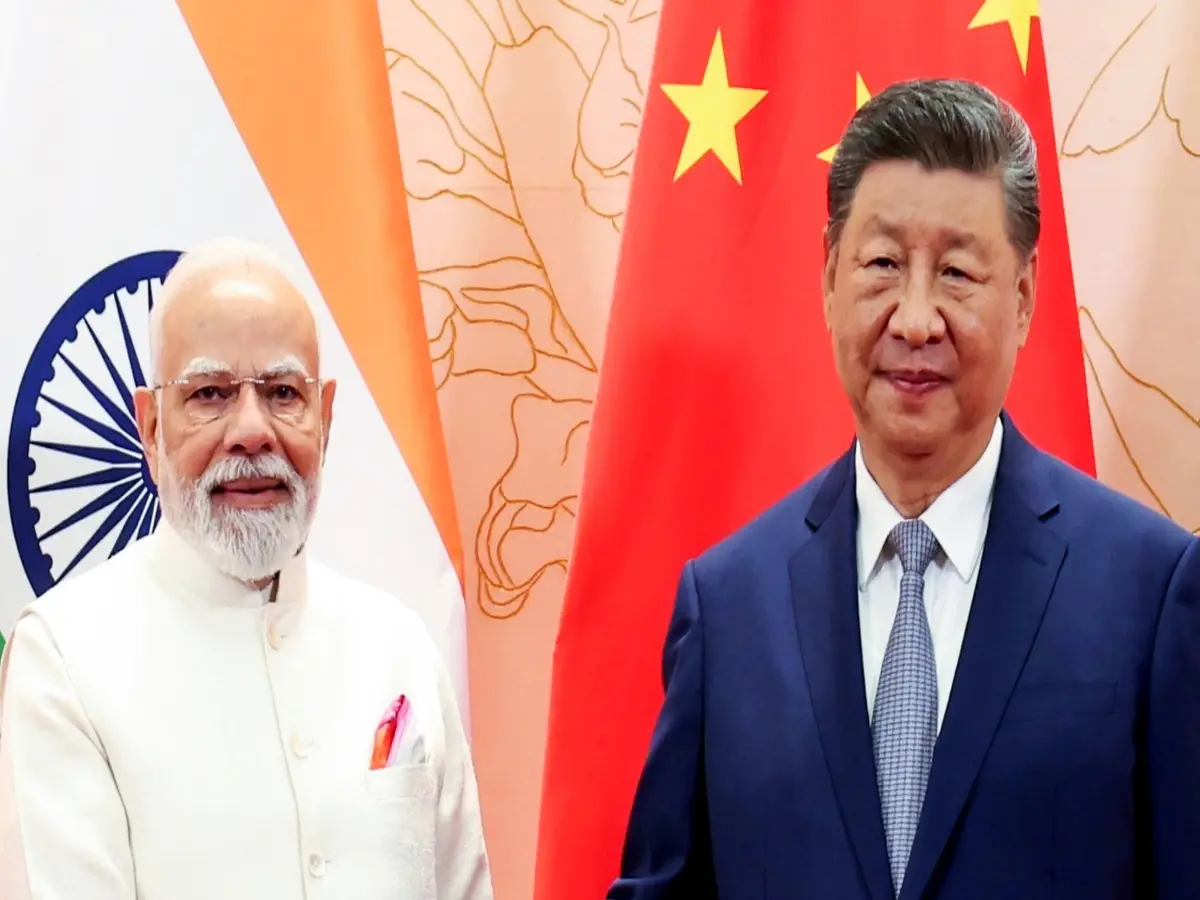
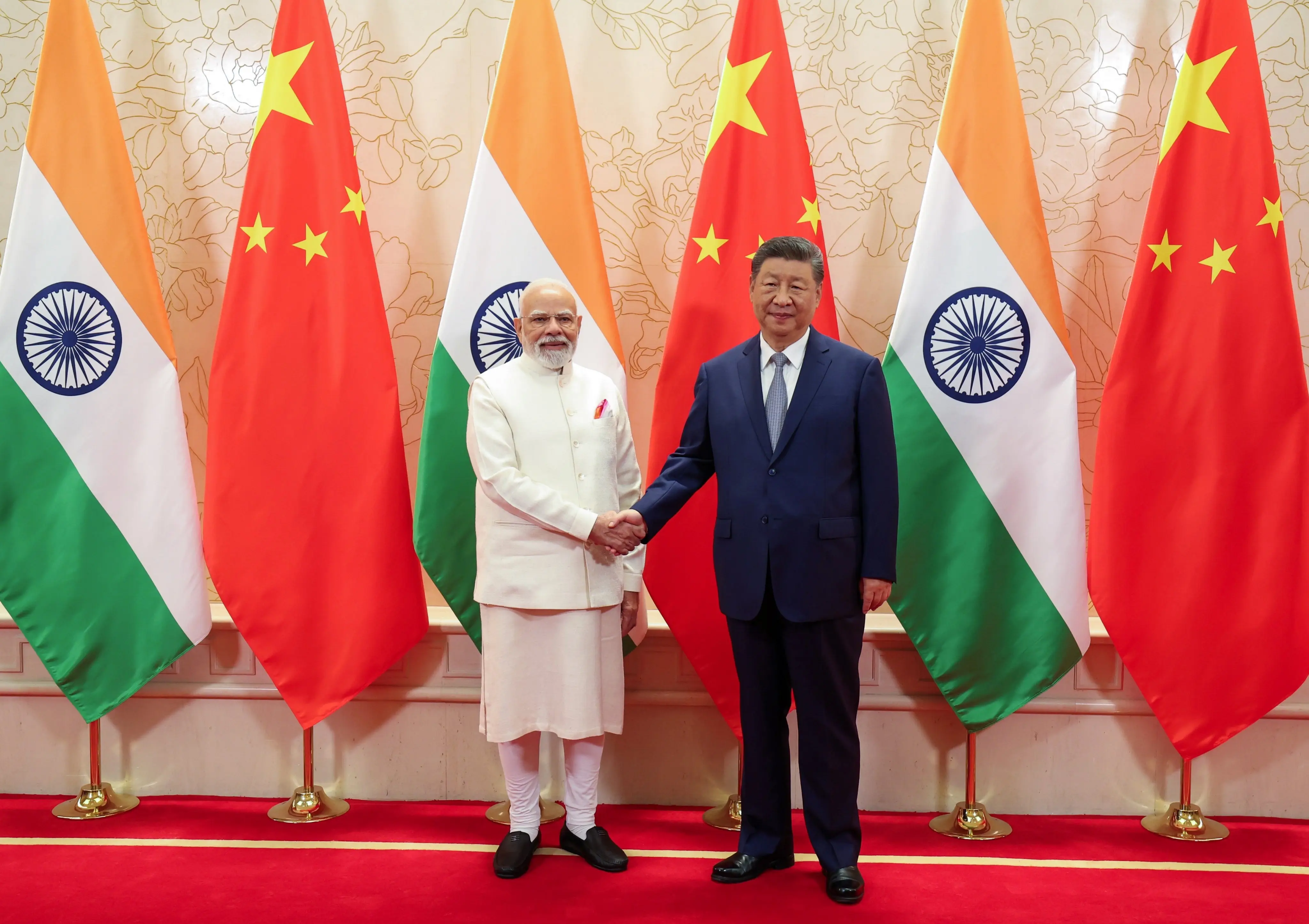
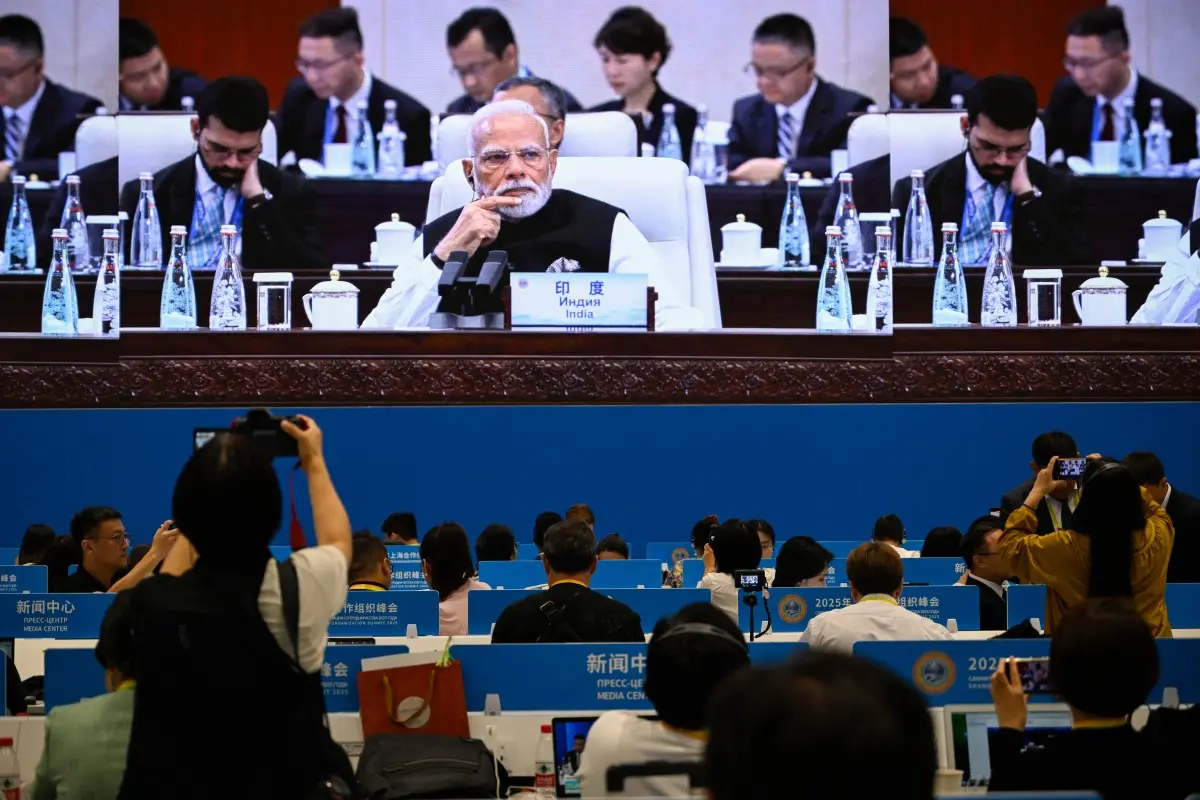
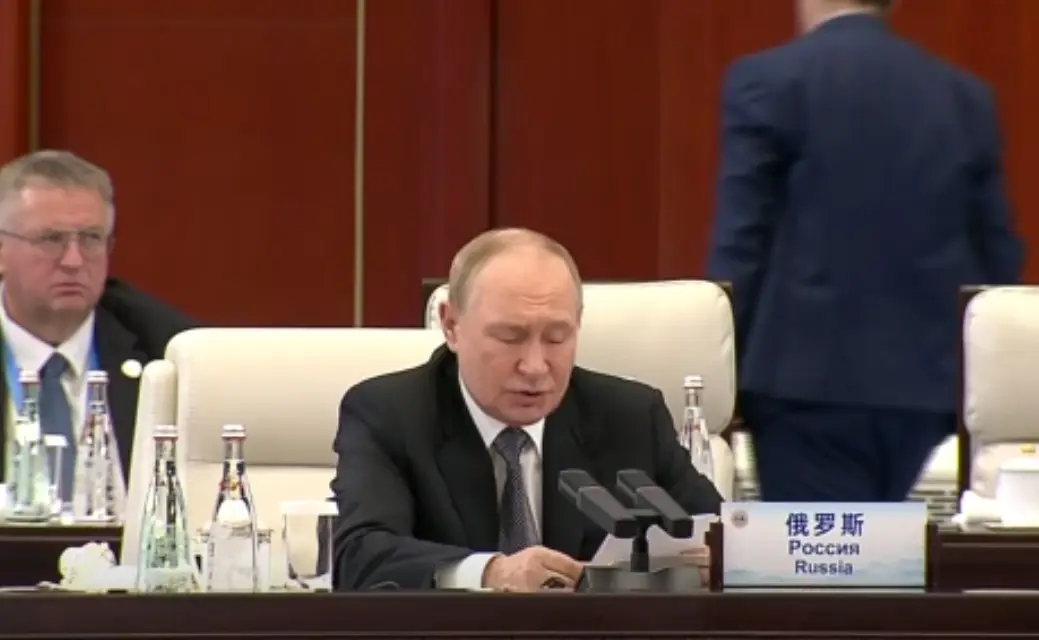
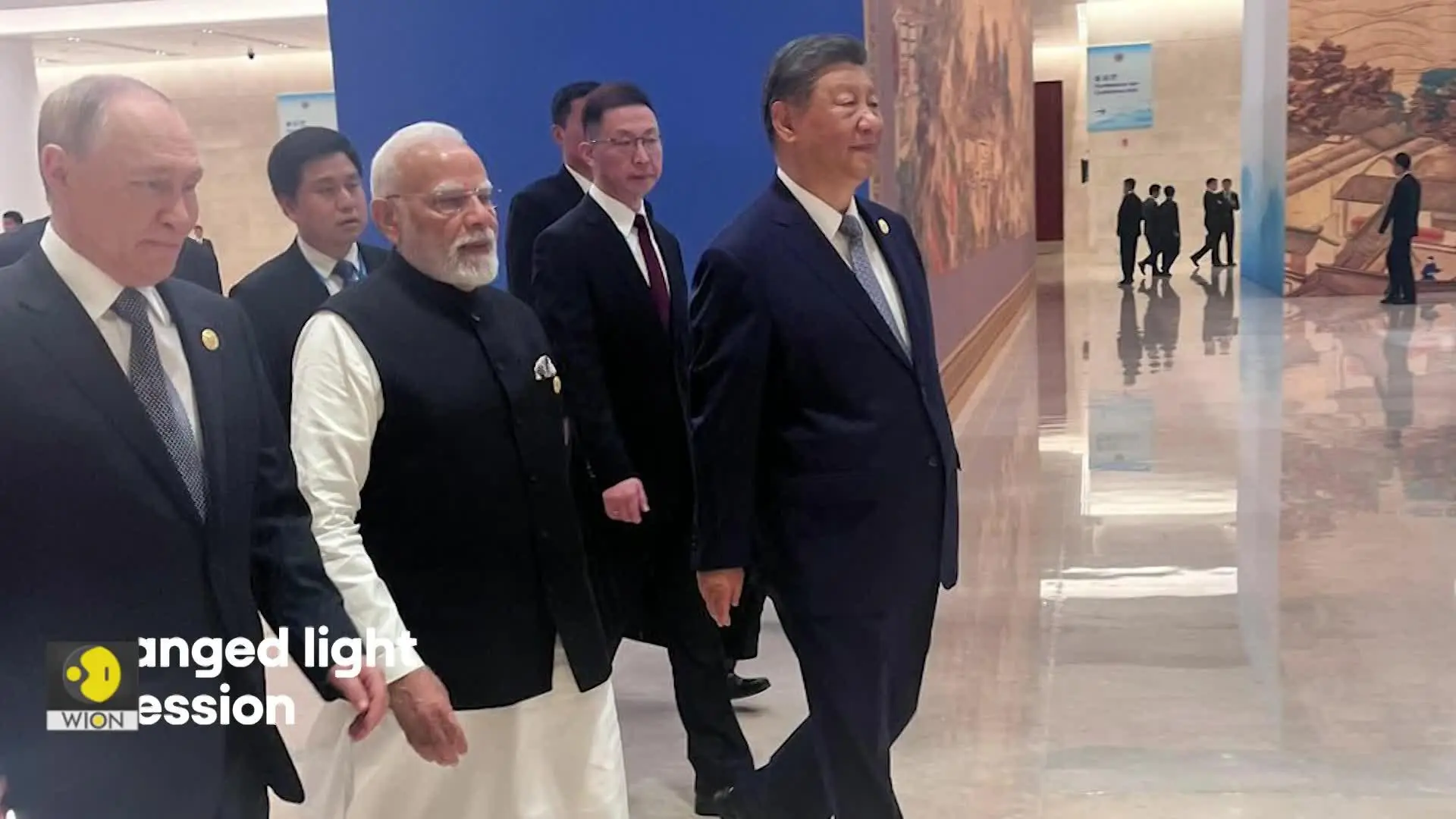
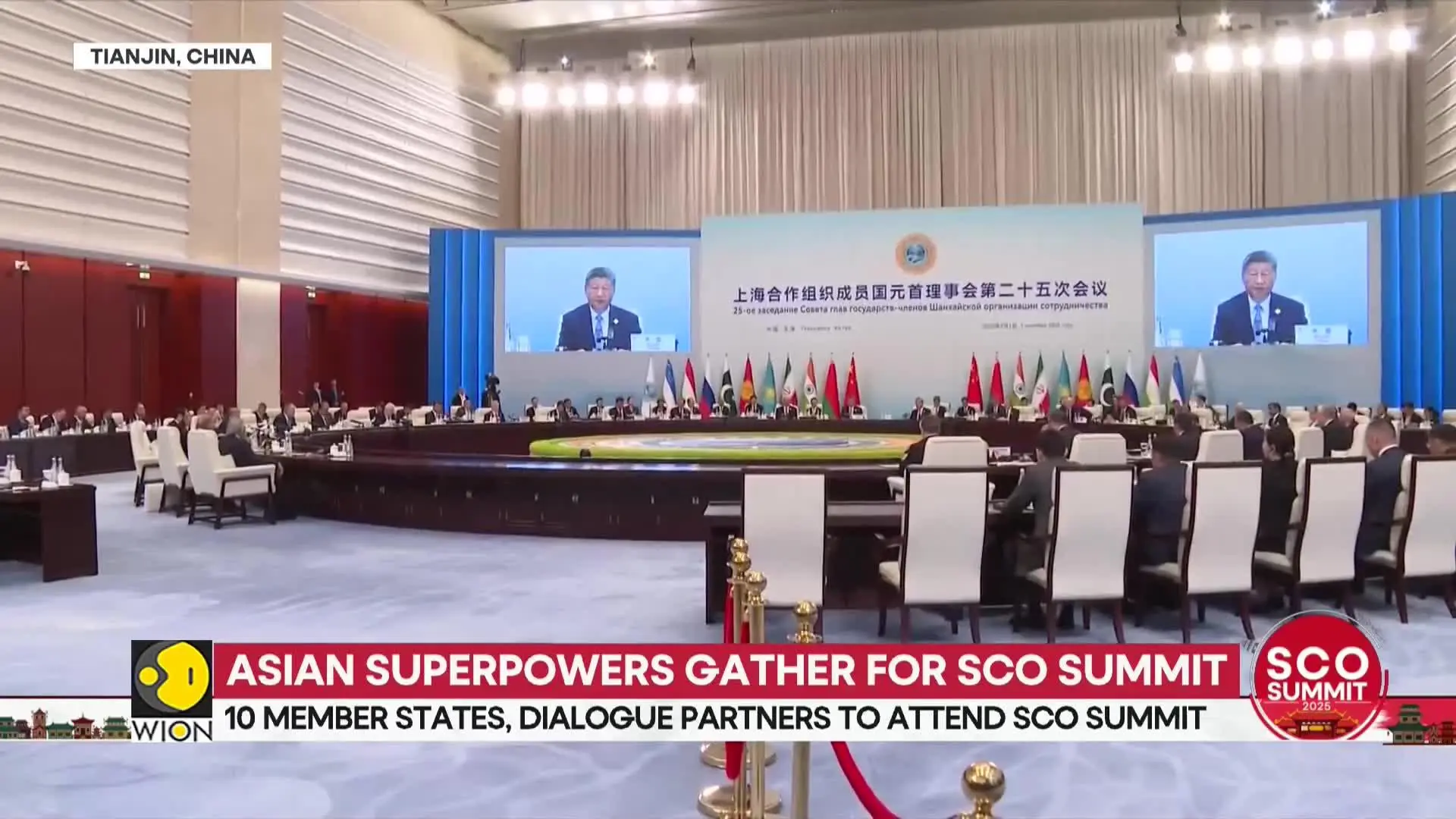
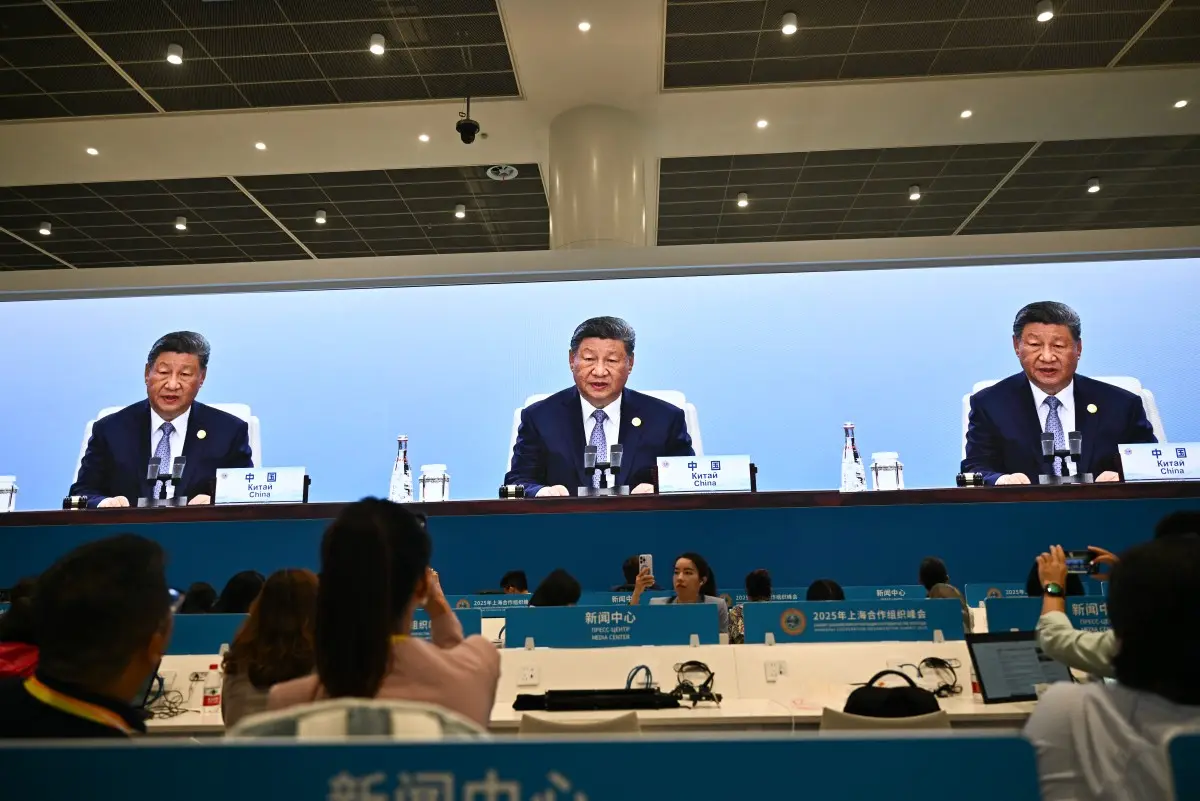
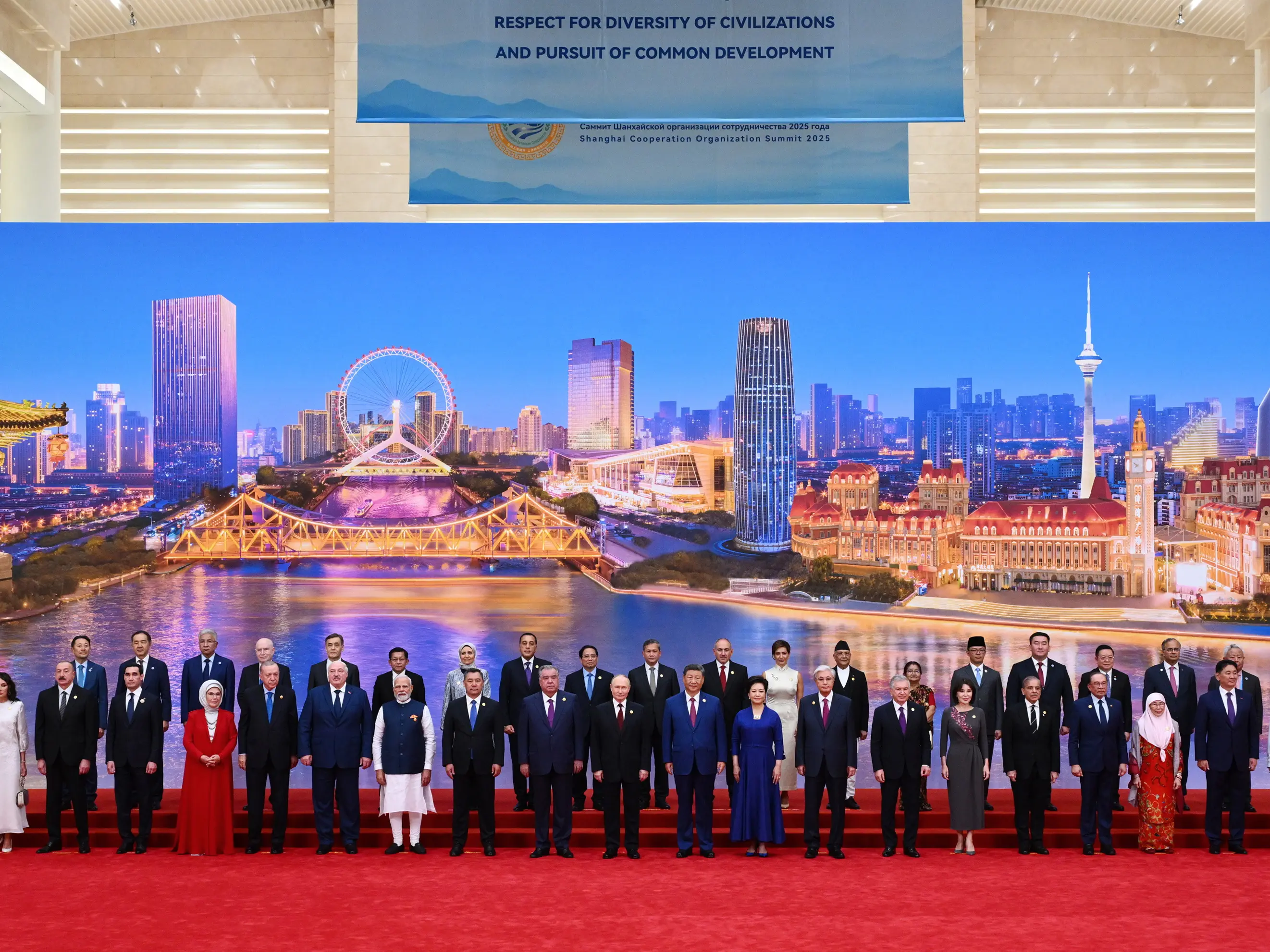
Leaders attending SCO summit in Tinjian. Can SCO lead a new world order? Photograph: (Others)
SCO Summit: Thinking of Eurasia as a common security area and banking region could change the military and economic dynamics of the entire regional nations who are members of Shanghai Cooperation Organisation. Belarus President Lukashenko's proposals point to this direction
SCO Summit: Can the regional members of Shanghai Cooperation Organisation (SCO) be part of a common Eurasian security area similar to NATO, and have a common banking region? That's a tantalising possibility discussed at the SCO summit underway in China's Tinjian city on Monday (Sep 1). The proposals were shared by Belarus President Alexander Lukashenko, and some of them were discussed in some form at the summit, which is being attended by Indian Prime Minister Narendra Modi. Belarus became a full member of SCO in 2024. Taking on from Lukashenko's six proposals, here is how SCO could reshape the world in the near future. SCO could amerge a platform of dialogue for countries affected by Western sanctions, tariff war, blockades and military actions, as they include everyone targeted by US President Donald Trump and the West: from Russia to Iran to India and China.
How SCO could lead the way for NATO-like ‘Indivisible Security’ in Eurasia
Lukashenko reiterated the idea of "Eurasian Charter of Diversity and Multipolarity in the 21st Century," with the SCO as the primary forum for its implementation. The idea of unified security framework for Eurasia stresses indivisible security where no nation's safety comes at the expense of another's. This includes addressing terrorism, cyber attacks, and regional conflicts, advocating for collective responses over unilateral actions, which sounds very similar to NATO. In Lukashenko's view, this could strengthen SCO's anti-terrorism mechanisms and promote stability across member states, which cover over 40 per cent of the world's population.
A banking area of SCO member states?
Creating an SCO Development Bank, as per Lukashenko's proposal, would finance infrastructure and development projects among Smember states, reducing reliance on Western financial institutions like the IMF or World Bank. This could help economic cooperation, given that the combined GDP in purchasing power parity of SCO members could reach $82 trillion in 2025. This aligns with broader SCO goals of de-dollarisation and could enhance trade resilience for economies like Belarus and Russia facing Western sanctions and tariffs, by facilitating loans in national currencies.
Trending Stories
&imwidth=280&imheight=210&format=webp&quality=medium)
&imwidth=280&imheight=210&format=webp&quality=medium)
&imwidth=280&imheight=210&format=webp&quality=medium)
&imwidth=280&imheight=210&format=webp&quality=medium)
&imwidth=280&imheight=210&format=webp&quality=medium)
&imwidth=280&imheight=210&format=webp&quality=medium)
&imwidth=280&imheight=210&format=webp&quality=medium)
&imwidth=280&imheight=210&format=webp&quality=medium)
&imwidth=280&imheight=210&format=webp&quality=medium)
&imwidth=280&imheight=210&format=webp&quality=medium)
&imwidth=280&imheight=210&format=webp&quality=medium)
&imwidth=280&imheight=210&format=webp&quality=medium)
&imwidth=280&imheight=210&format=webp&quality=medium)
&imwidth=280&imheight=210&format=webp&quality=medium)
&imwidth=280&imheight=210&format=webp&quality=medium)
&imwidth=280&imheight=210&format=webp&quality=medium)
&imwidth=280&imheight=210&format=webp&quality=medium)
&im=FitAndFill=(700,400)&imwidth=280&imheight=210&format=webp&quality=medium)
&imwidth=280&imheight=210&format=webp&quality=medium)
&imwidth=280&imheight=210&format=webp&quality=medium)
&imwidth=280&imheight=210&format=webp&quality=medium)
&imwidth=280&imheight=210&format=webp&quality=medium)
&imwidth=280&imheight=210&format=webp&quality=medium)
&im=FitAndFill=(700,400)&imwidth=280&imheight=210&format=webp&quality=medium)
&imwidth=280&imheight=210&format=webp&quality=medium)
&imwidth=280&imheight=210&format=webp&quality=medium)
&imwidth=280&imheight=210&format=webp&quality=medium)
&imwidth=280&imheight=210&format=webp&quality=medium)
&imwidth=280&imheight=210&format=webp&quality=medium)
&imwidth=280&imheight=210&format=webp&quality=medium)
&imwidth=280&imheight=210&format=webp&quality=medium)
&imwidth=280&imheight=210&format=webp&quality=medium)
&imwidth=280&imheight=210&format=webp&quality=medium)
&imwidth=280&imheight=210&format=webp&quality=medium)
&imwidth=280&imheight=210&format=webp&quality=medium)
&imwidth=280&imheight=210&format=webp&quality=medium)
Towards an SCO-led security architecture
SCO is envisioning a ‘Universal SCO Center for Countering Security Challenges and Threats’, and an ‘Anti-Drug Centre’. These centres can cooerdinate response to transnational issues like drug trafficking, extremism, and organised crime. They can build on existing SCO bodies like the Regional Anti-Terrorist Structure (RATS), making it a more proactive force in regional security. This becomes relevant amid rising drug flows from Afghanistan and cyber threats.
An independent financial mechanism for SCO
As advocated by Lukashenko, an autonomous SCO financial system to fund cross-border initiatives could mitigate the impact of tariffs and sanctions, while financial settlements can be done in national currencies. This could support projects in logistics, energy, digital transformation, and artificial intelligence. This could offset external pressures like Trump tariffs, US and EU sanctions through alternative payment infrastructures. This could be done through expanding the SCO Interbank Association, promoting sustainable growth in a multipolar economy while reducing vulnerability to global financial volatility.
Promoting trade between SCO member nations
While analysing Lukashenko's proposals for trade promotion, it should be noted that SCO member states are some of the biggest purchasers and sellers of oil and natural gas. Annual trade among SCO nations already surpasses $2 trillion. As Lukashenko mentioned, it can be expanded through joint investment funds, digital economy development, and green technologies. Trade can expand beyond commodities, focusing on high-tech sectors to achieve long-term economic synergy. This could also faciliate energy deals between Russia, China and India, or tech collaborations involving India, countering trade barriers imposed by the US.
Expanding SCO to coalition of concerned states
As indicated by Lukashenko, no other grouping currently has the membership of nations affected by Western sanctions as SCO. The Belarus leader supported admitting new members and partners who embody the "Shanghai Spirit" of mutual respect, trust, equality, dialogue, and common development. Such an expansion will improve the influence of SCO, particularly if Turkey and ASEAN nations are included as observers. This year's SCO summit is a harbinger of such expansion, having seen attendance by 30 leaders including non-members like Egypt's prime minister and UN Secretary-General António Guterres. Expansion could enhance the SCO's geopolitical weight as a counterbalance to NATO or the G7. But there is risk that its cohesion could be diluted, if new entrants have conflicting interests. Already, there are tensions between India and Pakistan over cross-border terrorism, even as Islamabad is increasingly getting closer to Trump administration.
Can SCO members resolve their bilateral conflicts and work towards common security and economic goals? If that happens, it could change world history.