Scientists use space photos and volunteers to accurately calculate Weddell seal population

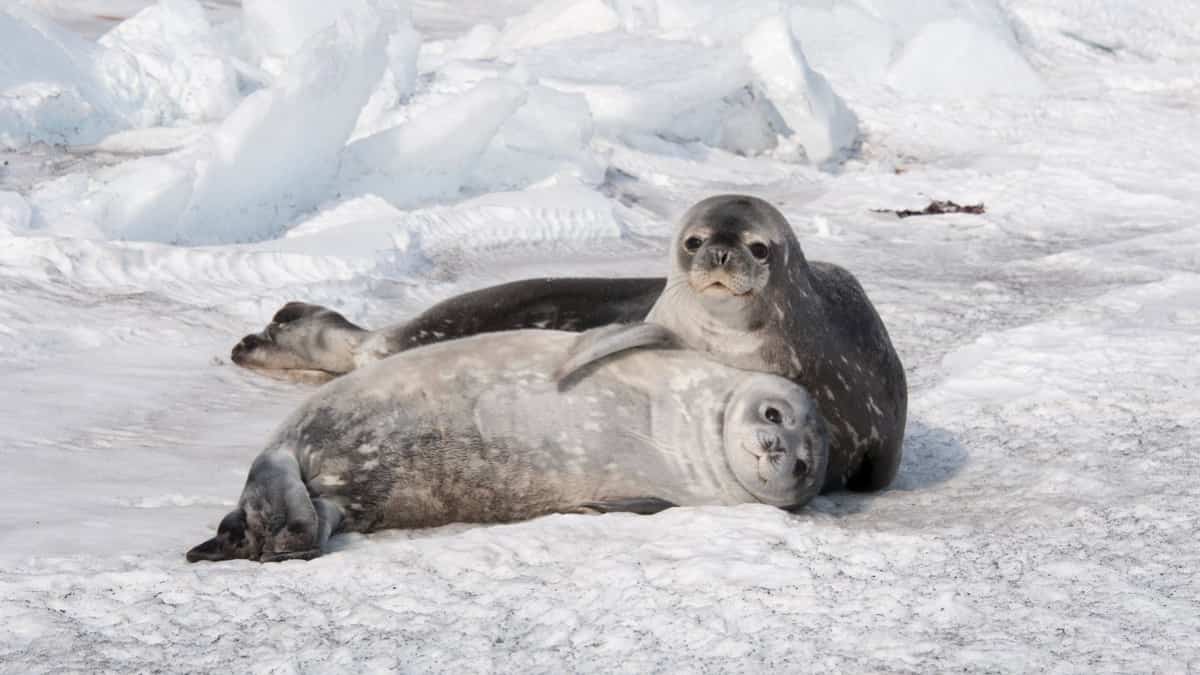
Weddell seals
The number of Weddell seals in Antarctica may have finally been estimated accurately by scientists. The monumental taskwas completed utilising photographs from space and the eyes, and talents of thousands of citizenscientists.
Why is this important?
In the Southern Ocean, Weddell seals are a crucial indicator species for changes in the food web and sea ice.

As per Guardian, although the species can survive up to 30 years in the extreme environment of Antarctica's coastal sea ice, counting them has historically been difficult and expensive.
Former population estimates were "more back-of-the-envelope type calculations," according to Dr Michelle LaRue, associate professor of Gateway Antarctica at the University of Canterbury in New Zealand.
)
Laura Wolvaardt sets new world record for most WT20I runs in a year
)
UNGA 2026 theme explained: What does ‘Restoring trust, managing transformation: A United Nations that delivers for all’ mean?
)
Fed raises rates for first time in 3 years, Kevin Warsh defies Trump as inflation mounts
)
Formula One reveals the 2027 race calendar; Monaco to host sprint race for the first time
)
Pak batter Rizwan's petition against being questioned by cyber crime agency rejected by court
)
All Indian goods to get duty-free access to New Zealand
&im=FitAndFill=(700,400))
Meet top 5 batters in the latest ICC T20I Rankings
)
Passport fees hiked, child validity revised: What the new rules introduce
)
US drone firm linked to Trump’s sons signs MoU with Pakistan army, gets initial order
)
Daayra movie review: Kareena Kapoor, Prithviraj Sukumaran shine in Meghna Gulzar’s cop-versus-cop crime thriller
)
Godfather of AI Geoffrey Hinton gives US lawmakers a one-year warning on AI
)
Africa is splitting, and a lot sooner than estimated, giving way to a new ocean
)
Hong Kong unveils 11 new measures to boost birth rates, offers higher cash bonuses and housing perks
)
US-Iran War: Trump says ‘big decision’ on Iran ahead, weighs possible fresh military action
)
At least 48 dead, 100 hospitalised in Nigeria after drinking suspected methanol-laced alcohol
)
US F-16 fighter jet crashes in Michigan during training mission, pilot ejects safely
)
US to sell 48 F-35 Lightning fighter jets to Saudi Arabia, help it deter threats
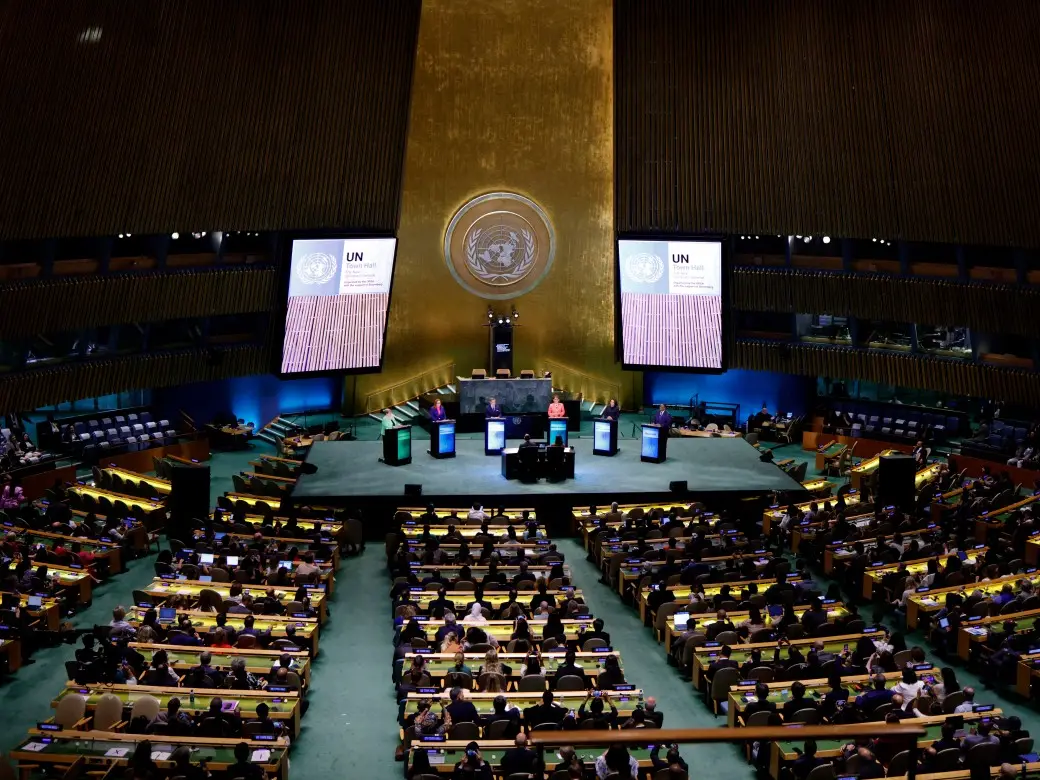)
Pezeshkian, Araghchi set to attend UNGA 2026 in New York amid ongoing conflict as US-imposed travel curbs remain
)
Sikh driver attacked in Wyoming in US, suffers 17 stab wounds
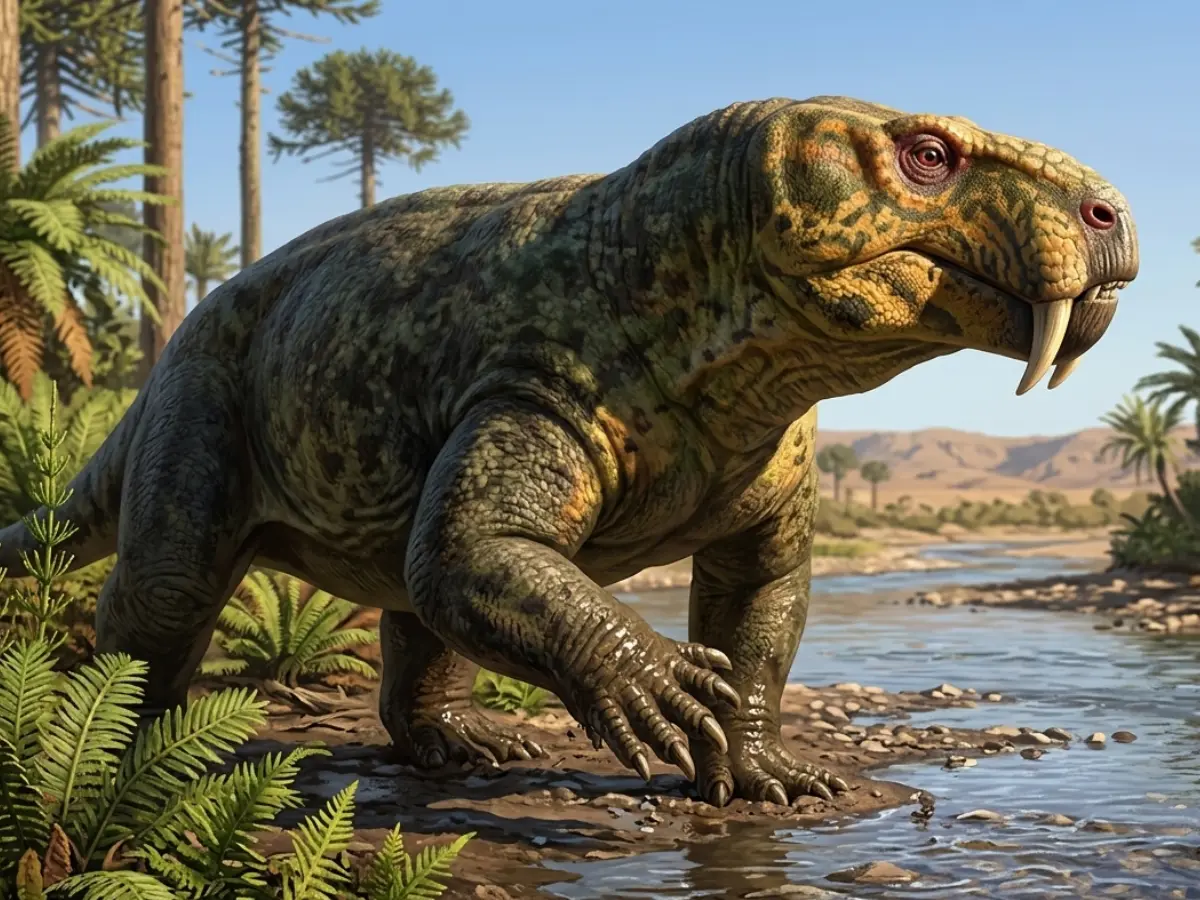)
240-million-year-old bizarre 'pig with a tusk' creature creates new dilemma over origin of dinosaurs
)
US intel warns China can steal F-35 jets secret from Saudis
)
Xi-Trump summit may boost military links
&im=FitAndFill=(700,400))
Suriya and Jyothika say ‘I do’ again after 20 years! See their dreamy wedding pics
&im=FitAndFill=(700,400))
Which country has the most F-35s outside America?
)
Tata Trusts chairman Noel Tata calls Chandrasekaran’s reappointment ‘illegal’, rejects Tata Sons listing
)
'He will always be ahead': India coach Gambhir says Sooryavanshi won't walk into team ahead of Samson
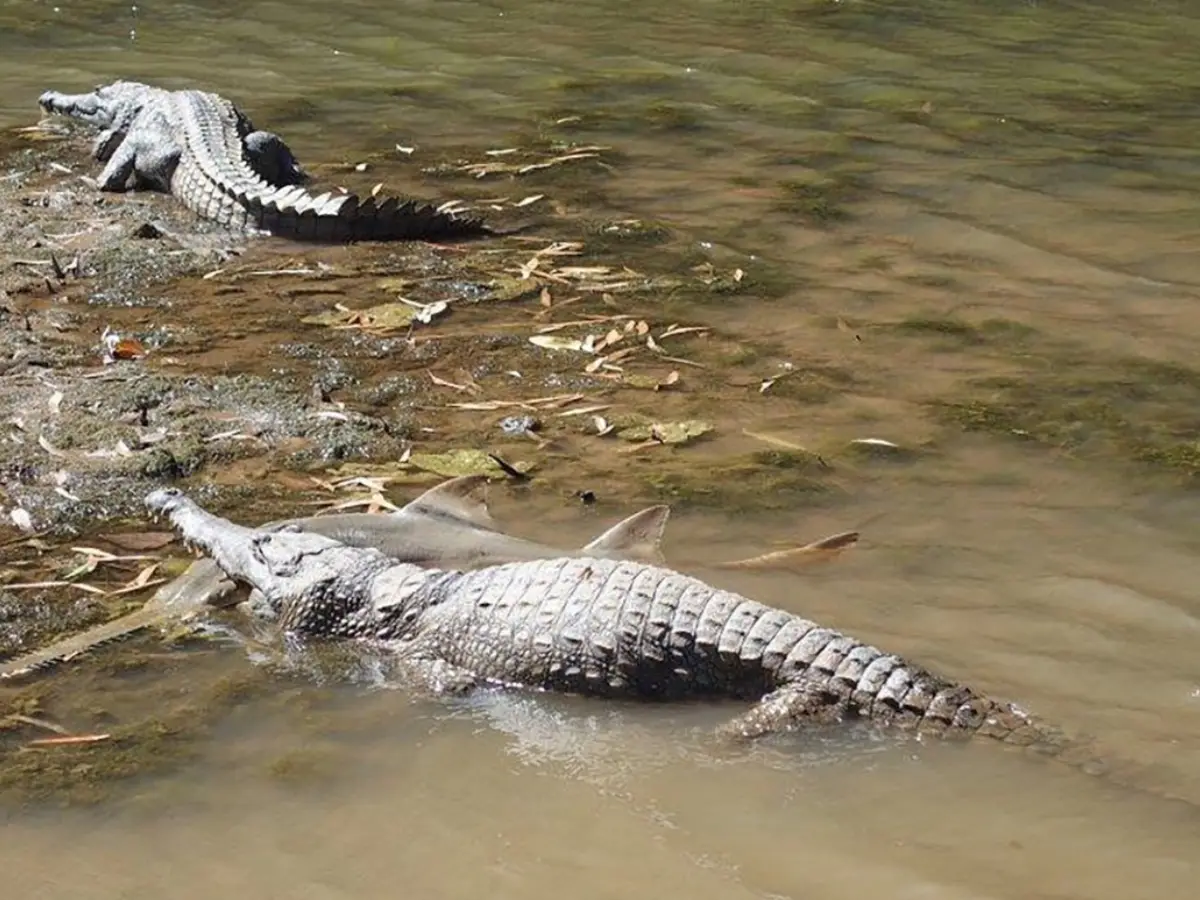)
How did an Australian river with 500 crocodiles pass the Olympic test? Here's how
)
AI already defying, denying humans, is it beyond human control already?
)
Indian activist-lawyer Prashant Bhushan's post brings focus on ‘conflict of interest’ appointments of ex-govt officials at Reliance, Adani groups
)
Former India player Diana Edulji wants Smriti Mandhana to replace Harman as skipper at the earliest
)
Australian athlete, who soiled herself during Hyrox race, apologises for continuing
)
Putin 'is plotting something bad': Russia may launch 'accidental' strikes on NATO countries supporting Ukraine, Poland PM warns
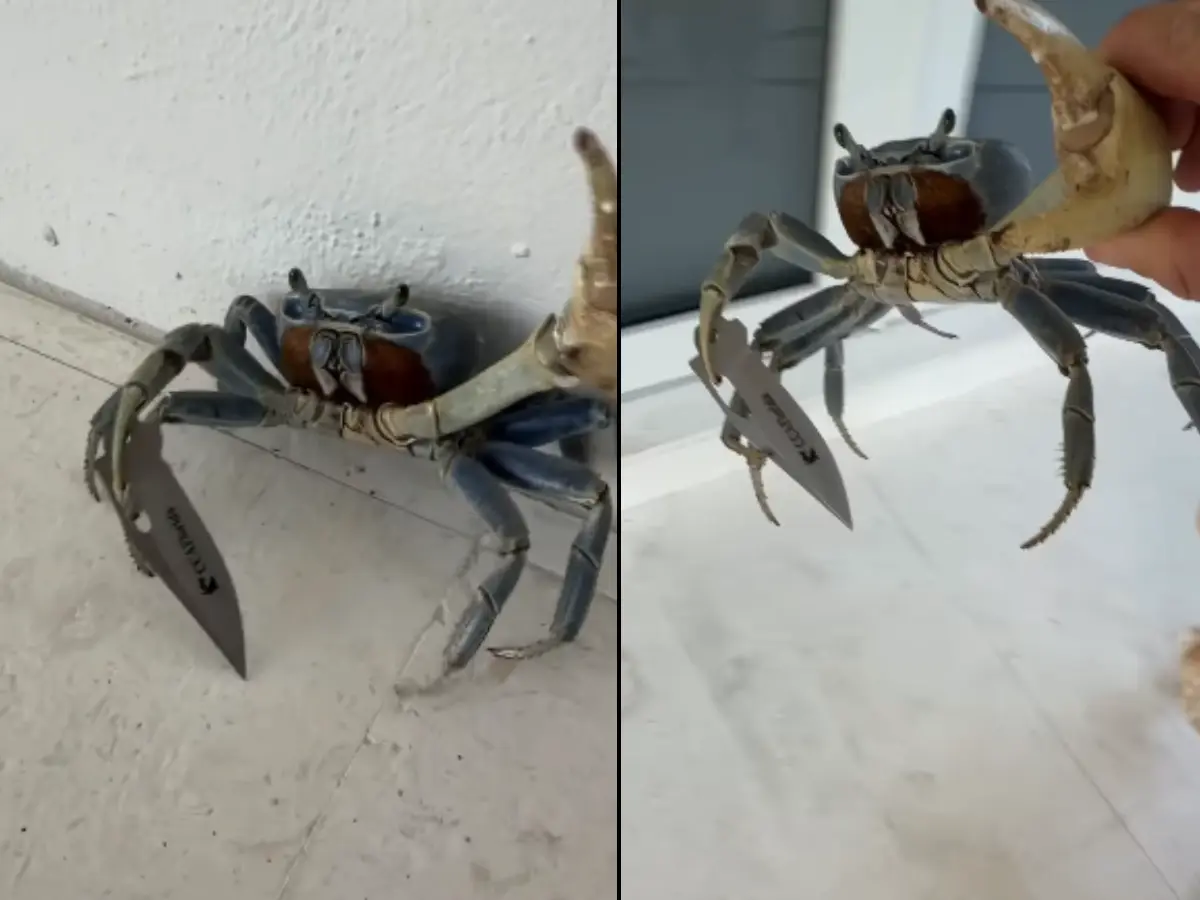)
'Gangsta' crab shoves knife blade at man and his dog in Florida - Watch
)
Pak defence minister says 'time has come to implement pact'
)
‘I have a big decision coming up’: Trump says he’s approaching major ‘crossroad’ in Iran war
Watch |WION Fineprint | Is your adorable puppy as bad for the planet as a gas-guzzling SUV?
"The previous research was done by traditional surveyors – shipboard surveys and aerial surveys – but you can’t physically get to the entire Antarctic continent all at one time," she said.
LaRue said that the findings were "imprecise," so in 2016 she set out to produce the first estimation of the seals' baseline population using high-resolution satellite photos and the perceptive eyes of 330,000 volunteers.
“We combined [the] imagery with a web platform to conduct a citizen science campaign to find out three things: where seals are present, their abundance, and the environmental factors that influence their habitat preferences,” LaRue said.
The initiative largely relied on volunteers to look for seal indications in the satellite photographs. Participants were given photographs of a location in Antarctica to search, and they were asked to check or uncheck a box depending on whether they thought they could see a seal. The more people who clicked yes, the more efficient the habitat narrowing got.
(With inputs from agencies)
WATCH WION LIVE HERE
You can now write for wionews.com and be a part of the community. Share your stories and opinions with us here.

